Architecture10 mins. read
The ideal past, relentless present and fitting futures of suburbia in Germany
by Mrinmayee BhootAug 07, 2026



by Chahna TankPublished on : Sep 23, 2026
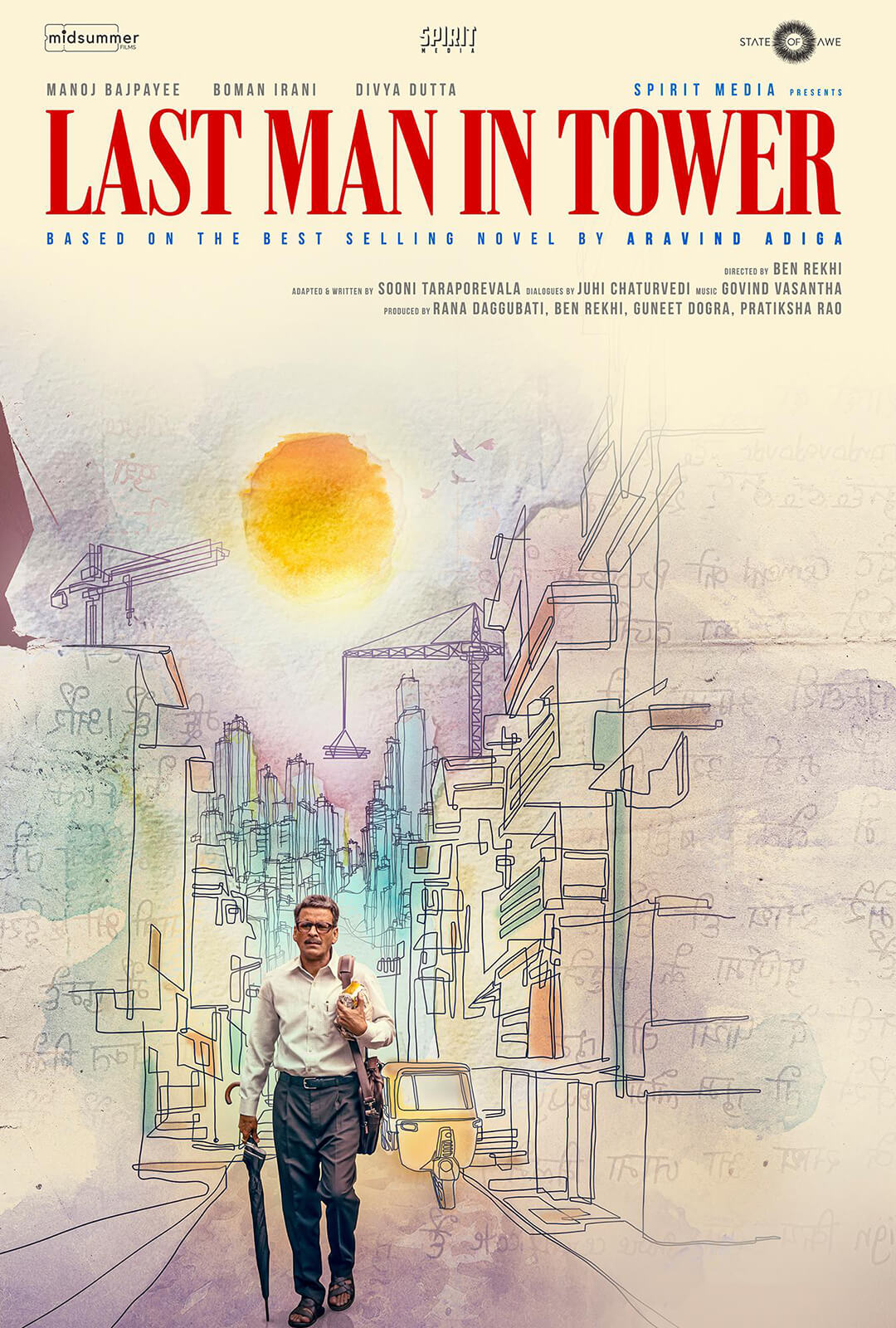
A new builder-led redevelopment scheme is dreamed up nearly every day in Mumbai. Over 1,000 such projects have been launched since 20201, with more and more older housing societies—often vertically stunted, but horizontally, a village in themselves—being transformed into taller towers with newer and shinier amenities with promises of a more luxurious life. This vertical boom is a peculiar contradiction, though, for a city that is already pressed for land, a city that is increasingly vulnerable to rising sea levels and, as some projections warn, facing the possibility of being partly submerged by 20502. Yet, Mumbai continues to build toward the sky—its appetite for building seemingly inexhaustible. It is within this ceaseless city that American director Ben Rekhi’s film Last Man in Tower—adapted from Aravind Adiga’s 2011 book of the same name—unfolds. It's a story about one ageing co-op housing society, one ambitious redevelopment proposal and one resident who refuses to make way for it.
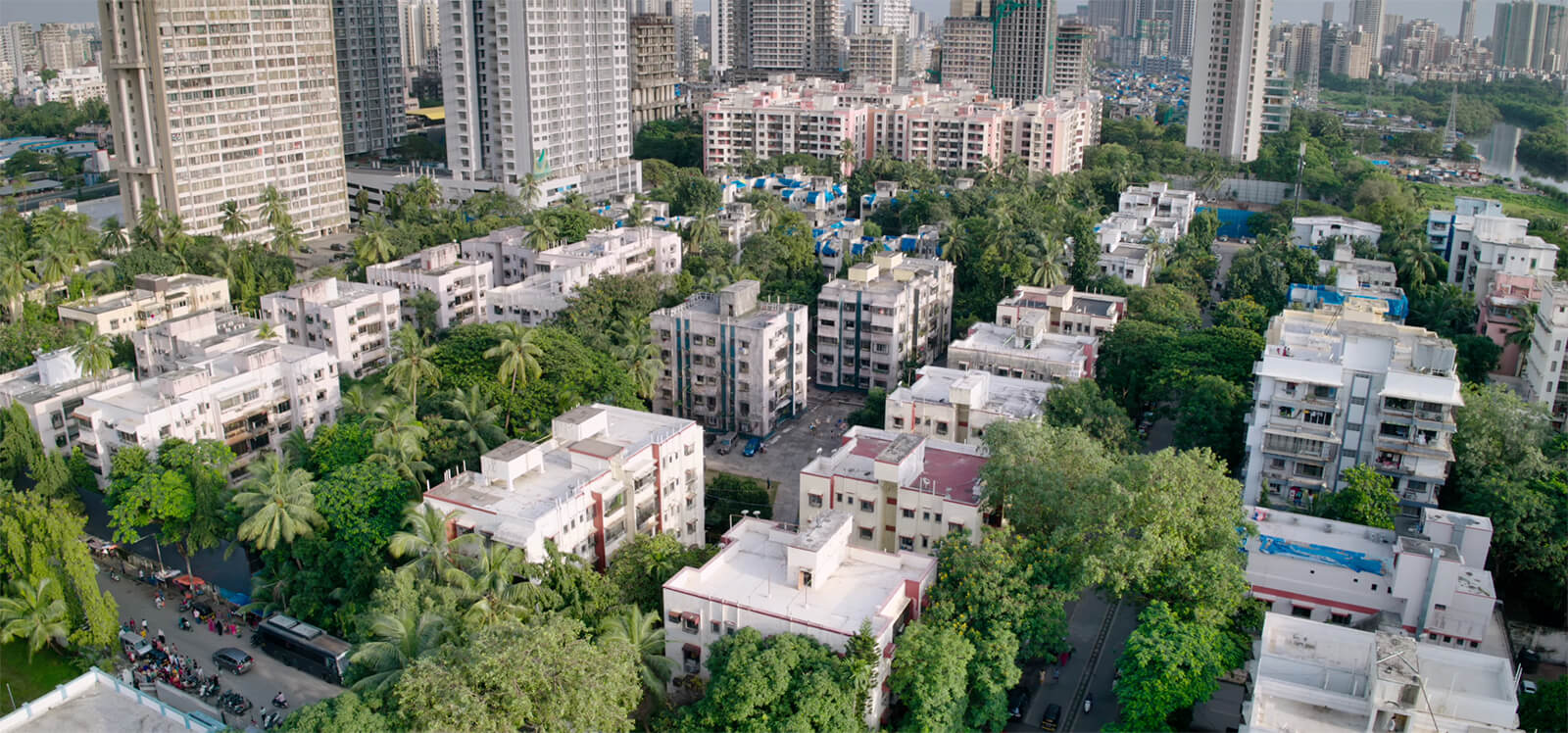
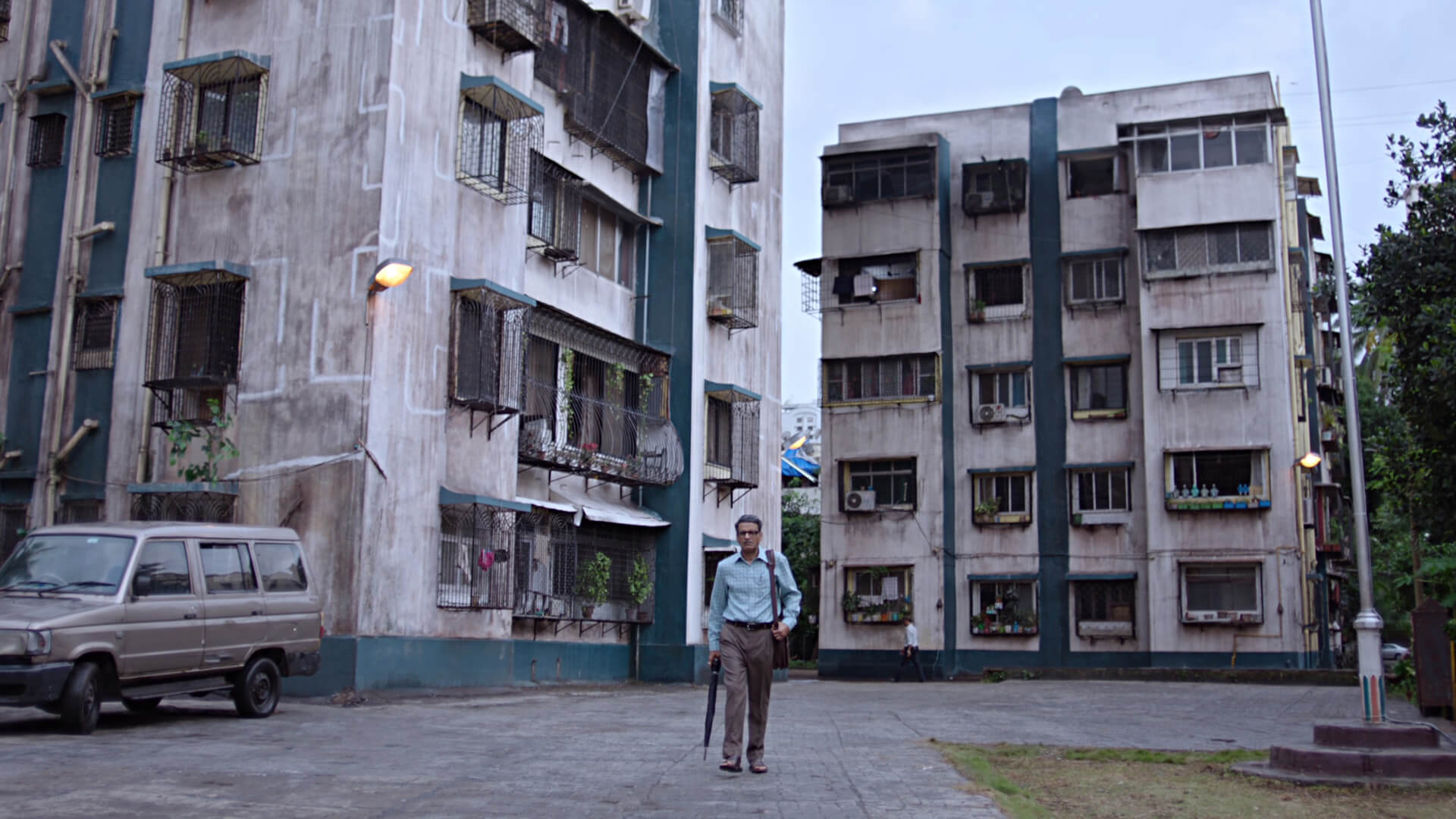
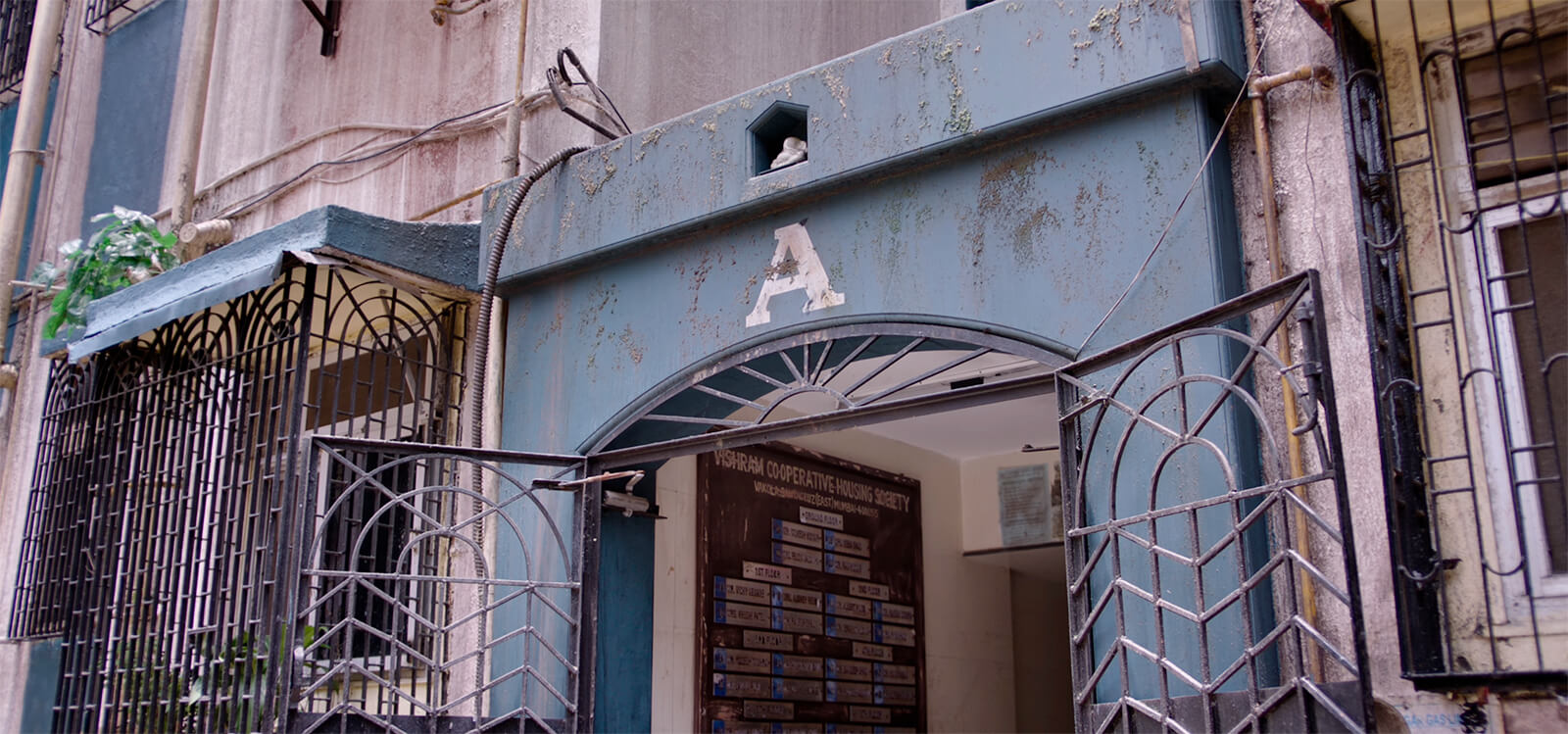
The housing in question, Vishram Society (its name, meaning ‘rest’, feels almost antithetical to the city around it), is an old building with peeling paint, failing infrastructure and crumbling apartments—seemingly ripe for redevelopment. But there is life within these decrepit, rain-battered, patchworked walls: families who have lived in these apartments for decades, children who play in its corridors, neighbours who quarrel and then become friends. Middle-class families with aspirations they don’t always have the means to fulfil in a city like Mumbai. One resident wants to pay off his loans, for instance. Another wants to send her daughter abroad. Mrs Puri, played by Divya Dutta, wants better care for her special-needs son.
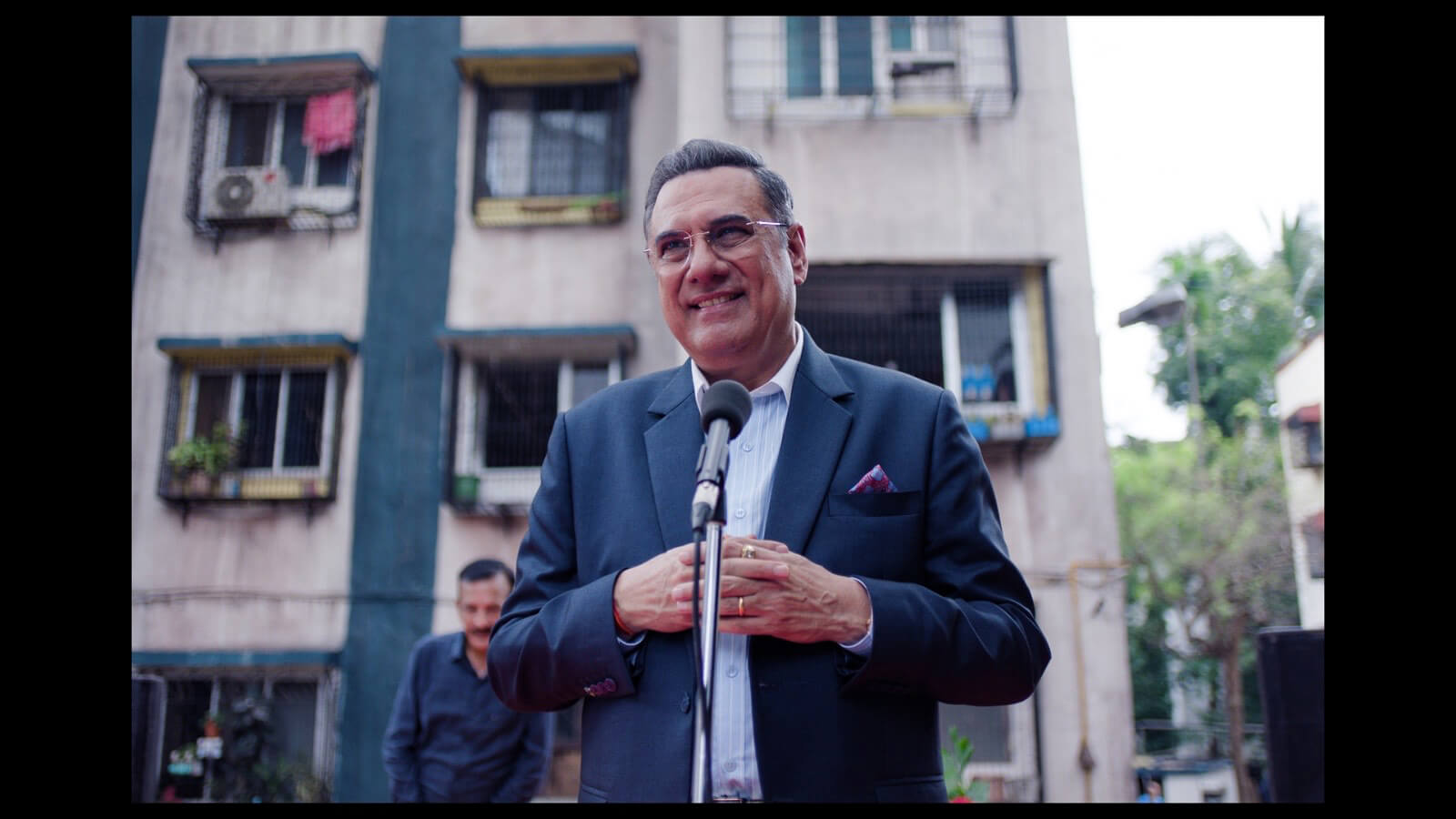
The builder Dharmen Shah, played by Boman Irani, knows how to put a price on these aspirations all too well. The affluent, ailing developer wants to transform Vishram Society into a luxury skyscraper and call it Shanghai. His dream project, his last hurrah; a legacy writ unto the skyline of the city that’s always growing taller. The society’s strategic location between the airport, the slums and Mumbai’s financial district—or the 'golden triangle' as Shah dubs it—makes the land all the more irresistible to him. Seemingly nearing the end of his life with damaged lungs, he has no reservations about persistently building more and more, despite warnings from his doctor about the dangers of inhaling demolition debris. The doctor also pointedly reminds him that in a city where he can buy almost anything, he cannot buy clean air. Yet even as Shah is personally affected, he has no qualms about making construction workers work in unsafe conditions either, simply offering them more and more money to keep going.
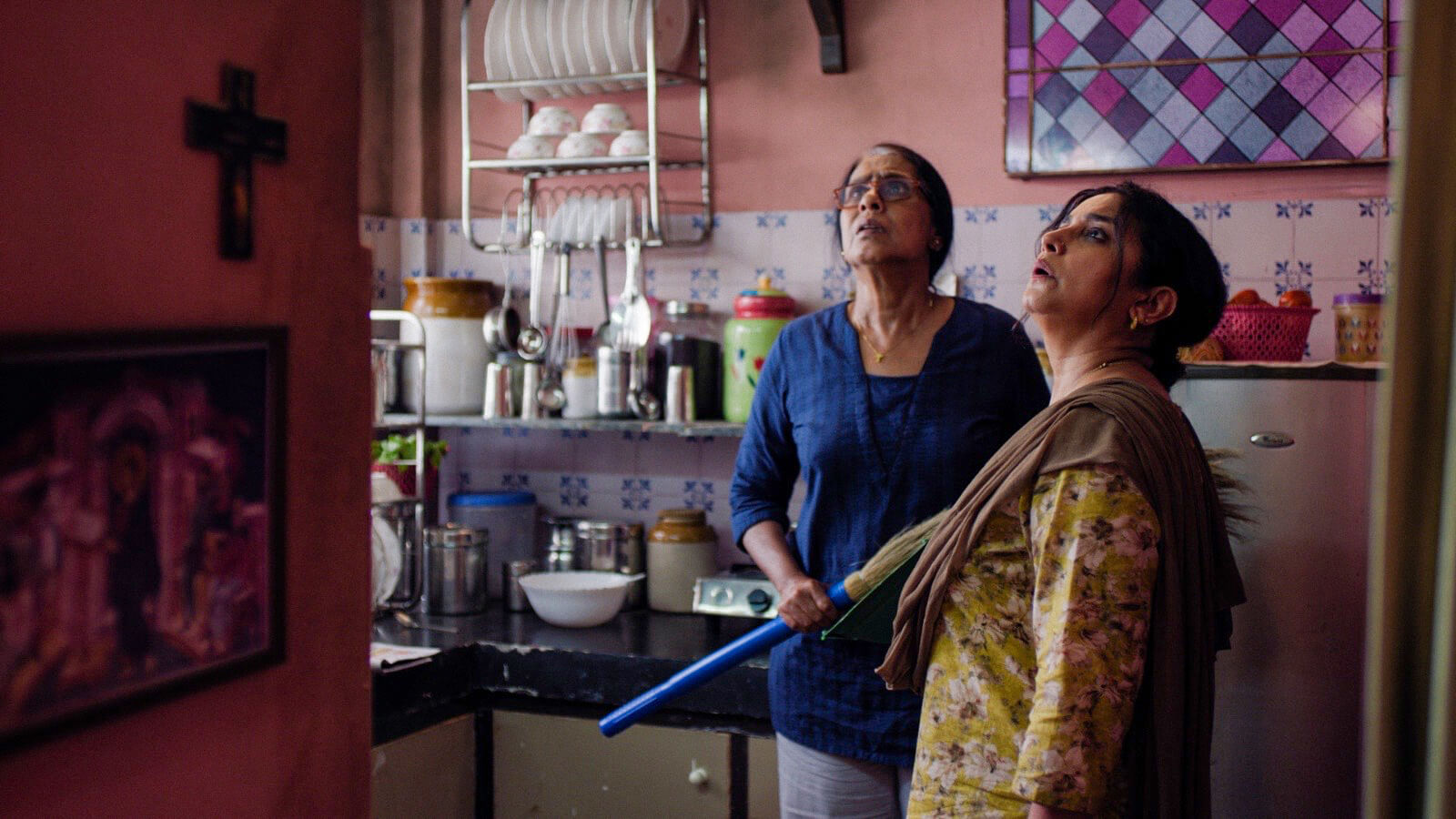
The money Shah offers the residents for their land in his grand proposal is scarcely insignificant. Around 2.5 times the prevailing market rate—25000 rupees per square foot. No mean sum, it. It is an offer, he presumes, nobody can refuse. Except one resident.
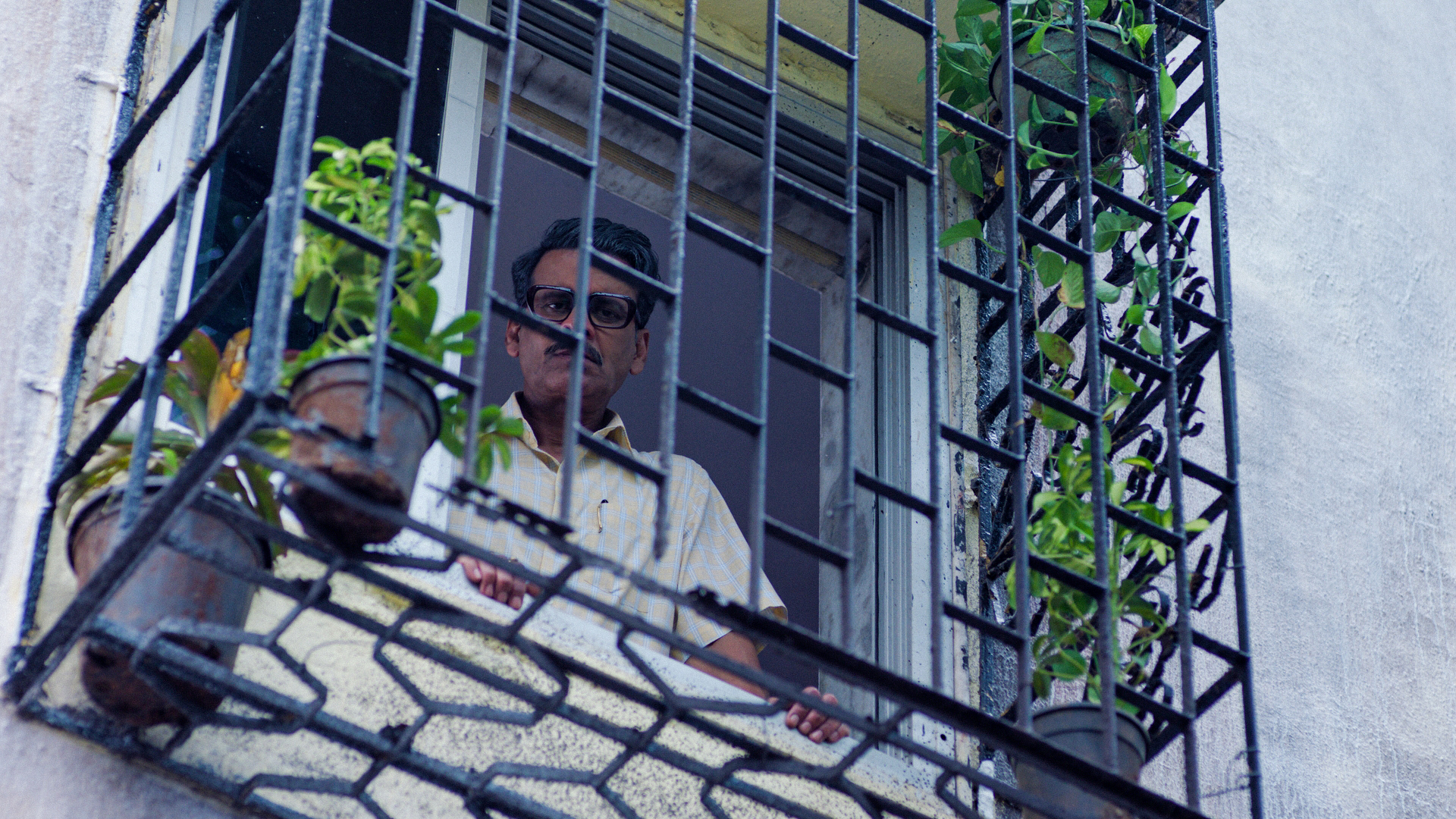
Yogesh Mishra, played astutely by Manoj Bajpayee, is a retired physics teacher known lovingly by the others in the society as Masterji, and a widower who lives alone in his apartment. He is not wealthy, nor is he particularly interested in the promises of a newer, more luxurious life elsewhere. His attachment to the society, and his apartment in particular, is less about the building itself than the life he has lived within it. He remains an active and much-loved presence in the society—tutoring children, sharing breakfast with neighbours and helping look after their kids.
He is content with the life he has built there, his apartment a palimpsest of memories, an archive of a life. The coffee table still bears the imprint of his son's hand; the walls carry marks of his son's growing height that he refused to paint over; an unused typewriter, a reminder of an earlier life; a sewing machine, a reminder of his late wife. It has been a full life. Masterji’s refusal of Shah’s offer, then, should not be a surprise. What Shah sees as a decrepit apartment on a valuable piece of land, he sees as a home and a community that has been shaped over decades. The objects in his apartment, along with the relationships formed, may have little monetary value, but together they constitute a wealth that cannot be measured in square feet or replaced by a compensation cheque.
There is perhaps a certain romanticism at play here too, one that feels very emblematic of Mumbai and its commitment to preserving the past—even if just for the sake of nostalgia. And Masterji, perhaps, is not entirely immune to this romanticism either. His attachment to Vishram Society is human, but it is also rooted in an idea of the city and a way of life that is fast disappearing; a life where human relationships took precedence over monetary gains. Then again, there is the question of what makes decay worth preserving, since tales of Mumbai's disrepair are not too distant from its lore.
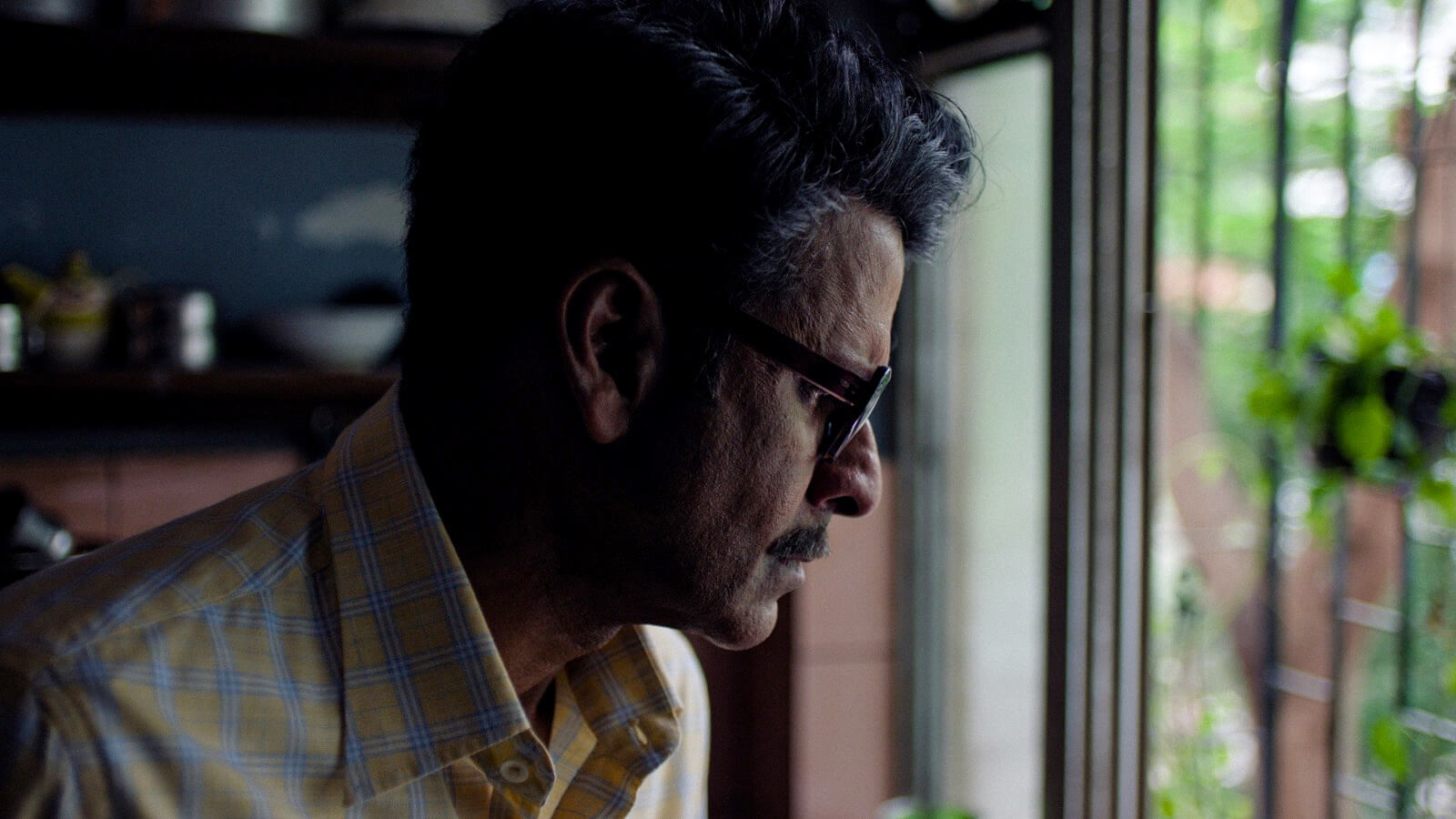
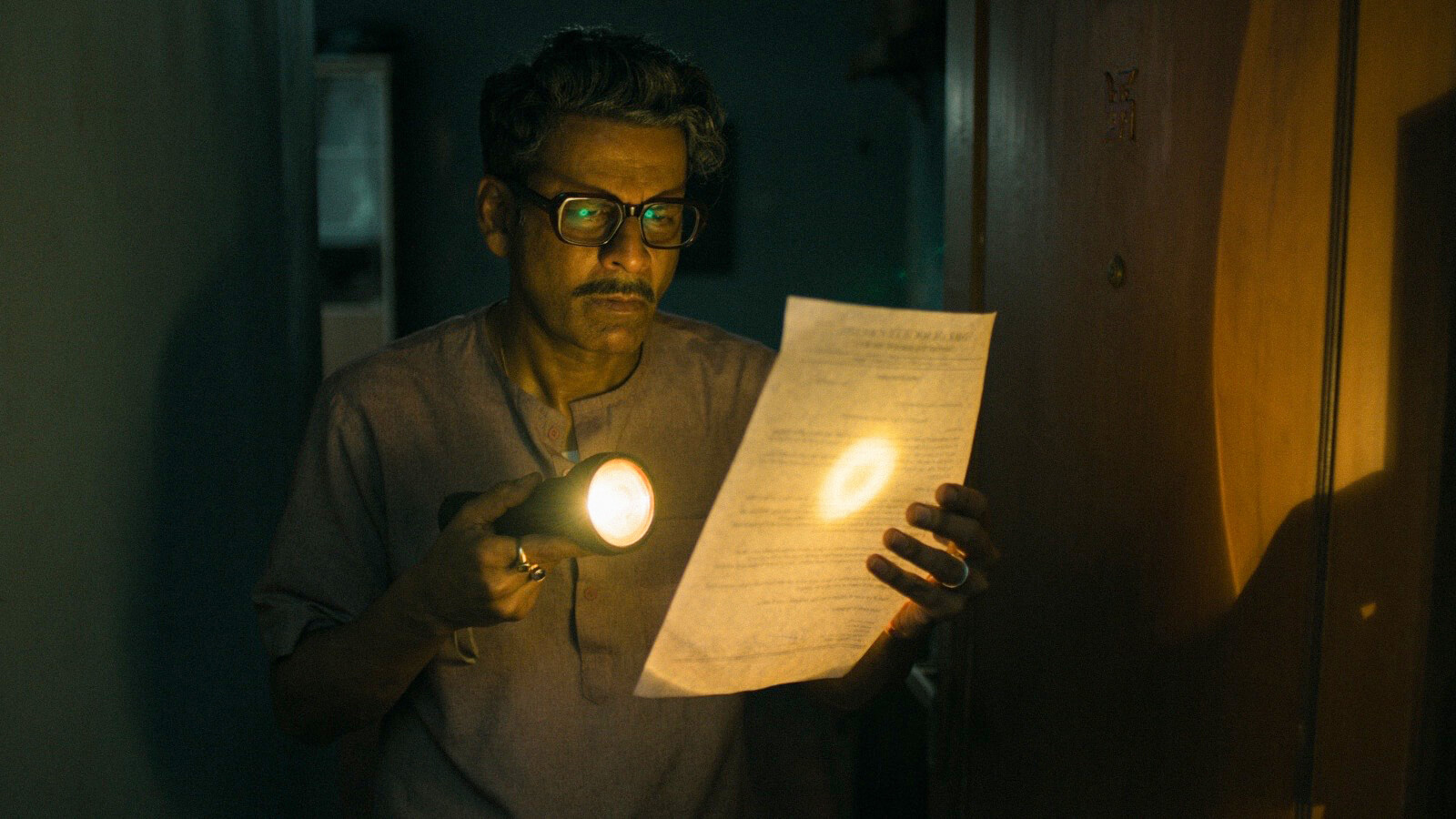
Very soon, Masterji realises that he has remained the lone dissenting voice. Others who stood with him to oppose the proposal are slowly bribed, bullied or threatened into submission. His disagreement with Shah inevitably puts him at odds with the people he loved, including his own son. The promise of money and a more affable future, after all, is hard to turn down. Vishram Society is inefficient; Shanghai will be luxurious. The old building is decaying; the new one will be modern. The residents will receive money, the first chance to live in the luxury flats, and everyone will benefit. The logic is difficult to argue with because there is very little to argue against. The old must make way for the new in this world.
What begins as persuasion gradually turns into targeted malice against the retired teacher. Ostracised from the community he once belonged to, he is forced to watch years of friendship and affection unravel before his eyes. The same people he lived alongside and cared for begin to turn against him, their relationships with him slowly giving way to resentment and hostility. A character calls Masterji an old, derelict wall that is refusing to fall; for like the decrepit building, Masterji has become obsolete to those who have already decided that the future must be newer, taller and more profitable.
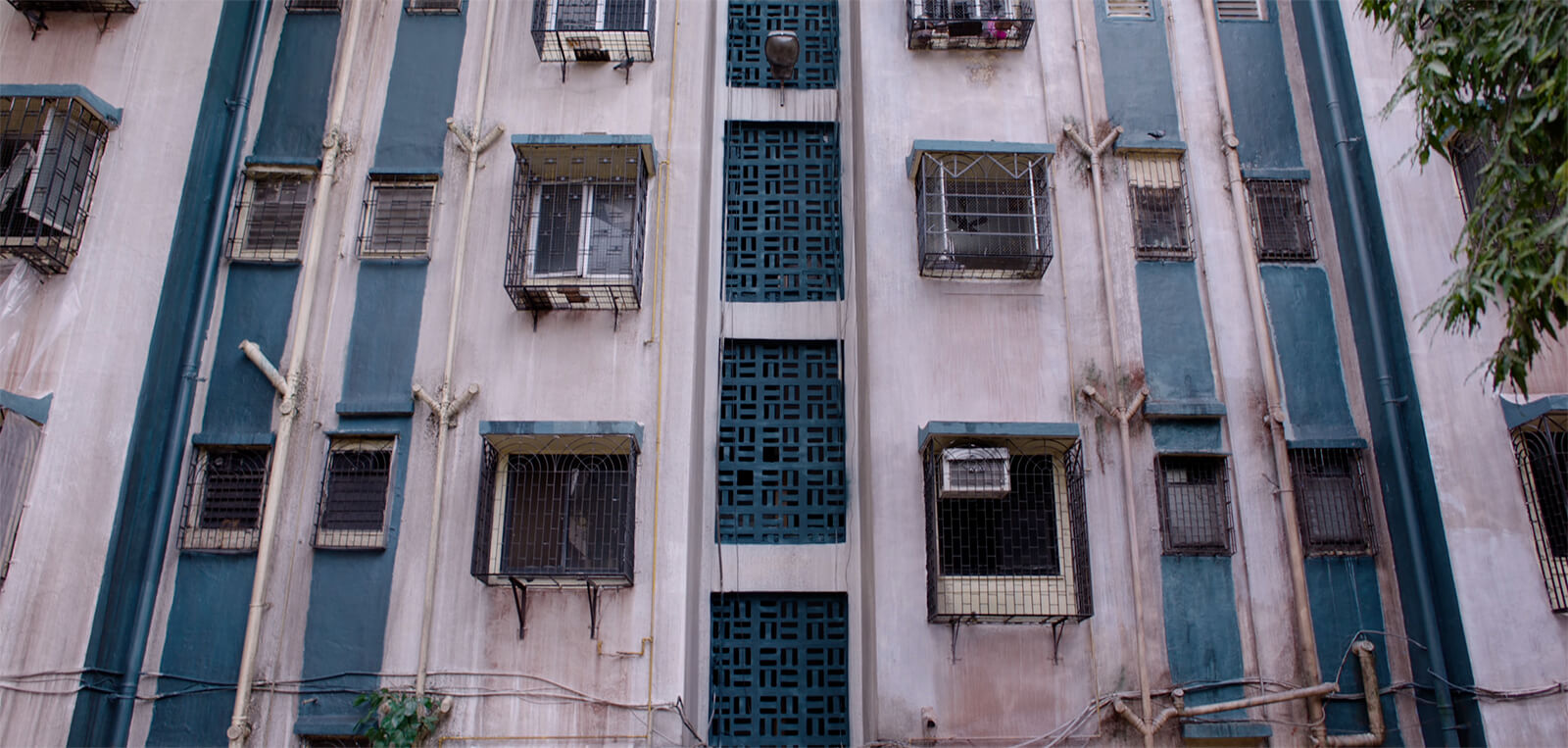
It is particularly heartbreaking to see him turn to the police, lawyers and other institutions for help, only for them to be eventually crossed off his list one by one; he realises there is no refuge in the face of money and power. This is also perhaps why Masterji's refusal baffles the builder: he does not know how to deal with somebody who does not want anything material. Somebody who can’t be bought off.
Shah, on the other hand, is a curious product of the city he is intent on remaking; though his logic is scarcely unique to Mumbai. Cities around the world are being reshaped by the same forces: rising value of land, scarce housing and that being used as a launchpad for real-estate profiteering. He embodies a particular faith in progress: the conviction that more construction, more capital and more vertical growth are signs of advancement. He speaks in a language that makes ‘progress’ sound inevitable; that it is not something to resist but something that will happen whether one wants it to or not. It is a familiar logic: those with the capital to shape the built environment often have the greatest say in what the future should look like. Those who can build more, build more. What gets lost amidst this lexicon of building is the question of who benefits from that unilaterally decided future. The city must keep moving, and anything that stands in its way begins to look like an obstacle rather than a part of its history, its story.
But Last Man in Tower does not suggest that redevelopment has no benefits, or that ageing buildings should simply be preserved at all costs. The building is, indeed, old. The offer is, indeed, generous. The proposed tower, indeed, promises a materially better standard of living. There is no grand villainy in Vishram Society’s destruction and, by extension, in Rekhi's film. But it is precisely this ambiguity that makes the film so unsettling. Masterji’s resistance is less a fight against the future than against the assumption that the future must look a certain way. It’s the vision of a city that is fast disappearing, that must be done away with as soon as possible—without stopping to ask what purpose it serves. People who live in ivory towers can never bother with the muck that litters the ground—but that is where the city begins. That is where Mumbai becomes.
References
1.Mumbai sees redevelopment boom as 1,000-plus projects reshape housing market by Kailash Babar; published by The Economic Times, September 14, 2026
2.Rising sea levels threaten hundreds of millions worldwide, including in India; published by UN India, September 3, 2026

by Mrinmayee Bhoot Oct 12, 2026
The new Centre for Contemporary Arts, fostering public engagement with art in Uzbekistan, is housed in a tram depot refurbished by the French studio, emulating local craftsmanship.
by Mirra Lynn Oct 10, 2026
The Shanghai-based architecture practice’s intervention in Suzhou transforms three abandoned houses into a bookstore, café, library and homestay.
by Pranjal Maheshwari Oct 09, 2026
The eighth edition of the international architecture and urban design showcase, themed How Much?, explores diverse implications of social, ecological and economic ‘cheapness’.
by Pranjal Maheshwari Oct 06, 2026
With a programme focused on biodiversity, accessibility and safety, the Rotterdam-based architects help the neighbourhood reclaim a barren landscape as an integral social node.

make your fridays matter with a well-read weekend
Enter your details to sign in
Don’t have an account?
Sign upOr you can sign in with
a single account for all
STIR platforms
All your bookmarks will be available across all your devices.
Stay STIRred
Already have an account?
Sign inOr you can sign up with
Verification link sent to check your inbox or spam folder to complete sign up process
Tap on things that interests you.
Select the Conversation Category you would like to watch
Please enter your details and click submit.
Enter the 6-digit code sent at


Last Man in Tower: The moral dilemmas of a city's unceasing redevelopment and decay
by Chahna Tank | Published on : Sep 23, 2026


 Sign in with Google
 Sign in with email
What do you think?