Design12 mins. read
Yinka Ilori’s first monograph is an anthology of stories embedded in his chairs
by Pranjal MaheshwariOct 23, 2026



by Chahna TankPublished on : Apr 24, 2026
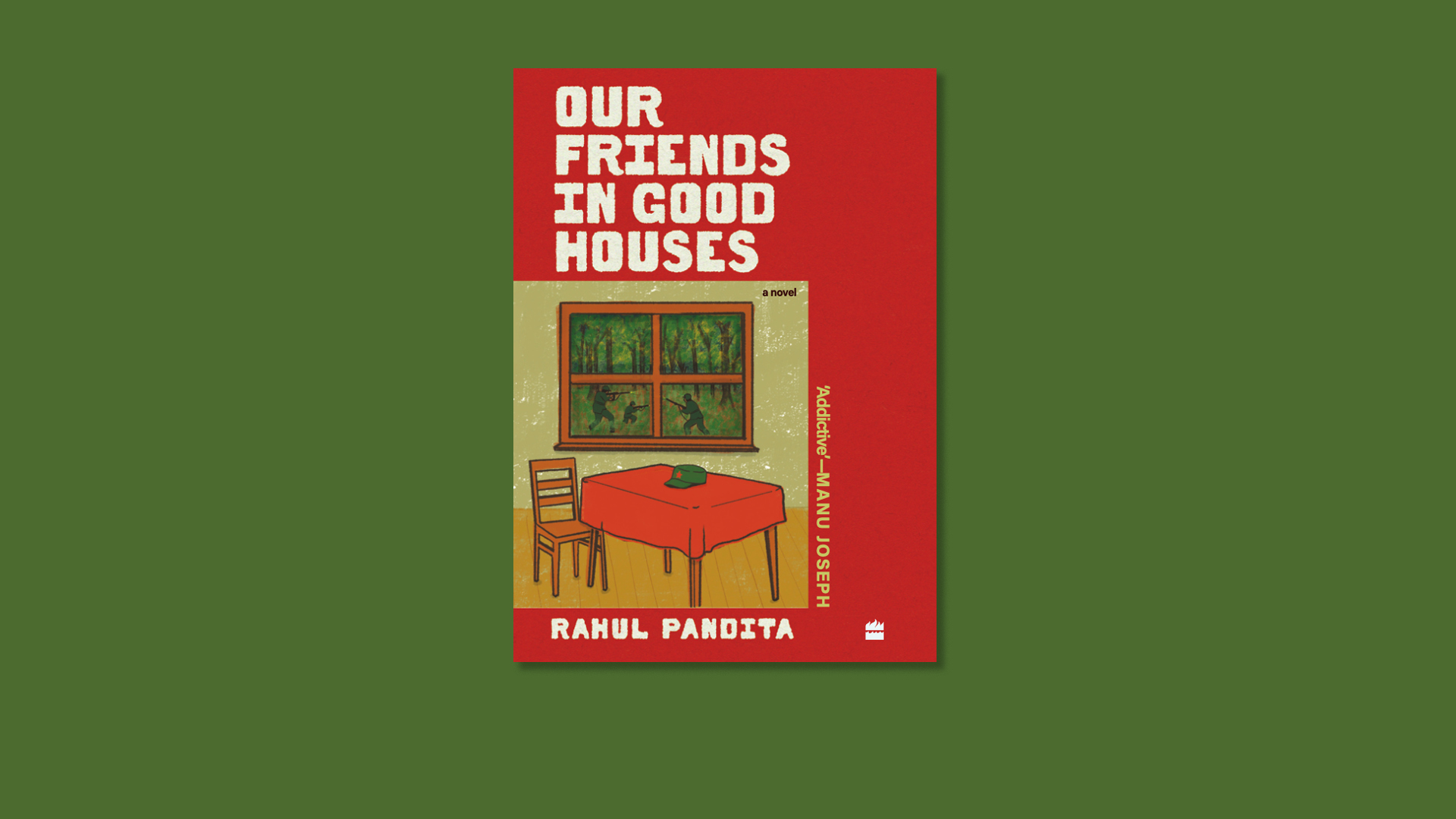
In False Papers: Essays on Exile and Memory (2000), Italian-American writer André Aciman gives language to the painful experience of exile, describing it as a life lived in fragments—of never fully arriving, of carrying multiple versions of home that refuse to cohere. The book Our Friends In Good Houses, by Indian writer and journalist Rahul Pandita, traces this condition across many of its characters. Through the story, told from the eyes of Neel, a 40-year-old journalist, the book asks: What does a home mean, really? Surely more than just a roof over your head? Surely more than just the proverbial four walls or the furniture in your room or the contents of your kitchen? And what happens when that home is taken away from you, when return is no longer possible? In the contemporary world, exile, whether self-imposed or violently thrust upon a people, has become an increasingly pervasive condition, reshaping not only where people live, but how they come to understand the very idea of home—dispersed across memory, distance and desire.
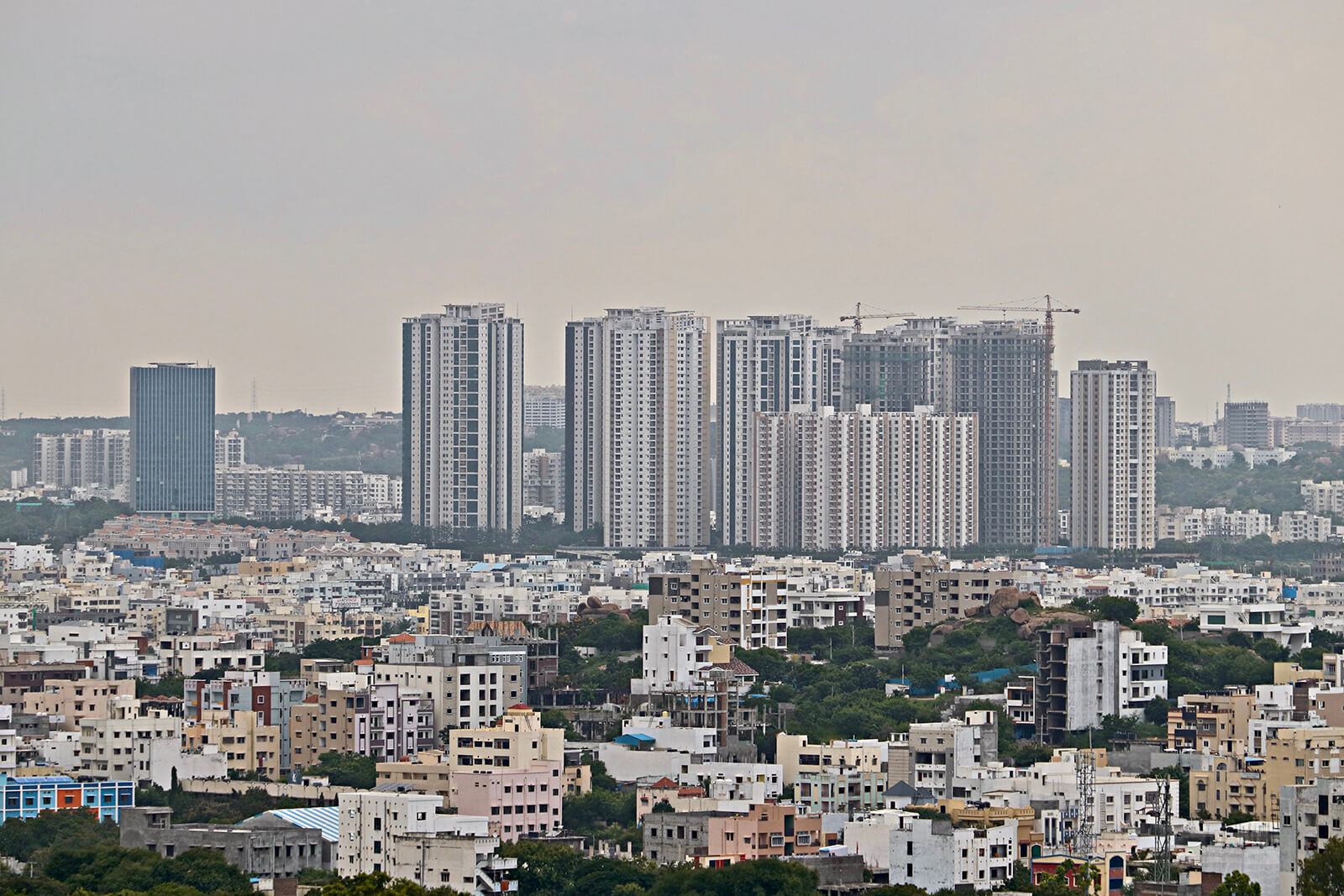
This is best characterised by Neel, who, like Pandita himself, was displaced along with his family from Kashmir during the exodus of the early 1990s, eventually settling in ‘builder’s flats’ in Delhi—the homogeneous, quickly assembled residential units built for expediency rather than design; ‘a decay of vision’ as Neel calls them. These flats are a response to the city’s growing need for housing, where rapid construction overrides any meaningful architectural intent. “No matter how many of these shiny galaxies were built, there were always people to fill them up. Amidst such modernity, the old ways kept surfacing,” Pandita writes, mentioning how, if Neel paid attention, he could hear old women in neighbourhood public parks singing ‘songs of longing and separation’ from their father’s homes.
Having never been able to feel tethered to the new ‘home’, Neel is constantly searching for spaces to belong to. A persistent sense of unmooring follows him—a condition Pandita names by borrowing Jakob Böhme’s idea of Ungrund, or ‘unground’ as he calls it; a state in which no stable foundation exists to which one can anchor oneself—across countries, cities, across monotheistic space and across the length of the narrative. To fight the ‘ontological dissatisfaction’ with his condition of exile, Neel constantly takes assignments to report from conflict zones across the country—especially in areas that are the heart of the Naxalite–Maoist insurgency in India, notably Dandakaranya in Chhattisgarh. Ironically, it is there, devoid of any comfort or a fixed place to safely be in, that he feels most grounded. He finds camaraderie with the armed Maoists and the common Adivasi people who are fighting for their land, their forests, their very identity. This is situated within a landscape that has itself become a kind of contested architecture, shaped by competing claims of the state and those who have long inhabited it. What is at stake for them is not only control, but the very right to inhabit—to remain, to move, to define what constitutes dwelling.
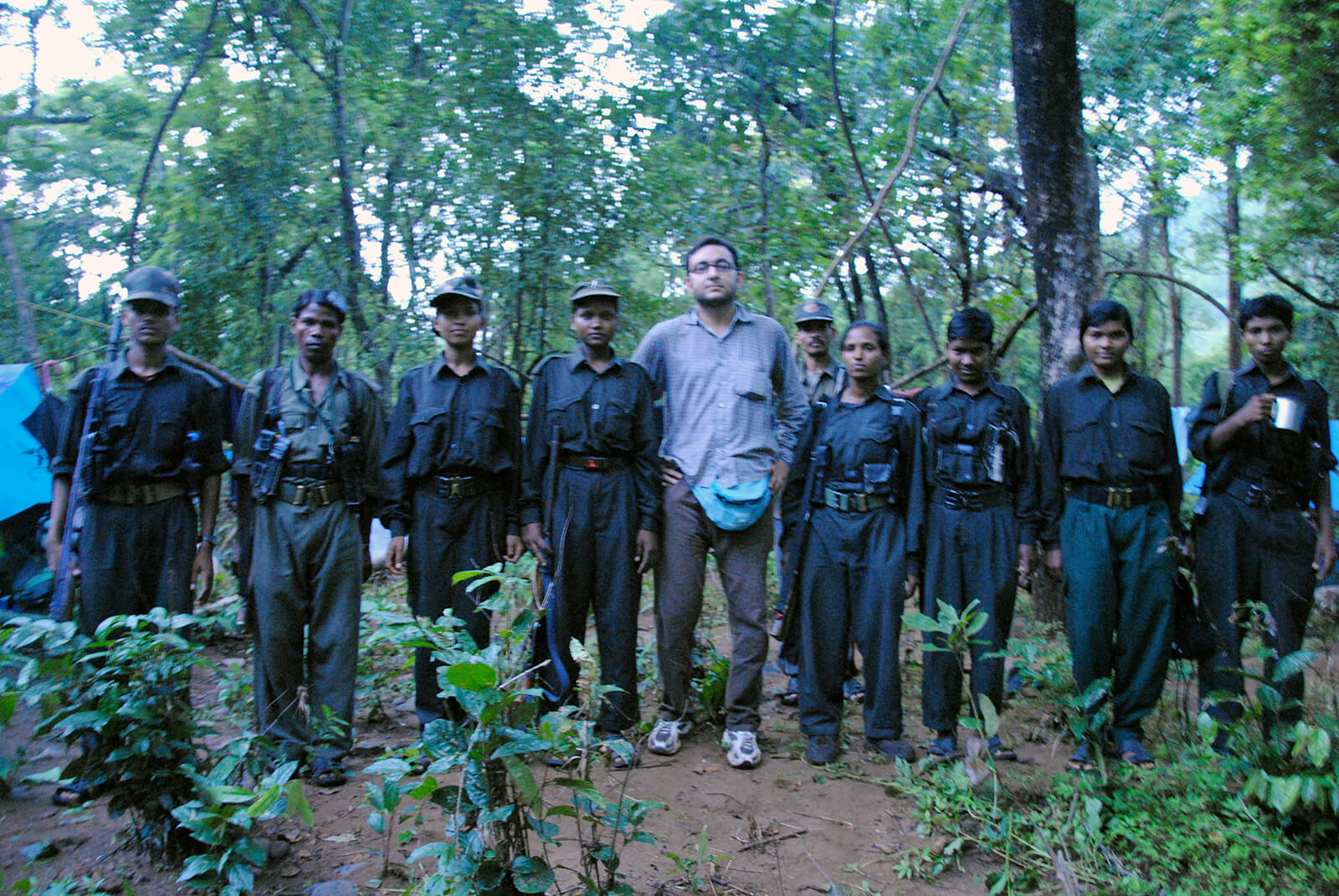
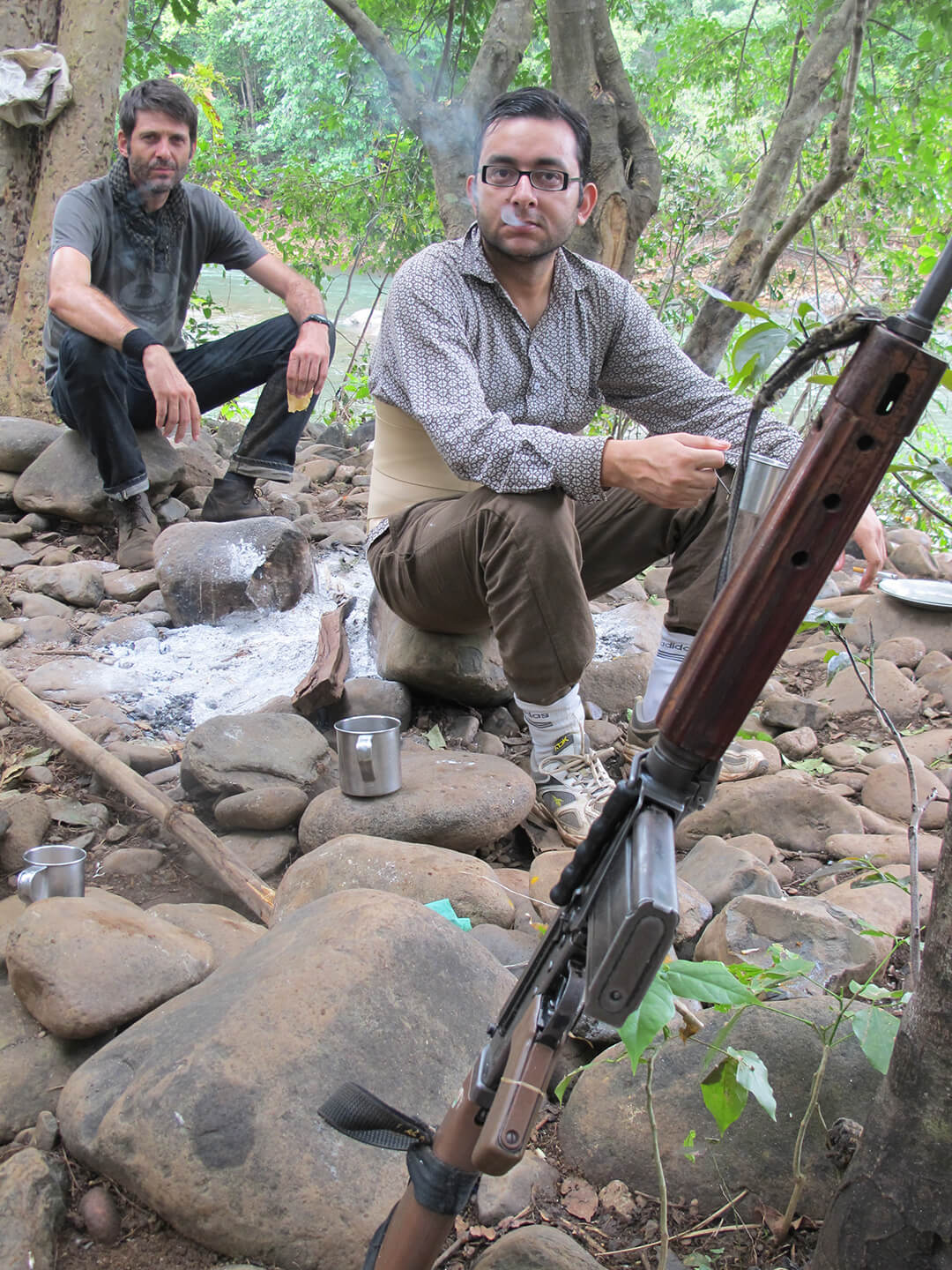
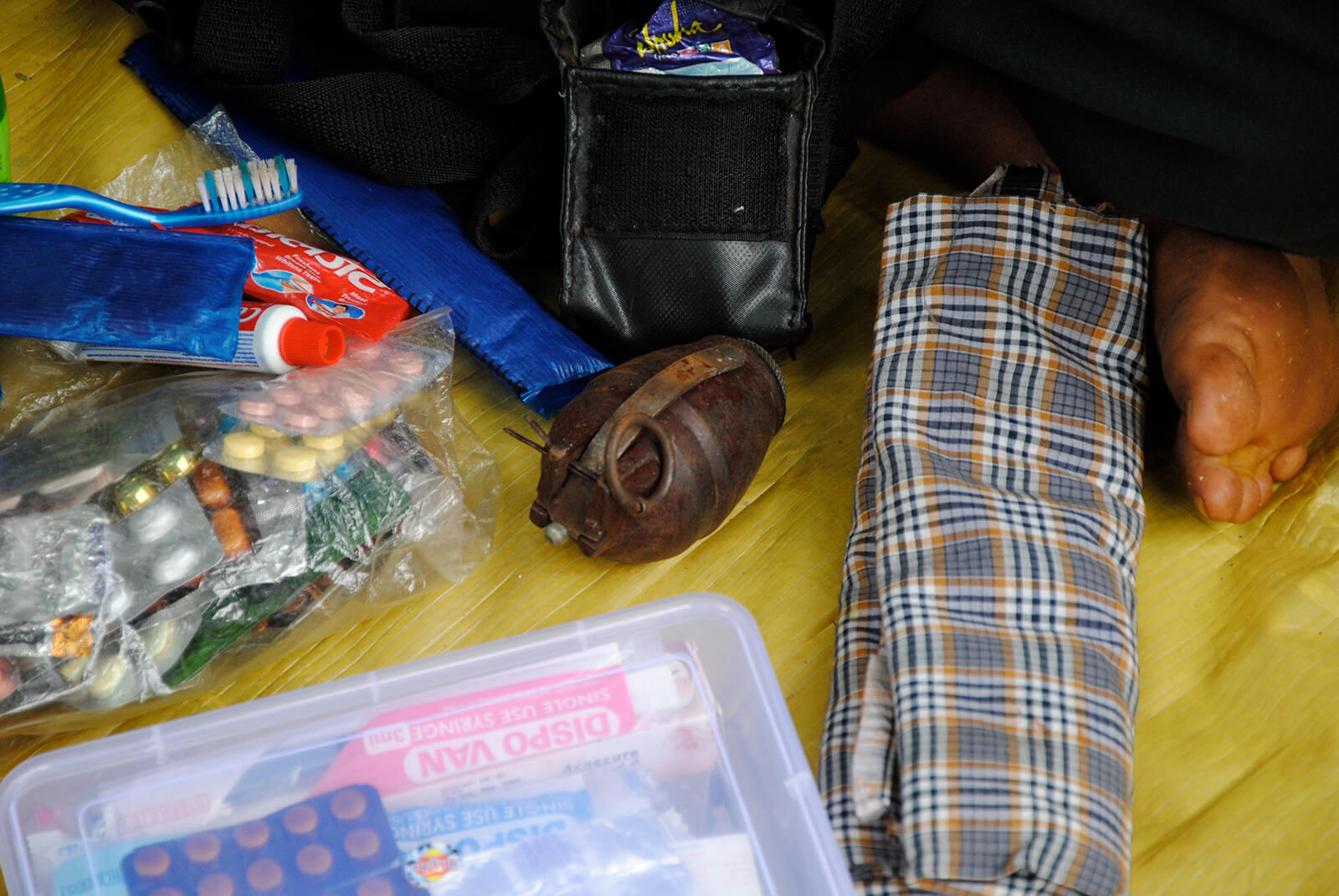
Neel’s own experience of displacement allows him to recognise the stakes of their struggle, but he remains unwilling to endorse their turn to violence. Towards the end of the book, a Maoist insurgent tells Neel that the Adivasi women he once saw sitting in the middle of the road, eating their lunch—an image that had filled him with concern for their safety—were there because the road did not alter their idea of ‘home’. A body seated on a road might seem exposed, out of place, vulnerable, but for them, it is no different from sitting on the floor or in the courtyard of a house. The distinction between inside and outside, between shelter and ground, does not hold in the same way. “For them, the spot where they sat was still the forest they had known since they were born. It was home,” she told Neel. The infrastructure that had displaced them had failed to overwrite their spatial imagination of a home that was so deeply rooted in land and memory—defined not as much by walls as by a continuous relationship to the land itself.
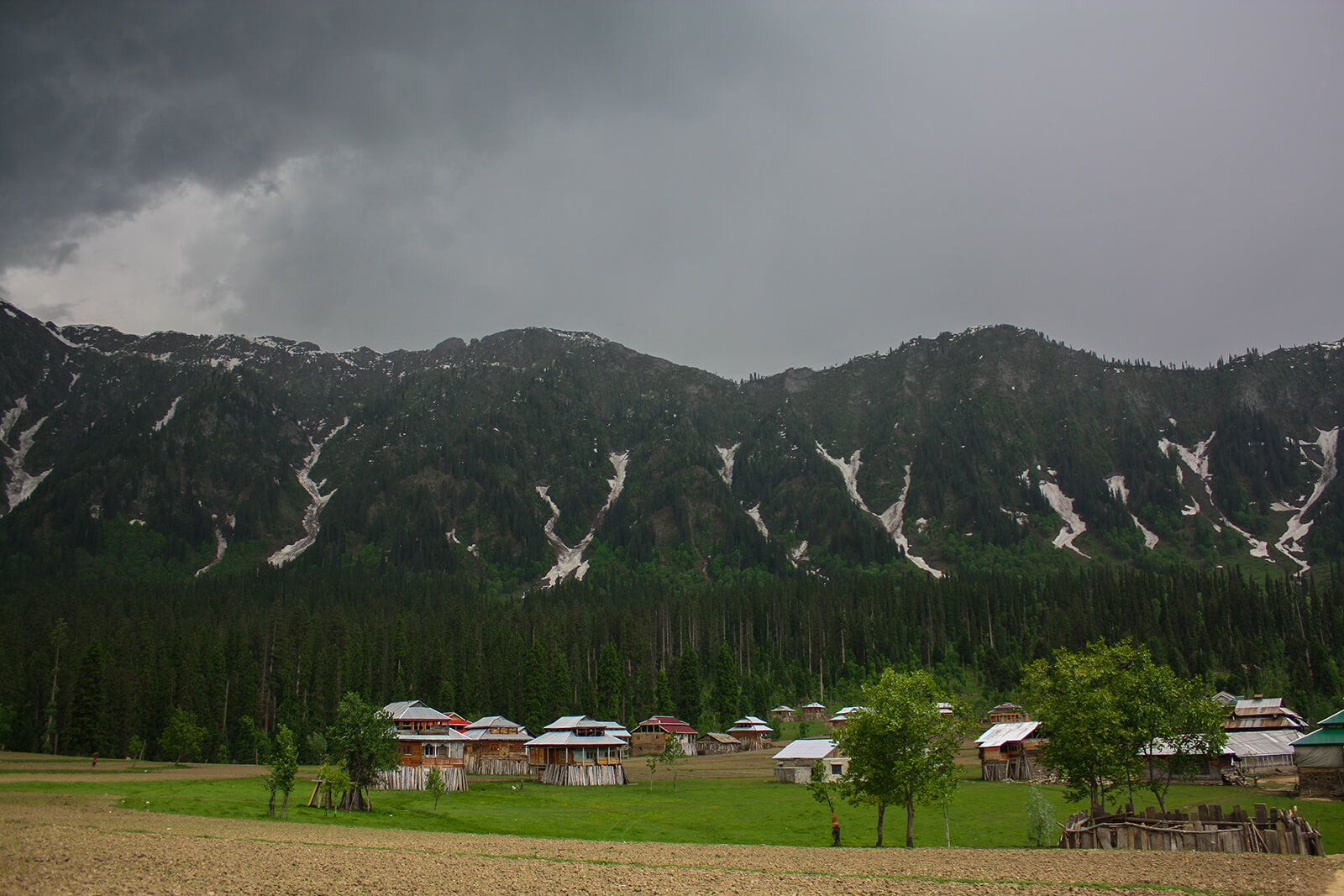
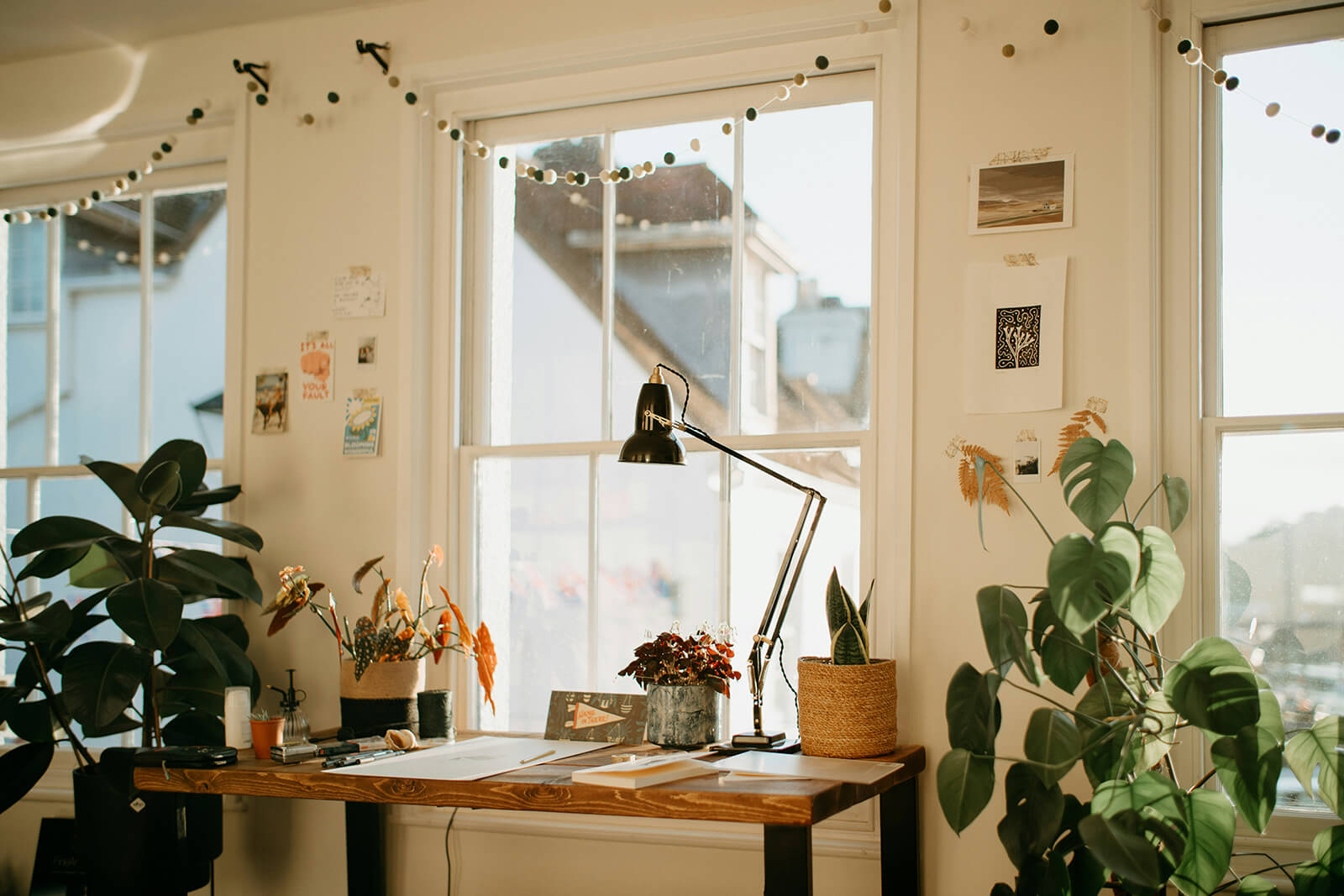
Neel’s own understanding of it is rooted in memory too—of their family home in Kashmir, its open courtyard filled with rose bushes: the last place where he recalls feeling fully at peace. It is this sense of openness—of light, air and the ease he felt—that he finds himself searching for. “In every room, every apartment, he has tried to create a patch of grass, a heaven that has eluded him,” Pandita writes. In Delhi, where he lives with his ageing, ailing parents, this search becomes increasingly fraught. The house he returns to each night carries the weight of obligation and familiarity, but not belonging. In response, he creates another space for himself—a rented apartment where he can live and work during the day, shaping it carefully, deliberately, filling it with furniture, objects and arrangements that align with his imagined ideal, assembling, piece by piece, a version of the home he has long desired. This is a version that is shaped as much by memory as it is by an assimilation of images he saw in design magazines, by looking at the houses of affluent friends, by an accumulated visual language of how domestic interiors should look. This distinctly contemporary condition: mediation of domestic desire through images, producing an idea of home as something to be curated rather than lived into, is interestingly aligned with what Vincenzo Latronico also wrote about in his book Perfection, albeit with a vastly different subtext.
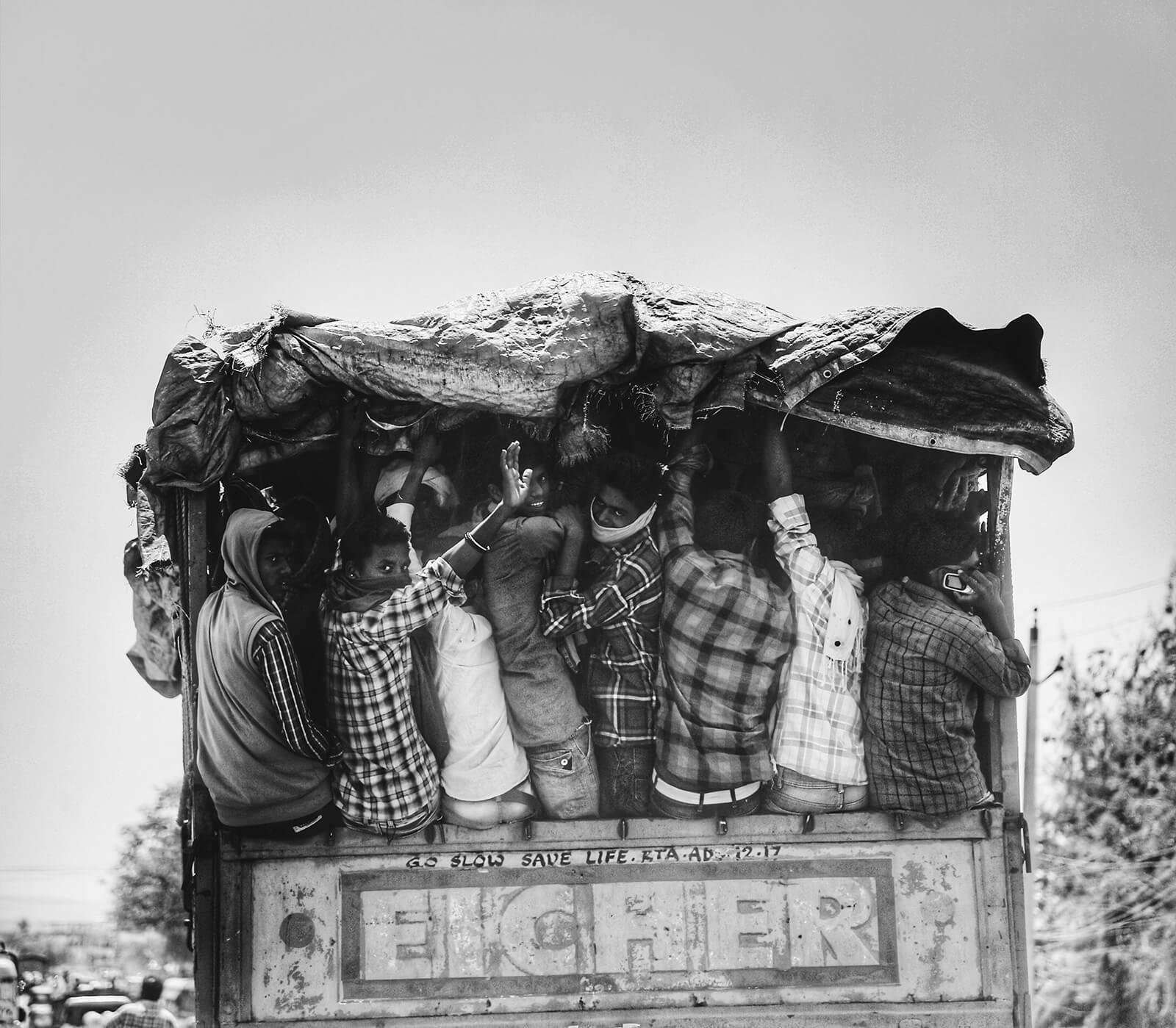
Yet, Neel’s ability to afford to construct spaces for himself, to rent, to leave and return, is a privilege many he encounters do not have. For those he met in Dandakaranya, the question of dwelling is far more precarious, shaped not by aspiration but by dispossession and ongoing struggle. Their relationship to space is that of survival. When one such figure, a Maoist insurgent, briefly seeks refuge in his apartment, he attempts to extend to her the comforts of domesticity within the carefully assembled space he has created, only to drive her away the next day. For her, to settle is to risk complacency; to belong too easily is to forget the conditions that necessitated her struggle in the first place. Neel’s house for her only remains a temporary shelter—something to pass through, but not to inhabit.
Her situation is emblematic of a wider condition in which dwelling is untethered from any sense of permanence in an urban reality most of us face. The same is true for many like her: migrant workers, daily wage labourers and more, whose relationship with space is provisional—living in rented rooms, construction sites, makeshift shelters—a precarious mode of inhabitation rendered with particular clarity in the film Homebound, with characters moving between cities and worksites, occupying often cramped spaces that they can never claim to be their own. And in moments of disruption, whether a sudden loss of work, rising costs of living, larger crises such as the pandemic, or, more recently, the volatility in LPG prices triggered by the West Asian conflict, these fragile arrangements can unravel almost overnight, forcing them to return—to the very home, nonetheless, that depends on their exile to stay afloat.
It is pertinent to recognise that for many, stability—a home—remains perpetually out of reach, shaped by broader forces that determine who gets to belong, and for how long. It is these conditions that many of the characters in the book continue to fight against, consciously and even subconsciously evading the physicality of the idea that increasingly seems to matter less and less.

Our Friends In Good Houses doesn’t necessarily provide any resolutions. Neel's efforts to find love, to find home, to find contentment with what he’s created constantly fail. The others continue to fight, some die, some settle. There is no final magical reconciliation between the self and space. One simply continues on, living one day at a time, despite everything, making do with what one has and turning it into something that might, however briefly, feel like home. In the end, Neel's realisation that home is not found elsewhere but made, imperfectly and persistently, from within is what the book leaves readers with. It is perhaps in this spirit that Pandita closes the book with a nazm by Nida Fazli:
Apna gham leke kahin aur na jaaya jaaye,
Ghar mein bikhri hui cheezon ko sajaya jaaye.
Let’s not go anywhere with our sorrows;
Let’s rearrange the mess of things at home.

by Pranjal Maheshwari Oct 27, 2026
The Brazilian architects shape the residence with cues from its context, nimbly segregating its private and social realms with greens, lattice screens and a form-giving ascent.
by Pranjal Maheshwari Oct 24, 2026
A consortium of Copenhagen’s 3XN, Toronto’s B+H Architects and Shenzhen’s Zhubo Design has designed the museum to mimic the surrounding riverscape, topped with a public park.
by Pranjal Maheshwari Oct 19, 2026
The Mumbai-based architects integrate courtyards, mesh screens and north light trusses to create a dining space that doubles up as a community hub at SR University, Warangal.
by Mrinmayee Bhoot Oct 17, 2026
The Rotterdam-based institute centres the Indian Ocean as a network for exploring material histories and transnational links shaping coastal cultures, positing them as future models.

make your fridays matter with a well-read weekend
Enter your details to sign in
Don’t have an account?
Sign upOr you can sign in with
a single account for all
STIR platforms
All your bookmarks will be available across all your devices.
Stay STIRred
Already have an account?
Sign inOr you can sign up with
Verification link sent to check your inbox or spam folder to complete sign up process
Tap on things that interests you.
Select the Conversation Category you would like to watch
Please enter your details and click submit.
Enter the 6-digit code sent at


Our Friends In Good Houses, in permanent memory and impermanent fixtures
by Chahna Tank | Published on : Apr 24, 2026


 Sign in with Google
 Sign in with email
What do you think?