Art09 mins. read
Emami Art Experimental Film Festival 2026: Rethinking what film can be
by Srishti OjhaOct 07, 2026



by Srishti OjhaPublished on : Aug 21, 2026
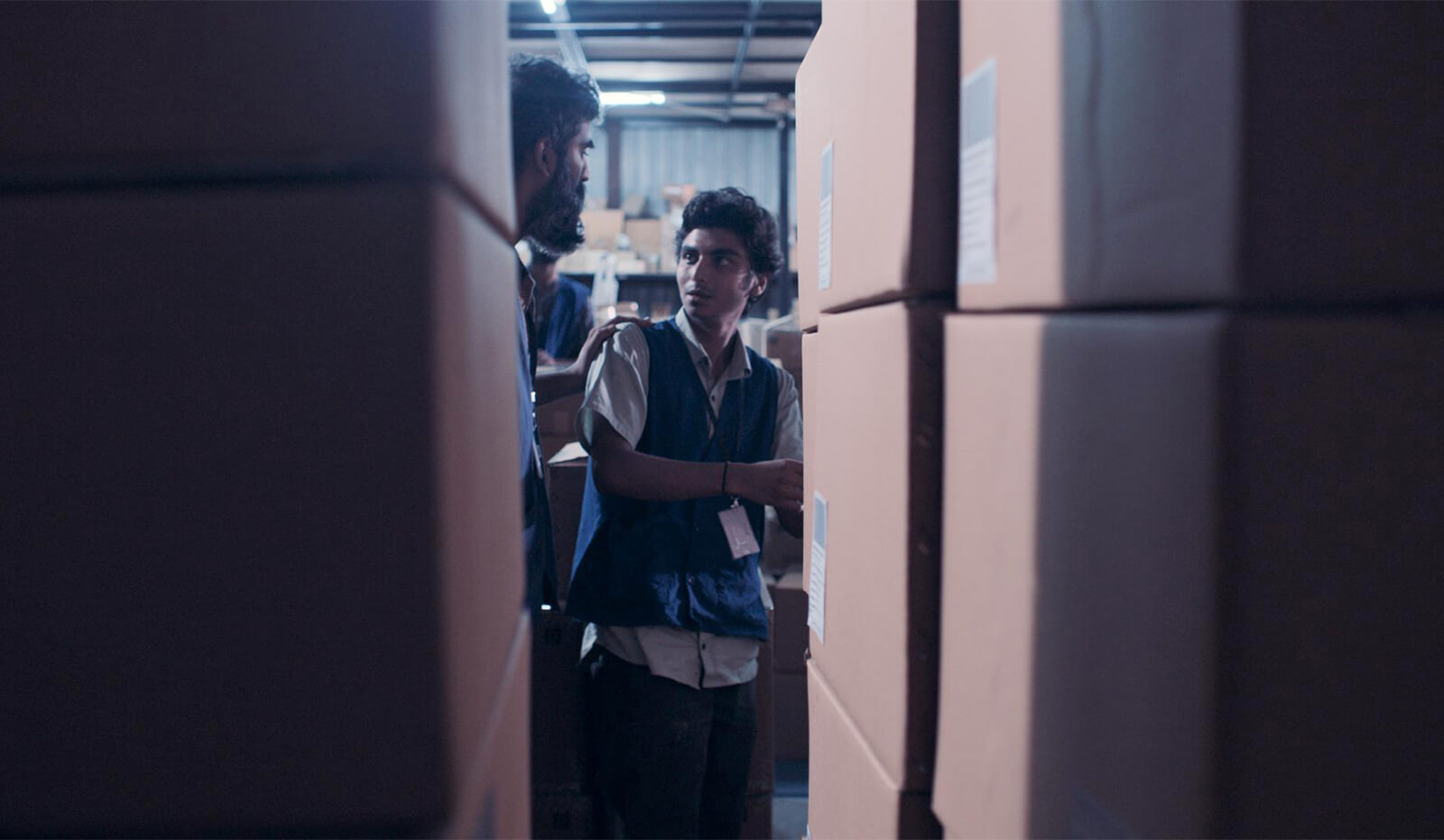
A jarring, stuttering, almost mechanical sound plays over a black screen with the logo of the Film and Television Institute of India (FTII). A visual cuts into view that makes you second guess your assumptions, the source of the unfamiliar clockwork sound is revealed as a piercing screech of a humble, handheld tape dispenser. We see the protagonist, a young man named Rajan, in a fort of corrugated metal and cardboard boxes, clad in the uniform of his fellow factory workers. His eyes are heavy with sleep and his white-shirt supervisor looms in the background. The film follows his journeys between the fluorescent packaging facility and his somewhat home in a chawl overrun with family members. Rajan’s bleak routine is familiar to all who call Mumbai—one of the most populous cities in the world—home. Amber streetlights, dark roads with only a cigarette as a companion, crowds as omnipresent as air and crashing waves that are as much a border as they are an escape—these motifs are all part of the city’s extensive filmic vocabulary. Indian director Mehar Malhotra breathes new life into them with an eye for detail, an expressive soundscape and innovative camera work in the Punjabi-language short film, Shadows of the Moonless Nights (Parchaave Massiah Raatan De). It is one of the 10 international short films selected for the La Cinef competition at the 2026 Cannes Film Festival, which showcases emerging filmmakers through student films from around the world.
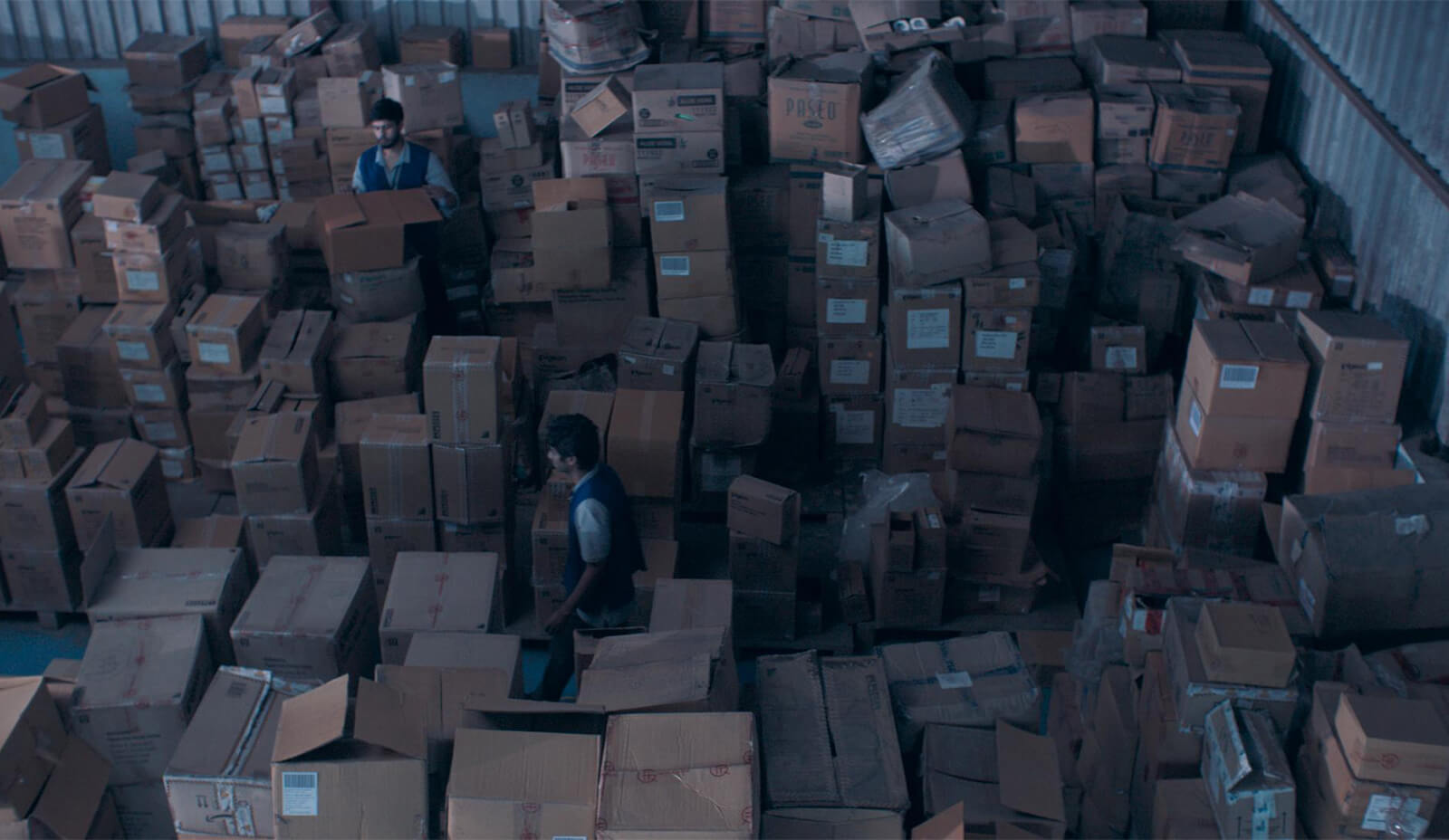
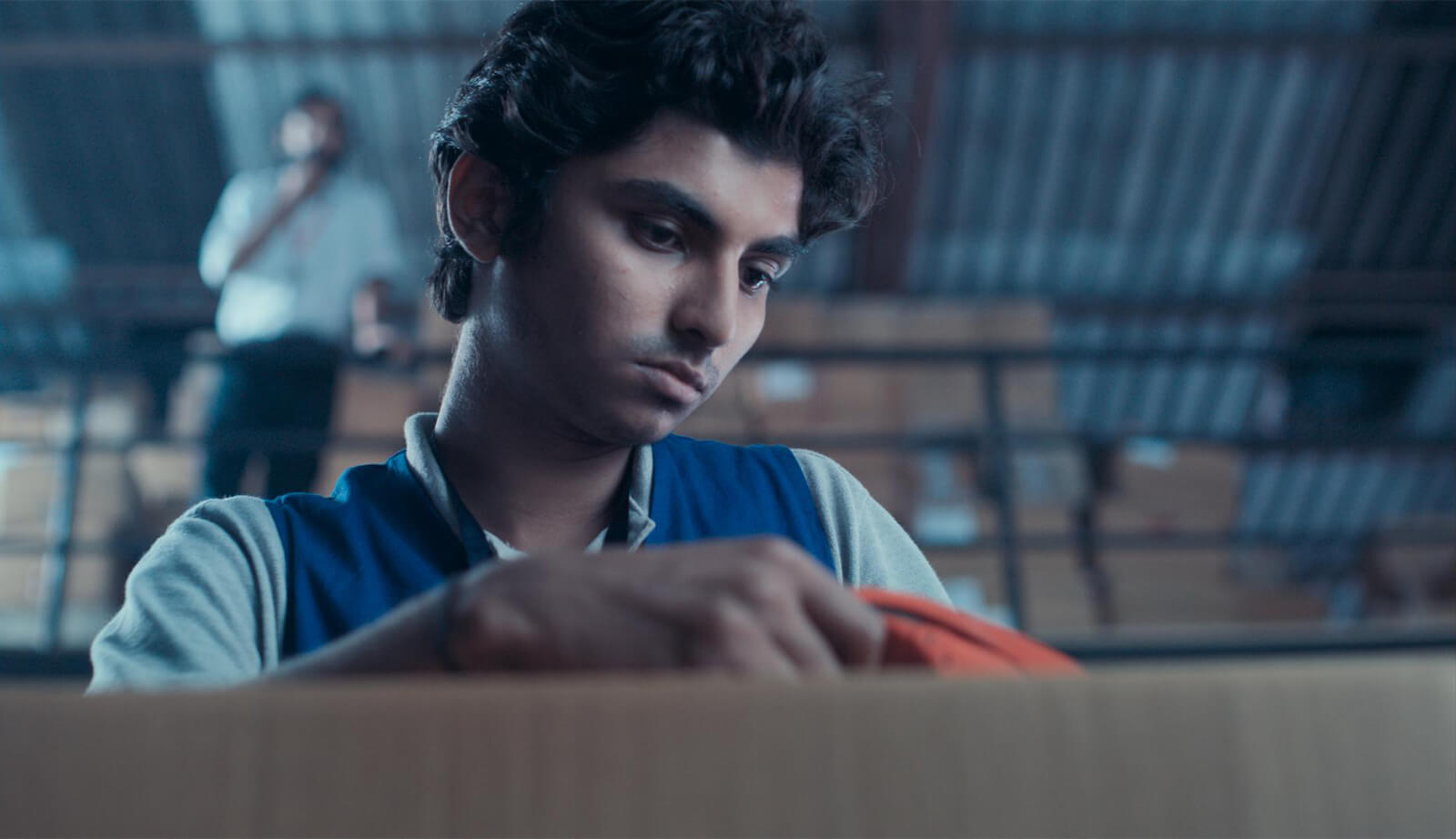
In a conversation with STIR, Malhotra talks about the origins of the film, which was conceived and shot as part of her 2020 FTII Diploma, saying, “I was telling [a professor at FTII] about my life in Bombay the first time I lived there at 19. I was in a bad situation—a very crowded PG—and had a hard time sleeping. I worked night shifts, night shoots and there was always too much noise in the morning. I told her about my aunt who lived with us when I was a child—how she worked the night shift in a call centre and lived in a very crammed household similar to the one in the film. Nobody had their own corners, their own space and my aunt just could not catch any sleep. I could see how cracks were forming even in such a loving family. I saw how not getting enough sleep could do so much damage, not just to the person, but to the people around them.”
Sleep has always been political, a measure of luxury, especially after exiting from the cradle of childhood lullabies and early bedtimes. The 23-minute-long film traverses everyday locales and scenes, uncovering and contending with the politics packed into every second and square inch of urban city life—the brutal assembly-line conditions of the late-capitalist factory, the cost of convenience, the alienation and loneliness of the city streets, temptation and addiction, threatening and repressed sexuality and the patriarchal figures of authority that loom and rule over every space. These dynamics arise with an oppressive ordinariness, making the small moments of connection peppered in between them feel all the more rare and special.
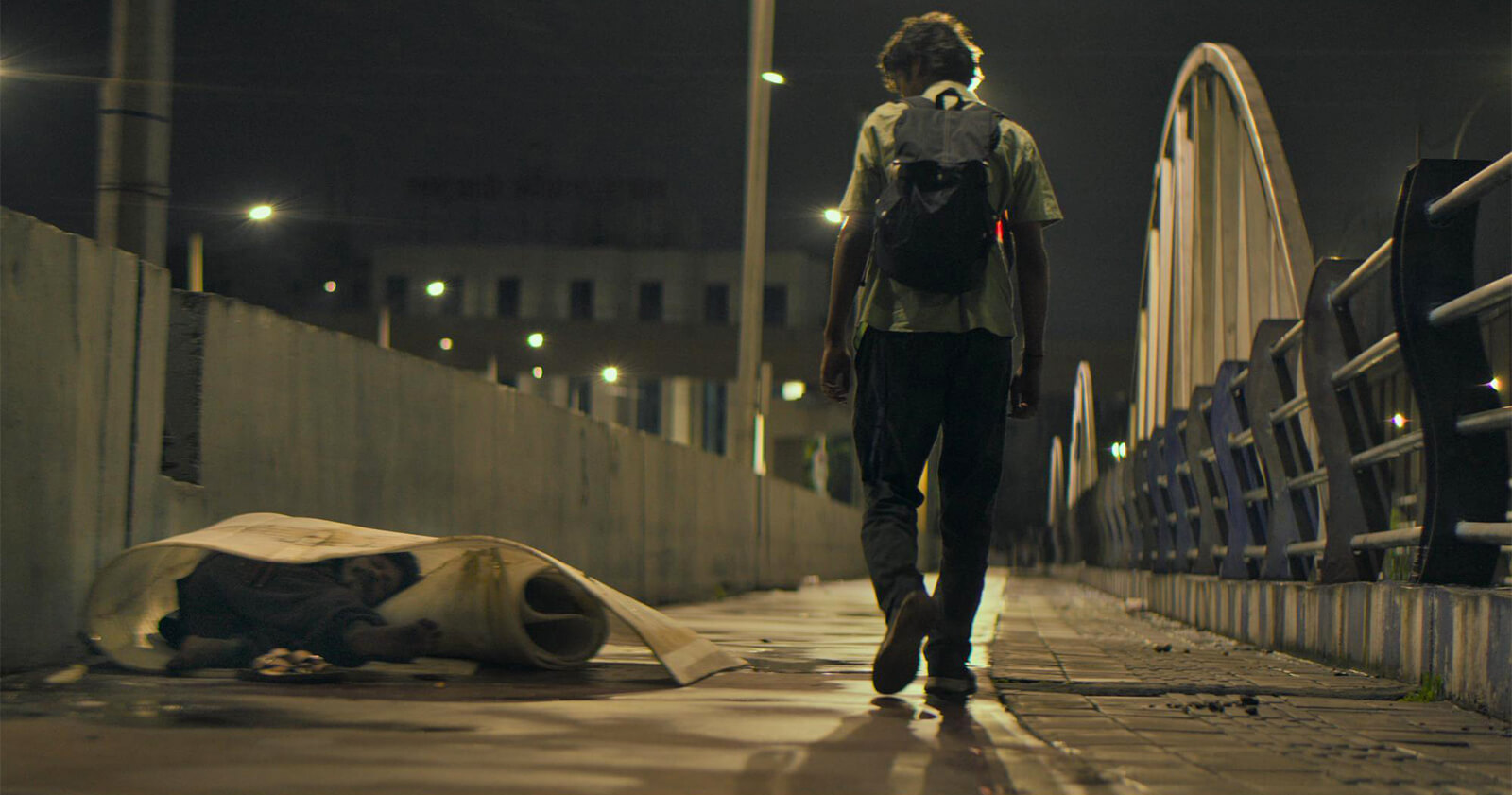
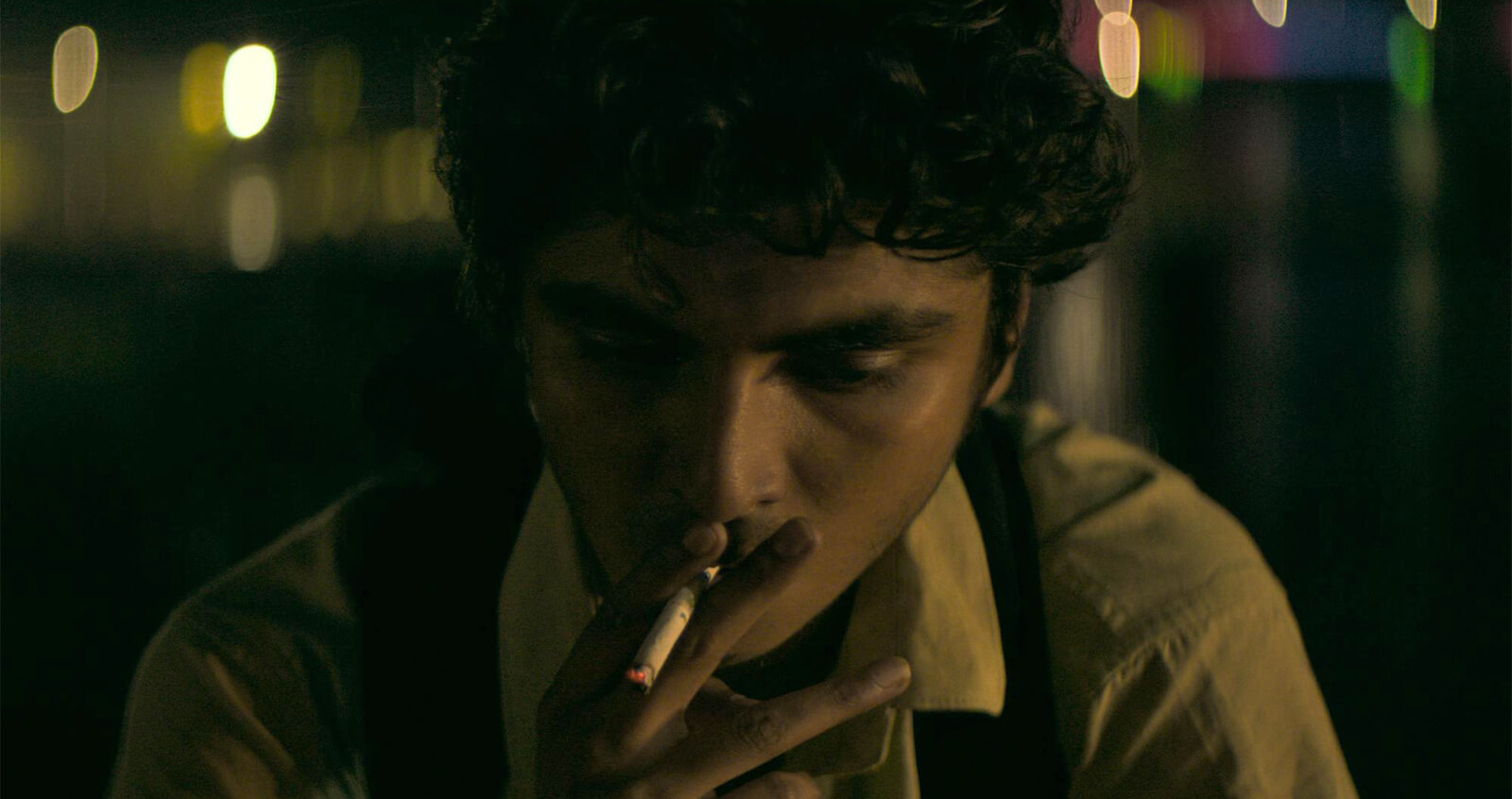
Rajan stays in a chawl house (his sister and brother-in-law’s) where we see his sleep interrupted constantly, a disposition that Malhotra refers to as “lying around like a zombie”, while true rest eludes him. However, the patriarch’s sleep is sacrosanct, with the household tiptoeing around him. A violation of his sleep, and markers of Rajan’s incomplete transformation from a child into a man (a caught glance at women’s clothing, a late night return with alcohol on his breath and an accusation of going down the same path as his father), lead to the patriarch telling Rajan to move out.
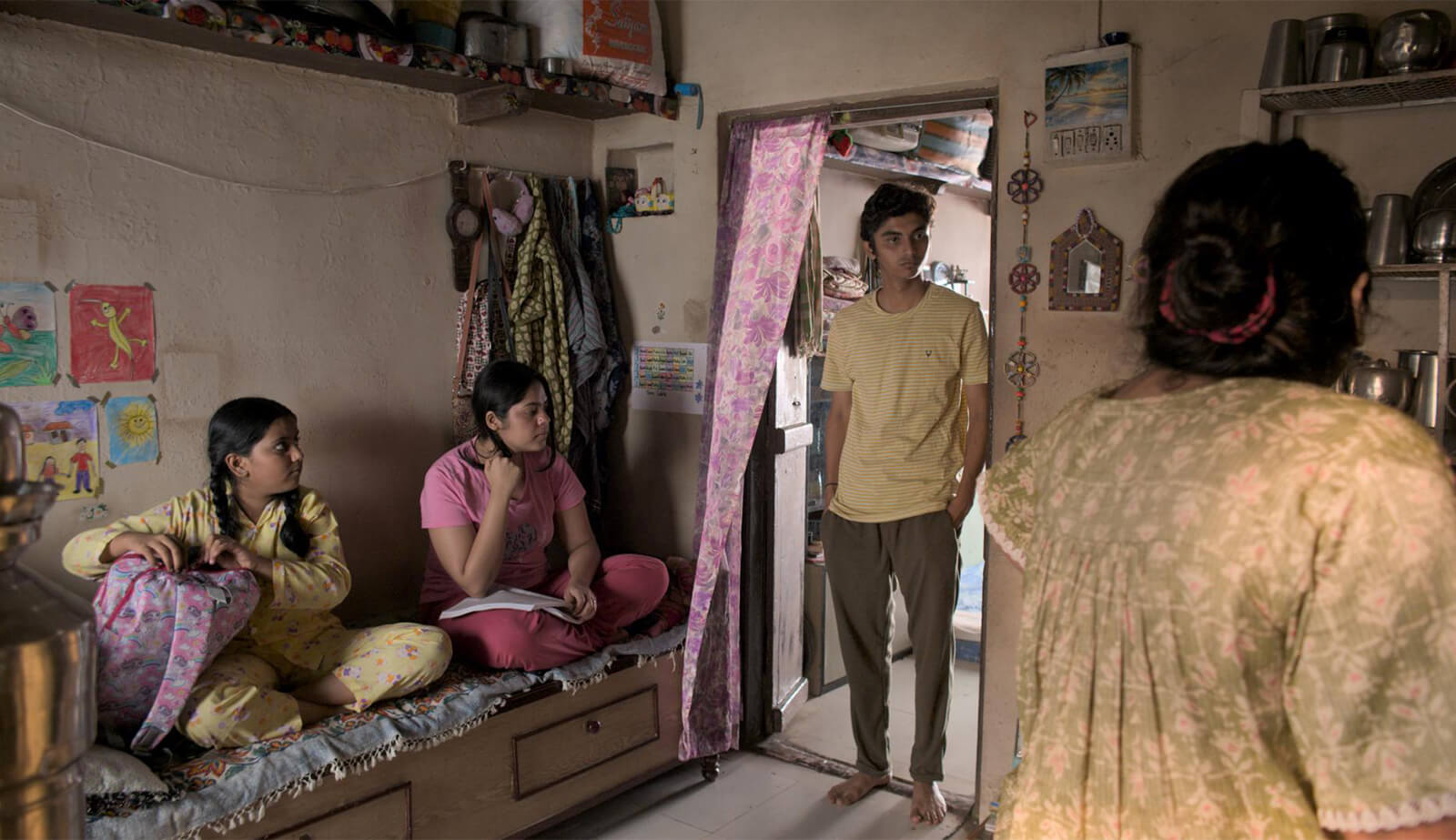
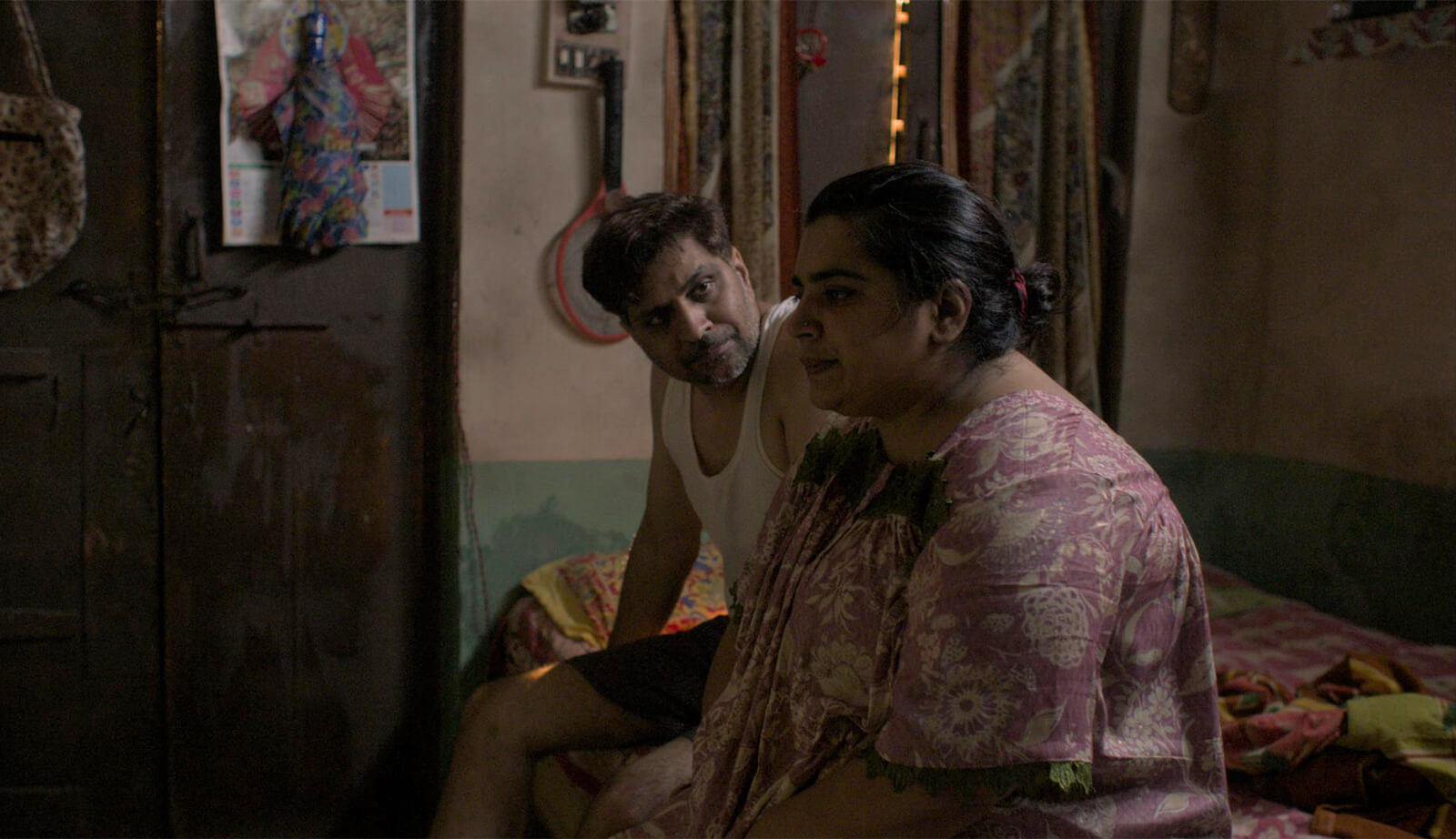
The chawl—homely, lived in, warm—initially seems like a juxtaposition to the cold, impersonal factory. It is packed with the miscellany of five people coexisting in closer than close quarters. It brims with utensils, bedding, schoolbooks, shoes, stacks of paper, curtains as doors, taped-up children's drawings and other mismatched personal effects. The personality, patterned fabrics and colour grading make the space, which was inspired by Malhotra’s one time home in Delhi, appear inviting and intimate. Malhotra describes the process of designing the space, saying, “Rashmi Kushwaha was the main production designer and she was so meticulous about the detailing of each frame. We talked at length because I wanted it to look like my childhood home, a very cramped 1BHK in Delhi. I described every corner of that house, its clutter and lack of empty spaces, from my memory. She had two [chests] full of junk, toys and trinkets and managed to create clutter without making it look noisy on camera, which is where her brilliance came in.”
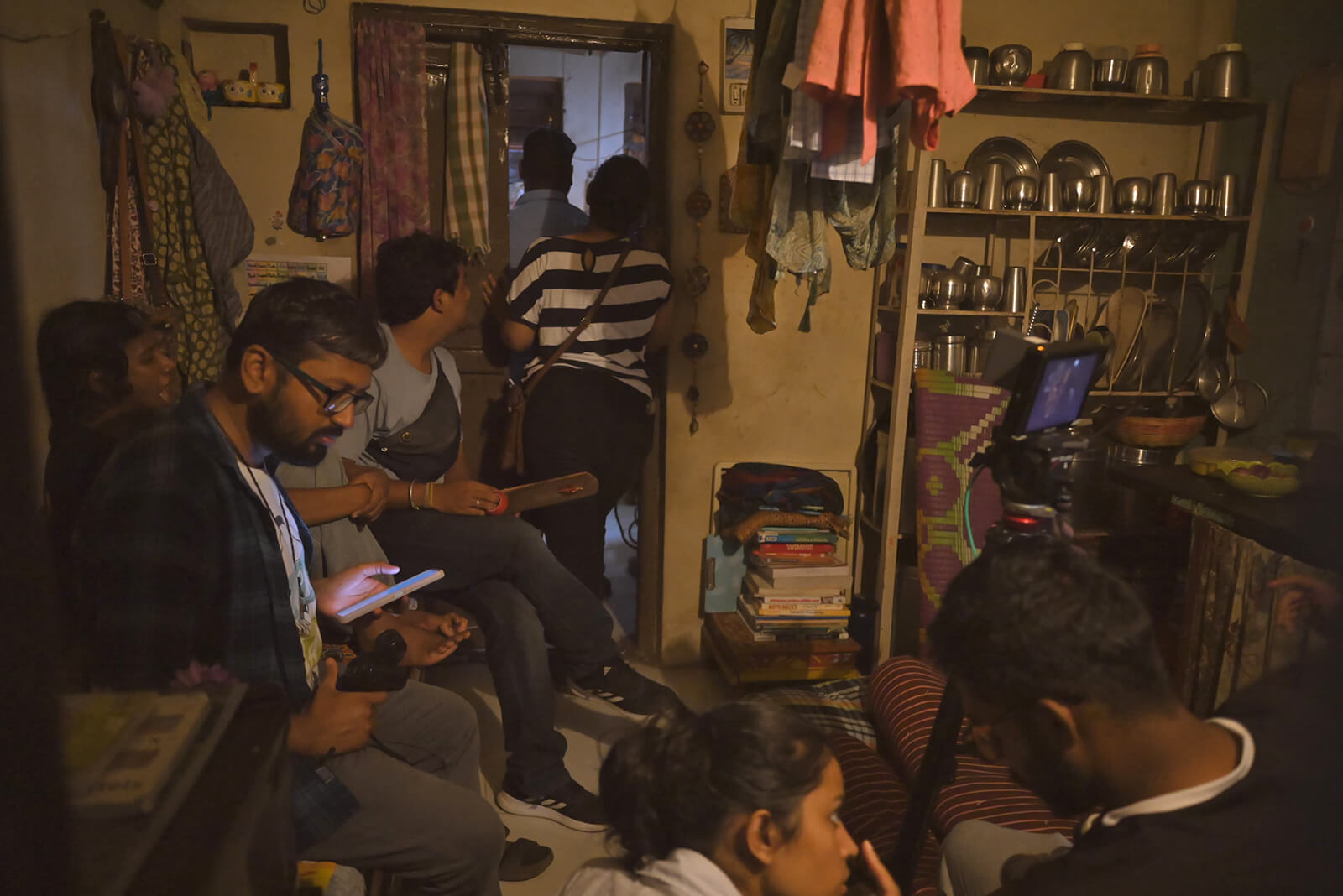
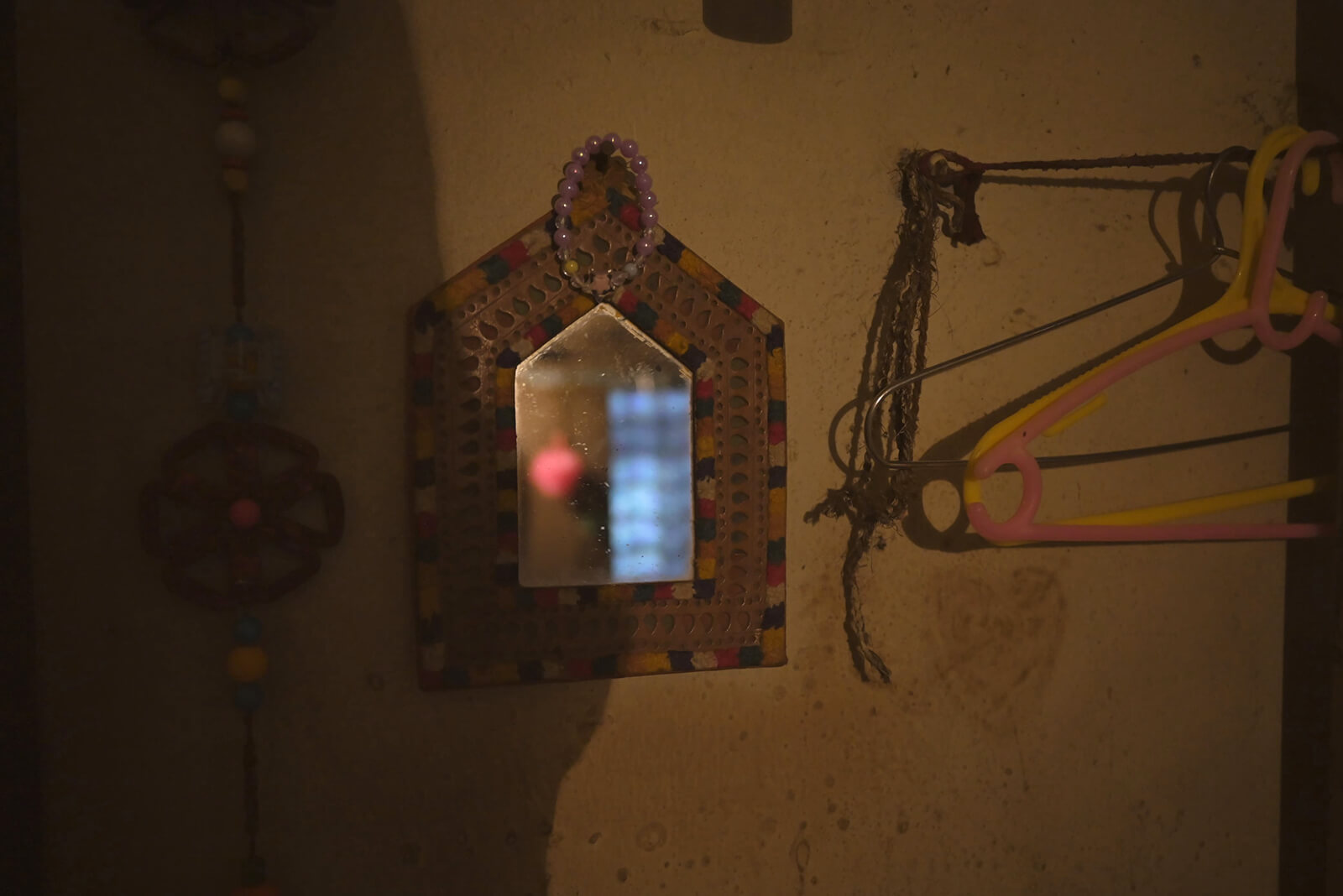
The warmth of the house twists the knife as the film breadcrumbs the realisation that although this is a home, it is not Rajan’s home. “We don’t see anything in the house that belongs to Rajan…Even though there is warmth and love, like from his younger sister, he still doesn’t belong there.” Rajan constantly finds himself in transition, with nowhere to land—he finds shelter in a subway tunnel, fleeting comfort on the floor of a bus and on the back of a motorbike and companionship on the street outside the factory with his colleague and his bottle of liquor. He is out of touch with the world, trapped somewhere between sleep and awareness, never in either state for long enough. The film creates this out of place, out of body effect through clever use of an immersive, shifting soundscape.
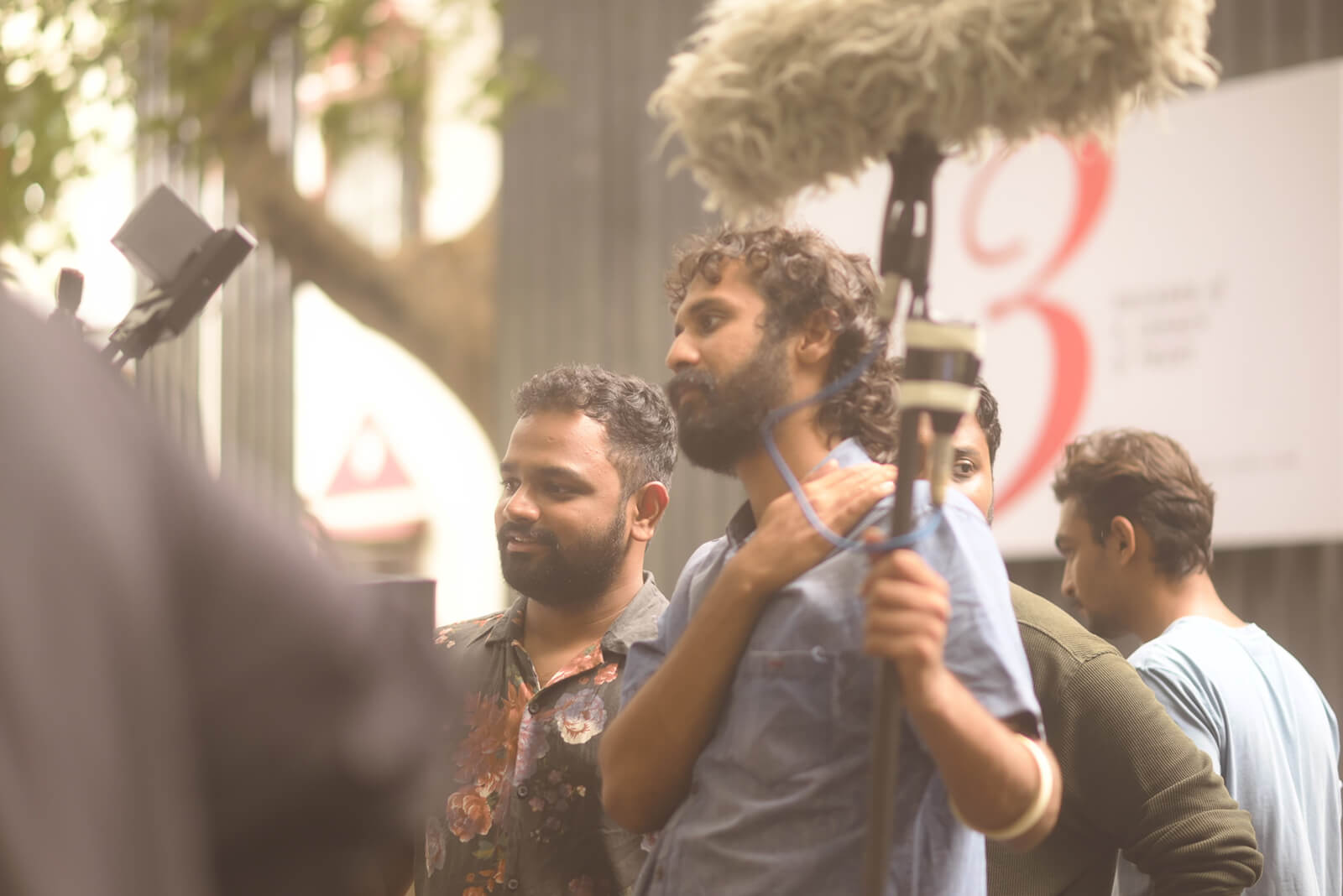
Specific sounds—the ripping tape, a phone alarm, a dripping tap—are sharp interjections into scenes while the myriad noises of the city form an unrelenting hum in the background of Rajan’s disquieted mind. Speaking about the sound design, Malhotra shares, “Sai Sanjay did the sound mixing and recording and we were very clear from the scripting stage that sound would play a huge role in the film. We wanted to keep it as realistic as possible, even if it was a challenge during mixing, because India is a noisy country. We wanted the soundscape to echo Rajan’s state of mind. It allows you to understand what haunts a sleepless person—every sound becomes too loud, irritating and haunting. Even your own voice sounds muffled and strange.”
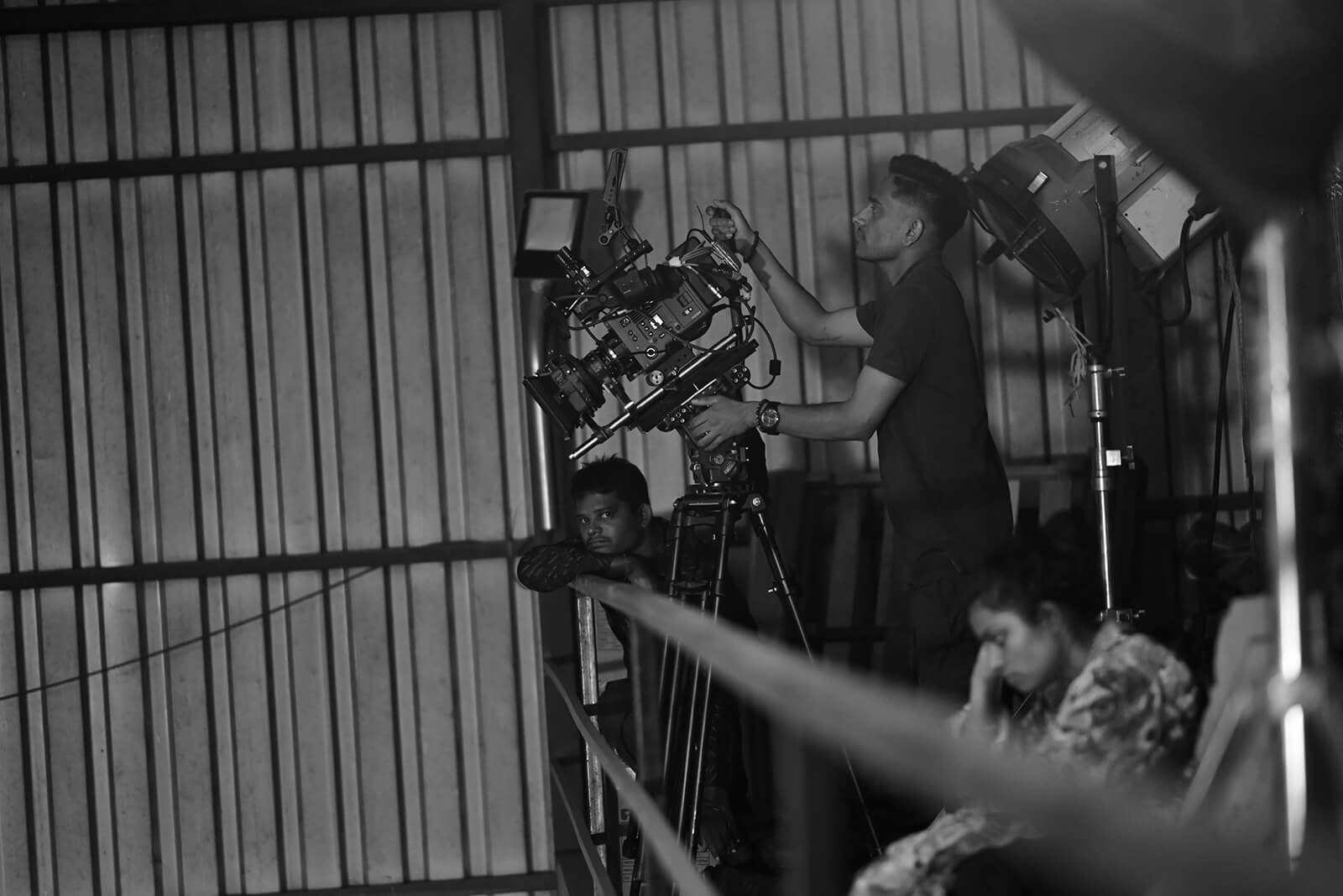
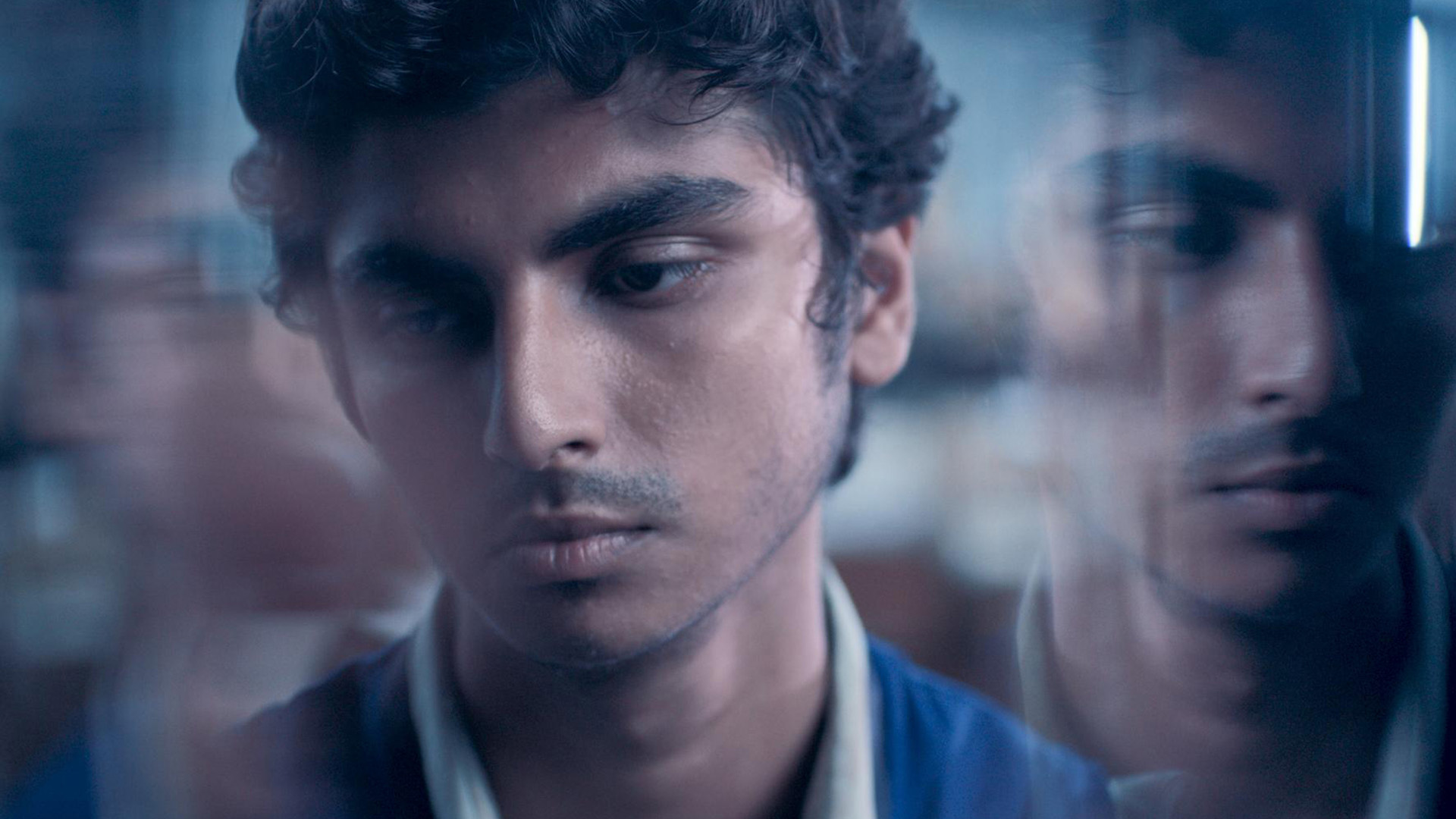
The challenge of translating the strange, altered state of sleeplessness to film is a technical challenge met by both the visceral soundscape and experimental camera work that shines near the climax of the film. Rajan’s sleeplessness reaches a crescendo, manifesting as double vision and vaguely psychedelic traces of his movements left behind on the screen. Malhotra explains the practical effects behind these striking visuals, saying, “We experimented with lenses to add softness to the sharp Sony VENICE 2 camera (a digital cinema camera). In the montage of Rajan walking the city we use anamorphic lenses to bring the whole city into frame and capture the blurry vision of a sleepless person. For the double vision, where you see three faces of Rajan, we did a lot of camera testing but only a little trick on the shoot day got it to work. We put two mobile phones on either side of the lens and their black screens created a reflection that was caught on camera as three split images.”
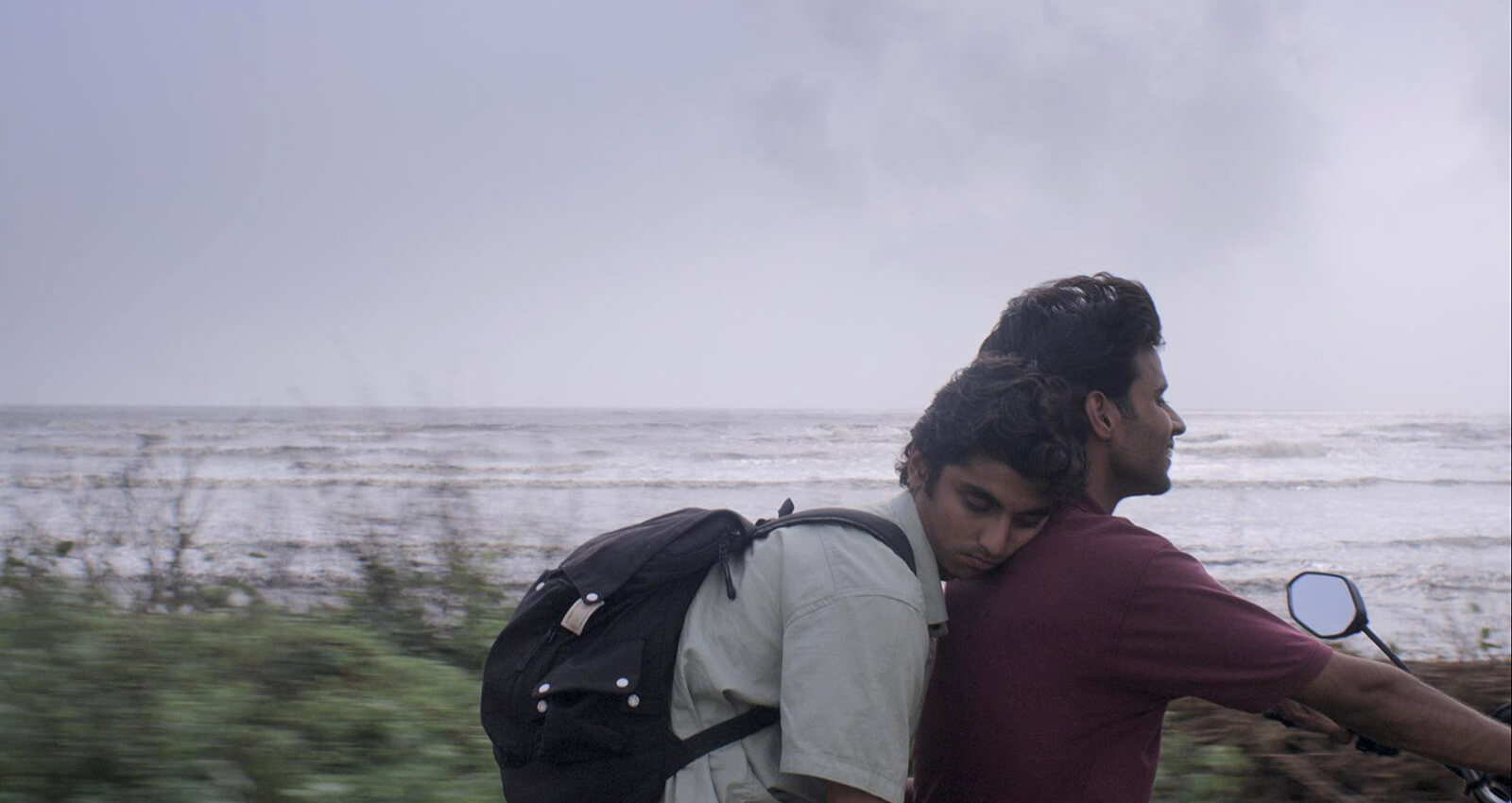
The visual and sonic grammar do much of the narrative and atmospheric heavy lifting in a film that has sparse dialogue. The story unravels through the meeting and dodging of gazes, the sharpening and softening of sound and image. Still, two of the film’s concluding scenes centre words—not through dialogue, but poetry. Rajan stares out into the roiling Arabian Sea somewhere between Mumbai and Pune, having spent a sleepless night walking the streets after leaving home. “wave after wave…/So the water never rests/And when it finally rests…The faces, long/drowned, begin to rise”; the poem, recited in Punjabi over the scene, functions like a poetic inner monologue. Fittingly, the poem (an excerpt of which is used in the scene) was written by Malhotra’s friend, Shaunak Narale, at a corporate job he has since quit. Malhotra, who translated the poem into Hindi and Punjabi, explained, “There was a lot of trial and error but the poetry was needed to understand that he’s not at peace even though he’s looking at the ocean, which can be a symbol of calmness.”
The scene leads into the dramatic climax of the film, which sees Rajan at his most disoriented and hopeless, and eventually, injured in a hospital waiting room. The film’s denouement lulls Rajan and the viewer into a fragile relief as a woman cradling her baby sings a lullaby. It cuts through the fogged soundscape, gently, and the film ends with Rajan’s eyes closing, peaceful but temporary, on the razor’s edge between bleak and hopeful.
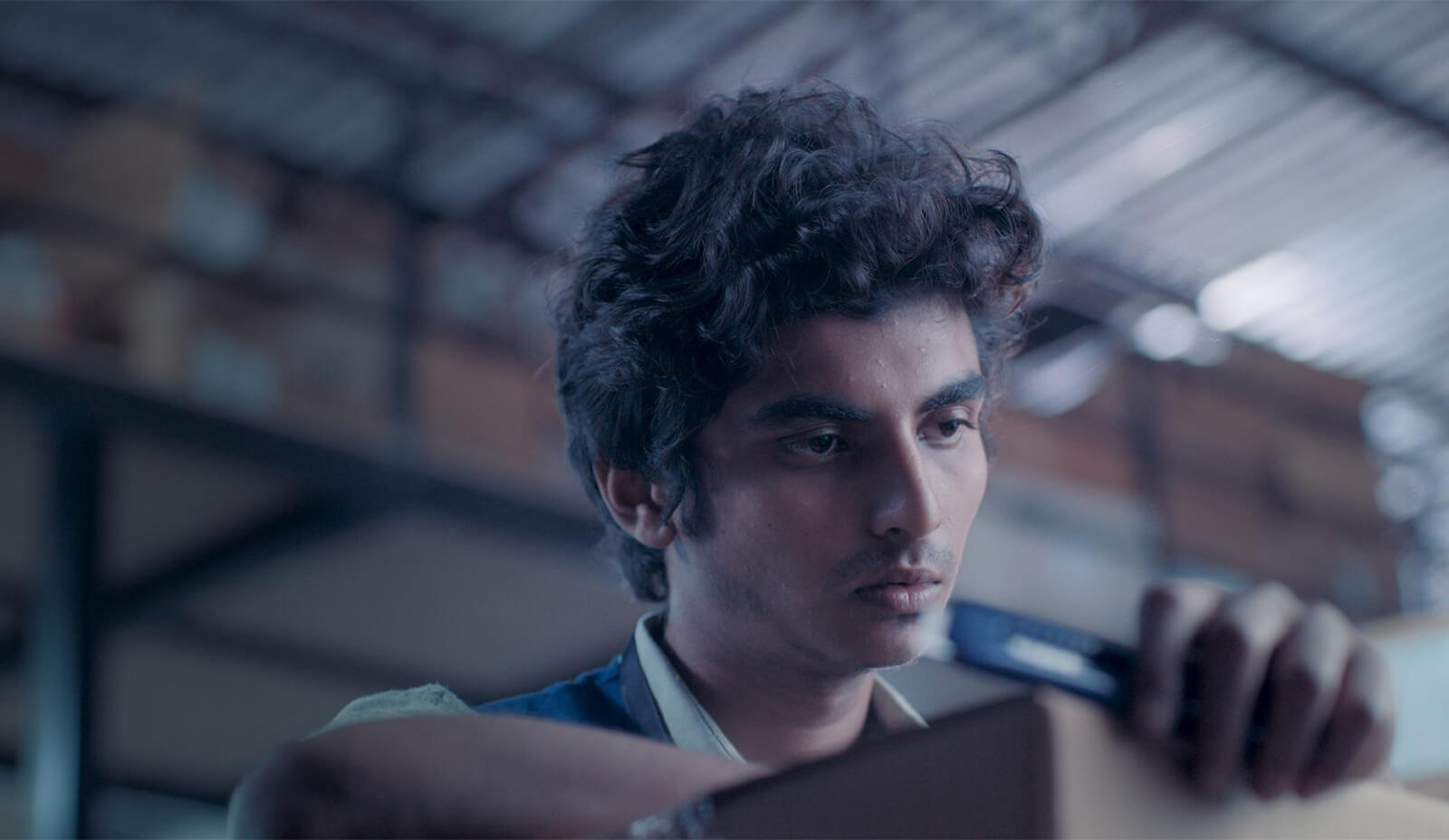
Shadows of the Moonless Nights (Parchaave Massiah Raatan De) is a sensitive and stylistic debut film that exemplifies the use of technical knowledge to translate the most ineffable parts of the human experience into visual narrative. The short film touches on issues of labour, exploitation, alienation and isolation slantly, without losing sight of its protagonist. Rajan comes to life with little dialogue, with the exhaustion and disorientation evoked by sound and camera. The film’s greatest strength is its ambition and ability to not just tell the story of a sleepless character, but to capture the off-kilter, otherworldly experience of the one too many sleepless nights demanded by a fast-moving, extractive world.

by Mirra Lynn Oct 20, 2026
The Indian artist paints the old wadas of central Pune, capturing the traces of everyday life that cling to these structures, battered by time but unbowed.
by Anmol Ahuja Oct 15, 2026
How do heaps of souvenirs and relics with racist Aboriginal motifs and features become art? MCA Sydney’s winter showcase—the artist’s largest to date—beckons a possibility.
by Vandana Kalra Oct 14, 2026
With his latest exhibition as a point of departure, the modernist discusses his decades-long practice, the spontaneity of drawing and the social responsibility of artists.
by Srishti Ojha Oct 14, 2026
The first Dutch publication on the Turkish artist, the eponymous book centres on Refik Anadol: Latent City, his living data sculpture of Bruges, exhibited at BRUSK gallery.

make your fridays matter with a well-read weekend
Enter your details to sign in
Don’t have an account?
Sign upOr you can sign in with
a single account for all
STIR platforms
All your bookmarks will be available across all your devices.
Stay STIRred
Already have an account?
Sign inOr you can sign up with
Verification link sent to check your inbox or spam folder to complete sign up process
Tap on things that interests you.
Select the Conversation Category you would like to watch
Please enter your details and click submit.
Enter the 6-digit code sent at


Shadows of the Moonless Nights captures the urban search for rest and home
by Srishti Ojha | Published on : Aug 21, 2026


 Sign in with Google
 Sign in with email
What do you think?