Architecture07 mins. read
BRICK AWARD 26 winners harken to the traditional brick as the material of the future
by STIRworldJun 12, 2026



by Mrinmayee BhootPublished on : Feb 25, 2026
The choice of material for an architectural project seems—in a world obsessed with image—like a moot question. This condition is especially pronounced in an industry where digital technology is unchallengingly pushed; where the appearance of grandiosity, of swirling, twisting edifices favoured by the evolution of parametric modelling are considered disruptive. Architecture becomes spectacle, foregoing its value as a sensory, lived experience. While the stress on imagistic value has undermined the concern for material, it is, however, materiality that ultimately determines the aesthetic quality of a project—whether intrinsic, through structure, or of the surface, through finish. Architecture, however, is very much the stuff of everyday life, entangled with questions of labour, resource management, ecology and vernacular culture. To think of materiality then, is to think of how architecture responds to what is required of a project—to think of the people and the context it serves. To put it most simply, before embarking on an architectural expedition, American architect Louis Kahn would ask, "What does a brick want?", imparting the inanimate cellular unit of the material an agency that remains unequivocal in the Modernist canon.
It is with a similarly singular mode of enquiry that the BRICK AWARD concerns itself. Established in 2004 and presented biannually by materials company wienerberger, the primary aim of the architecture awards is to champion that most universal and commonplace of building materials, brick, demonstrating how ‘exciting, exceptional and modern’ buildings constructed with it can be. Seemingly simplistic, but in fact multifaceted in its interrogation of contemporary architecture, the focus on bricks and ceramic materials—and their suppleness—allows the awards institution to effectively evaluate current architectural practise through the lens of sustainability, resource efficiency, labour, cost-effectiveness and craftsmanship.
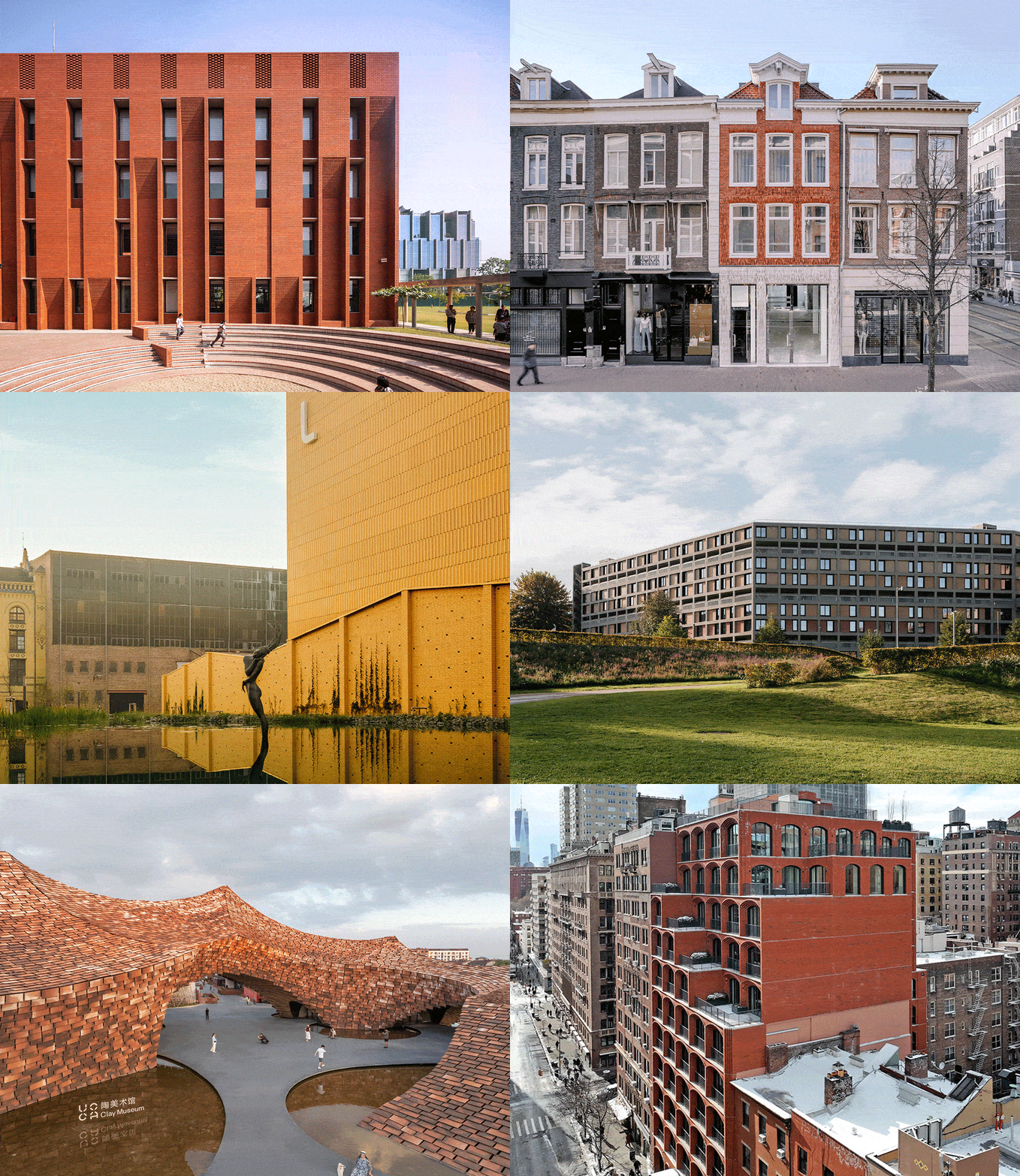
The award's shortlisted projects have been divided into five diverse categories: Feeling at home (small private residences), Living together (urban residential developments), Working together (commercial and industrial buildings), Sharing public spaces (public buildings and spaces) and Building outside the box (innovation). Apart from the category for building and material innovation, the classification into building typologies on the basis of function is especially interesting in how it opens up different threads of inquiry. It underscores the intertwined question of atmosphere (or spatial quality) and typologies, or functional requirements and other formal factors such as scale, orientation, etc., for a project. The question then arises: Is a good house only considered one because it looks beautiful, even though it's not sustainable? Or is it only a good house if it incorporates the most sustainable ideals?
Starting at the residential scale, the first category includes single-family houses, semi-detached houses and small housing projects. The criteria for judging and shortlisting, as the official release for the awards states, are that the projects provide comfortable, affordable, healthy and sustainable living spaces with a focus on energy efficient solutions. The stipulation of energy-efficiency and affordability—often thought to be at loggerheads—highlights how integral the question of sustainability is, even for projects such as private residences. To that end, the shortlisted projects present ingenious case studies. An expansive geographic range underscores the ubiquity of the material while allowing one to discern the pertinent architectural questions the project responds to within its context.
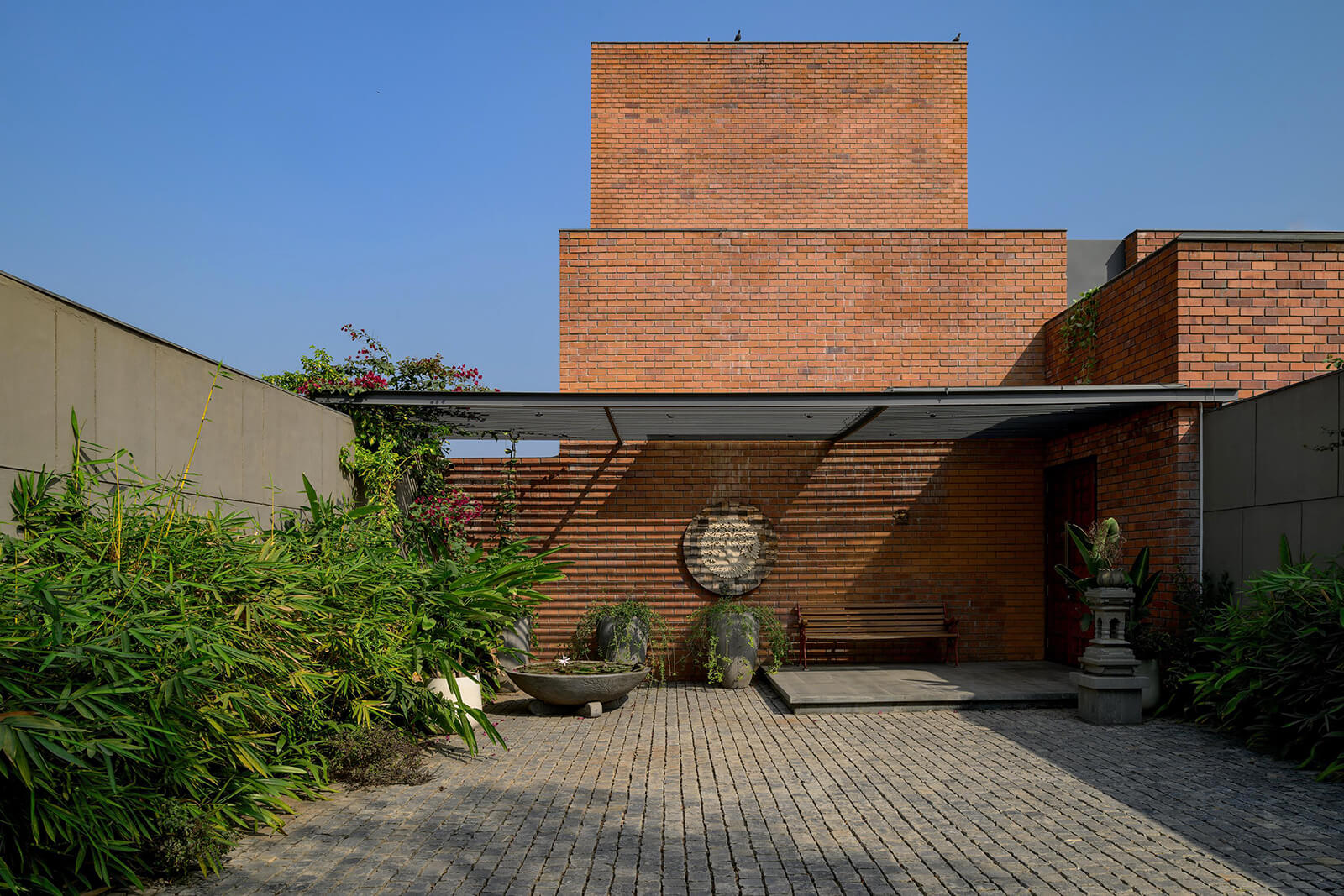
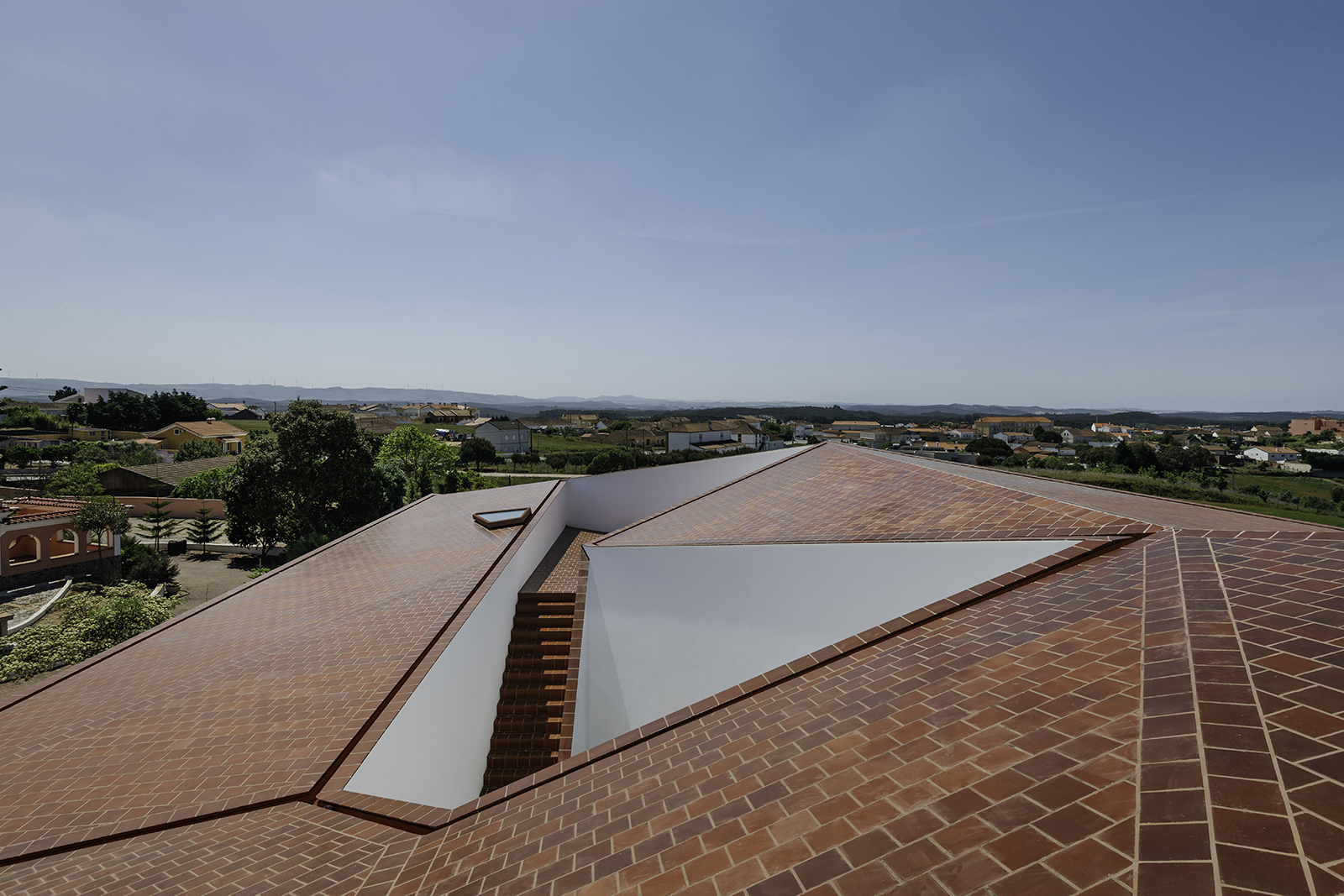
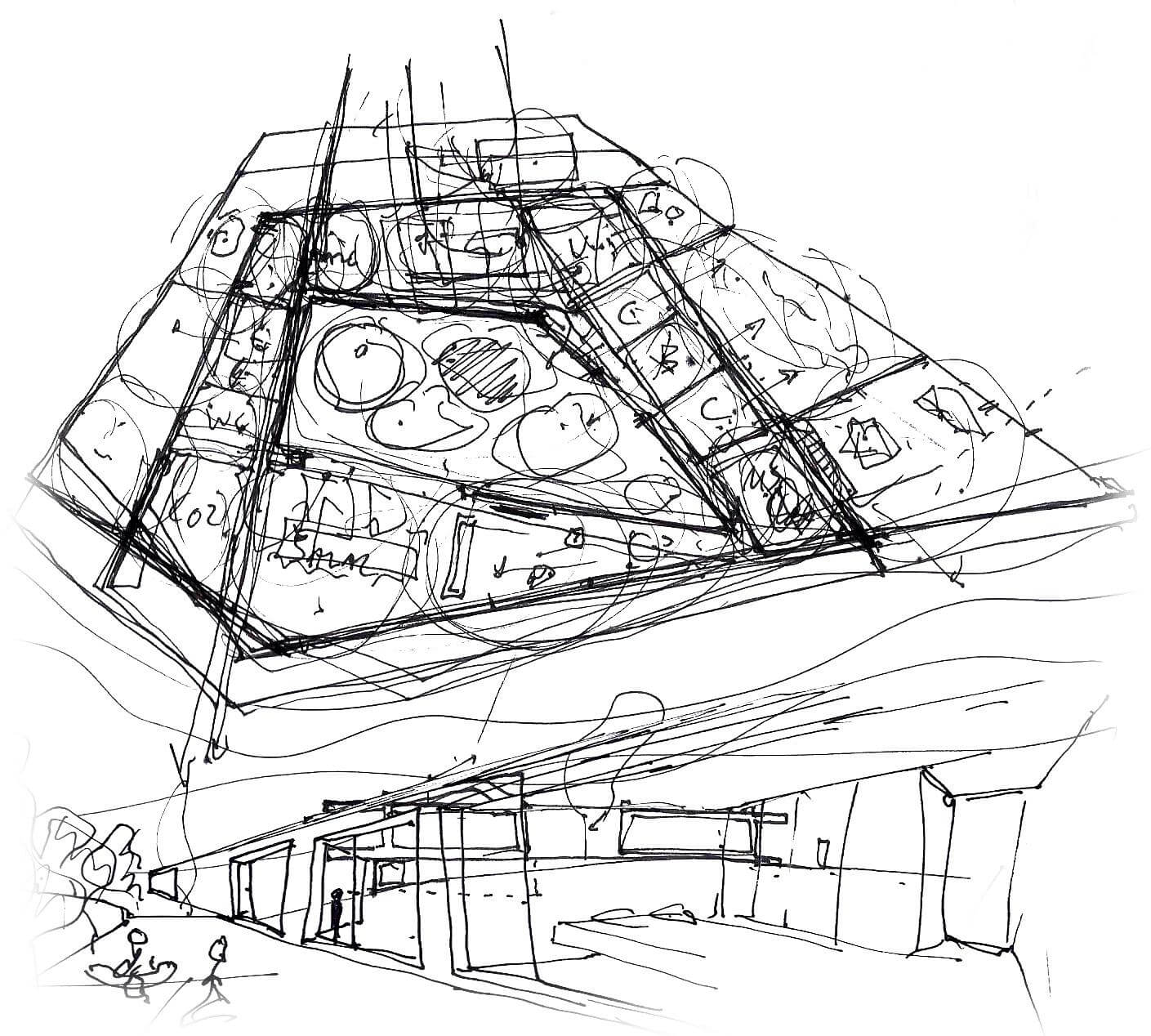
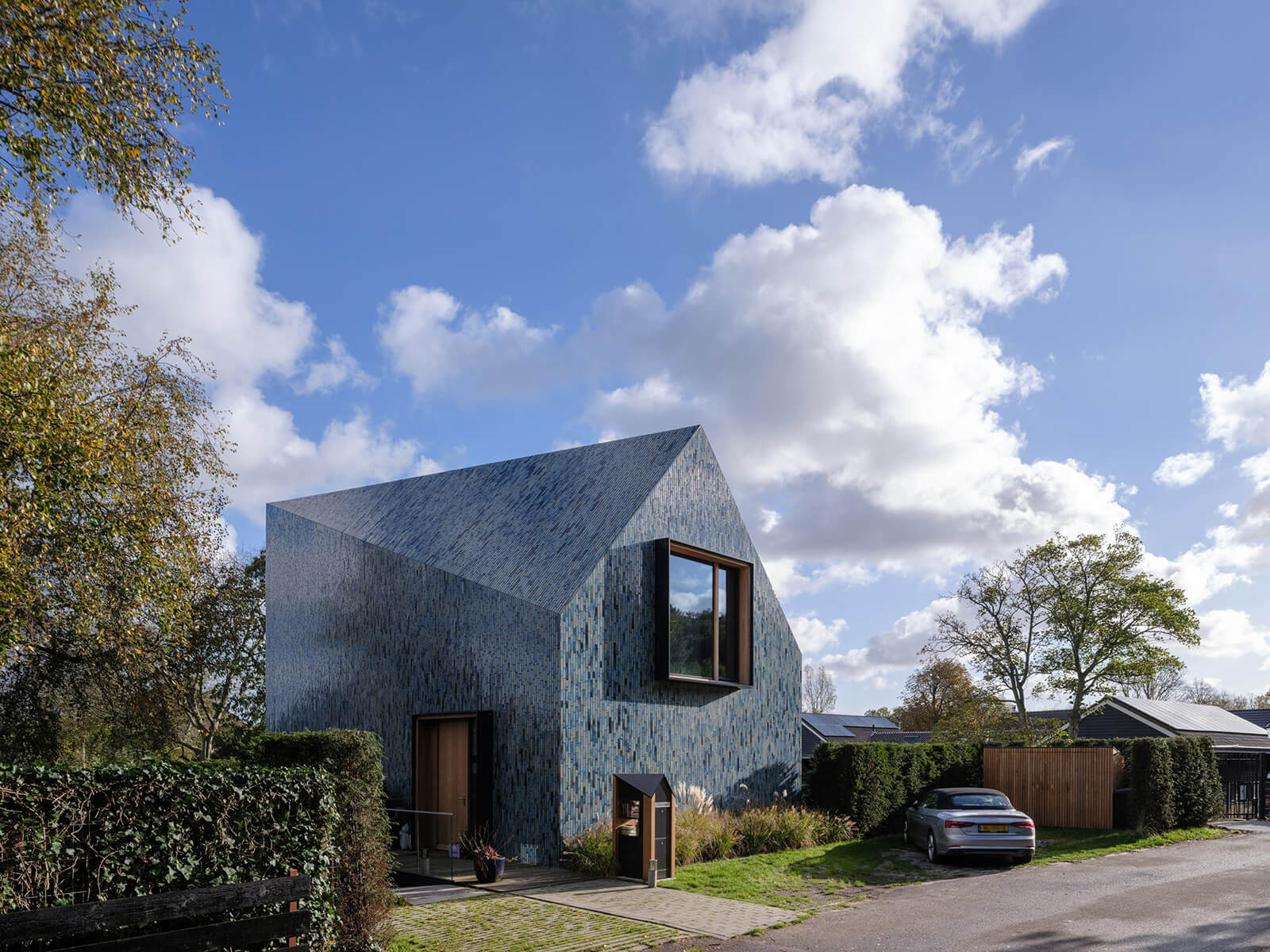
Most emblematic of this is the shortlisted project from India—the Verandah House by Studio PPBA. As the architects' description of the residential design states, the project reinterprets the traditional wada typology prevalent in the region, a practice slowly being eroded by the desire for 'modern structures'. Instead, drawing on traditional form and material—which are judged to be more climatically appropriate than modern solutions—to suit contemporary needs, the Verandah House enhances thermal performance, helping reduce heat gain in the tropical climate. The project from Portugal, Valley House by Volume - Architecture Lisbon Studio, similarly harps on its relevant incorporation of local techniques and materials. Here, ceramic tiles from local industries have been used as cladding for its dynamic roof. The tiles allude to a ‘traditional’ language, while the architectural form itself is minimal and contemporary. The only other project in this category that employs ceramic tiles (and not brick outwardly) is Villa BW in the Netherlands, designed by Mecanoo. As the architects state, the choice and colour palette was informed by an impetus to mirror the colours of the shifting Nordic landscape, whilst sticking to a handcrafted but precise language.
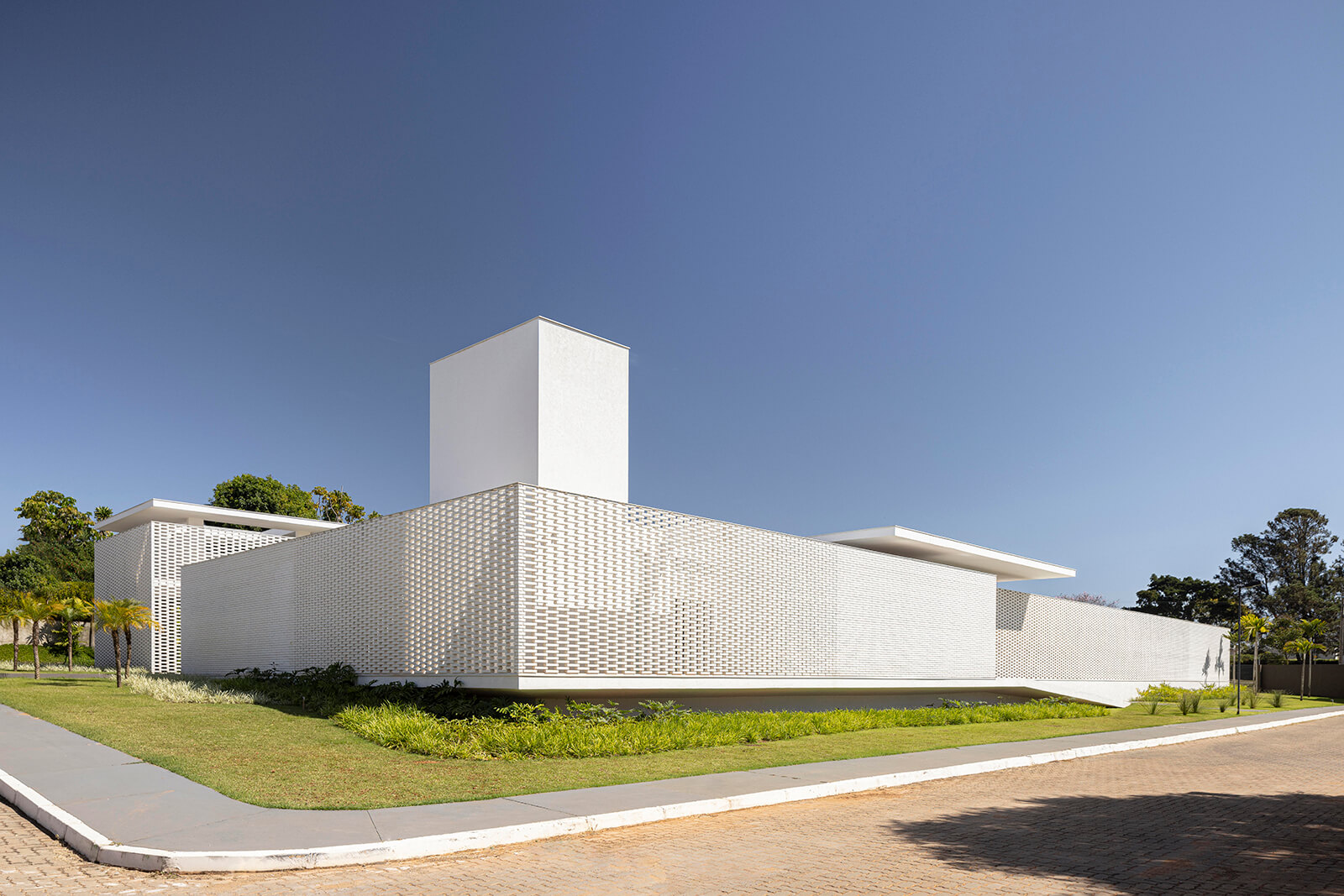
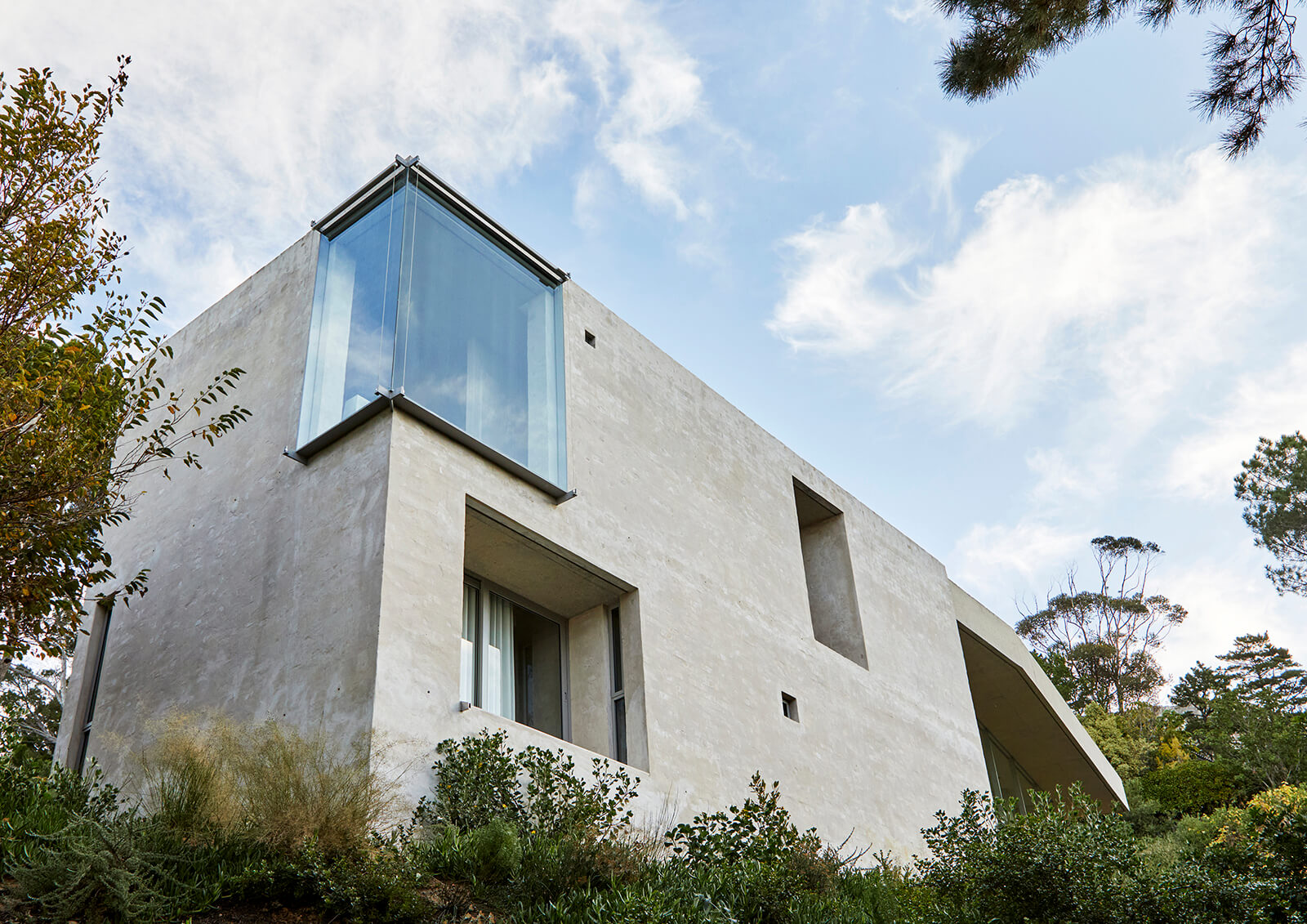
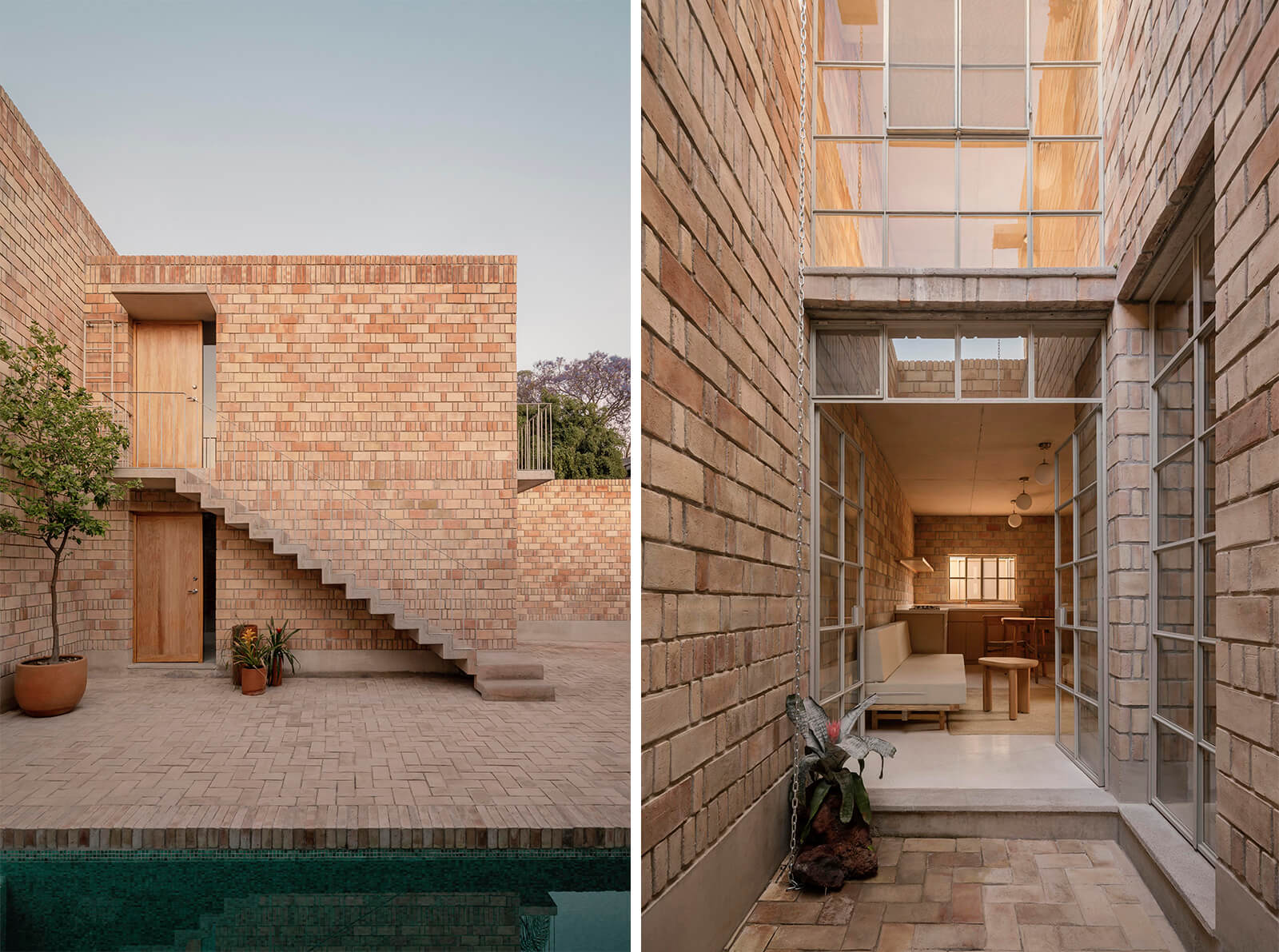
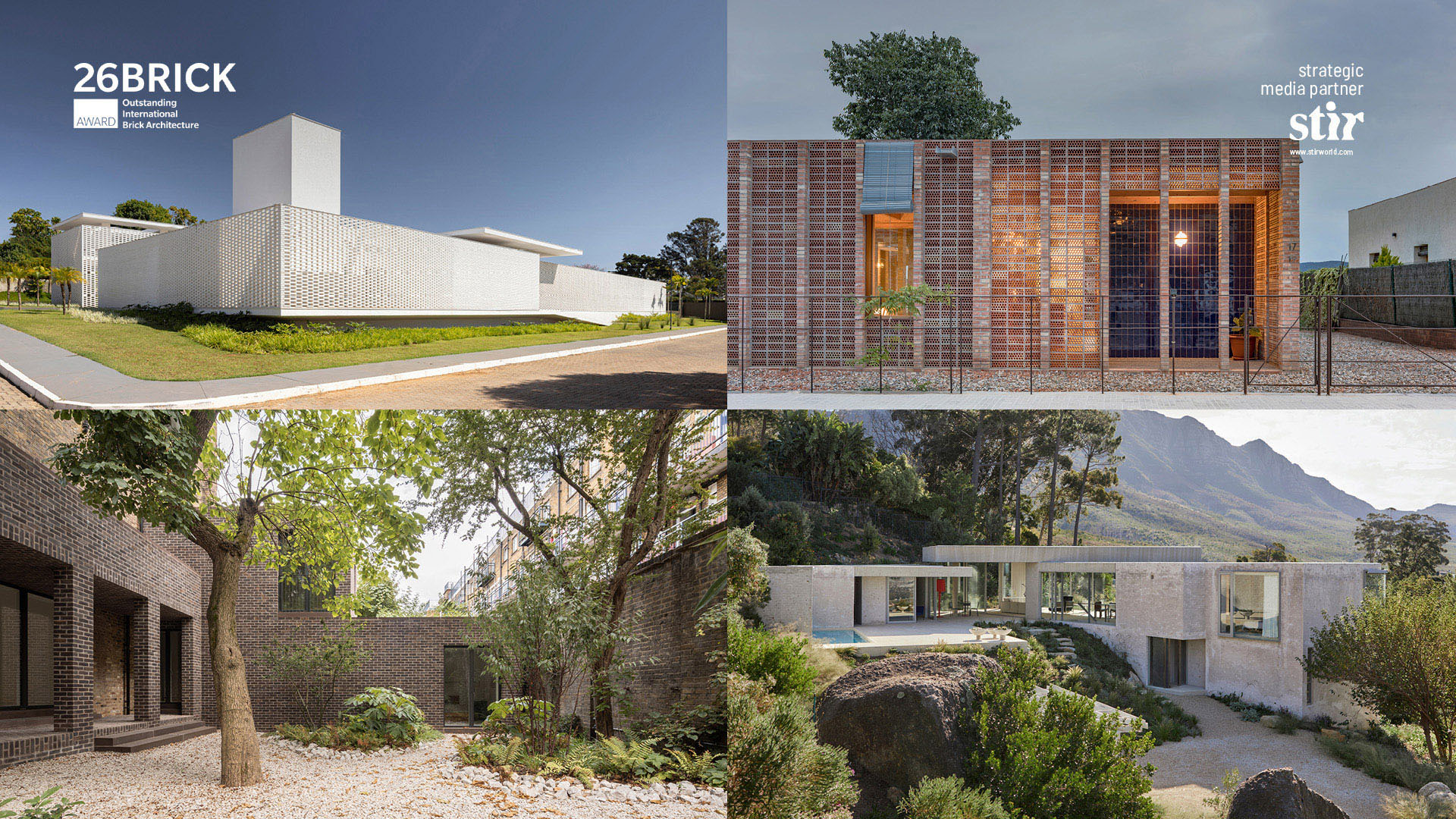
The same principle guides White Bricks House by Bloco Arquitetos, who highlight the artisanal process of construction by masons-craftsmen. The project stresses slow, crafted methods over fast-paced assembly. Further, the architects note that the use of bricks (which were designed specifically for the house) is meant to echo the material language of public buildings in Brasilia, hence symbolising a particular formalism. An almost similar language—articulated through form and material—emerges in Mountain House by Chris van Niekerk. Appearing as simple blocks amidst mountainous terrain in Cape Town, the residence attempts to camouflage itself through the use of monotonous materials—from the brickwork to the granite floors. The use of a singular colour affords the project a cohesive, clean profile that is not instantly recognisable as brick. Adding a sense of dynamism to this cohesive visual language, the project from Mexico, Los Guayabos by Rodriguez + De Mitri, is a play of solid and void. The solidity of the brick facade is complemented by expansive glass partitions, facilitating a sense of openness to the narrow site.
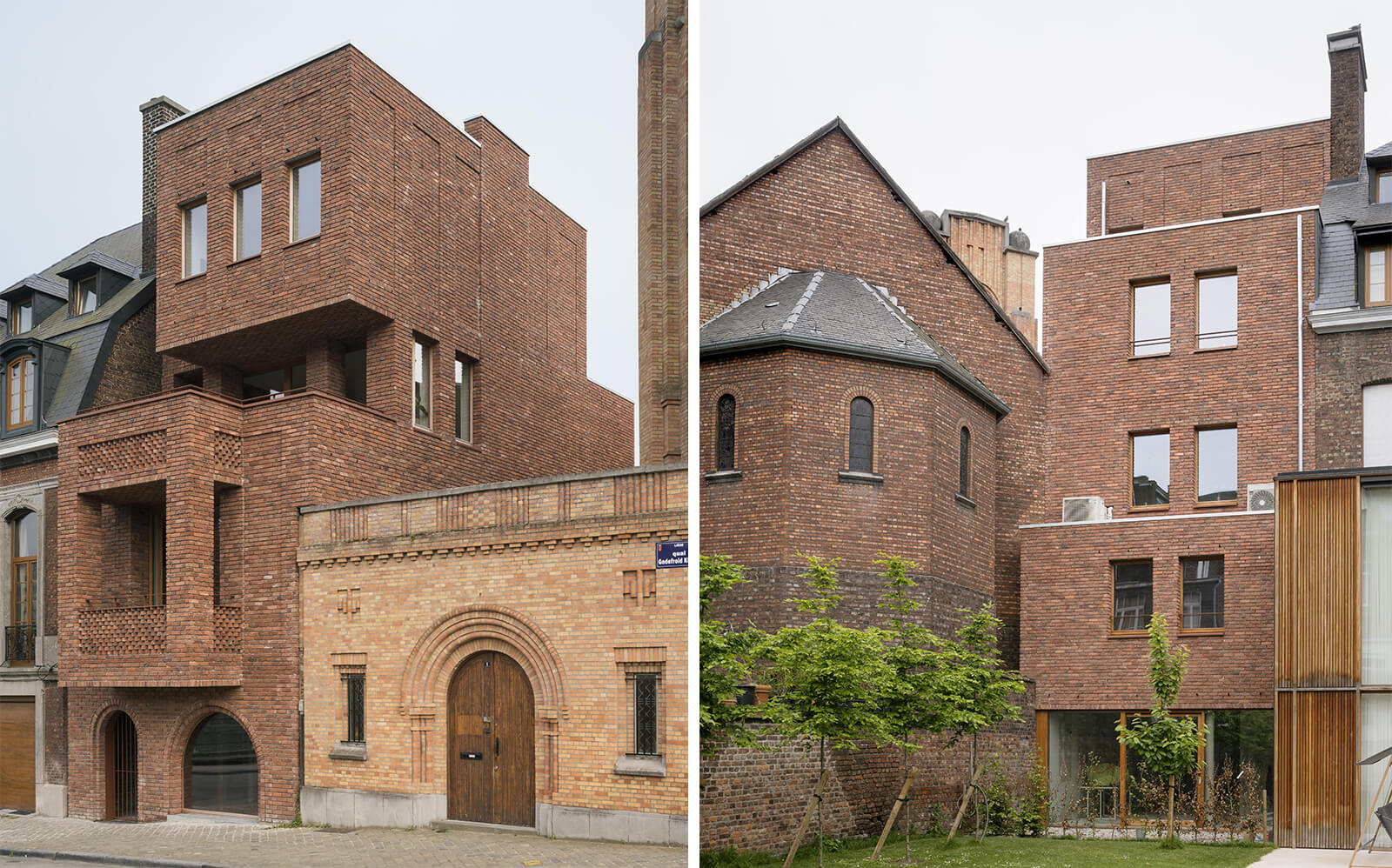
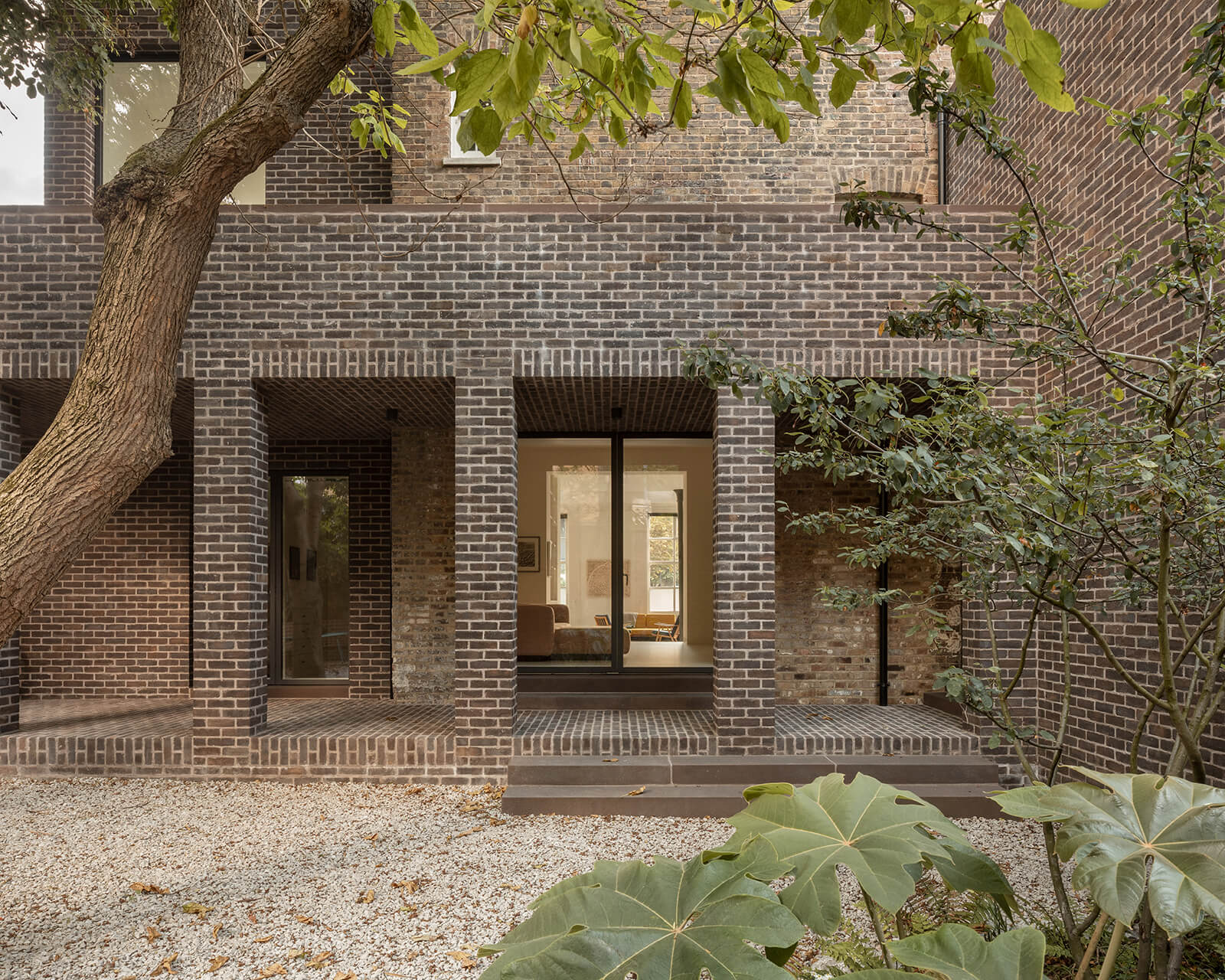
Quite contrarily, accentuating the visual qualities of the brick along with the immaculate precision of brick formwork in particular, Kurth Residence by Olivier Fourneau Architects, located in Liege, uses the material to echo the visual language of its urban context, particularly a Dutch-style Protestant church in the vicinity. The sharpness of the structure and its cubist form is enhanced by the brickwork, setting it apart from the historic church. A similar palette and commitment to historic context, if not technique, is noticeable in the only adaptive reuse project in the shortlist, Blockmakers Arms by Erbar Mattes. Through the addition of brick volumes, the design transforms a former pub into a family home. The choice of grey-brown bricks for the inserts was meant, as the British architect states, to complement the weathered look of the historic masonry, making the new appear imperceptible.
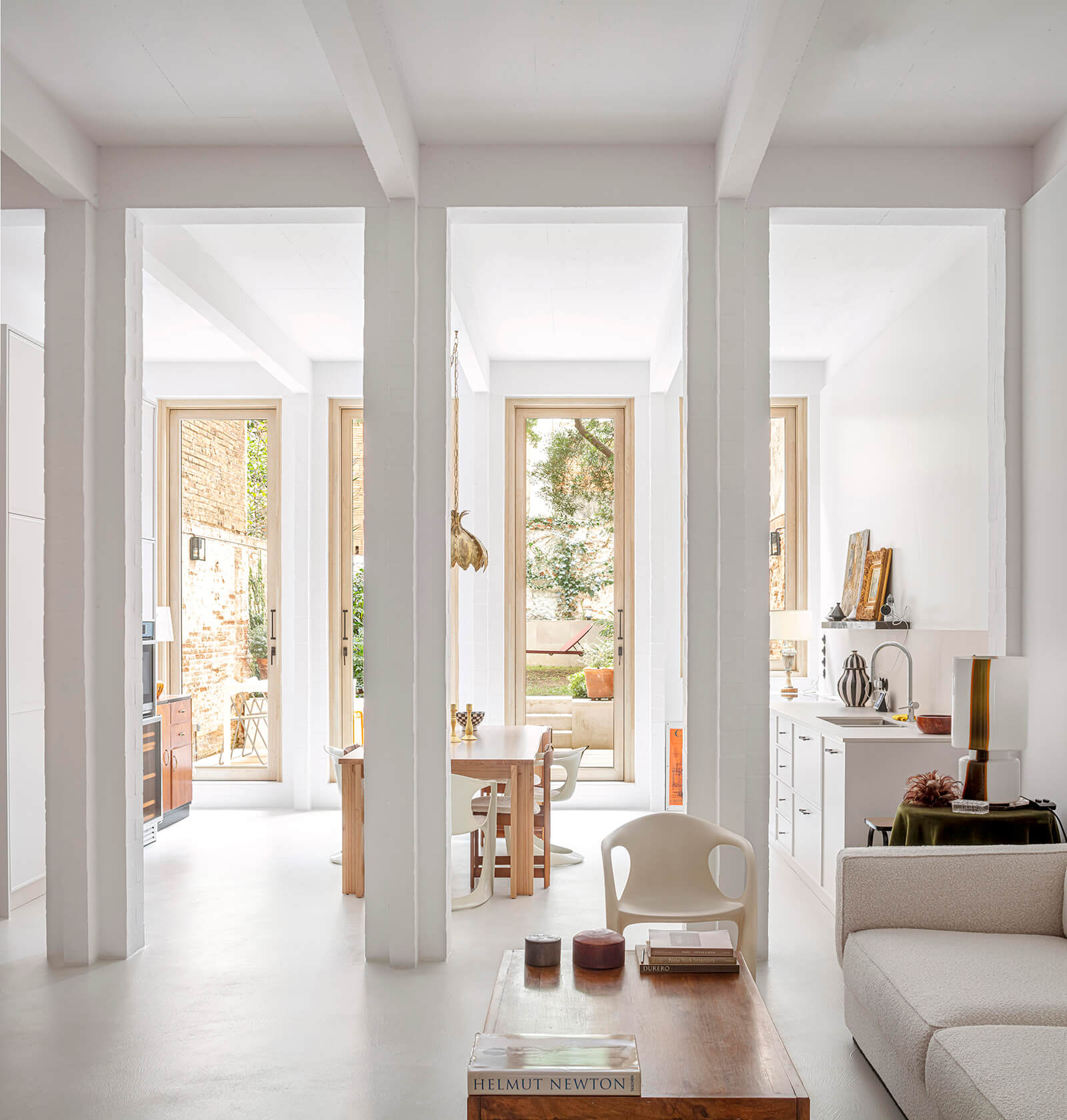
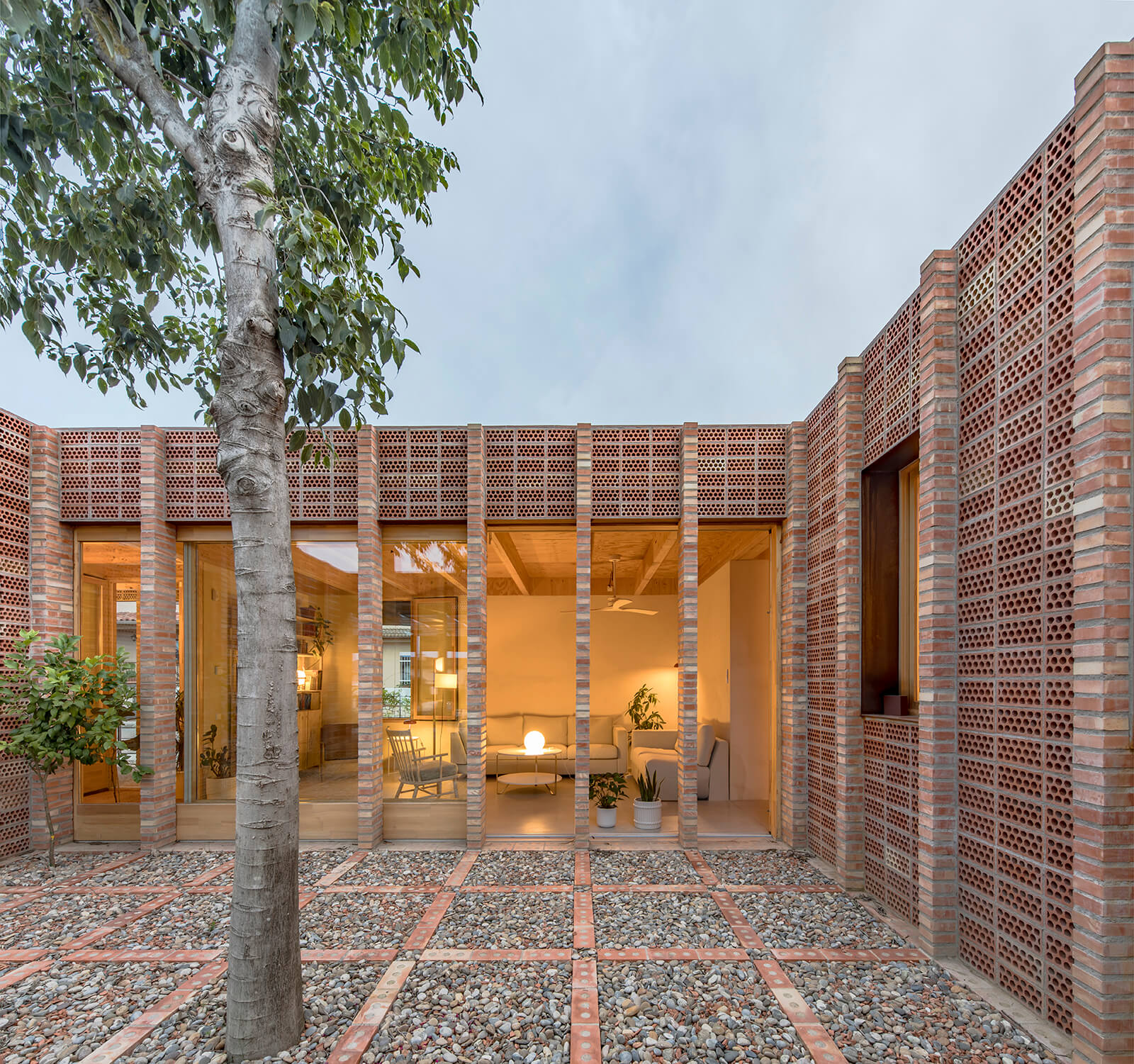
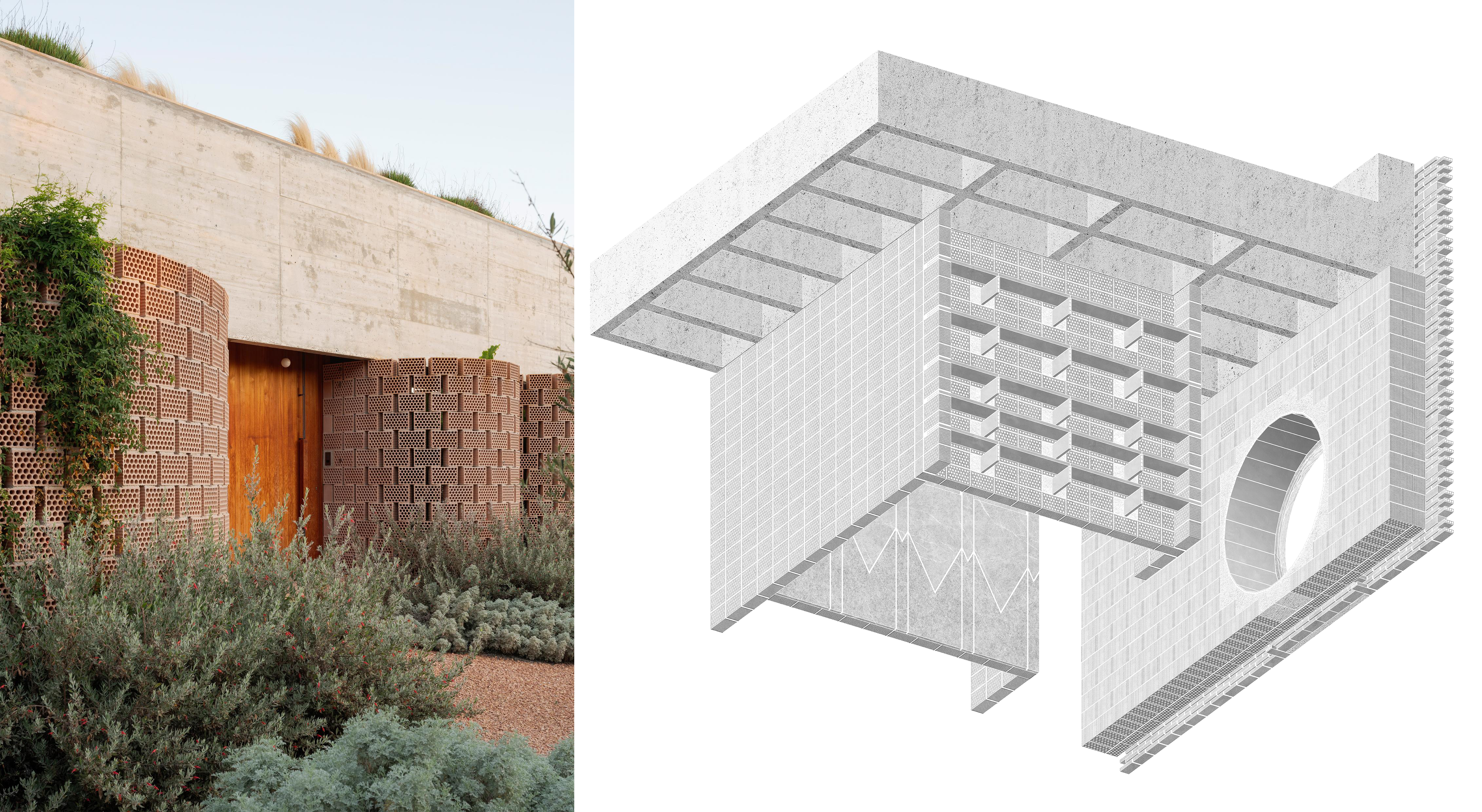
It's the projects in Spain that seem to break the idea of cohesion and insistence on uniformity that the other projects stress on, while still ensuring the brick is the hero. The three projects—House 1616 by Harquitectes, Manel and Montse House by Obo Estudi Arquitectura and Ca na Birgit by TEd'A arquitectes—apart from using the brick as a visual anchor, use it for its structural qualities more profoundly. For instance, the project by Harquitectes expertly makes use of cross-shaped brick pillars in its interior spaces, creating a spacious, open plan. Similarly, in Manel and Montse House, solid bricks create a pilastered facade, serving as the building's structural studs, while traditional perforated Catalan bricks create a lattice-like effect which allows the building to breathe. Finally, the Ca na Birgit house in Calvià employs locally sourced bricks for a design that plays with the idea of privacy and unboundedness. In the interiors, the bricks add a textural, patterned quality to the design, almost like wallpaper.
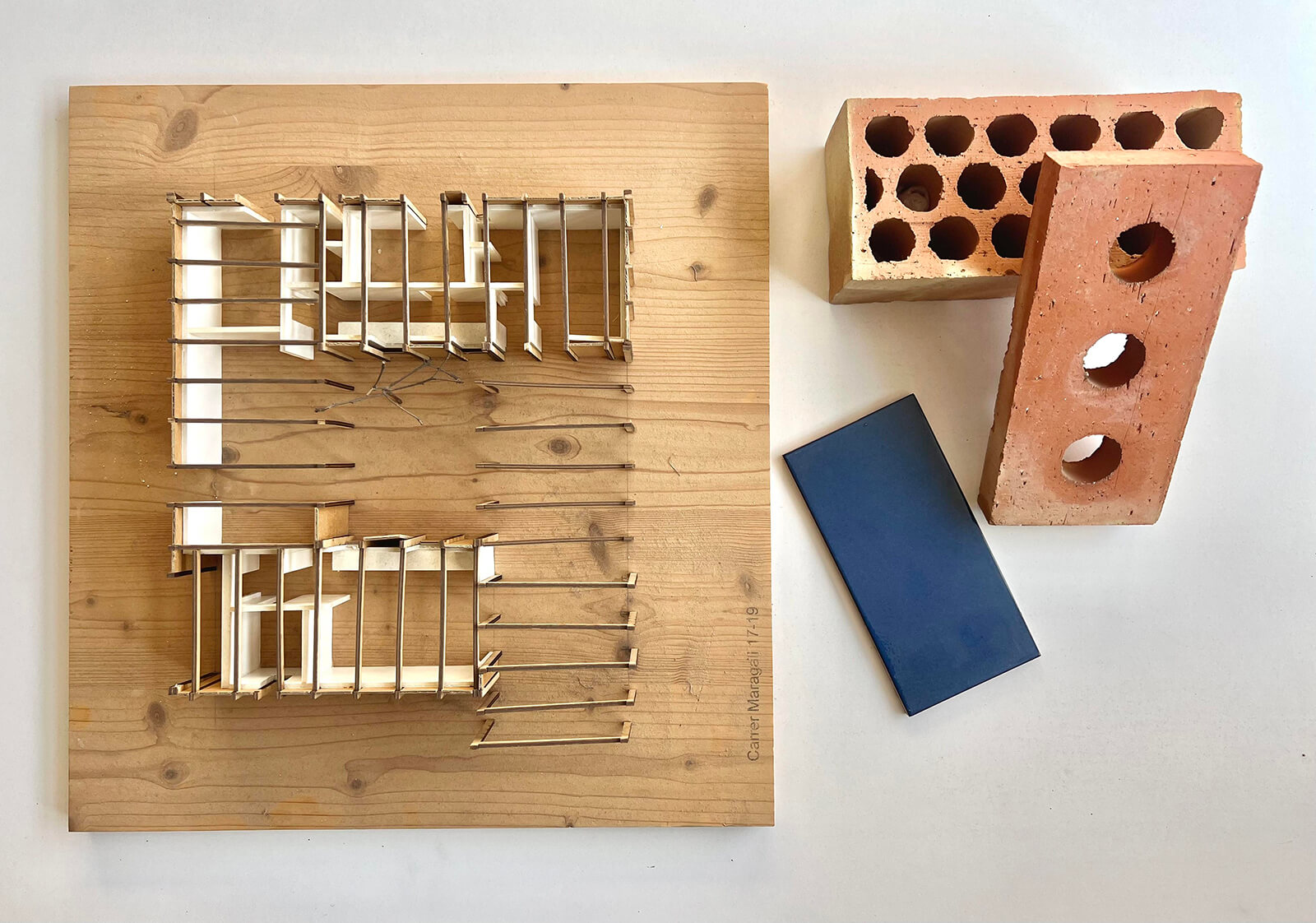
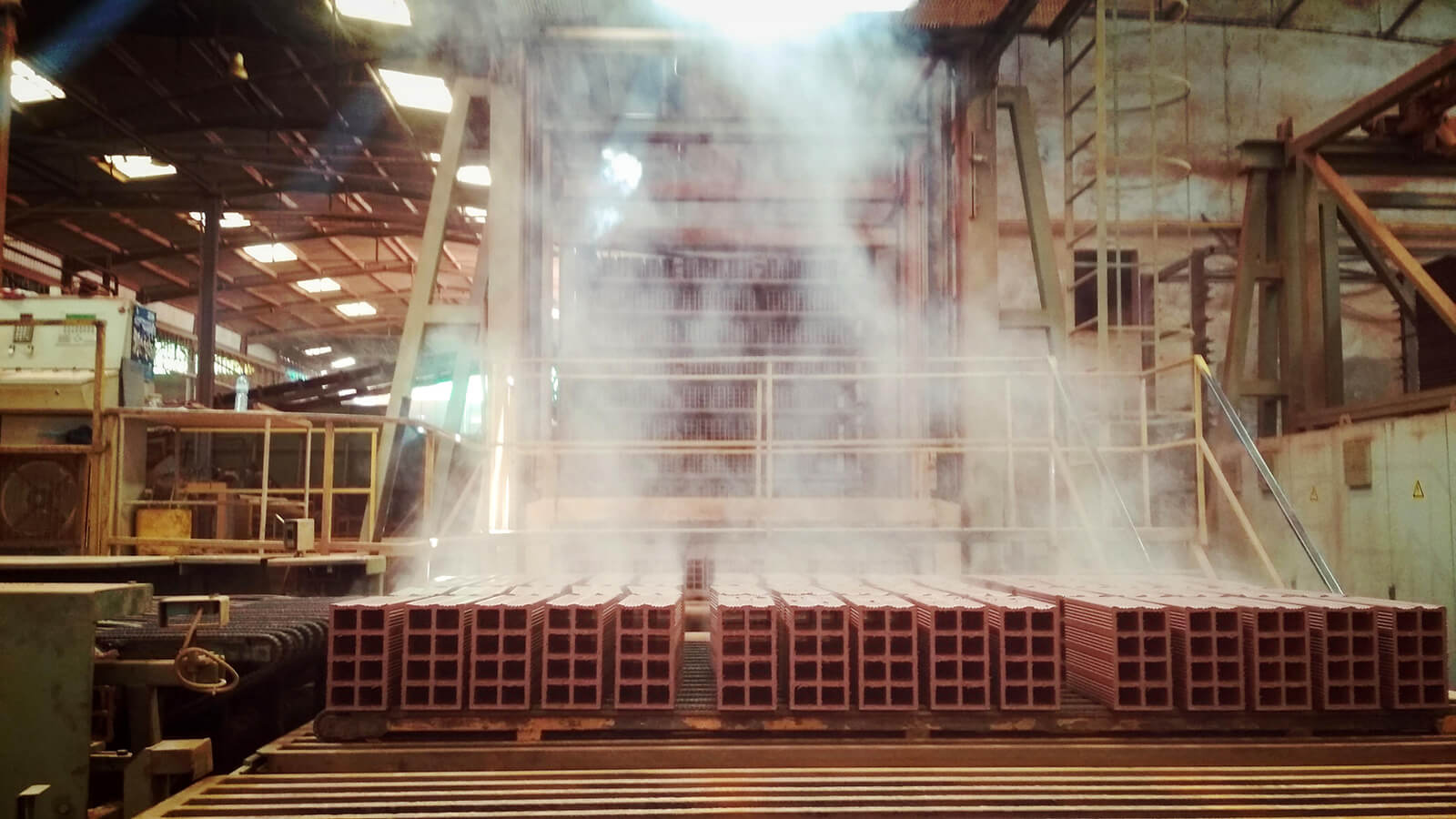
The common thread that most strongly emerges by examining the 11 projects in even a single category of the awards is the insistence on engaging with the material beyond simply a surface-level examination. The championing of the material allows the architects to not only achieve a cohesive visual language, it deliberately brings to light how the project engages with the availability of local labour and techniques, the relevance of craftsmanship to construction, dialogue with its urban context—all pressing issues for the discipline today, embroiled in the poly-crises of the planet. Material considerations become pivotal for the ethics of the project, a point especially crucial for the category that is the smallest in terms of scale and programme. If not simply adornment, the brick here possesses architectural agency, harkening back to Kahn’s provocation. What a brick wants then doesn’t just affect the planning; the planning itself can never be divested from the project’s material needs.
(The views and opinions expressed here are those of the author(s) and do not necessarily reflect the official position of STIR.)
STIR is a strategic media partner for BRICK AWARD 26. Read more thought pieces on the shortlisted buildings, exclusive interviews with jury members and updates on the awards and winners here.

by Pranjal Maheshwari Oct 24, 2026
A consortium of Copenhagen’s 3XN, Toronto’s B+H Architects and Shenzhen’s Zhubo Design has designed the museum to mimic the surrounding riverscape, topped with a public park.
by Pranjal Maheshwari Oct 19, 2026
The Mumbai-based architects integrate courtyards, mesh screens and north light trusses to create a dining space that doubles up as a community hub at SR University, Warangal.
by Mrinmayee Bhoot Oct 17, 2026
The Rotterdam-based institute centres the Indian Ocean as a network for exploring material histories and transnational links shaping coastal cultures, positing them as future models.
by Pranjal Maheshwari Oct 16, 2026
At the 2026 Stirling Prize ceremony, Mary Duggan with RUFF Architects, MAKER Architecten and Nakshabid Architects were felicitated for proffering quality housing and social equity.

make your fridays matter with a well-read weekend
Enter your details to sign in
Don’t have an account?
Sign upOr you can sign in with
a single account for all
STIR platforms
All your bookmarks will be available across all your devices.
Stay STIRred
Already have an account?
Sign inOr you can sign up with
Verification link sent to check your inbox or spam folder to complete sign up process
Tap on things that interests you.
Select the Conversation Category you would like to watch
Please enter your details and click submit.
Enter the 6-digit code sent at


What a brick wants: Evaluating a focused material inquiry for private residences
by Mrinmayee Bhoot | Published on : Feb 25, 2026


 Sign in with Google
 Sign in with email
What do you think?