Architecture08 mins. read
David Chipperfield Architects revives an old industrial area in China as mixed-use district
by Jerry ElengicalFeb 25, 2022



by Jincy IypePublished on : Apr 29, 2026
What constitutes a public space today is no longer self-evident. Spaces once understood as open and accessible are now increasingly conditioned and regulated by surveillance, ownership and protocols that often determine who belongs and who does not. In this, architecture is tasked with more than enclosure or expression; it must negotiate the terms of access itself, which produce publicness in the first place. Material, in this context, is far from neutral. How does it, then, shape encounters and thus, publicness? Can brick, while shaping habitats and spaces, also shape the very fabric of public life? And who does it stand to serve?
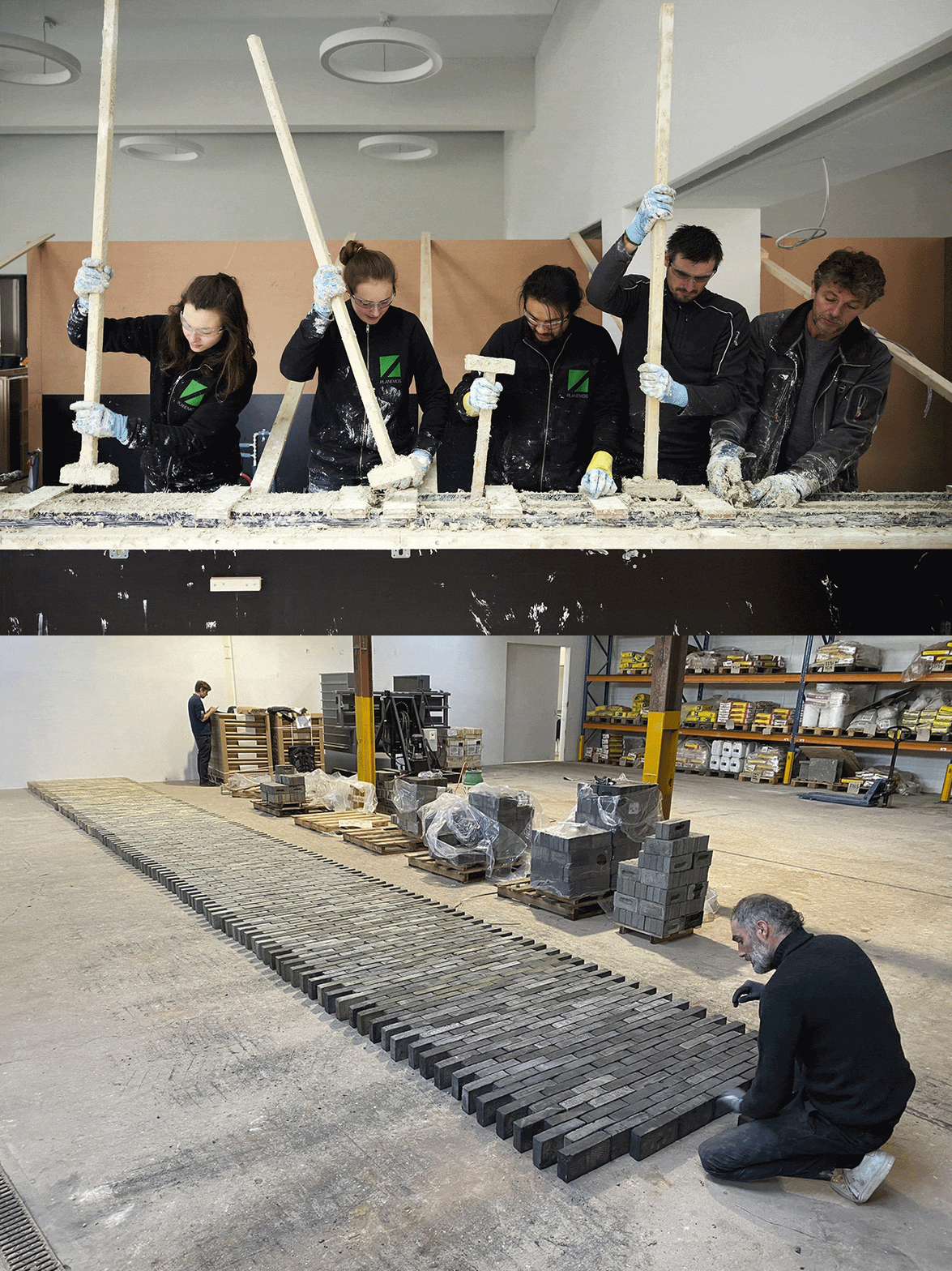
For architect Laurie Baker, such questions were resolved with disarming clarity. His buildings—symphonies in brick and humility—rarely announced themselves as ‘public,’ yet were deeply embedded in everyday life. Brick, in his hands, became porous. Projects such as the Pallikoodam School in Kottayam and the Laurie Baker Centre for Habitat Studies in Thiruvananthapuram, both in Kerala, India, demonstrate how brick could be deployed to produce spaces that are climate-responsive, economical and pertinently social (the latter as a product of the former two is a particularly interesting thread to explore when it comes to brick). Walls thickened into ledges, corridors dissolved into verandas, thresholds expanded into places to sit, pause or gather. Publicness here emerged from the way material shaped encounter, instead of scale or monumentality. In this sense, brick became a democratic medium, an embodiment of the kind of democratic spaces we hope can shape public life—accessible, legible and shared—through which architecture could participate in collective life without hierarchy. These works assume the role of landmarks through use, over time, embedding themselves within the memory of a place and people.
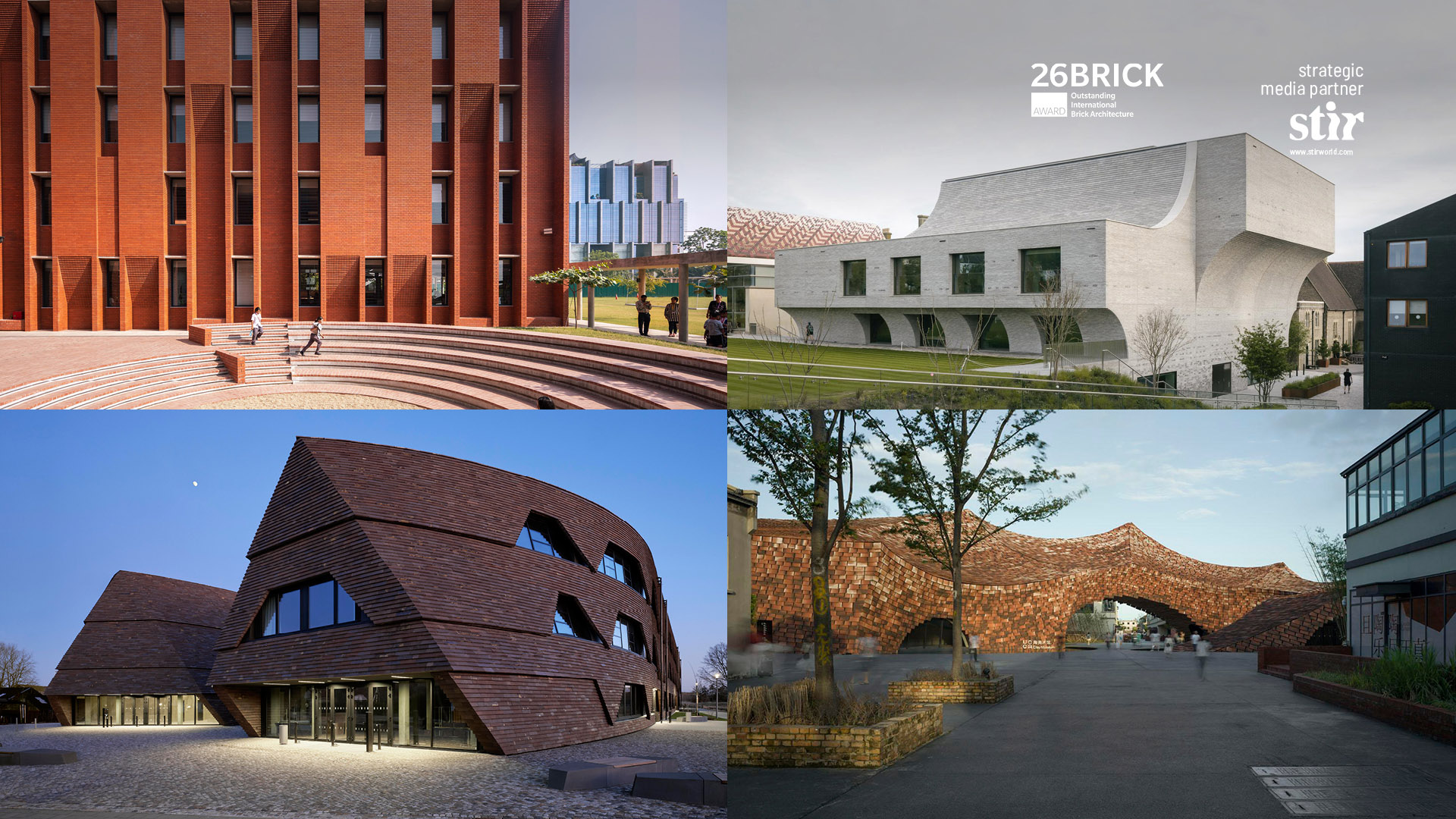
The 14 projects gathered under the BRICK AWARD 26 category, Sharing public spaces, extend this position across a wider field. Here, brick mediates between permanence and adaptation, between institutional frameworks and informal use, between memory and immediacy. If the earlier categories traced its role within domestic, housing or commercial contexts, this specific set bellows outward, towards spaces that must hold multiple publics at once.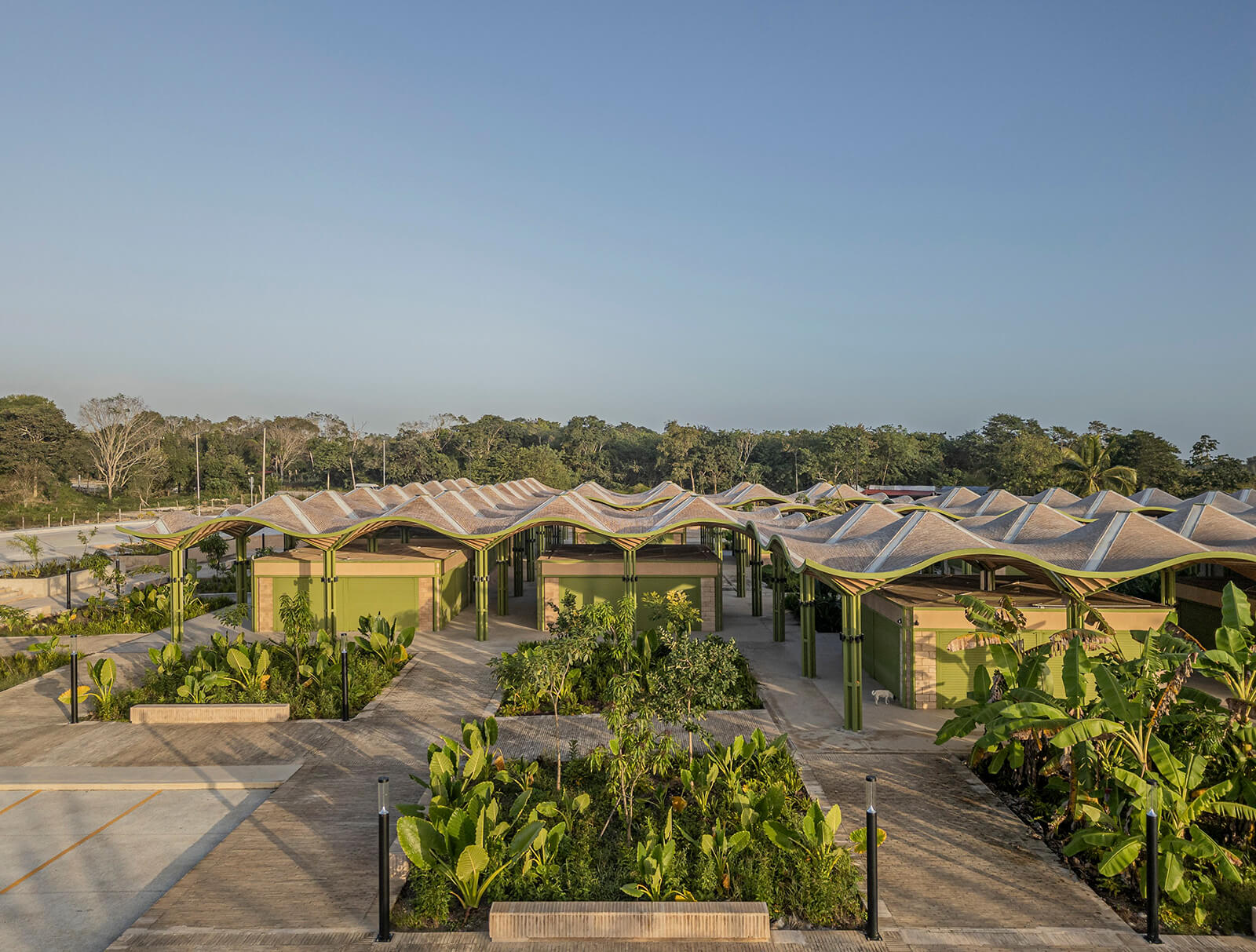
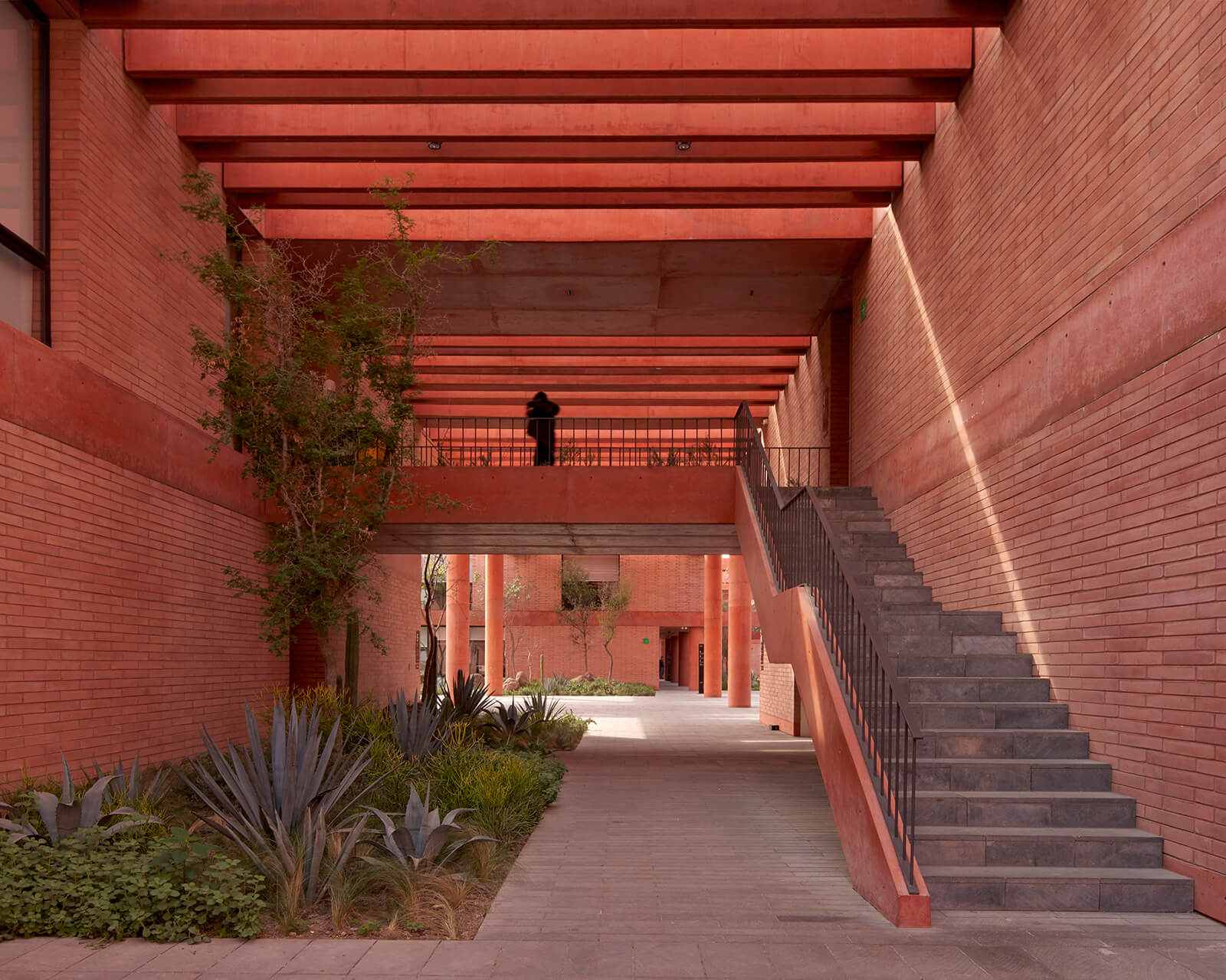
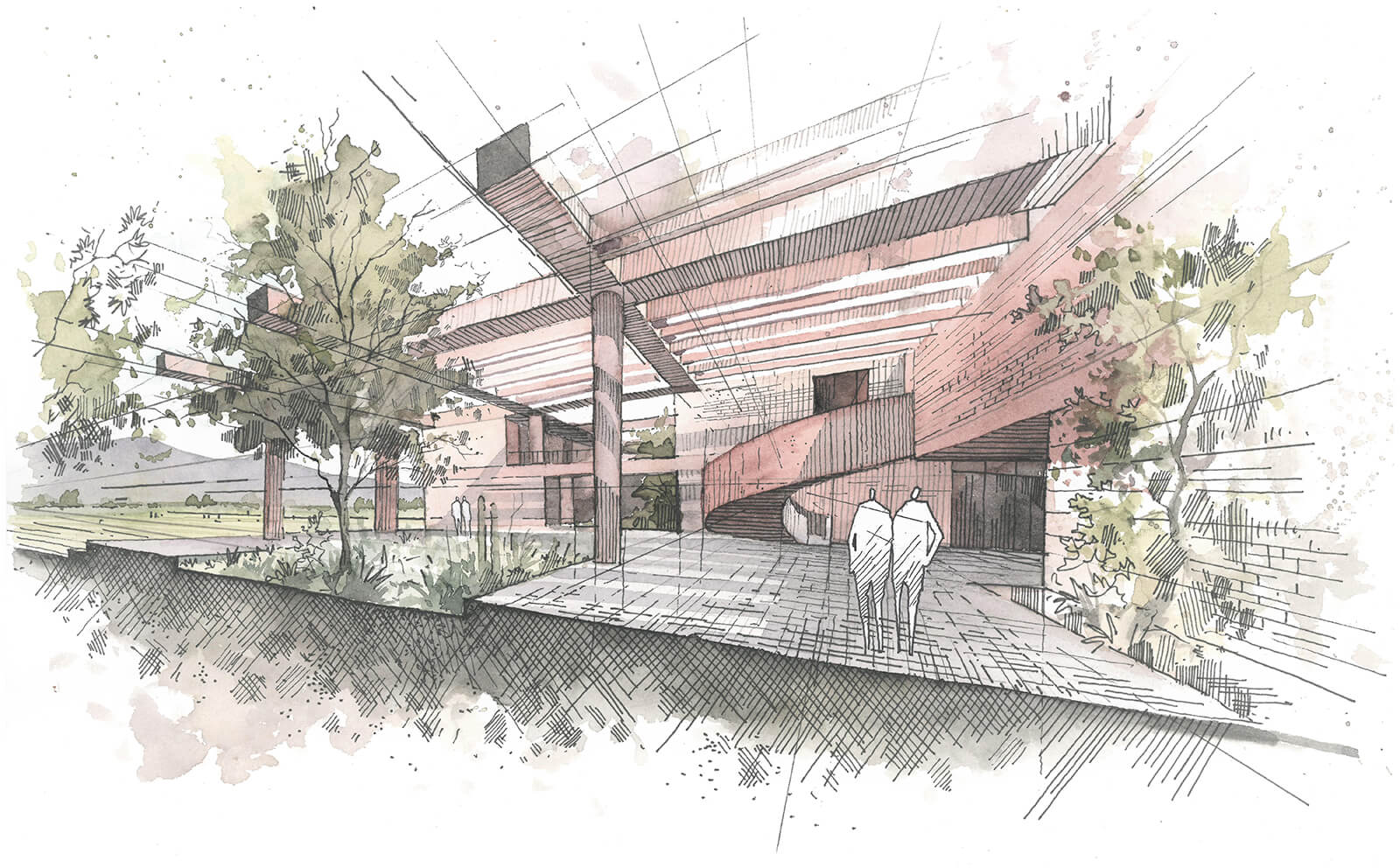
In Mexico, the Mercado Nicolás Bravo crafts market (which also doubles up as a community centre) by AIDIA Studio offers itself as an extension of the ground itself. Its undulating brick vaults and patterned paving produce a continuous surface of occupation, where commerce, tourism and everyday life overlap, allowing public life to take shape through repetition and use. The modular logic of brick architecture keeps the scale legible and close to the body, preventing the space from tipping into monumentality despite its breadth. A comparable sensibility informs the monochromatic Academia Atlas by Sordo Madaleno in Mexico, where traditional Mexican brick articulates pathways, seating elements and retaining walls threading through a sports landscape, binding athletic and social activities into a shared terrain.
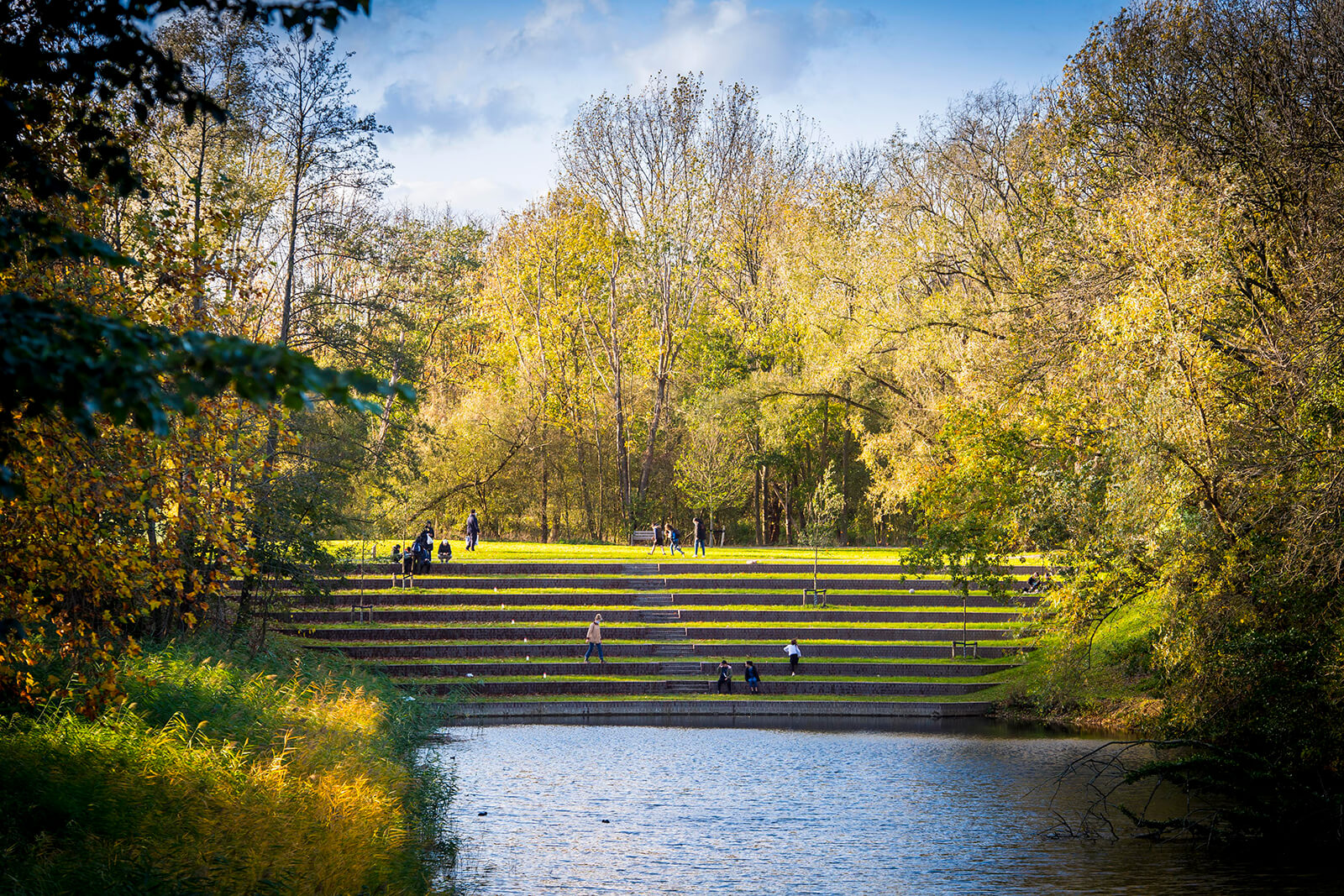
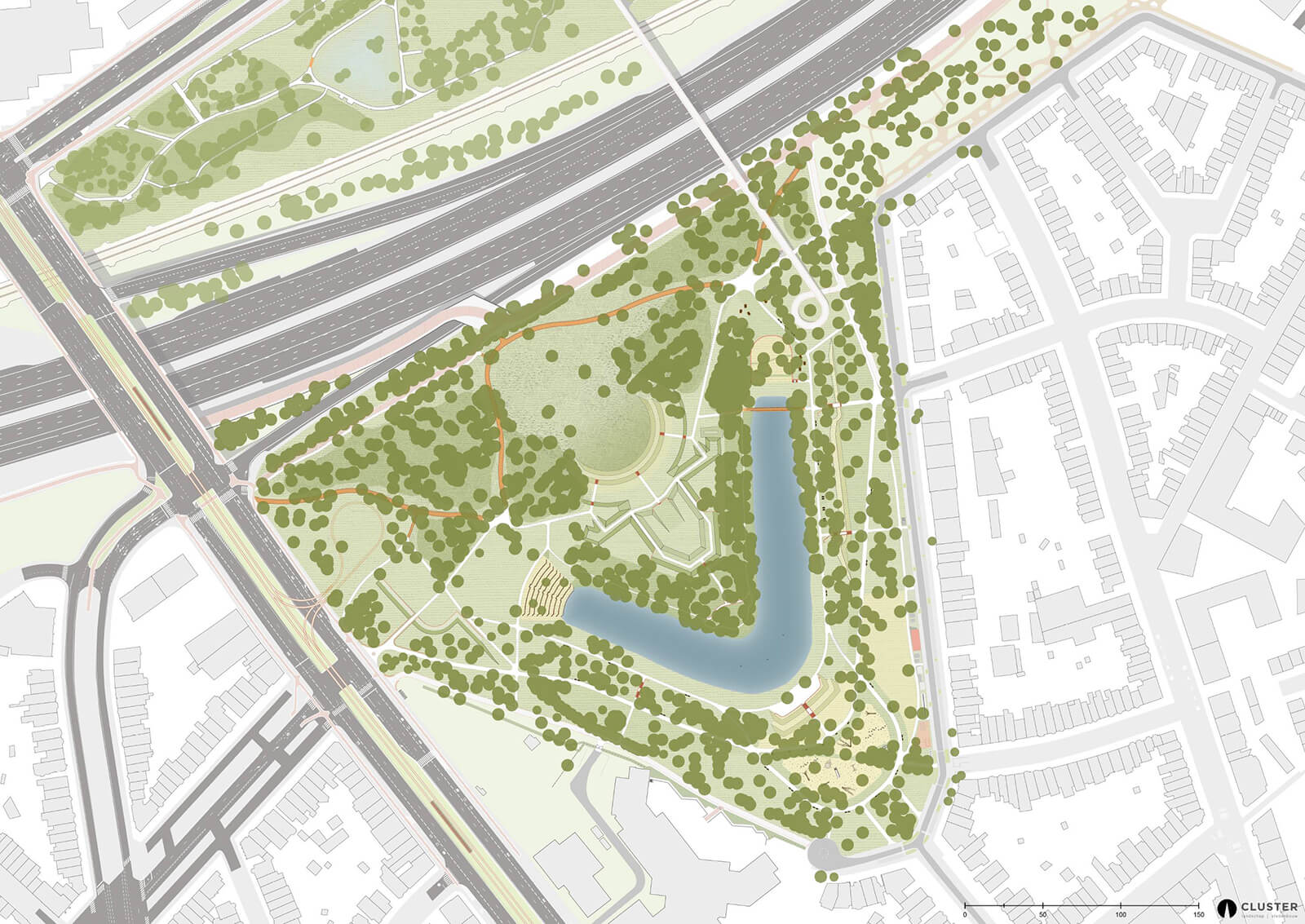
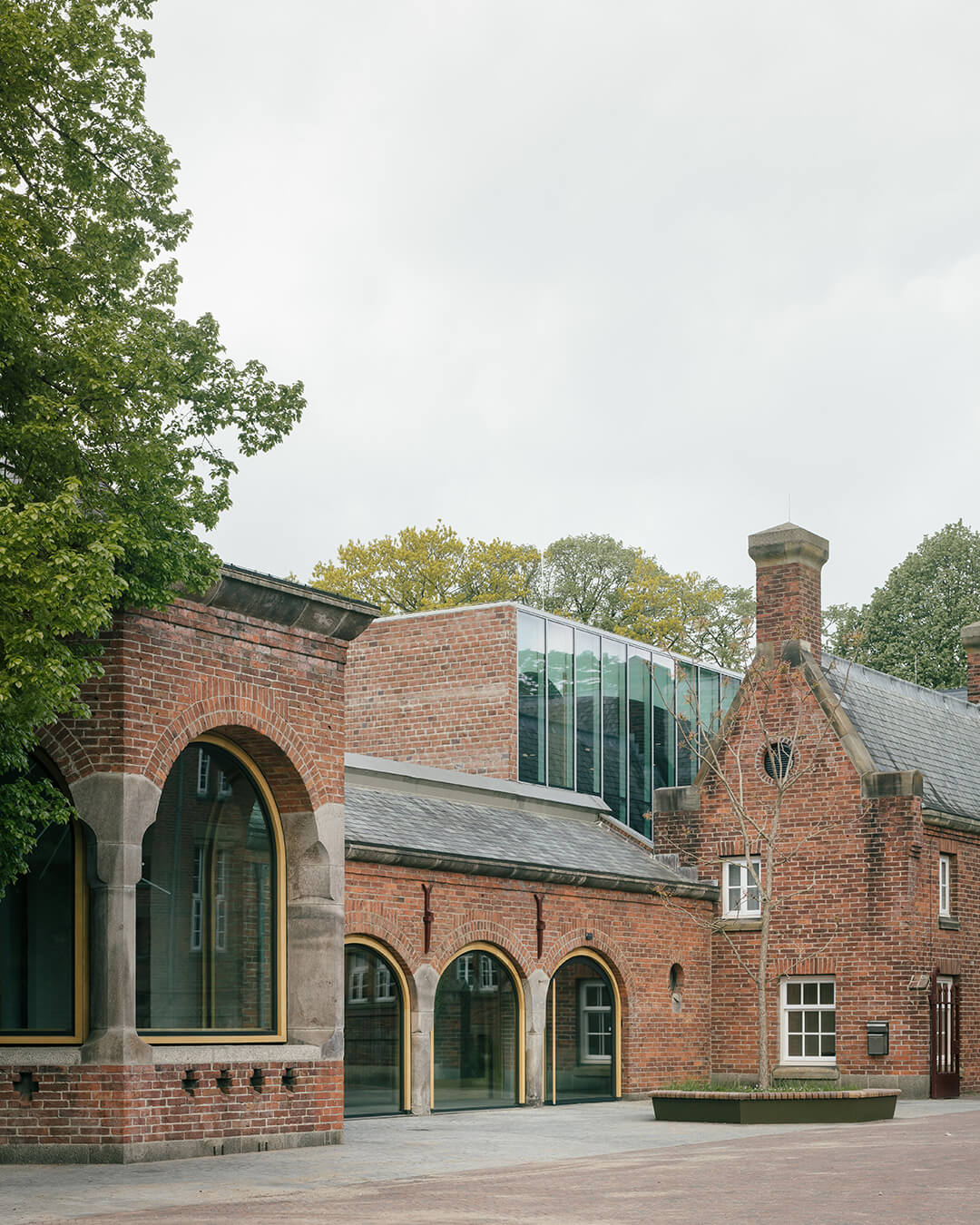
Elsewhere, brick traces more layered conditions of access. At Park Brialmont in Antwerp, Belgium, CLUSTER landscape & urbanism reworks the remnants of 19th-century fortifications into a public landscape of paths, amphitheatres and low walls. The material registers history without enclosing it, guiding movement while leaving it open-ended. In Waalwijk, the Schoenenkwartier Shoe Museum by CIVIC Architects extends this relationship between past and present into the urban core, transforming a 1930s civic complex into a hybrid of museum architecture, workshop and public interior. The deliberate use of brick binds restoration and addition in this project, framing a space in which craft is actively rehearsed in public view. Its familiarity lowers the threshold of entry, allowing the building to feel accessible even as its programme expands.
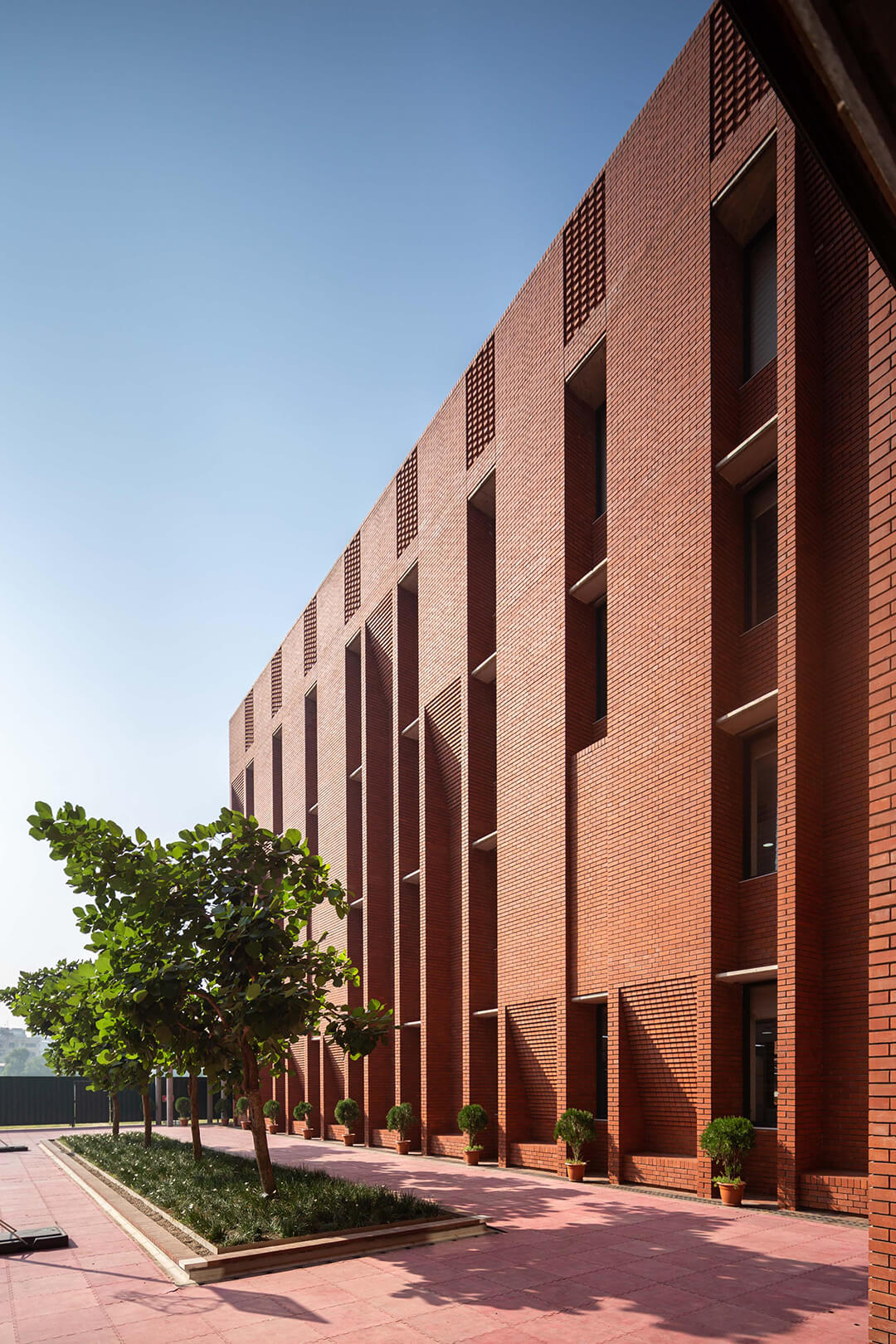
If such projects foreground continuity between material and everyday use, institutional settings introduce a more calibrated condition. Access is structured, yet these environments often exceed their immediate users, extending into broader civic life. At the Aga Khan Academy in Dhaka, Bangladesh, by Shatotto and Feilden Clegg Bradley Studios (FCBS), brick operates in concert with climate, shaping courtyards, shaded walkways and porous facades that enable both protection and connection. The project is evocative of the historical architecture and design philosophies of the ancient Buddhist universities known as Mahaviharas. The campus champions locally manufactured brickwork and traditional skills, wherein courtyards, surfaces, thresholds, floor bonds, jaalis and benches are all spelt in brick to foster a didactic learning environment.
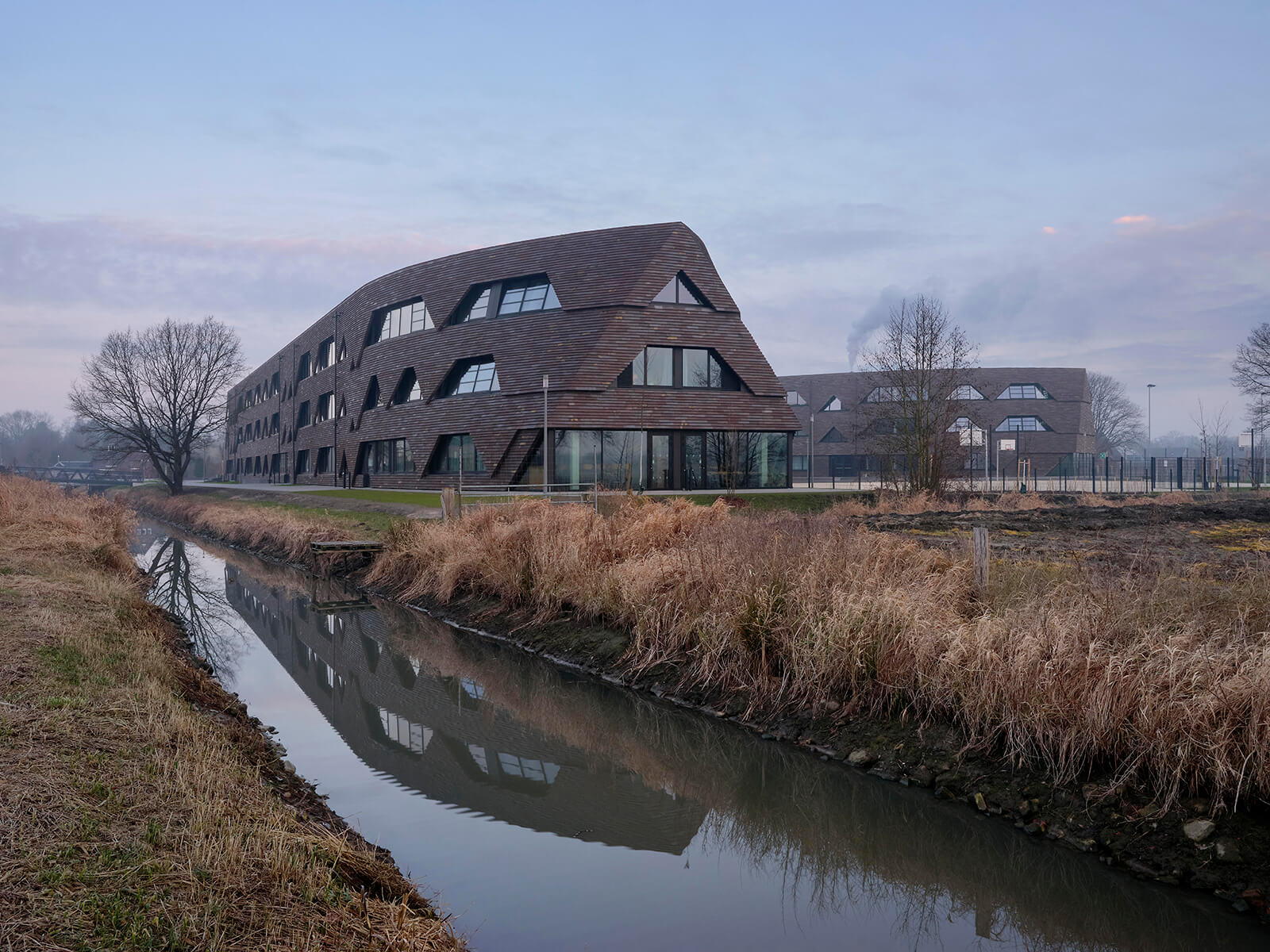
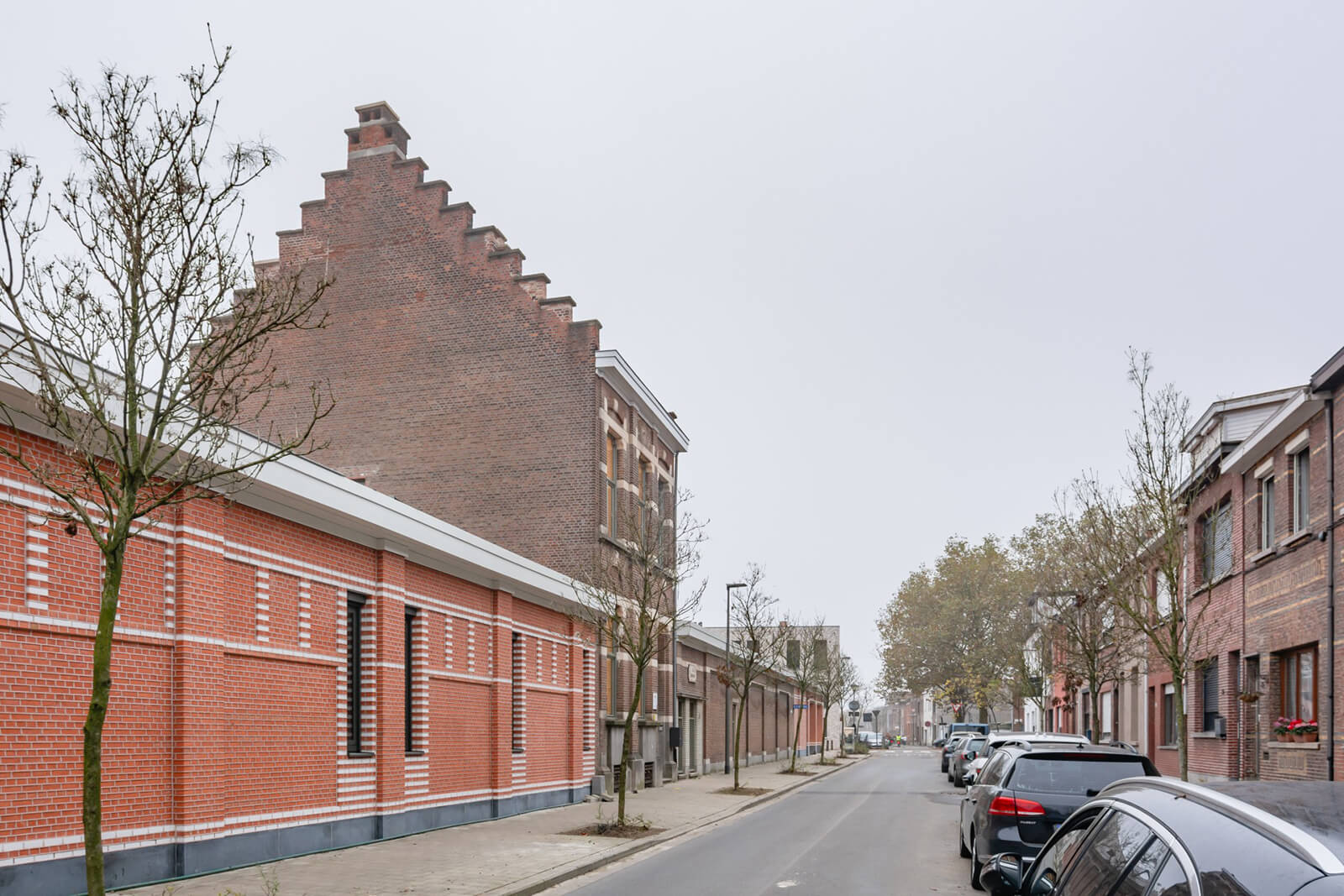
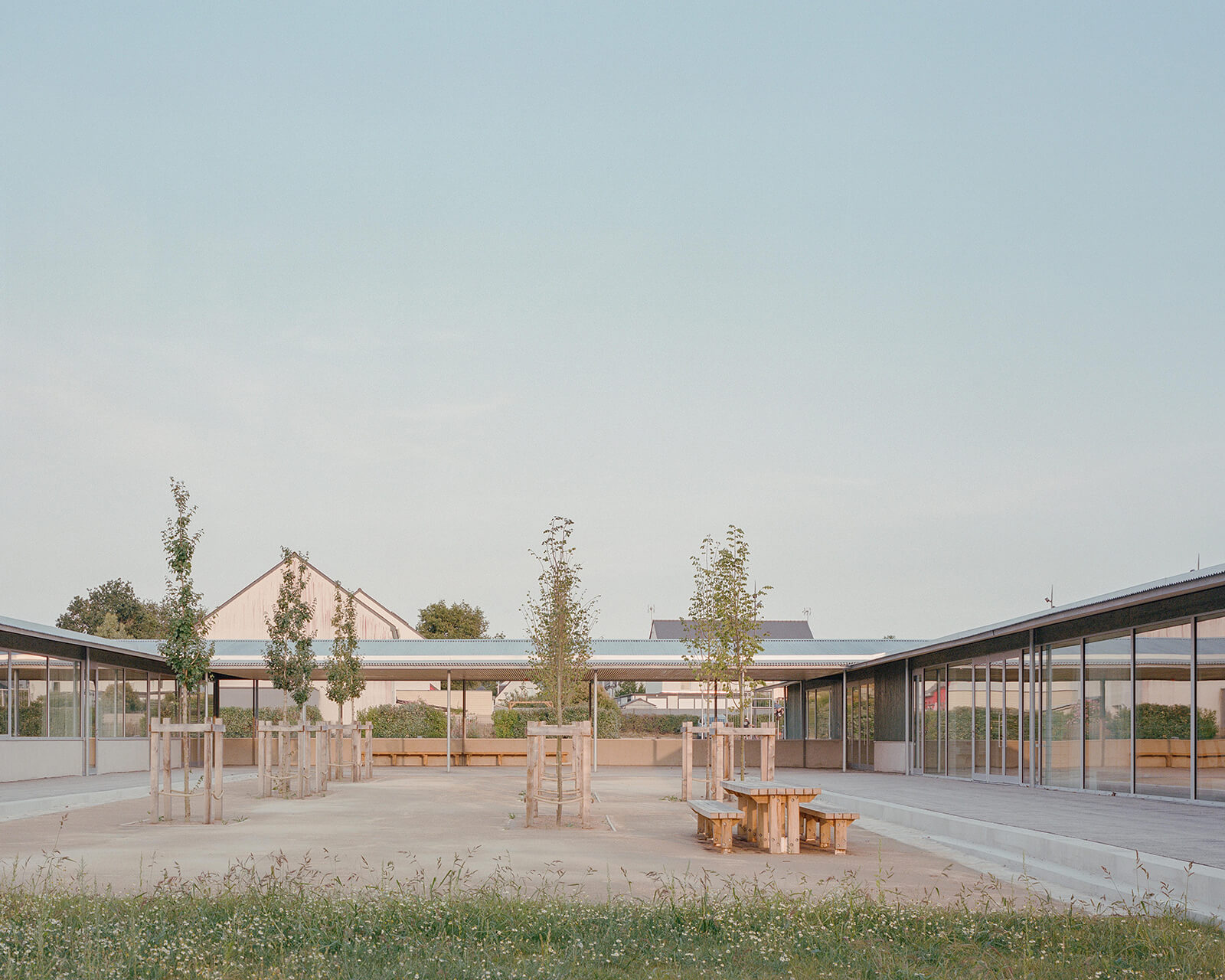
The stately District school Kirchwerder in Hamburg by Thomas Kröger Architekten negotiates a different balance, situating itself within a residential fabric while maintaining a distinct presence with its cladding made of finely scaled brick panels. Its brick volumes articulate boundaries without closing off the site, offering spaces that shift between classroom, community and neighbourhood use. In Antwerp, the Primary school Edison by Korteknie Stuhlmacher Architecten turns inward, restoring and extending a historic ensemble of brick buildings to create a protected interior landscape. With its usage of glazed and unglazed bricks throughout, publicness here is held within enclosure, structured around care and continuity rather than visibility. A more understated approach can be witnessed in Saint-Étienne-de-Montluc, where the La Chênaie Public School by RAUM disperses the school across a single storey, drawing on the language of nearby houses and agricultural structures. Here, brick contributes to a sense of intimacy, keeping the institution grounded in the scale and rhythm of everyday life, refusing monumentality.
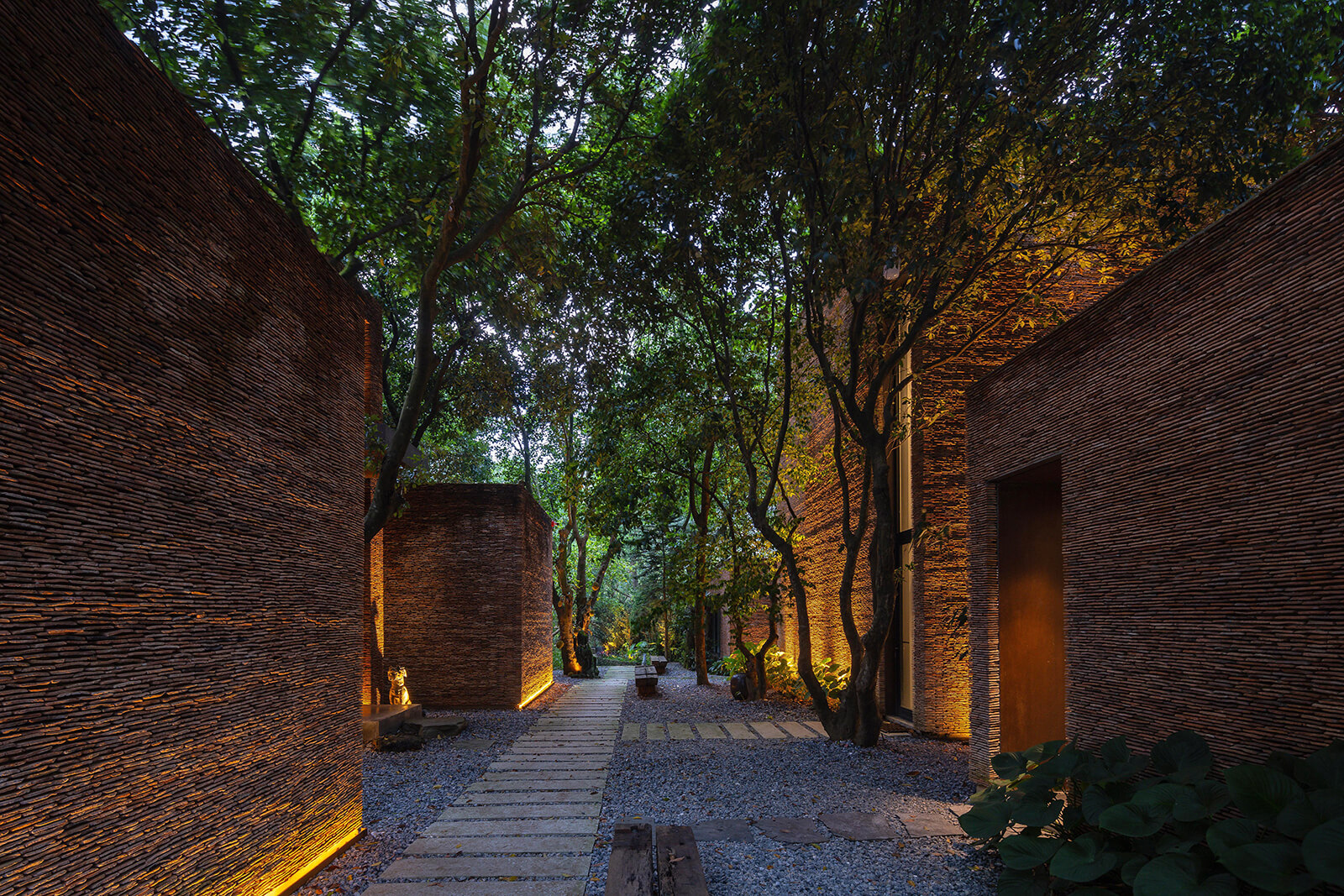
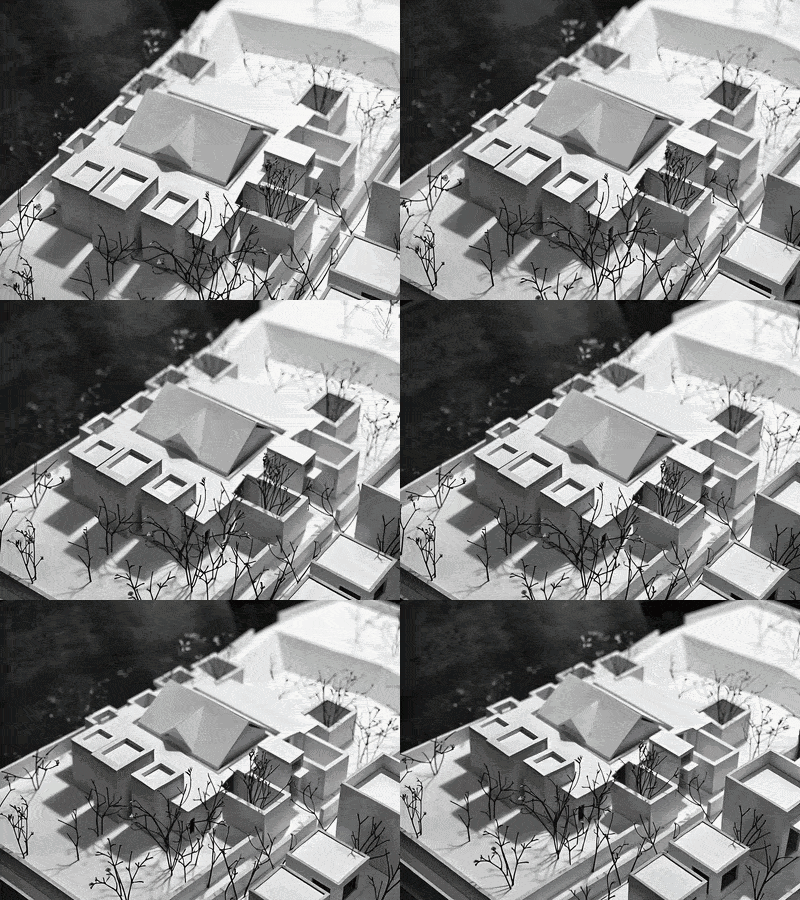
On the split side, public space is also a site of memory and heritage, superseding access and shared utility. In endeavours dealing with history and identity, brick acquires a different register, that of fortitude and soundness in the face of time that erodes all. In Soc Son, Vietnam, the Đạo Mẫu (Mothergoddess) Museum & Temple by ARB Architects Vietnam, coalesces domestic and sacred typologies, organising courtyards and transitional spaces into a sequence of ritual encounters. Recycled roof tiles in clay, derived from dismantled houses nearby, anchor the project within local traditions while accommodating contemporary forms of gathering.
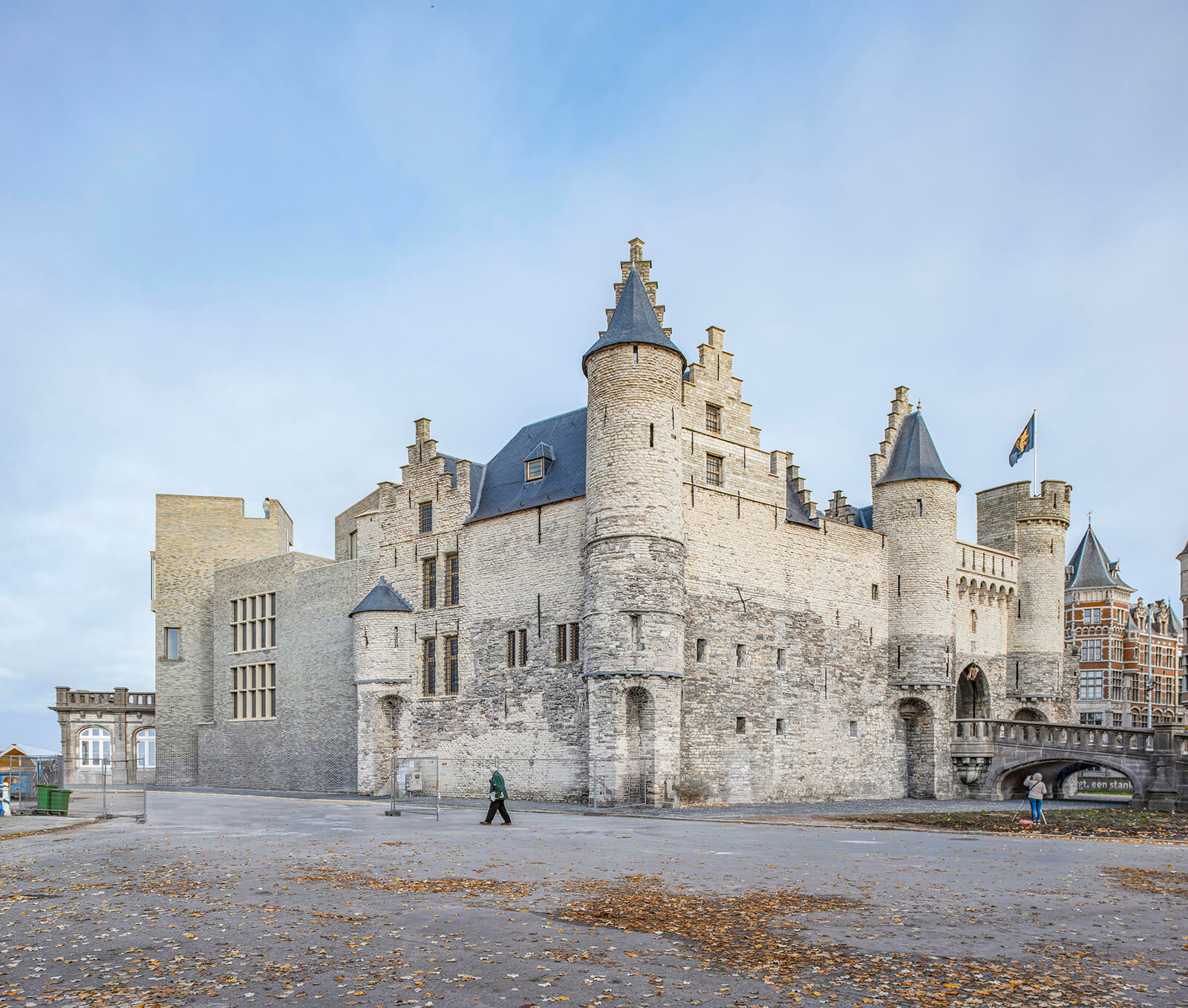
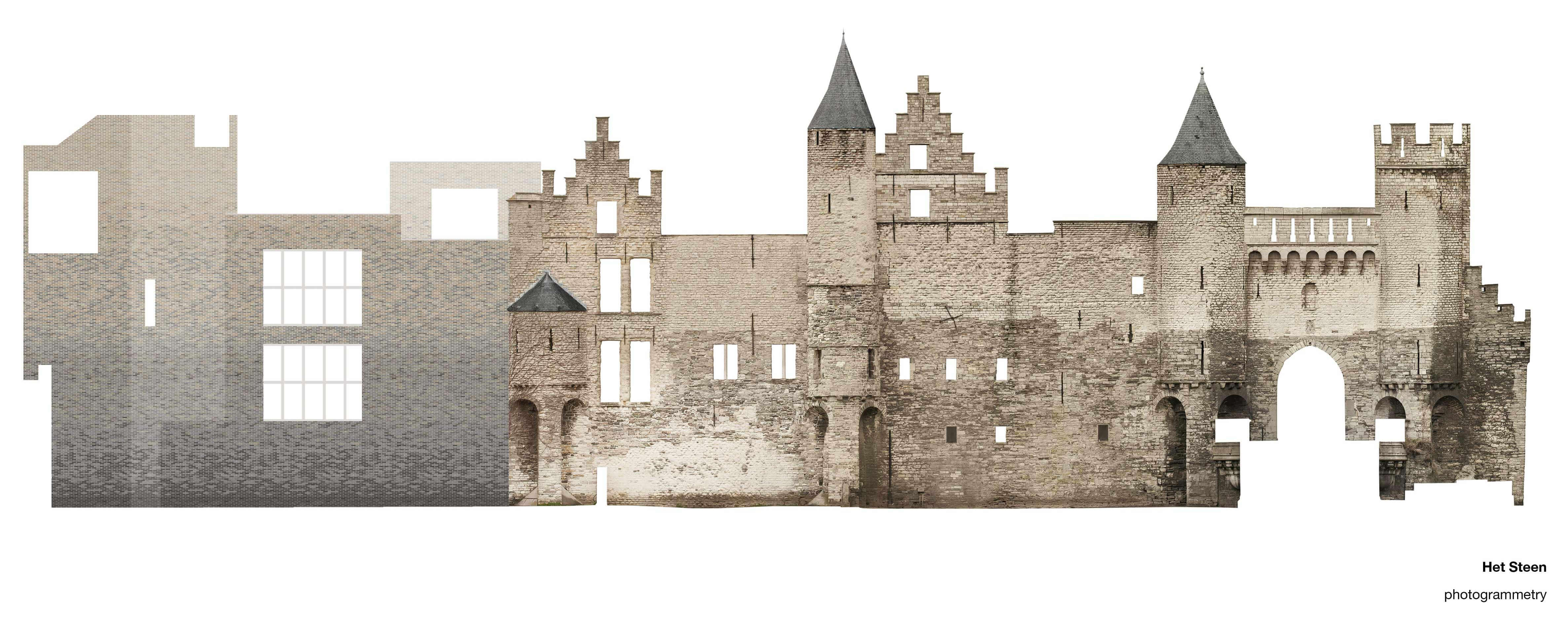
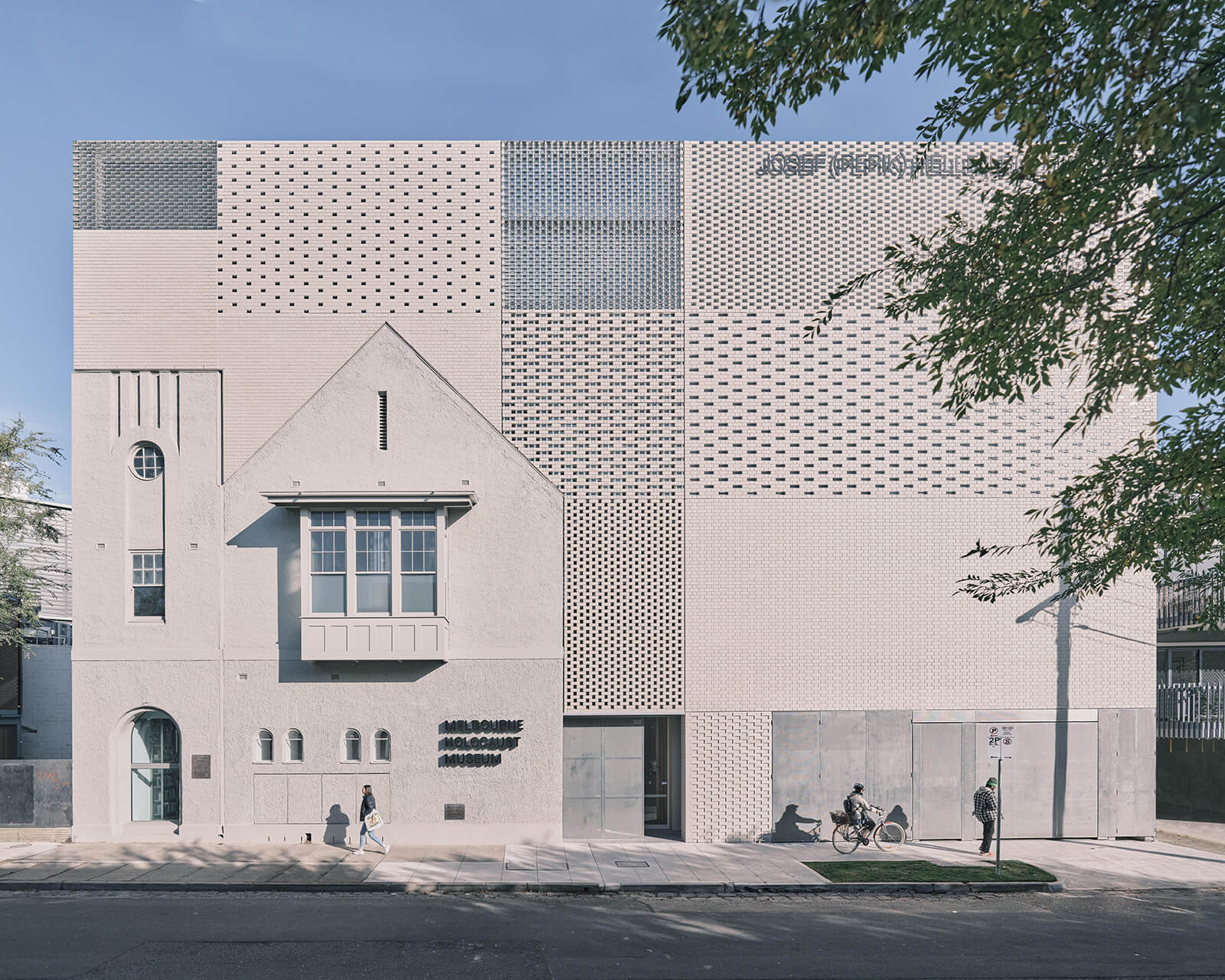
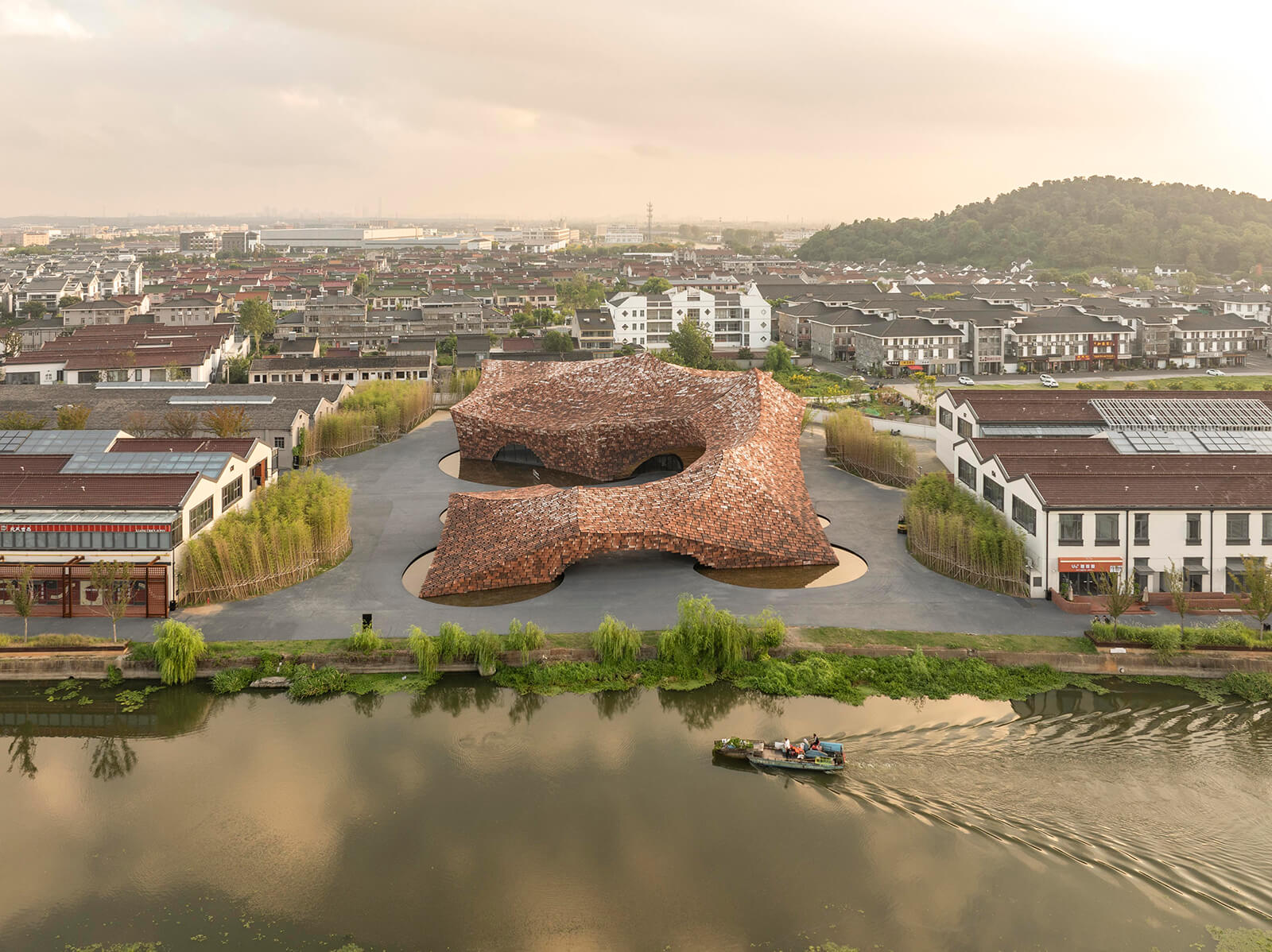
In Antwerp, the adaptive reuse of Het Steen Antwerp by noAarchitecten, now a tourist reception and visitor centre, inserts new brick volumes into a medieval fortress. Public access here is reconfigured through a series of carefully staged transitions, allowing the building to operate simultaneously as monument and civic space. A more restrained approach is evident in Kerstin Thompson Architects’ Melbourne Holocaust Museum, where a variegated brick facade mediates light and visibility. Spaces open and withdraw in response to programmatic needs, creating conditions for reflection without overt symbolism. In Yixing, the mountainous UCCA Clay Museum by Kengo Kuma and Associates extends memory beyond the building with ceramics, paying homage to the ‘ceramic capital’ known for its purple clay pottery. Set within a former industrial landscape of kilns and workshops, the project draws on local clay traditions as a living continuum.
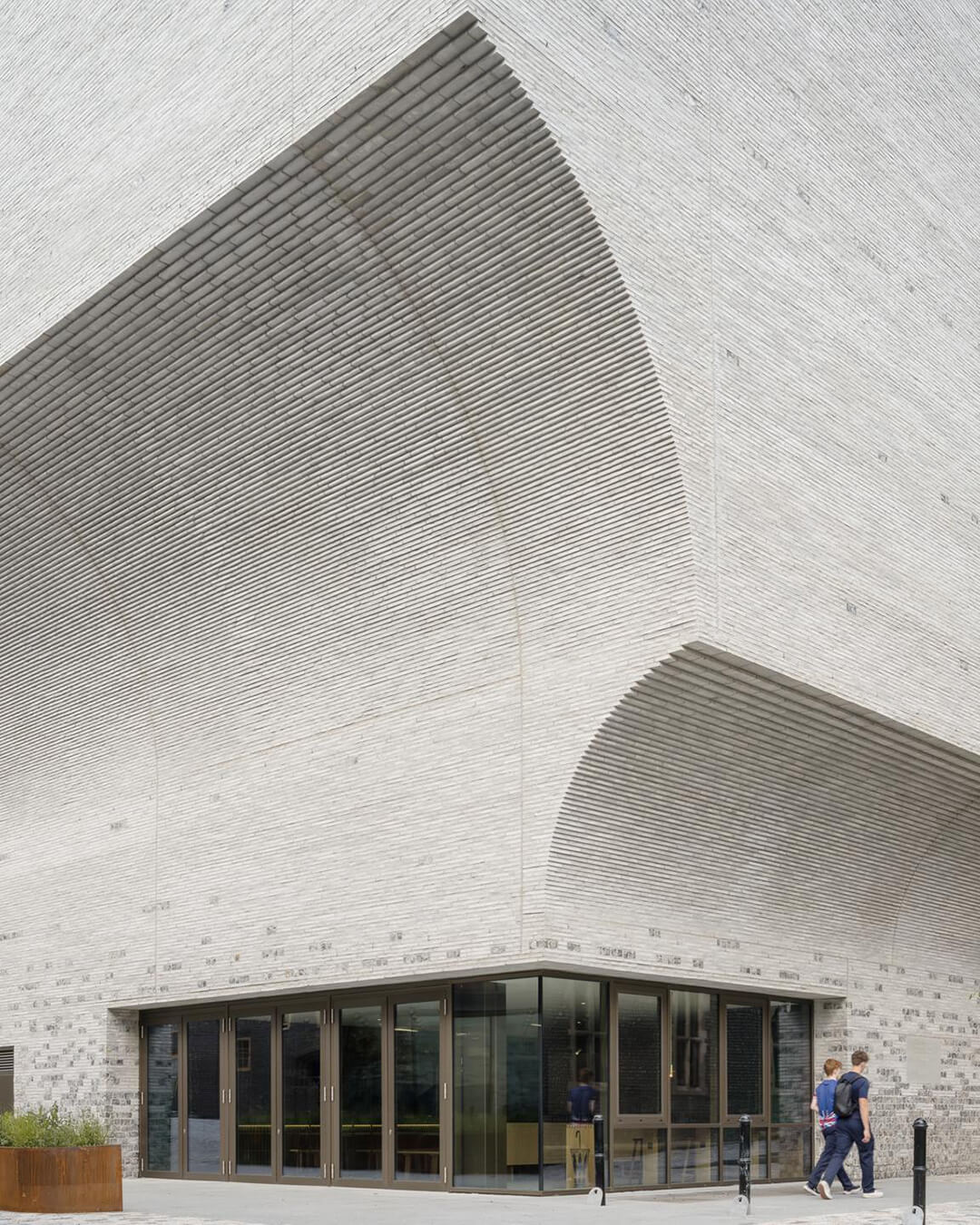
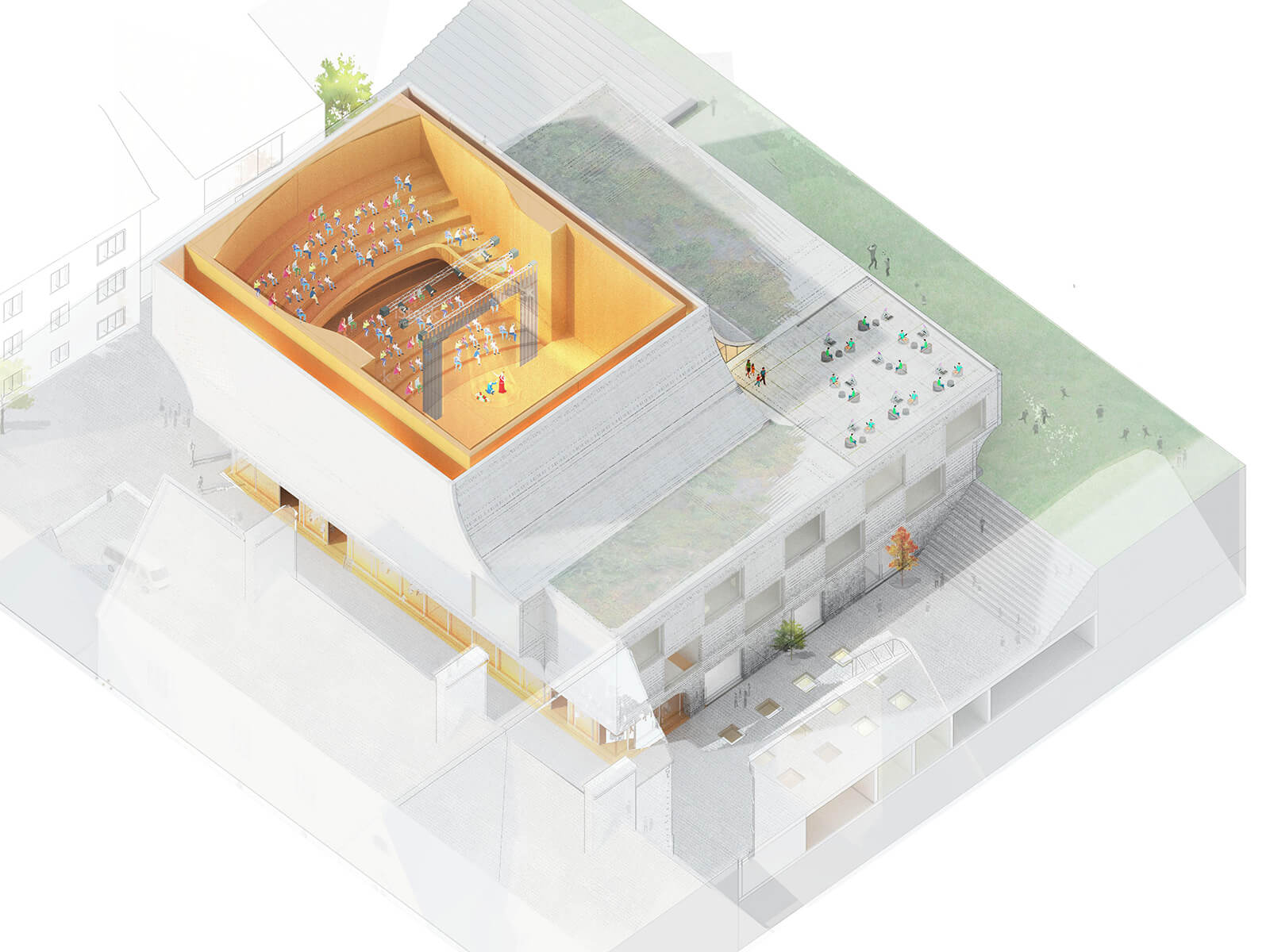
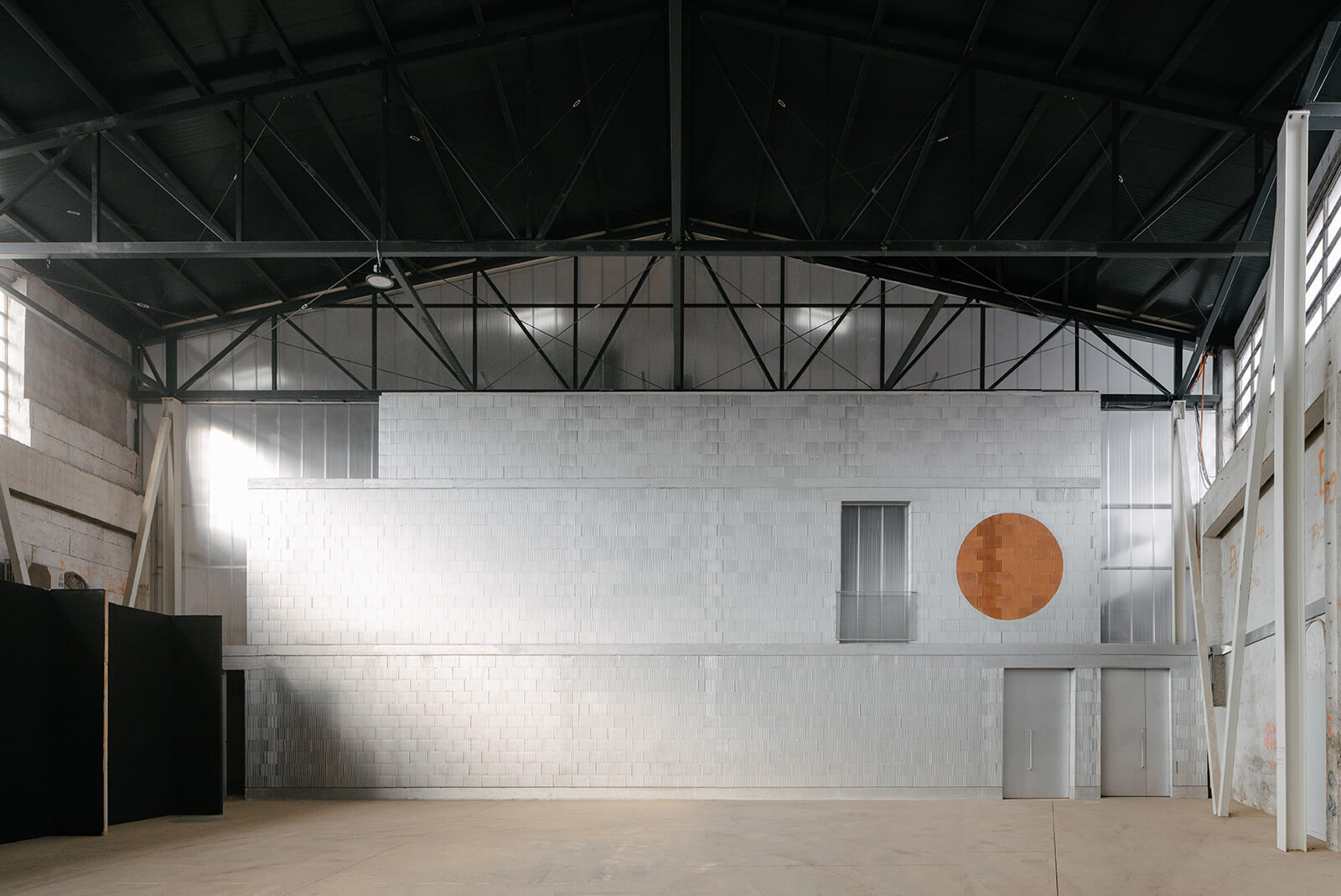
Other projects in the category approach public space through performance and change. For instance, the Performing Arts Centre Brighton College in the UK lifts the auditorium above ground, releasing a sheltered public space beneath. The building, conceived by KRFT Architecture Studio, incorporates inverse curves made possible with ‘dancing’ white brickwork to evoke nearby coastal cliffs. In Ljubljana, the Temporary spaces of the Slovenian National Theatre Drama by Vidic Grohar Arhitekti, Emerging Winner of the EUmies Award 2026, pushes this rhetoric further. Inserted into a former industrial hall, a sequence of brick volumes and timber structures rearticulates the interior into foyers, stages and a covered square, while remaining fundamentally reversible. The silver-painted brick ‘ziggurat’—at once entrance, backdrop and gathering point—disrupts the material’s usual sense of weight, allowing it to participate in a more provisional, event-based architecture. Public space here is assembled, occupied and dismantled over time.
Across these varied contexts, brick does not entirely resolve the question of what constitutes the public. It does, however, make visible the processes through which such spaces are negotiated: through thresholds, surfaces, atmospheres and patterns of use. In doing so, many of these projects come to operate as landmark developments in themselves, as markers of collective experience, shaped as much by occupation as by design.
If the public realm today feels increasingly controlled and uncertain, these shortlisted projects suggest that architecture alone may not restore it to some idealised openness. But it can resist complete closure, most humbly, creatively. Brick, in its persistence and adaptability, offers a way of working through this tension. Publicness, in this sense, is not something architecture can wholly deliver, but it does bear the capacity to facilitate negotiations around how space is claimed, inhabited and remembered over time.
(The views and opinions expressed here are those of the author(s) and do not necessarily reflect the official position of STIR.)
STIR is a strategic media partner for BRICK AWARD 26. Read more thought pieces on the shortlisted buildings, exclusive interviews with jury members and updates on the awards and winners here.

by Pranjal Maheshwari Oct 19, 2026
The Mumbai-based architects integrate courtyards, mesh screens and north light trusses to create a dining space that doubles up as a community hub at SR University, Warangal.
by Mrinmayee Bhoot Oct 17, 2026
The Rotterdam-based institute centres the Indian Ocean as a network for exploring material histories and transnational links shaping coastal cultures, positing them as future models.
by Pranjal Maheshwari Oct 16, 2026
At the 2026 Stirling Prize ceremony, Mary Duggan with RUFF Architects, MAKER Architecten and Nakshabid Architects were felicitated for proffering quality housing and social equity.
by Mrinmayee Bhoot Oct 12, 2026
The new Centre for Contemporary Arts, fostering public engagement with art in Uzbekistan, is housed in a tram depot refurbished by the French studio, emulating local craftsmanship.

make your fridays matter with a well-read weekend
Enter your details to sign in
Don’t have an account?
Sign upOr you can sign in with
a single account for all
STIR platforms
All your bookmarks will be available across all your devices.
Stay STIRred
Already have an account?
Sign inOr you can sign up with
Verification link sent to check your inbox or spam folder to complete sign up process
Tap on things that interests you.
Select the Conversation Category you would like to watch
Please enter your details and click submit.
Enter the 6-digit code sent at


Who is public space for? Brick as commons and the making of shared ground
by Jincy Iype | Published on : Apr 29, 2026


 Sign in with Google
 Sign in with email
What do you think?