Art07 mins. read
Refik Anadol’s monograph unfolds an ethical, humanistic future for AI art
by Srishti OjhaOct 14, 2026



by Vandana KalraPublished on : Sep 29, 2026
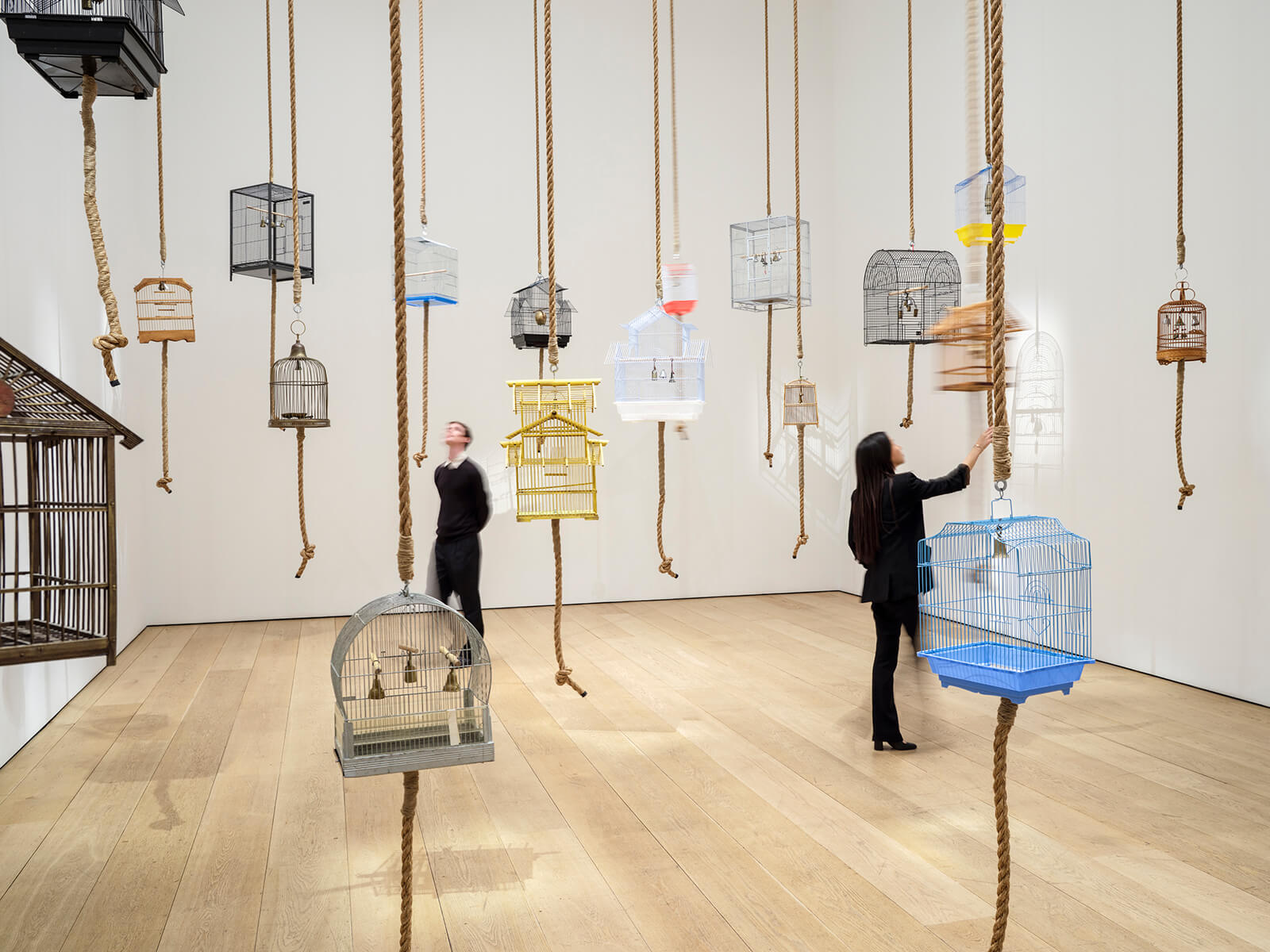
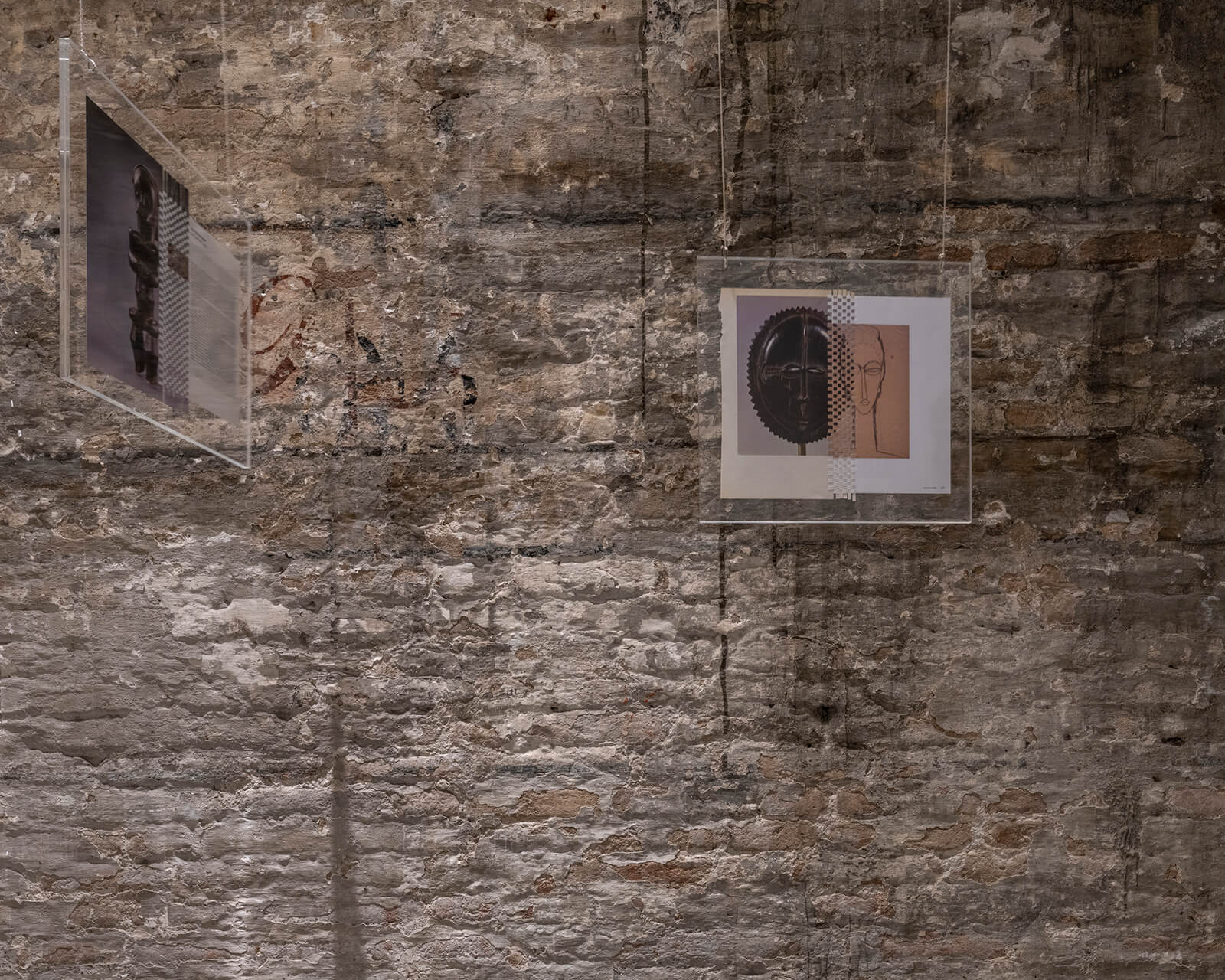
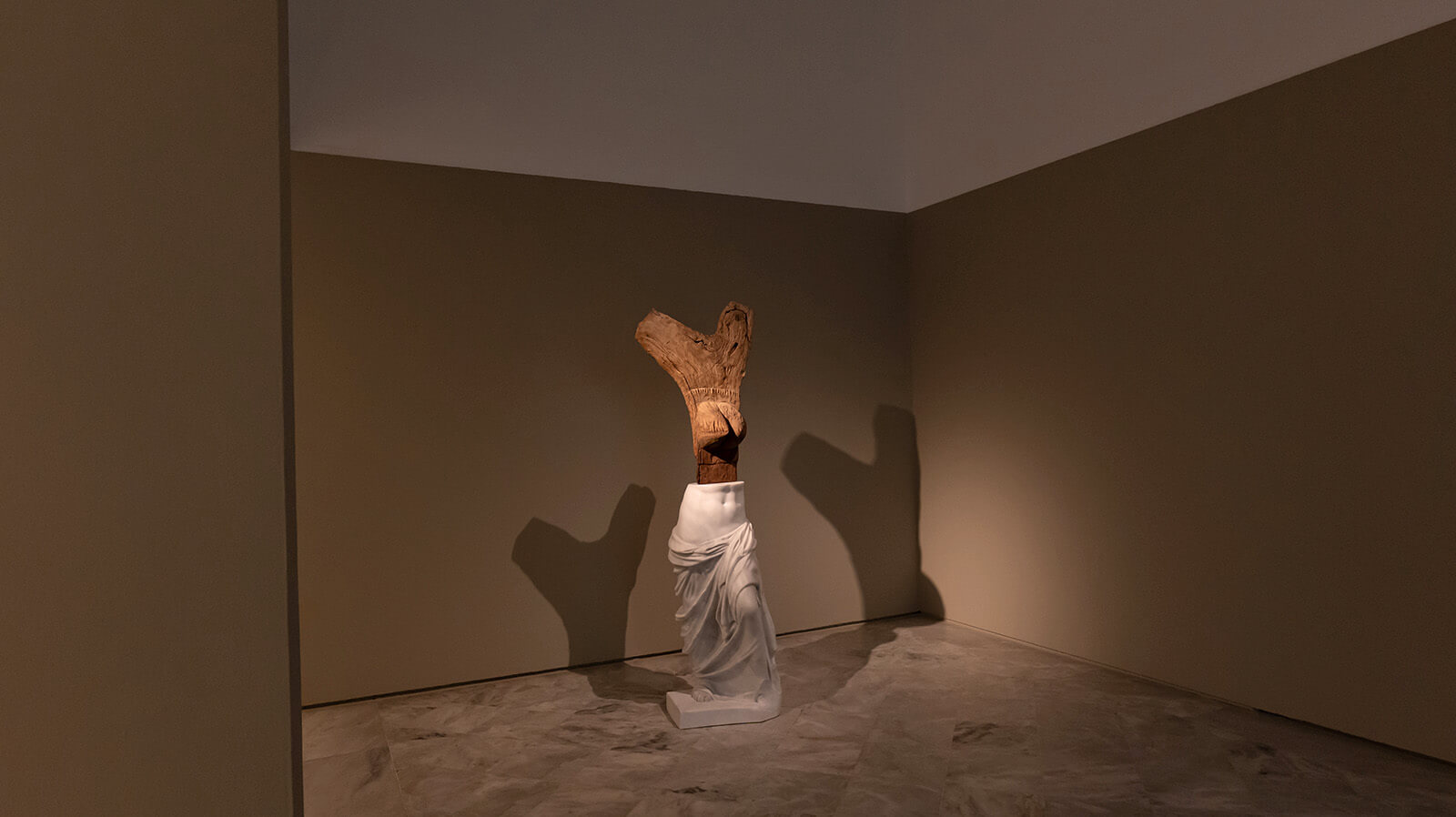
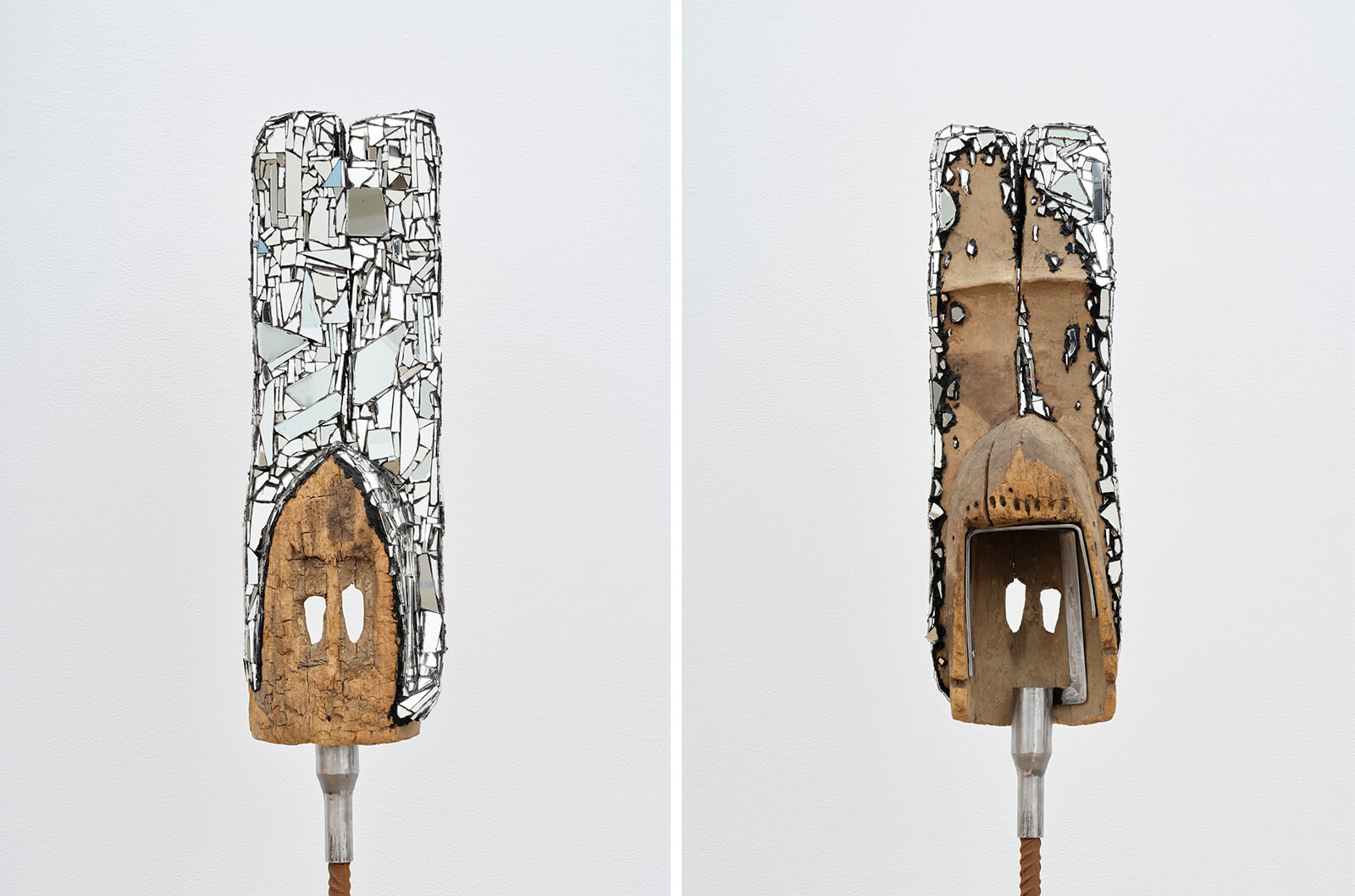
A wound, for Kader Attia, can never completely be mended. Every scar is evidence of what occurred, and repair does not simply entail returning to the original state; it is an encounter with what remains. This central idea has informed the Algerian-French artist's practice for over two decades now. It includes pivotal works such as 2012 The Repair (La Réparation), in which he juxtaposed repaired African objects and masks with images of First World War soldiers who suffered severe facial disfigurement, as well as The Repair from Occident to Extra-Occidental Cultures at dOCUMENTA (13) in Germany, where he further deepened enquiries into colonial trauma through the juxtaposition. If Reflecting Memory (2016) saw him use prosthetic faces and mirrors to ponder physical and psychological injuries, then at the 57th Venice Biennale in 2017 he presented Narrative Vibrations, using voices to explore identity and memory in Arab cultures. Years later, at the ongoing Venice Biennale, his multimedia installation Whisper of Traces is based on a conversation with a Vietnamese shaman about computer viruses as spiritual entities.
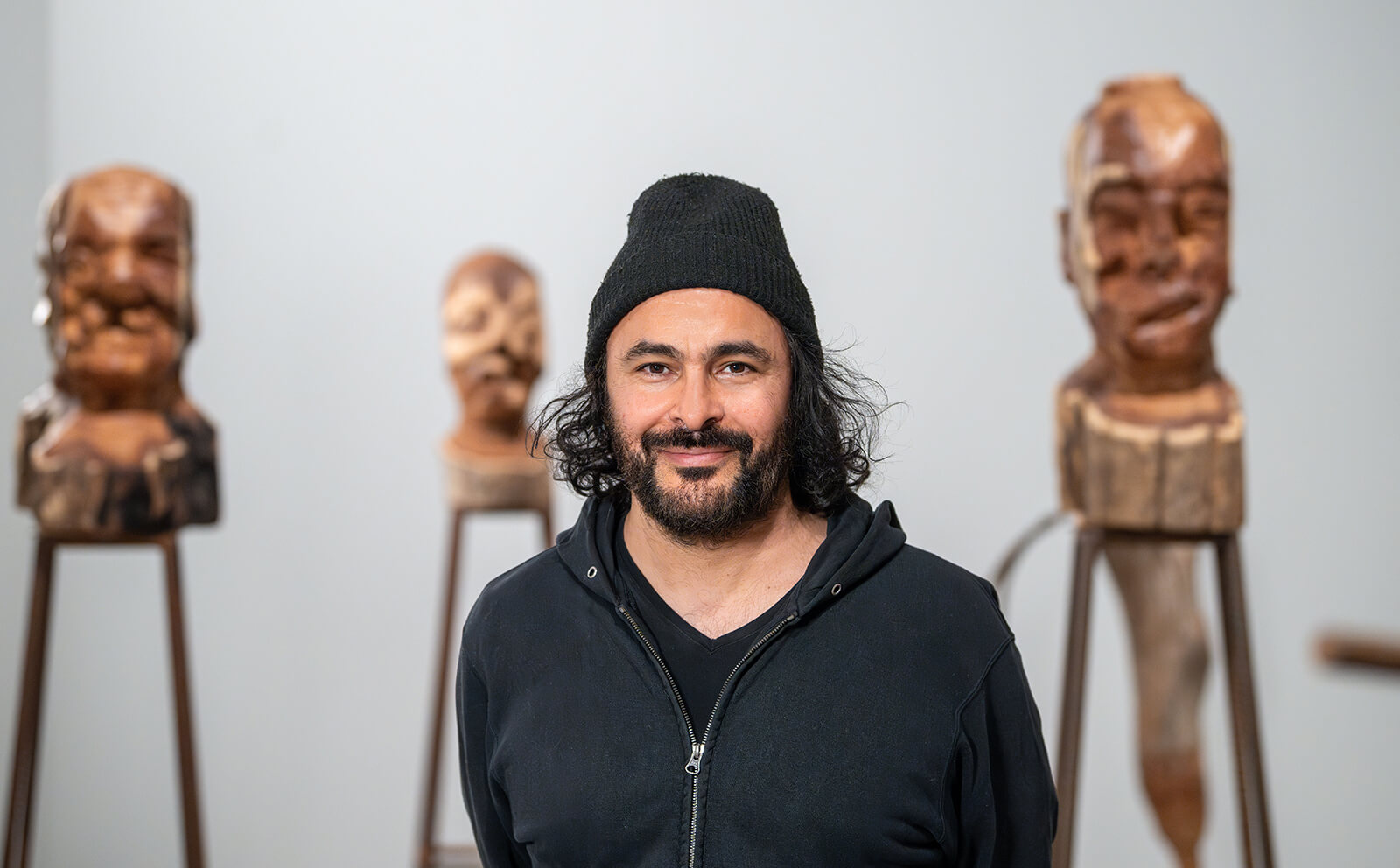
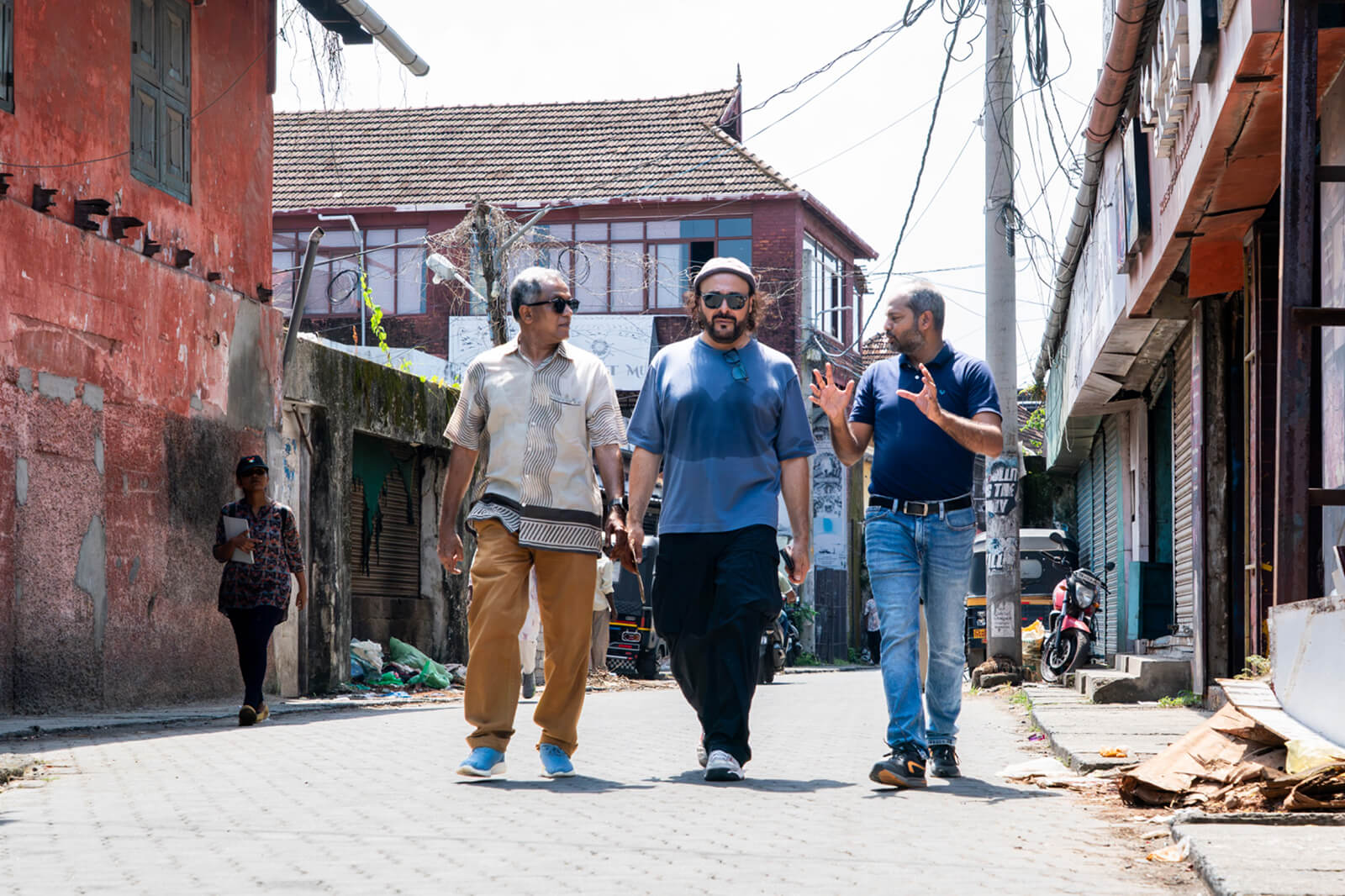
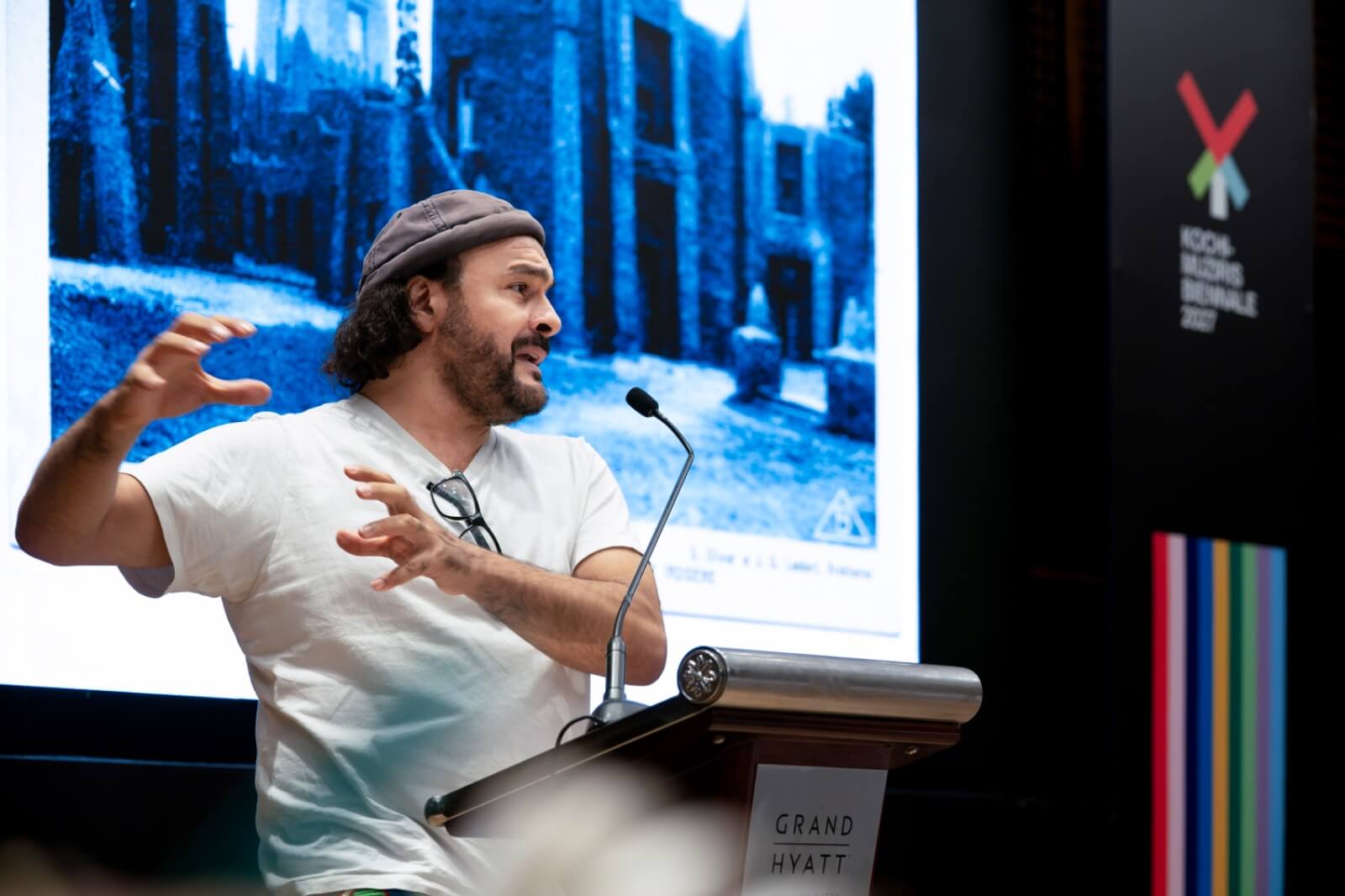
Curator of the 12th Berlin Biennale, Still Present! (2022)—where he reflected on how colonialism, fascism and imperialism continue to shape the present—Attia will curate the seventh edition of the Kochi-Muziris Biennale (KMB), scheduled for 2027 – 28. In an email interview with STIR, he discusses his evolving understanding of repair, his vision for KMB and the questions of colonialism and technology that continue to shape his practice.
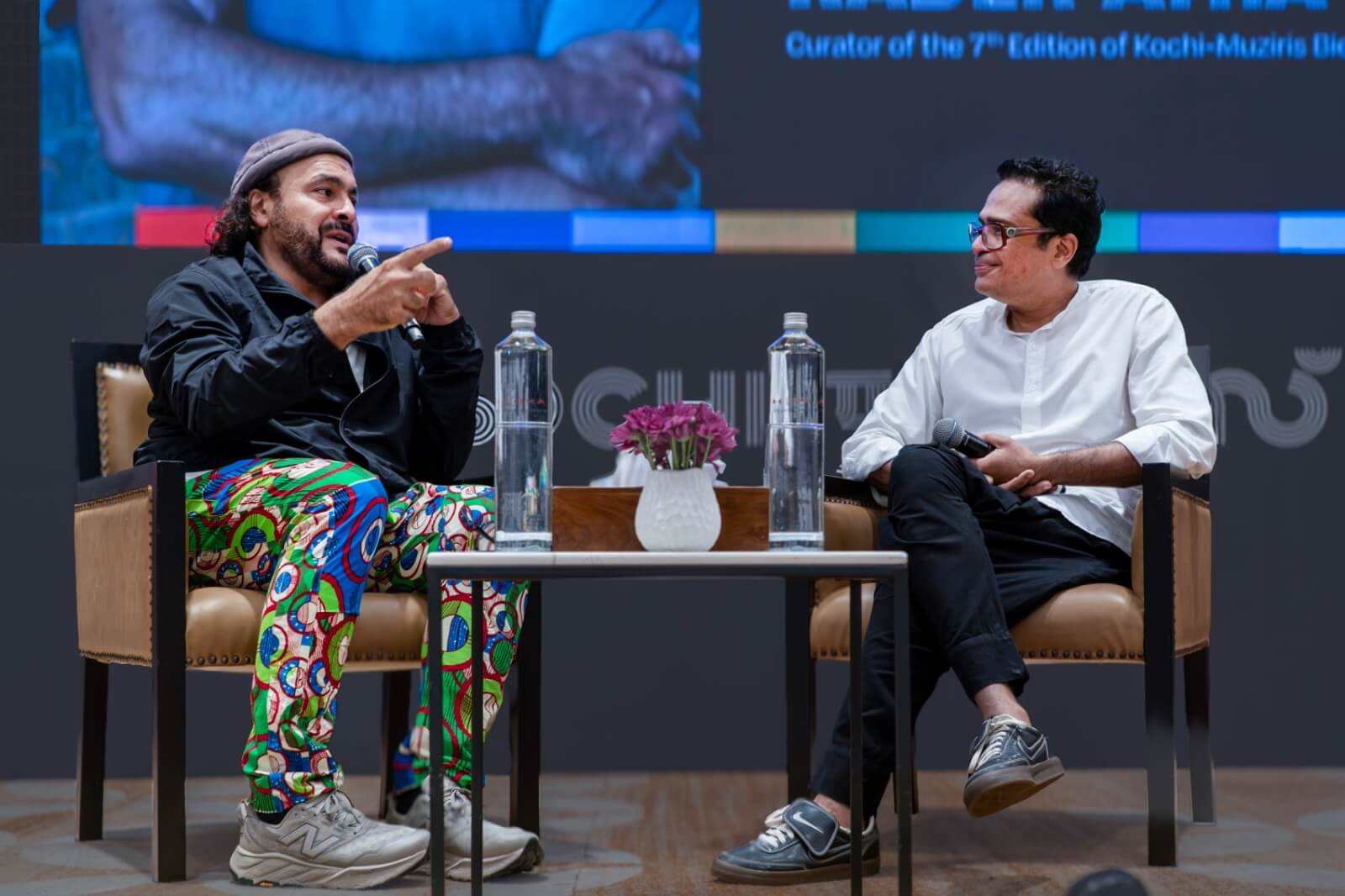
Vandana Kalra: The 2014 edition of the Kochi-Muziris Biennale featured your work, but I believe your first KMB experience was only last year, when you delivered the inaugural Vivan Sundaram Memorial Lecture. What were your first impressions of the biennale and what convinced you that this was the right time to return in a curatorial role?
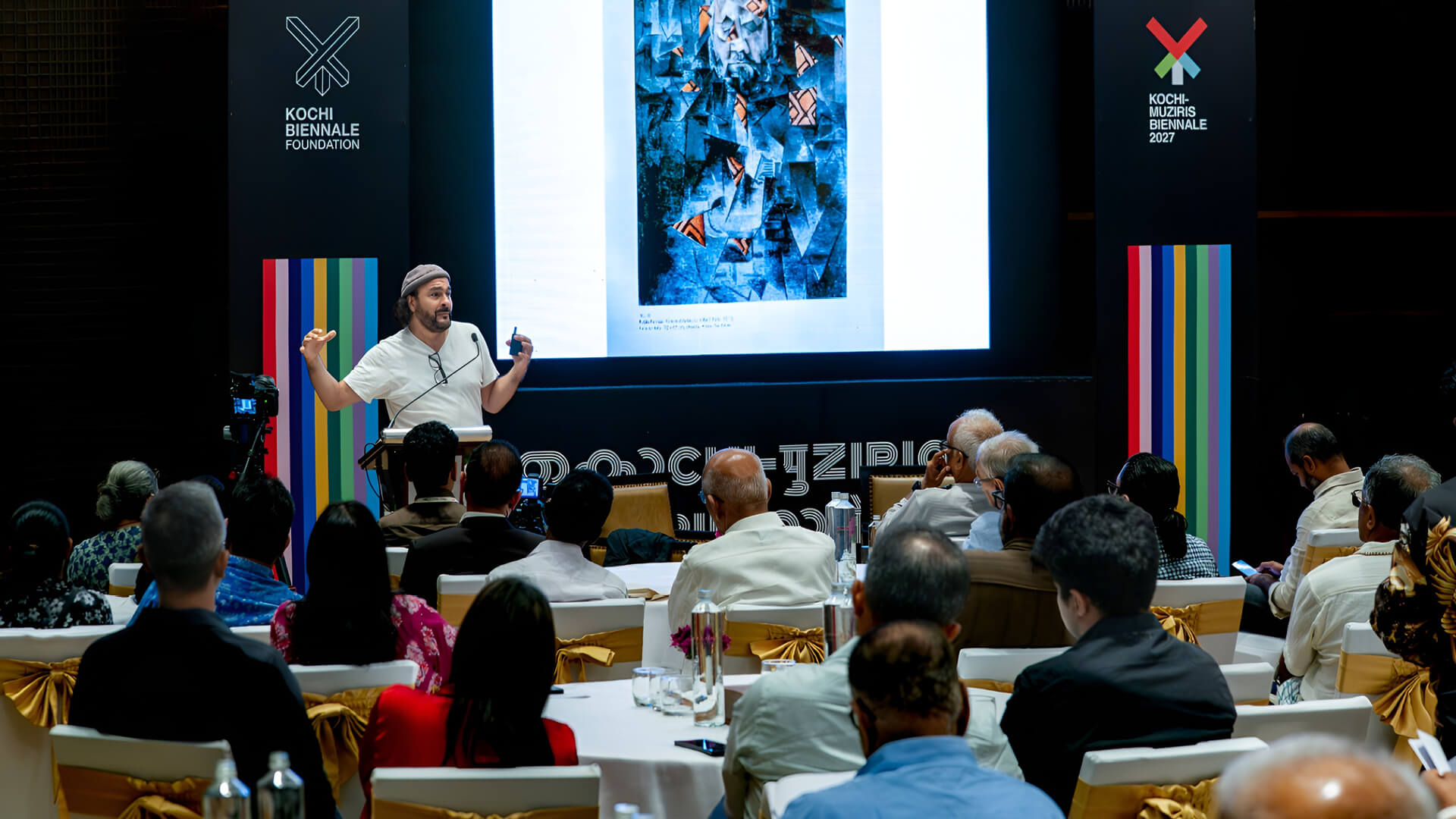
Kader Attia: My last experience of the Biennial was indeed as a visitor. Then, at the kind invitation of Mario D’Souza, the director of programmes at KMB, I gave a lecture, and we shared a public dialogue after the talk. Originally, however, I came with my family. I scheduled my visit six months in advance as I wanted to combine a visit to Kochi and the surrounding area while discovering the latest edition of the Biennale. We were all very enthusiastic about both experiences.
Regarding my return to curating, it was an extraordinary opportunity; I didn’t really think about it. What makes the Kochi Biennale unique is that it is always curated by an artist. This has made the aura of each edition unique since its inception. As an artist, I felt this was significant because curating is a form of self-decentralisation crucial for continuing to be an artist afterwards. It's like leaving a field fallow for two years so that the soil can rest and recharge with new minerals and energies. But it is also a moment, a conversation between artists, to be shared with the public at large.
Vandana: Every past edition of KMB has had a distinct curatorial language while remaining rooted in the city and its past. Could you discuss your vision for the biennale? As its first international curator, do you feel a greater sense of responsibility?
Kader: I am honoured that the selection committee considered my proposal. I am sure there were other interesting projects, as is often the case at the final stage of any selection process. So, yes, I definitely have a responsibility, but it has to be that way. So many people are involved in this biennial: the city, the region and the local people. Implementing it is a huge undertaking for a huge team that exists as a family. Being invited to share in this adventure with this team is a great honour.
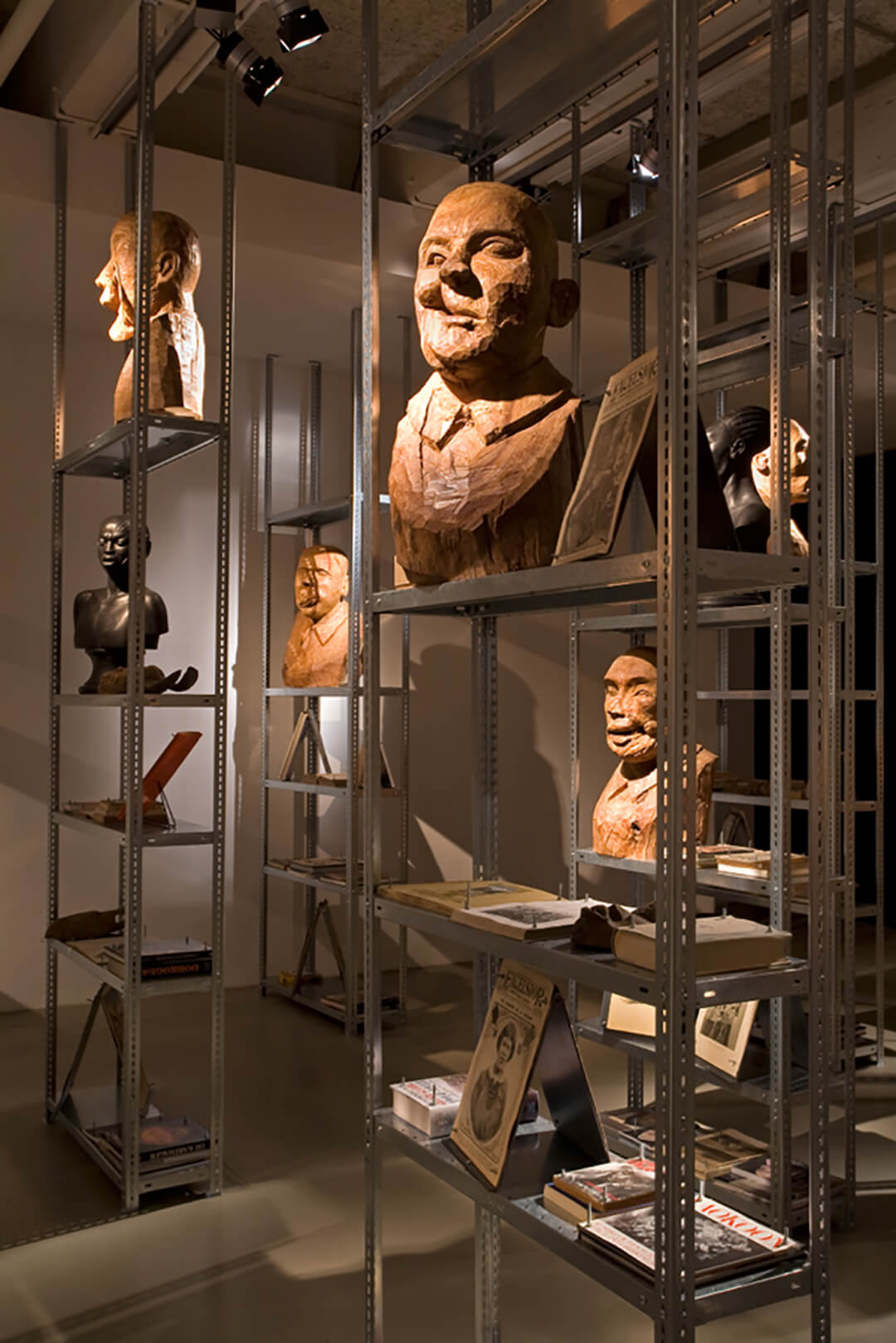
Vandana: Your idea of ‘repair’ has shaped your art practice for nearly two decades. One of its most prominent articulations was The Repair from Occident to Extra-Occidental Cultures, shown at dOCUMENTA (13) in 2012, which brought together archival photographs of disfigured World War I soldiers, deformed wooden busts, repaired African masks, ethnographic objects, books and objects made from bullet cartridges. Could you describe your notion of repair and how it has shaped your work over the years? Has your understanding of repair changed in light of today's fractured political landscape, displacement and increasing inequalities?
Kader: Since the beginning of my research into the phenomenon of repair, my understanding of it has evolved. Firstly, I now prefer to refer to it as the 'phenomenon' of repair rather than the 'concept' of repair. This may sound obvious, but it was not at the beginning. Since presenting my artistic research for the first time at dOCUMENTA(12) in 2012 through a large installation consisting of a video, sculptures, archives and a slideshow titled The Repair from Occident to Extra-Occidental Cultures, I have continued to think, write and explore the topic formally, conceptually and theoretically, before and beyond its limits. I think I will continue to do so throughout my life because it is a timeless topic. Repair is not a trend or a metaphor, but a phenomenon.
Another aspect raised by your question, which I have recently discovered in my reflections, is that repair is an oxymoron, meaning it is the embodiment of its own paradoxes. I have always spoken about the interdependent relationship between wounds and repair, but today something more emerges that actually continues your question: repair is also irreparable. Crime, any crime, committed on a small or large scale, or on a very large scale, is not reparable. Colonialism, slavery, genocides, etc., can’t be repaired, because you can’t bring back what has been destroyed. But because everything is moved by the agency of repair, acknowledging at large, publicly, intimately, officially, that a crime took place and is calling for repair is the beginning of repair, because the worst-case scenario is denial. The lack of attention is like the phantom limb pain continuously asking for the return of the limb to its original place, before the amputation. When the repair is impossible, listening to these voices, giving them attention and advocating for a politics of care is the beginning of repair, or a form of repair.
What makes the Kochi Biennale unique is that it is always curated by an artist. This has made the aura of each edition unique since its inception. – Kader Attia
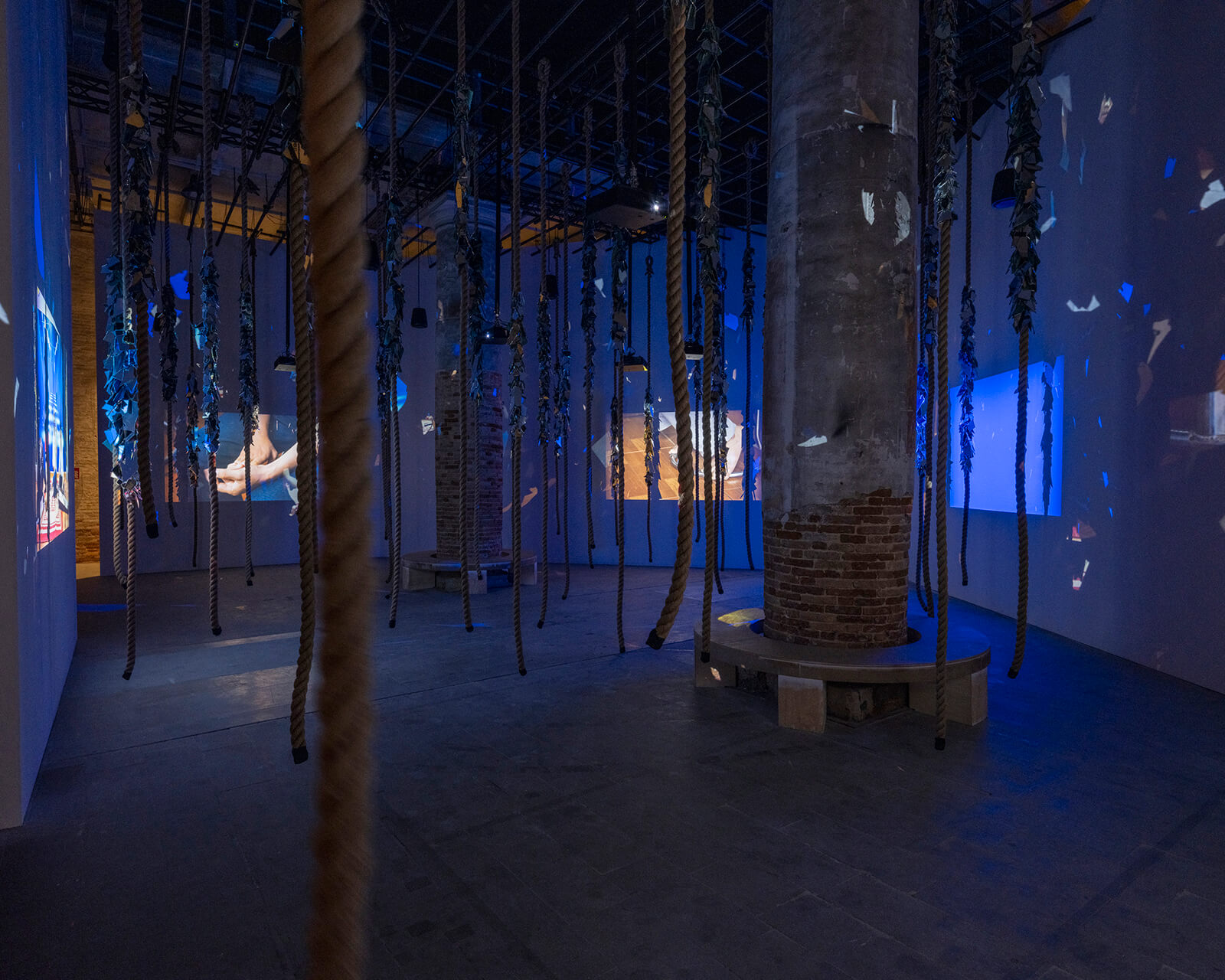
Vandana: Could you tell us about Whisper of Traces, your multimedia installation on view at the Venice Biennale?
Kader: Whispers of Traces is a multimedia installation composed of a 30-minute film spread across five screens, gathering years of research on different cultures and histories of healing—Vietnam, South Korea, Malawi, Senegal, etc. It shows that traditional healing practices in pre-modern societies have always given significant importance to immaterial forces, spirits and ghosts. One day, at the end of an interview with a shaman I was talking to, he said something that caught my attention. It was about technology. When I asked him what he knew about the relationship between the internet and the spirit world, the shaman answered that spirits had always been aware of human digital technologies and were slowly preparing an attack against them in the form of what we call viruses. He told me that 'digital viruses are spirits'.
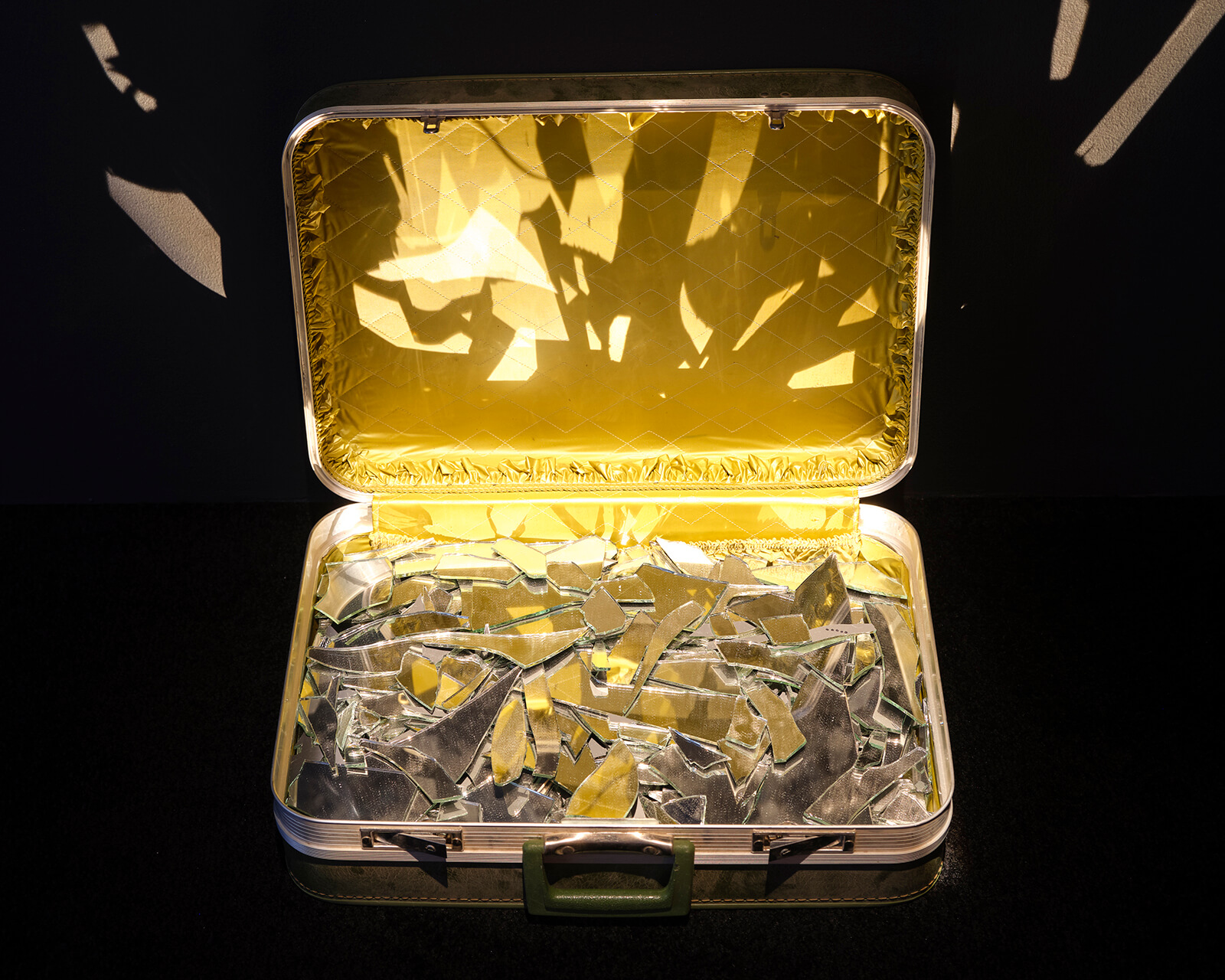
This installation is structured like a forest or a brain, and viewers are invited to penetrate and navigate it, and to sit and watch the five screens on which the 30-minute film is displayed. Between each screen and projector, there are many ropes covered in mirrored fragments hanging vertically. The film's reflections on these mirror fragments cover the walls, screens, floor and ceiling. These anarchic, fragmented reflections represent the mnesic traces that humans produce, exchange and merge, and which have been the canvas of human societies, contributing to their evolution since prehistoric times.
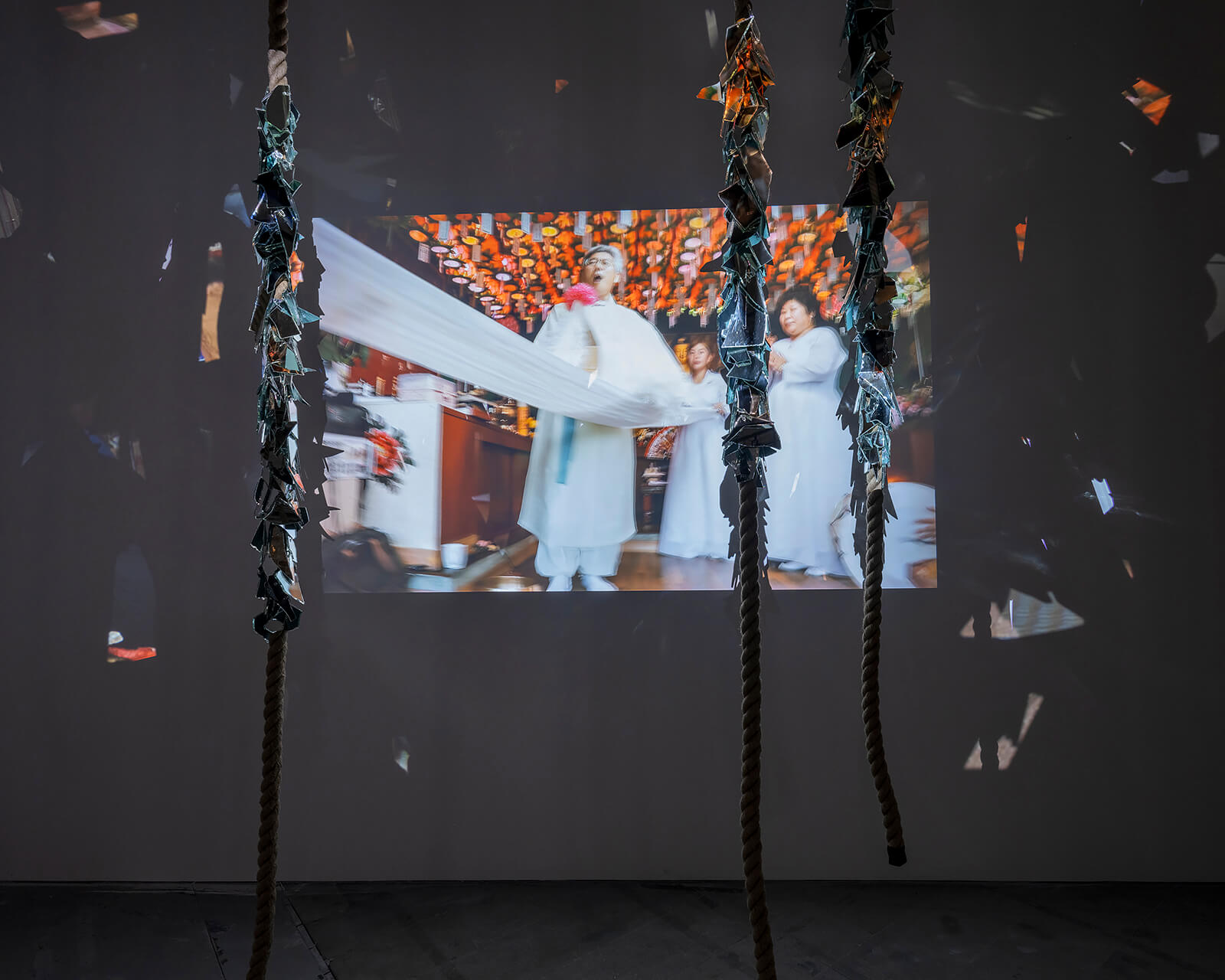
The exchange of these traces, data and memories—stored in our minds, on paper, or in every material, techne and artefact created by us—both materially and immaterially (for example, in the unconscious and consciousness)—is today the object of a new form of colonisation: a digital and cognitive colonisation, as memory is also stored online. This is why the link between the shaman’s belief that spirits would attack the internet massively, the place of accumulation of our mnesic traces (data), and the realm of the world of the invisible—world with which shamans deal with daily—is stronger than we, as postmodern subjects, alienated from the rational idea that everything is controlled by science, think. The regime of traces binds the pre- and post-internet worlds of humans.
Vandana: According to you, what responsibilities do contemporary art institutions have in confronting colonial legacies? Museums across Europe are now engaging more actively with colonial histories. Do you think these conversations have resulted in meaningful structural changes?
Kader: Yes, I do think that over the last 10 years the decolonial conversation has made institutions move, particularly those in the human sciences and art fields. However, in comparison to the scale of the colonial legacy, there is still a lot to be done. Having worked with institutions such as Quai Branly and Le Louvre, as well as many others worldwide, on research projects related to repair, I am aware that progress is far from smooth and extremely slow. This is because institutions annihilate any individual to control our agency to individuate ourselves as a collective. No individual would dare to act alone. Even if they think they should. The older, bigger and more powerful the institution, the harder it is to effect change from within. Institutions’ 'red lines' are defined by outsiders. It is pressure from activists, artists, academics and curators who are not part of the institution that makes it change from the outside.
Vandana: Artificial intelligence is transforming how images and artworks are produced. How do you think AI intersects with questions of memory, colonial archives and repair — themes that have been central to your practice?
Kader: AI raises questions at so many levels and in so many fields. So, I prefer to talk about what I know: Art. And in Art, AI is the biggest fraud that has ever existed. First of all, it manipulates our visual perception. Indeed, whether it is building believable, true images or not is no longer the ethical issue: it has become entertainment, since everyone now knows that most of the images that we come across are fake. Then, it constantly steals ideas from other authors (from writers to visual artists and filmmakers) and merges them into a pseudo ‘art’.
But the most significant reason why AI is so problematic is that it is the incarnation of capitalism at its worst: a mechanism that permanently accumulates stolen data to produce an outcome based on statistical assumptions. So, even if the outcomes are lies and we know it, we don’t mind, and here comes the problem: Why do we accept such lies when we know they are fake? Because the huge power of seduction of these technologies consists in offering you what it takes from you, making you feel as if you have discovered something that perfectly suits your expectations. Techno-digital capitalism takes your time, your morals, your enjoyment and your future to sell you all of these things via a delusional cognitive mechanism of satisfaction, making you believe that you are keeping your freewill to decide what you like, want, expect, discover, etc… But in reality, it hijacks your power of interpretation and your sovereignty over your capacity to dream, proxy all the agents that, again statistically, make you feel comfortable.
In other words, AI exploits your own traces from your past and your future to give you the illusion of an ‘answer’ that makes you feel like you are the recipient of it, but in reality, you are the field in which techno-digital governance sows the seeds of the next data harvest, which will empower it more and more.
In my studies on the reasons why capitalism is so seductive, I have been influenced by a wonderful Gabonese sociologist named Joseph Tonda. Another one is Jaron Lanier, who said about social media: “If you don’t pay for the product, then you are the product”. And, of course, Marshall McLuhan, father of cybernetics, who said: “The medium is the message”.
by Srishti Ojha Oct 21, 2026
Increasingly, artists, filmmakers and activists are turning to VR to create more personal, tangible accounts of the climate emergency and its impact on vulnerable communities.
by Mirra Lynn Oct 20, 2026
The Indian artist paints the old wadas of central Pune, capturing the traces of everyday life that cling to these structures, battered by time but unbowed.
by Anmol Ahuja Oct 15, 2026
How do heaps of souvenirs and relics with racist Aboriginal motifs and features become art? MCA Sydney’s winter showcase—the artist’s largest to date—beckons a possibility.
by Srishti Ojha Oct 14, 2026
The first Dutch publication on the Turkish artist, the eponymous book centres on Refik Anadol: Latent City, his living data sculpture of Bruges, exhibited at BRUSK gallery.

make your fridays matter with a well-read weekend
Enter your details to sign in
Don’t have an account?
Sign upOr you can sign in with
a single account for all
STIR platforms
All your bookmarks will be available across all your devices.
Stay STIRred
Already have an account?
Sign inOr you can sign up with
Verification link sent to check your inbox or spam folder to complete sign up process
Tap on things that interests you.
Select the Conversation Category you would like to watch
Please enter your details and click submit.
Enter the 6-digit code sent at


Kader Attia on repair, AI and his vision for the Kochi-Muziris Biennale 2027
by Vandana Kalra | Published on : Sep 29, 2026


 Sign in with Google
 Sign in with email
What do you think?