Architecture12 mins. read
STIR at UIA World Congress: Can Becoming planetary address our uncertain present?
by Mrinmayee BhootJul 17, 2026



by Mrinmayee BhootPublished on : Jun 23, 2026
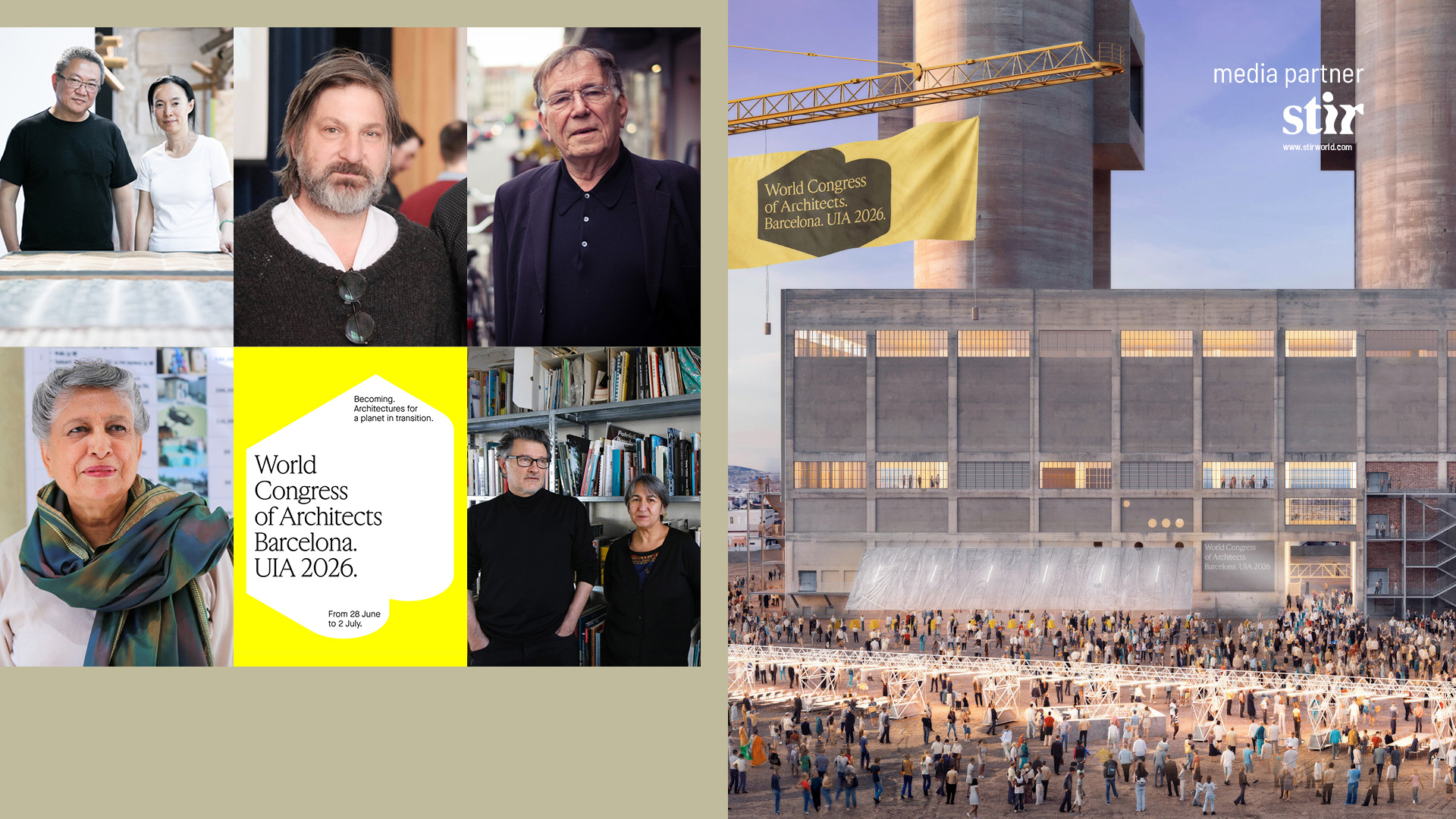
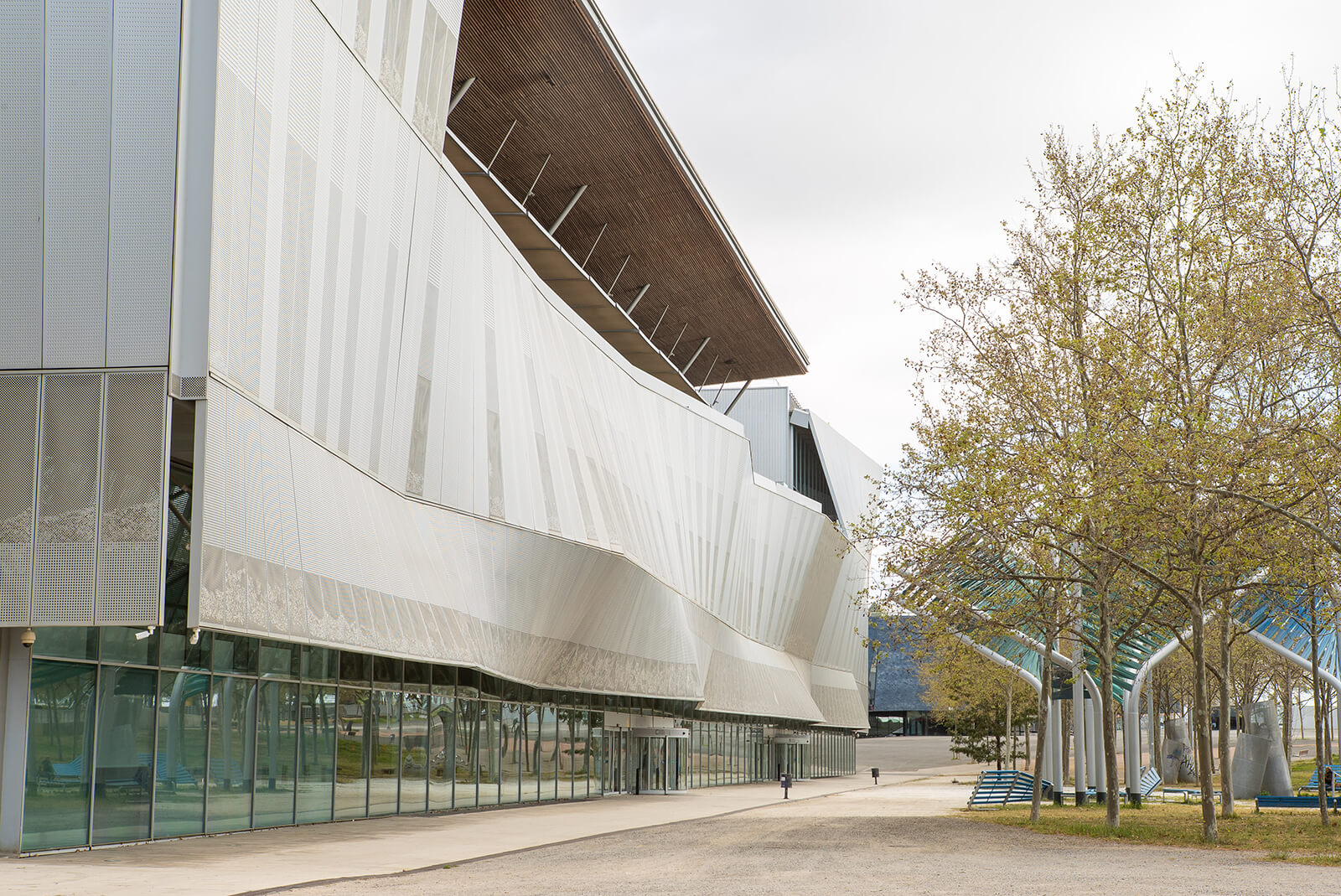
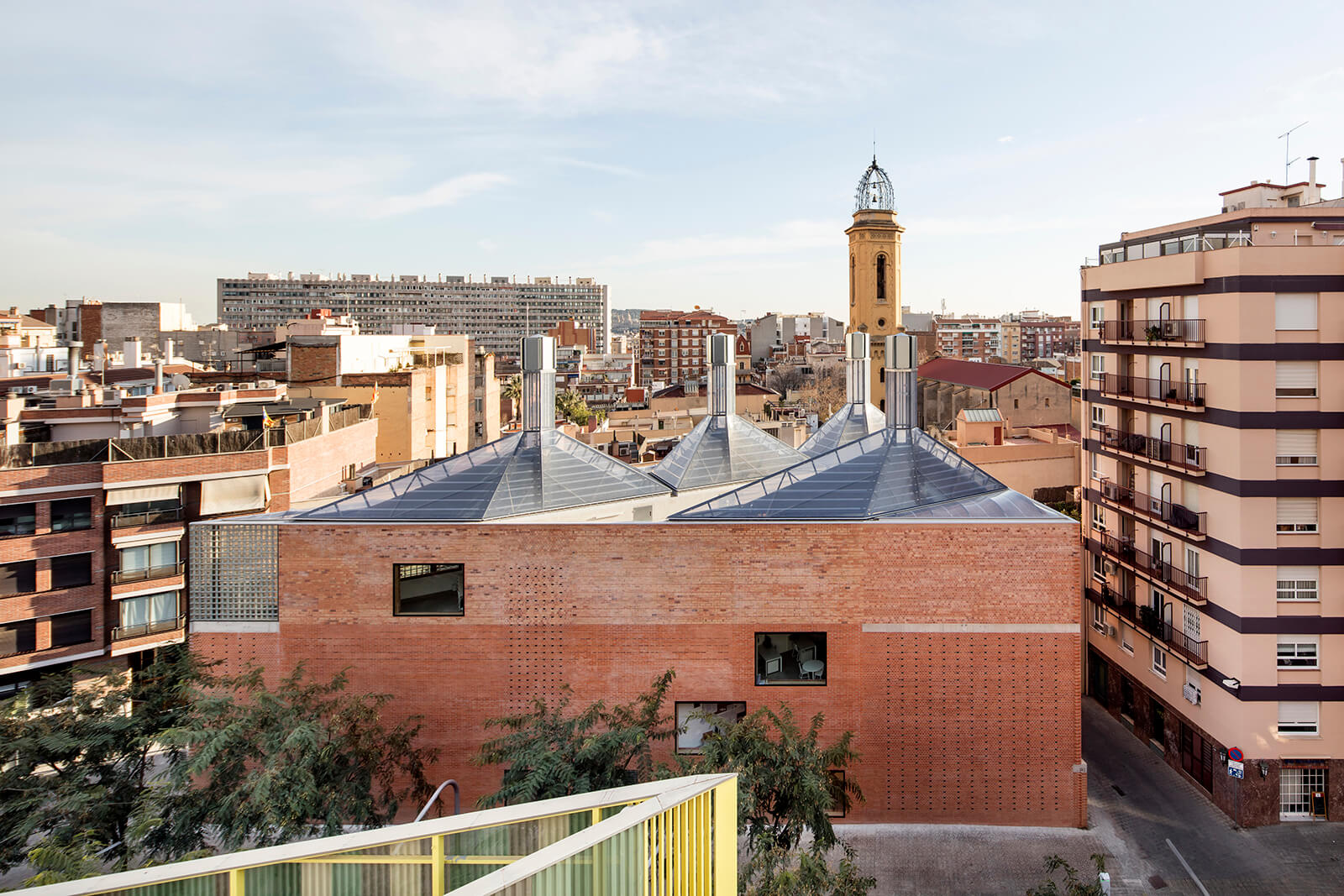
The UIA World Congress of Architects, touted as one of the largest gatherings dedicated to probing questions around contemporary architectural discourse and practice, is set to unfold in Barcelona from June 28 – July 2, 2026. This year’s symposium will bring together 250 speakers and 10,000 professionals from more than 130 countries to discuss the role architecture plays in shaping our contentious future(s), in the face of incessant crises. Barcelona will host the design event for the second time since 1996, under the overarching theme Becoming. Architectures for a Planet in Transition, across three venues: CCIB (Barcelona International Convention Centre), Three Chimneys in Sant Adrià de Besòs and the Disseny Hub Barcelona. In addition, Antoni Gaudí’s final project, the now-completed Sagrada Família, will host the award ceremony of the UIA triennial prizes.
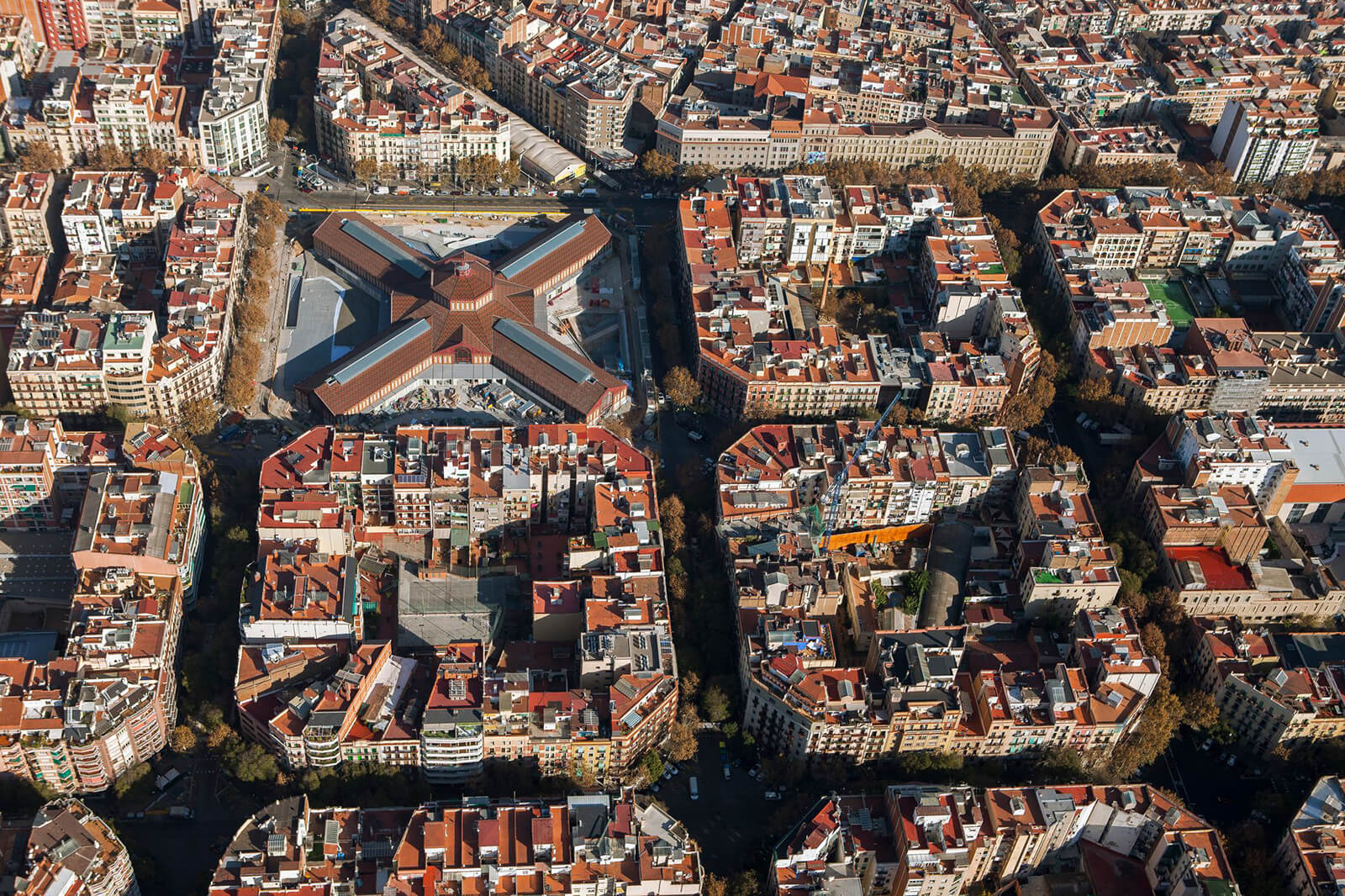
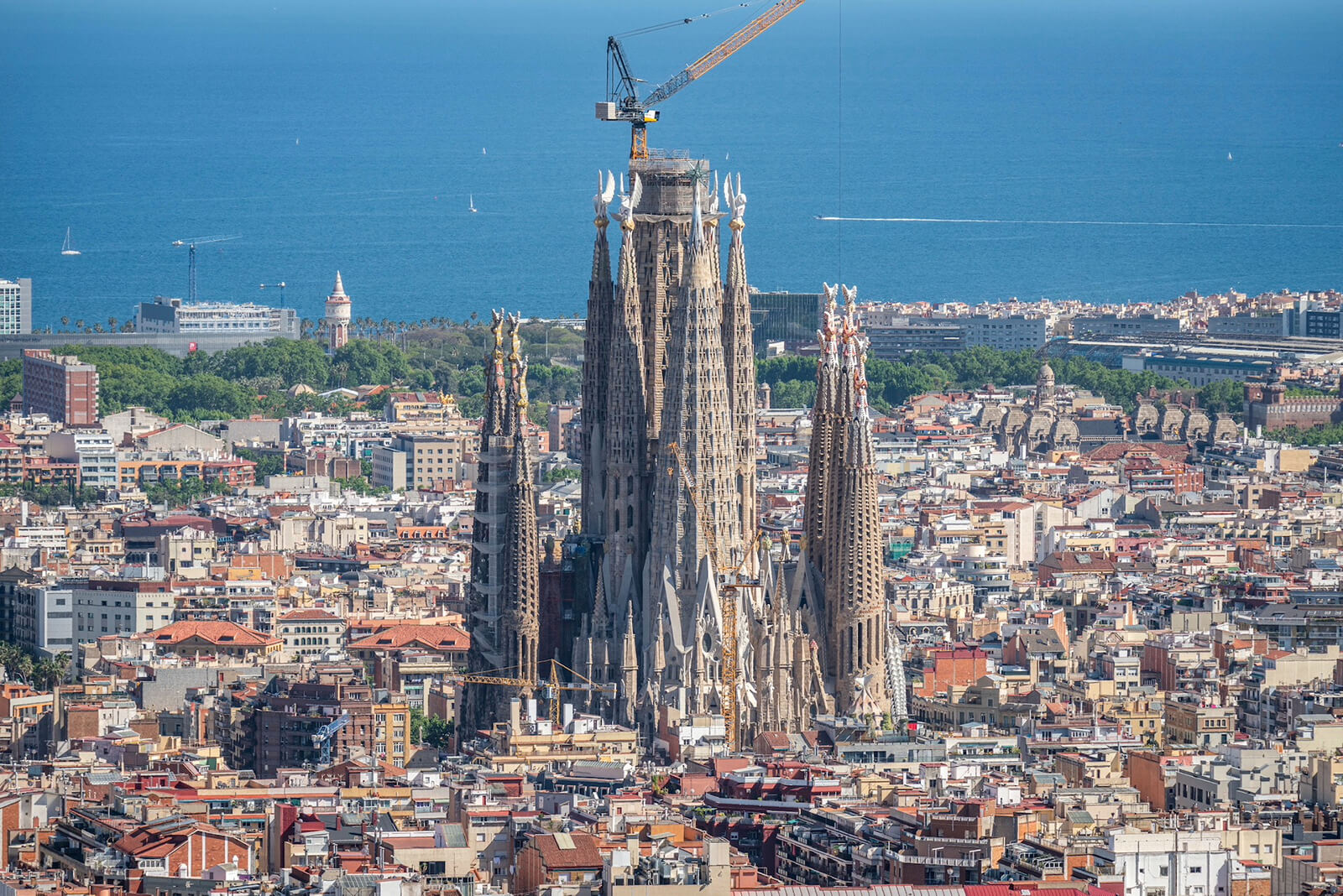
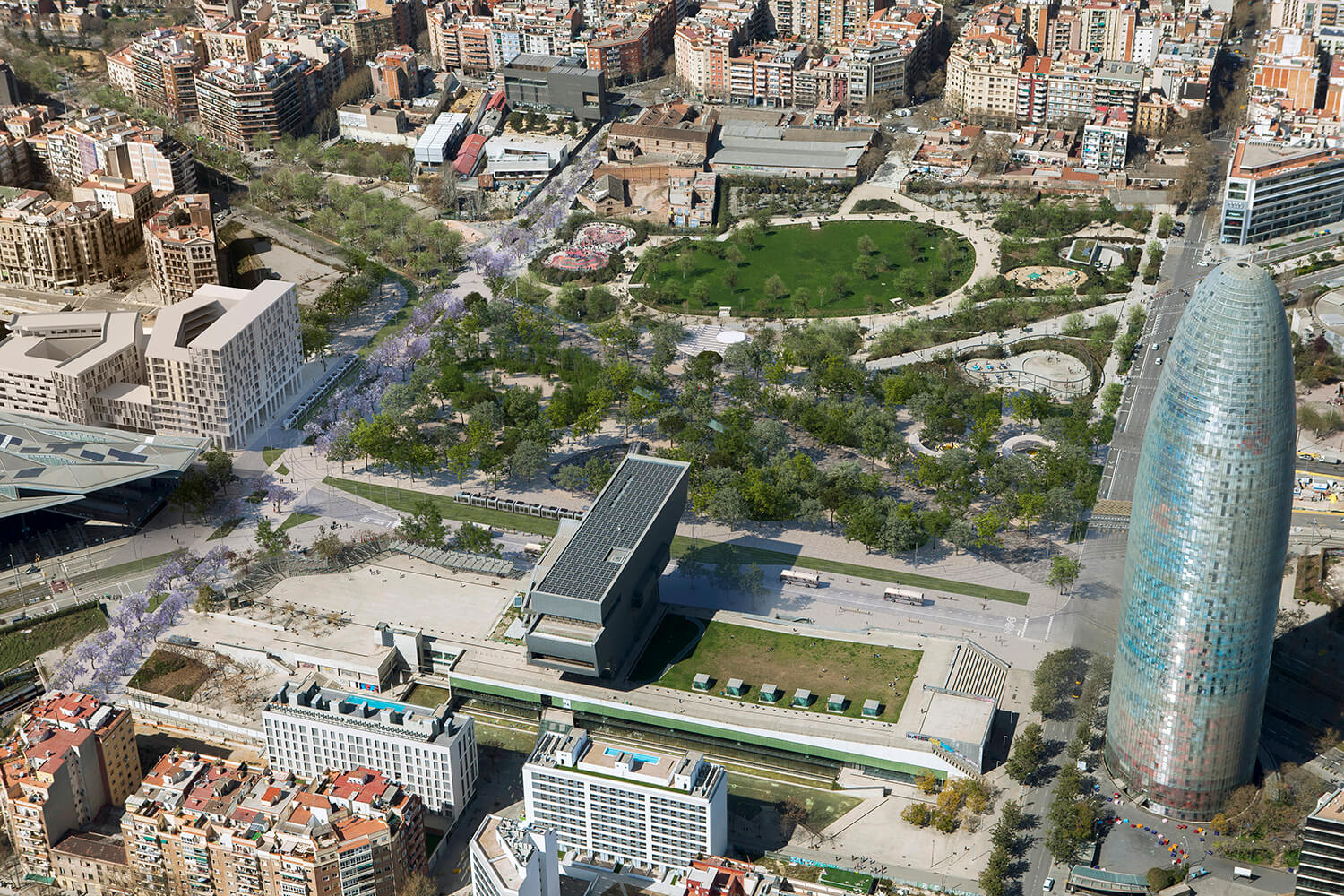

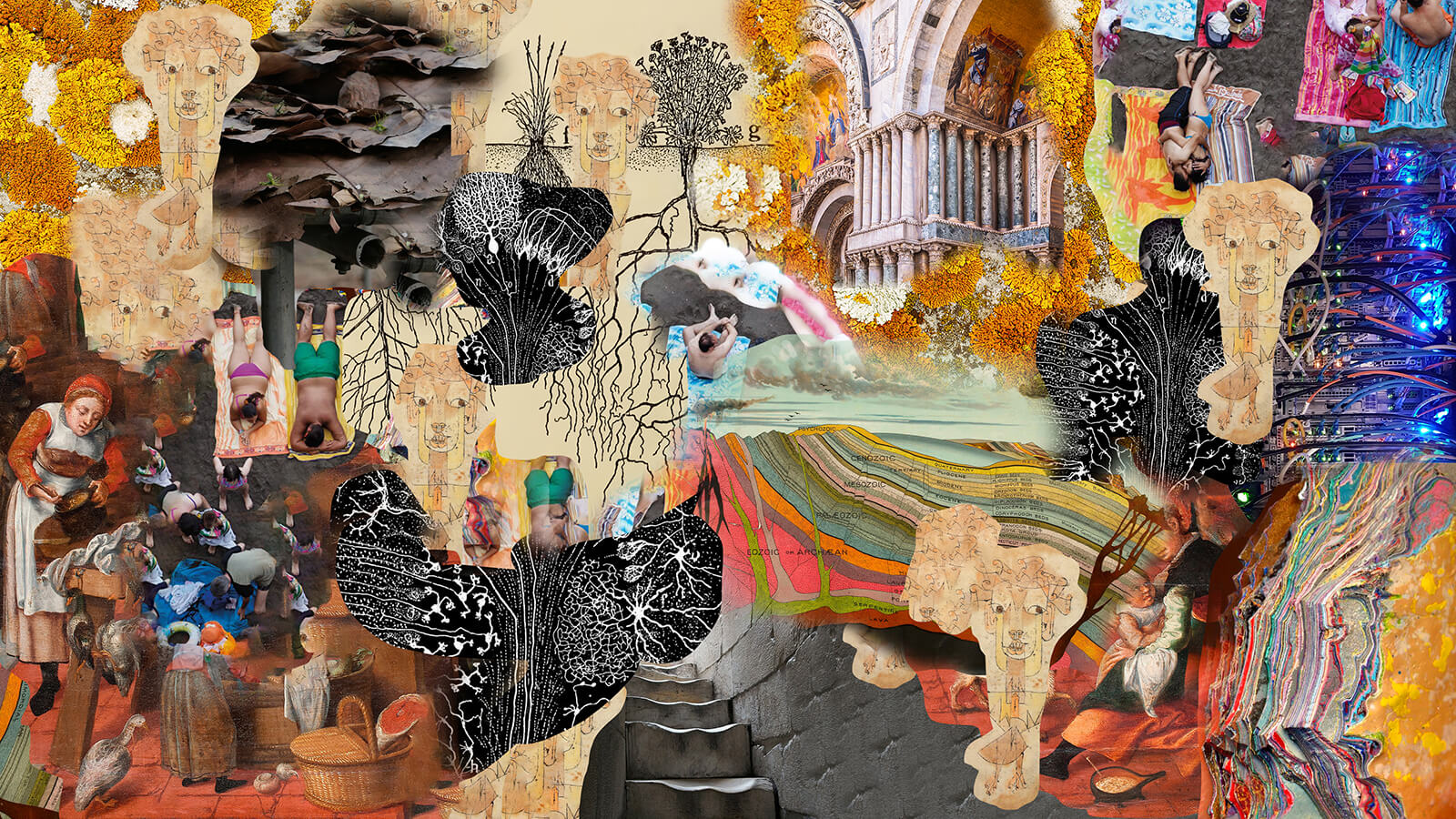
Vitally, the theme for this year demonstrates the shift in architectural discourse in recent years—leaning towards issues that are extra-architectural—that pay attention to the ways in which architecture is embedded within more-than-human networks. Whereas 30 years ago, the focus of architectural discourse was the question of how designers can shape better cities, and how architecture can be better situated in urban contexts—signalled by the theme Present and Futures: Architecture in Cities from the 1996 convention—discussions today are more expansive as well as escalated, entangled with questions of ecology, climate, resources and terrains. The event seems to stress that one of the key ways to understand how architecture is embedded in the global—how it’s shaped by and shapes the sociopolitical, the economic, the communal—is to start from the particular: a place of mutual exchange fostered by such platforms.
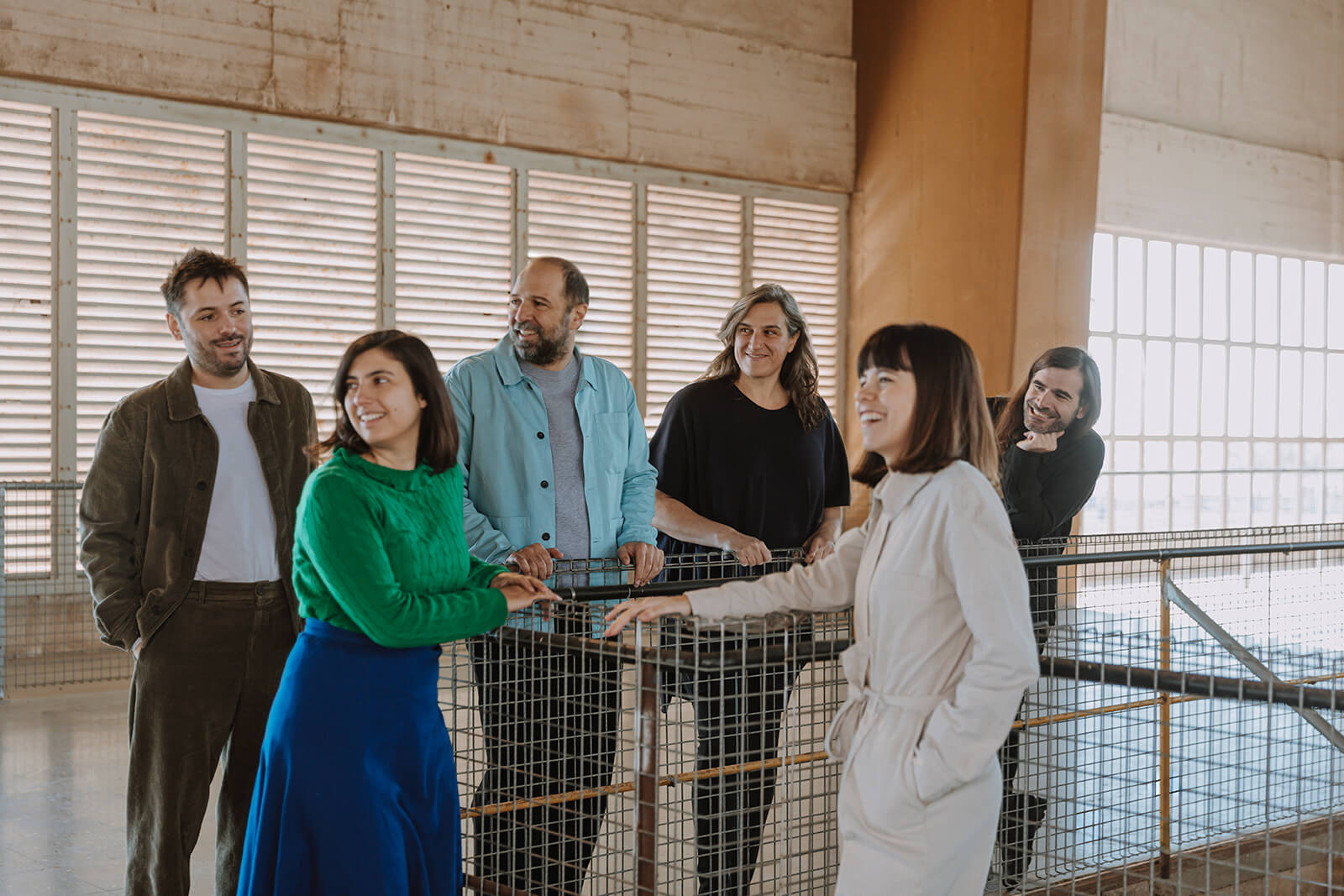
In that vein, the theme for this year was selected through an international competition, underscoring the need for participatory thinking. The curators for this year’s symposium, Pau Bajet, Mariona Benedito, Maria Giramé, Tomeu Ramis, Pau Sarquella and Carmen Torres, envision the five-day event as a platform where a plurality of voices, research methodologies, practices and ways of being will be given the spotlight, with a balance between expert perspectives and emerging voices. To foster participation and an inclusive atmosphere of exchange, the Congress expands its scope this year beyond symposium formats, using various means to showcase and spotlight current architectural preoccupations. As an event trained on the future of our planet, a vital initiative activated by the organisation before the start of the Congress saw international workshops bringing together around 180 students and young architects and conceived as an intensive space for work and experimentation, adding a pedagogical layer to the event.
During the five days in which the Congress unfolds, activities for participants include exhibitions in two venues (the Three Chimneys building and Disseny Hub) that focus on the vitality of research as methodology for practice; guided itineraries, curated by the multidisciplinary studio AMOO, extending into the city and significant architectural works in the vicinity, contaminating the streets of Barcelona with the ideas engendered through the symposium; and various collateral and parallel events which include lectures, exhibitions, performances, seminars, professional gatherings and academic activities organised by independent institutions, organisations and collectives. These have been planned as a means of sustaining the cultural ecosystem and bringing architecture closer to diverse audiences and communities.
Dialogue, debate and discussion
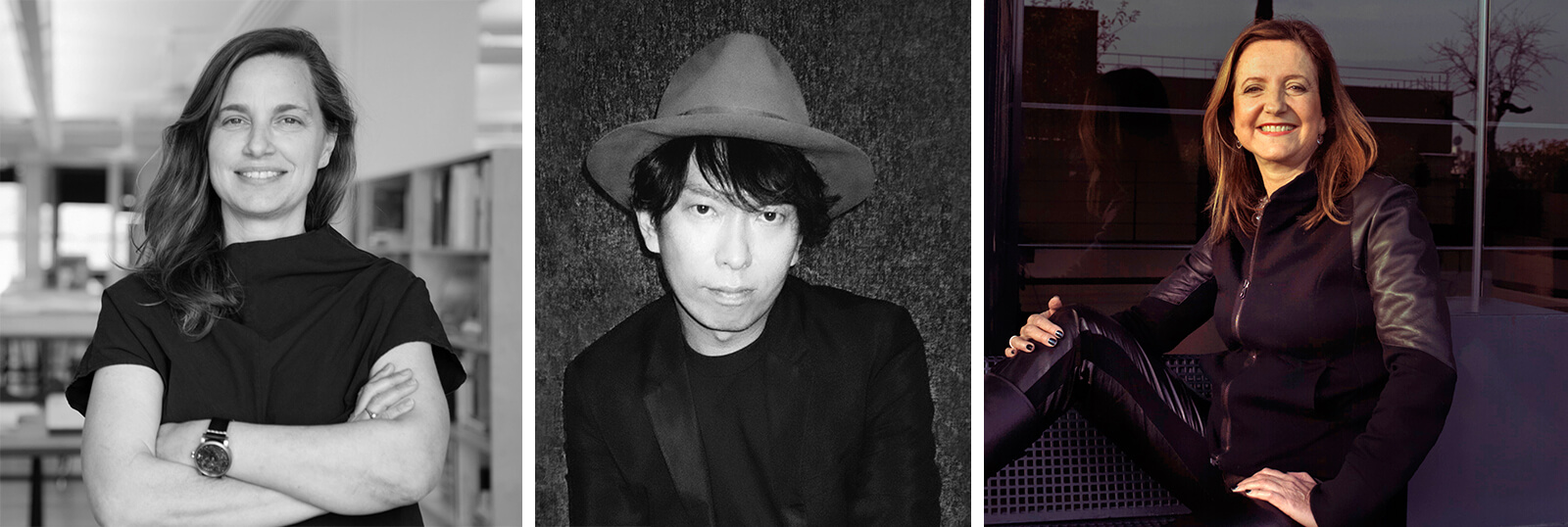
The central spine for the UIA World Congress remains its various dialogic sessions—plenaries, lectures, debates, research presentations, workshops and open forums—on topics ranging from ecological entanglements, reuse and repair, to climate crises and material politics that reinforce each other and explicitly address the challenges contemporary architecture and its proponents face. The symposium is further divided into six sub-themes: Becoming More-than-human, Becoming Circular, Becoming Embodied, Becoming Interdependent, Becoming Hyper-Conscious and Becoming Attuned.
In Becoming More-than-human, the speakers who will open the conference on June 29, 2026, affix the responsibility of architectural intervention not only to the shaping of human lives, but to the seam between us and the ecological. Scholars such as Beatriz Colomina will present her current research on microbes, while Swiss architect Philippe Rahm and Spanish architecture studio TAKK will probe the role of climate in design. Japanese architect Junya Ishigami will discuss his work as construed in a broader environmental field, while architects such as the emerging Ecuadorian studio Al Borde, Thai architect Boonserm Premthada and Gustavo Utrabo will speak about how architecture and landscape can respond to fragile ecologies, social inequalities and local cultures. Similarly, Taller Capital, Turenscape, Kate Orff and Dirk Sijmons will deliver presentations with an acute focus on river landscapes. Apart from invited speakers, participants selected through an open call, including Office for Roundtable + JXY Studio, Carles Enrich Studio, Openact Architecture and others, will give talks centred on their recent projects.
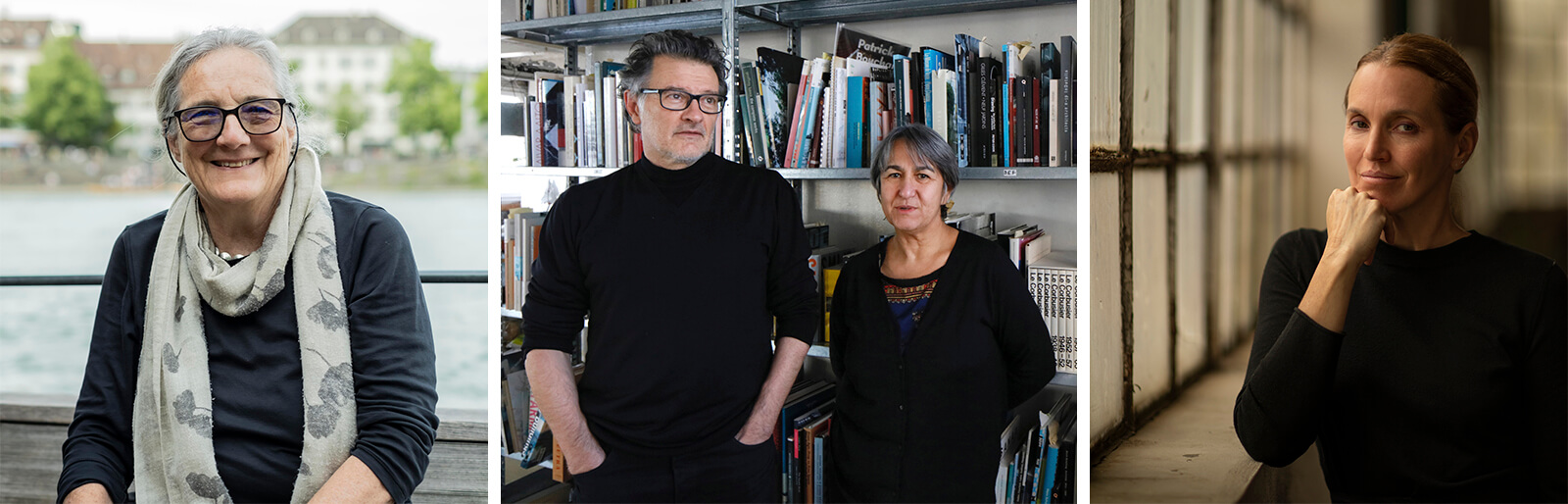
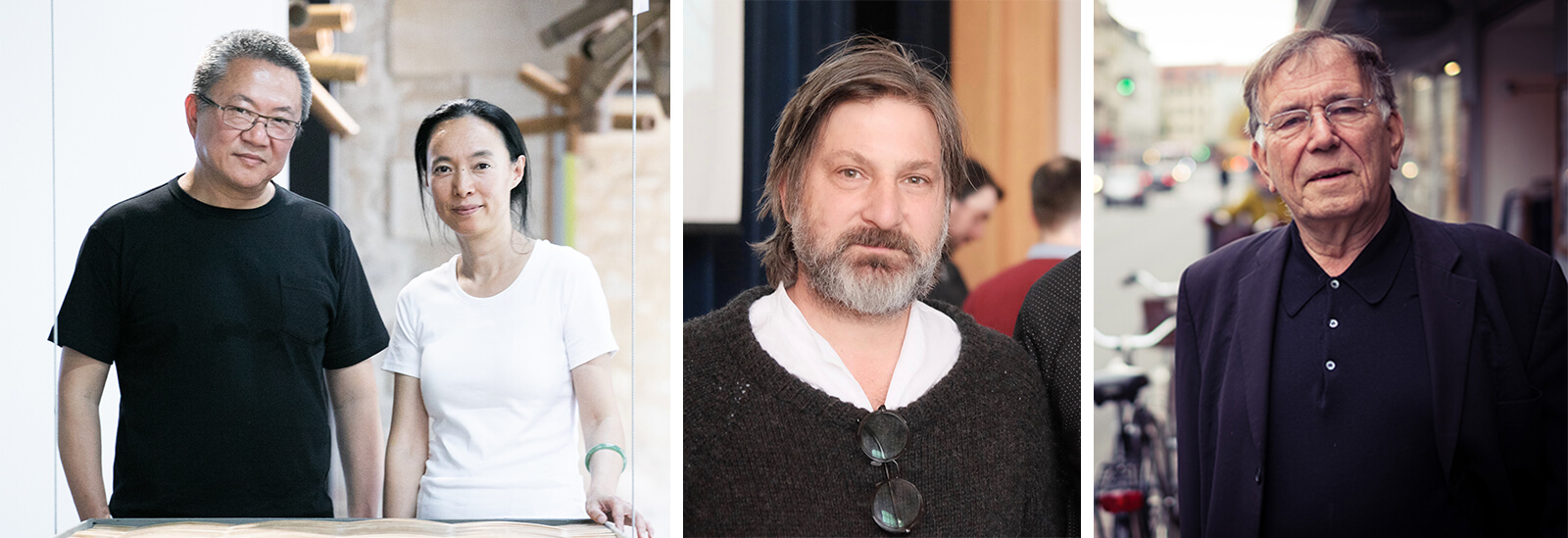
In an equally critical thread on the first day, Becoming Circular, participants will probe the resource-hungry nature of construction, underscoring the recent interest in an architecture that starts from a place of repair, rethinking the life cycles of the existing. Here, practitioners such as ROTOR, Zirkular, Barbara Buser and Danish architect Soren Phillman argue for a more exacting relationship with materiality, one that illuminates the possibilities of urban mining, collaborative making and material salvage, while scholar Charlotte Malterre-Barthes, in conversation with HouseEurope!, lays out the political dimensions of new construction and the need to rethink policy from a focus on demolition to the proliferation of circular design strategies. Curators for the 2027 Venice Architecture Biennale, Amateur Architecture Studio, will speak about how traditional Chinese vernacular architecture informs their approach to design. Selected contributions to the thematic thread exploring alternative urbanisms, practices of care and embedded materialities include Tosin Oshinowo, Jorge Vidal and Anne Gross, to name a few.
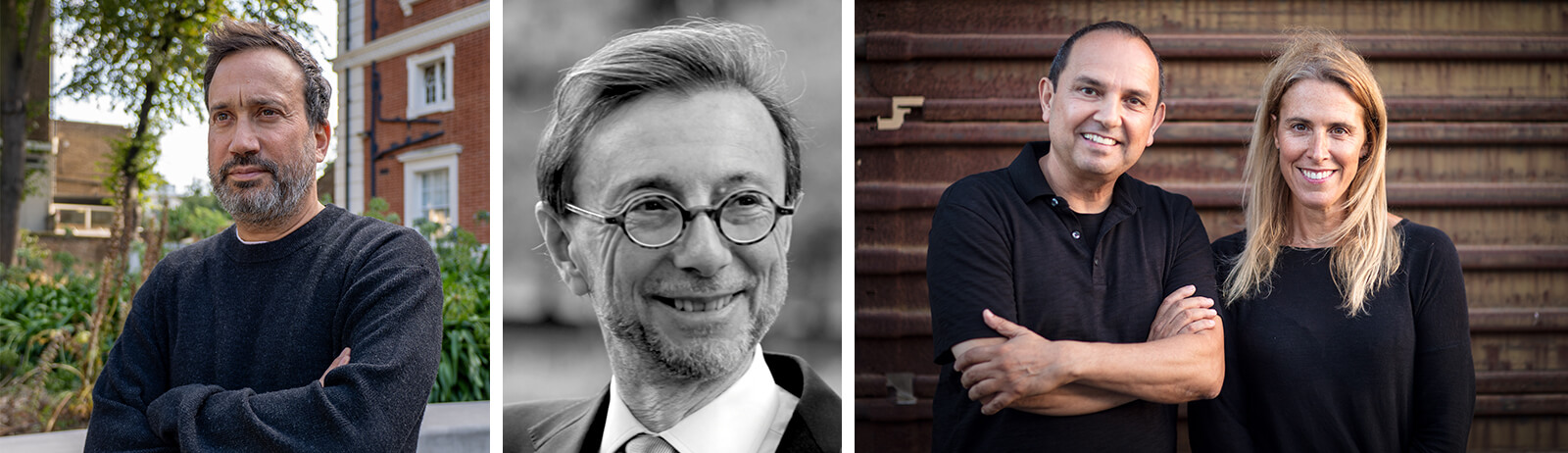
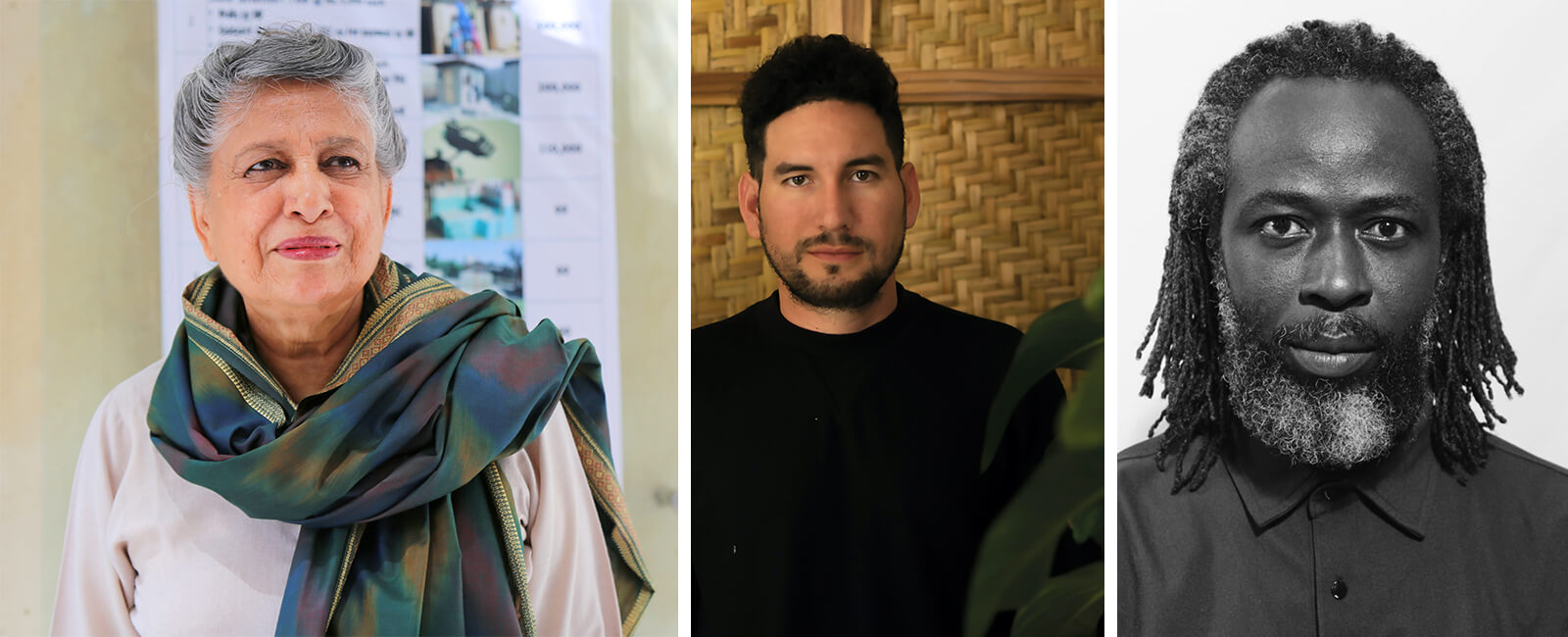
Becoming Embodied, on the second day of the conference, portrays a concurrent thread that examines the possibilities of alternative materialities for architectural practice. Participants focus on material agencies to scrutinise how we extract, process, transport, use and reuse the stuff of design, tying this to questions of social equity, gender perspectives, decolonisation, decarbonisation and energy transition. Speakers, including Marina Tabassum and Palinda Kannangara, will explicate on the significance of situated knowledges in their work; Shigeru Ban will illuminate the vitality of materiality for his practice; and Belgium-based BC architects & studies & materials, Ghana-based Hive Earth Studio and Austria-based Lehm Ton Erde Baukunst GmbH will discuss how their work employs earth construction as a low-carbon, locally sourced architectural material. Pakistani architect Yasmeen Lari, in conversation with academic and designer Anna Puigjaner’s studio, MAIO, will explore architecture as a social and spatial practice grounded in care, ethics and climate responsibility. Selected participants such as Salima Naji, Daniel Ibanez, Younes Ben Slimane and Alejandro Guerrero will contribute projects that speak to material memories and intelligence and the politics of preservation.
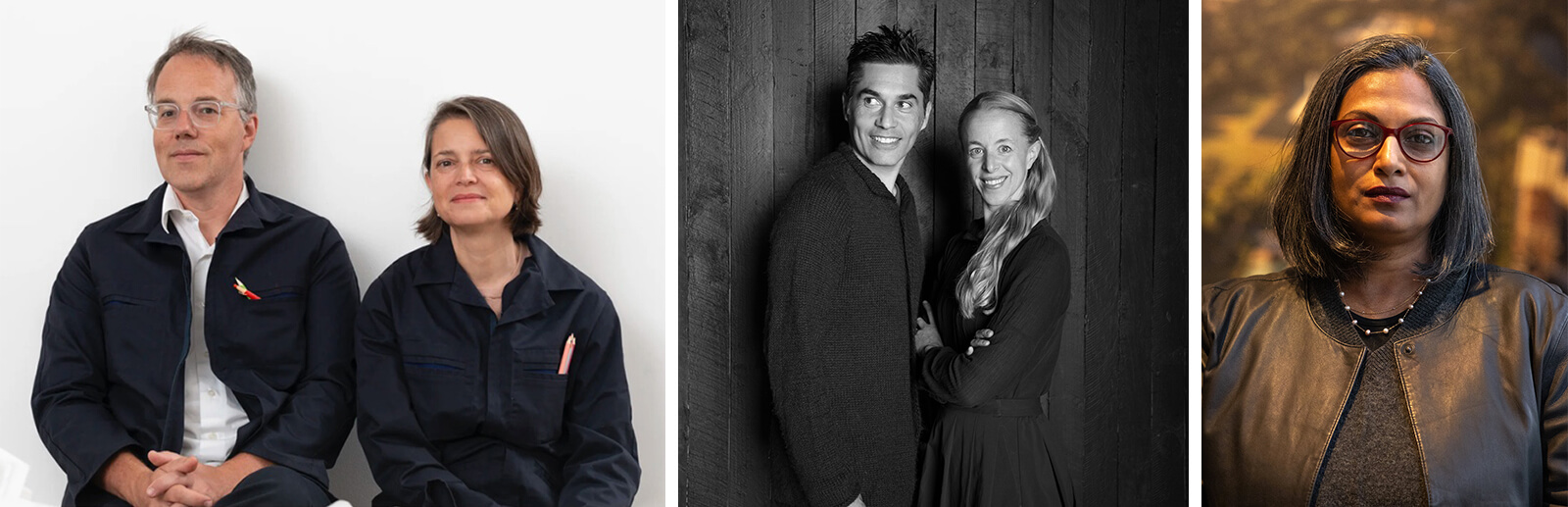
In a world governed by tangible materialities—spatial configurations, infrastructures and commodities that in turn are determined and affected by the invisible—by policy, by data, by legislation and by regulation—the latter, the intangibles, are a crucial layer of practice often deemed too technical for formal discourse. Yet, with Becoming Interdependent on June 30, 2026, and Becoming Hyper-Conscious on July 1, 2026, these layers are brought to the fore. While the former focuses on re-evaluating traditional notions of space and labour, advocating for shaping environments that foreground care and collaboration, the latter calls for a deeper, immanent awareness—beyond data accumulation and critical description—of our planetary binds. In a session exploring conflict, systems of control, memory and resistance, Samia Henni, Malkit Shoshan and Estudio Teddy Cruz + Fonna Forman present their ongoing research, while Indian architect Rahul Mehrotra, in conversation with Rural Urban Framework, whose projects are centred in Mongolia, will dissect the idea of urbanism for people of the Global Majority through the lens of ephemerality. Imminent scholar and feminist activist Silvia Federici will speak about the central role of reproductive labour—care work, domestic labour and the social reproduction of life—in sustaining capitalist economies. Urban designer Jan Gehl extrapolates the idea of care and democracy to the design of public spaces.
On the third day, scholar Mario Carpo presents his work on the relationship between architectural theory, cultural history and information technology to question the recent trend toward generative AI. In their presentation, Forensic Architecture will demonstrate how digital modelling, satellite imagery and counter-cartography can be used as evidence to confront state and corporate violence. In a keynote session, architect and activist Peggy Deamer of the Architecture Lobby will underscore the significance of recognising design work as labour, hence highlighting the need for professional policy, economic governance and collective organisation.
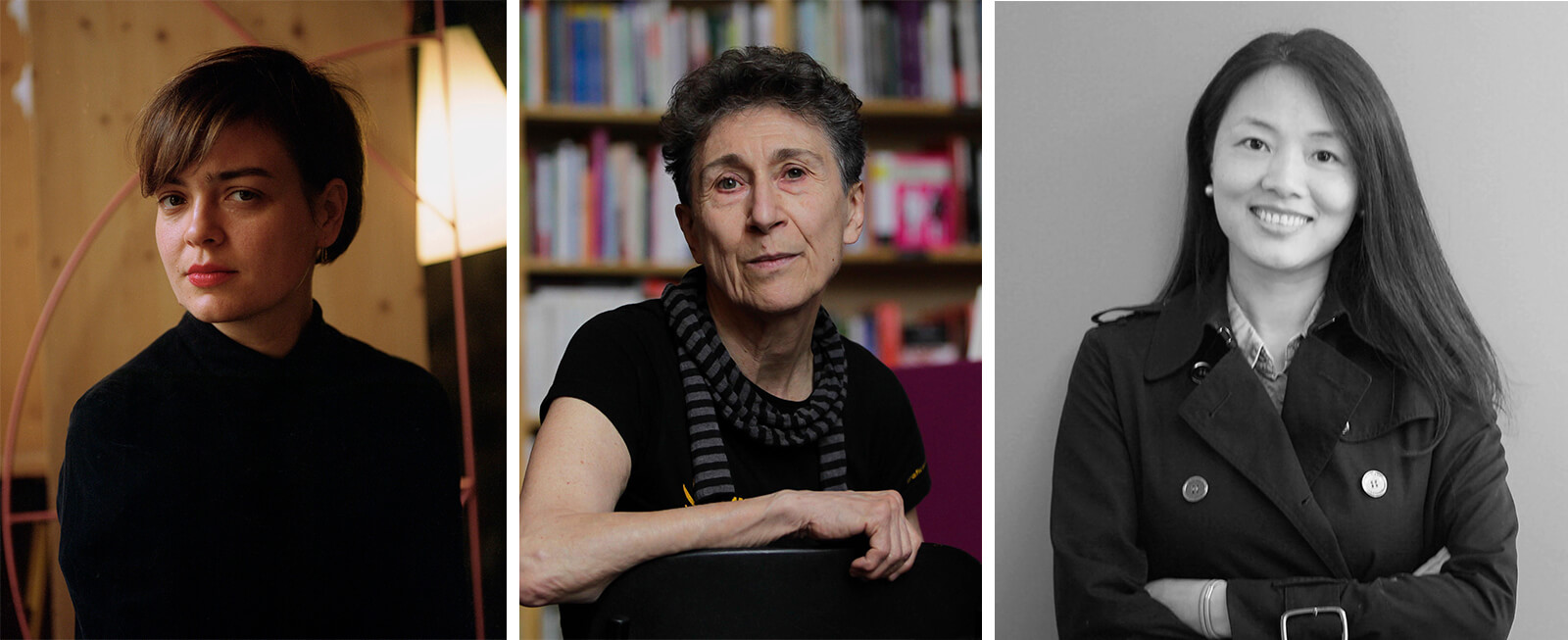
Finally, tying all these synchronous voices together through the amorphous rubric of culture and aesthetics, Becoming Attuned scrutinises the reciprocal effects of meanings and poetics and its engagement with architectural design work. Bringing to light qualities such as uncertainty, the ordinary and mundane accidentality in how design is shaped, it hopes to rethink the formal manifestation of architecture for a changing world. In conversation with Enrique Walker, this year’s Pritzker Prize laureate, Chilean architect Smiljan Radić considers Radic’s singular approach to design. Philip Upsrung, in dialogue with Alexander Brodsky, examine Brodsky’s work through the unstable ground between architecture, art and imagination, while in a panel discussion, American architecture studio MOS, Belgium-based OFFICE and Chile-based Pezo von Ellrichshausen dissect how systematic methods and an adherence to logical geometries can produce spaces that are precise yet non-prescriptive. In dialogue, Matilde Cassani, Tatiana Bilbao and filmmakers Bêka & Lemoine examine the spatial conditions through which ritual, routine and collective life take shape. And in one of the few sessions that touch on the media’s relationship with architecture, photographers Takashi Homma and Maxime Delvaux discuss photography as a way to present an alternative imagination of the city.
Research, practice and alternative approaches
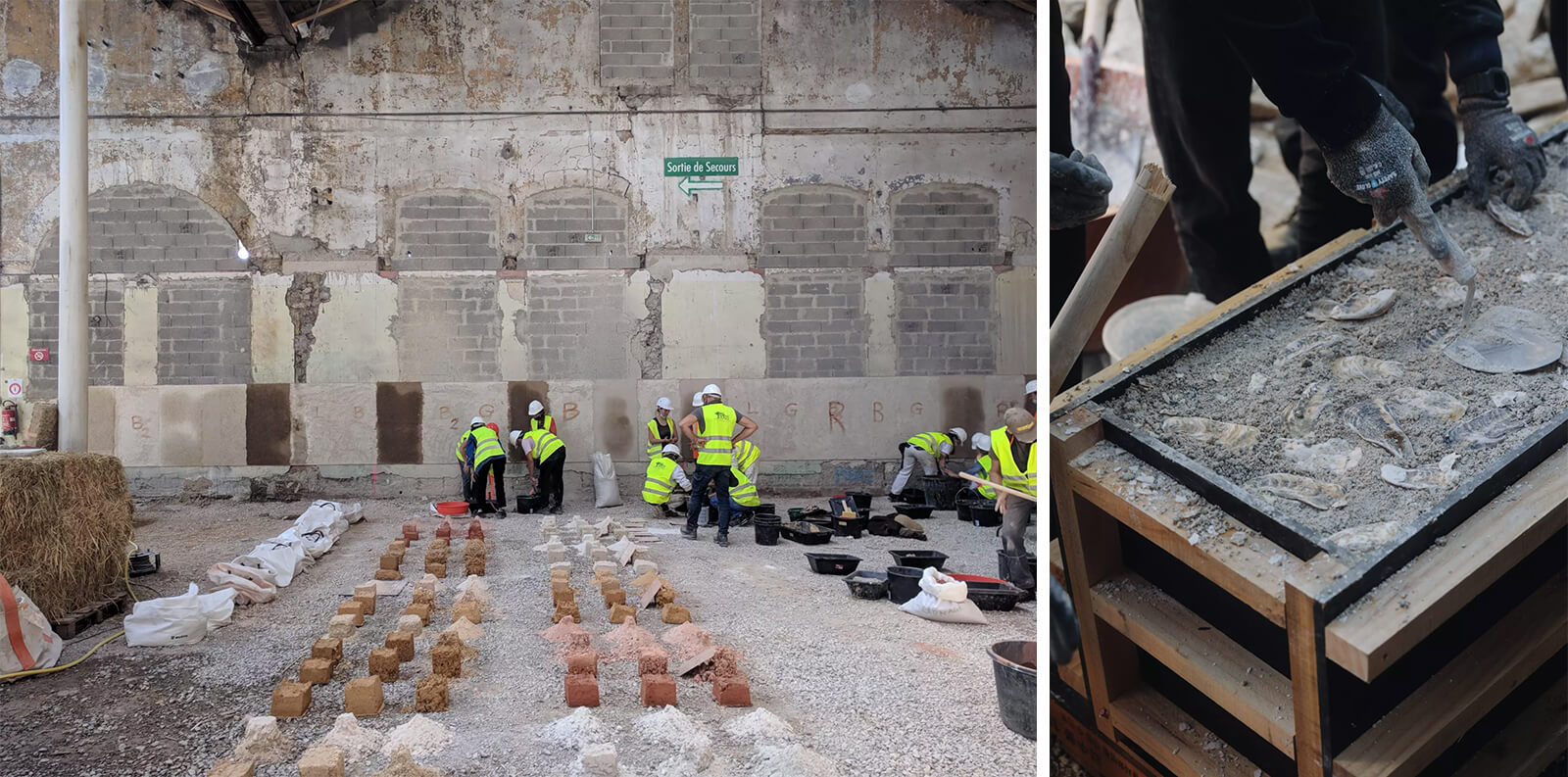
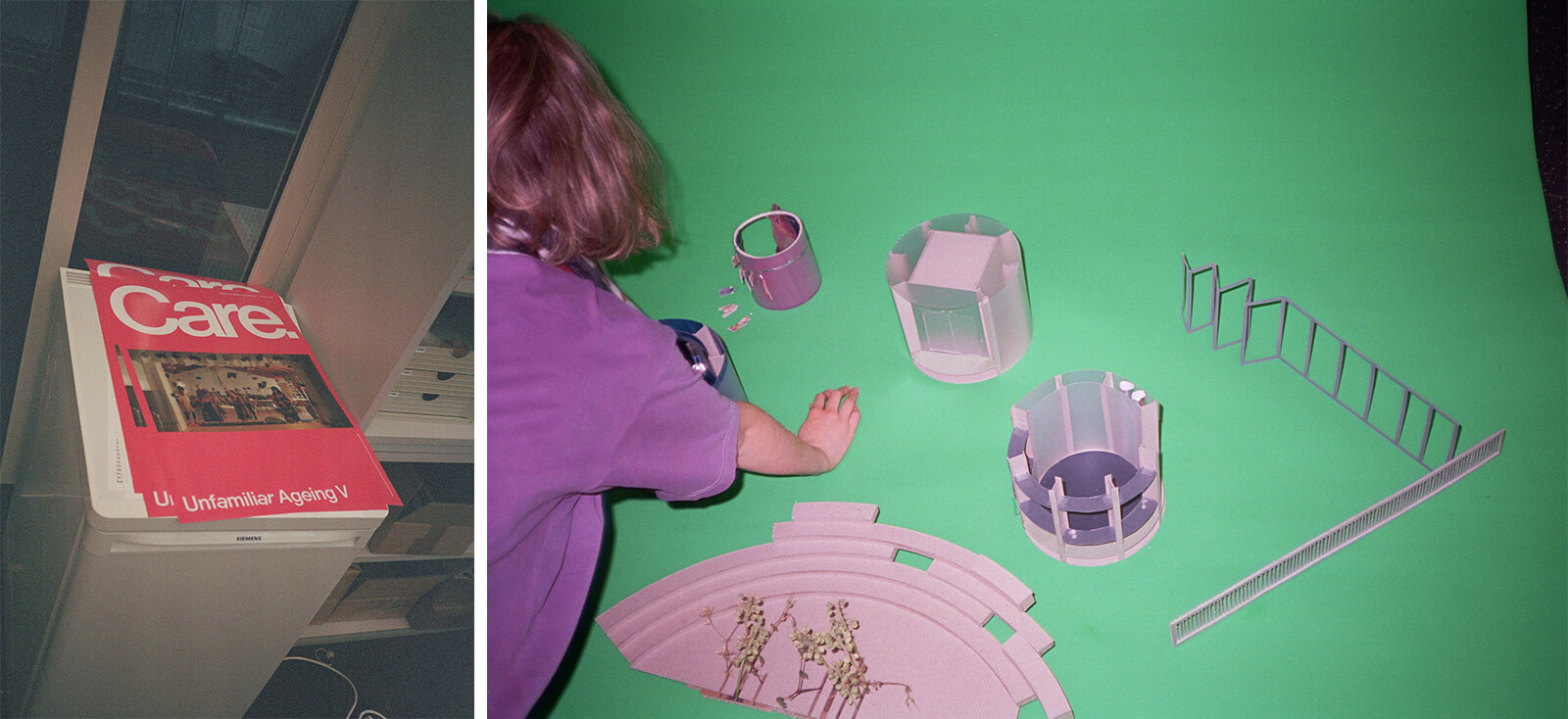
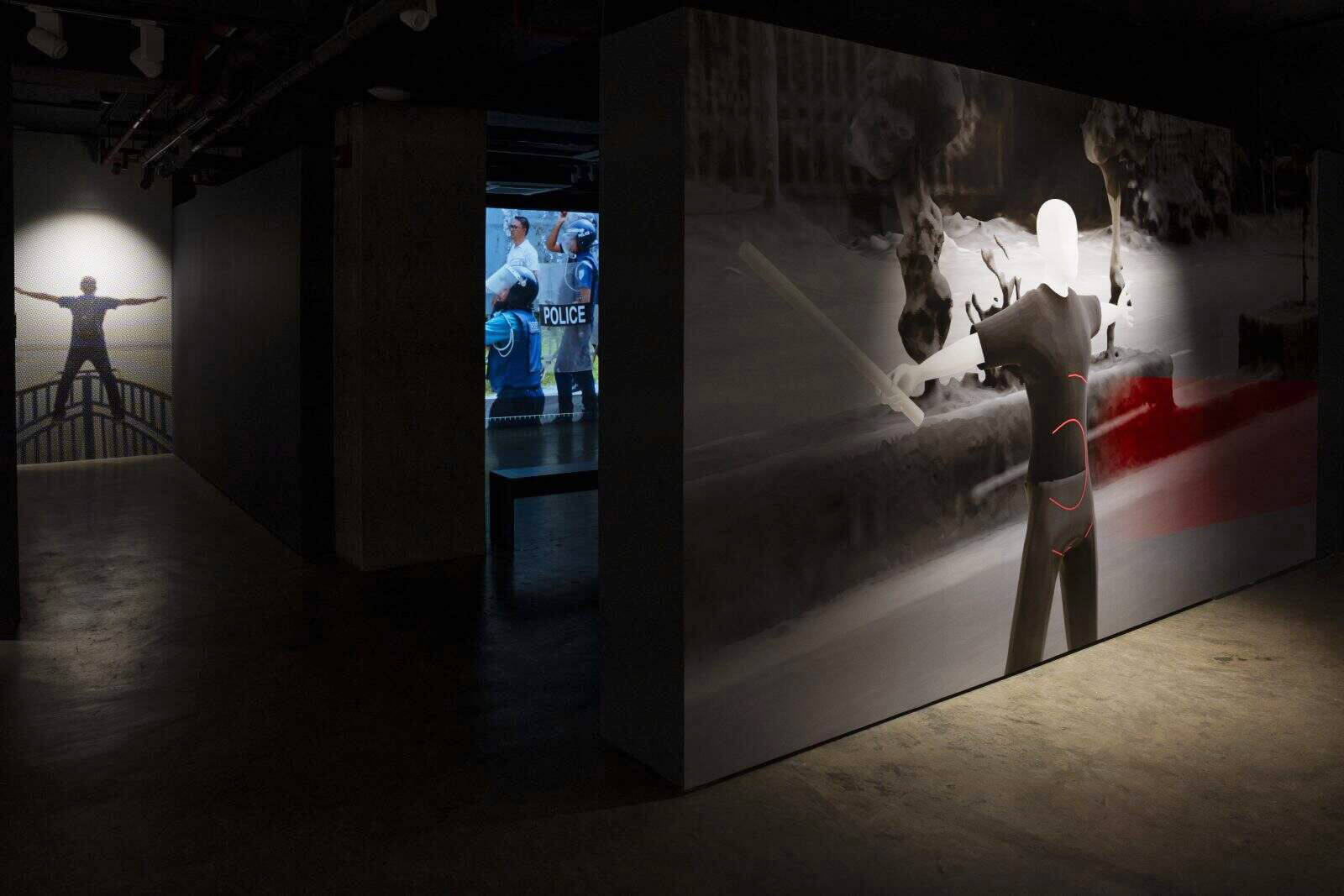
Apart from the sessions that focus on debate and presentation formats, UIA Barcelona includes an exhibition on the same theme, to be staged in the turbine hall of the Sant Adrià de Besòs power plant—the Three Chimneys building. The focus of the showcase will be to demonstrate the diversity of architectural experimentation and research in an illustrative format for more detailed scrutiny. The exhibition’s core focus will be twelve international Research by Design proposals, developed by teams over the course of a year. These discursively examine notions of care, ecological reciprocity, the significance of policies and sustainable construction processes as alternative approaches to practice today.
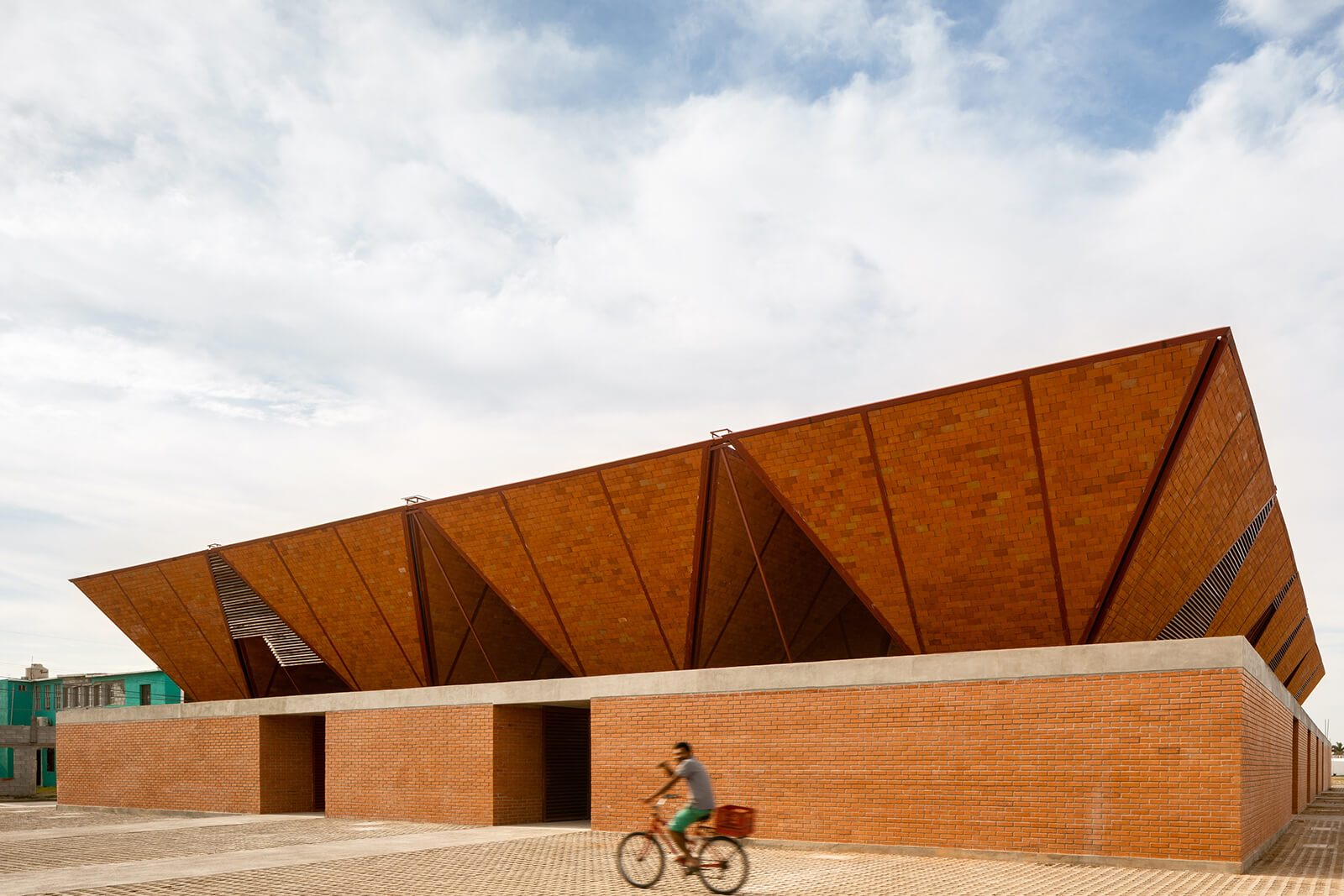
Participants include H Arquitectes; Anna Puigjaner with Care, MAIO and Pol Esteve; Forensic Architecture, led by Eyal Weizman; and HouseEurope! among others. The exhibition also includes the results of the International Emerging Workshop, bringing together 180 students, as well as a selection of winning and finalist projects from the UNESCO-UIA International Student Competitions—Catalysts of Resilience, Architecture in the Aftermath of Disasters and Light of Tomorrow by VELUX. A second exhibition, bringing together the work of the Congress speakers, with approximately 200 contributions, will allow visitors to dwell on a broad landscape of built and theoretical practices, along with a spotlight on Catalan architecture, creating a link between global practices and the local context.
Extending dialogues, fostering engagements
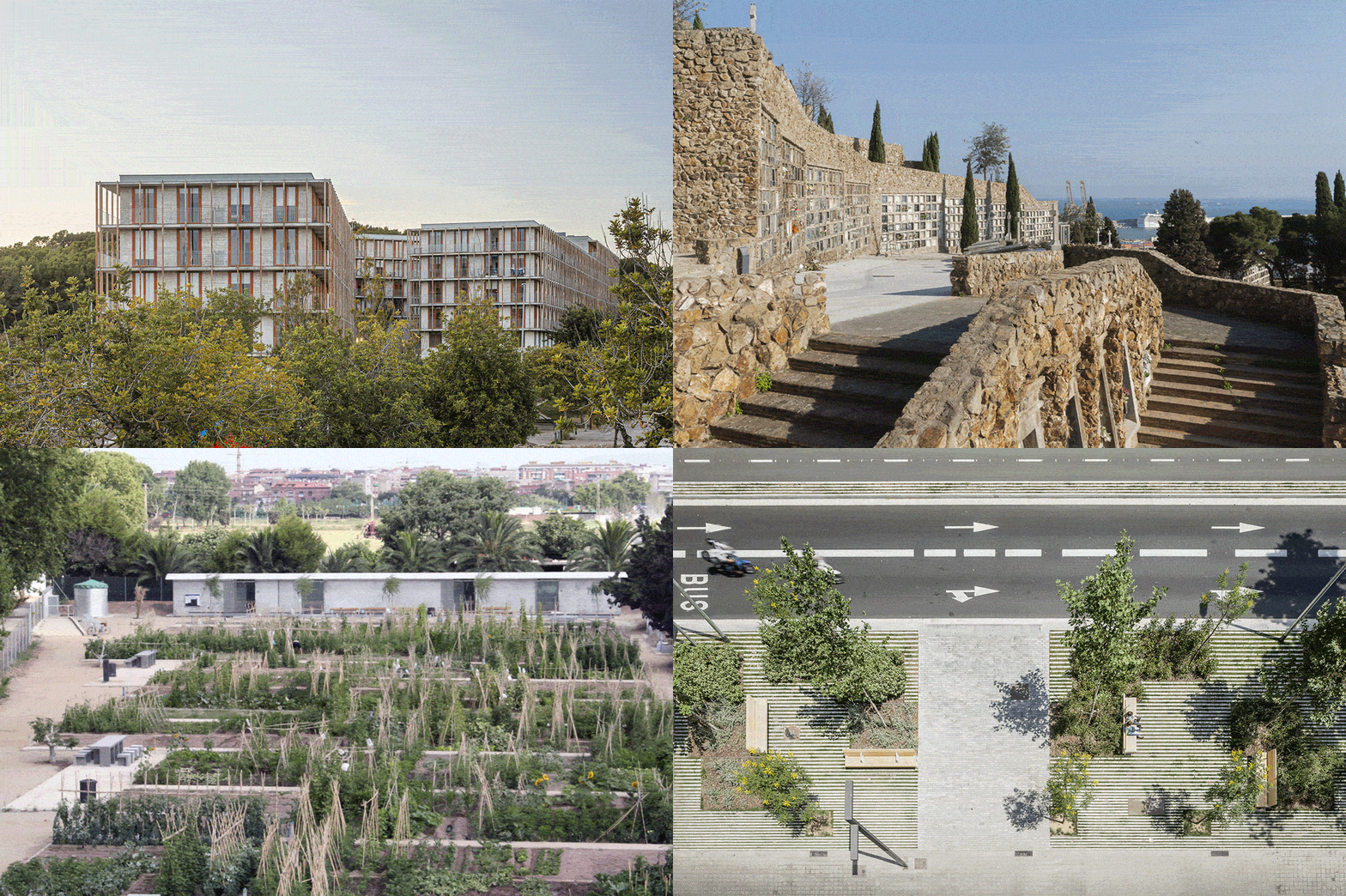
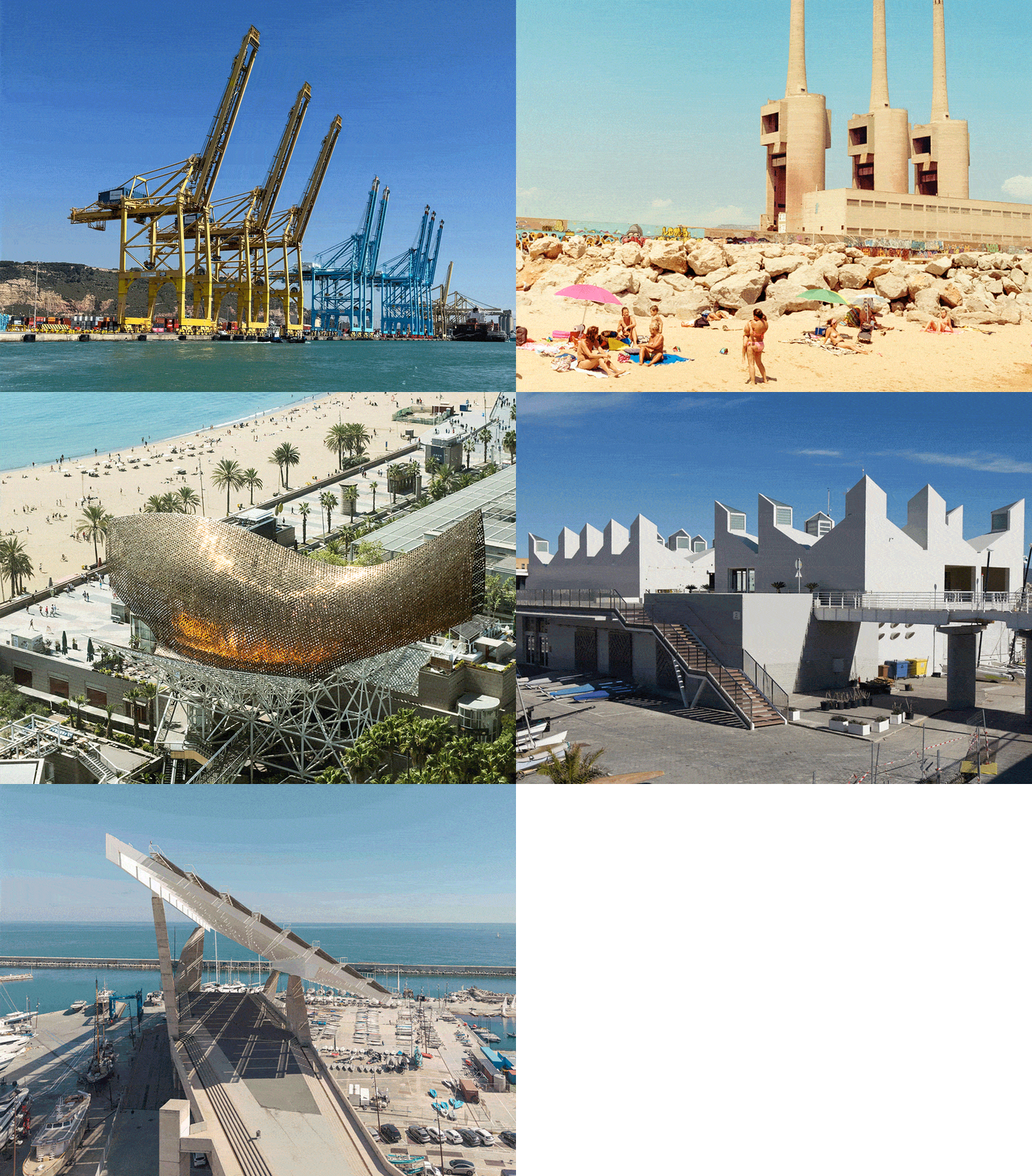
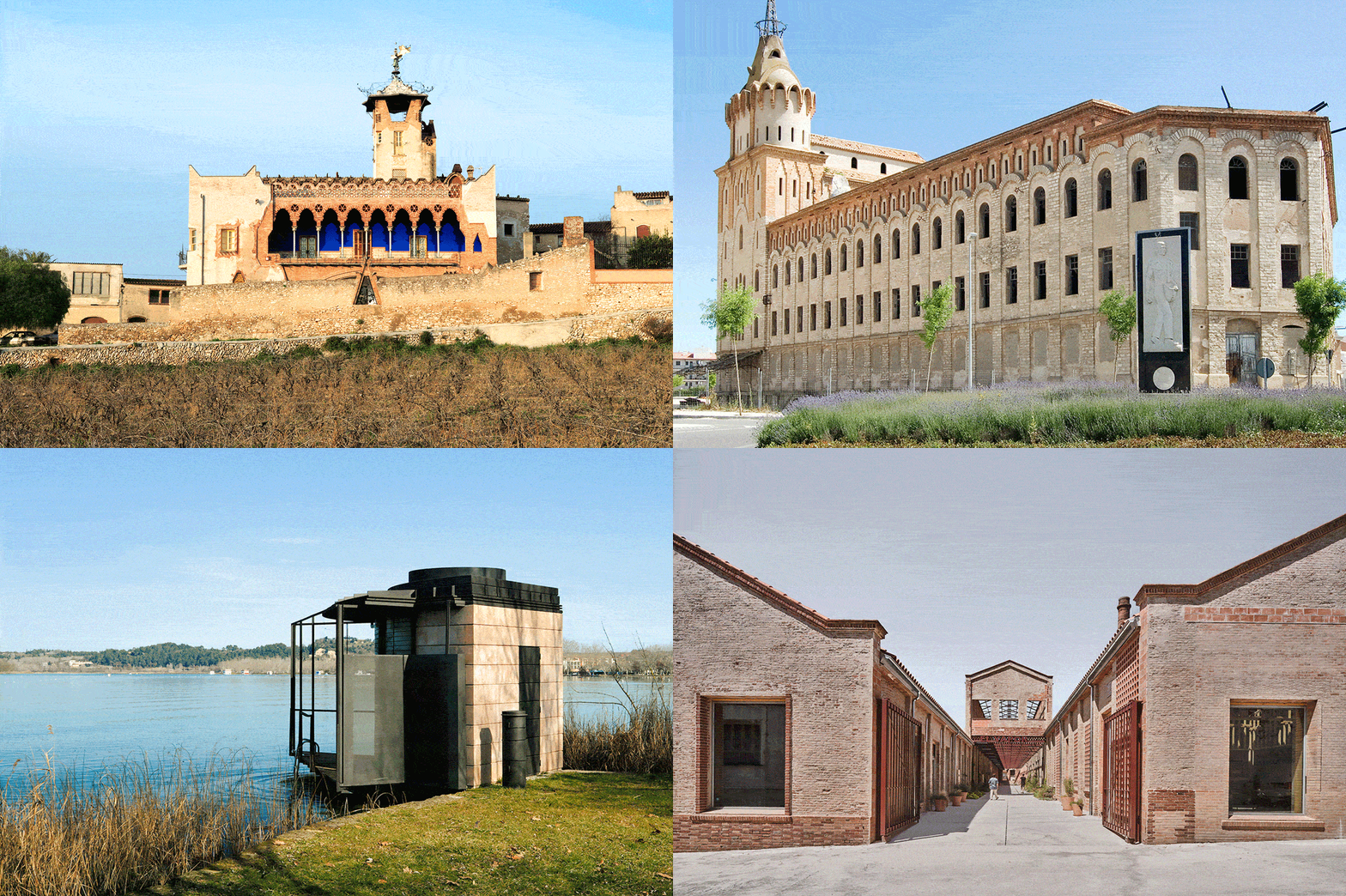
One of the most distinctive features of the 2026 Congress is its expanded dimension, creeping into the city through 70 curated routes for participants to explore how the concerns and debates expressed in the sessions have always been present in architectural practice. The planned Becoming. itineraries include routes focused on the transformation of urban infrastructures and the renaturalisation of the landscape, such as visits to the Besòs River Park and the landscape restoration of Vall d’en Joan—routes that examine how art can activate new readings of everyday space, including Casa Casas-Carbó and Espai Corberó; along with visits to new models of public housing in the region, with examples such as Illa Glòries and Fabra i Coats Social Housing.
Further, collateral events activate other institutions within the city during the days of the Congress. These parallel showcases include events such as an exhibition centred on novel circular and sustainable innovations in architecture from Japan, Catal-An Tea House, at Disseny Hub; a forum discussion on the future of practice, CICA; The Future of Architecture and Architectural Criticism at Design Hub and other parallel showcases.
Through their pluralistic programme that situates architectural discussions within the particular (the city of Barcelona) and by extension, the planetary contexts, this year’s UIA World Congress hopes to underscore the multitudinous ways in which architecture is embedded in the world. Its insistence on the relevance of the forum in disseminating ideas and engaging critical practice alike is worth noting. This is highlighted not only through the participatory format, but the very theme of this year’s Congress: Becoming as a way to think of architecture as a shifting field of operation; to think of practising in ways that are extra-architectural. To think with our entangled ways of being is to insist on activating them through dialogue.

by Pranjal Maheshwari Oct 19, 2026
The Mumbai-based architects integrate courtyards, mesh screens and north light trusses to create a dining space that doubles up as a community hub at SR University, Warangal.
by Mrinmayee Bhoot Oct 17, 2026
The Rotterdam-based institute centres the Indian Ocean as a network for exploring material histories and transnational links shaping coastal cultures, positing them as future models.
by Pranjal Maheshwari Oct 16, 2026
At the 2026 Stirling Prize ceremony, Mary Duggan with RUFF Architects, MAKER Architecten and Nakshabid Architects were felicitated for proffering quality housing and social equity.
by Mrinmayee Bhoot Oct 12, 2026
The new Centre for Contemporary Arts, fostering public engagement with art in Uzbekistan, is housed in a tram depot refurbished by the French studio, emulating local craftsmanship.

make your fridays matter with a well-read weekend
Enter your details to sign in
Don’t have an account?
Sign upOr you can sign in with
a single account for all
STIR platforms
All your bookmarks will be available across all your devices.
Stay STIRred
Already have an account?
Sign inOr you can sign up with
Verification link sent to check your inbox or spam folder to complete sign up process
Tap on things that interests you.
Select the Conversation Category you would like to watch
Please enter your details and click submit.
Enter the 6-digit code sent at


Pluralistic notions of Becoming shape the UIA World Congress of Architects 2026
by Mrinmayee Bhoot | Published on : Jun 23, 2026


 Sign in with Google
 Sign in with email
What do you think?