Design05 mins. read
Mayfair Design District 2025 professes converging cultures Beyond Boundaries
by Bansari PaghdarSep 30, 2025



by Bansari PaghdarPublished on : Mar 20, 2026
In West Africa, creative processes are rooted in tradition and regional unity, influencing design customs, forms and scales. Often, these processes and their results create a shared living experience that engages both creators and users. An exhibition, Design In West Africa: Unity in Multiplicity, at the Palais de Lomé in Togo, highlights this phenomenon, featuring works of over 20 artists and designers from Togo, Burkina Faso, Ivory Coast, Ghana, Nigeria, Senegal and Mali. A historical arts and culture centre built in 1905, Palais de Lomé is dedicated to showcasing national and pan-African cultural expressions, spanning photography, sculpture, new media and design in its various exhibition spaces and an 11-hectare botanical garden. After the socio-political unrest between 1990 – 1991, the building fell into a state of neglect for more than two decades, and was eventually restored between 2014 to 2019. In November 2019, the building opened its doors to the public for the first time in its history.
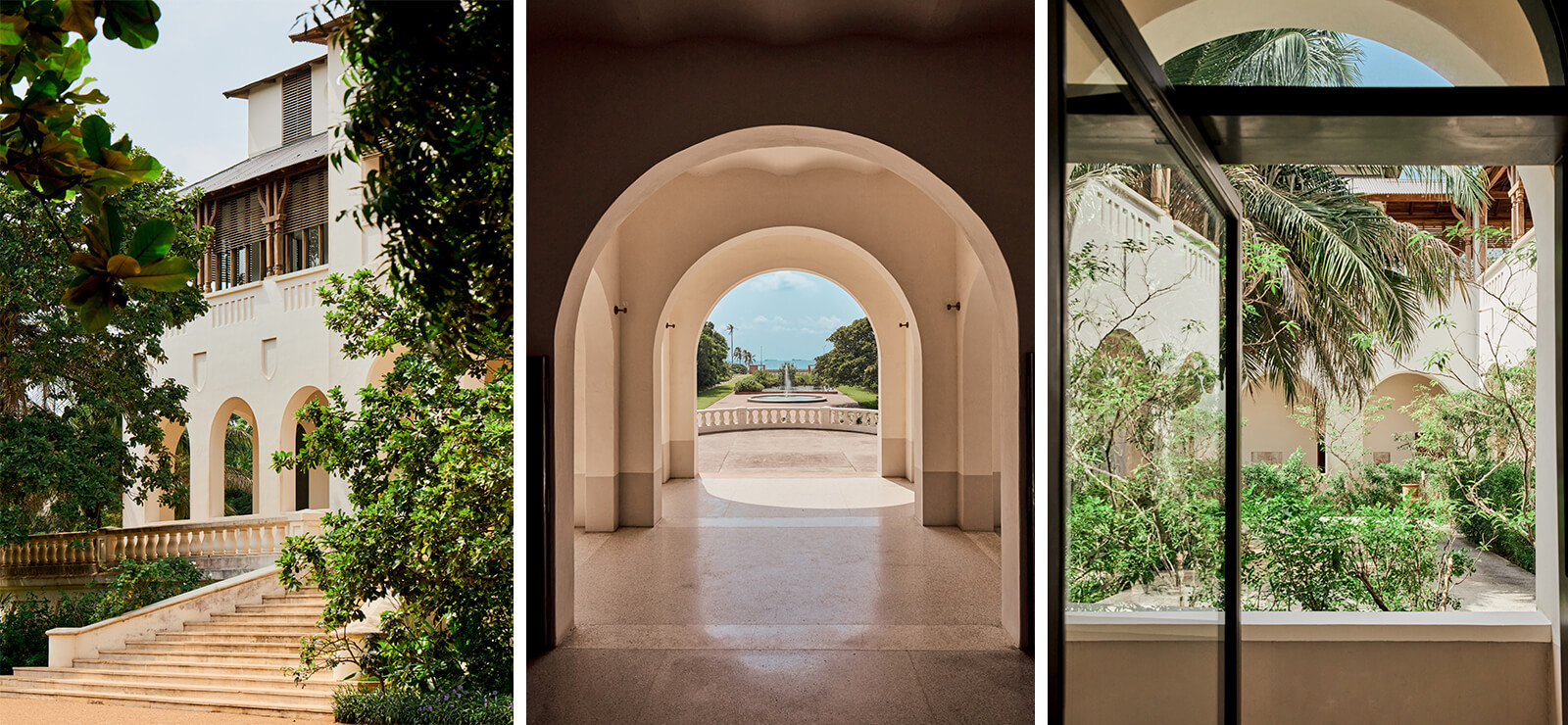
Curated by Canadian-Italian architect and curator Nicolas Bellavance-Lecompte and directed by Sonia Lawson, director of the Palais de Lomé, the design exhibition stands at the crossroads of design, art and craftsmanship. Running through May 30, 2026, the showcase is born out of a desire to celebrate the diversity of materials, creativity, cultural references, countries of origin and backgrounds of the participants, without conforming to singular labels and identities. Reaffirming the role of design as a ‘language of resistance, memory and vision,’ the exhibition reveals the artists’ endurance and sheer will to fuse ancestral heritage with contemporary design.
“The selection process was deeply research-driven and rooted in proximity. It involved travelling, engaging with local scenes and building relationships with artists, artisans and designers across multiple West African countries. What was important was not to impose an external narrative, but to identify practices that are genuinely embedded in their context while also contributing to a broader contemporary discourse,” Bellavance-Lecompte tells STIR. Eschewing rigid hierarchical or disciplinary structures, the exhibition brings together diverse creatives—from urban practitioners and internationally renowned designers to self-taught makers and rural artisans. In this light, the curatorial process becomes as essential as the exhibits. It provides a platform that embraces diversity and shared belonging, where these voices have an equal and conversational presence, steering away from singular narratives.
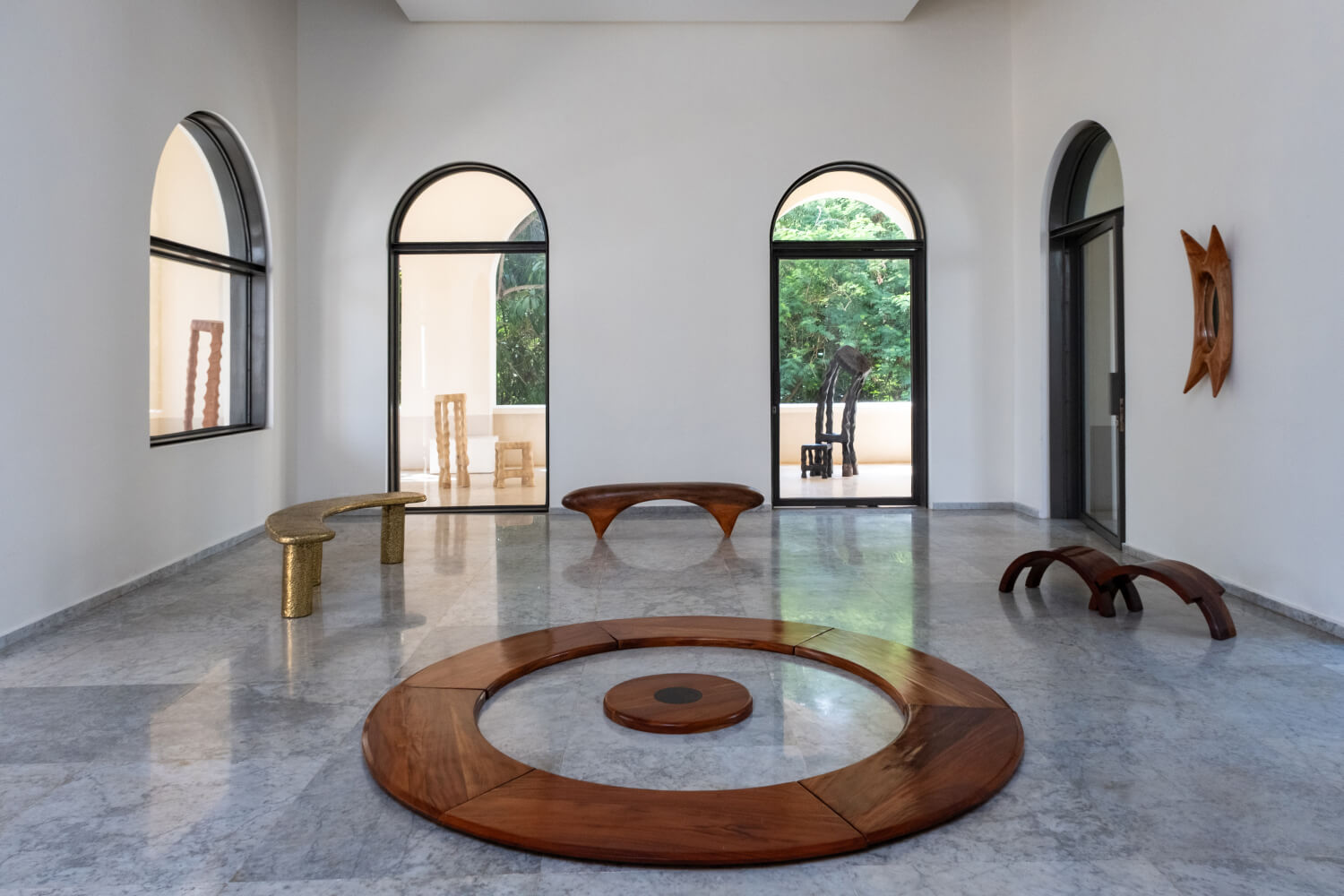
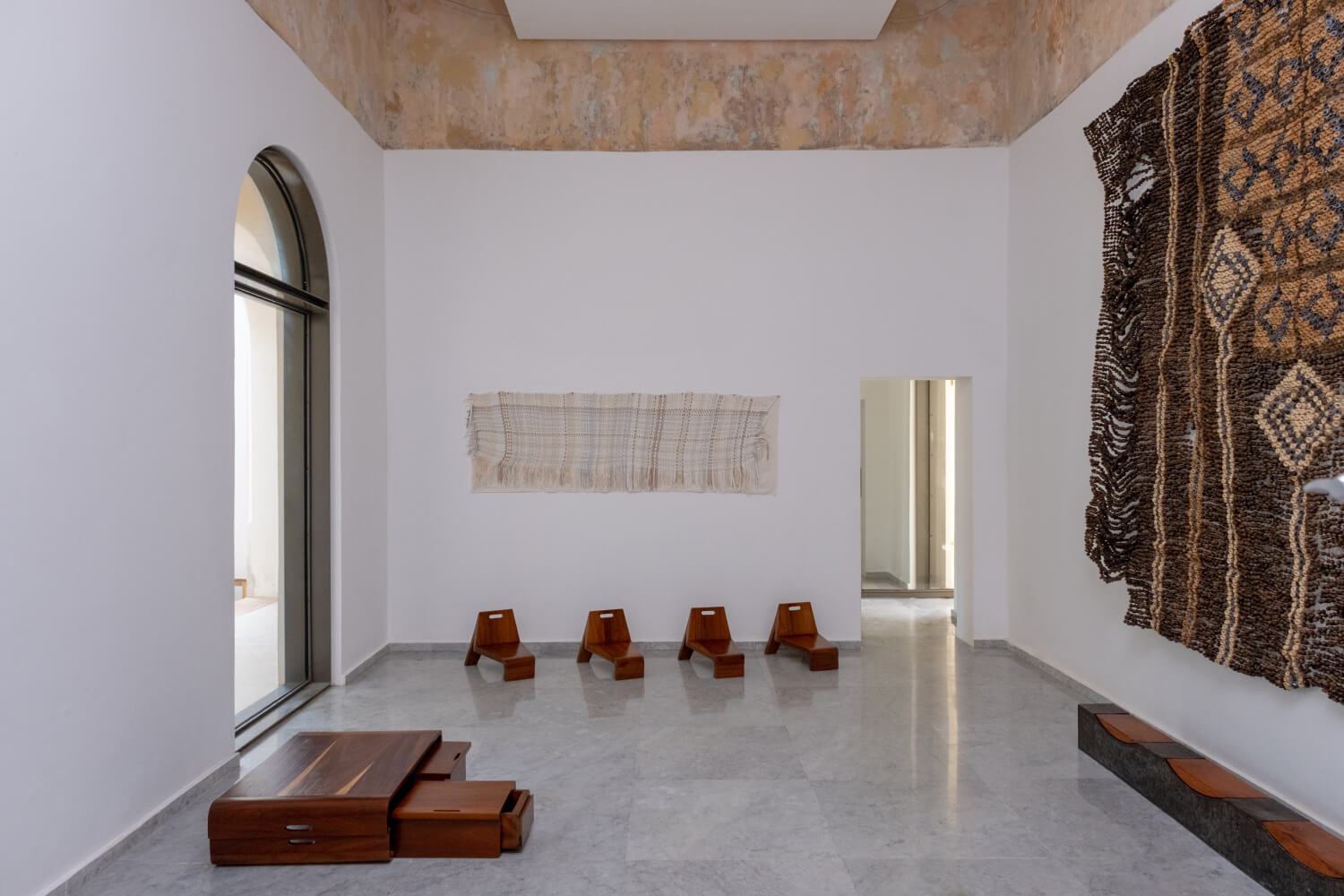
The exhibition is an exploration across three major subject matters. The first is ‘Design as Transmission,’ where the displayed objects and installations spotlight narratives across memory, spirituality, craftsmanship and innovative design. It attempts not to resolve the differences between these factions, but to let them flourish in coexistence and complementary relevance. While presenting design as a projection into the future, the exhibition comprises never-before-seen works, collaborative research and site-specific installations that explore possibilities of West African design futures.
“The cohesion does not come from a single aesthetic or medium, but from a shared philosophy of making. Across all the works, there is a common understanding of the object as something alive, something that carries meaning beyond its function. The exhibition is therefore structured less as a sequence of categories and more as a constellation of practices,” Bellavance-Lecompte adds. The scenography at the Palais de Lomé reinforces this idea by ensuring that objects are in a constant dialogue with architecture, light and the surrounding landscape. This allows visitors to intuitively draw relationships across geographies and disciplines, making the exhibition experiential as they develop a deeper understanding of materials and narratives.
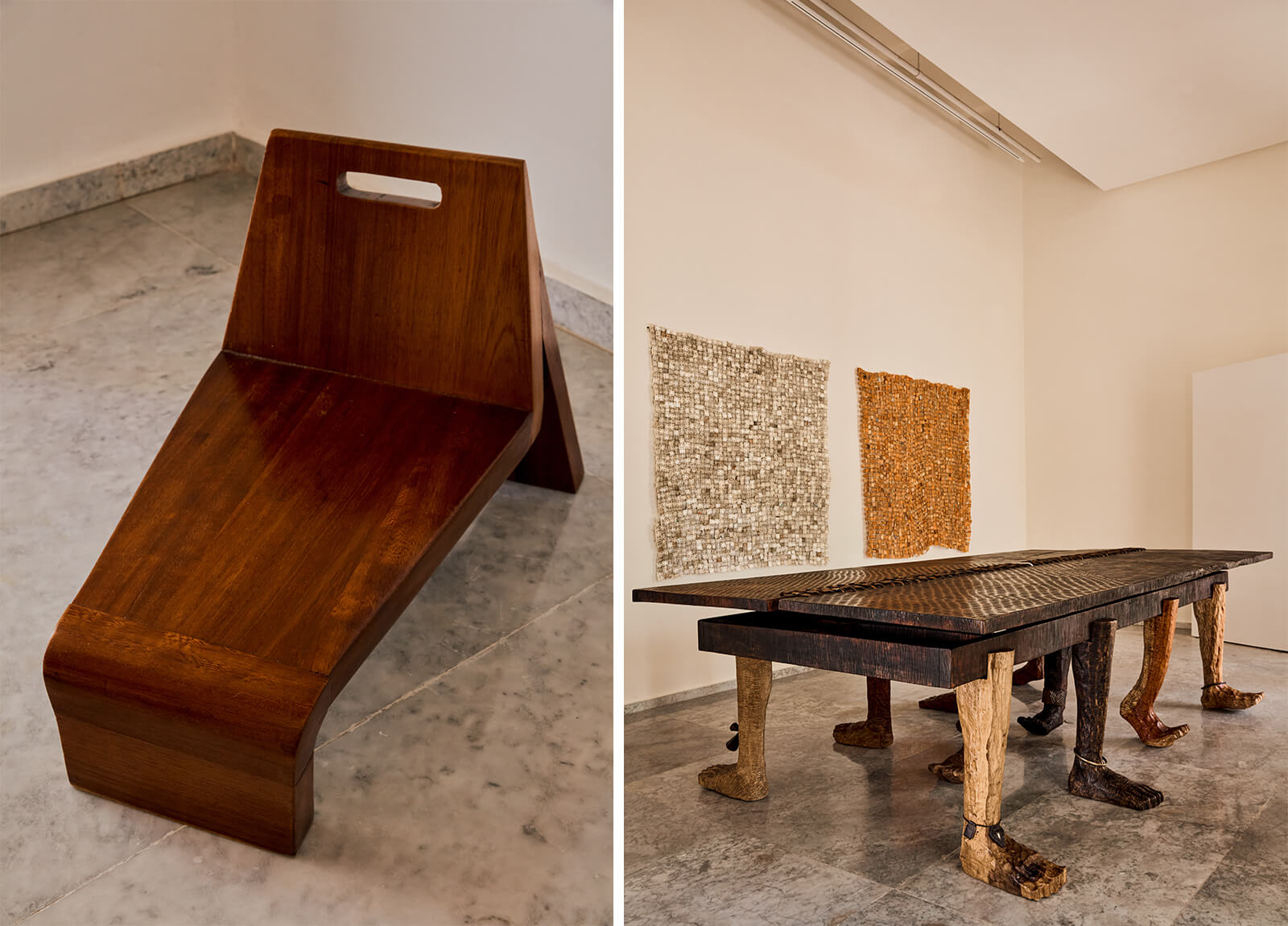
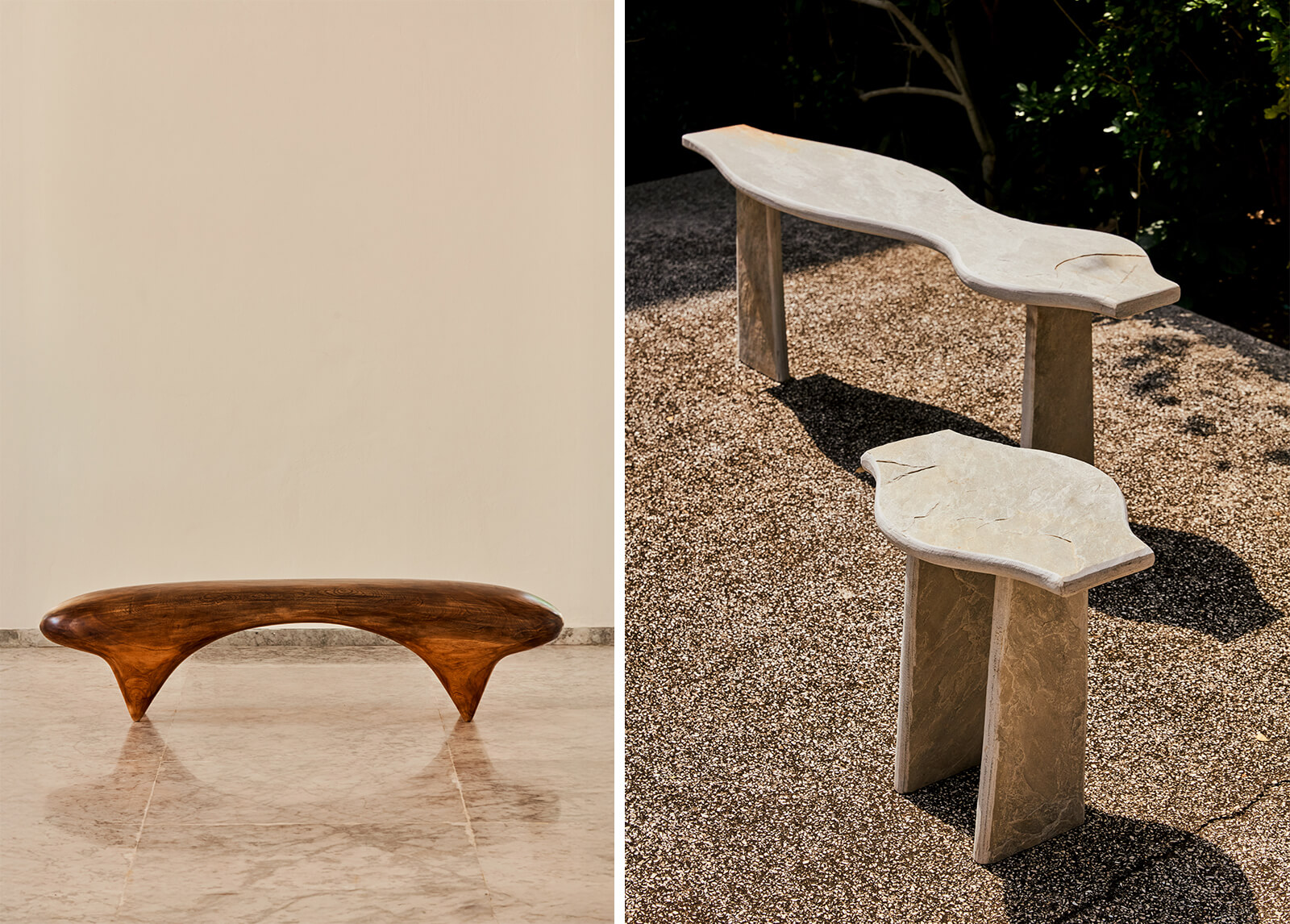
Togolese artist and designer Kossi Assou’s low-lying seats are on display, channelling the traditions of the Sahel region. His practice—comprising sculptures, installations and visual art—is rooted in African traditions and rituals, crafting objects with a profound sense of abstraction. Another Togolese sculpture artist, Steve Kwami Dodji Gbeteglo, presents a wooden table with numerous legs that each honoured various communities of enslaved people. Through the design of wooden objects, his practice draws on allegories from African social imagination and indigenous ritual traditions.
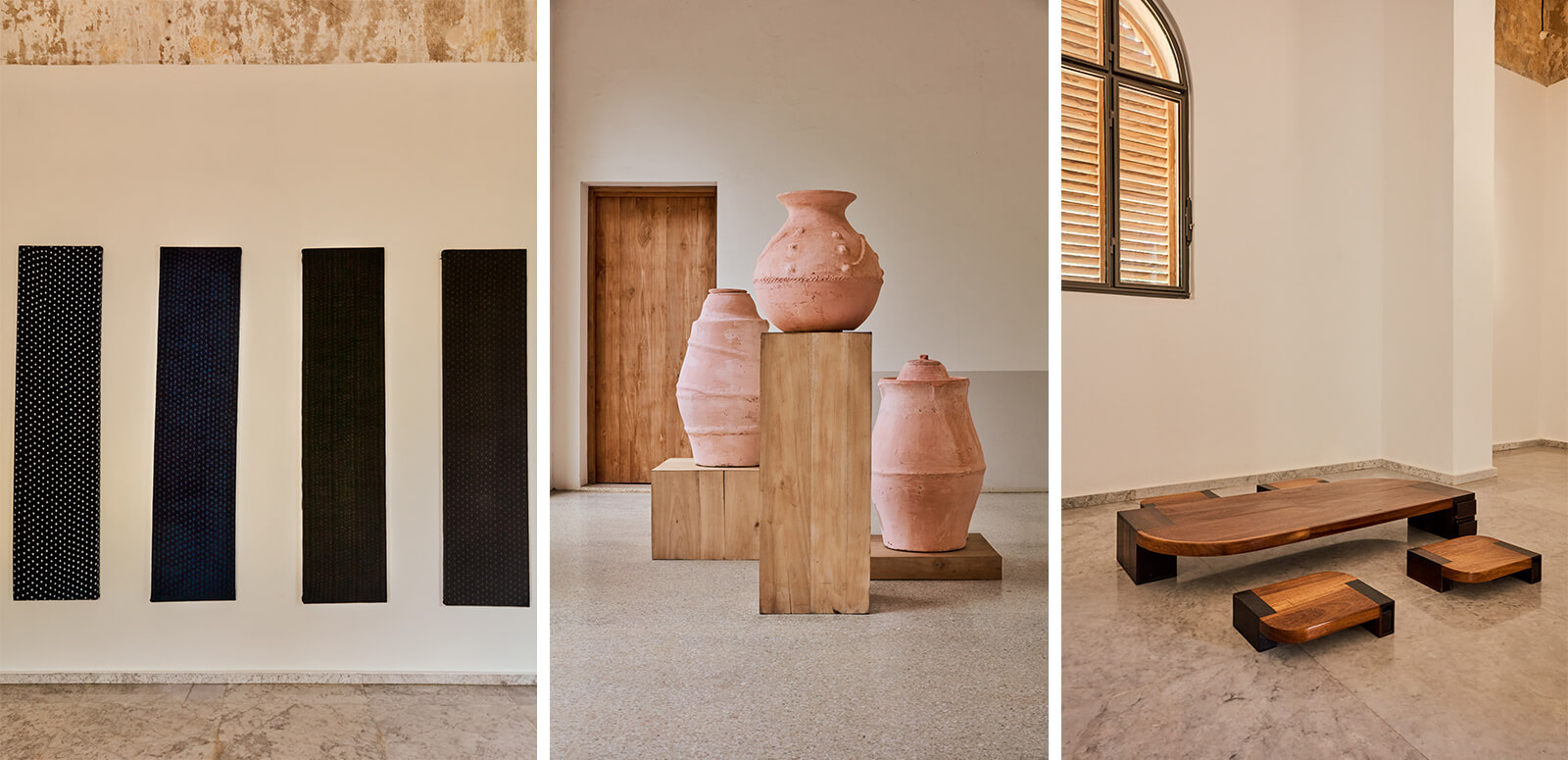
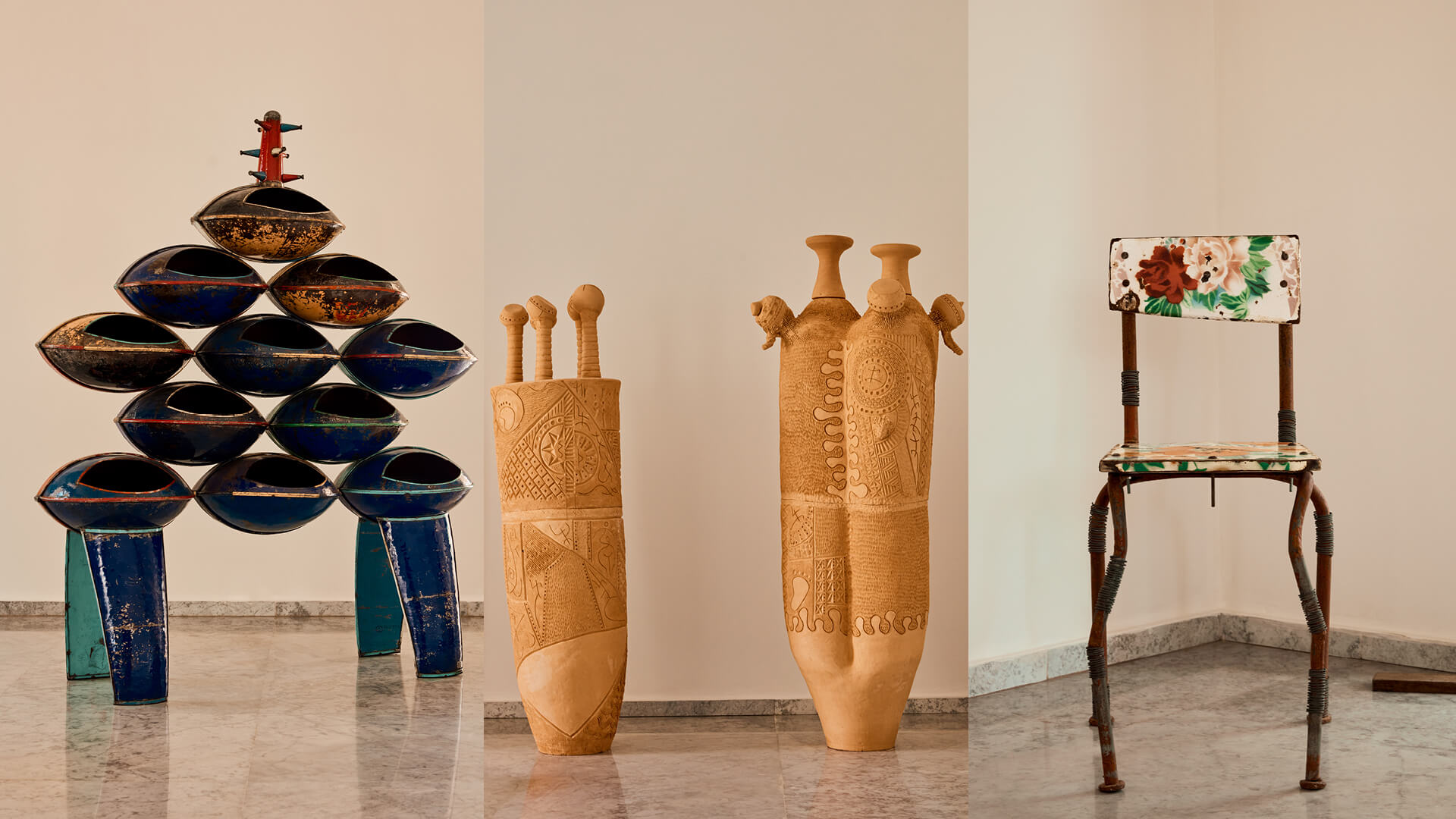
Togolese potter Affiavi presents a cluster of pots inspired by her dreams and village traditions, carrying forward the art of pottery, a foundational practice in her community. Ameyovi Homawoo, a Togolese multidisciplinary artist who operates across painting, sculpture, video and design, presents wooden furniture, including a low-lying table and four seats. Her practice celebrates women’s resilience and emotional strength, conveying dignity and hope through both personal history and the collective condition of women.
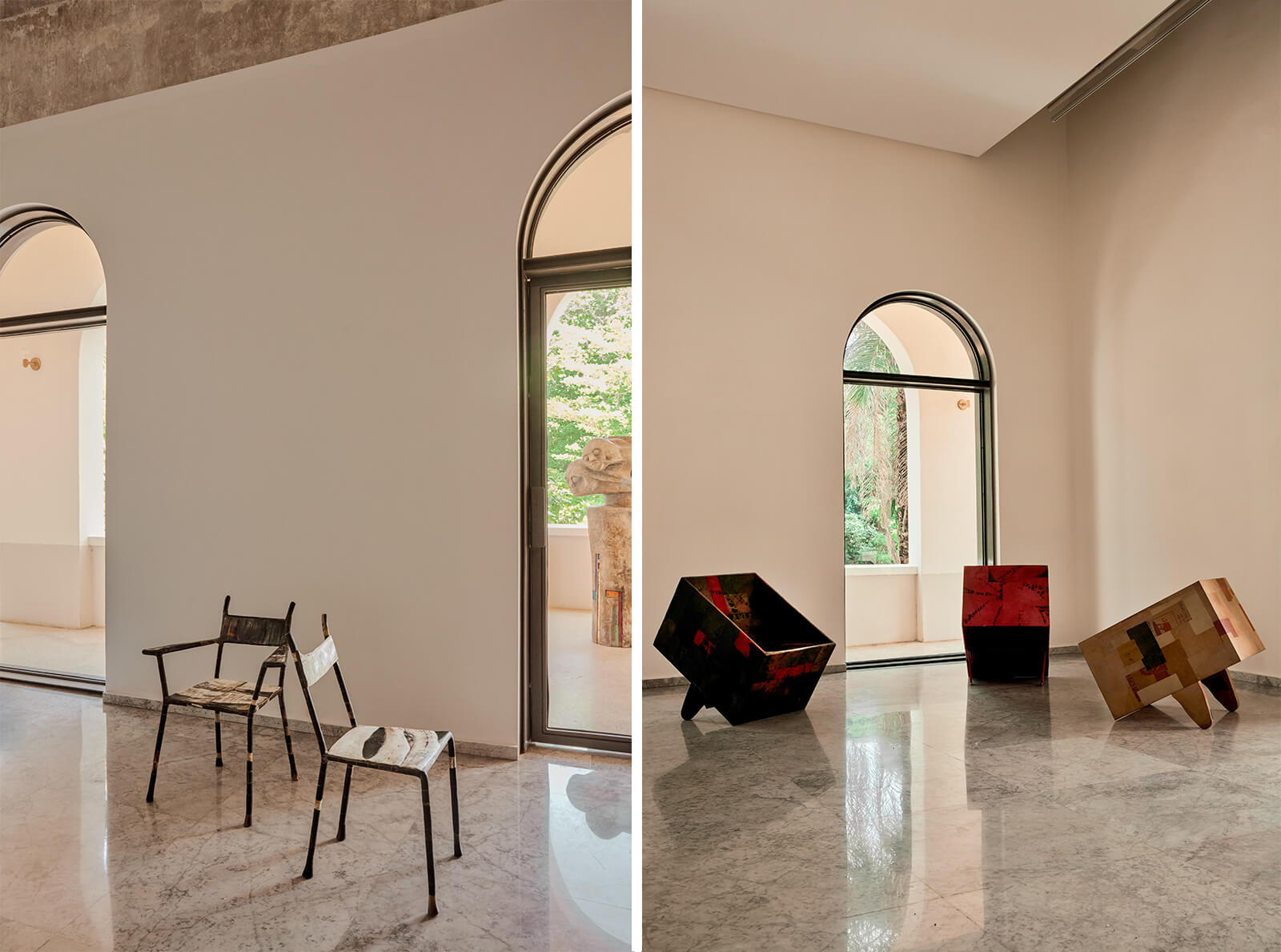
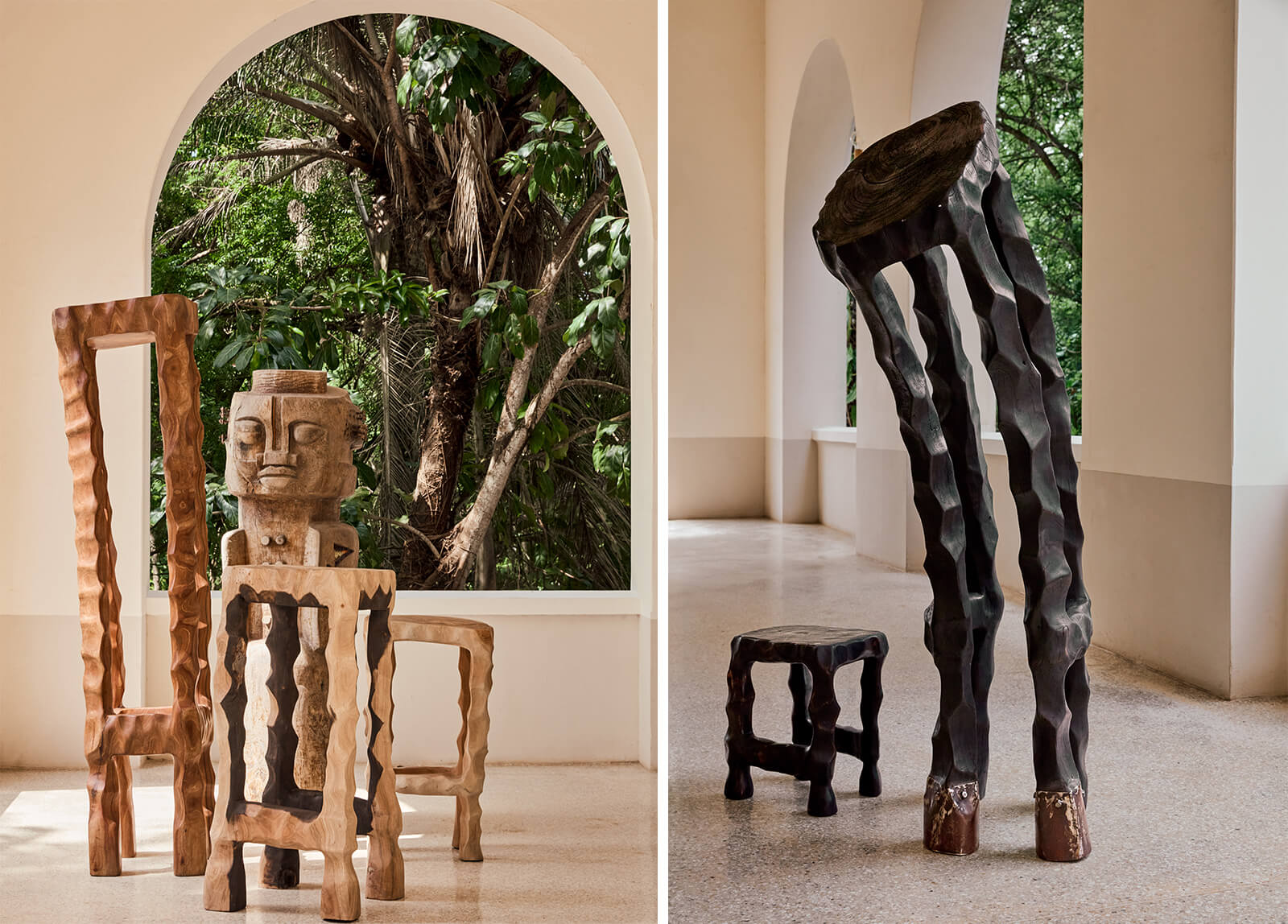
Rufisque-based artist and designer Balla Niang’s chair designs bask in natural light at the exhibition space. Inspired by material transformations, the creative from Senegal creates poetic furniture and sculptural offerings in wood, iron and ox horn. Further, Malinese contemporary African designer Cheick Diallo presents a few armchairs, embodying technical precision, craftsmanship and material intelligence of West Africa, whereas Togolese sculptor and designer Afi Elikplim Akogonya’s wooden sculptures evoke diverse material expressions centring nature and human experience.
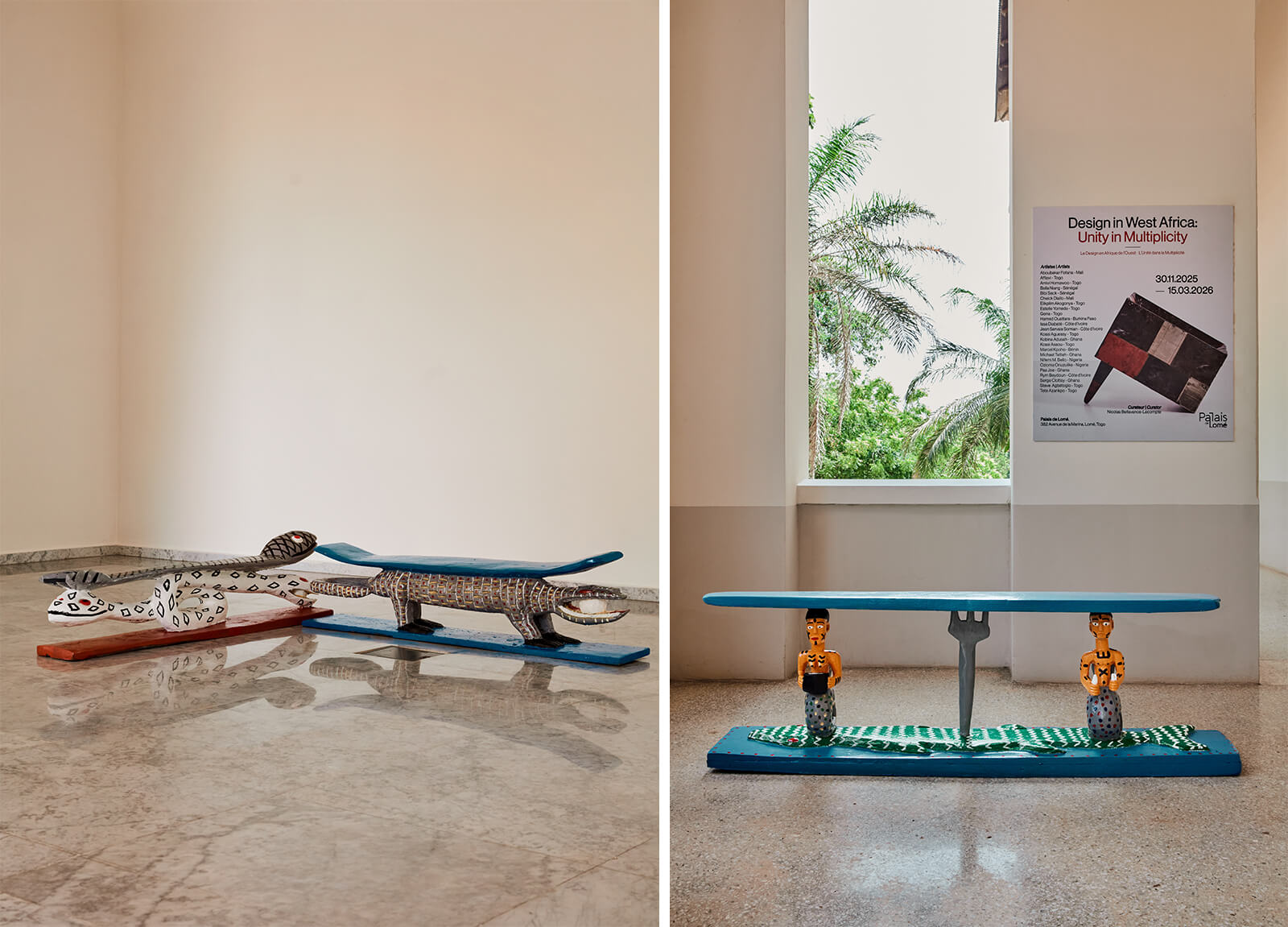
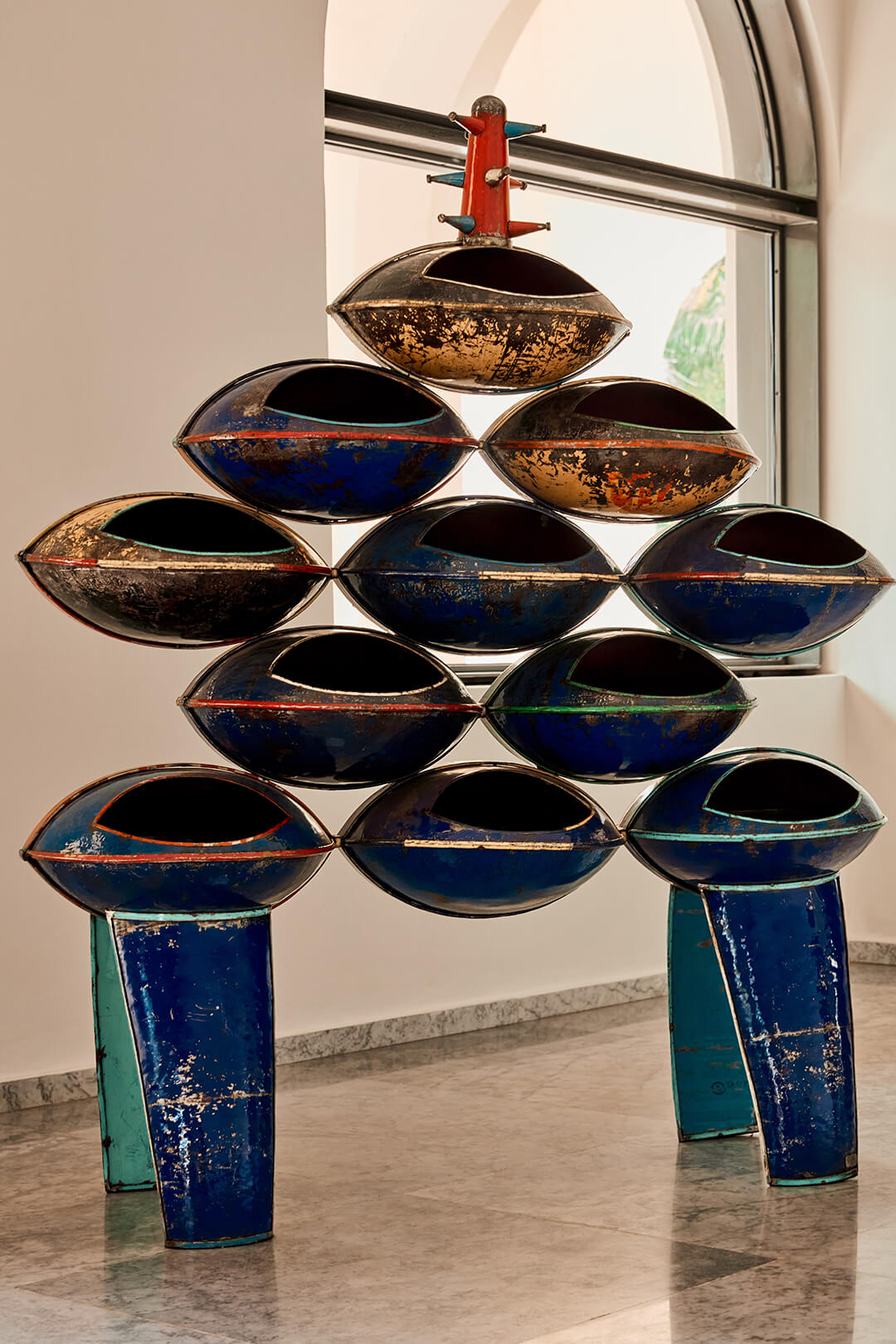
Artist and designer Estelle Yomeda of Franco-Togolese origin presents a series of wooden table designs. Founder of Kente Project ArtLab, she explores traditional crafts through contemporary forms, seeking inspiration from the Kente weaving traditions of Togo and Ghana that feature complex geometric designs. Togolese sculptor Kpedzrokou Kossi, also known as Gona, presents sculptural pieces inspired by creatures such as snakes and alligators, their wooden forms embodying ancestral symbolism and tactile expressions. Elsewhere, Ouagadougou-based Hamed Ouattara—whose works are characterised by distinct transformations of recycled materials such as barrels, metal sheets and industrial remnants into furniture offerings—presents a cabinet in which craftsmanship and circular design principles coalesce.
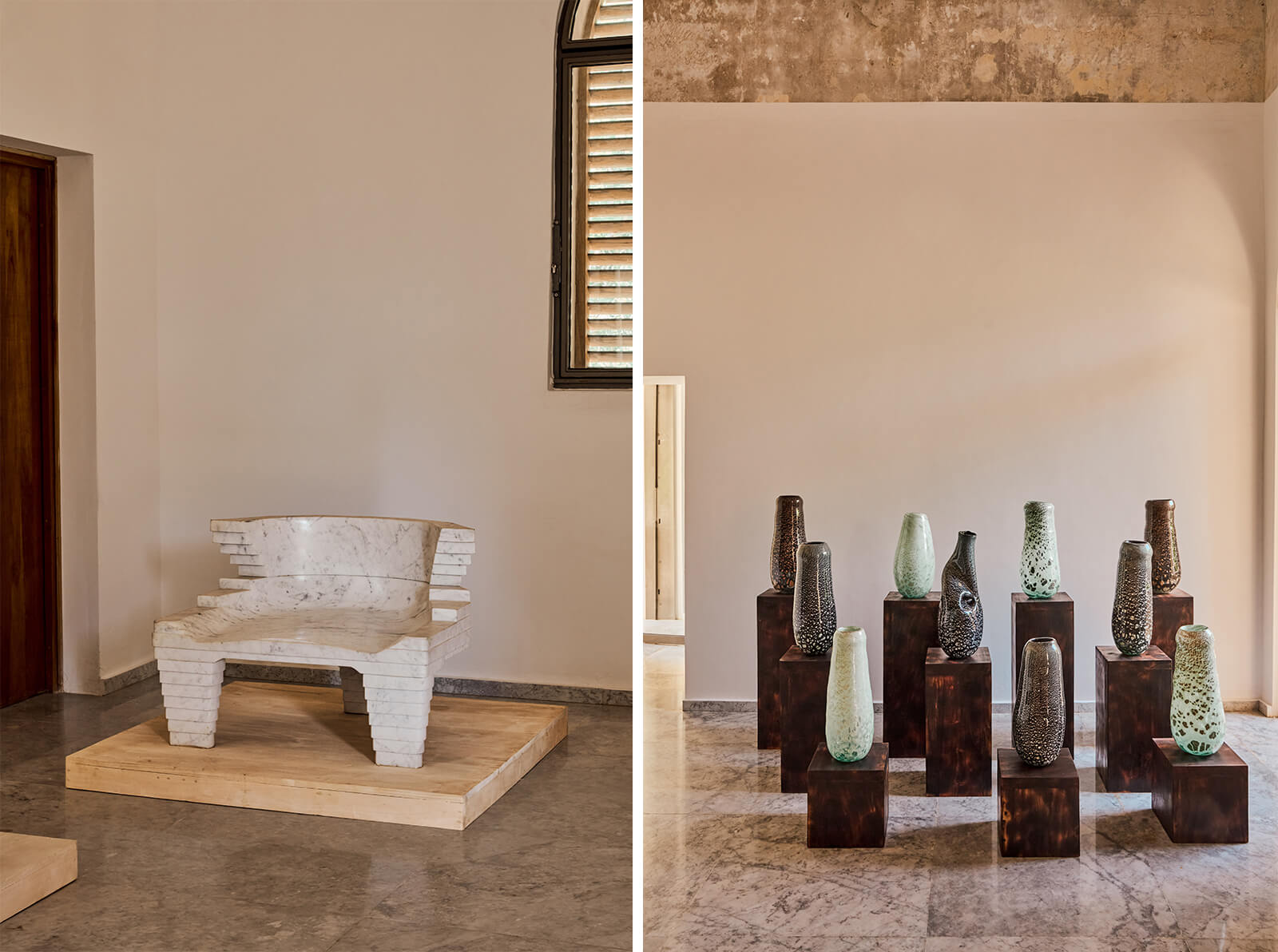
Kossi Aguessy, the late visionary designer born in Lomé, is represented in the exhibition through his iconic armchair, which seamlessly merges advanced industrial techniques with a deeply humanist and cultural sensibility. Internationally acclaimed for his Useless Tool chair—crafted using aerospace engineering methods—Aguessy was committed to advancing technology and nurturing the creative sector across Africa.
Also featured is Ghanaian artist Michael Tetteh, who grew up in Manya Krobo, a region renowned for its bead-making traditions. Having studied bead-making and jewellery design, Tetteh developed a strong interest in creative practices involving recycled glass, eventually mastering blown-glass techniques. For the exhibition, he presents a series of vases crafted from discarded materials such as broken bottles, louvre blades and television screens.
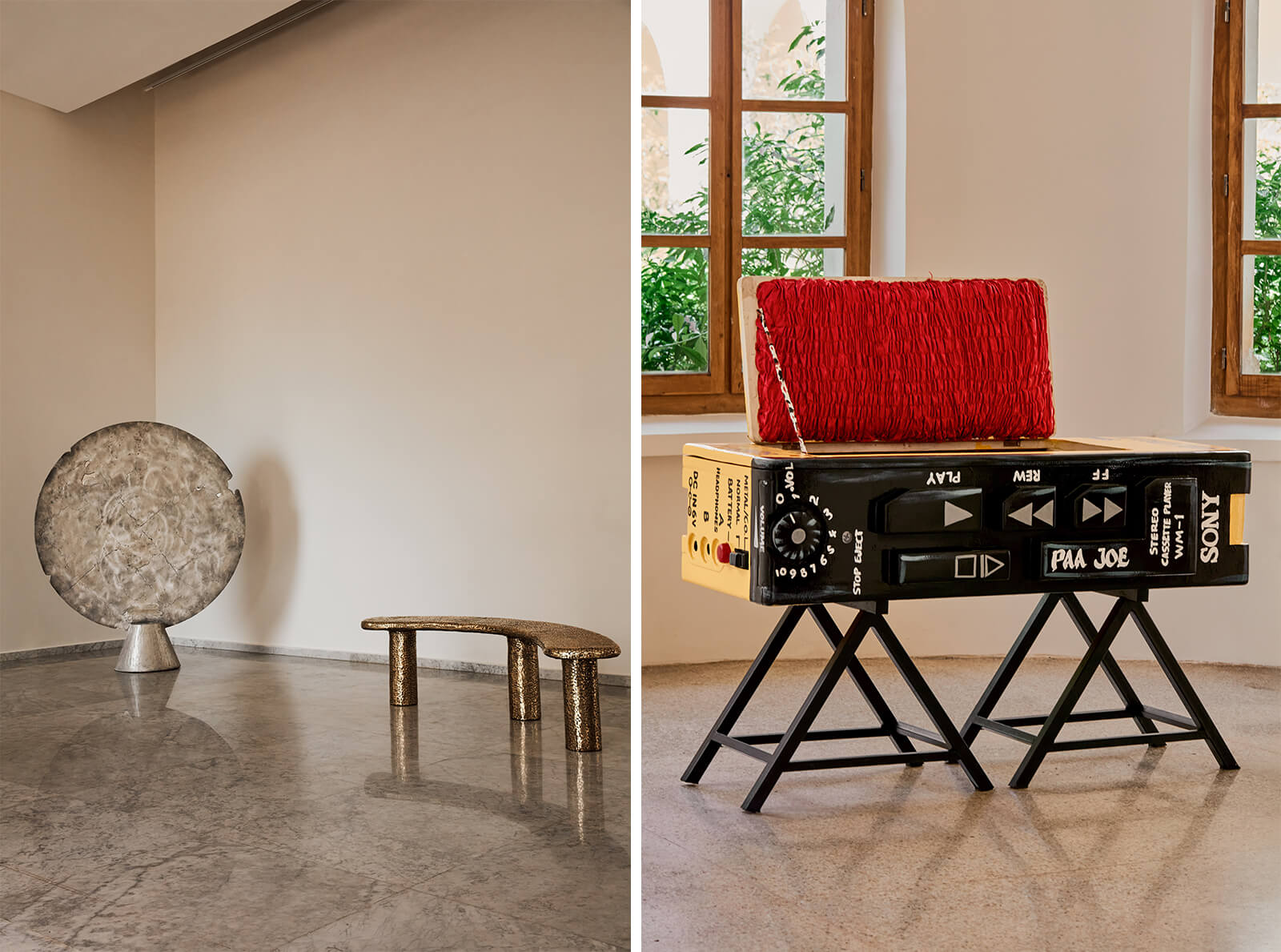
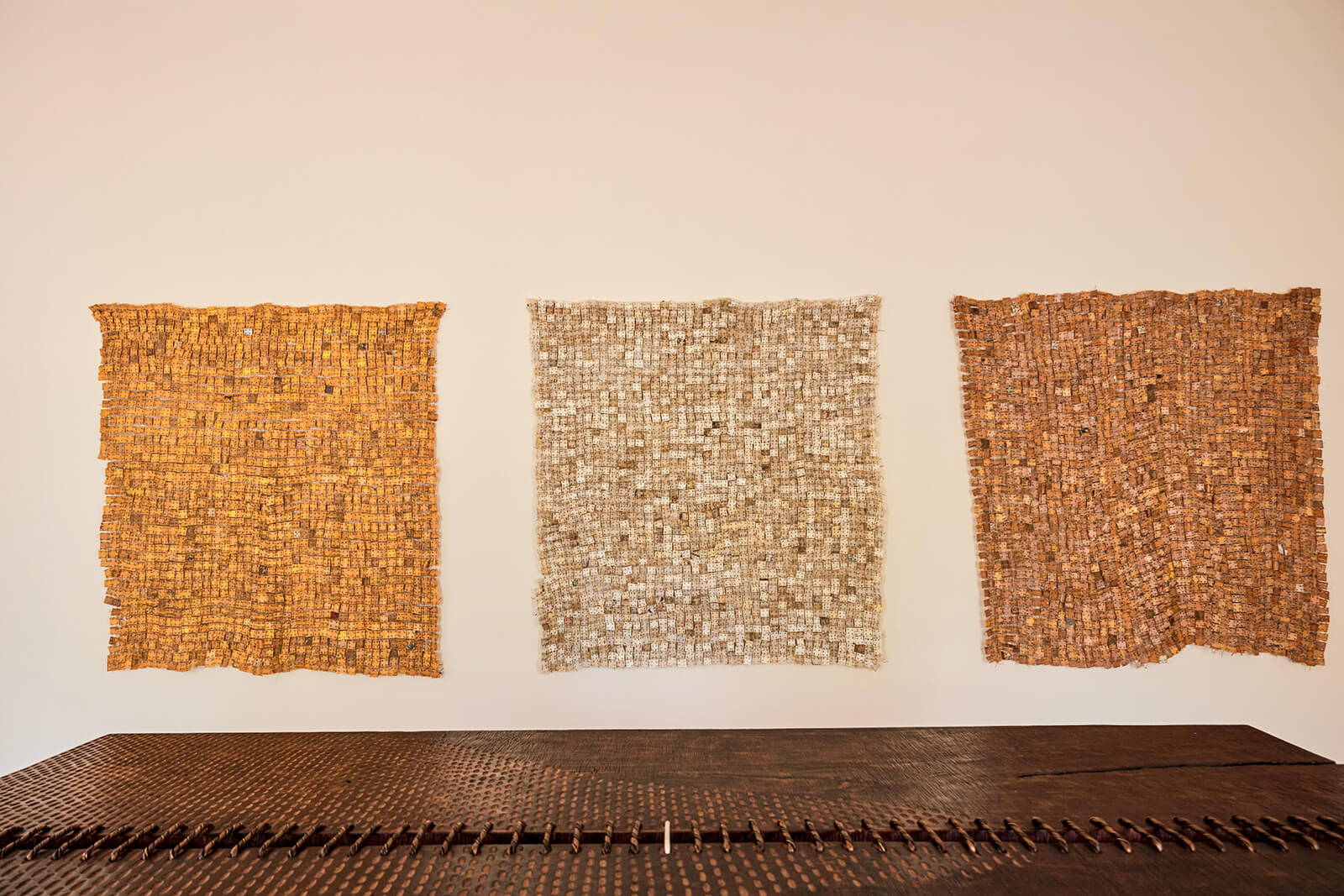
Lagos-born industrial designer Nifemi Marcus-Bello presents a sculpture and a bench made from recycled aluminium. Operating at the convergence of manufacturing, material constraints and cultural contexts, he is known for design collections such as Oríkì (Act III), which challenge global design hierarchies by centring the modes of production and storytelling in Africa. Elsewhere, Ghana-based Paa Joe, an expert craftsman and pioneer of Ghana’s ‘fantasy coffin’ tradition, has transformed funerary art into a sculptural art form ever since he opened his own workshop in Nungua in 1977. For the exhibition, he presents a coffin in the form of a stereo cassette player. Multidisciplinary artist Serge Attukwei Clottey, also from Ghana, showcases his ‘Afrogallonism’ pieces made from yellow plastic jerrycans, transforming waste materials into tapestries and wearable sculptures.
“The exhibition proposes a shift in how we understand unity in West Africa. It is not about uniformity, but about what I call a ‘unity in multiplicity’. Across the region, cultures, materials and histories are incredibly diverse, yet they are deeply interconnected through shared cosmologies, gestures and ways of making. What the works reveal is that creativity here is inherently plural, it is spiritual and functional, political and poetic at once, “ Bellavance-Lecompte tells STIR.
From sculptural and furniture designs, textiles and ceramics to conceptual installations, social design and reinvented ritual forms, the scope and diversity of West African design take centre stage at the exhibition. The group of artists and designers amplify regional voices and representations, working with materials such as wood, ceramics, metal, glass, textiles and plastic to craft distinct product designs. The collective display of these objects, especially within the context of the historic location of the Palais de Lomé, brings together a series of scattered yet shared experiences under one roof while giving them new meanings and global relevance.
The exhibition ‘Design In West Africa: Unity in Multiplicity’ is on view until May 30, 2026, at the Palais de Lomé, Togo.

by Chahna Tank Oct 08, 2026
Javier Guzman Cervantes and Ulises Morin Arzola tell STIR about their ‘open code’ approach to design, working through a process of stockpiling and the idea of ‘queering’ materials.
by Mrinmayee Bhoot Oct 08, 2026
The game designer discusses their work and its manipulation of scale, scientific data and non-human perspectives to create speculative futures in conversation with STIR.
by Pranjal Maheshwari Oct 07, 2026
Under the theme R.A.W. (Rebel Authentic Worth), one of Europe’s most awaited design festivals returns for its 26th edition to investigate solutions for a world in crisis.
by Chahna Tank Oct 03, 2026
Wooden chairs by the Chilean designer reveals handmade forms and painted details that weave memories, literary references and personal stories.

make your fridays matter with a well-read weekend
Enter your details to sign in
Don’t have an account?
Sign upOr you can sign in with
a single account for all
STIR platforms
All your bookmarks will be available across all your devices.
Stay STIRred
Already have an account?
Sign inOr you can sign up with
Verification link sent to check your inbox or spam folder to complete sign up process
Tap on things that interests you.
Select the Conversation Category you would like to watch
Please enter your details and click submit.
Enter the 6-digit code sent at


An exhibition in Togo amplifies the regional traditions and design voices of West Africa
by Bansari Paghdar | Published on : Mar 20, 2026


 Sign in with Google
 Sign in with email
What do you think?