Architecture09 mins. read
Discovering the London Festival of Architecture 2022
by John JervisJul 07, 2022



by Pranjal MaheshwariPublished on : Jun 09, 2026
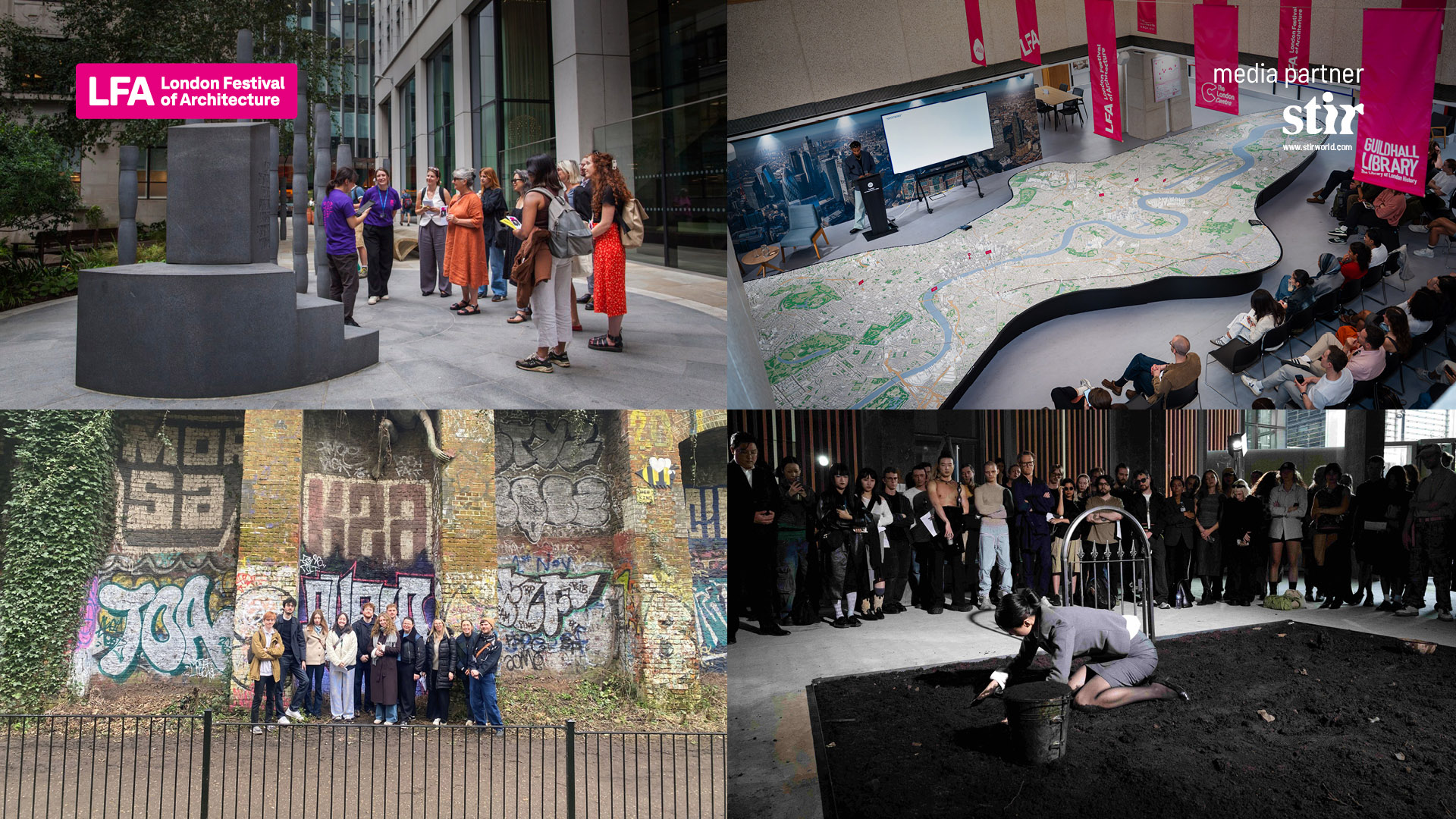
There is, perhaps, no other phenomenon that currently frames and captures global sociopolitical discourse than migration—of humans in particular—inequitably occupying public consciousness over wars, displacement and near-total environmental collapse. As migration and the unrest caused in reaction to it seem to be stuck in a vicious loop, people are more susceptible to a persistent sense of detachment and alienation, even from their own surroundings. With consumerism being rampant in most urban metropolises, wherein commodities appear to outweigh community, the desire to feel known, safe and comfortable—a fundamental to the human condition, the notion of ‘belonging’—becomes more prominent than ever. Furthermore, applied against ceaseless technological growth and the accompanying dehumanisation and distance privy to most urban dwellers, fostering this sense of belonging is rarely the bane of architecture alone. But seen as encompassing citywide infrastructure, public resources, derelict spaces with potential and community centres outside the realm of remarkable buildings, architecture can be a powerful agent for a start. As one of the world's most expansive celebrations of the built environment and people, the London Festival of Architecture (LFA) probes this belonging and the potentials offered by architecture from June 1 – 30, 2026, through activations peppered throughout the purported global hub of architecture.
In a number of ways, the question has always been the underlying essence of the festival. In a 2022 conversation with STIR, Rosa Rogina, the festival’s director, spoke about the goals and ambitions of the annual celebration of architecture for London: “Through our year-round work and free access to staging events, our aim is to help empower communities so that they have the space to voice their ideas and contribute to how the built environment may look and feel in the future.” While the theme remains annually variable, the blueprint of LFA has encircled greater ownership and stakeholdership for residents of the city they call home. This year’s theme beckons that fairly directly.
For the London Festival of Architecture 2026, the organisers and curators—a panel of distinguished architects, urban designers, strategic thinkers and activists comprising Black Females in Architecture (BFA), led by Neba Sere and Selasi Setufe MBE, Rumi Bose, Thomas Bryans, Sarah Considine, Tayshan Hayden-Smith and Tanisha Raffiuddin—dwelled on Belonging as its theme. The month-long festival is spread across an expansive programme of more than 400 events, including 80+ exhibitions and installations, over 100 workshops and tours and a commensurate number of talks and performances. While the full programme across boroughs, event type, audience interests, Curators’ Picks, means of accessibility and the festival signature, ‘Collections’, can be overwhelming, STIR distils this year’s most promising and exciting offerings as calendars get crowded this time of the year.

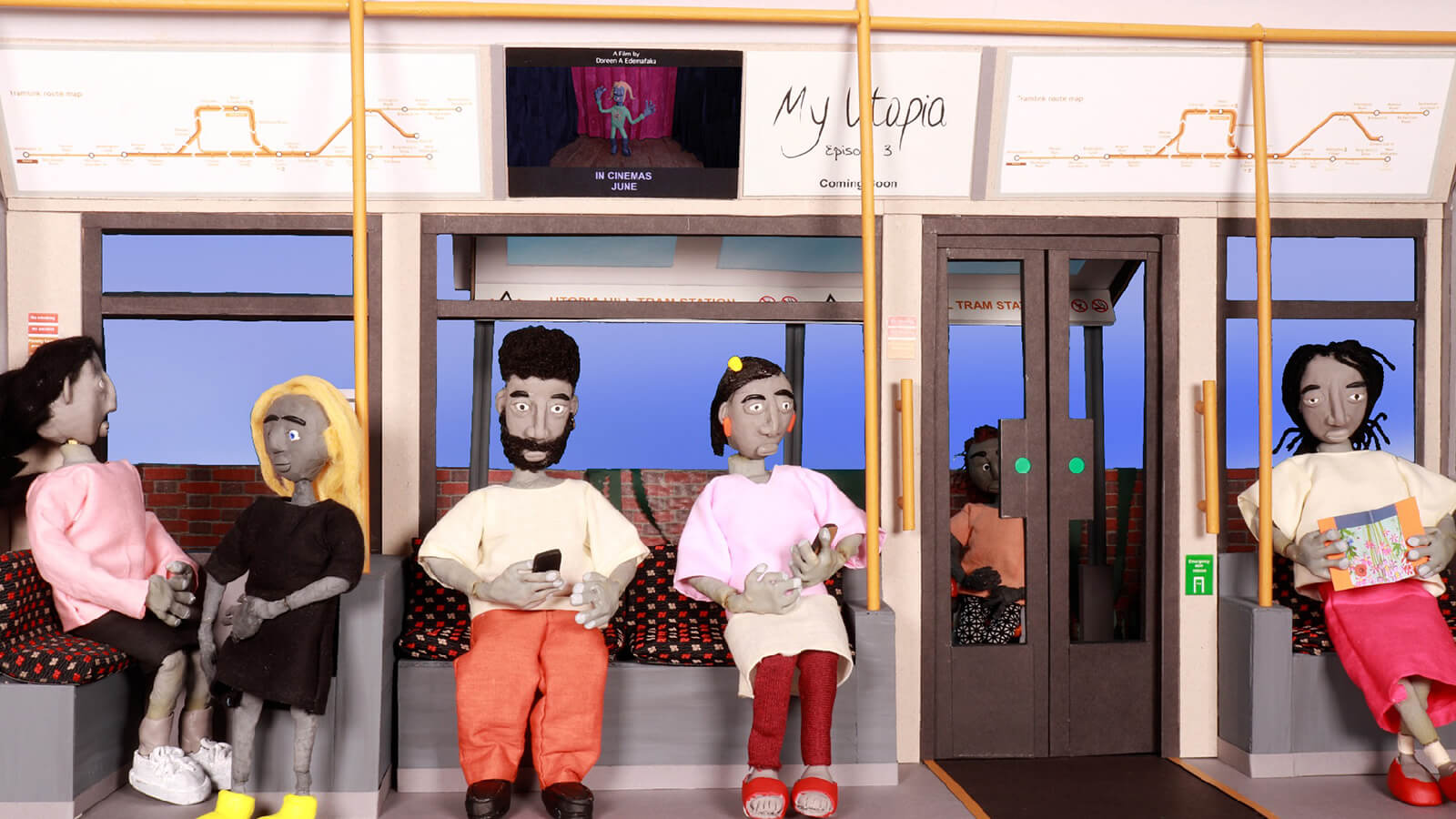
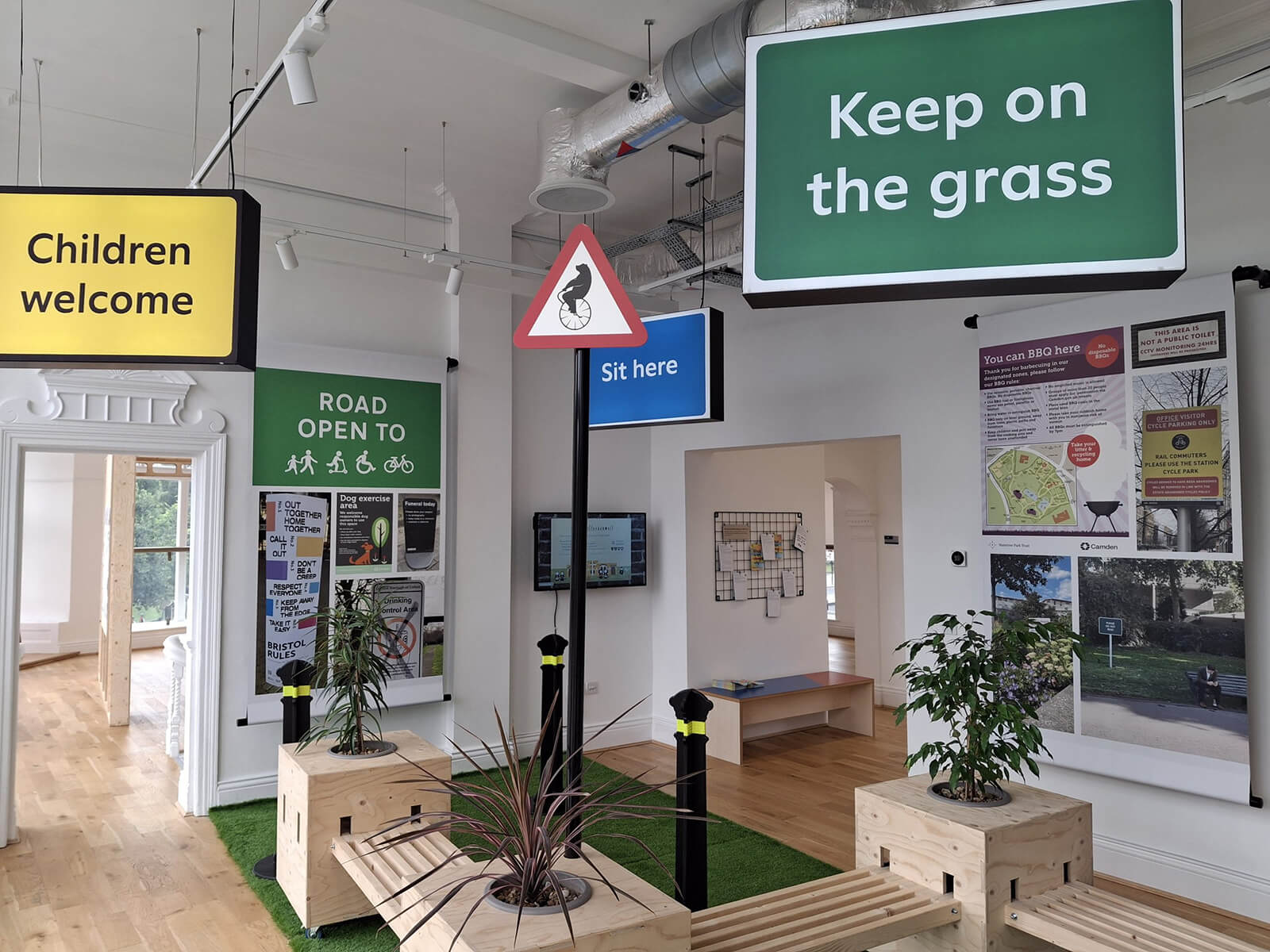
Several exhibitions across the festival explore the different connotations of ‘belonging’ by traversing an intercultural spectrum of displays of both global and local perspectives. Belonging(s) Beyond Borders by the Palestine Collective is a series of drawings, models and objects that narrates displacement amidst humanitarian crises and the desire to belong in London’s generous but often culturally distant landscape. A Simultaneous Agreement staged at the Stanley Picker Gallery expands the inquiry into non-human belonging in light of the current UK water crisis. My Utopia continues the expansion and screening of its short-film series on disabled individuals’ real-life experiences in inclusive spaces, while the University of Westminster presents the nuances of the public realm by highlighting the role of signage in Keep on the Grass and the sense of belonging in the in-between spaces with Terrain Vague: Spaces of Belonging. The Design Museum joins the conversation by spotlighting the work of British designer Simone Brewster on belonging and cultural visibility in this year’s Platform programme. Further expanding this horizon, Colliding Contexts by Noiascape and Friday Late – Rituals of Becoming by Victoria & Albert Museum’s contemporary programme team demonstrate how collisions amidst heritage, history, diasporic memories and colonial legacies can induce new forms of belonging.

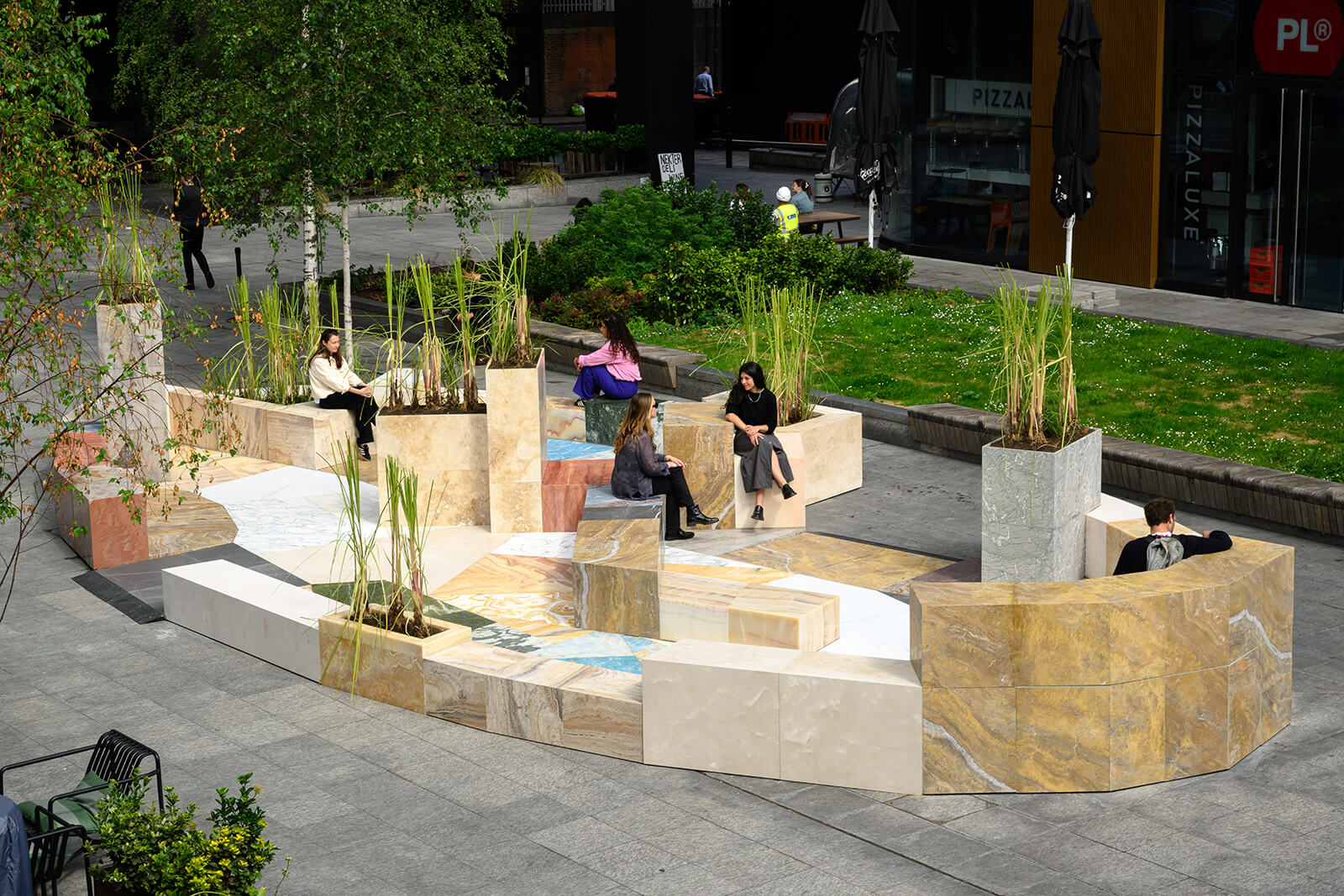
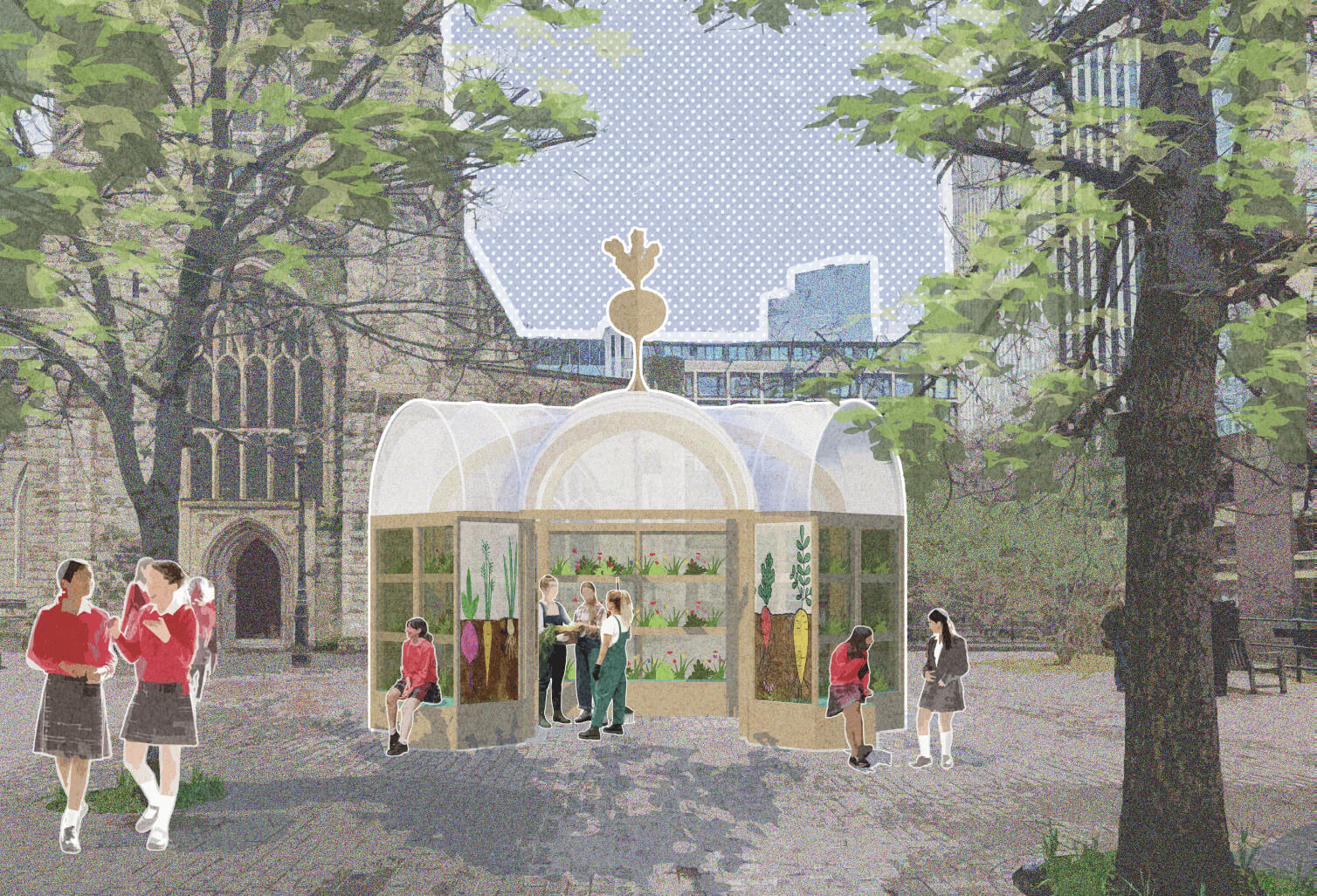
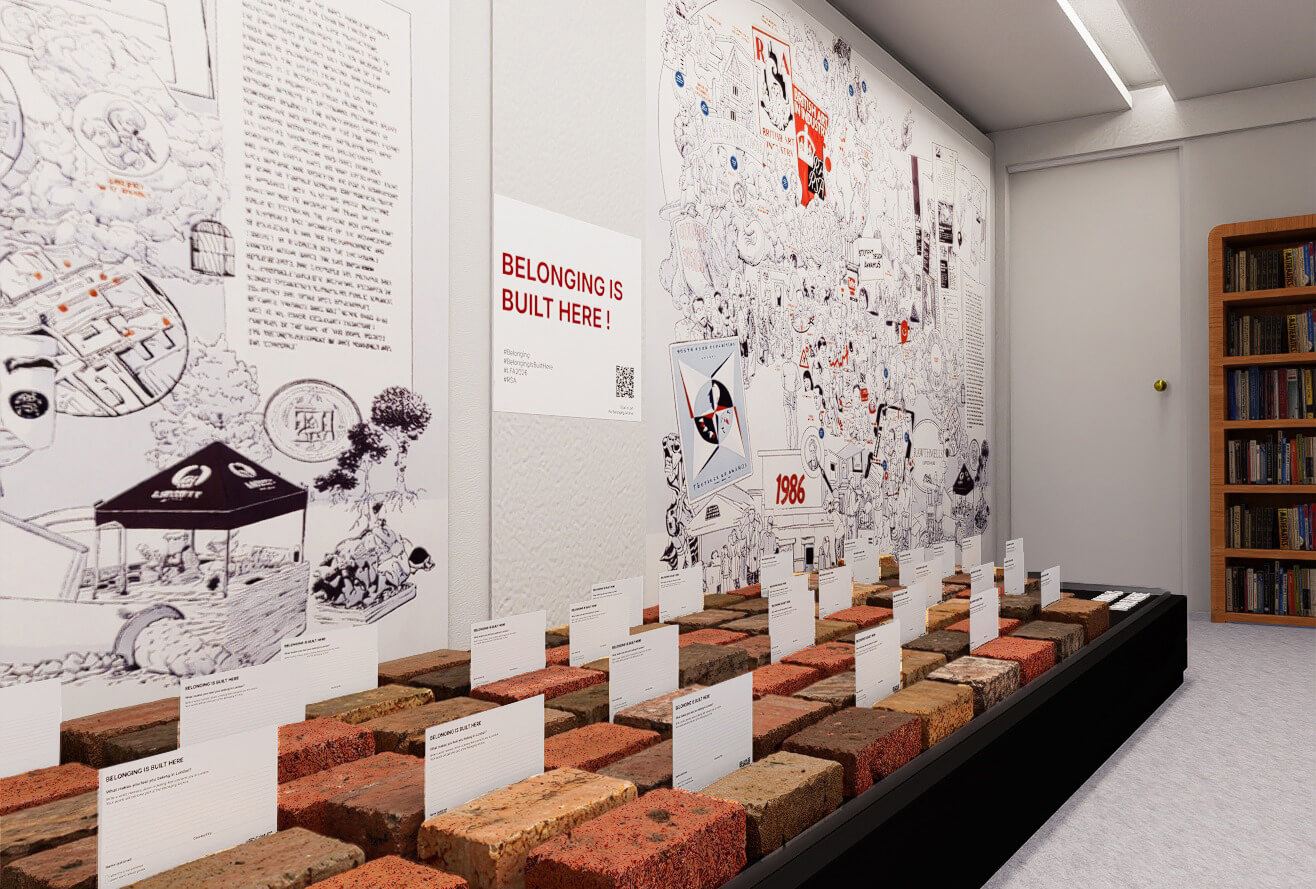
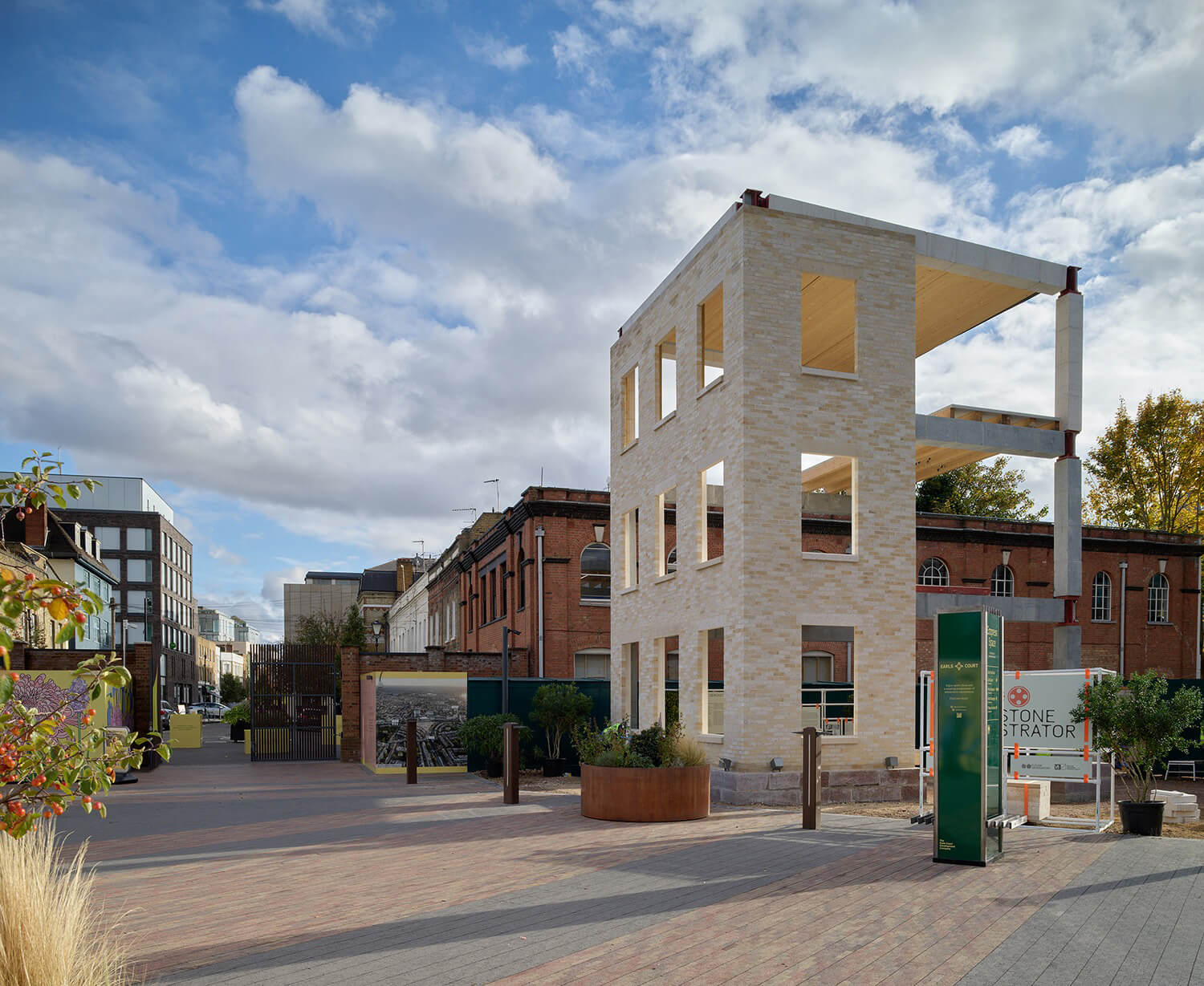
The influence and significance of different ways of belonging are demonstrated through the various installations dotting the city. In December 2025, Seeds in the City was launched by New London Architecture (NLA) in partnership with Culture Mile BID as a competition, an opportunity for emerging architects and designers to deliver an experimental pavilion to host workshops, talks and educational programmes focused on community, food growing and climate change. The competition winners, Studio Folk and Raskl, present The Veggery as a celebration of growing and community at the heart of the Barbican Estate. With Future Observatory: The Stone Demonstrator, the Design Museum prototypes pre-tensioned building techniques with stone at the Earls Court Development site, as a reminder of the urgency of adopting low-carbon materials and improving non-human belonging for the construction industry. Brookfield Properties’ Colour Field Summer Pavilion transforms reclaimed marble, onyx and travertine into a public anchor at the Principal Place, offering a sense of belonging through shared experiences. The Istanbul-based architect and circular designer Özgül Öztürk highlights the diversity of London’s communities with Belonging is Built Here, a participatory architectural installation conceived with reclaimed bricks.
The inquiry expands to socio-ecological perspectives with the numerous tours organised throughout the festival. At the Royal Botanic Gardens, Mizzi Studio brings together environmental architects and horticulturalists for an informative tour, Kew’s Carbon Garden: Strengthening People’s Connection with Nature, explaining the inspiration and working methodology behind the studio’s climate-resilient Carbon Garden Pavilion. Co-creating belonging through food-growing activities, organised by the London Borough of Haringey with Alexandra Palace in partnership with Ubele Initiative, tours Wolves Lane, a community-led food-growing hub exploring the potential of horticulture in community building.
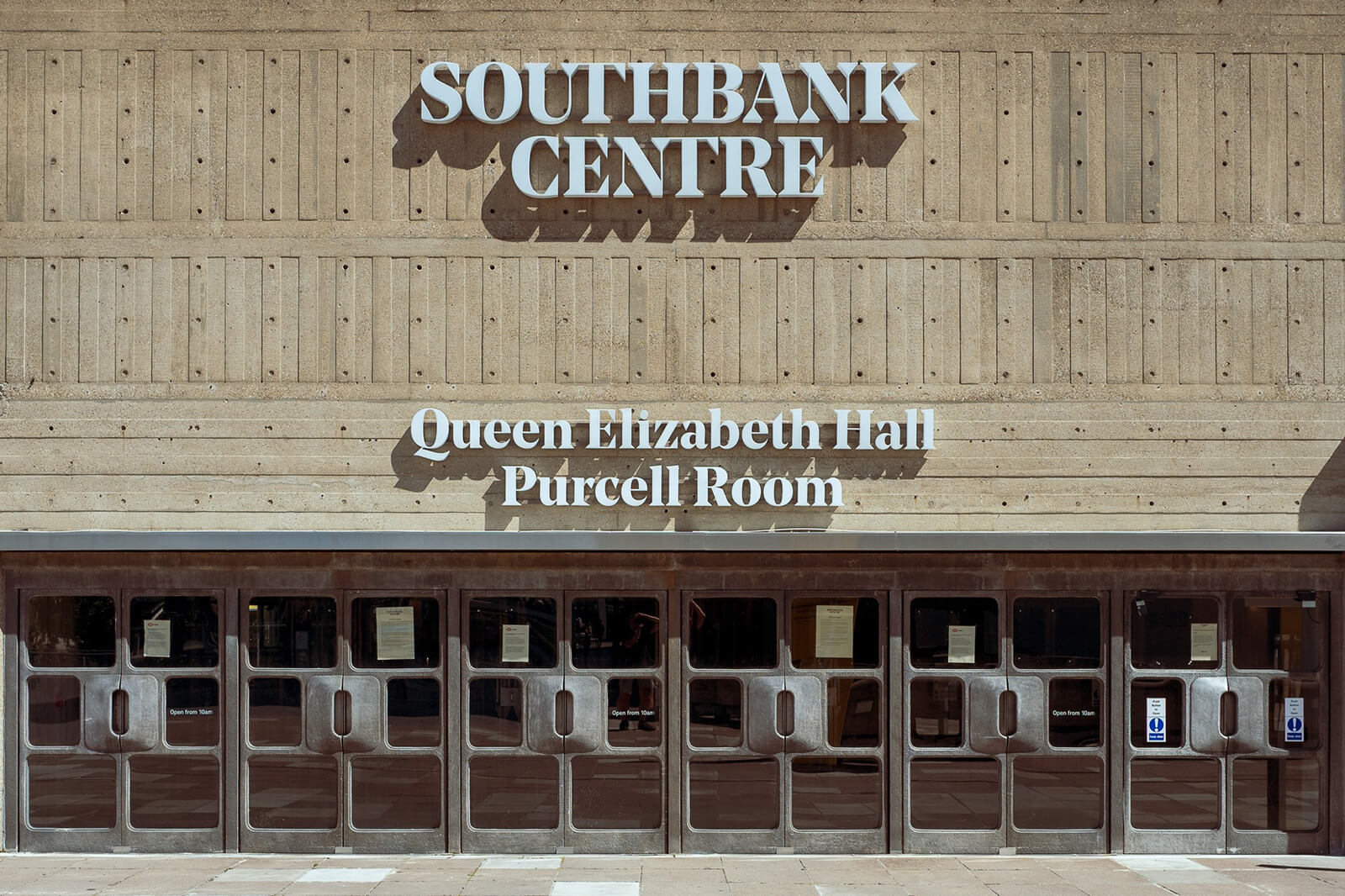
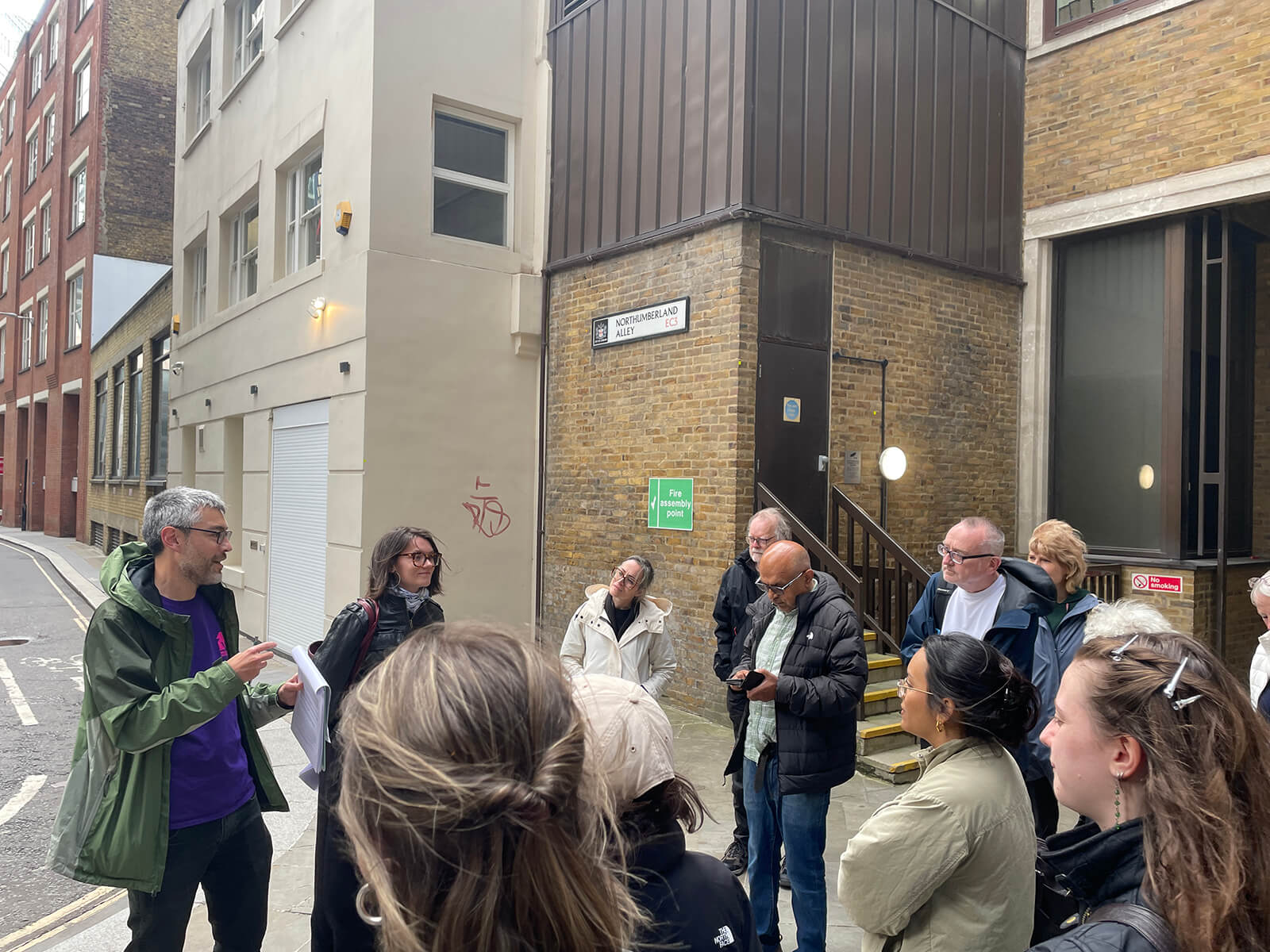
Moving beyond ecology, C20 Society traces the gradual development of a prominent bare concrete landscape with Southbank at 75 – Architecture Walk, home to landmarks such as the National Theatre, Royal Festival Hall, Hayward Gallery and London’s skateboarding community. Some tours are directed to offer alternative perspectives of belonging, generated either through a shift in cultural context, spatial anchors or intellectual purview. Migration Museum Walking Tour narrates migration histories from around the City of London; Unseen Tours: Belonging in Canary Wharf offers a reinterpretation of the district’s public realm, regenerated from commercial collapse into a thriving business district through the lens of a homeless man; while Urban Steps: People-Powered City by Urban Learner presents a walking trail that gathers teenagers’ views about their built environment.
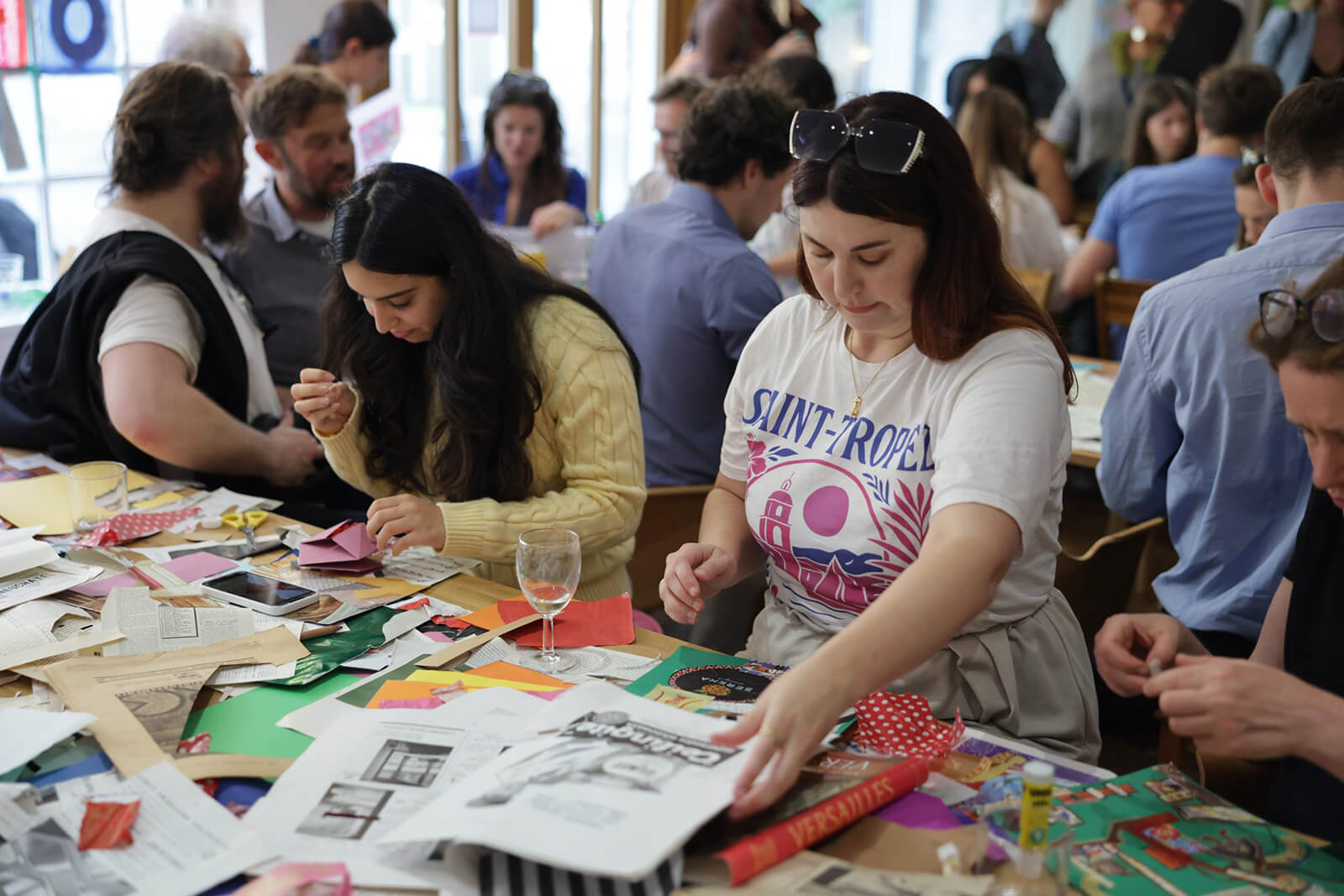
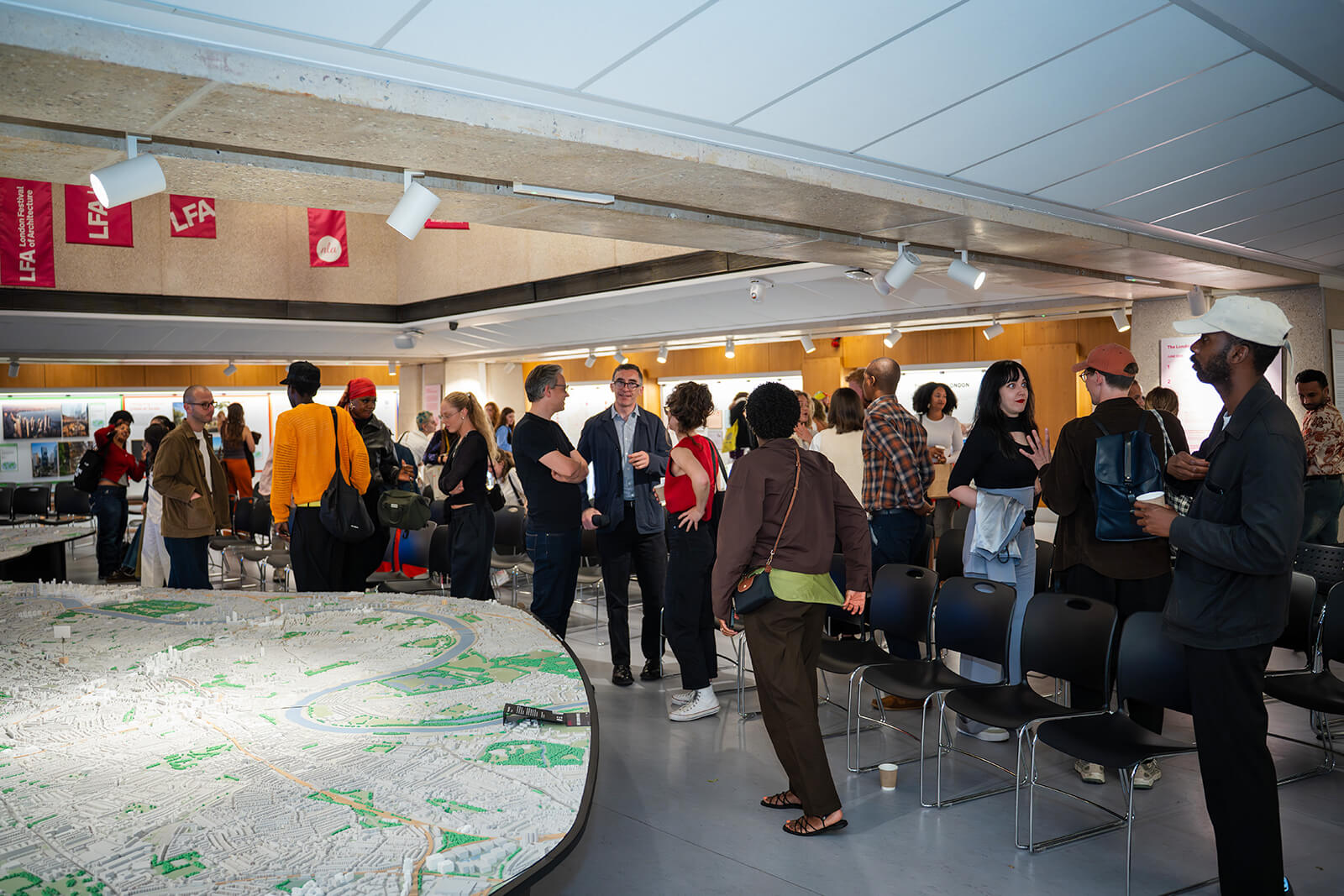
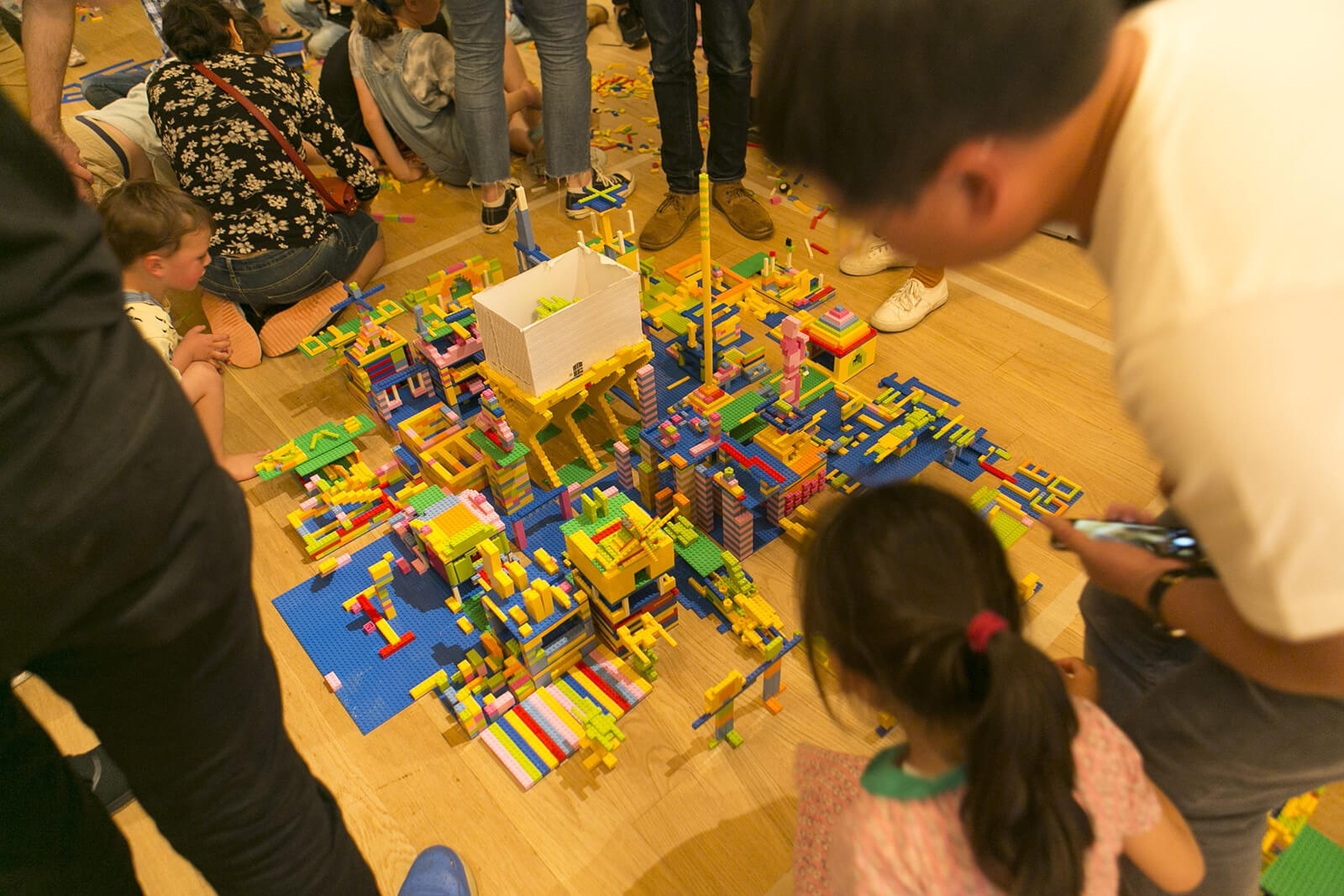
The conversations and provocations further amplify across different workshops and talks organised as part of the festival. At the CABIN, Makower Architects invite the visitors to Design Your Own Neighbourhood by creating collage maps and combining them all into a ‘city of imagination and collective belonging’. LFA organisers have also partnered with Good Homes Alliance and the Museum of Architecture to continue one of the festival’s most exciting events—the Lego Challenge 2026 at the London Centre—where seasoned architects are paired with young dreamers to reimagine their ideal neighbourhood. Advancing to other senses, Food, architecture and community in the Migrateful kitchen by Allford Hall Monaghan Morris and Migrateful serves food and stories of belonging from refugees and migrants who are now part of a growing community.

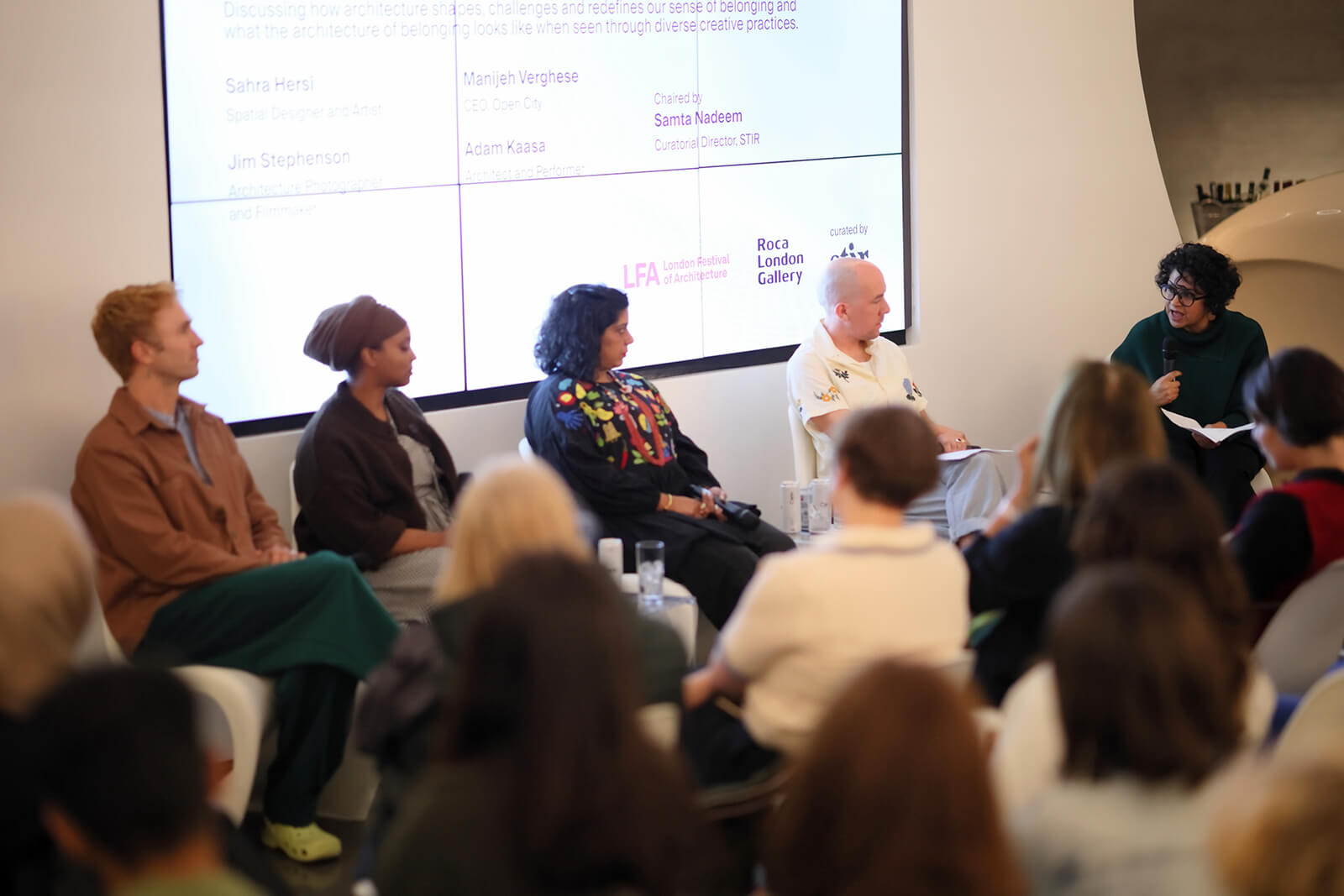
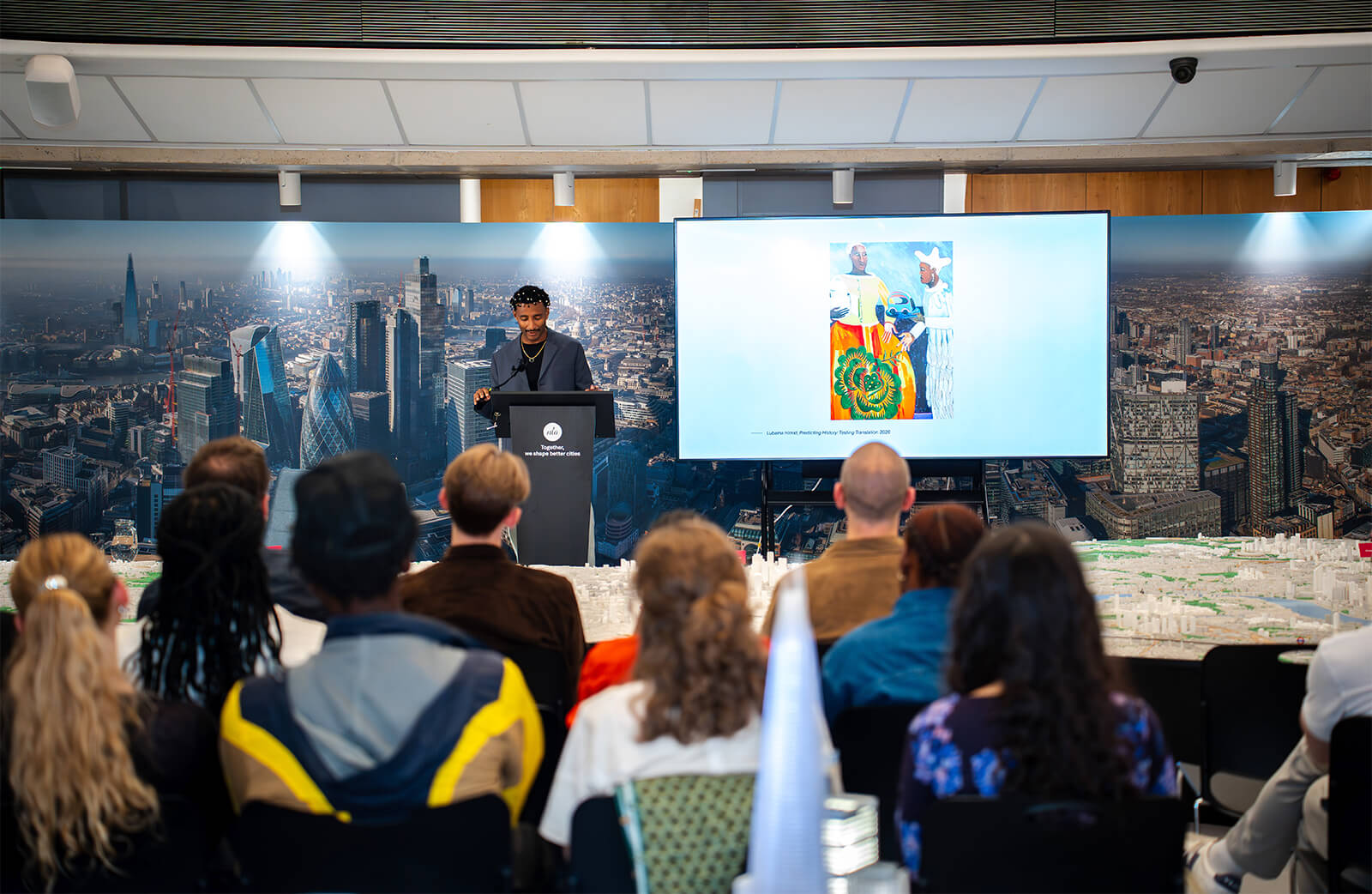
Deepening the enquiry further, the keynote for this year’s Murray Lecture was delivered by architect, exhibition designer and artist Jayden Ali. Titled Echoes, Ali unpacked his commentary on the state of architecture in London in the context of the festival’s theme this year. Roca London Gallery provided a stage to voices suspended between multiple cultures, cities and histories with The Architecture of Belonging: In-Between, curated by STIR. Its first session invites spatial designer and artist Sahra Hersi, architectural photographer and filmmaker Jim Stephenson, scholar, artist and performer Adam Kaasa and Manijeh Verghese, CEO of educational charity organisation Open City, in a panel moderated by STIR’s curatorial director, Samta Nadeem, to question the representation of these voices in today’s institutions and urban environments. The inquiry will delve further into the event series’ second session in early September. The gallery is then also set to upend the dynamic of public discussion formats with A Creative Assembly, dissolving the speaker-audience hierarchy into an informal gathering to host conversations around BFA’s recent inquiries into creative and making practices from London and Accra.
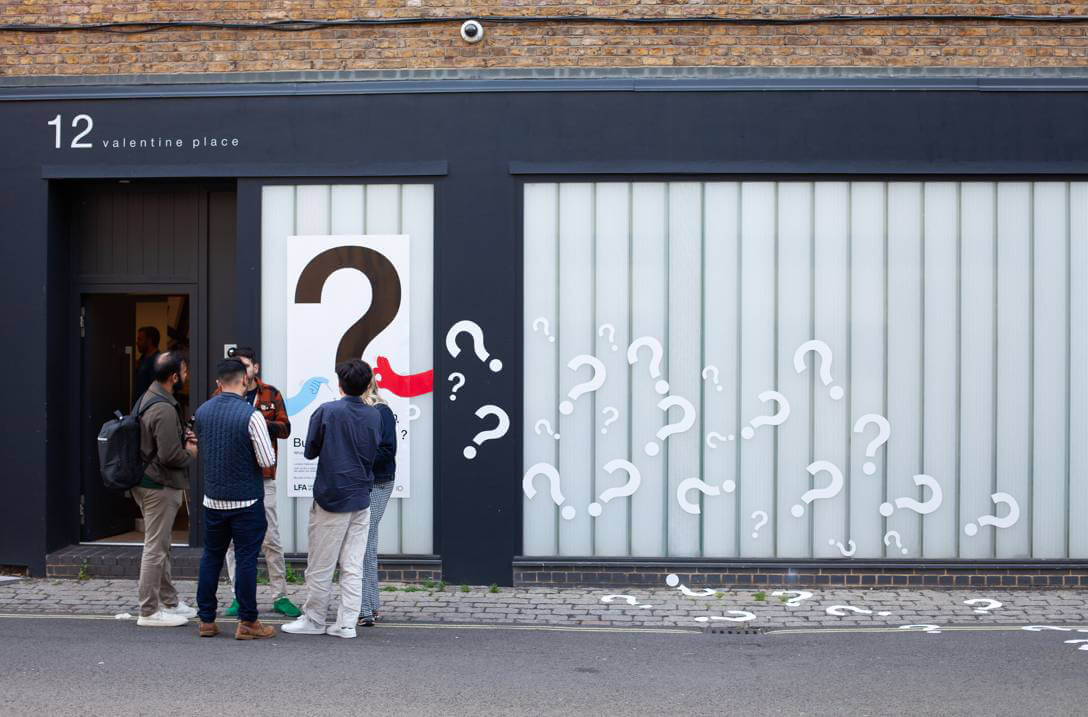
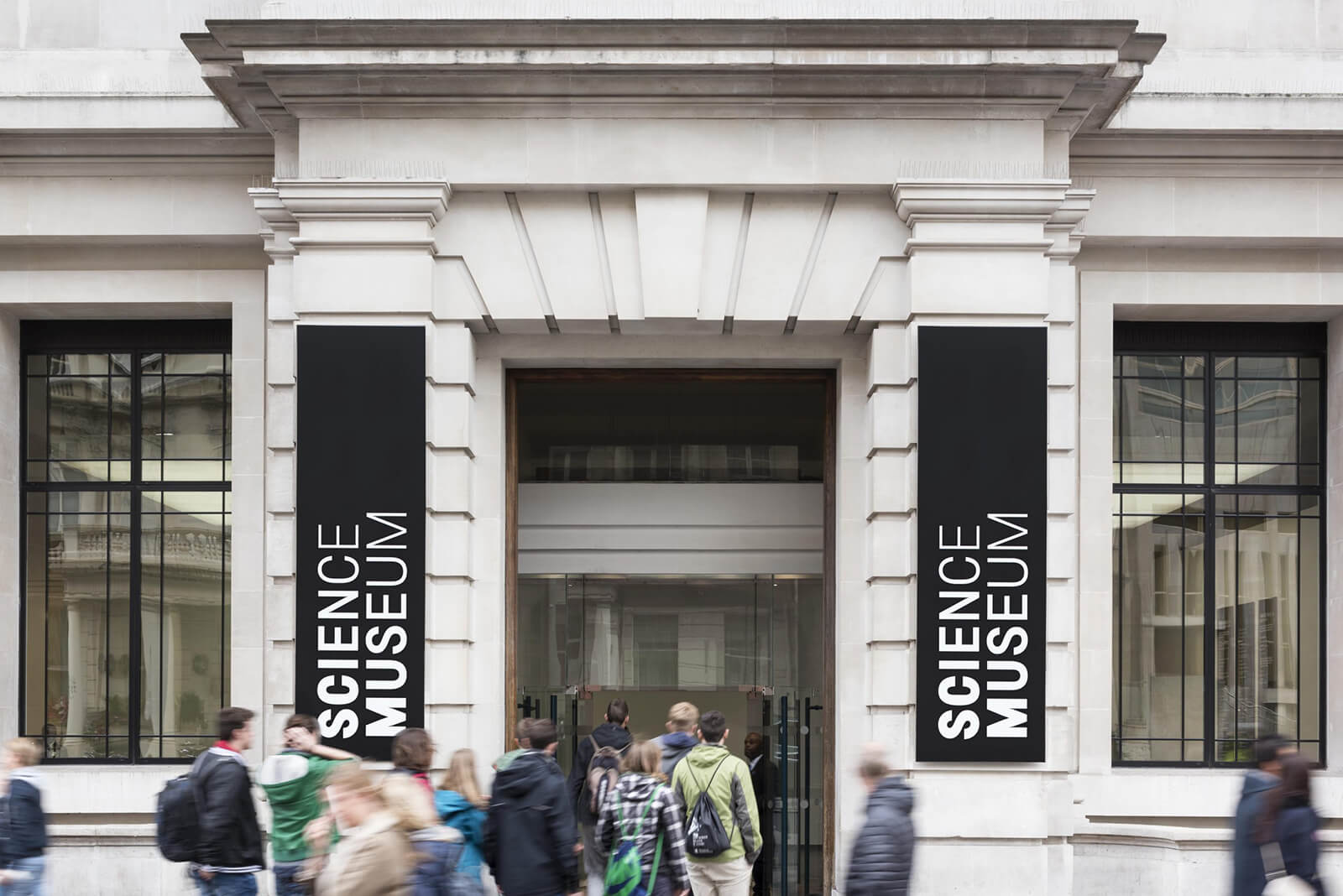
Every year, numerous architecture, design/ art studios and institutions from across the city collaborate with the festival for its hallmark Studio Lates, offering an opportunity to the general public to learn about their past and ongoing works through unprecedented access to their studio and working spaces. This year, Discover South Kensington and Serendipity Arts bring Innovation Lates, a conglomerate of live performances and hands-on experiences, inspired by innovation from India, at the Science Museum in London. Other studios populating the programme include Morris+Company, dRMM, Unknown Works, Zaha Hadid Architects, Haworth Tompkins, WW+P Architects, Eric Parry Architects and RSHP.
Over a period spanning more than two decades, LFA has developed into a showcase of the incredible collaborative potential of cultural organisations, local authorities, business improvement districts and private organisations. “Each year, the London Festival of Architecture brings together a growing network of professionals, enthusiasts and local communities to connect, collaborate and influence the future of our city,” Rogina shares in an official statement. She concludes with an invitation to explore "what it means to belong", confident that this year's lineup gives visitors the chance to do just that—"From guided tours and workshops to installations and road closures, there is something to discover at every corner of the city”.

by Pranjal Maheshwari Oct 06, 2026
With a programme focused on biodiversity, accessibility and safety, the Rotterdam-based architects help the neighbourhood reclaim a barren landscape as an integral social node.
by Pia Bhatia Oct 02, 2026
Located in the Al Bridi Reserve in Sharjah, the project didactically projects its purpose of studying African ecosystems through local structures marked as ‘sculptural presences’.
by Pranjal Maheshwari Sep 30, 2026
The new cultural centre by Blight Rayner Architecture and Snøhetta envelopes world-class facilities in a sinuous glass facade, alluding to the theatrical rhythms of the performing arts.
by Pranjal Maheshwari Sep 29, 2026
The one-of-its-kind music centre in Apple’s six-storey Battersea Station space in London houses world-class facilities for live performance and worldwide broadcast.

make your fridays matter with a well-read weekend
Enter your details to sign in
Don’t have an account?
Sign upOr you can sign in with
a single account for all
STIR platforms
All your bookmarks will be available across all your devices.
Stay STIRred
Already have an account?
Sign inOr you can sign up with
Verification link sent to check your inbox or spam folder to complete sign up process
Tap on things that interests you.
Select the Conversation Category you would like to watch
Please enter your details and click submit.
Enter the 6-digit code sent at


London Festival of Architecture 2026 probes belonging amidst multitudes
by Pranjal Maheshwari | Published on : Jun 09, 2026


 Sign in with Google
 Sign in with email
What do you think?