Architecture06 mins. read
Reddymade's SIFT at ADFF:STIR Mumbai 2026 unfurls as a spiral of rituals and light
by Aarthi MohanDec 29, 2025



by Mrinmayee BhootPublished on : Dec 30, 2025
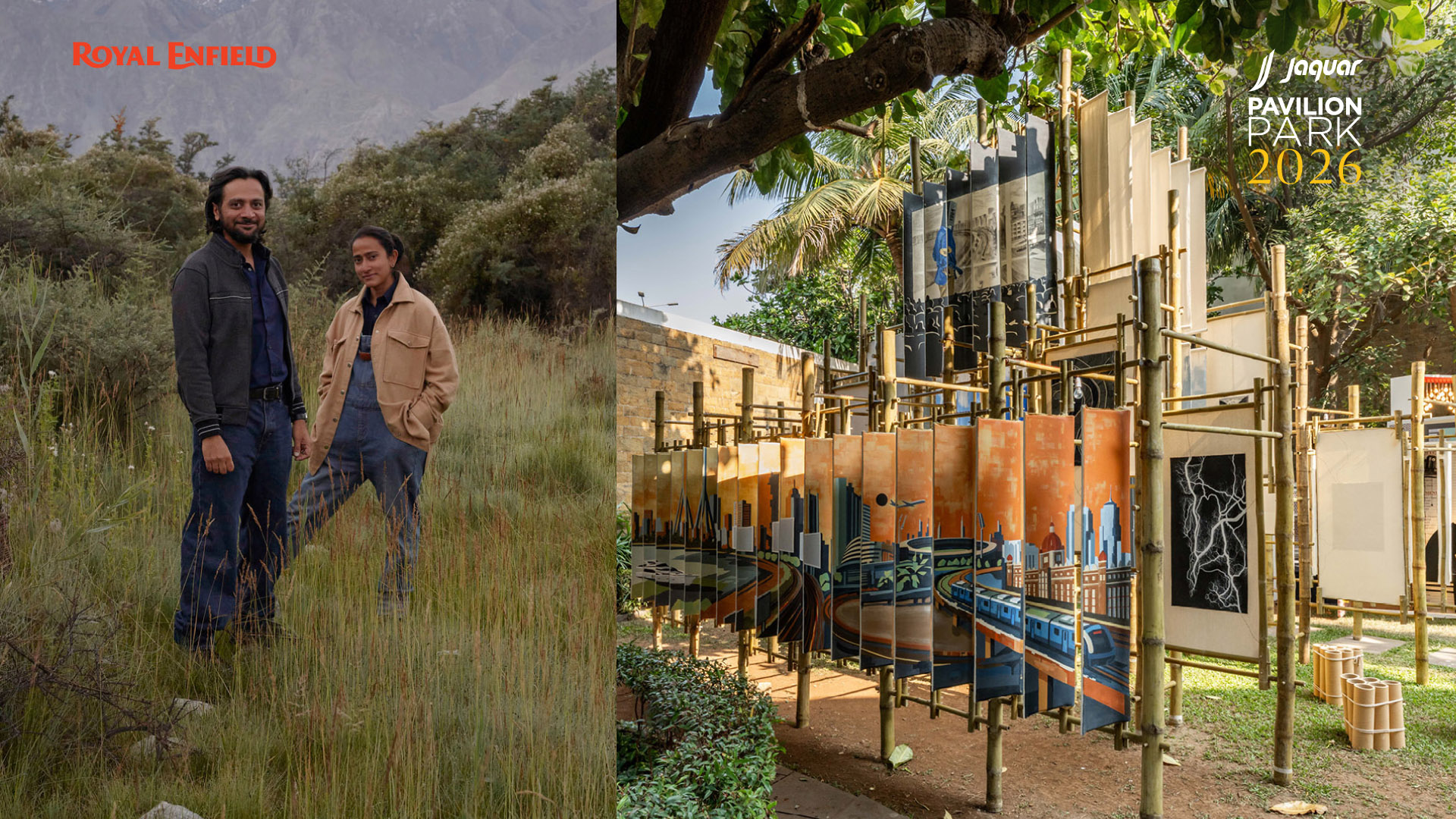
From the most remote villages to the burgeoning towns dotting all of mainland India, Mumbai remains an aspiration, an object inspiring dreams. From the expansive sea to the dense onslaught of traffic and everyday crowds, the shining, towering skyscrapers of the city and the squalid slums, this dream—or more so, an illusion—is marked by intrinsic contradiction. Yet, the only city, if you will, in determining how the country imagines itself through the thousands of films Bollywood churns out, defines urban aspiration like no other. In contrast to its chaos and relentless pace, Bollywood has been instrumental in fabricating the meditative, tranquil landscapes of Ladakh or Kashmir as an antidote, a place where those worn down by urban life can find escape, solitude and a sense of peace. It is this dichotomy—of a city that everyone imagines, a reality that is untenable, and its mirror image in the pristine pastoral landscapes of Ladakh—that Field Architects’ pavilion at the Jaquar Pavilion Park at ADFF:STIR Mumbai 2026 highlights, with support from the Royal Enfield Social Mission.
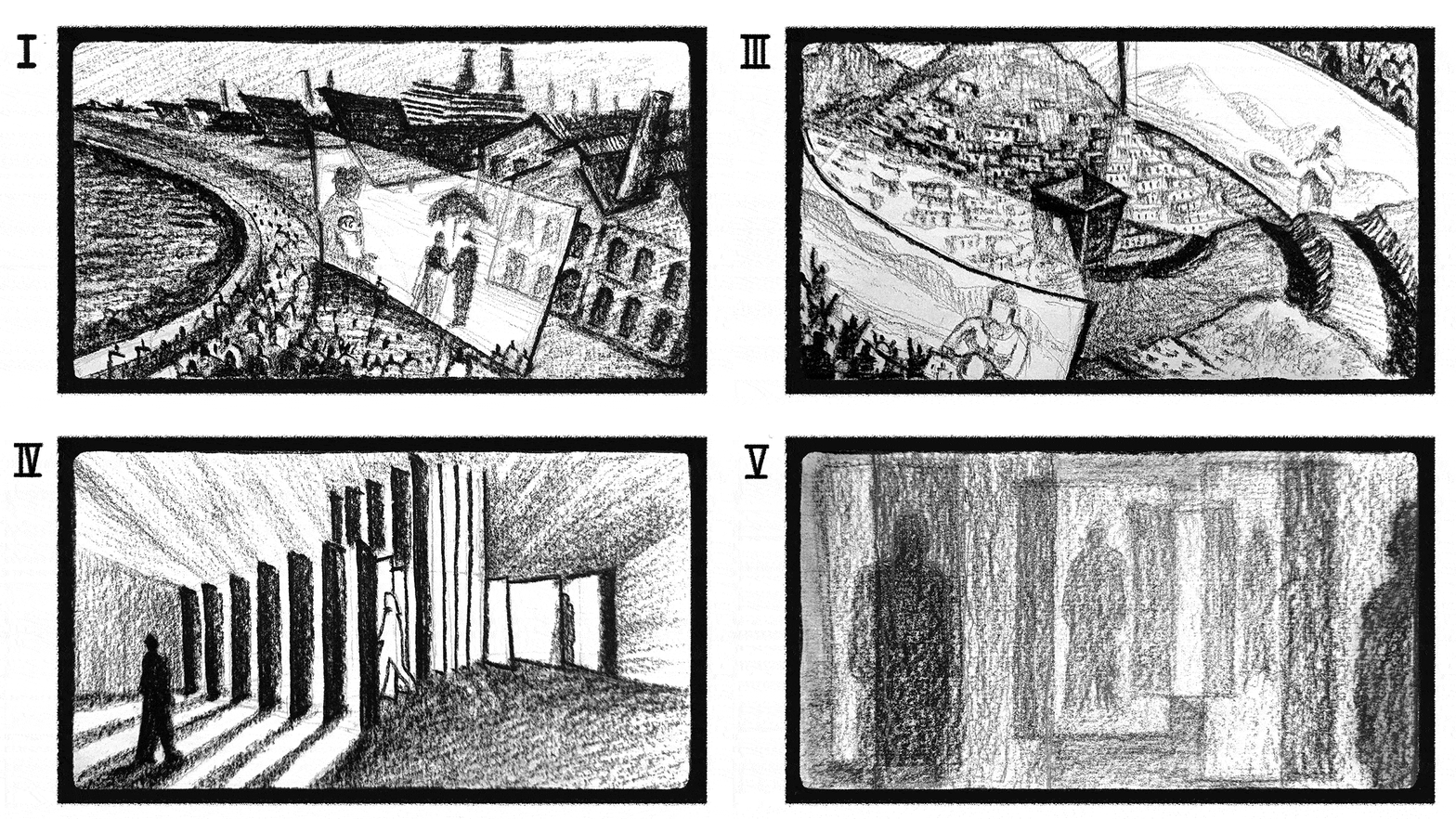
The studio, originally from Mumbai but now based in the remote Himalayas, translates their lived experience—working in one of the most fragile ecosystems in the country today—into a pavilion that depicts the paradox of city and nature. “The Script unfolds as a dual narrative shaped by a time collision. One storyline mirrors the urban subject that has shaped Mumbai as we know it today; immersed in density, speed and ambition, yet quietly daydreaming of escape into an exclusive landscape. Running parallel is a more intimate narrative drawn from life in Ladakh; a humble, grounded existence that, in turn, imagines a leap toward a futuristic urban escape,” the team notes.
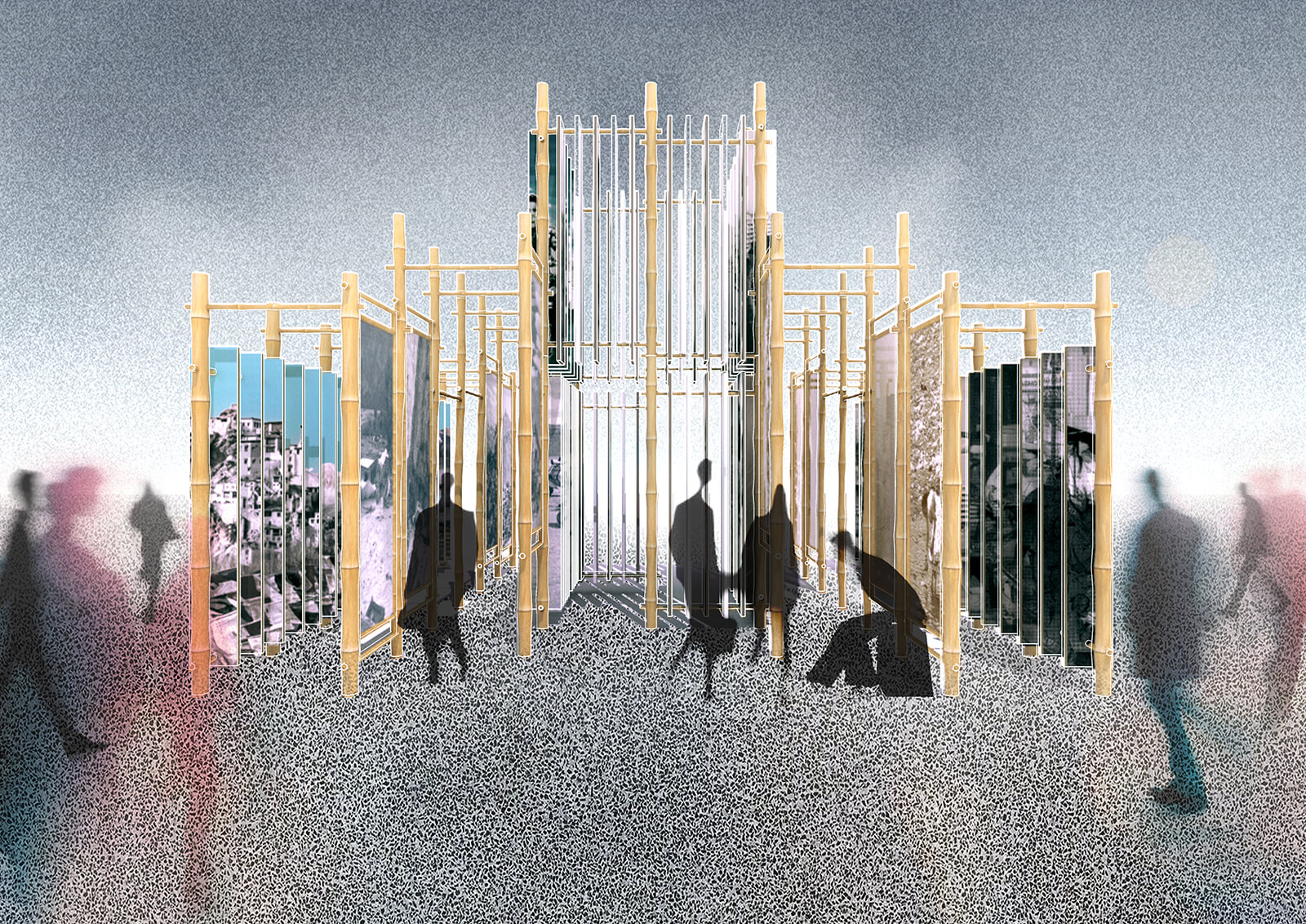
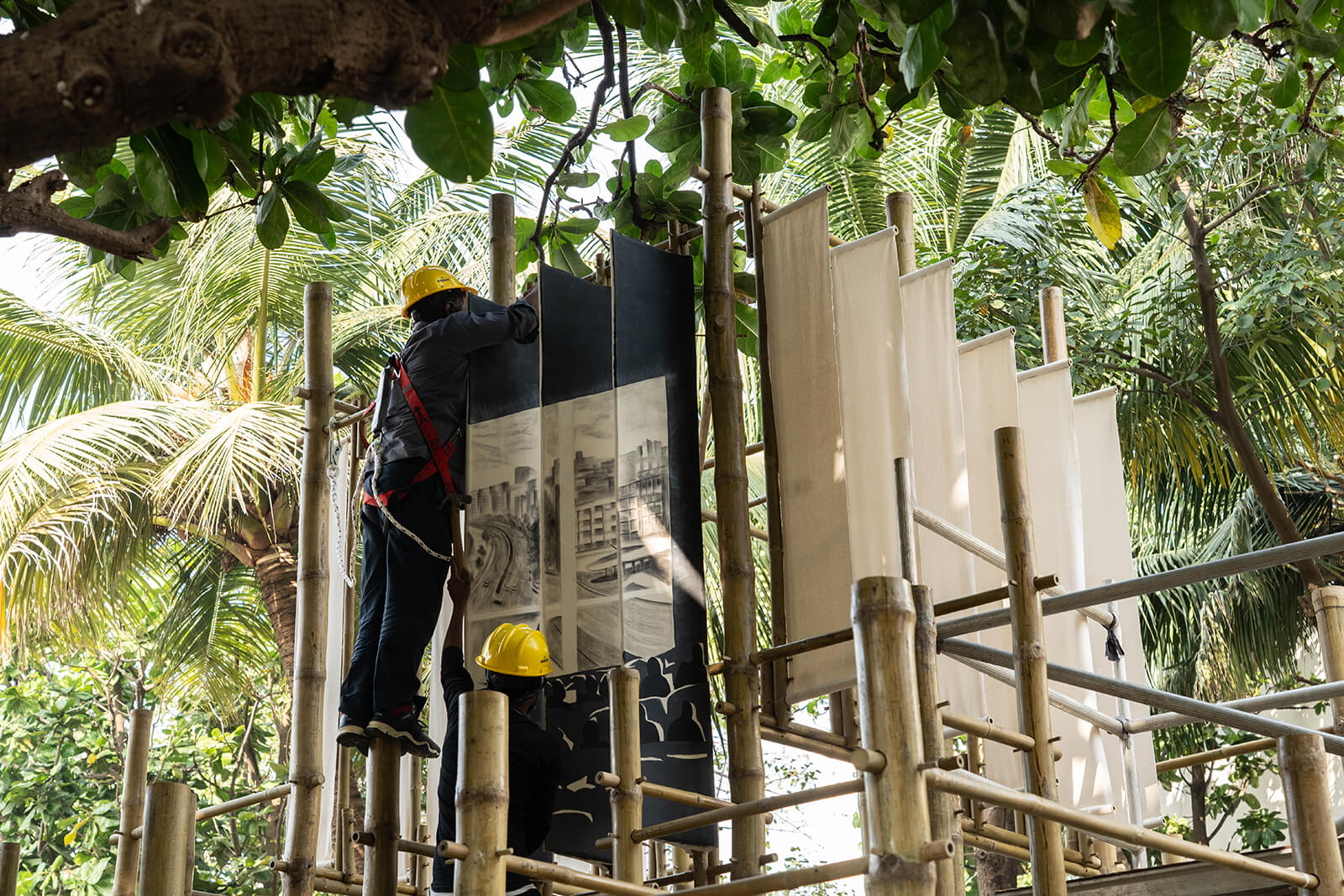
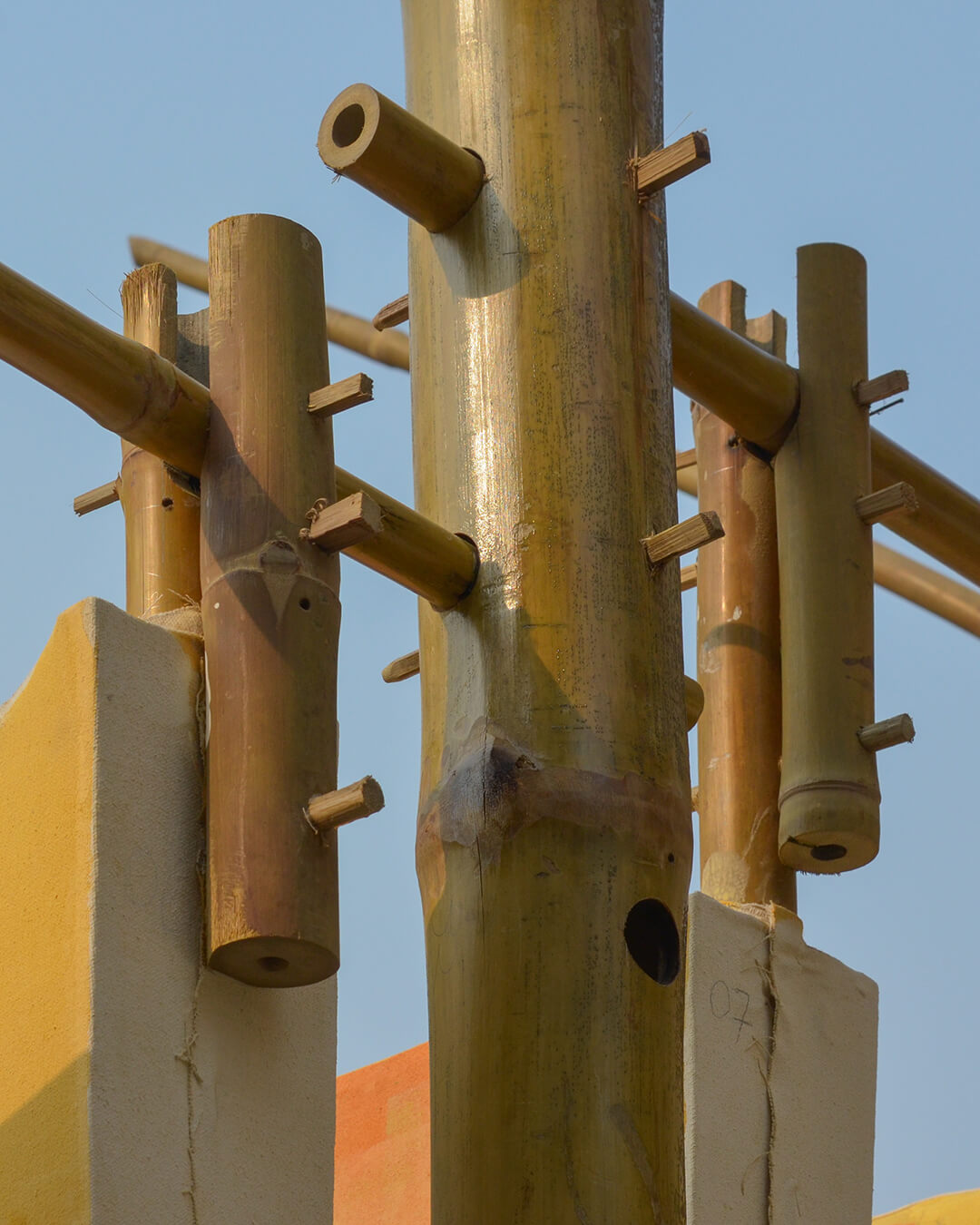
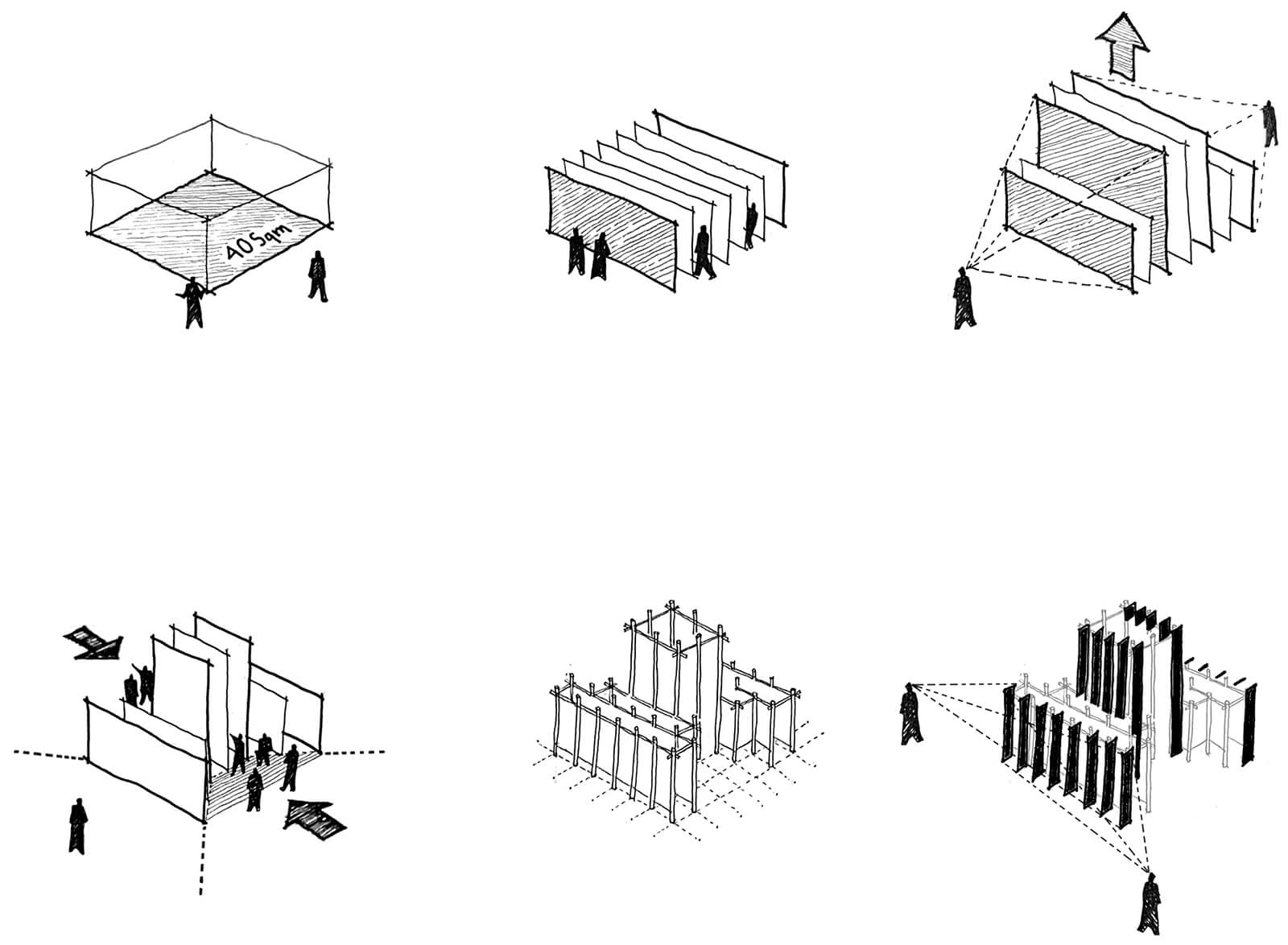
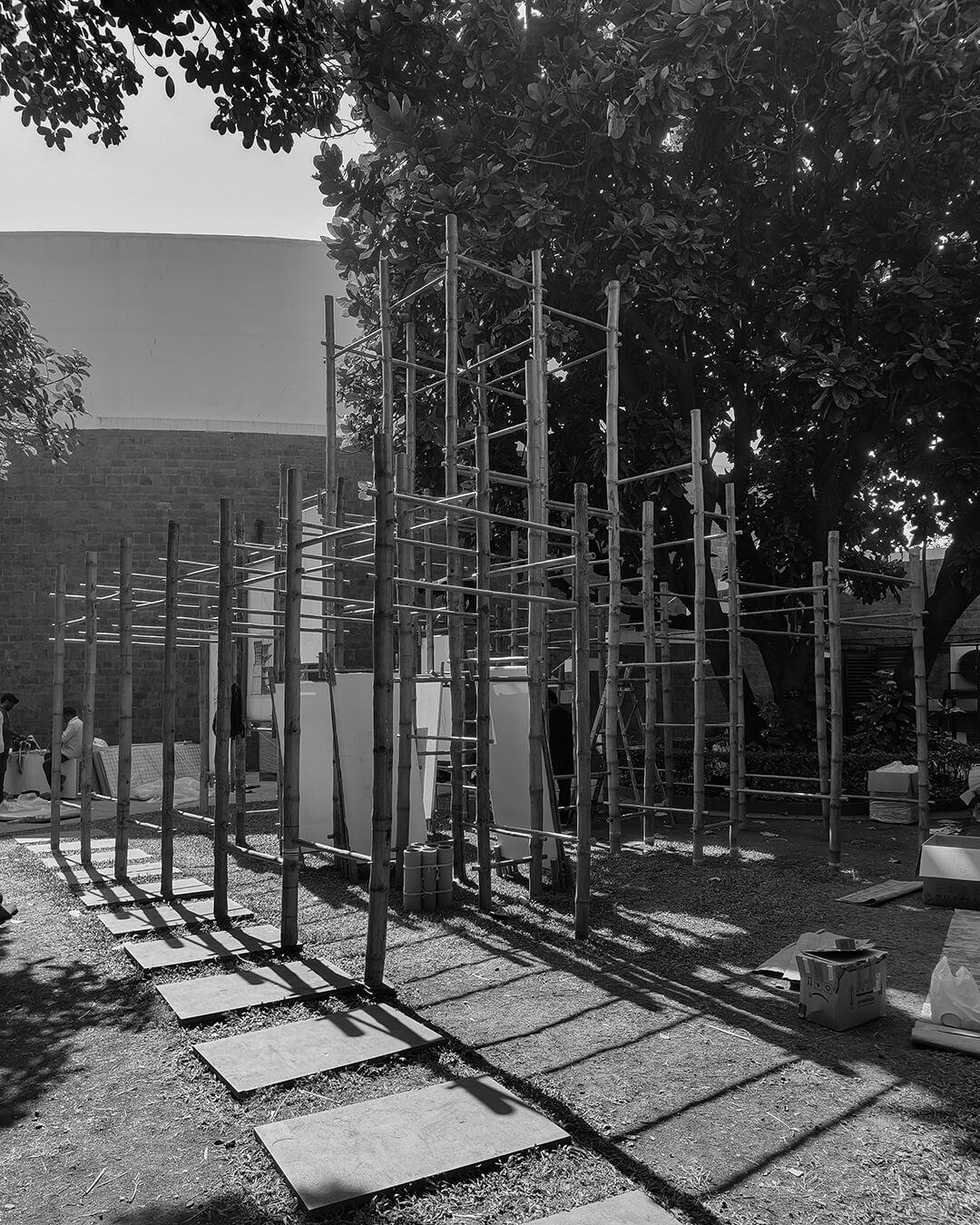
The pavilion’s material choices reflect its conceptual vision. With circular design tenets in mind, the main structure is constructed of bamboo, while the textile panels are completely derived from old clothes, upcycled into architectural surfaces. It’s designed to be easily dismantlable, with joints and sections that can be taken apart and reused in future projects. This adaptability, as the team states, draws from Ladakhi nomadic traditions and their use of lightweight tents for habitation. ‘Both cinema hall and bazaar’, as the team describes the pavilion, the structure is meant to act as a spatial archive, offering fleeting glimpses of the city, alternated by images of mountain landscapes.
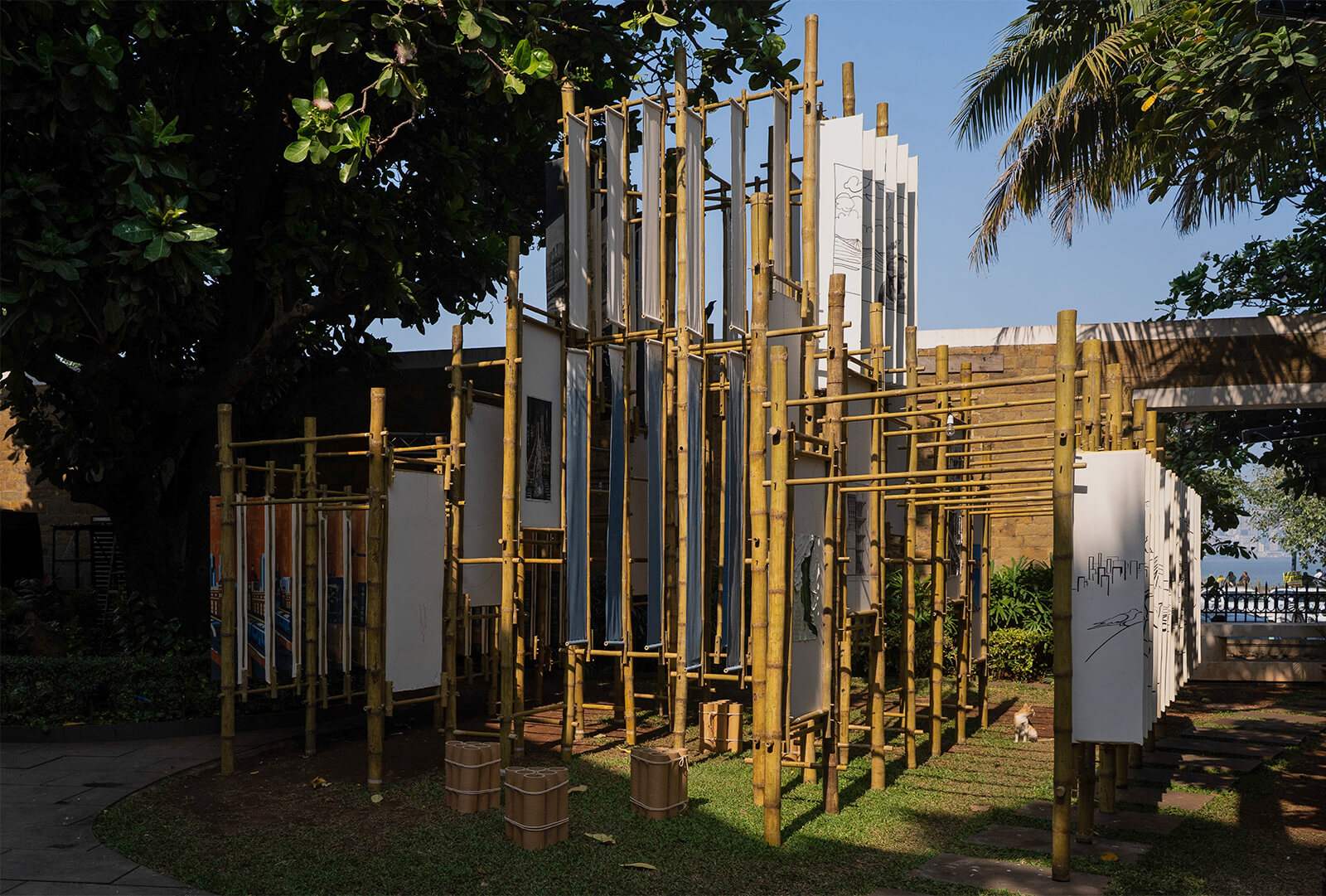
Stratified layers guide this sense of disjuncture, transporting visitors across different scenes projected on the textile panels. These fabric installations cut up, discombobulate and recast distinct images, much like a hologram. The intention was to underscore how the city produces a sense of allure for Ladakh that tangibly affects the ecosystems there. In this sense, the experience of the pavilion architecture is meant to draw a visitor in, as the team notes, and “engages a viewer from an individual’s perspective of becoming a protagonist”.
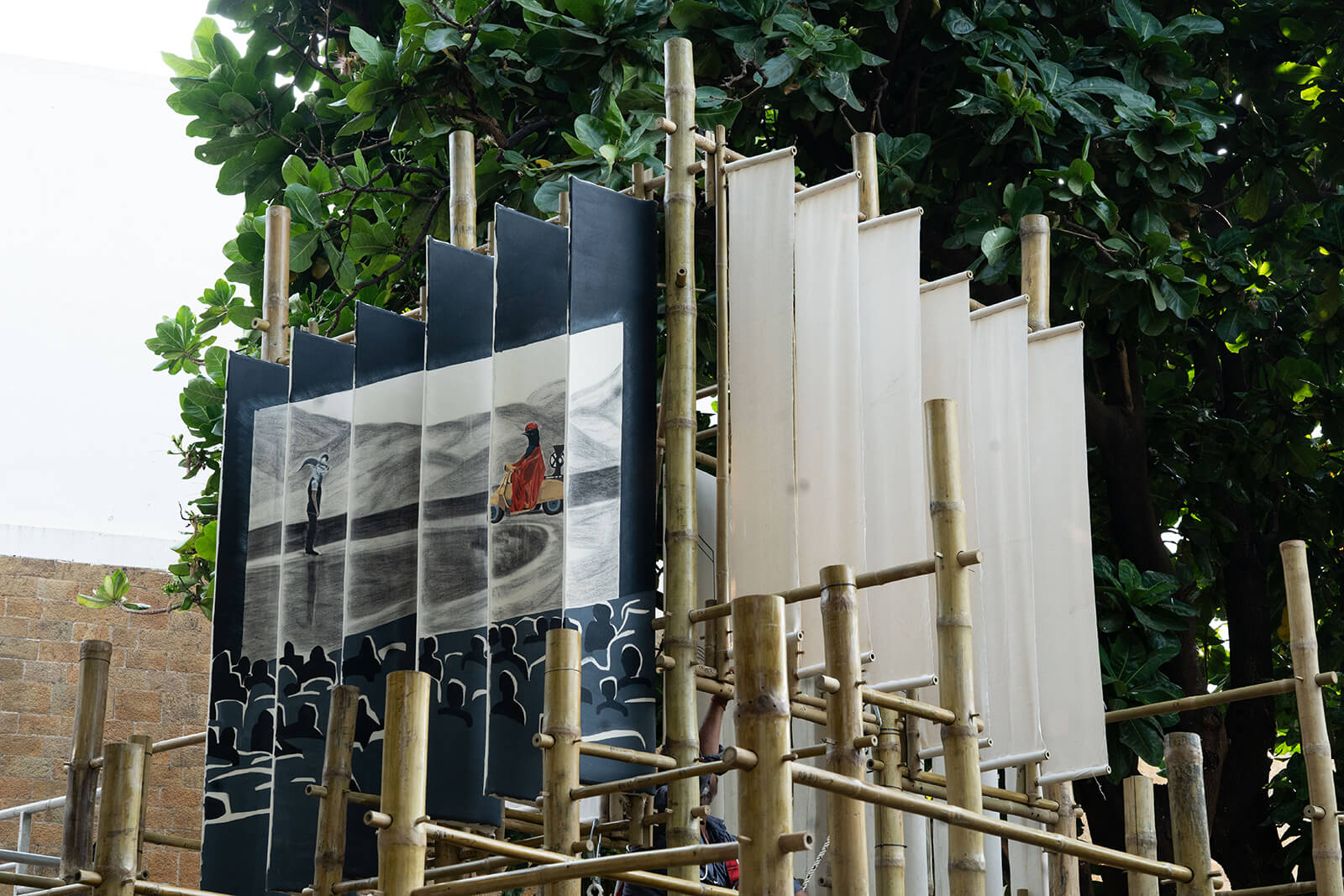
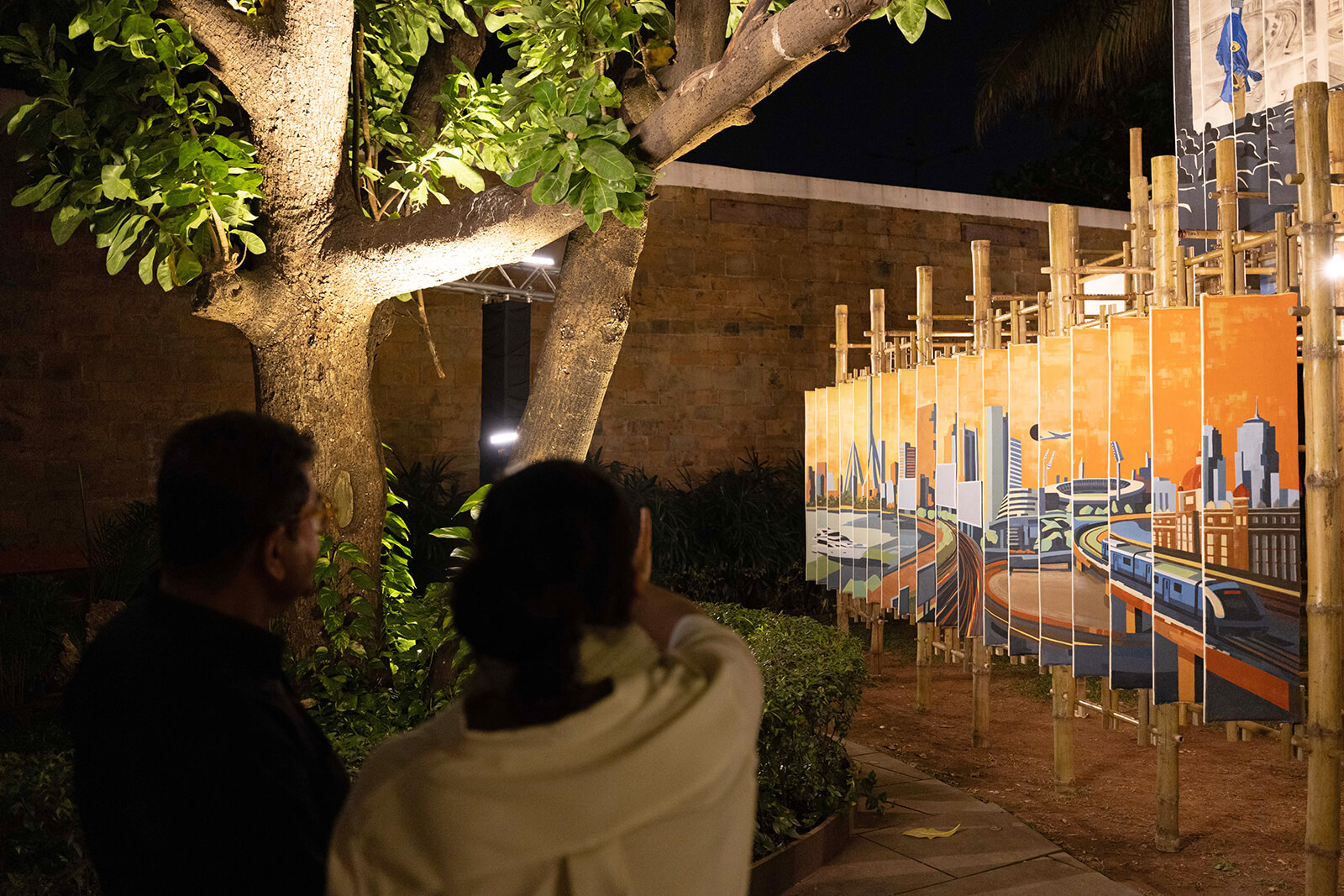
Elaborating on the pavilion’s introverted layout and a structure that conceives of itself as a cinematic unfolding, the team notes that the labyrinthine form, asking visitors to meander through different layers and the central space where they can rest, is meant to showcase how dreams might be shaped collectively, but their internalisation is deeply personal. In that sense, Field Architects’ installation is both introverted and theatrical, with a beacon-like form that as much personal as it is shared. Through a spatial methodology that invites visitors to reflect on their relationship to the rhythms of the city and its evolving definitions, The Script underscores curator Aric Chen’s call to participants for Mumbai Transcripts.
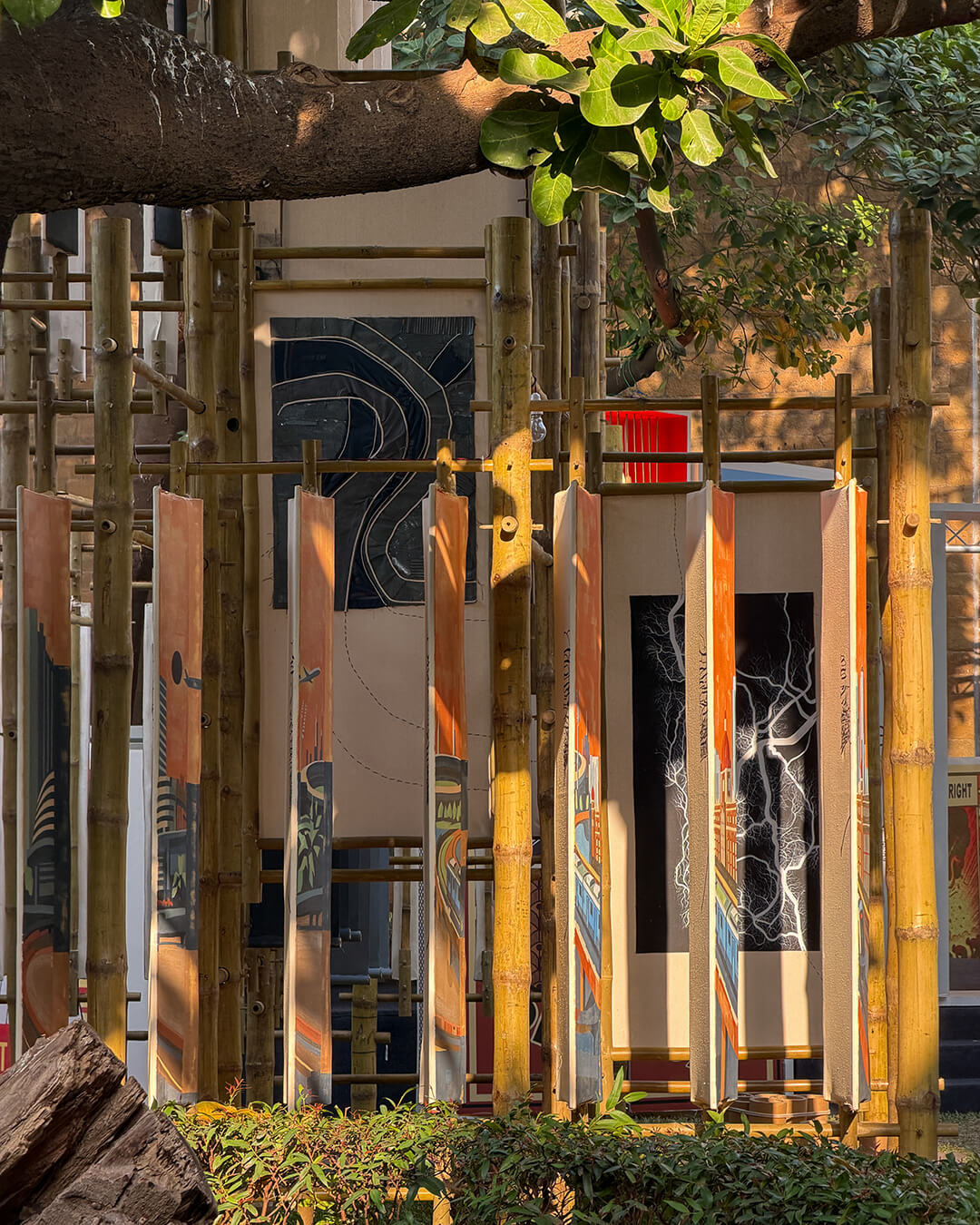
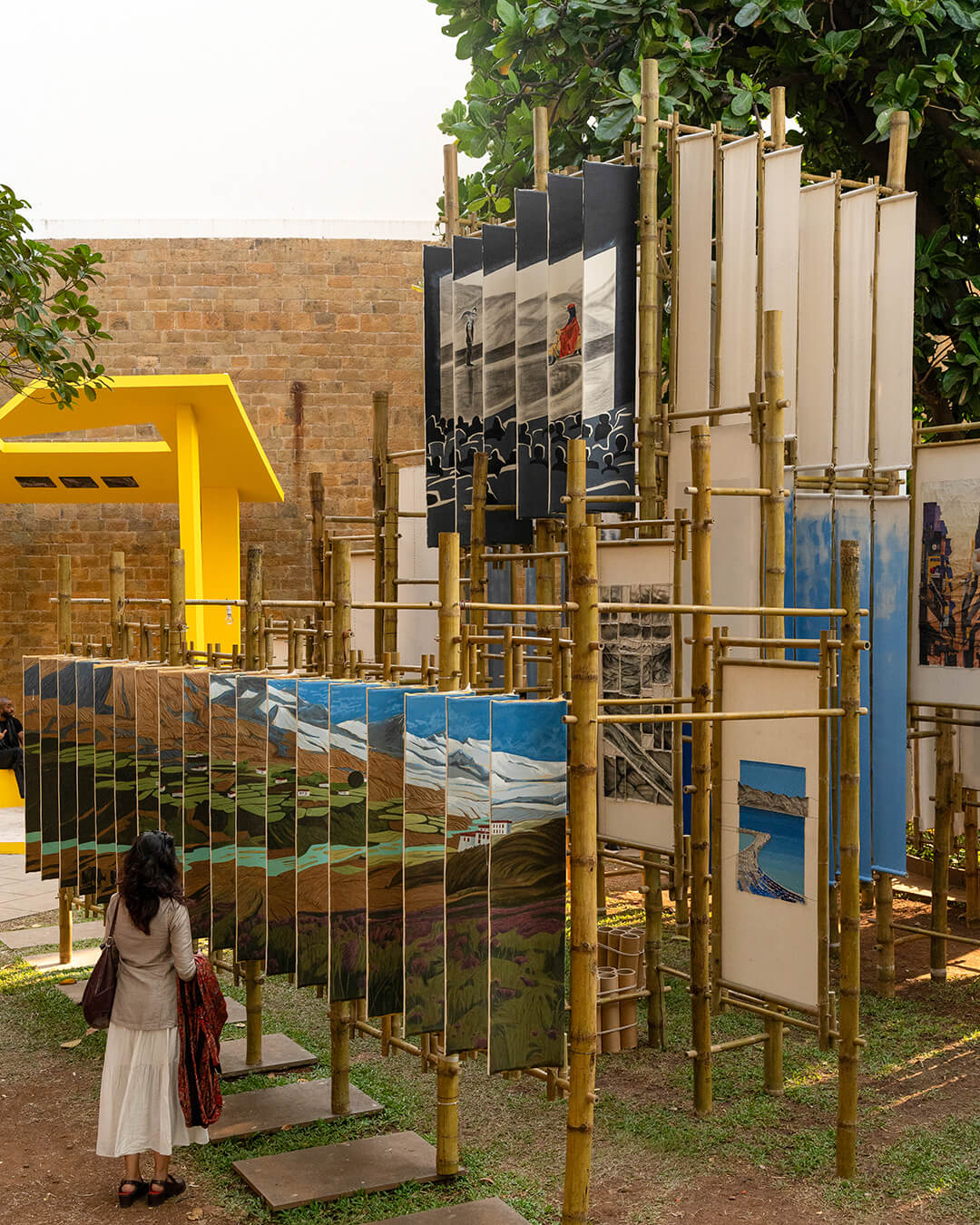
By creating a space that unfolds like a storyboard and dismantling the idea of a static place, the team further hopes to demonstrate the projective role of architecture and place in shaping and being shaped by collective aspirations, denoted by and denoting singular desires. “The kaleidoscopic spatial experience resists a fixed reading. Moving through the pavilion and viewing it from opposite vantage points, visitors are invited to empathise with parallel protagonists, and in doing so, reflect on their own position within Mumbai’s evolving urban psyche,” the Indian architects relay. Through a script that plays out in time and space, the pavilion deftly underscores our urban dualities, reflected as much in the hectic milieu of Mumbai as in the dreams of pastoral retreat in Ladakh.
The 2026 edition of the Pavilion Park at ADFF:STIR Mumbai 2026 is presented by Jaquar.
The Script, by Field Architects, is supported by Royal Enfield.
You can now book your passes for the festival here. Full schedule for the festival is available here.

by Pranjal Maheshwari Oct 19, 2026
The Mumbai-based architects integrate courtyards, mesh screens and north light trusses to create a dining space that doubles up as a community hub at SR University, Warangal.
by Mrinmayee Bhoot Oct 17, 2026
The Rotterdam-based institute centres the Indian Ocean as a network for exploring material histories and transnational links shaping coastal cultures, positing them as future models.
by Pranjal Maheshwari Oct 16, 2026
At the 2026 Stirling Prize ceremony, Mary Duggan with RUFF Architects, MAKER Architecten and Nakshabid Architects were felicitated for proffering quality housing and social equity.
by Mrinmayee Bhoot Oct 12, 2026
The new Centre for Contemporary Arts, fostering public engagement with art in Uzbekistan, is housed in a tram depot refurbished by the French studio, emulating local craftsmanship.

make your fridays matter with a well-read weekend
Enter your details to sign in
Don’t have an account?
Sign upOr you can sign in with
a single account for all
STIR platforms
All your bookmarks will be available across all your devices.
Stay STIRred
Already have an account?
Sign inOr you can sign up with
Verification link sent to check your inbox or spam folder to complete sign up process
Tap on things that interests you.
Select the Conversation Category you would like to watch
Please enter your details and click submit.
Enter the 6-digit code sent at


Field Architects rewrite the maximum city with The Script at ADFF:STIR Mumbai 2026
by Mrinmayee Bhoot | Published on : Dec 30, 2025


 Sign in with Google
 Sign in with email
What do you think?