Architecture07 mins. read
Doshi: Karma A film series (10/10)
by STIRworldSep 03, 2019



by STIRworldPublished on : Sep 02, 2019
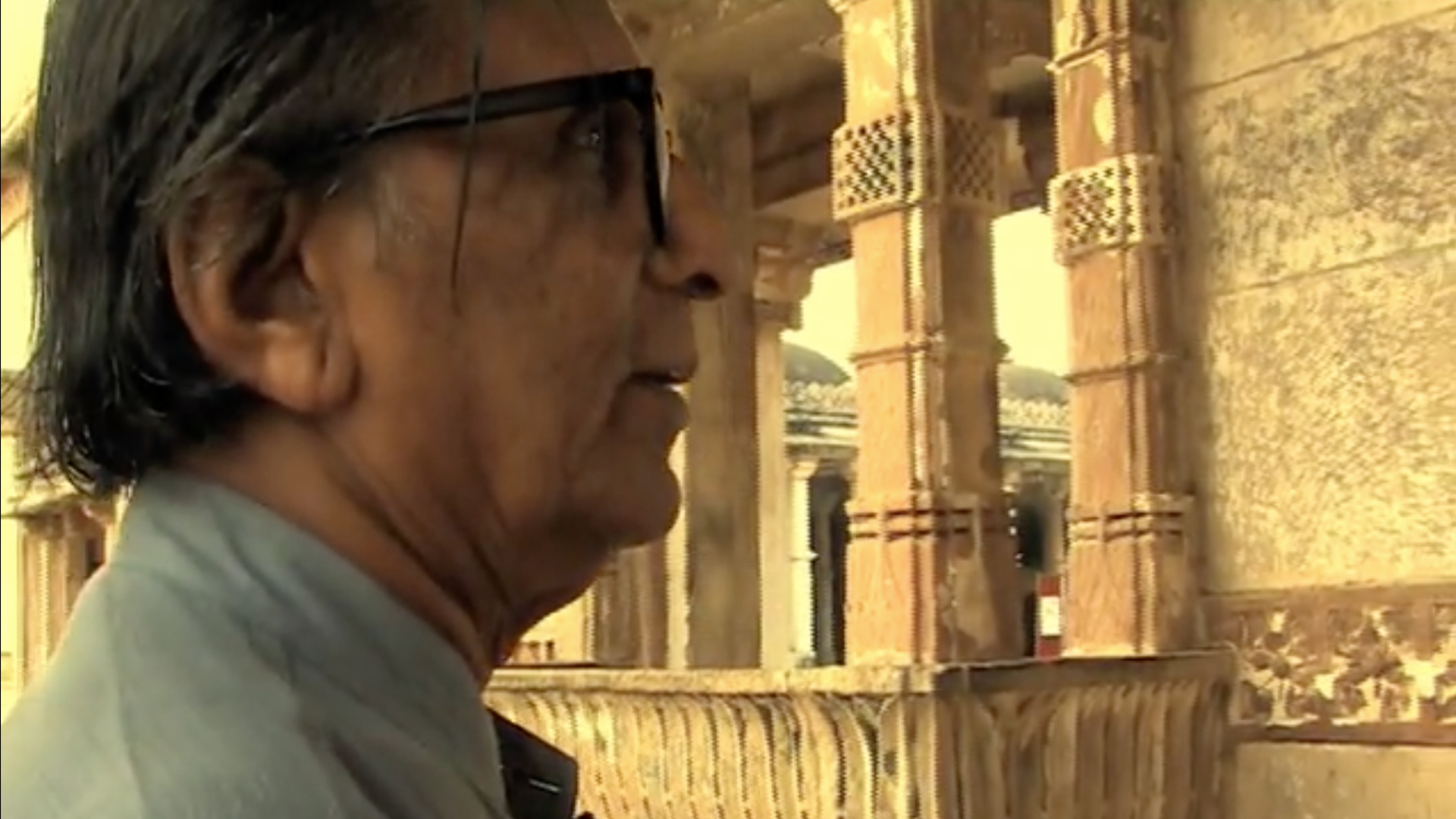
In the last chapter of the film “Doshi”, BV Doshi talks about the status quo in the field of architecture and its students in India. He turns back to history, showing us how they had done it through simple yet easy techniques at the Sarkhej Roza in Ahmedabad. The intentions by architects can mean a lot for our urban development, its people and he urges one to rethink the role of architects, who must think out of their mundane tasks about the larger public realm.
“How come we don’t think about this public realm..?
We don’t talk about people, communities, them rejoicing, we don’t have urban development at all.
We, don’t say, gentlemen here is our new heritage,
Not expensive, do you think collecting water is expensive?
Using sun and light and shadow and sun and showing people the play of volumes and sculptures and music is expensive? It things are good, people will come and dance, if they are not there they won’t come and dance…
There is a beauty that comes from the subtle nuances of volumes and surfaces, look at the skyline now, look at the skills, it is not the monumentality or the size, now we only talk about the price and the value and the cost of things…” - BV Doshi ( at the Sarkhej Roza, Ahmedabad)

See more from the film series 'Doshi':
Doshi: Chapter 1 - 'Eight months with olives and cheese'
Doshi: Chapter 2 - 'I’m not an architect… for me its a search'
Doshi: Chapter 3 - 'Indian Plan is Not Centric'
Doshi: Chapter 4 - 'You Are Representing God'
Doshi: Chapter 5 - 'The End Result Is Not as Exciting as the Process'
Doshi: Chapter 6 - 'Architecture is a Matter of Transformation'
Doshi: Chapter 7 - 'Human Being, By Nature, Is a Warm Compassionate Animal'

by Pranjal Maheshwari Oct 19, 2026
The Mumbai-based architects integrate courtyards, mesh screens and north light trusses to create a dining space that doubles up as a community hub at SR University, Warangal.
by Mrinmayee Bhoot Oct 17, 2026
The Rotterdam-based institute centres the Indian Ocean as a network for exploring material histories and transnational links shaping coastal cultures, positing them as future models.
by Pranjal Maheshwari Oct 16, 2026
At the 2026 Stirling Prize ceremony, Mary Duggan with RUFF Architects, MAKER Architecten and Nakshabid Architects were felicitated for proffering quality housing and social equity.
by Mrinmayee Bhoot Oct 12, 2026
The new Centre for Contemporary Arts, fostering public engagement with art in Uzbekistan, is housed in a tram depot refurbished by the French studio, emulating local craftsmanship.

make your fridays matter with a well-read weekend
Enter your details to sign in
Don’t have an account?
Sign upOr you can sign in with
a single account for all
STIR platforms
All your bookmarks will be available across all your devices.
Stay STIRred
Already have an account?
Sign inOr you can sign up with
Verification link sent to check your inbox or spam folder to complete sign up process
Tap on things that interests you.
Select the Conversation Category you would like to watch
Please enter your details and click submit.
Enter the 6-digit code sent at


Doshi: Chapter 8 - 'So what is our heritage?'
by STIRworld | Published on : Sep 02, 2019


 Sign in with Google
 Sign in with email
What do you think?