Architecture09 mins. read
Programmed encounters and sporadic collisions at ADFF:STIR Mumbai 2026
by Bansari PaghdarJan 16, 2026




by Mrinmayee BhootPublished on : Dec 19, 2025
The acclaimed Architecture & Design Film Festival (ADFF), originating in New York and touring across North America, is set to arrive in Mumbai at the start of the new year with its keen outlook on creative fields and vocations, seen through the lens of film. The much-anticipated return of the festival to South Asia and the National Centre for the Performing Arts from January 9 – 11, 2026, endeavours to be bigger in scale and more multimodal and accessible, with a programme roster that promises to be engaging, vibrant and participatory. ADFF:STIR Mumbai offers something for everyone—those involved in the visual and performing arts, design, architecture and everything in between; along with enthusiasts and those simply curious about our shared built environment. The festival’s spirit is rooted in exchange and dialogue, through the common language of cinema.
The sophomore edition of the festival—co-created with STIR—will expand on the vision of ADFF as a fertile ground for interdisciplinary contamination, with immersive installations, a pavilion park, a dynamic talks programme and special projects. As Amit Gupta, founder and editor-in-chief of STIR, notes, “ADFF:STIR celebrates the intersection of architecture, design, film and the public imagination. It is a democratic terrain of plural voices, converging across disciplines and geographies to question the present and reimagine a collective future. Through cinema, and its extensions into pavilions, public programmes and critical dialogues, it aims to reframe and widen the ways of how we live, build and belong in a world that exceeds the human.”
The films, as the heart of the design festival, reflect this earnest tenet—of making the lives that are lived by design, the gears that keep the creative industries turning, the lived realities of makers, creators and communities dictated by design and the overarching impact of the creative fields, comprehensible to all. As with last year, the films, including documentaries and docu-fiction features, position prominent voices from those who are not often depicted in mainstream discourse. Speaking about this year’s screenings, Kyle Bergman, founder and director of ADFF, states, “This year’s film lineup is our most ambitious yet. What excites me most is that there is something in this selection for everyone. Whether you are an architect, a designer, a student or simply curious about the built world, these films open doors.” With the upcoming edition, the hope is not only to position a plurality of voices and spotlight influential legacies within the discipline, but to foster viewpoints that emphasise the all-encompassing nature of design work. As we lead up to the festival, STIR presents a highlight of special feature presentations and the best of films to be showcased at ADFF:STIR Mumbai edition II.
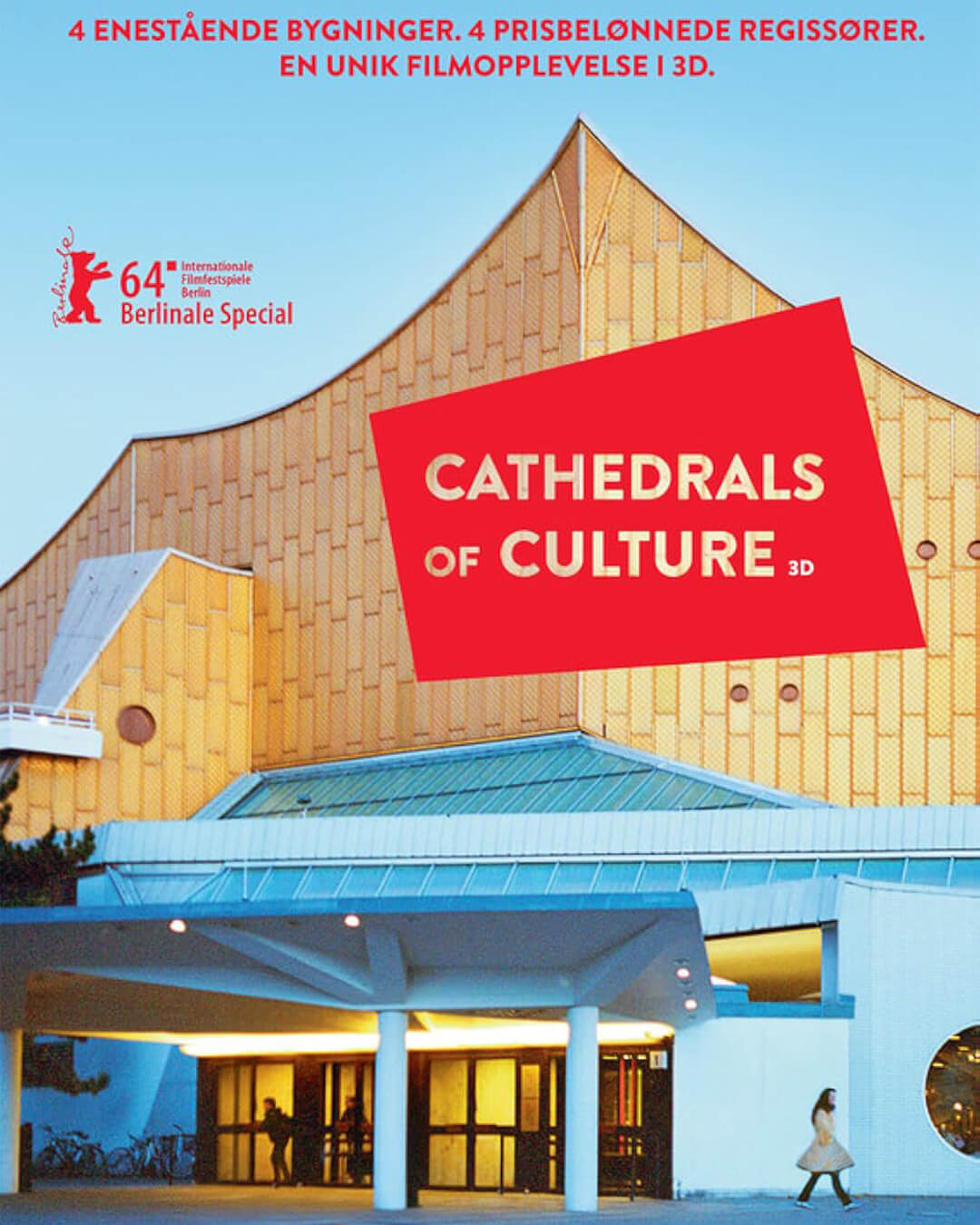
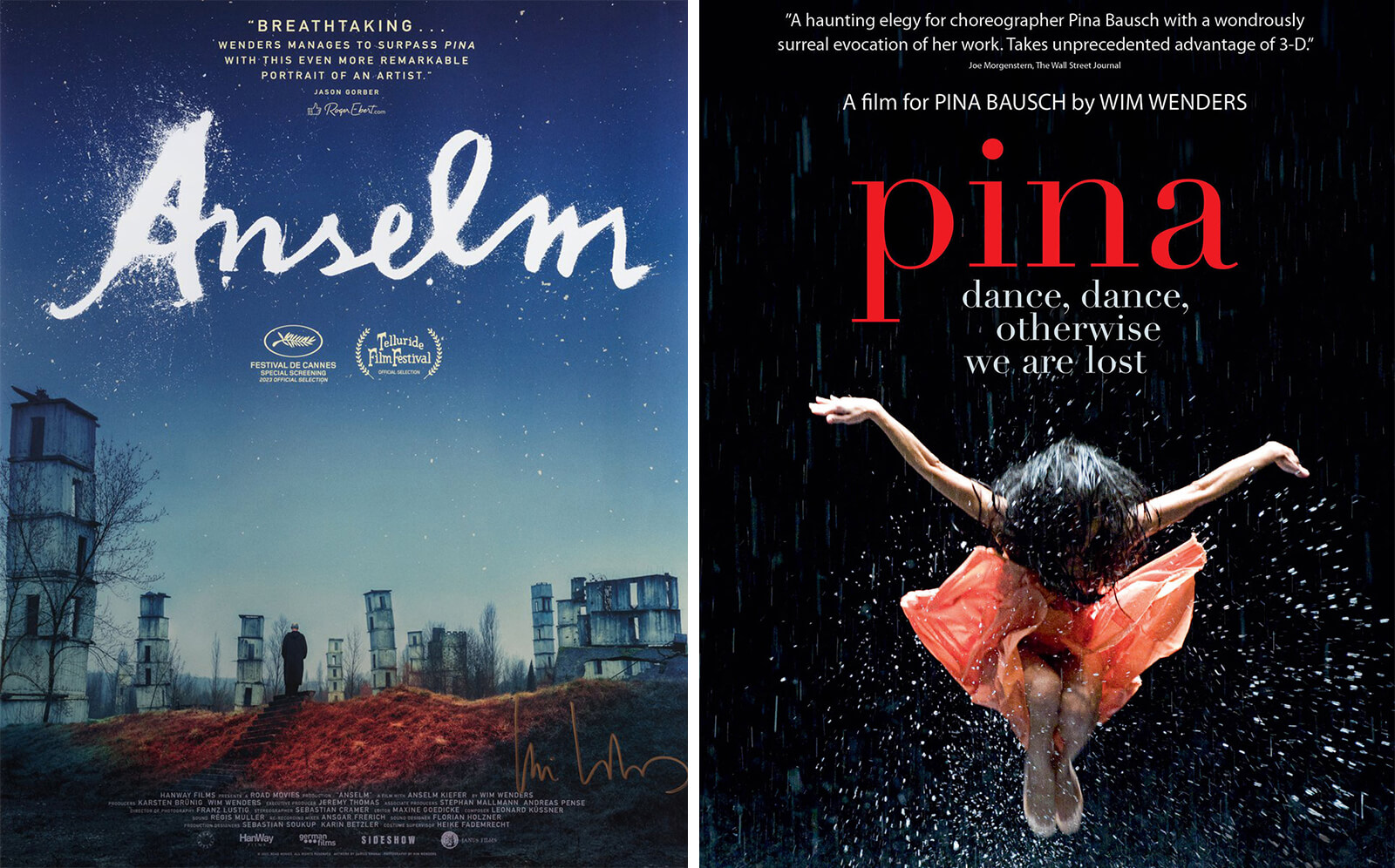
For the festival’s return to the maximum city, a slew of 3D features are planned as a novel addition to the form and format, adding an experiential dimension to the screenings. Two films by the auteur German director, Wim Wenders—centring the lives of the artist Anselm Kiefer (Anselm) and choreographer Pina Bausch (Pina)—will be screened in 3D during the festival. A portrait of Louis Kahn’s Salk Institute—as part of the Cathedrals of Culture series highlighting similar iconic monuments of architecture globally—will also be screened in 3D, extending the experience of one of the most widely recognised paeans to modern architecture to the digital realm. A screening of Berliner Philharmoniker: A Musical Journey in 3D, also in the Cathedrals of Culture series, will be screened at the festival premiere, offering an immersive experience of the cultural institution and the dichotomous identity its building represents (built as it was during the Cold War era). Through Wenders’ urbane eye, audiences will be able to follow several of the building’s users, each of whom has a special connection to it, with Claude Debussy's ballet Jeux creating a buoyant backdrop to their everyday negotiations of the monumental space.
A distinct selection of the films this year probes the legacies of architects (both well-known and esoteric), underscoring the often intertwined nature of their work and life. Two of the films to be screened for this edition examine the creative processes of one of this generation’s most prolific and polemical design figures, the American architect Frank Gehry, who passed away recently. Honouring his legacy, Frank Gehry: Building Justice (2019) explores Gehry’s approach to prison design, examining both the American criminal justice system and the issue of humane design for incarceration centres through the point of view of architecture students.
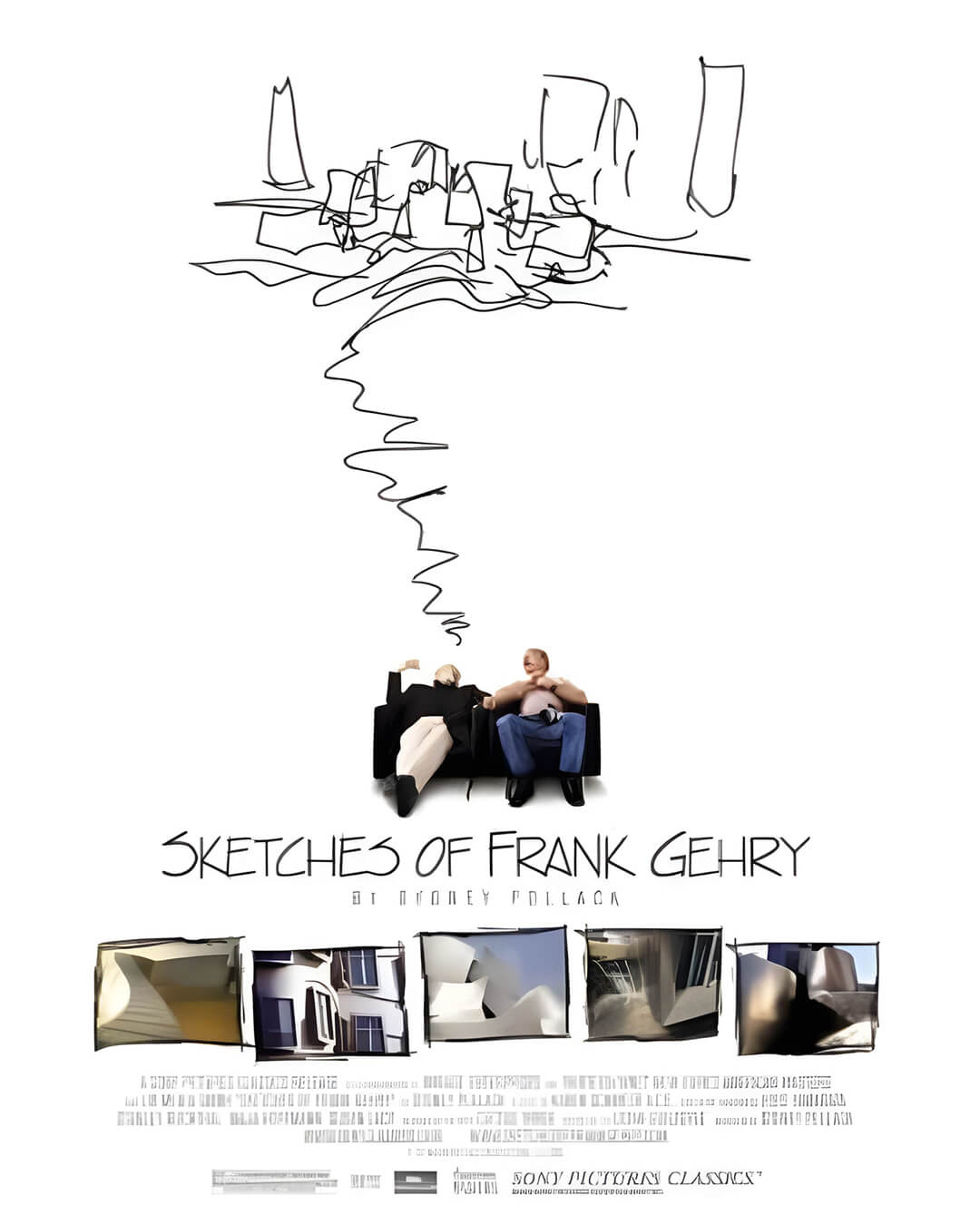
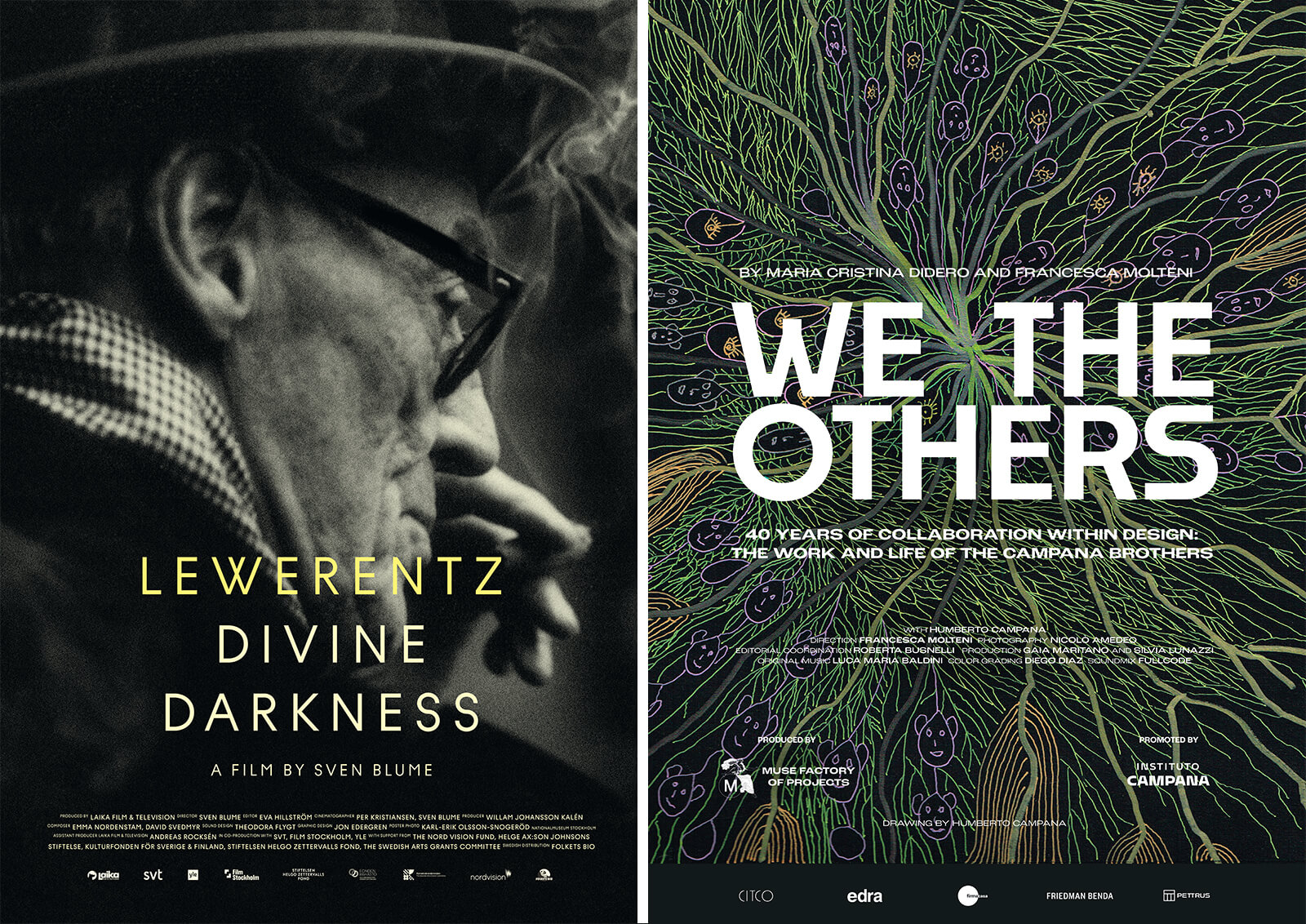
On the other hand, Sydney Pollack’s portrait of Gehry in his 2005 feature, Sketches of Frank Gehry, provides insight into four of Gehry’s most recognised buildings—the Vitra Museum in Germany, Maggie's Centre, the Guggenheim in Bilbao and the Disney Concert Hall in L.A. From retracing the life of the figure who cemented the notion of the ‘starchitect’ in popular culture, other films offer explorations of design legacies who may not be as widely discussed in popular discourse. Lewerentz: Divine Darkness (2024) is perhaps most emblematic of this, presenting the story of Sigurd Lewerentz. While recognised as one of the most famous Swedish architects, Lewerentz was a recluse, never giving interviews or lectures, his figure surrounded by a mysterious aura. Through reels and audio tapes recorded by the architect Bernt Nyberg with Lewerentz during his last years, the documentary showcases a previously unknown side to the architect’s life.
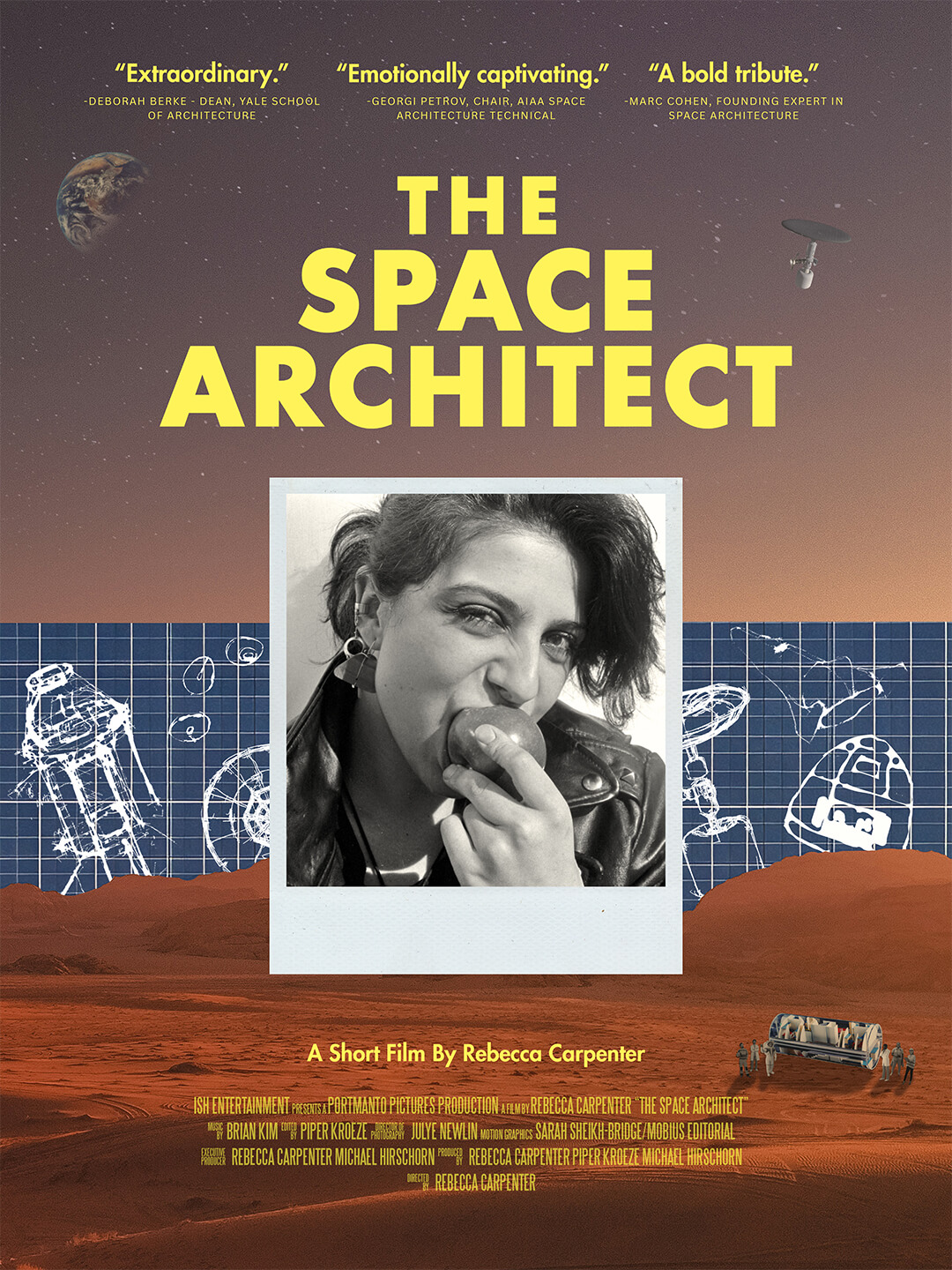
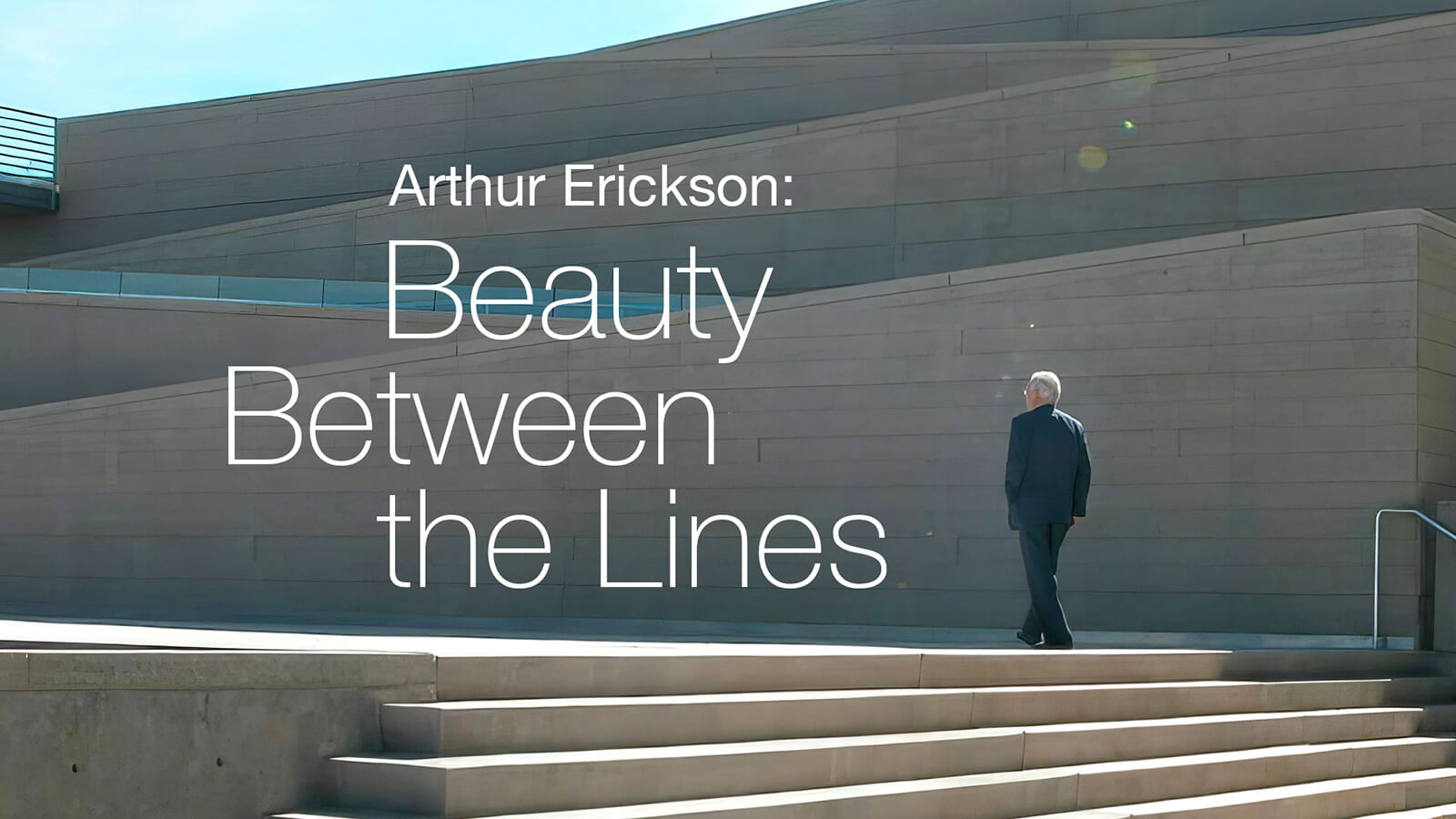
The Space Architect (2025) by Rebecca Carpenter follows the career of Constance Adams, who designed space architecture systems. Following her life after she is diagnosed with terminal cancer, Carpenter—who was Adams’ classmate—hones in on the architect’s design philosophy that fuses technical precision with human-centred empathy, framing her final endeavour, The Mothership Project. Other films slated to be screened during the three days that offer otherwise unseen processes that delineate the lives and works of designers include an exploration of Arthur Erickson’s distinct approach to architecture, transcending traditional boundaries by fusing art, culture and nature in Arthur Erickson: Beauty Between the Lines (2024). An intimate sketch of the acclaimed Brazilian design duo, Fernando and Humberto Campana, delves into the philosophies undergirding their practice, while also shedding light on various social activities undertaken by the Instituto Campana, based in Brotas.
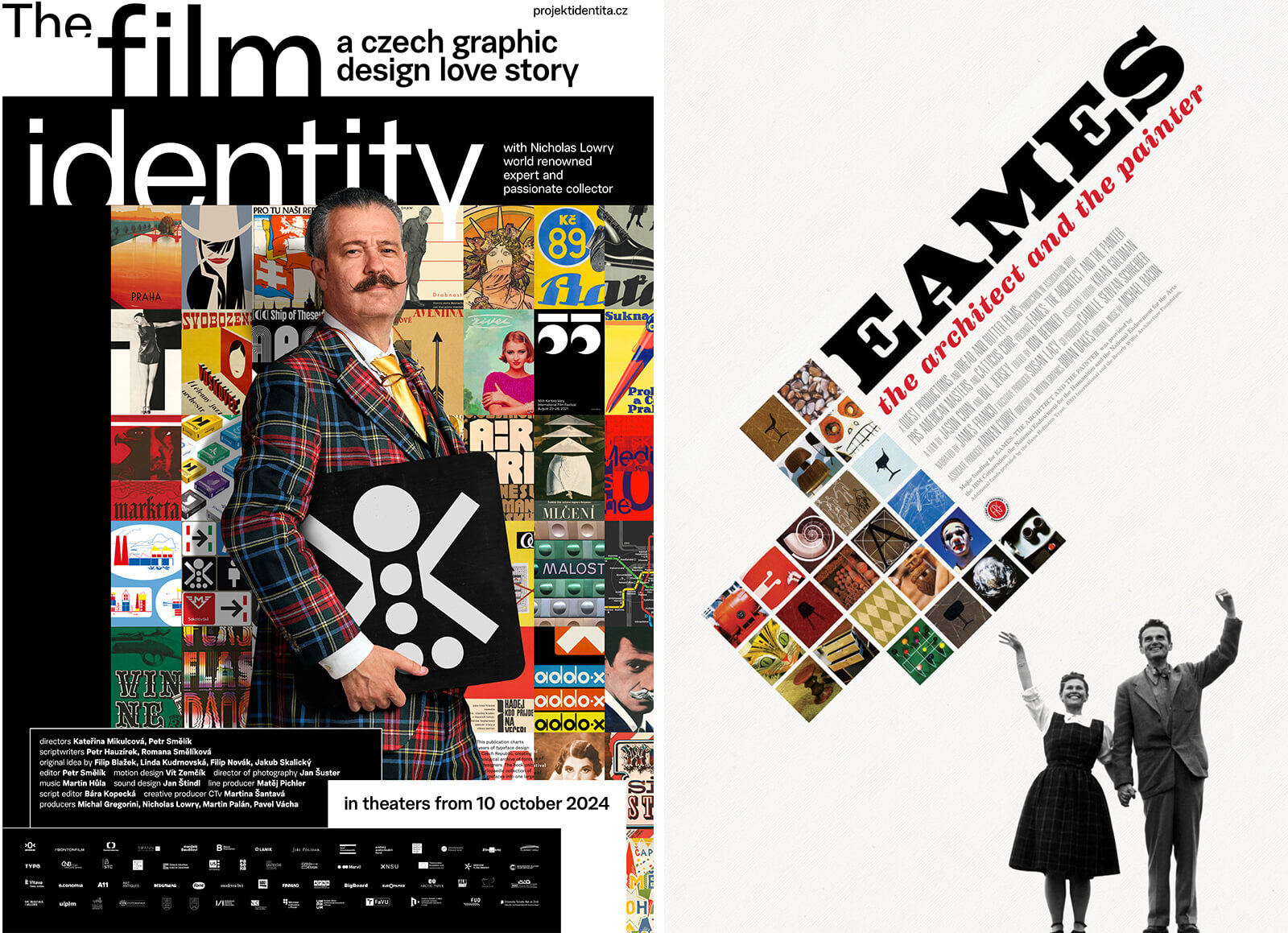
Veering away from the architectural perspective, in Identity: A Czech Graphic Design Love Story (2024), audiences follow Czech-American Nicholas Lowry as he maps out what has shaped and continues to define the Czech national identity. From the cities of Zlín, Litomyšl and Brno to hiking trips along routes marked by the Czech Tourist Club, Lowry traces the story of Czech graphic design and its quirks. A multidisciplinary approach to design is also emphasised by Eames: The Architect and Painter (2011), delving into the lives of Charles and Ray Eames, modernist designers who were instrumental in cementing design pedagogy in India (through the Eames Report that eventually resulted in the establishment of NID). The documentary depicts their complicated personal lives, adding another dimension to their distinguished professional auras.
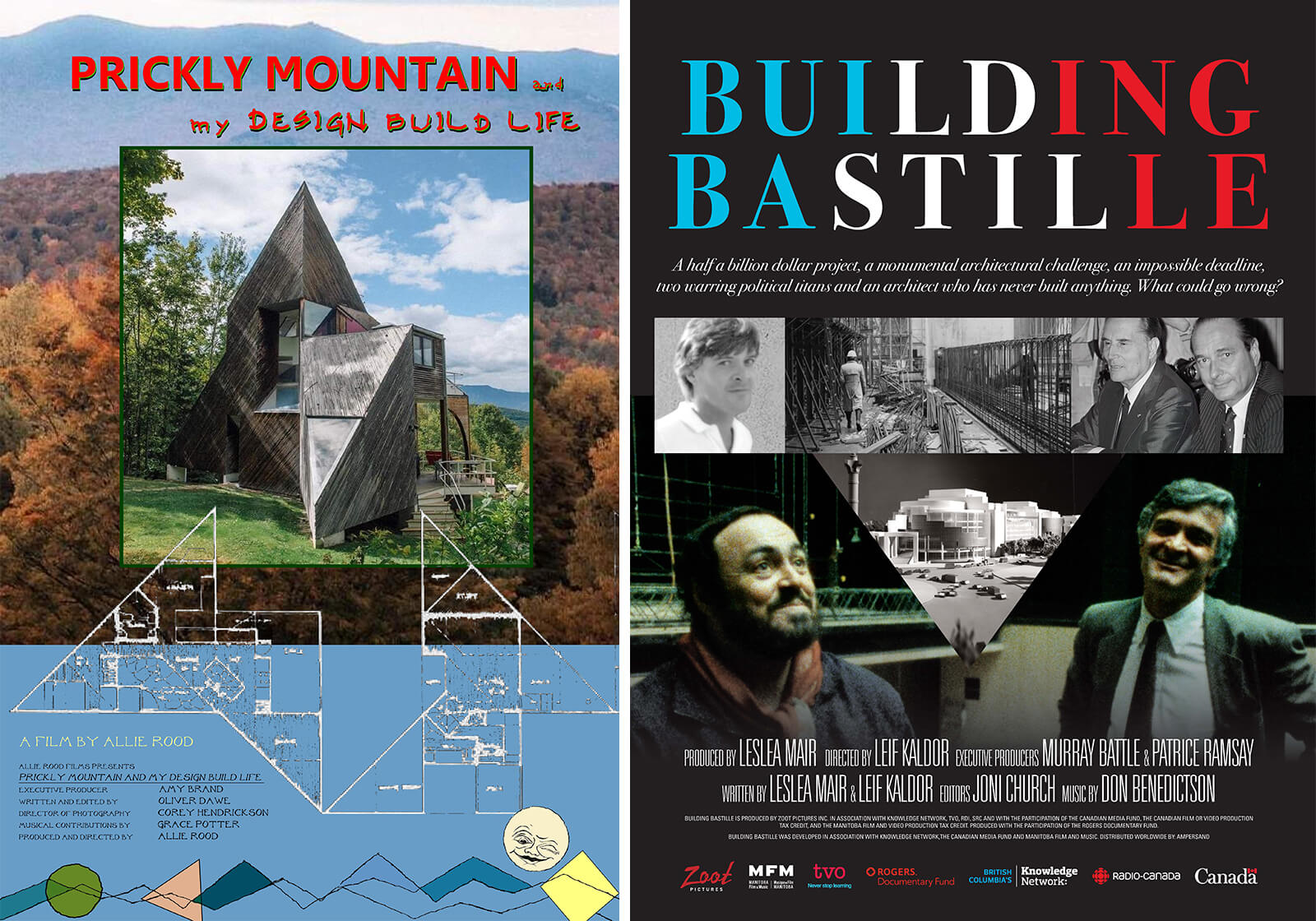
Design pedagogies and pluralities also feature prominently in some of the films to be shown at the festival. Unfinished Spaces (2011), for instance, explores the establishment of Cuba's National Art Schools, commissioned by Fidel Castro and Che Guevara in 1961. The documentary follows the three young architects who set out to make this vision tangible, but which remained unfinished in the wake of the Cuban revolution. It focuses on Castro inviting the exiled architects back to finish their unrealised dream. Prickly Mountain and My Design/Build Life (2025) takes this commitment to design and building further, depicting the lives of a group of architects who migrated to Vermont with the simple goal of actually constructing the structures they dreamt up. Through the eyes of filmmaker Allie Rood, who grew up in the community, the film traces their radical vision, inspired by Bauhaus ideals and the spirit of experimentation. In parallel, Building Bastille! (2021) tells the story of the project to build an opera at the site of the notorious Bastille prison, taking on a quirky tone. It depicts a sort of comedy of errors by which the commission goes to Carlos Ott, a Canadian architect, and the strange and dramatic events that follow.
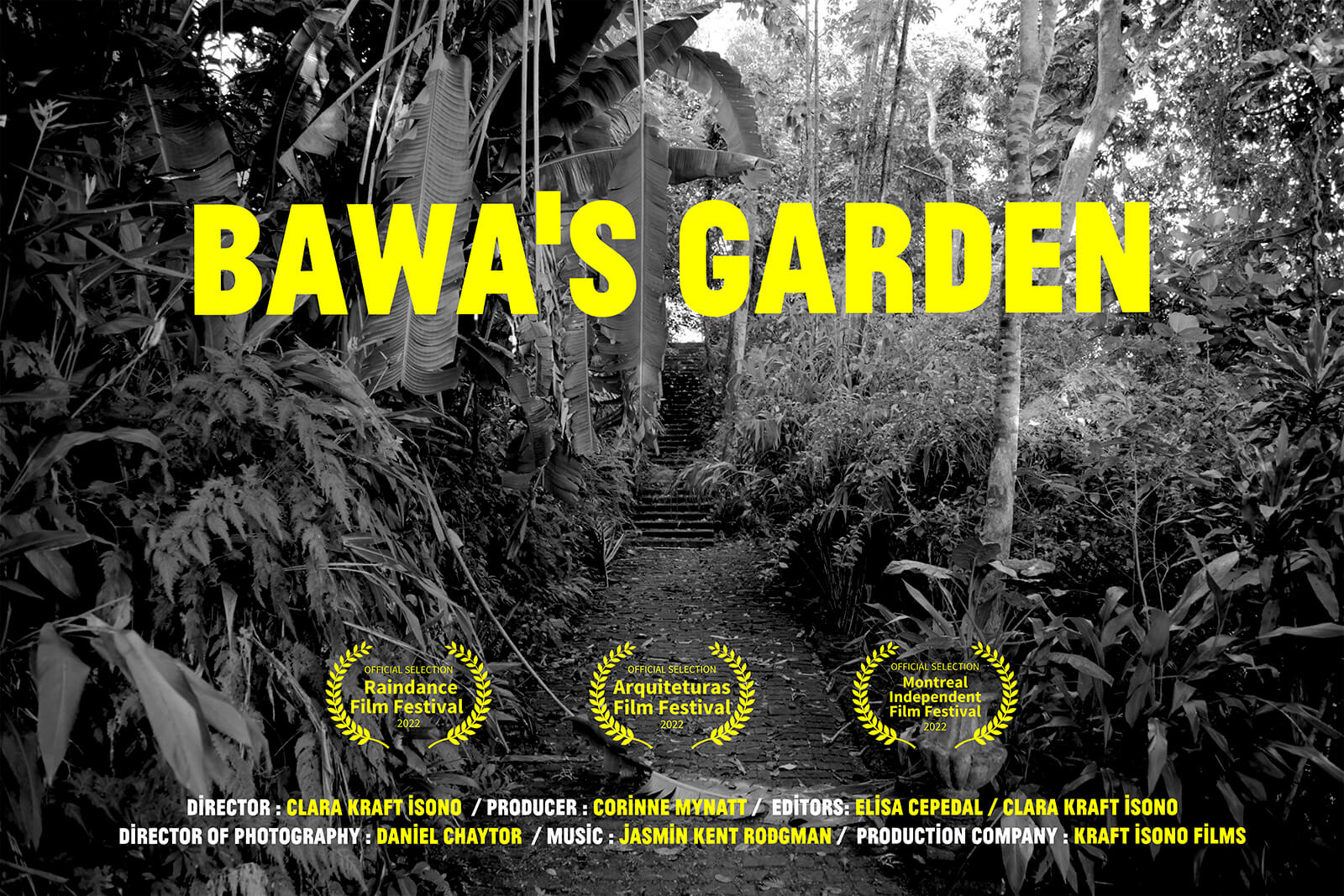
Apart from questions of design practice, legacy and the ways in which design for the built environment is understood, received and disseminated, some of the films for edition II also trace the more ineffable, universal and intangible aspects of the arts. In Tracing Light (2024), filmmaker Thomas Riedelsheimer explores light as both medium and material, bringing together leading scientists and artists across Scotland and Germany who sculpt with light—from the Max Planck Institute at Erlangen to Glasgow University’s Extreme Light Group—to give a voice to what has so far been essentially unintelligible. This sense of poetics is echoed by London-based filmmaker Clara Kroft Isono’s search for balance and peace in the work of renowned Sri Lankan architect Geoffrey Bawa in Bawa’s Garden (2023). A mutable, ever-metamorphosing entity, Bawa’s Lunuganga becomes a manifestation of his ecologically minded design philosophy.
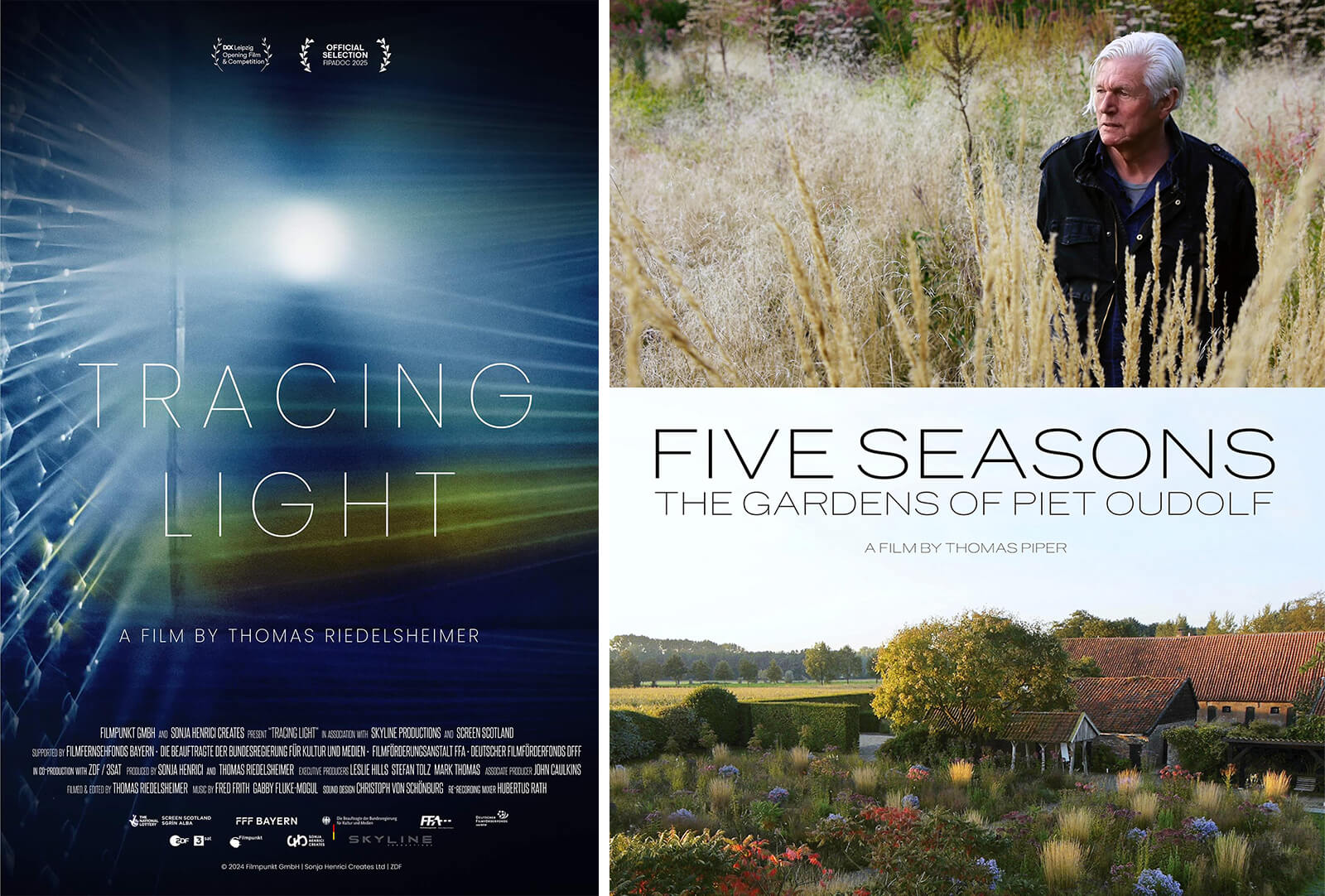
Similarly, Five Seasons: The Gardens of Piet Oudolf (2017) traces the design process of the inspirational landscape designer and plantsman. Emphasising Oudolf’s outlook on beauty, ecology and ephemerality through his gardens, the narrative follows the Danish designer as he imagines and installs a major new garden at Hauser & Wirth Somerset, a gallery and arts centre in Southwest England. In Architecton (2024), Victor Kossakovsky presents a glimpse into the burden design places on natural resources. Focusing the narrative on a landscape project by the Italian architect Michele De Lucchi, Kossakovsky reflects on the rise and fall of civilisations in tandem, juxtaposing destruction with the vital act of creation.
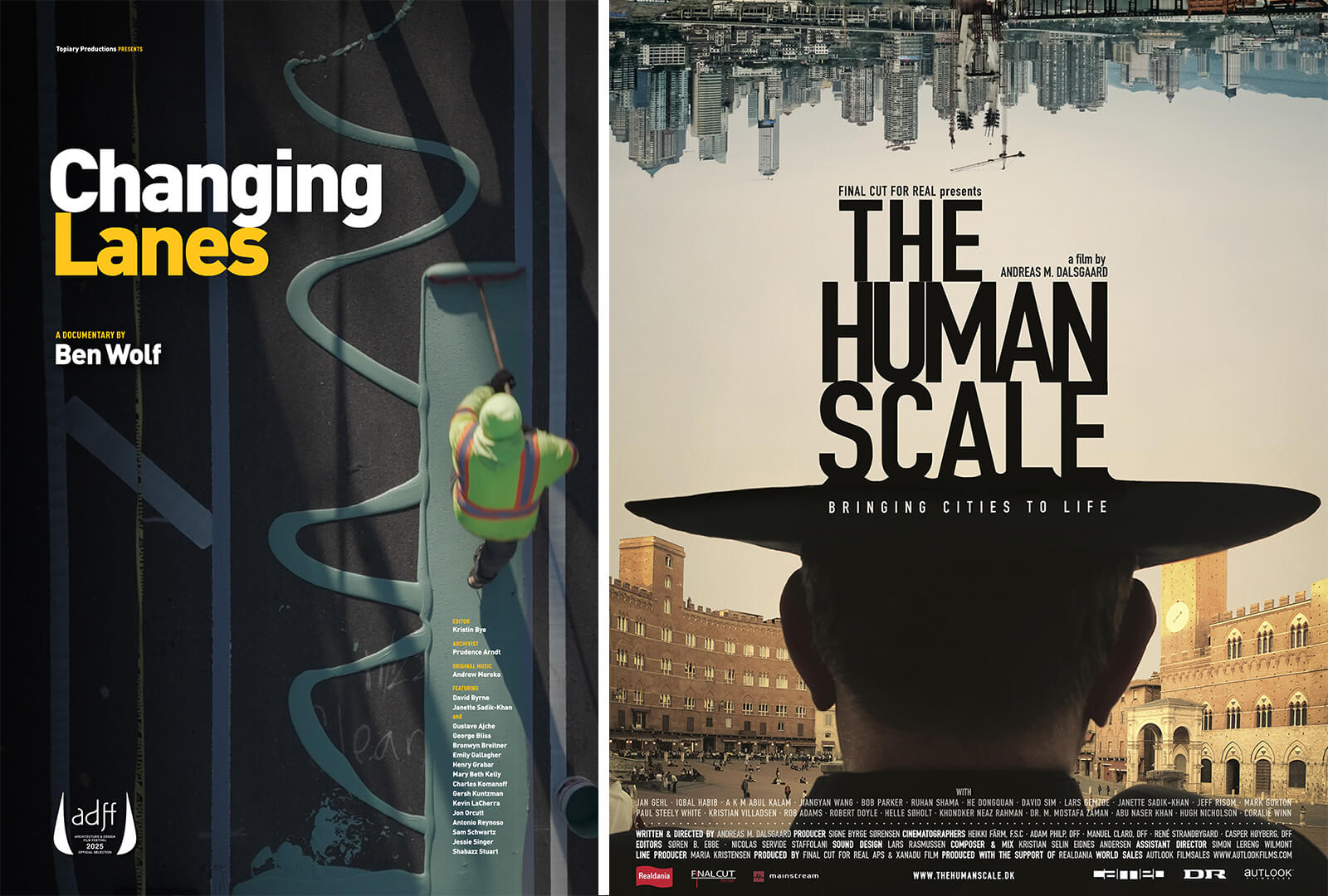

In perhaps the most incisive portrayal of design and its impact on our lives, environments and ways of being, Changing Lanes (2025) portrays the story of the fight to redesign the four-lane street bisecting McGuinness Boulevard, a relic of the Robert Moses era that has been the cause of several fatalities over the years. The film offers a mirror to American political culture, underscoring the need for better transportation policies. Parallely, in The Human Scale (2012), Andreas Møl Dalsgaard and Jan Gehl make the case for humane urban design. Speaking with thinkers, architects and urban planners across the globe, the documentary shows the ways in which designers and planners can build cities that take human needs for inclusion and intimacy into account.
The first step to be able to imagine otherwise is the capacity to reconsider, to look again at what has thus far been the norm. The films this year, inculcating a plurality of voices—from the Global South to the perspectives of women and queer creatives—offer a novel lens into creative worlds that have thus far been explored at their surfaces. The hope remains that these may serve as inspiration for newer legacies, newer stories and newer possibilities, all staged in a city defined by its protean nature.
ADFF:STIR Mumbai returns to the NCPA grounds in Mumbai, India, from January 9 – 11, 2026, with a renewed focus and expanded program. Keep an eye out on STIR's official channels and on the ADFF:STIR Mumbai website for further details on the films, the Jaquar Pavilion Park, the ~log(ue) Programme supported by JSW and other Special Projects.
You can now book your passes for the festival here.

by Pranjal Maheshwari Oct 19, 2026
The Mumbai-based architects integrate courtyards, mesh screens and north light trusses to create a dining space that doubles up as a community hub at SR University, Warangal.
by Mrinmayee Bhoot Oct 17, 2026
The Rotterdam-based institute centres the Indian Ocean as a network for exploring material histories and transnational links shaping coastal cultures, positing them as future models.
by Pranjal Maheshwari Oct 16, 2026
At the 2026 Stirling Prize ceremony, Mary Duggan with RUFF Architects, MAKER Architecten and Nakshabid Architects were felicitated for proffering quality housing and social equity.
by Mrinmayee Bhoot Oct 12, 2026
The new Centre for Contemporary Arts, fostering public engagement with art in Uzbekistan, is housed in a tram depot refurbished by the French studio, emulating local craftsmanship.

make your fridays matter with a well-read weekend
Enter your details to sign in
Don’t have an account?
Sign upOr you can sign in with
a single account for all
STIR platforms
All your bookmarks will be available across all your devices.
Stay STIRred
Already have an account?
Sign inOr you can sign up with
Verification link sent to check your inbox or spam folder to complete sign up process
Tap on things that interests you.
Select the Conversation Category you would like to watch
Please enter your details and click submit.
Enter the 6-digit code sent at


The films lineup at ADFF:STIR Mumbai 2026 probes the pluralities of creative practice
by Mrinmayee Bhoot | Published on : Dec 19, 2025


 Sign in with Google
 Sign in with email
What do you think?