Architecture10 mins. read
ADFF:STIR Mumbai 2026 promises a radical vision connecting cinema, space and city
by Jincy IypeDec 15, 2025




by Bansari PaghdarPublished on : Jan 08, 2026
Talks and public programming have long occupied an ambiguous position within design and architecture festivals, along with pertinent discourse at large. They are everywhere, yet rarely central—often positioned as pauses between exhibitions, screenings, ‘headliners’, or as fillers for launches or parallel events for a smaller, more niche audience. And yet, it is so often that in these conversations—and not in a finished product or completed building—that deeper questions come to the surface: the way we think about these fields, why we create, who we create for and the broader engagements and intersections that shape our practices. Conversations create space for practices to be examined, analysed, criticised and shared. In the cultural landscape of India, this space is critical—urgent yet underdeveloped. Public talks often oscillate between the spectacle of celebrity and the wide-eyed optimism of academia: between ‘starchitect’-led inspiration sessions that flatten complexity into digestible bites and conferences or trade fair talks that remain sealed within commercial language and limited access. A meaningful middle ground seems missing, a shared intellectual space that is as embracing as it is critical, open without being superficial and rigorous without being exclusionary. A space, essentially, where conversation isn’t a side quest or cultural supplement, but central to culture itself.
The ~log(ue) programme at ADFF: STIR Mumbai 2026, running from January 9 – 11, is conceived from this very position—of a forum designed not as an add-on to the festival, but as a long-form intellectual infrastructure that forms vocabulary and unsettles assumptions. It disengages from the canonical grammar of talks, which often comprises linear keynotes, predictable panels and unilateral speeches, instead experimenting with formats that reflect the very plural genesis of thought and creative work itself—in fragments, overlaps, exchanges and interruptions. Through ~monolog(ue)s, ~dialog(ue)s, ~multilog(ue)s, ~metalog(ue)s, ~epilog(ue)s, ~prolog(ue)s and ~analog(ue)s, the programme constructs a living ecology of voices across architecture, design, film, theatre and cultural practice, foregrounding processes of inquiry instead of conclusions.
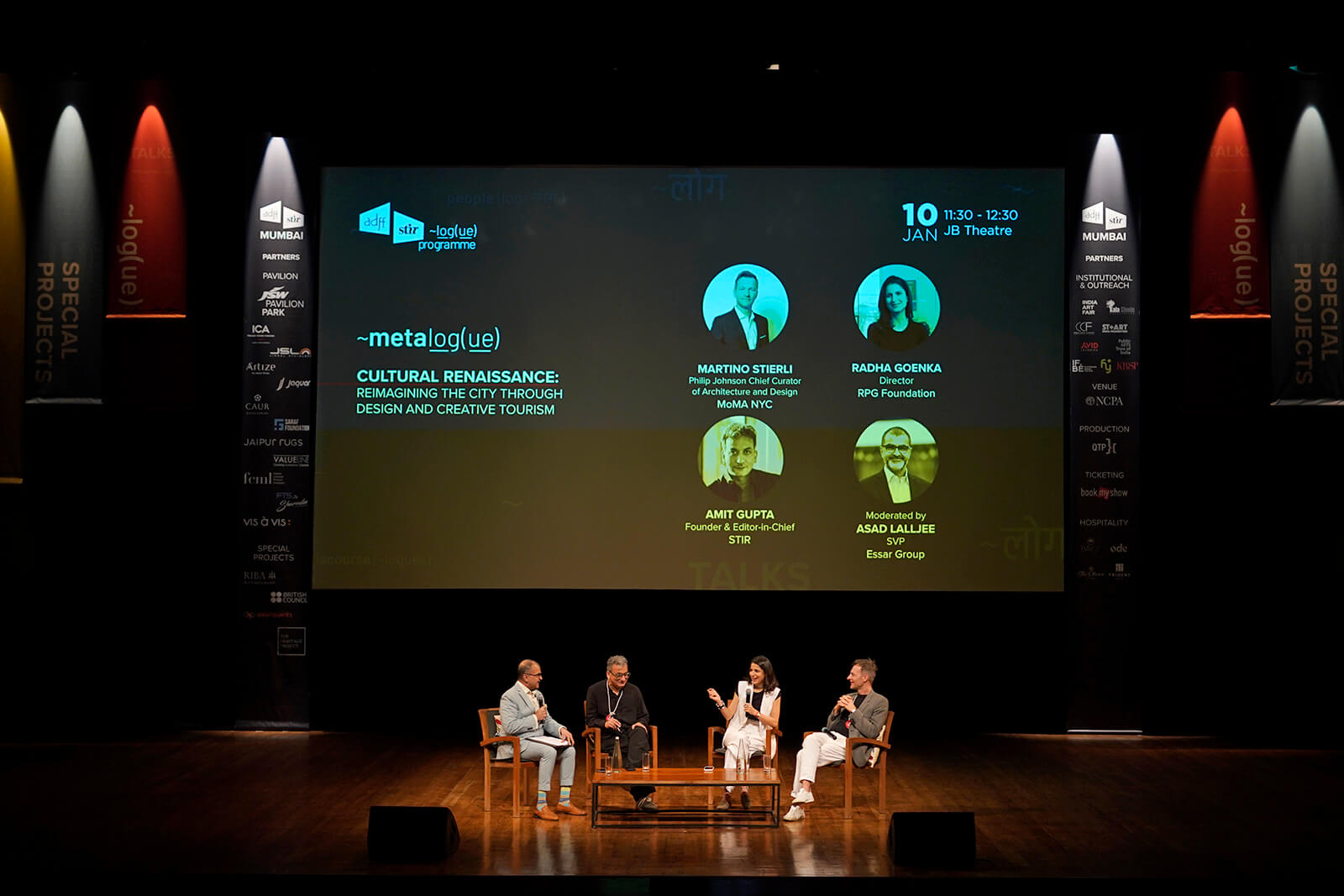
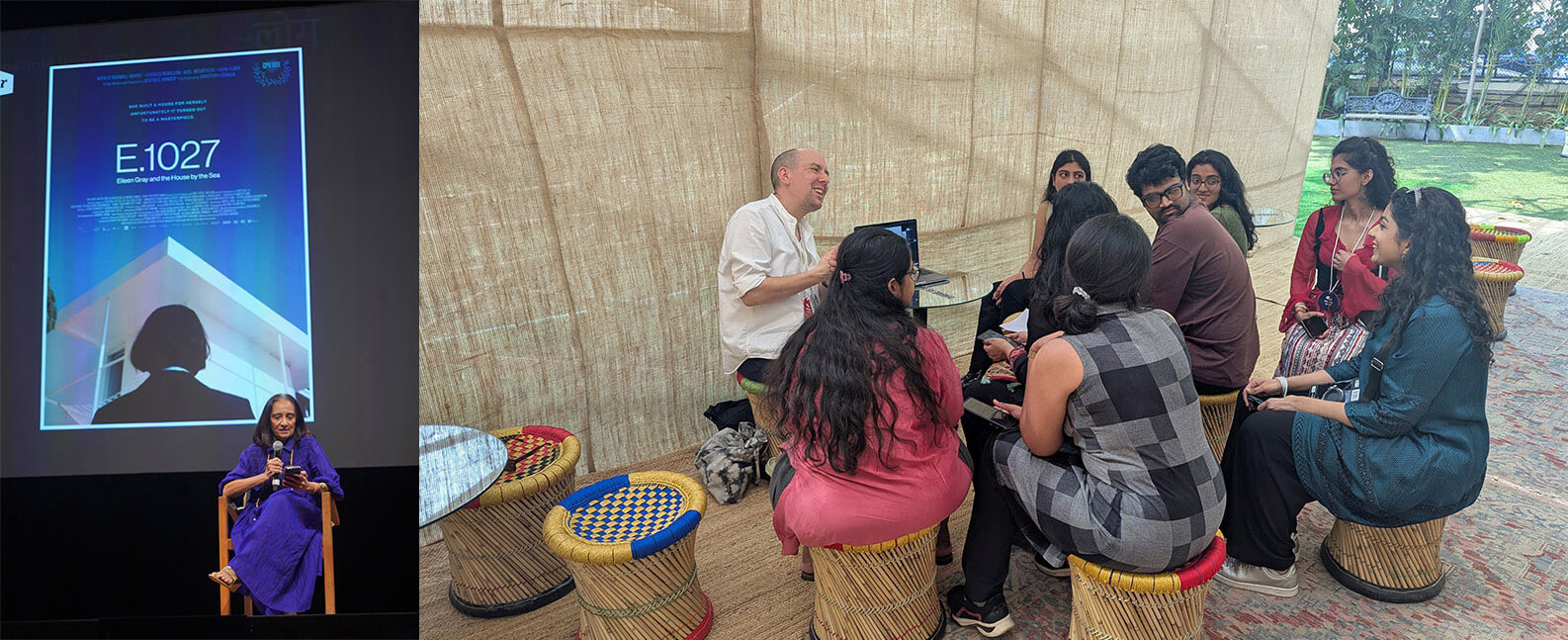
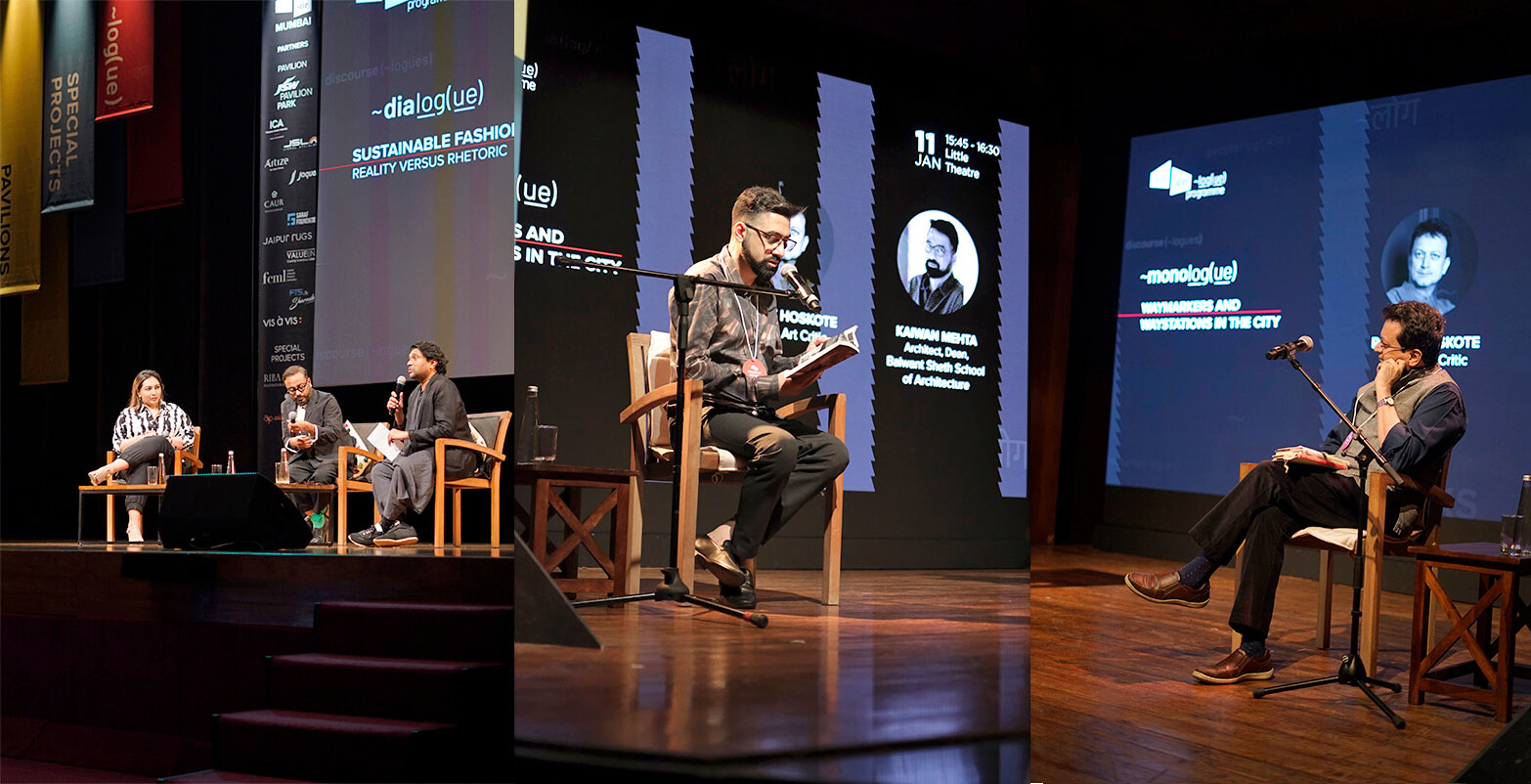
Multimodal exchanges, comprising ~monolog(ue)s, ~dialog(ue)s, ~multilog(ue)s and ~metalog(ue)s stage creative encounters among professionals through several moderated and loosely structured talks for dynamic interactions, while analogous activations through ~analog(ue)s creatively engage the visitors into active participation through the Jaquar Pavilion Park. Moreover, ~epilog(ue)s and ~prolog(ue)s are responses to the films screened at the venue, translating into performative and spoken mediums that express, represent and carry forward the themes portrayed in the films. Inaugurating the ADFF festival, the premiere night on January 8, 2026, will feature a ~metalog(ue) session titled Building the Framework: Institutions, Patronage and the Future of Architecture and Design, at the Tata Theatre. The session brings together architecture critic and author Paul Goldberger, Martha Thorne, former executive director of the Pritzker Architecture Prize and a juror for the Pavilion Park, along with Sangita Jindal, chairperson of the JSW Foundation and Aric Chen, director of the Zaha Hadid Foundation and curator of this year’s Pavilion Park. Delineating the schedule of the talks and interactions, STIR presents the curated line-up for the three-day ~log(ue) programme:
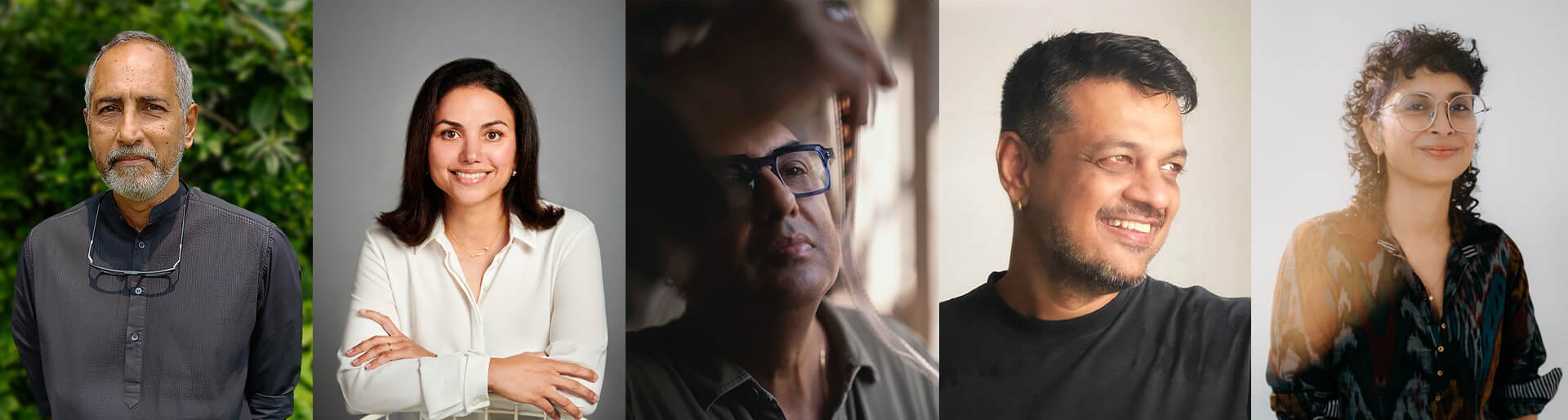
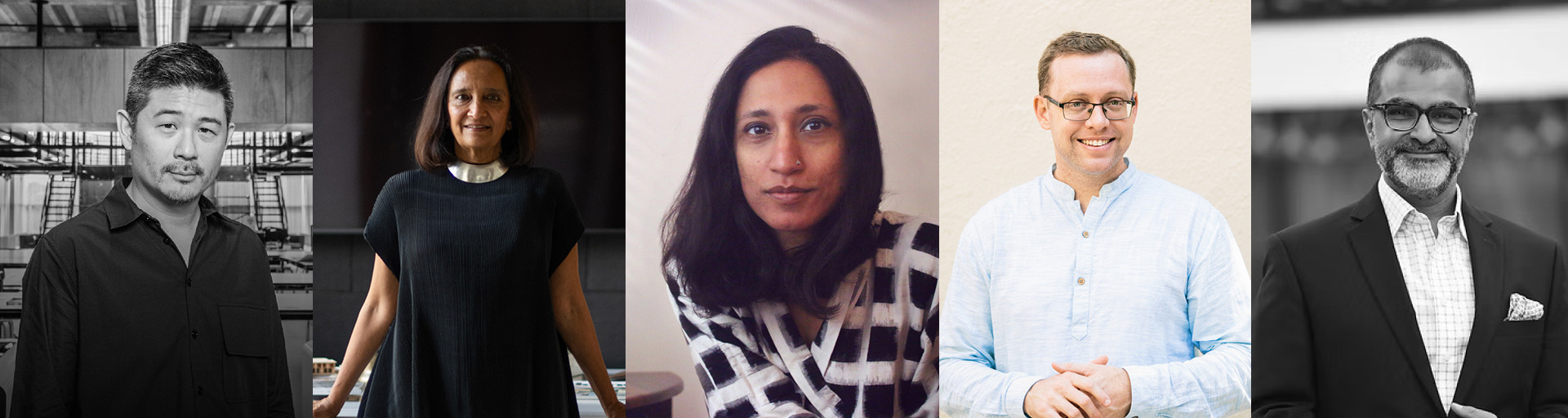
The ~log(ue) programme will kick off with the opening talk—a ~multilog(ue) session titled People who Architect the Legend of Mumbai, at the Tata Theatre, moderated by filmmaker and architect Rohan Shivkumar. The panel’s line-up of speakers includes IMK Architects’ principal architect Rahul Kadri, filmmaker and archivist Shivendra Singh Dungarpur, director, producer and writer Kiran Rao and Godrej Enterprises Group’s executive director Nyrika Holkar. The evening will include two other ~multilog(ue) sessions. Reading the City Through Its Everyday Scripts: How Mumbai’s Icons Shape Urban Life, moderated by Essar Group’s SVP Asad Lalljee, bringing together Aric Chen, SJK Architects’ founding partner Shimul Javeri Kadri, writer and communications specialist Pronoti Datta and architect Robert Stephens of Urbs India, at the Experimental Theatre. Regenerative Futures: Creativity in a Changing World at the Godrej Dance Theatre, moderated by curator Bakul Patki, will have Ladakh Arts and Media Organisation’s executive director Monisha Ahmed, Earthling Ladakh-founder Sandeep Bogadhi, sā Ladakh Biennale’s director Raki Nikahetiya, Fields Architects-founders Faiza Khan and Suril Patel, alongside founder and director of NORTH, Rahul Bhushan, as speakers. At the Little Theatre, a ~monolog(ue) titled Narrative Across Portals: Film, VR & Architecture, will bring forth Space Popular’s Lara Lesmes & Fredrik Hellberg discussing their creative explorations in film, VR and architectural storytelling, followed by Busride Design Studio’s co-founder Ayaz Basrai, joining them on stage and expanding on the dialogue.
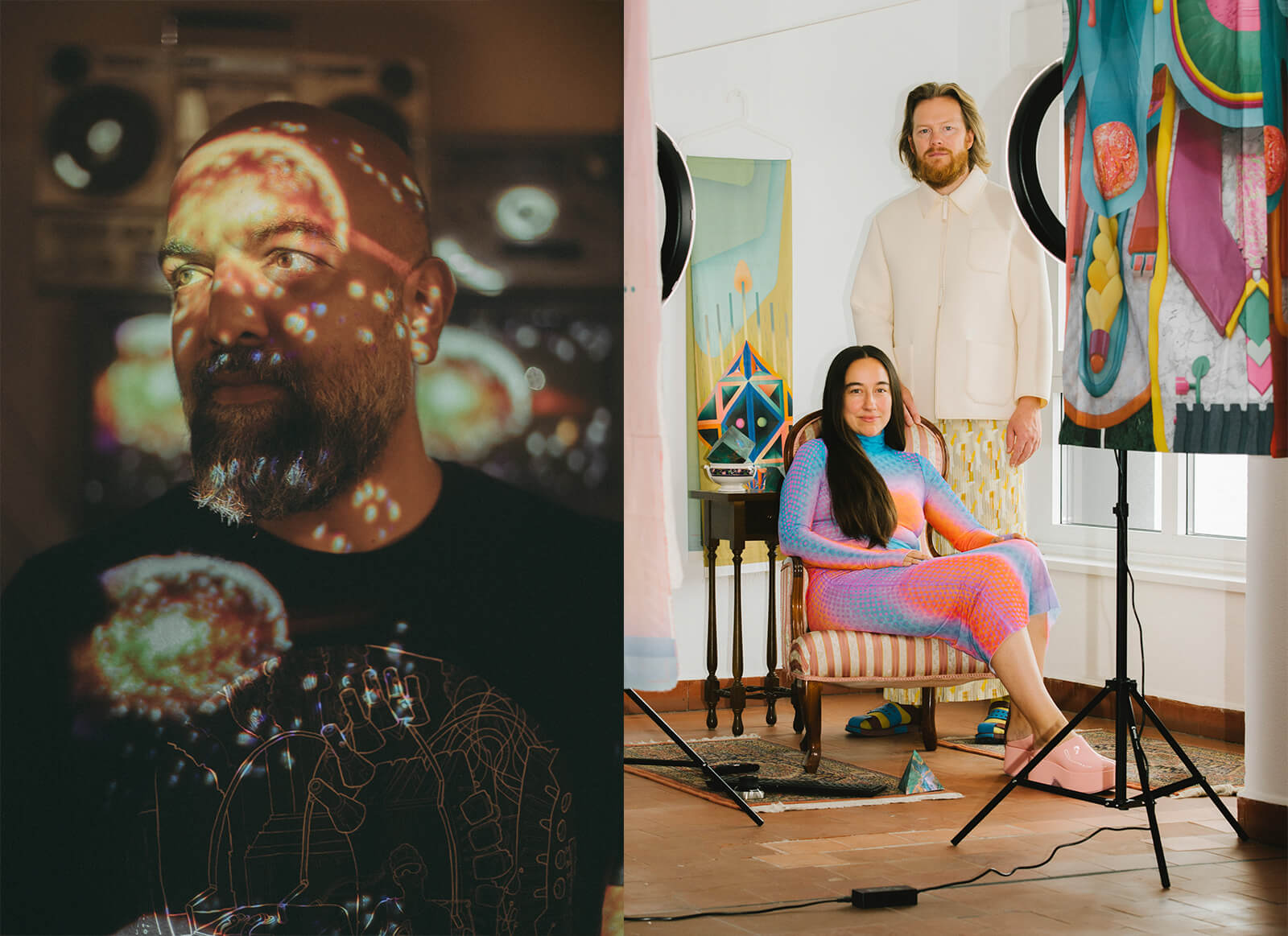
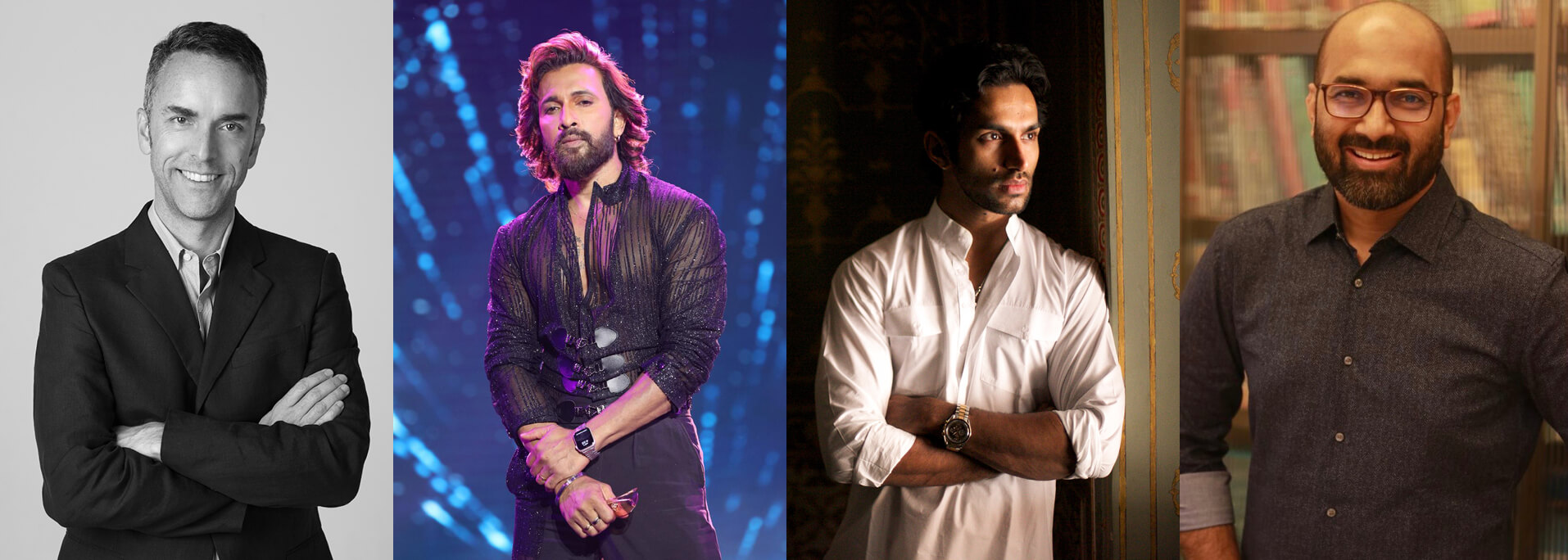
The design festival will unfold through a series of thought-provoking ~epilog(ue)sessions. One such session features author Sean Anderson, in response to the 2022 film Bawa’s Garden at the Tata Theatre, while in another, Indian dancer and choreographer Terence Lewis will share his reflections on Wim Wenders’ highly acclaimed 2011 documentary film Pina. Another equally riveting ~epilog(ue)will unravel a poignant meditation on Thomas Riedelsheimer’s 2024 documentary Tracing Light, delivered by the Lighting Designers Association of India (LiDAI) at the Godrej Dance Theatre. LiDAI will also host a guerrilla lighting design workshop, T.R.A.C.E with Light, at UHA’s Pentad Pavilion afterwards. The Experimental Theatre will screen The Human Scale, following an ~epilog(ue) by Manvendra Singh Shekhawat, founder of Jaipur-based regenerative habitat Dhun. Meanwhile, the Little Theatre will welcome landscape architect Kunaal Maniar in an ~epilog(ue) following the screening of the 2017 meditative documentary Five Seasons: The Gardens of Piet Oudolf that peeks into the life and work of the acclaimed Dutch garden designer. At artist and curator Bose Krishnamachari’s Pavilion of Conversations—an installation dedicated to the act of gathering and to host multifaceted small-scale events—~analog(ue) book readings will take place, discussing Bombay Imagined by Robert Stephens of Urbs India and Raj Rewal reading from his recent eponymous book.
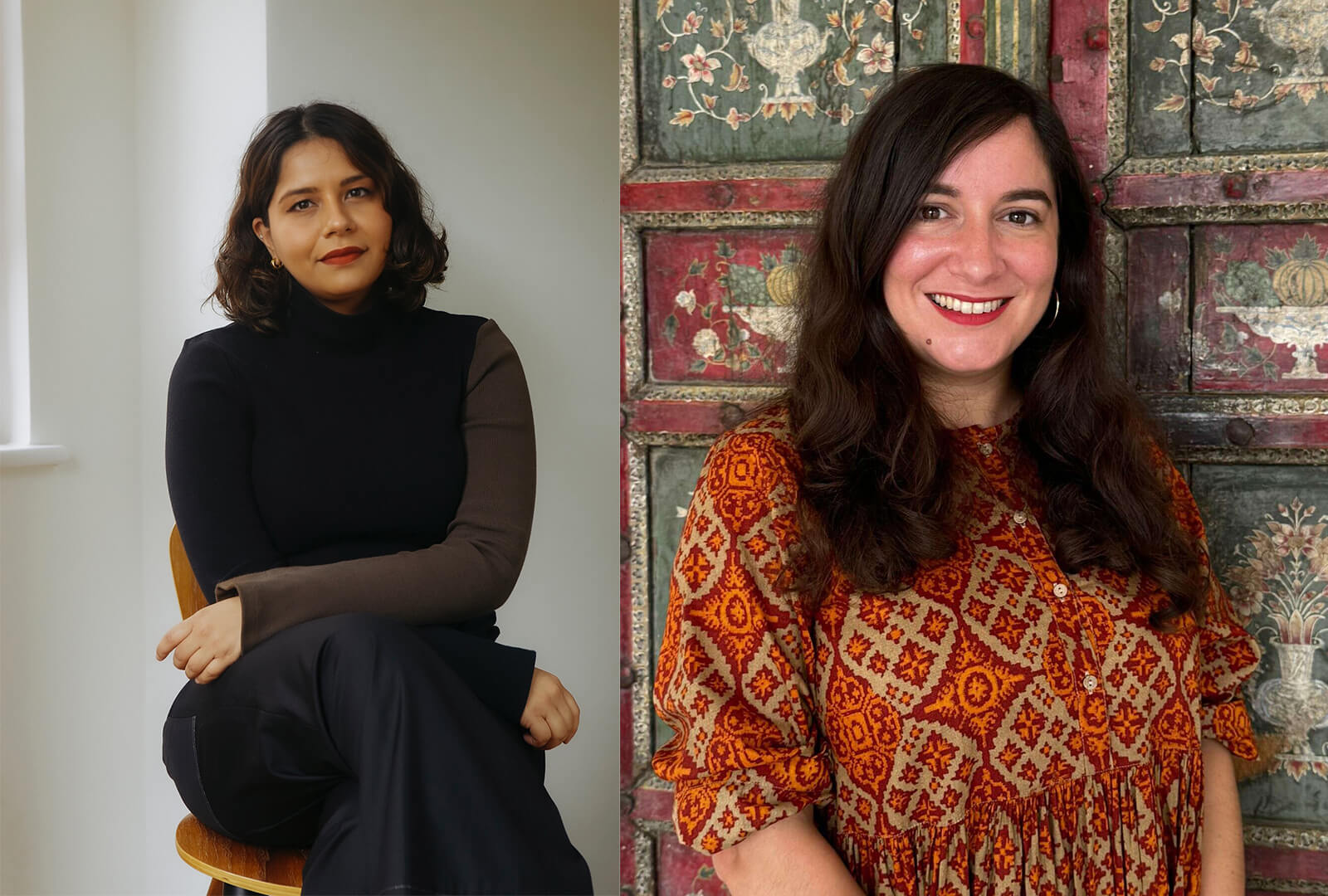
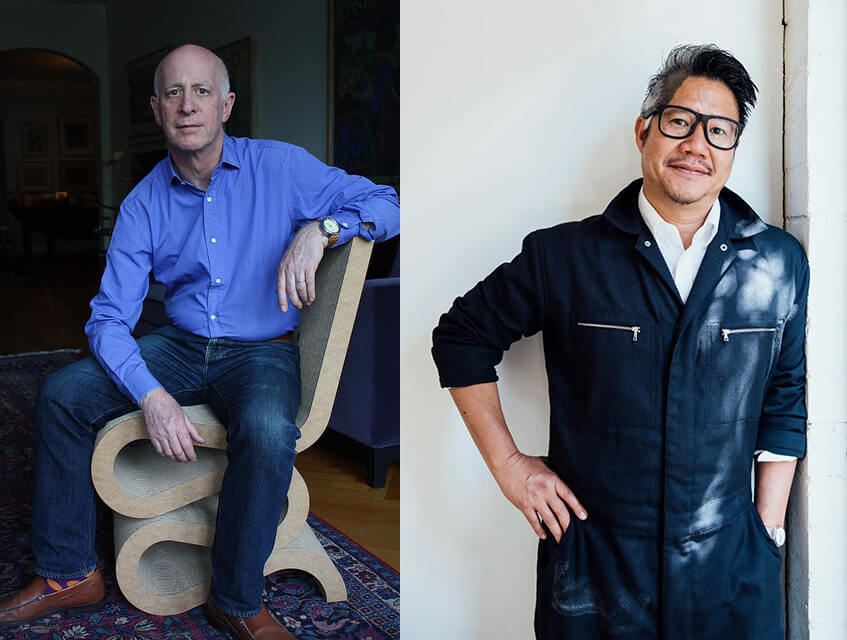
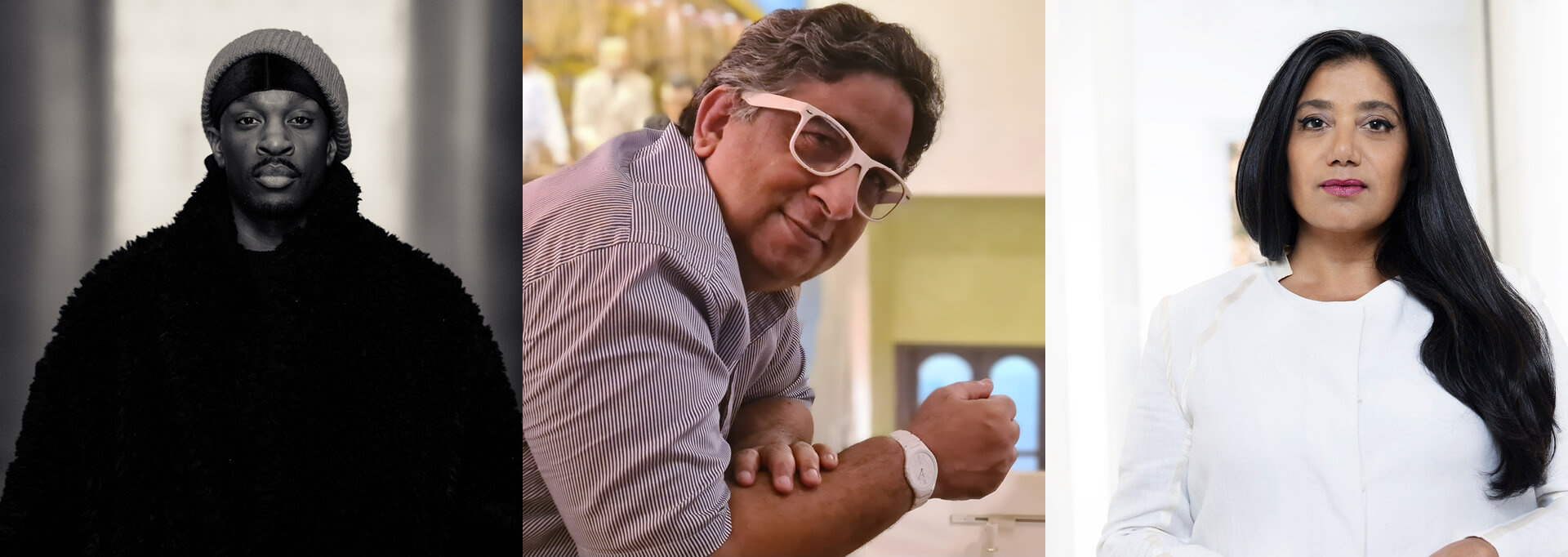
Carrying forward the interdisciplinary discourse from the first day, a ~multilog(ue) session titled Mapping Home: South Asia and Global Perspectives, moderated by curator Manmeet K Walia, at the Godrej Dance Theatre, will feature speakers such as Royal Academy of Arts’ curator Tarini Malik, British writer and curator Ekow Eshun and curator, researcher and author Beatriz Cifuentes Feliciano. A ~dialog(ue) between Bangkok-based WHY Architecture founder Kulapat Yantrasast and American architecture critic Paul Goldberger will precede a screening of The Architect and the Painter: In Response to Eames at the Tata Theatre. This will be followed by another ~dialog(ue), Building Verses: Architecture and Poetry, at the Experimental Theatre, featuring speakers including multidisciplinary artist Rhael ‘LionHeart’ Cape, architect and poet Mustansir Dalvi and Reddymade founder Suchi Reddy.
Extending beyond the theatre walls, these conversations take on renewed meaning as ~analog(ue)s unfold across the festival in eclectic, participatory formats. Unhinged Mumbai: Lectures, Workshops and Urban Speculation by writer, educator and cultural critic Aastha D. will take place at the Mountain Transcripts pavilion,while the Pentad Pavilion will host a graphic science fiction novel reading, Matters End, by Naresh Narasimhan. The SIFT pavilion and LIVinSET will set the stage for a poetry workshop titled Architecture and Emotional Inhabitancy: Conversation and Workshop, led by Rhael 'LionHeart' Cape.
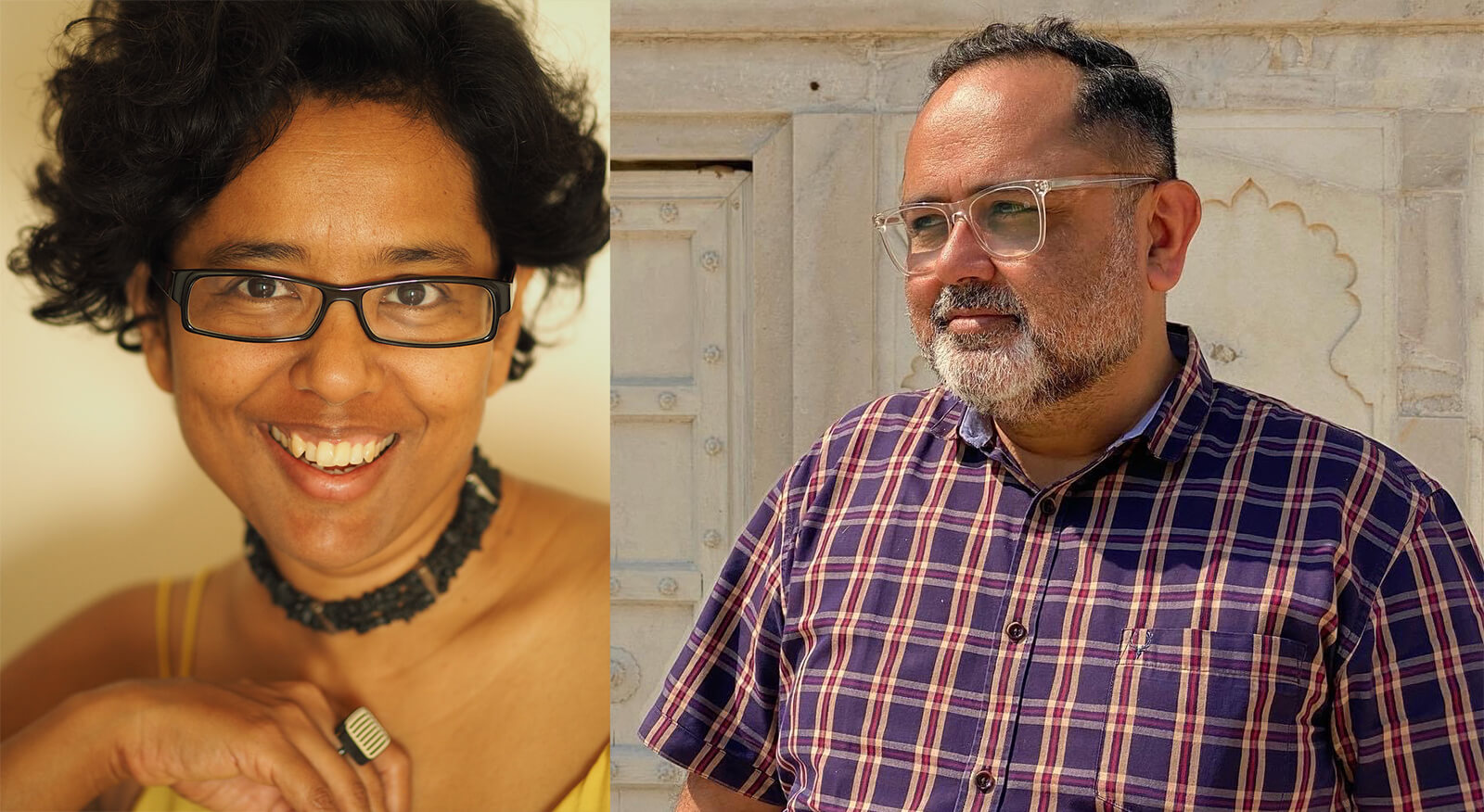
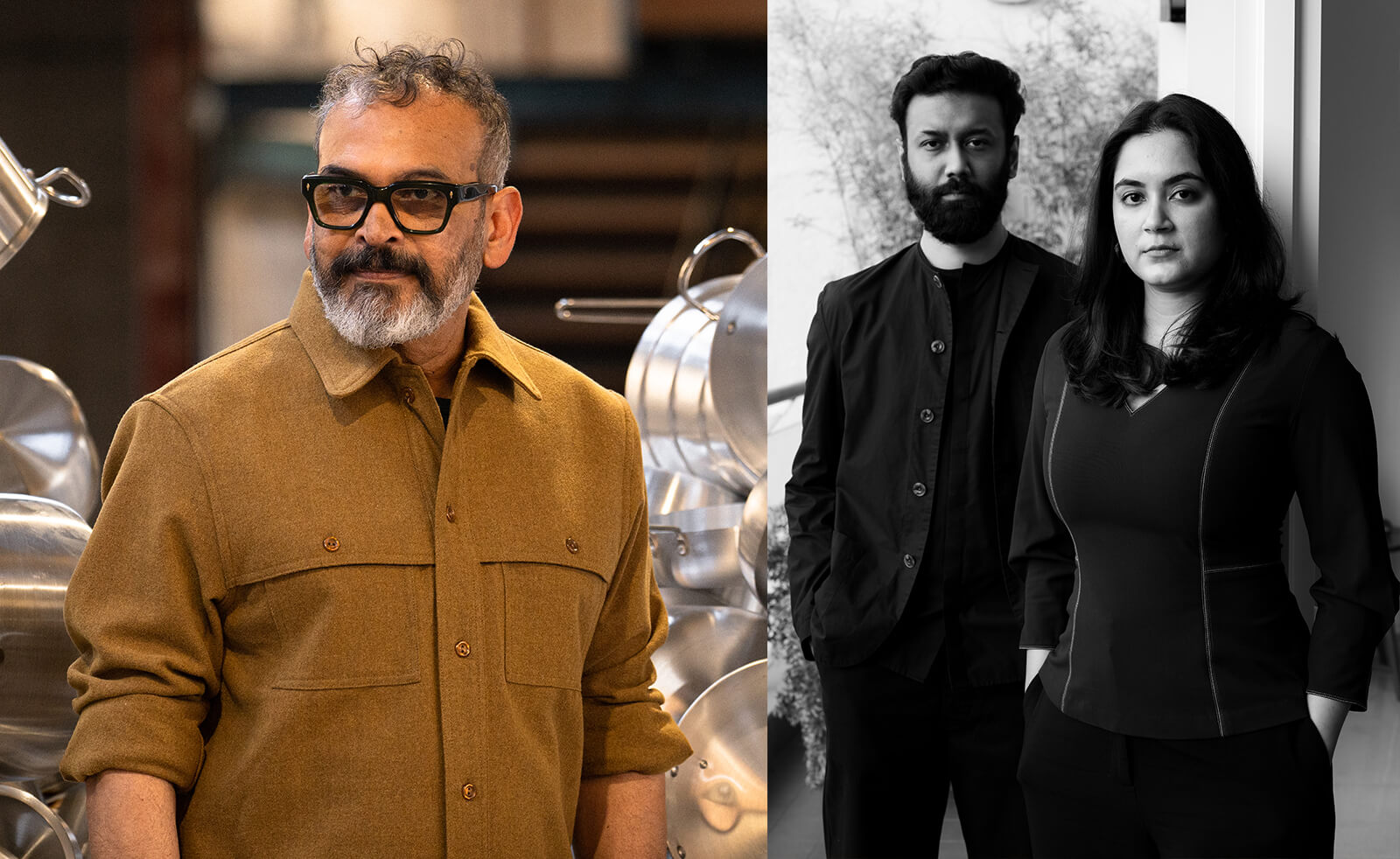
An ~epilog(ue) by Indian artist Subodh Gupta in response to Anselm and another ~epilog(ue) by Juhi Vishnani and Shiva Nallaperumal of Mumbai-based plural design practice November, in response to Identity: A Czech Graphic Design Love Story, are set to be organised at the Tata Theatre and Experimental Theatre, respectively. Spaceship designer Susmita Mohanty’s ~epilog(ue), following a screening of The Space Architect, will take place at the Godrej Dance Theatre, while cinematographer Avijit Mukul Kishore’s ~prolog(ue) toa double bill from Cathedrals of Culture—The Berlin Philharmonic and The Halden Prison—will take over the Tata Theatre.
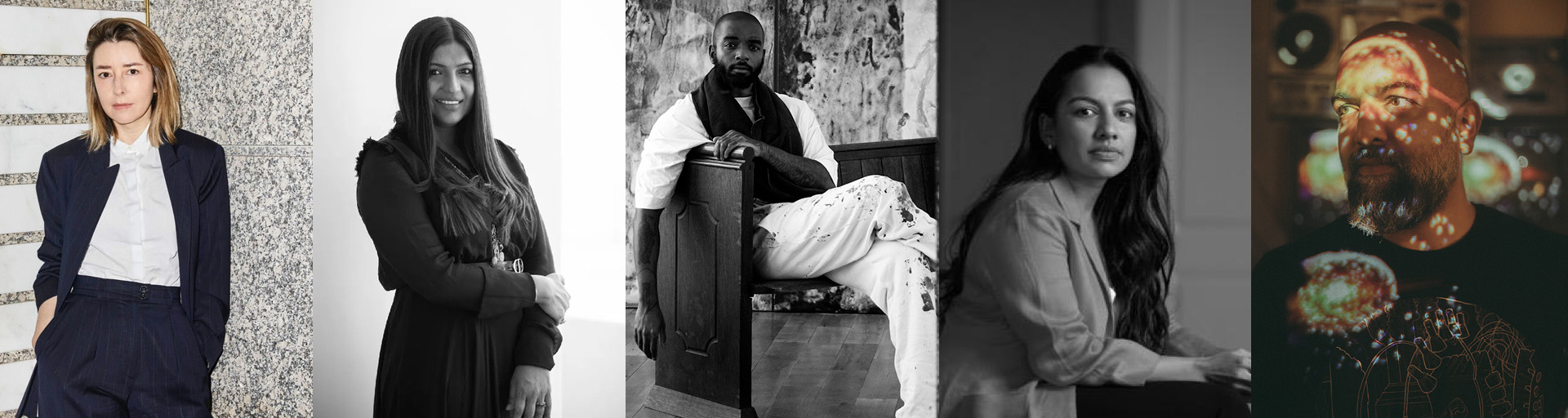
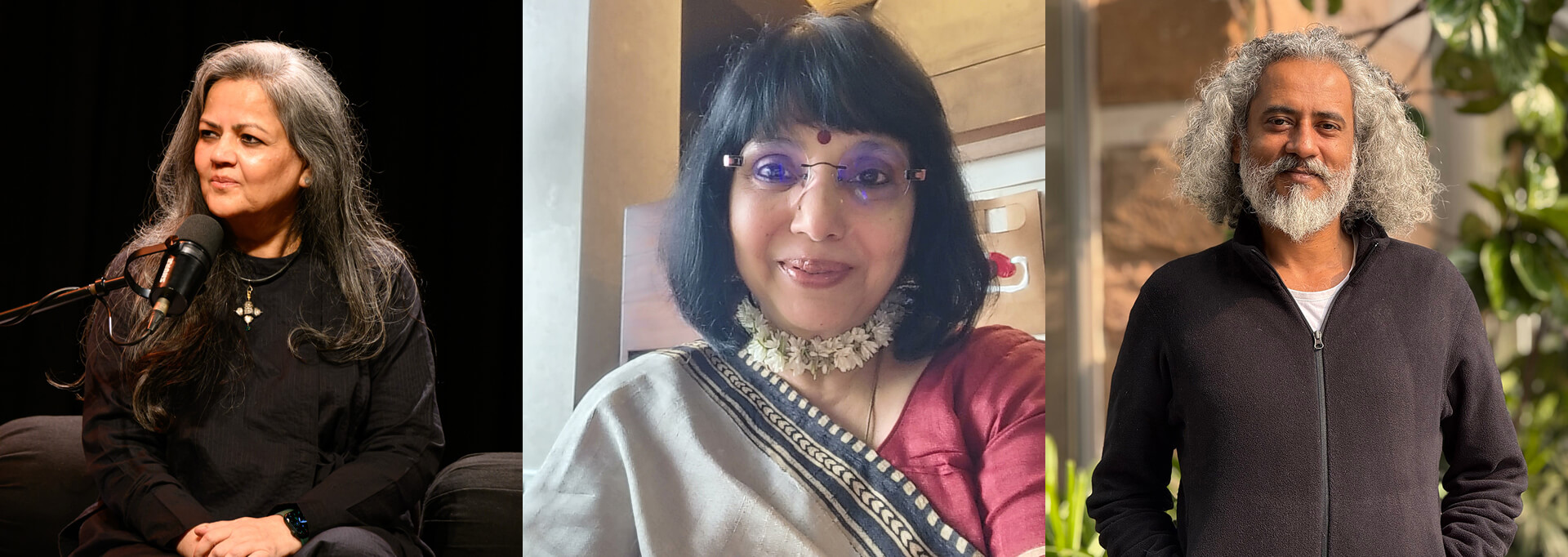
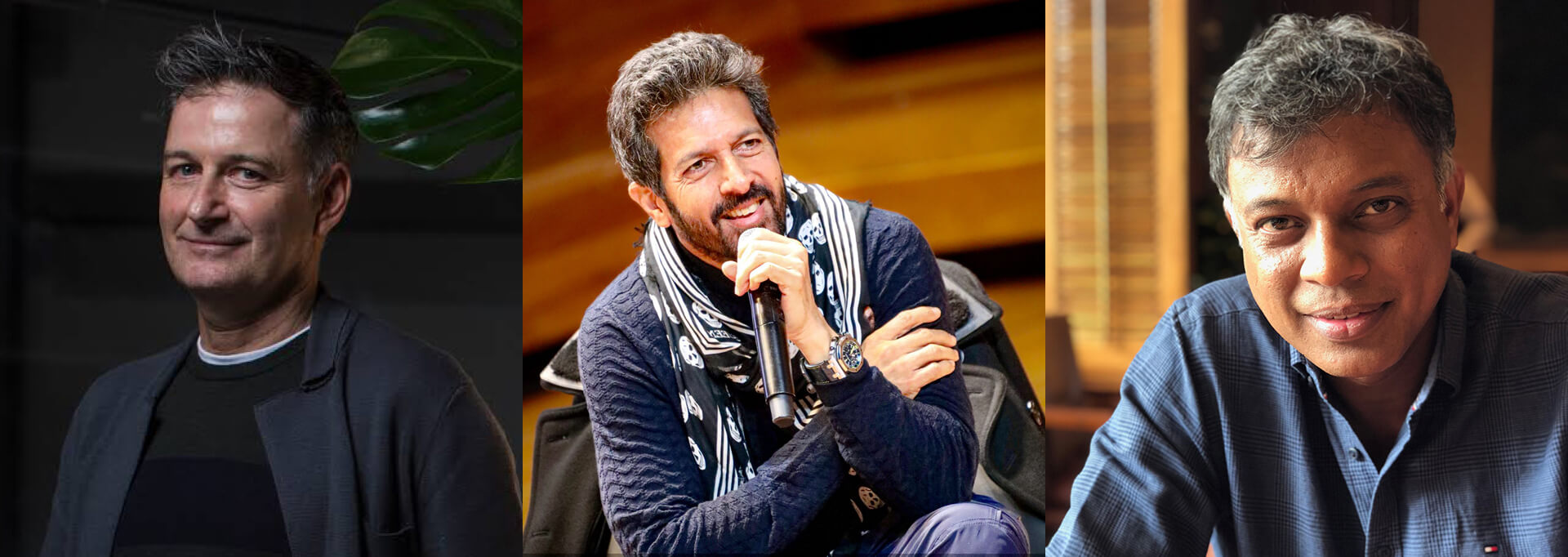
Generating discourse on the role of craft, design, film and architecture in the global landscape, the third day will unfold through a series of talks that highlight this interdisciplinary approach. The day will kick off with a ~dialog(ue) between Paul Goldberger and architect and urbanist Rupali Guptediscussingthe panel The Architect and The Journalist at Little Theatre. It will be followed by a ~multilog(ue) titled Can craft save the world? at the Experimental Theatre, bringing together panellists including curator and editor Alexandra Cunningham Cameron, designer Ayaz Basrai, creative director of Chanakya School of Craft, Karishma Swali, British artist and fashion designer Samuel Ross and JSW Realty’s managing director Tarini Jindal Handa. The other ~multilog(ue)s from the day include From Screen to Structure gathering production designer and founder of G5A Foundation for Contemporary Culture, Anuradha Parikh, alongside Vyas Giannetti’s creative-founder, Preeti Vyas and Anagram Architects’ co-founder and cultural history-enthusiast Madhav Raman at the Little Theatre. Elsewhere, Building the Contemporary: Power, Publics and the New Indian Institution, moderated by STIR’s managing editor - Arts, Ranjana Dave, will have in its speaker lineup, Tasneem Zakaria Mehta, director of Dr Bhau Daji Lad Museum; Martha Thorne, former exec. director, Pritzker Architecture Prize; renowned Indian architect Raj Rewal and artist Bose Krishnamachari at the Tata Theatre. The Tata Theatre will also host an ~epilog(ue) by Andrea Anatasio in response to the film Architecton, along with a ~dialog(ue) between filmmaker Kabir Khan and production designer Rajnish Hedaoon 35 mm City, the conversation moderated by STIR’s features editor Anmol Ahuja. Further, the ~analog(ue) Unhinged Mumbai will continue its urban speculations at the Mountain Transcripts for its second day.
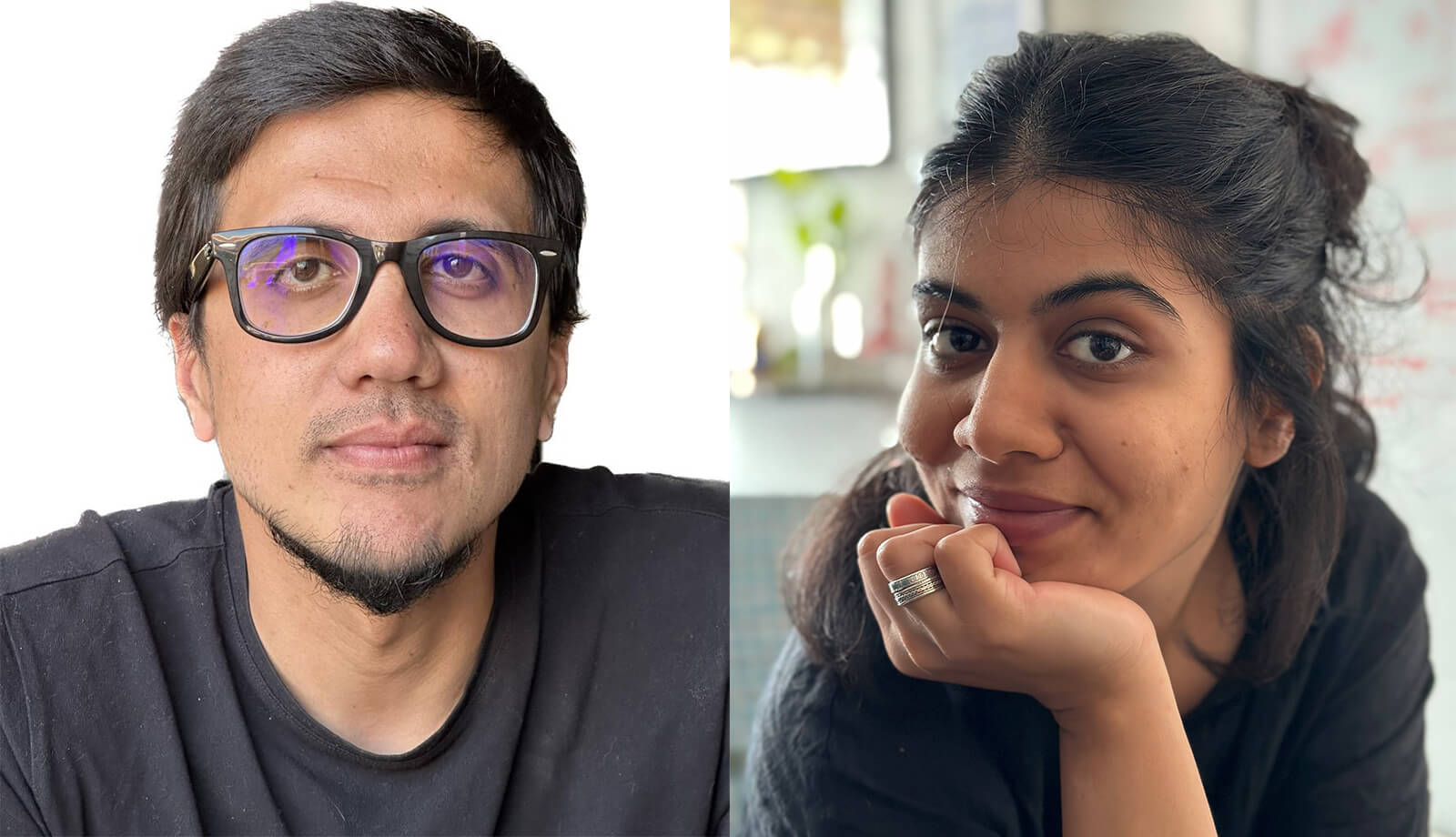
SJK Architects’ pavilion, Streets of Aspiration, will host a silent reading session by Juhu Reads, while Pentad Pavilion will host a workshop, Thinking Cities in Narratives, by Anuj Kale & Shreya Khandekar of the design agency The Leewardists. Additionally, the book launch of Unmyth: Works and Worlds of Mithu Sen will be organised within LIVinSET at the Godrej Sunken Garden.
As conversations travel from the design event into studios, editorial rooms, classrooms, social media and future works, they allow us to collectively rehearse ideas, sit with contradictions and test the key tensions that emerge—transforming audiences into active interlocutors. In this way, the ~log(ue) programme is not bound by the physical or temporal limits of Mumbai or the design festival; it extends far beyond, shaping how practice is conceived, discussed and reimagined.
ADFF:STIR Mumbai returns to the NCPA grounds in Mumbai, India, from January 9 – 11, 2026, with a renewed focus and expanded program. Keep an eye out on STIR's official channels and on the ADFF:STIR Mumbai website for further details on the films, the Jaquar Pavilion Park, the ~log(ue) Programme supported by JSW and other Special Projects.
You can book your passes for the festival here.

by Pranjal Maheshwari Oct 24, 2026
A consortium of Copenhagen’s 3XN, Toronto’s B+H Architects and Shenzhen’s Zhubo Design has designed the museum to mimic the surrounding riverscape, topped with a public park.
by Pranjal Maheshwari Oct 19, 2026
The Mumbai-based architects integrate courtyards, mesh screens and north light trusses to create a dining space that doubles up as a community hub at SR University, Warangal.
by Mrinmayee Bhoot Oct 17, 2026
The Rotterdam-based institute centres the Indian Ocean as a network for exploring material histories and transnational links shaping coastal cultures, positing them as future models.
by Pranjal Maheshwari Oct 16, 2026
At the 2026 Stirling Prize ceremony, Mary Duggan with RUFF Architects, MAKER Architecten and Nakshabid Architects were felicitated for proffering quality housing and social equity.

make your fridays matter with a well-read weekend
Enter your details to sign in
Don’t have an account?
Sign upOr you can sign in with
a single account for all
STIR platforms
All your bookmarks will be available across all your devices.
Stay STIRred
Already have an account?
Sign inOr you can sign up with
Verification link sent to check your inbox or spam folder to complete sign up process
Tap on things that interests you.
Select the Conversation Category you would like to watch
Please enter your details and click submit.
Enter the 6-digit code sent at


ADFF:STIR Mumbai’s ~log(ue) returns, sparking plural discourse
by Bansari Paghdar | Published on : Jan 08, 2026


 Sign in with Google
 Sign in with email
What do you think?