Design12 mins. read
From conversation to co-authorship: public programming at ADFF:STIR Mumbai 2026
by Mrinmayee BhootJan 28, 2026



by Anmol Ahuja, Mrinmayee BhootPublished on : Jan 16, 2026
When James Cameron’s Avatar was released in theatres more than 15 years ago, it was nothing short of groundbreaking. Not only was the film the biggest box office hit of the time—the first to cross more than $2.5 billion in revenue—Cameron’s use of the medium was exceptional. Having spent 15 years developing the technology that would make it possible to bring the lush, fantastical alien world to life, the legacy of Avatar remains its mastery of the 3D technique—rendering a whole new world for audiences to discover while uncannily capturing precisely the actors’ facial expression—not to mention inspiring a wave of films that followed in its wake. As many critics and audiences can agree, the first Avatar film is unforgettable, a delight to experience in all its dimensions and a worthwhile trip to the movie theatre—a breath of fresh air for an industry in perpetual crisis.
The third resurrection of 3D within the film industry in the 2010s was propelled not only by the wild success of Cameron’s endeavour, but also by film executives’ desire for lucrative projects (as amply evidenced by the many, many, many box office releases and even re-releases of films in 3D, promising ‘true’ immersion into worlds we’d loved before. Titanic feels most egregious in this regard); the running joke being that if a movie wasn’t good, they could just make it in 3D. However, the claim that the use of 3D in cinema can indeed enhance a filmgoer’s experience feels not too far-fetched. Its biggest advocates, such as Cameron and even Martin Scorsese, have spoken about the transportive potential of the digital technology, while critics seeing it as a gimmick meant simply as an add-on to drive up prices for movies. But it only tracks that the next step in immersive storytelling, from moving images, to sound, colour and digital recording and projection, would surely be the addition of depth; would be a medium that lets viewers live within the stories they were watching.
“3D is about perception of space,” to quote perhaps the most fervent proponent of the technology, the auteur German director, Wim Wenders. Wenders’s films have always held an almost intuitive understanding of space—not merely as environment, but as emotional anchors for storytelling. The interludes of the Berlin State Library in Wings of Desire (1987) are perhaps most emblematic of Wenders’ superhuman ability to render space tangible even on a flat screen. His latest, Perfect Days (2023), is also construed as an exploration of stillness in urban existence through an inherently architectural perspective in the cinematography. An advocate for digital technologies as pioneering advances in filmmaking, Wenders grew enamoured with the medium in 2007 (after viewing the experimental concert film U2 3D) and its potential to convey space and depth. It was exactly this that he felt was necessary to depict the world of German dancer and choreographer Pina Bausch, marking what may be regarded as a key moment for non-commercial 3D filmmaking—a testament to the medium’s unique spatial abilities, equally harnessed by documentary and feature filmmaking.

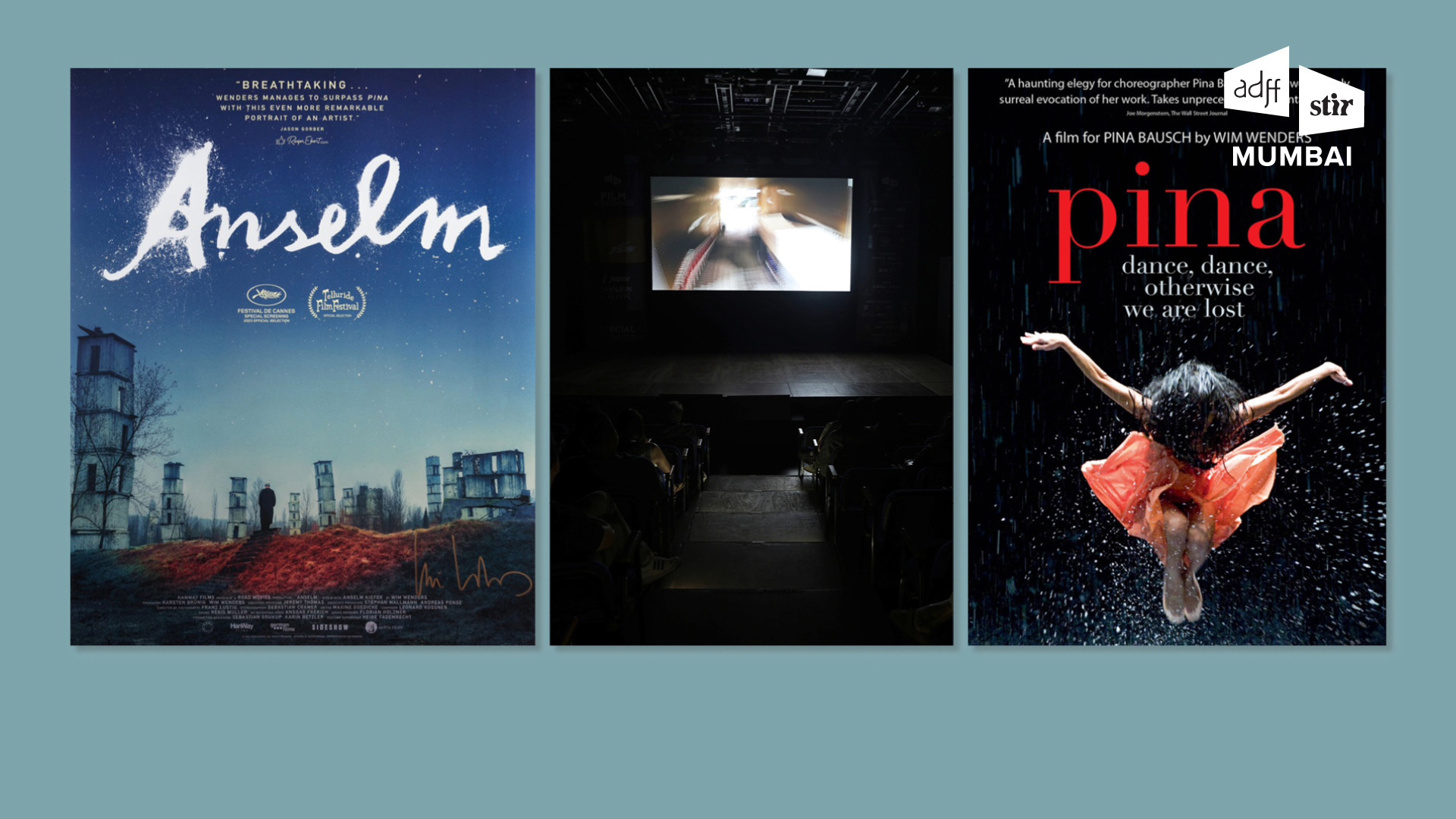
Since this first foray into 3D filmmaking, Wenders has also directed Anselm (2023), recounting the life and works of German painter and sculptor Anselm Kiefer, along with producing a series of short documentaries collectively titled The Cathedrals of Culture, centred around the provocation, ‘what if buildings had souls?’ To Wenders, the ‘incredibly realistic and poetic’ qualities of 3D make it the ideal medium for documentaries, as he states in an interview1 about his portrait of the German artist released in 2023. He noted, “Mostly what you do in a documentary is try to take your audience to a certain place or have them follow a character, and you enter somebody else’s world. There’s nothing better for that than 3D.” Wenders has stated how his inclination towards the medium stems not only from this ability to metaphorically transport audiences, but it being a means to allow one’s brain to ‘work overtime’; a means to pay active attention to what is being shown.
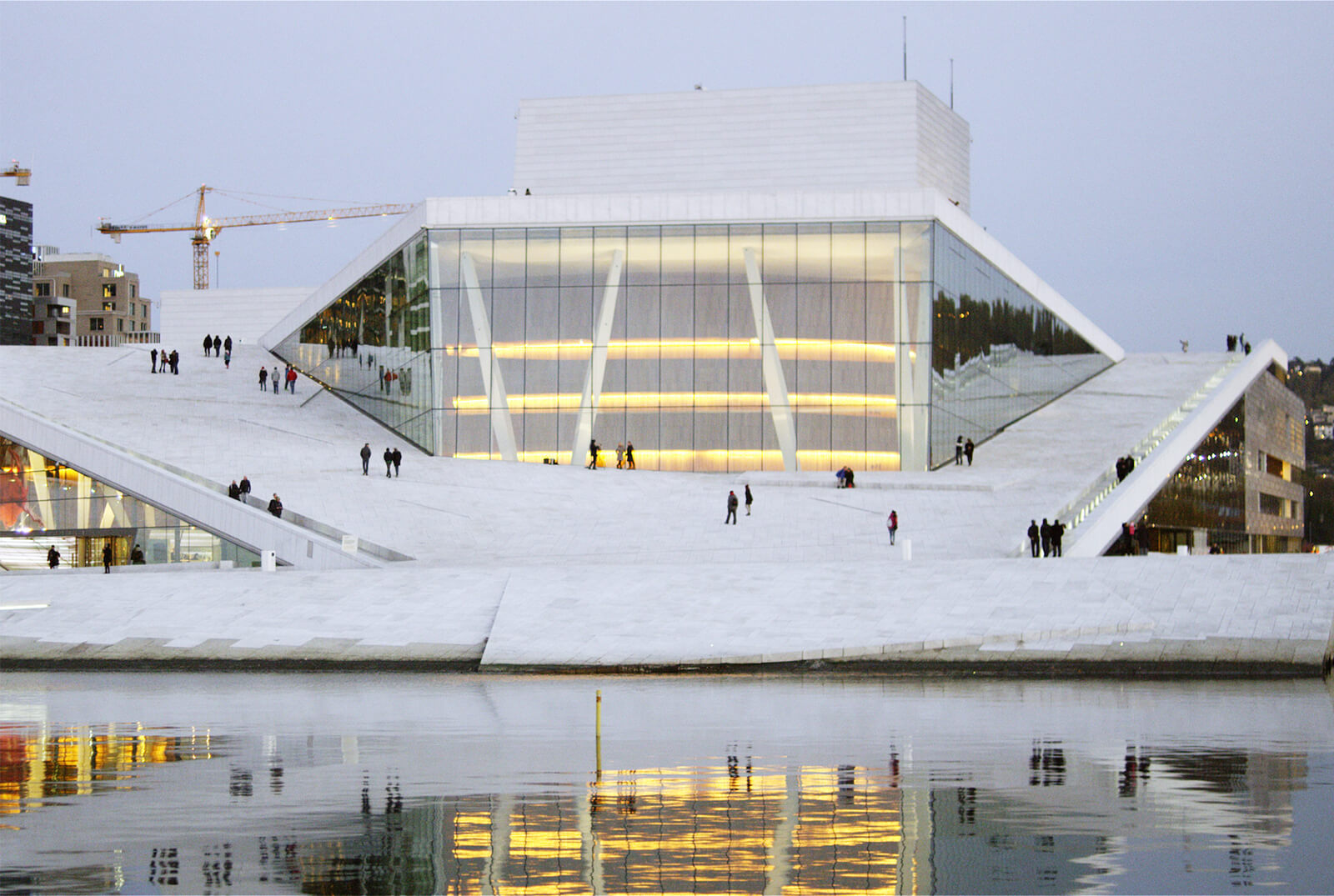

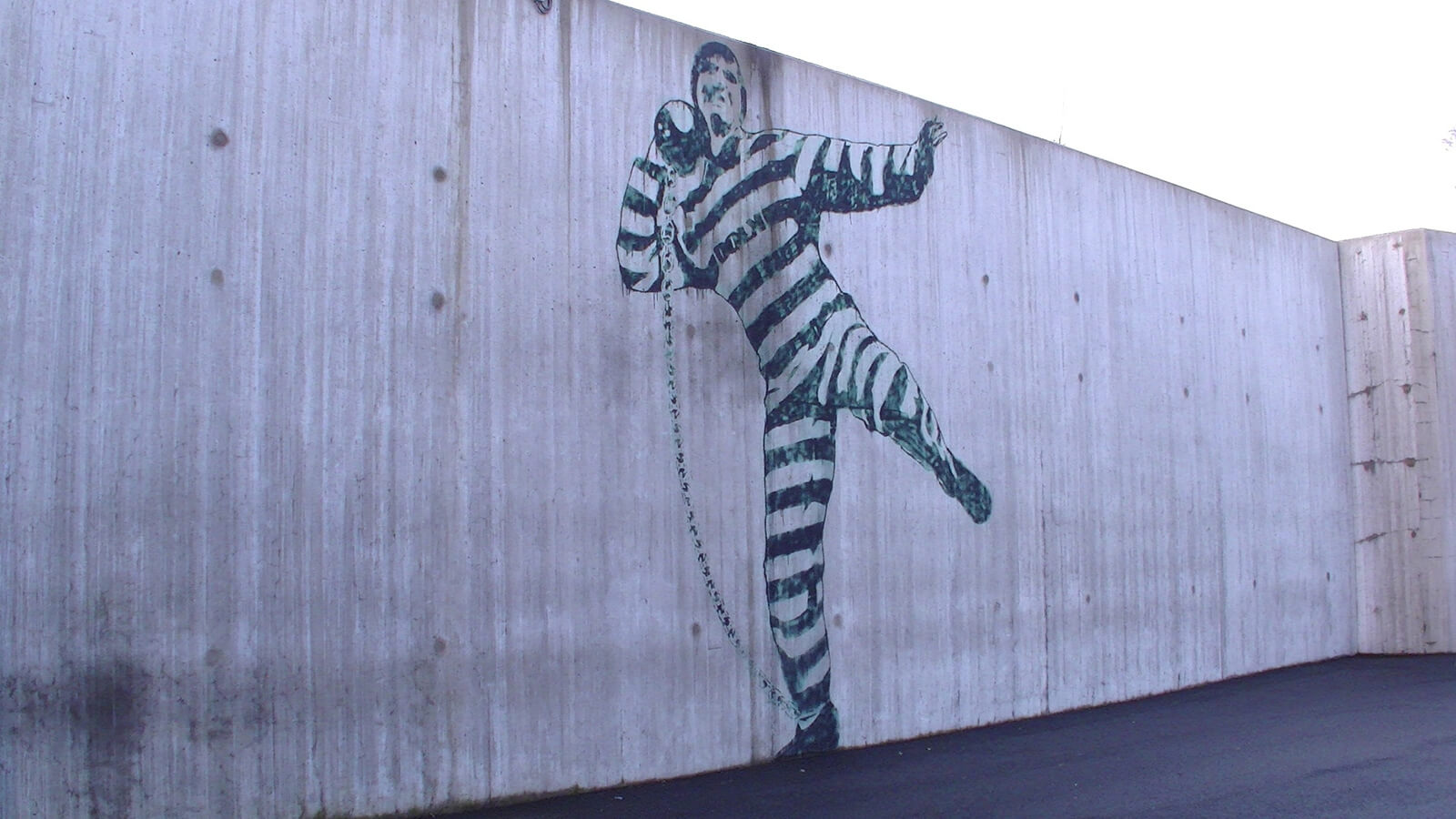
The 3D films showcased at the second edition of ADFF:STIR Mumbai this year present particularly interesting cases for this argument. While commercial and feature films often contort the ‘coming alive’ and immersion narrative through the worlds they create and their expansive production design, Wenders’ 3D renditions (and insistence on the medium) are driven by a spatial quality, as well as by motion, stillness, drama, light and even the way sound fills these spaces—not too different from the arts and objects they capture.
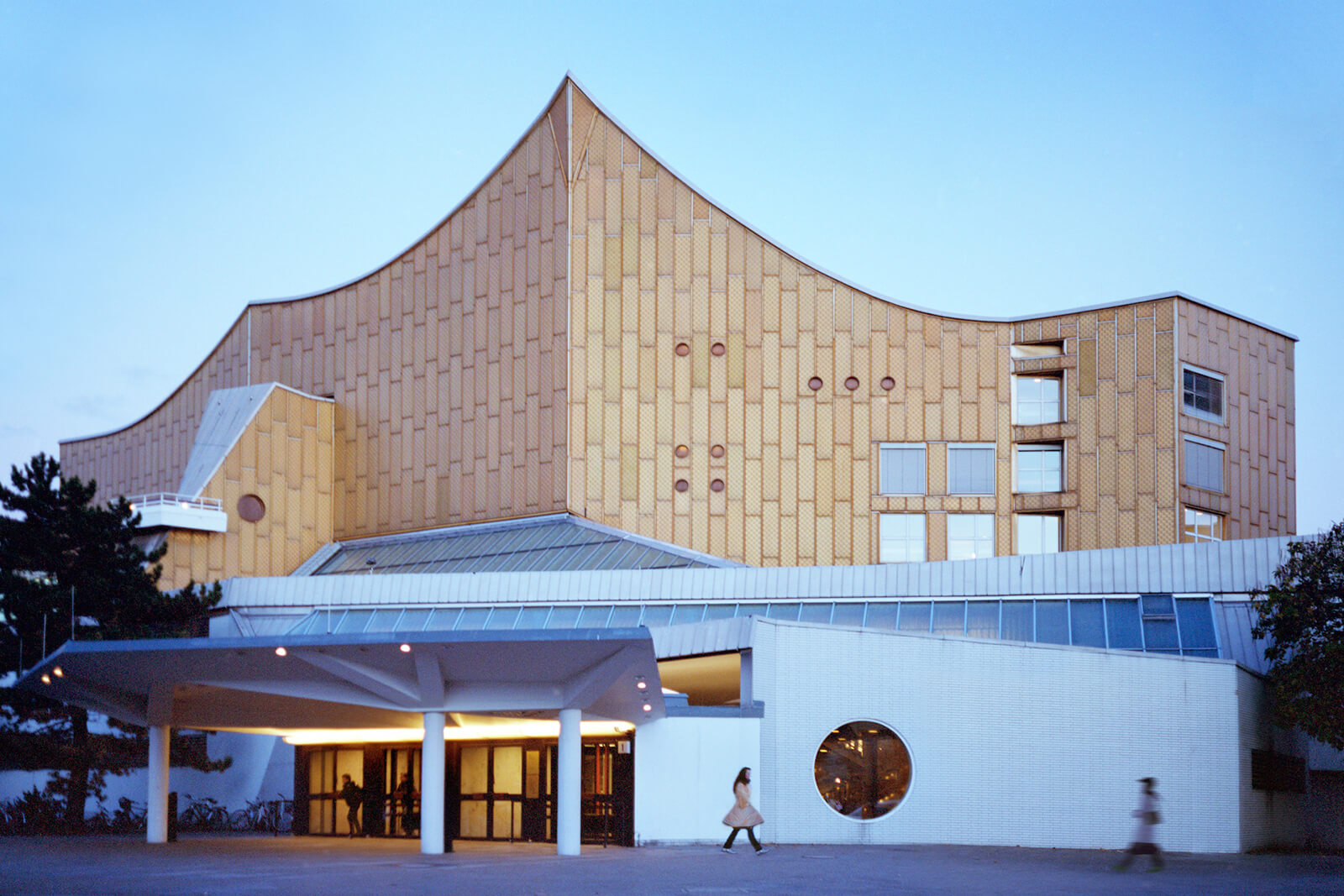
The most direct proponent of this idea is in Cathedrals of Culture, a passion project spearheaded by Wenders. The idea seems quite simple in conception: walkthroughs of architectural marvels by some of the leading film directors of the time that ask: "If buildings could talk, what would they say about us?" The medium here works as the proverbial third dimension in architecture, an allegory to how we experience spaces in real life. The interface is still two-dimensional (the screen); our traversal of these, aided by Wenders, the other filmmakers and the 3D glasses, is as close as we may come to experiencing these buildings as they are when limited by mobility. It is a wonderful and woeful paradigm, but one that the medium is able to exploit fruitfully to a degree.
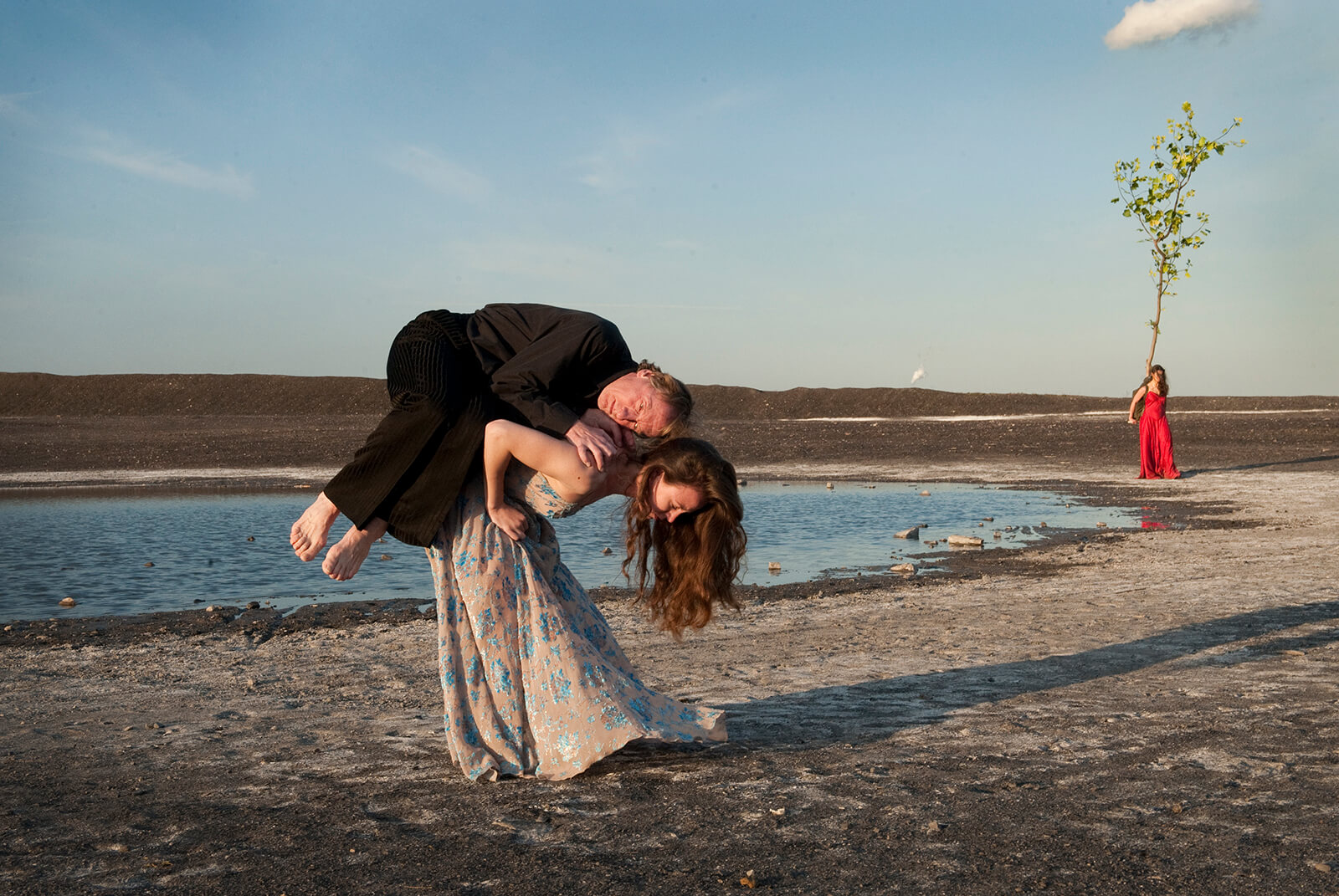
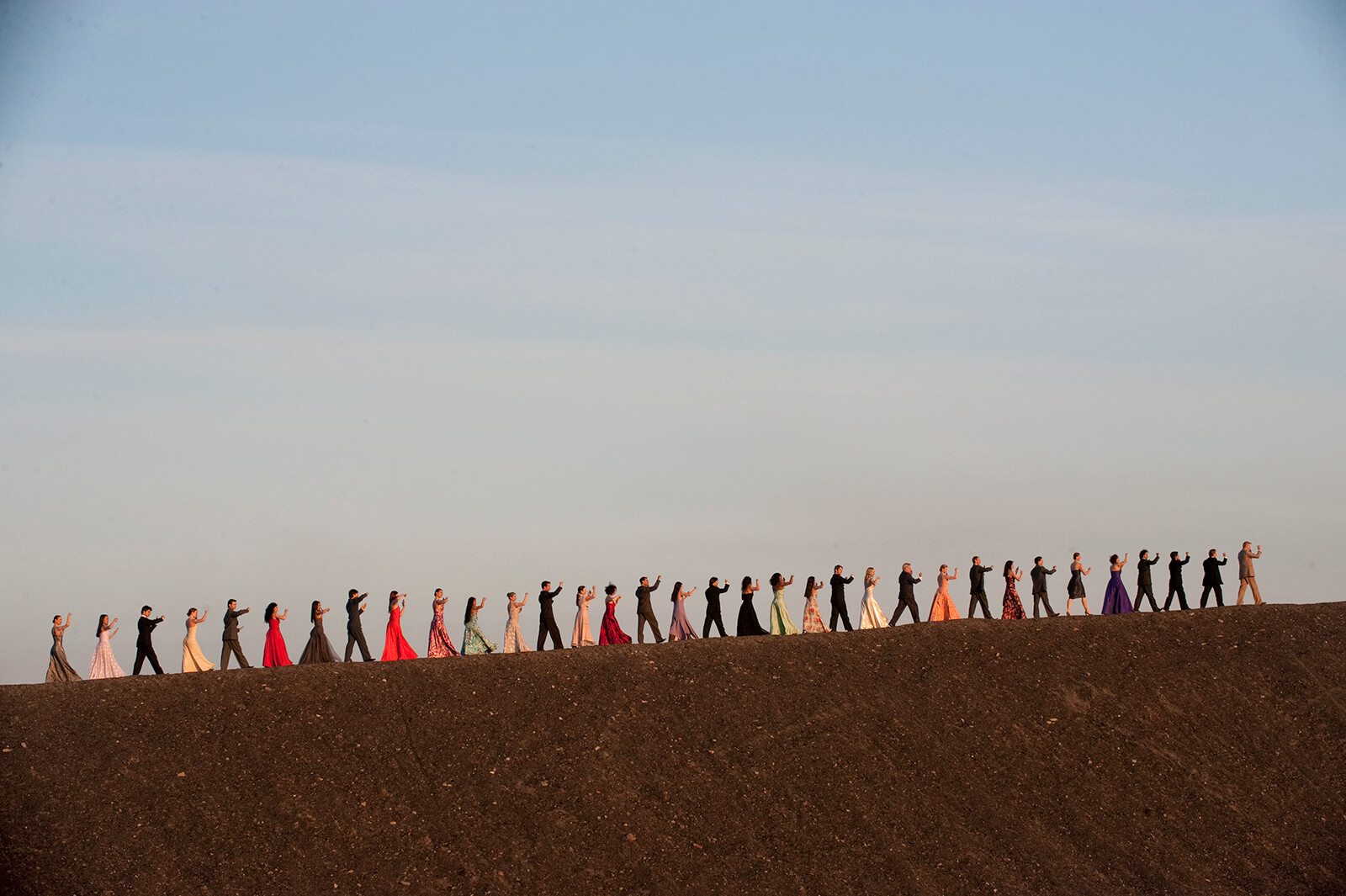
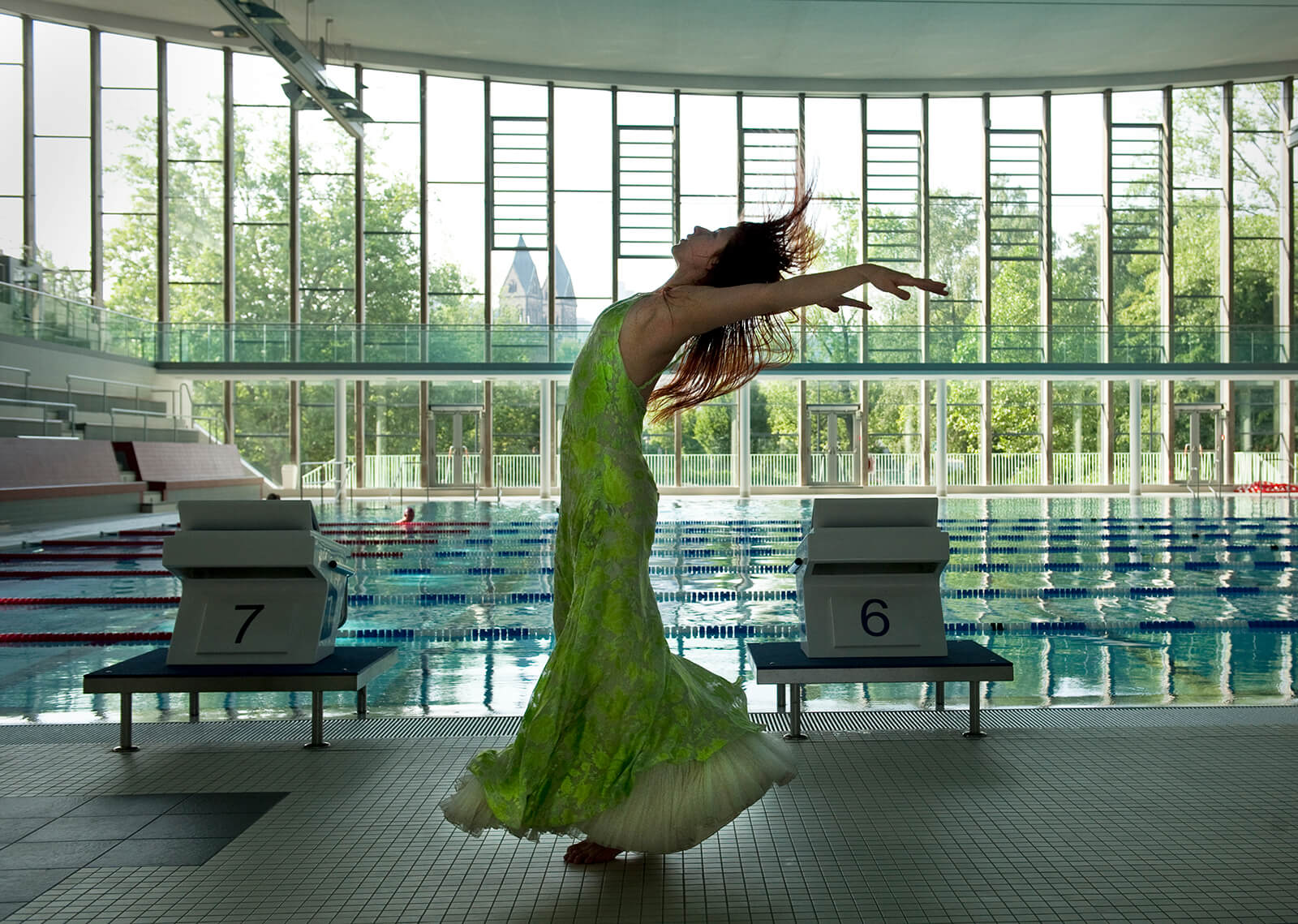
That said, it’s Wenders’ use of 3D, particularly when he is not capturing (or at least focusing on) space, which is most arresting. In Pina, Wenders’ use of 3D brings alive the formations, movements, lifts, expressions and the unerring coordination between the dancers, with the medium evidently contributing to a better understanding of these factors nearly as soon as the idea of ‘depth’ is added to the mix—the only right medium for the task, as Wenders has commented when speaking about the film. The spaces that host these performances—often staged in streets, squares and other populated, moving urban centres—are bound to be the last plane of observation for the audience; not because they are understated, but precisely because of this ‘depth’.

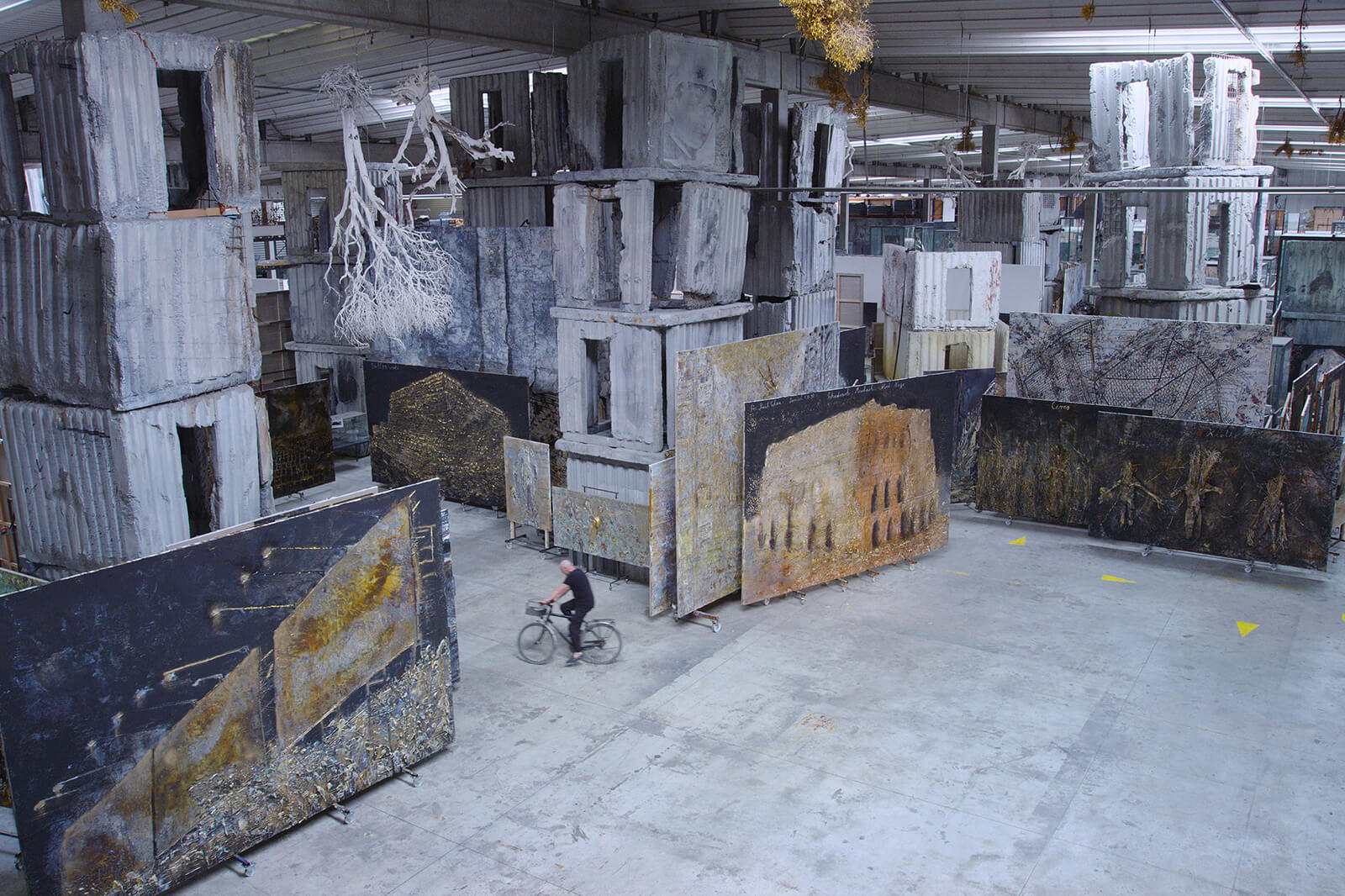
In Anselm, on the other hand, the medium aids an incisive look at some of Kiefer’s most definitive works as well as inspirations. Apart from enhancing and amplifying the shift between meditative shots of his sculptures and the more pensive recreations of his travels, his childhood and the Holocaust, 3D here is, quite literally, a lens. Much like the buildings in Cathedrals of Culture and the performances in Pina, 3D in Anselm (for the lack of a better term) is the ‘next best thing’, if, like most on the planet, one is unable to witness and experience these in person. Spectacle here is transposed onto the detail—junctions, transitions, material, adornments and delicate movement, choreographed or not—rather than the scale of it. The experience of both Bausch and Kiefer’s art, then, through this medium, feels guided, but does not demand utter surrender for immersion. More than being in the room, the immersion relies on the beholder’s eyes to move and gaze, not because of the camera, but despite it.
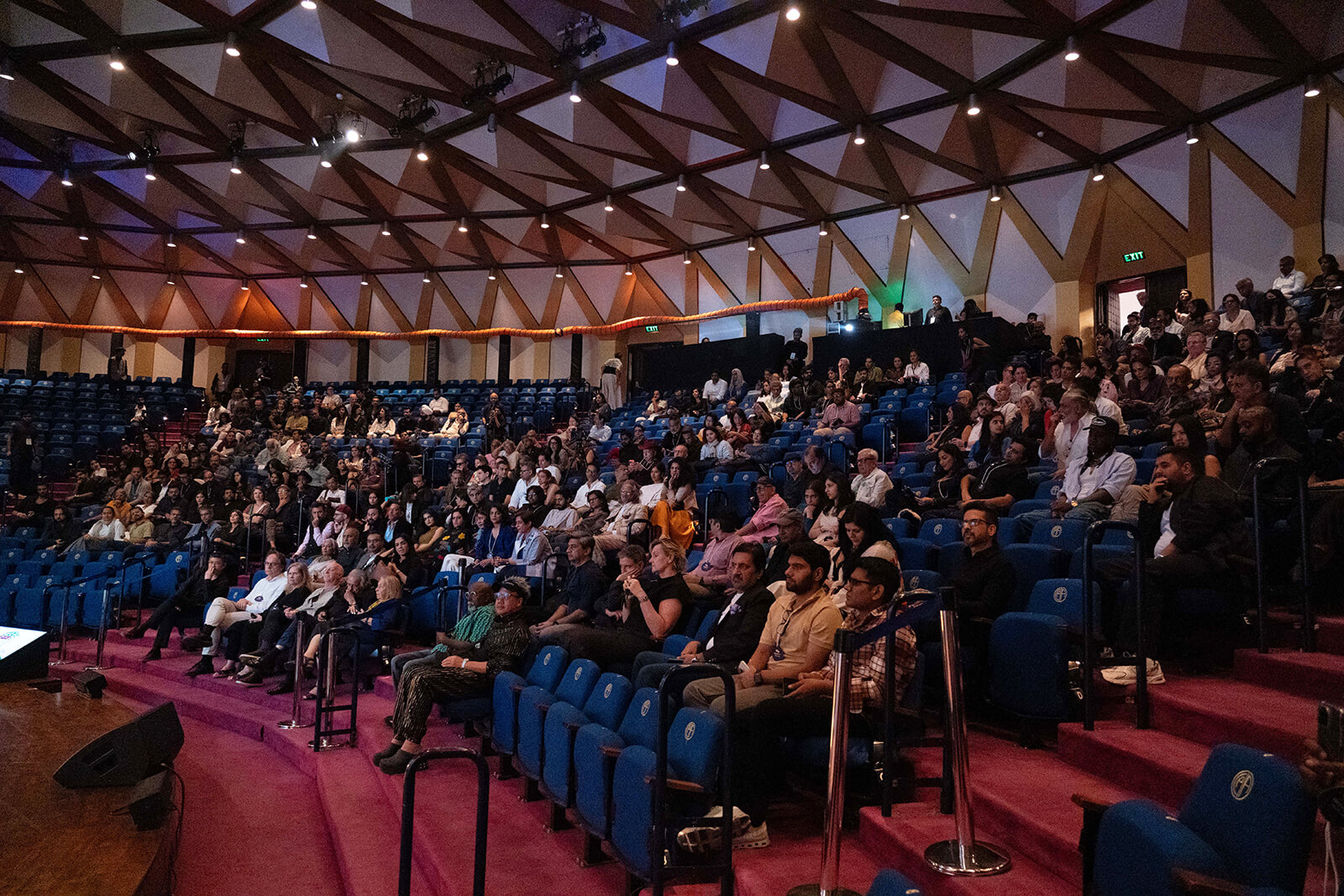
Much has been made of the immersive quality of 3D and how its inclusion within filmmaking allows one greater depth into the scene. Wenders’ forays into the medium make the argument that 3D could act not as a mere adornment, but a guide in that very sense, magnifying attention, making one sit up and watch. Much has also been made about the use of 3D as a mere gimmick. Commercial films at large equate 3D with grandeur, special effects and spectacle—evident in, for instance, indie sci-fi films rarely ever getting a 3D release, no matter how vast their worlds may be. Take Avatar: Fire and Ash (2025), for instance, the third instalment in the Avatar Franchise, which, while stunning to look at, relies only on spectacle. Time-consuming, resource-intensive, expensive—all of these are absolutely true for the costs that 3D incurs, and some of that does carry on to the price of admission for these films. However, the question of what truly experiential 3D films are by themselves—especially in contrast to say IMAX that comes with attuned hardware, both in production and projection, and where the final product is indeed rendered as a completely new entity and experience—remains up for deliberation, despite how long the medium has been around.
It’s perhaps this, coupled with the fatigue from the oversaturation of the medium, that 3D has never managed to be a true revolution for filmmaking. While Wenders’ avowal of the medium in his filmography deserves note—3D not merely used as a crutch, but as the message itself; to immerse audiences would require more than the mere approximation of depth. Hitchcock pronounced 3D to be a ‘nine-day wonder’ with him arriving on the ninth day with Dial M for Murder. On the 10th day of the lingering persistence of 3D in popular culture, the furtive question of how the actual experience of space could possibly be emulated remains. To see much more than ever before might still mean taking off the 3D glasses.
References
1.https://news.artnet.com/art-world/wim-wenders-anselm-2407315

by Pranjal Maheshwari Oct 24, 2026
A consortium of Copenhagen’s 3XN, Toronto’s B+H Architects and Shenzhen’s Zhubo Design has designed the museum to mimic the surrounding riverscape, topped with a public park.
by Pranjal Maheshwari Oct 19, 2026
The Mumbai-based architects integrate courtyards, mesh screens and north light trusses to create a dining space that doubles up as a community hub at SR University, Warangal.
by Mrinmayee Bhoot Oct 17, 2026
The Rotterdam-based institute centres the Indian Ocean as a network for exploring material histories and transnational links shaping coastal cultures, positing them as future models.
by Pranjal Maheshwari Oct 16, 2026
At the 2026 Stirling Prize ceremony, Mary Duggan with RUFF Architects, MAKER Architecten and Nakshabid Architects were felicitated for proffering quality housing and social equity.

make your fridays matter with a well-read weekend
Enter your details to sign in
Don’t have an account?
Sign upOr you can sign in with
a single account for all
STIR platforms
All your bookmarks will be available across all your devices.
Stay STIRred
Already have an account?
Sign inOr you can sign up with
Verification link sent to check your inbox or spam folder to complete sign up process
Tap on things that interests you.
Select the Conversation Category you would like to watch
Please enter your details and click submit.
Enter the 6-digit code sent at


To 3D or not to 3D: The trials and travails of the medium in spatial storytelling for film
by Anmol Ahuja, Mrinmayee Bhoot | Published on : Jan 16, 2026


 Sign in with Google
 Sign in with email
What do you think?