Art09 mins. read
Emami Art Experimental Film Festival 2026: Rethinking what film can be
by Srishti OjhaOct 07, 2026



by Samar JodhaPublished on : Aug 26, 2026
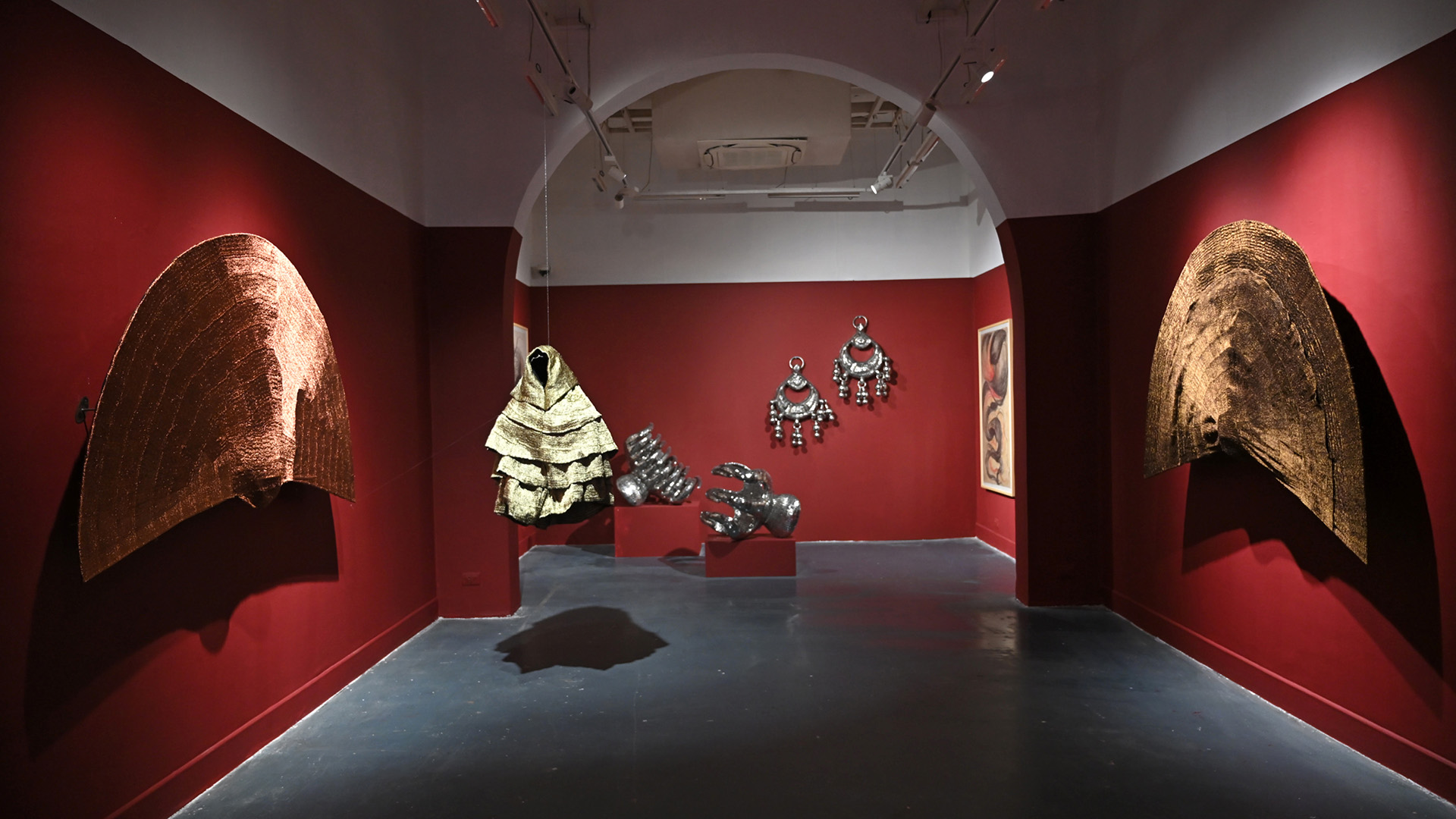
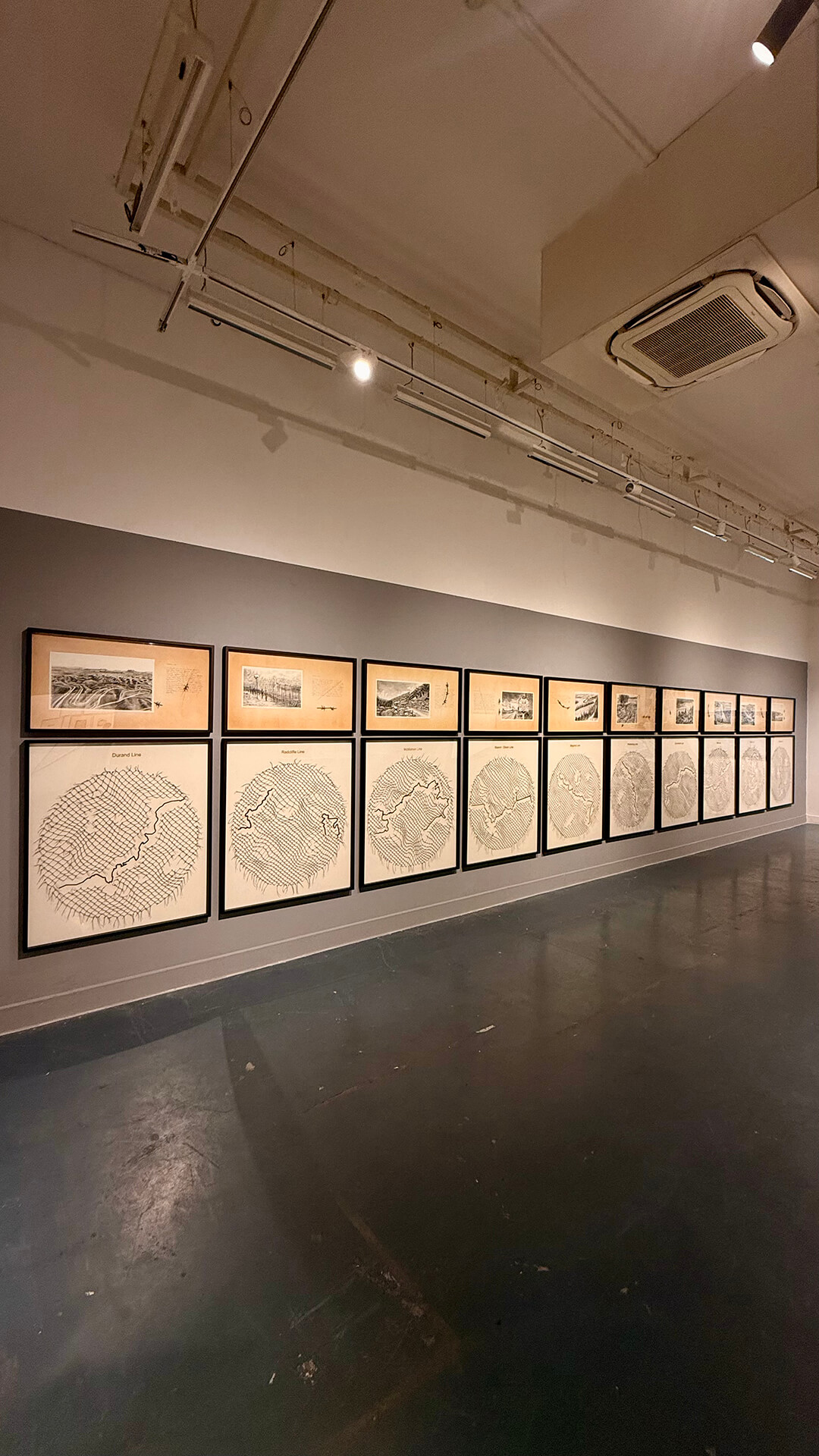
Two artists talking, in the United States, in 2016. Mahwish Chishty and Gunjan Kumar discovered their families came from the same undivided Punjab. That conversation became The Sindhu Project, an enquiry into what a shared river remembers that a drawn border cannot.Curator Shaleen Wadhwana brought its Delhi iteration together in 2022, drawn less by the Indus Valley or Gandharan miniatures than by the deeper question underneath what constitutes a root when the land itself has been cut in two. She has carried that question for the better part of a decade, and MOOL, an exhibition featuring 20 artists across five countries, is what happens when a curator refuses to let it close. She says as much herself, in her note for this show in Delhi, India: "I am a granddaughter of a lineage that fled war-torn Rangoon to present-day India in 1941. That has left its own indelible mark on me, that all histories are not known equally."
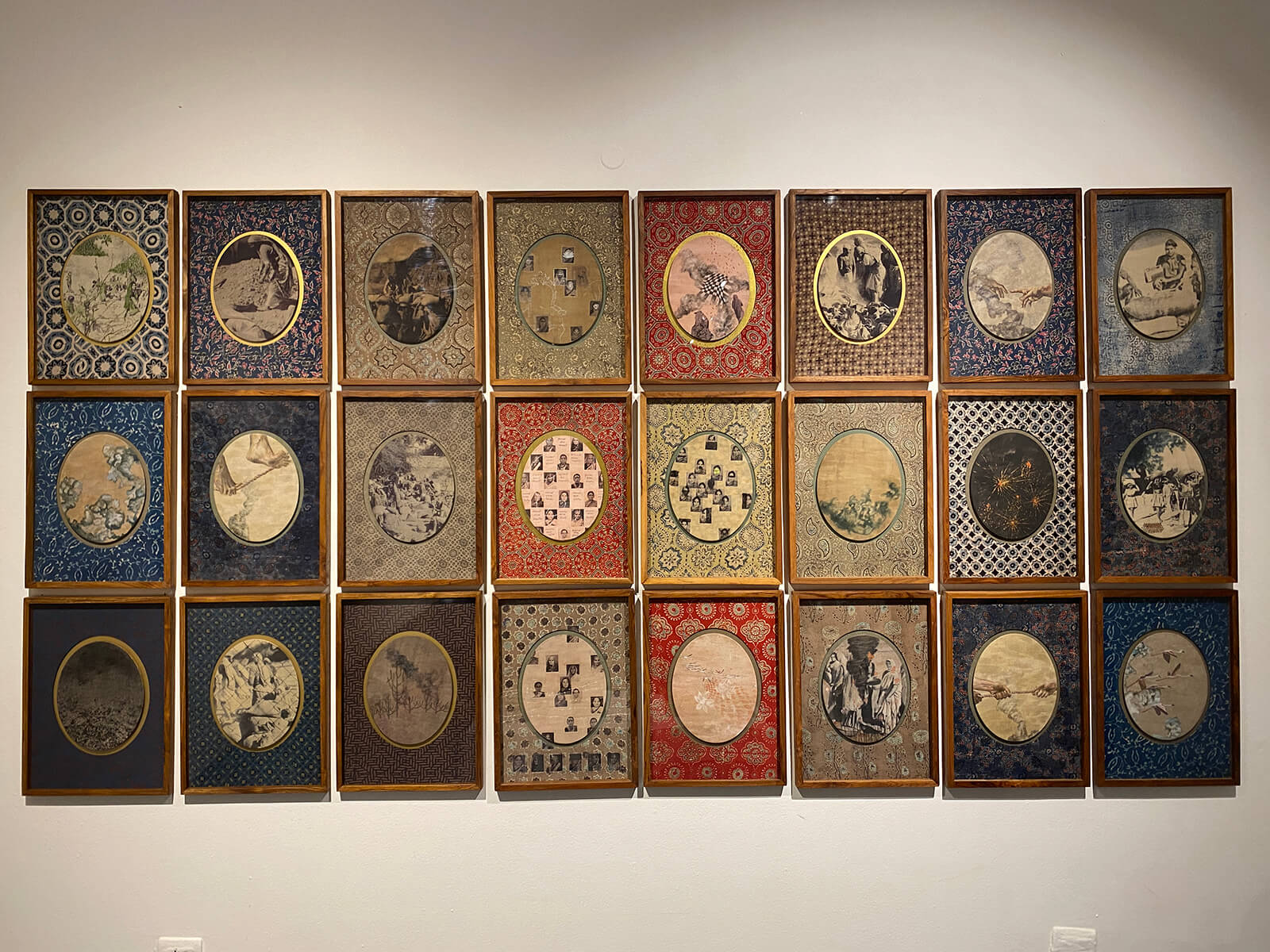
The Sindhu Project was thought at a civilisational scale, splitting across Lahore and Delhi, so its structure enacted the very rupture it examined, which is a curator thinking in form, not theme. MOOL brings that same root question down to the scale of a jar, a small glass bottle artist Arpita Akhanda has kept, holding a pinch of soil her father carried back from an ancestral village in 2018, an admission of what home reduces to, held in the palm, feared lost. None of this reads as a new idea replacing an old one so much as a mind returning to the same ground, finding more each time.
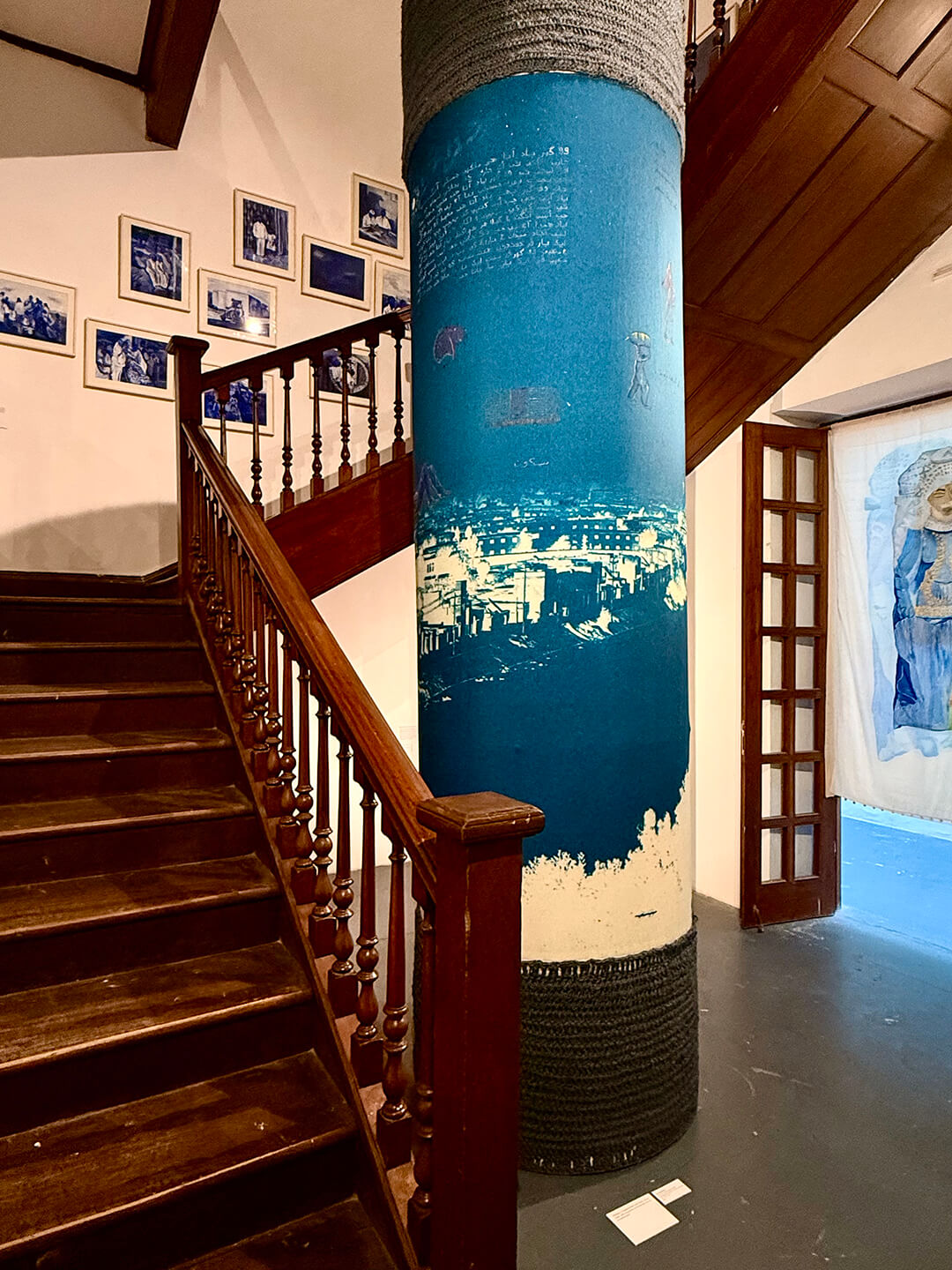
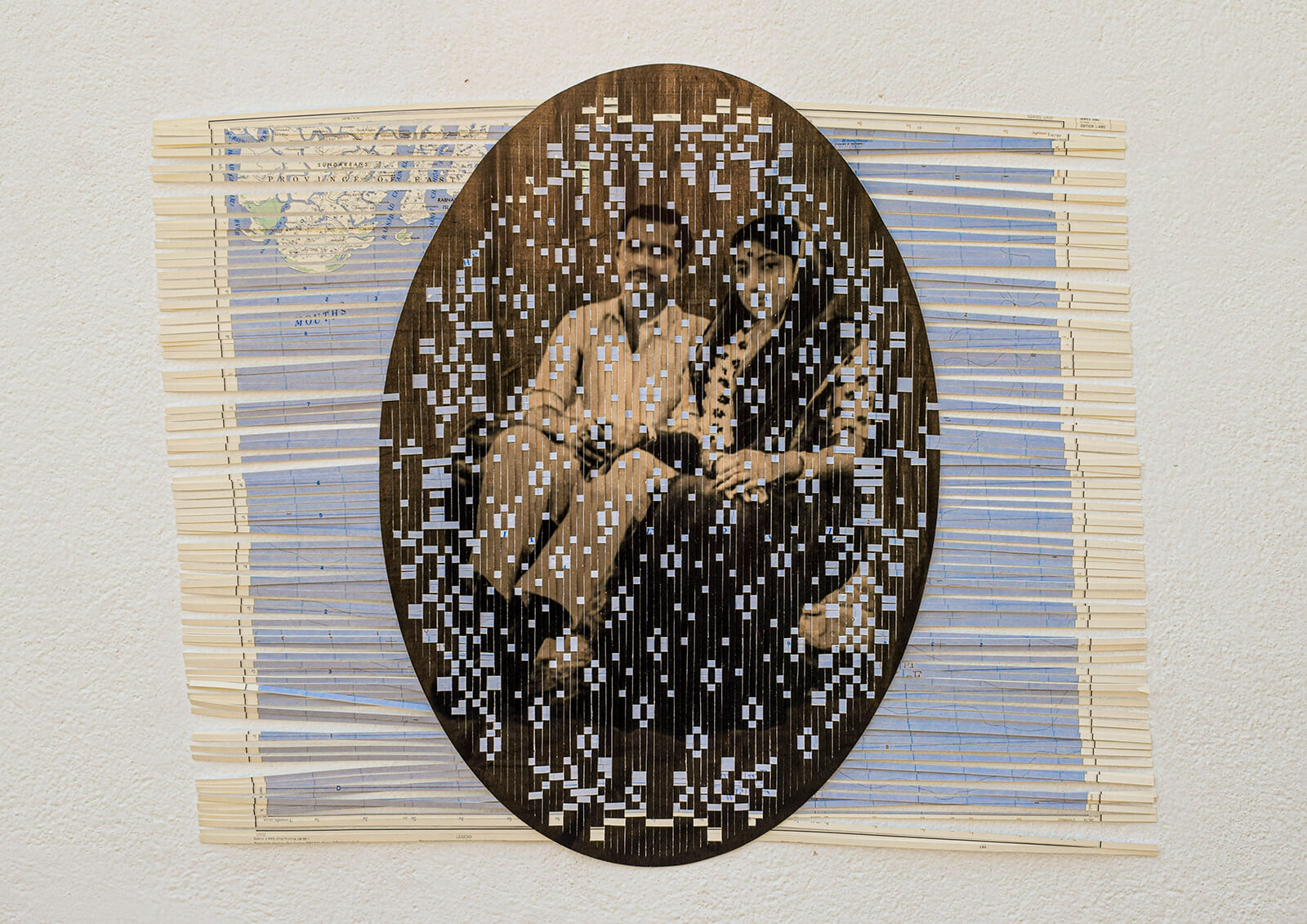
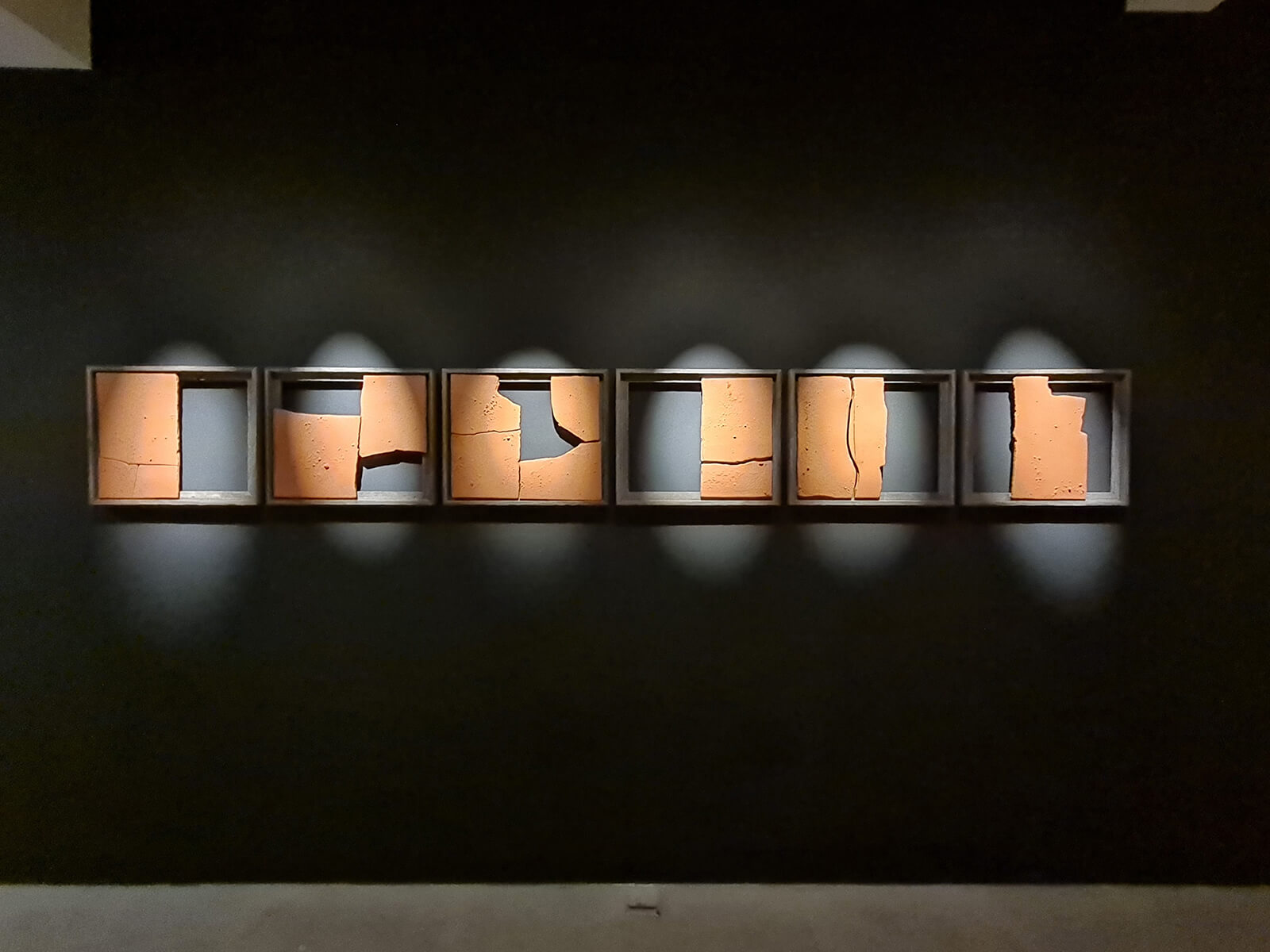
What these objects are doing matters, because it is not memory in the way we usually mean it. Reena Saini Kallat has no memory of Partition to draw on, only its residue. She inscribes a 1932 Karachi directory of Hindu residents in salt, obscuring names in one frame and revealing them stripped bare in another, and the choice sits oddly against the document: a directory exists to make people findable; this one grows harder to read the longer you look. What is being handled is residue, not a lived event, a document retold until it hardens into inheritance. There is a term for this: postmemory, coined by scholar Marianne Hirsch for a generation that carries a history it never lived, through imagination rather than recall. Wadhwana didn't need the theory to make this show, but it shows her own years of curatorial return arriving, independently, at ground that serious scholarship has spent decades mapping.
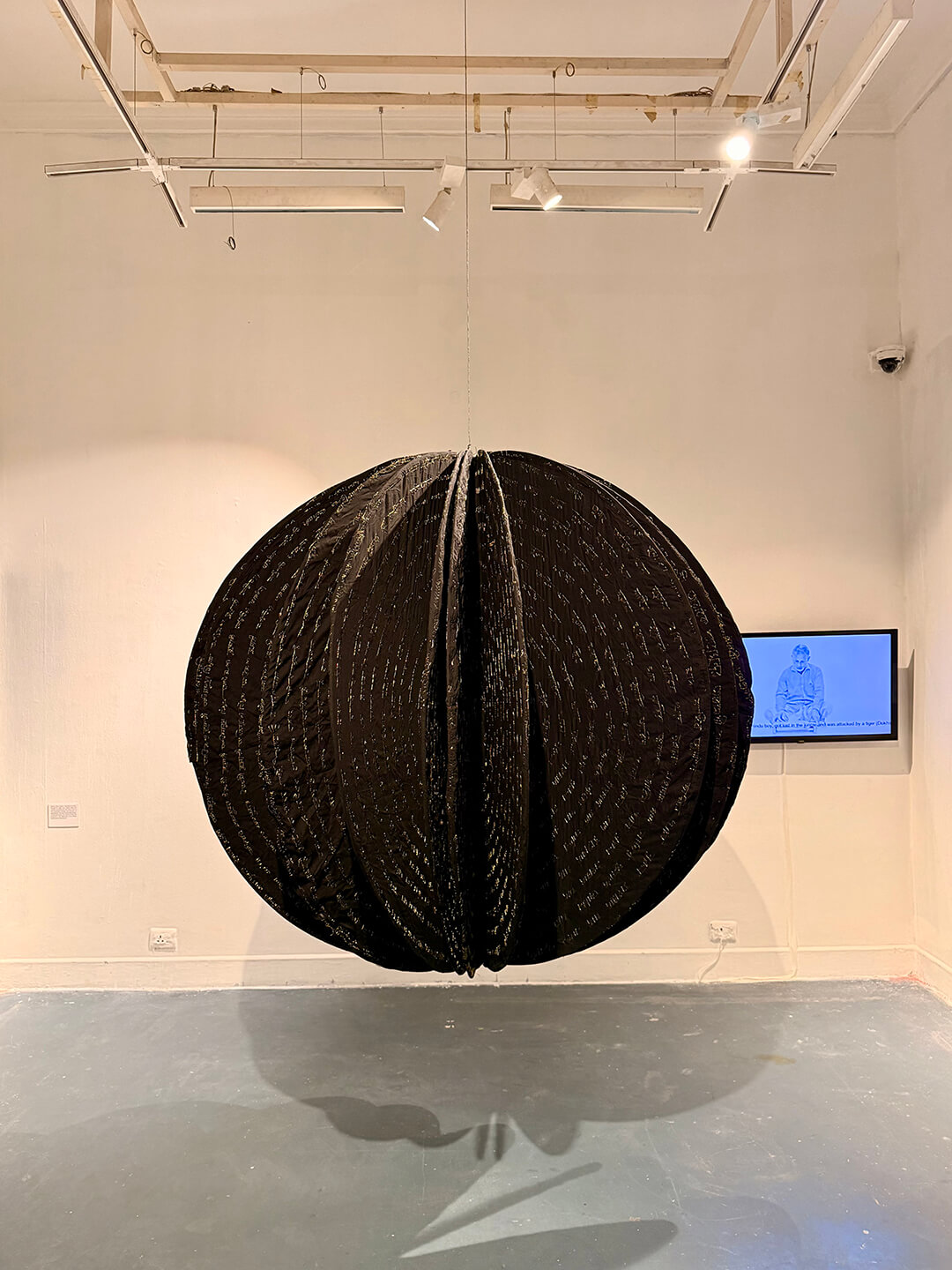
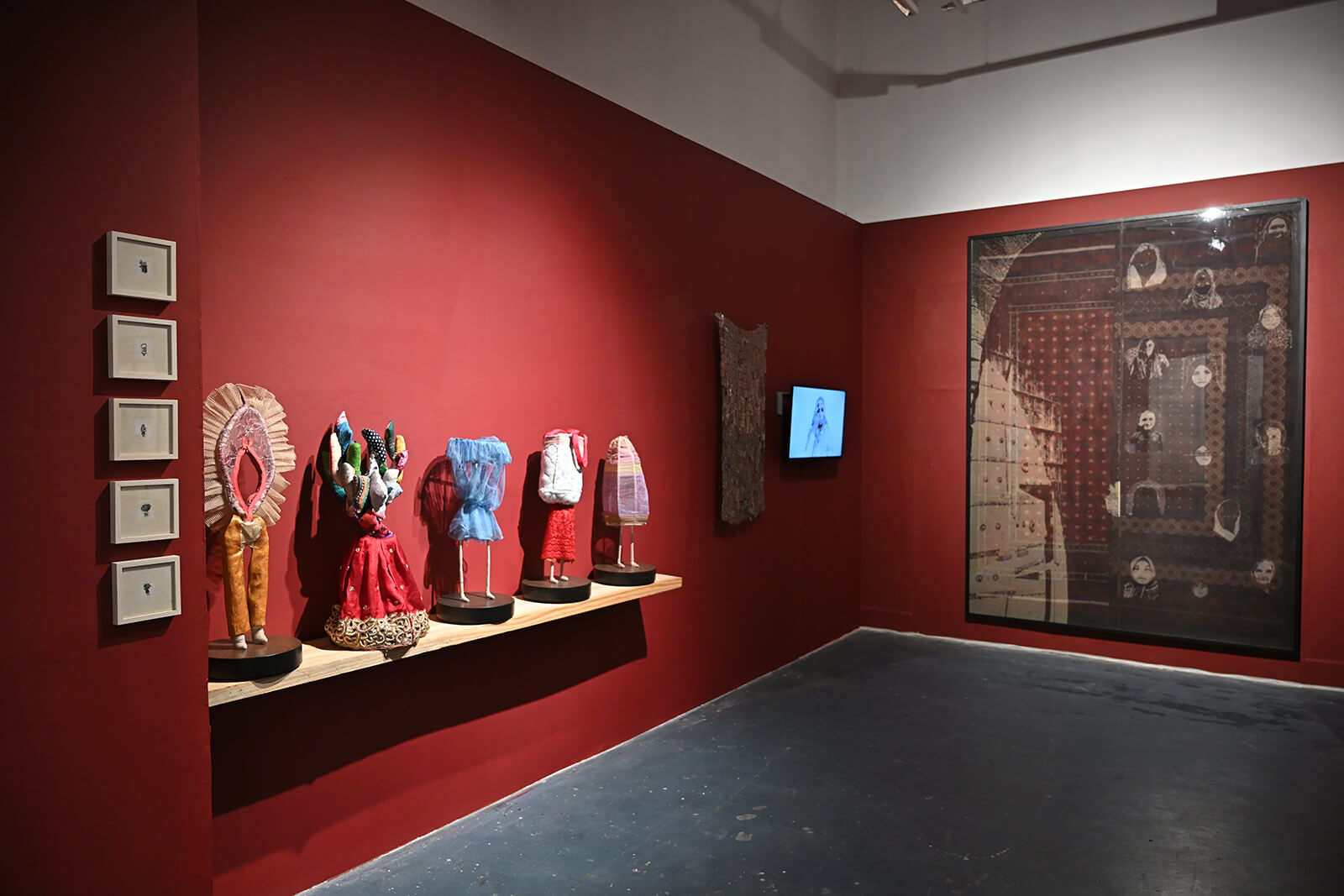
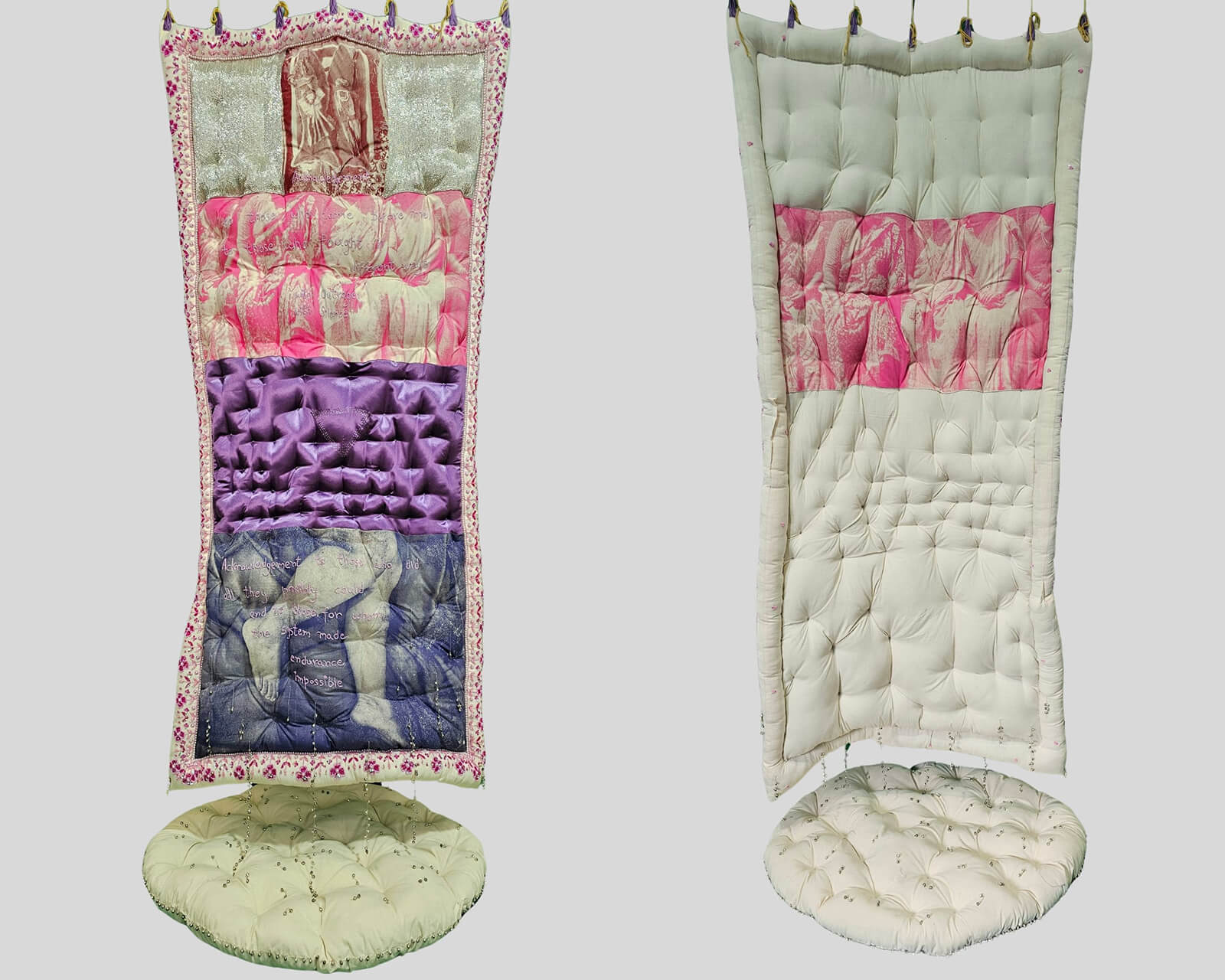
A further branch of that thinking, my own reading rather than a term she uses herself, is queer postmemory, family history that does not follow the expected bloodline. Why would a curator moving from civilisational to domestic scale land here? The answer feels structural, not incidental. Shrink a question to a household, and it can no longer hide behind convention; whose name counts as family becomes as urgent as whose border counts as home. The show refuses a single definition of family, with blood relations no more central than relations chosen and found, cantering women's and queer ancestries away from the patrilineal transmission most inheritance stories default to.
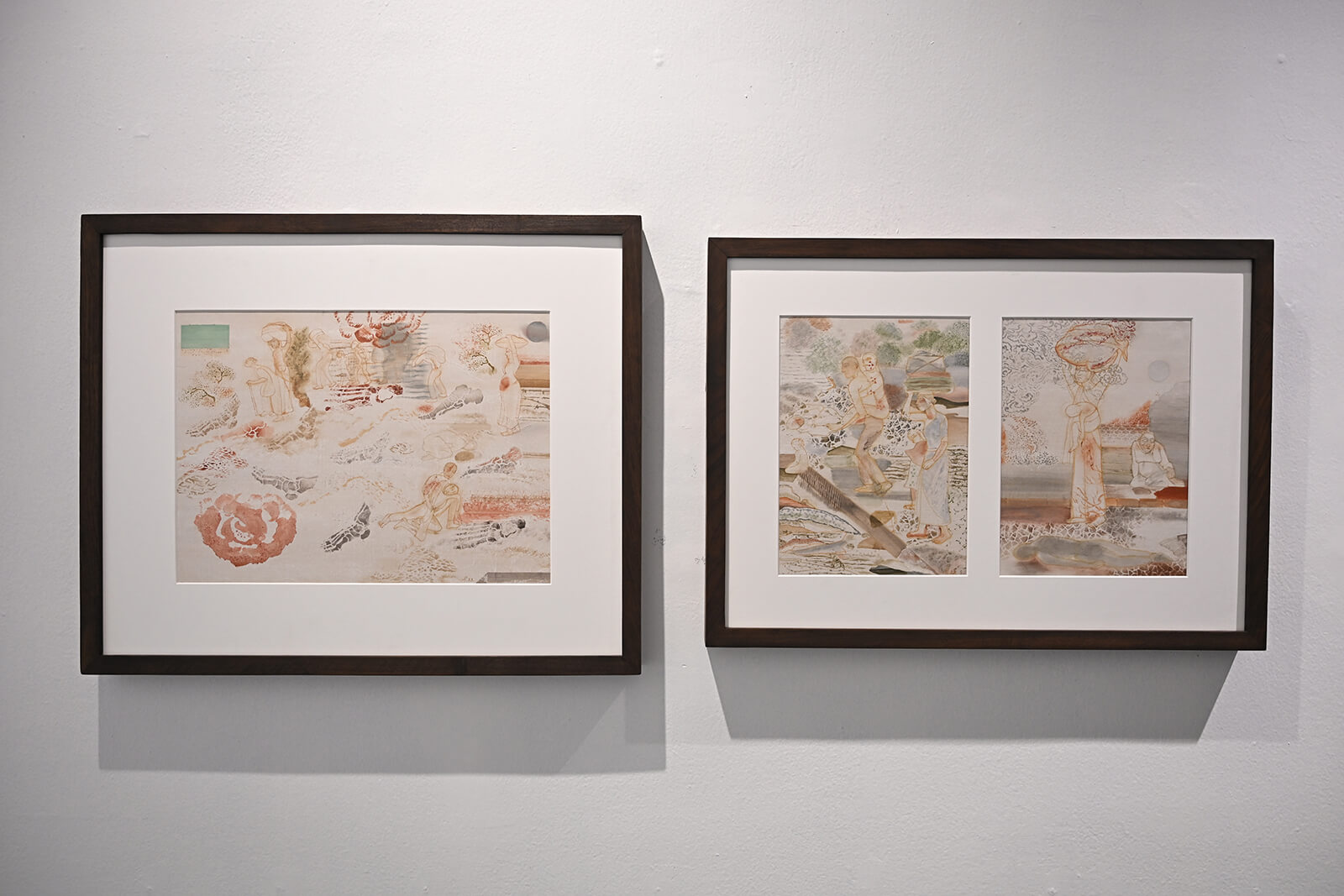
The artists here span half a century, from Nilima Sheikh at 80 to some barely a decade in, and what they share, across every background, is not colonial inheritance but something that predates it: patriarchy as the one border nobody had to import. I noticed how little education, urbanisation or migration touches it; the instinct persists underneath. I say this as someone who has never had to think twice before an action, which is itself the privilege of not noticing.
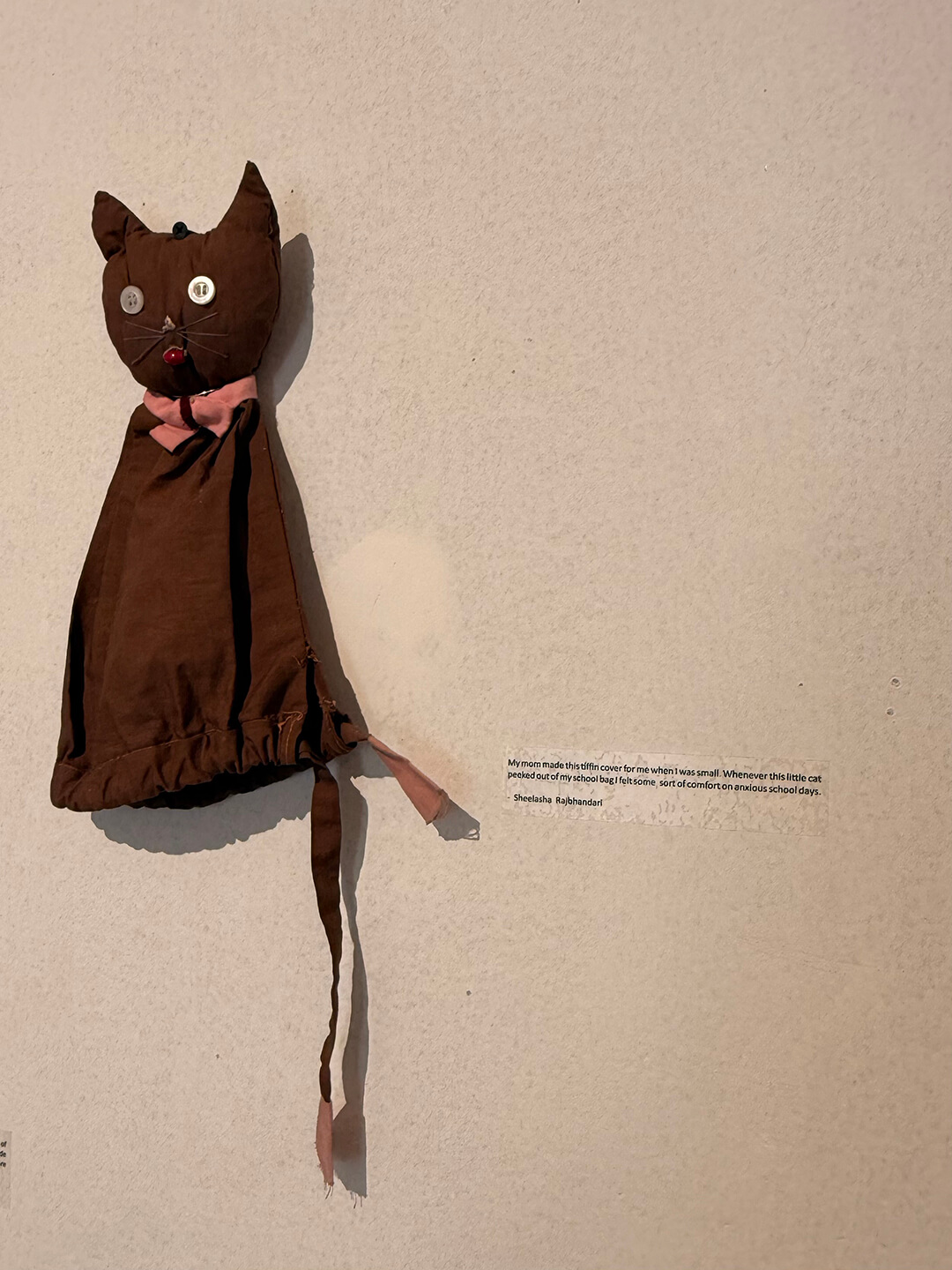
The smallest object in the show may be the sharpest. Sheelasha Rajbhandari's contribution here is not a painting or an installation but a tiffin cover shaped like a cat, sewn by her mother when she was a child, kept for its comfort, peeking out of a school bag on anxious days. I skipped the opening, where you meet the artist community more than the work, and went back the next day, then through the whole show again before it settled—a body of work this size is not something you take in once. Only on that second pass did something this small stop feeling like something to walk past. Nobody is naming violence or marginalisation here, and that is precisely the point. What is being handed down is a mother's own quiet, practised response to a threat never named, a small tool of steadiness passed to a daughter before she has language for what she is being steadied against. It is maternal inheritance in its most literal form, one generation's coping folded into cloth and given to the next before the next generation even knows there is anything to cope with.
Most art from this region reaches for the same registers—memory, loss, violence and stays there, because those are the safest words for what happened and nobody is accused of looking away. Wadhwana's note doesn't treat the region's borders as neutral fact; it describes them as something handed down carelessly by people who barely knew the place, at a cost they never paid, and that is not the language of a memorial; it is the language of a case, built to be reckoned with rather than mourned. She names the difficulty outright elsewhere in her note, where she states, "Pivoting the premise from thinking towards feeling remains the exhibition’s biggest triumph and challenge."
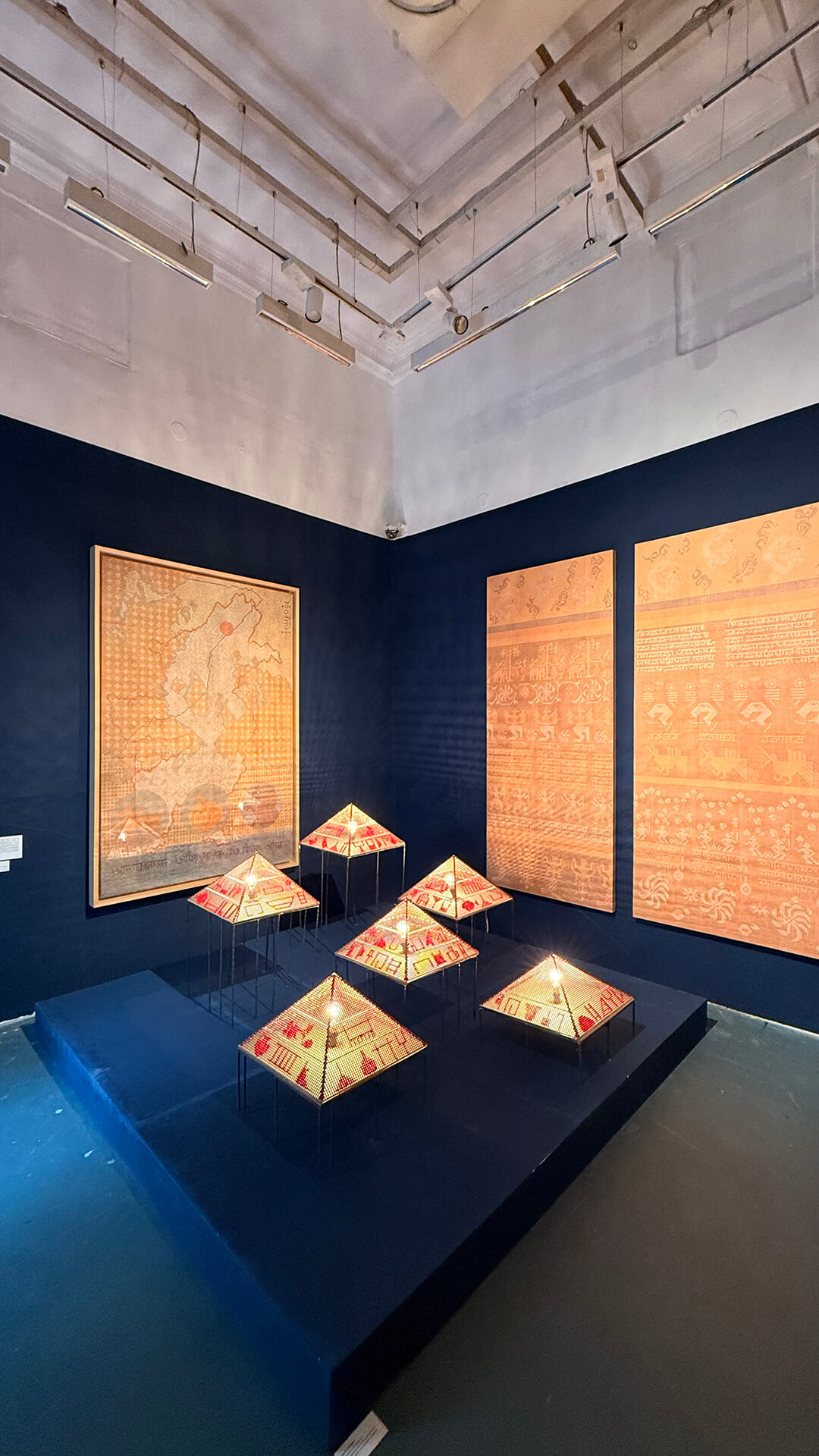
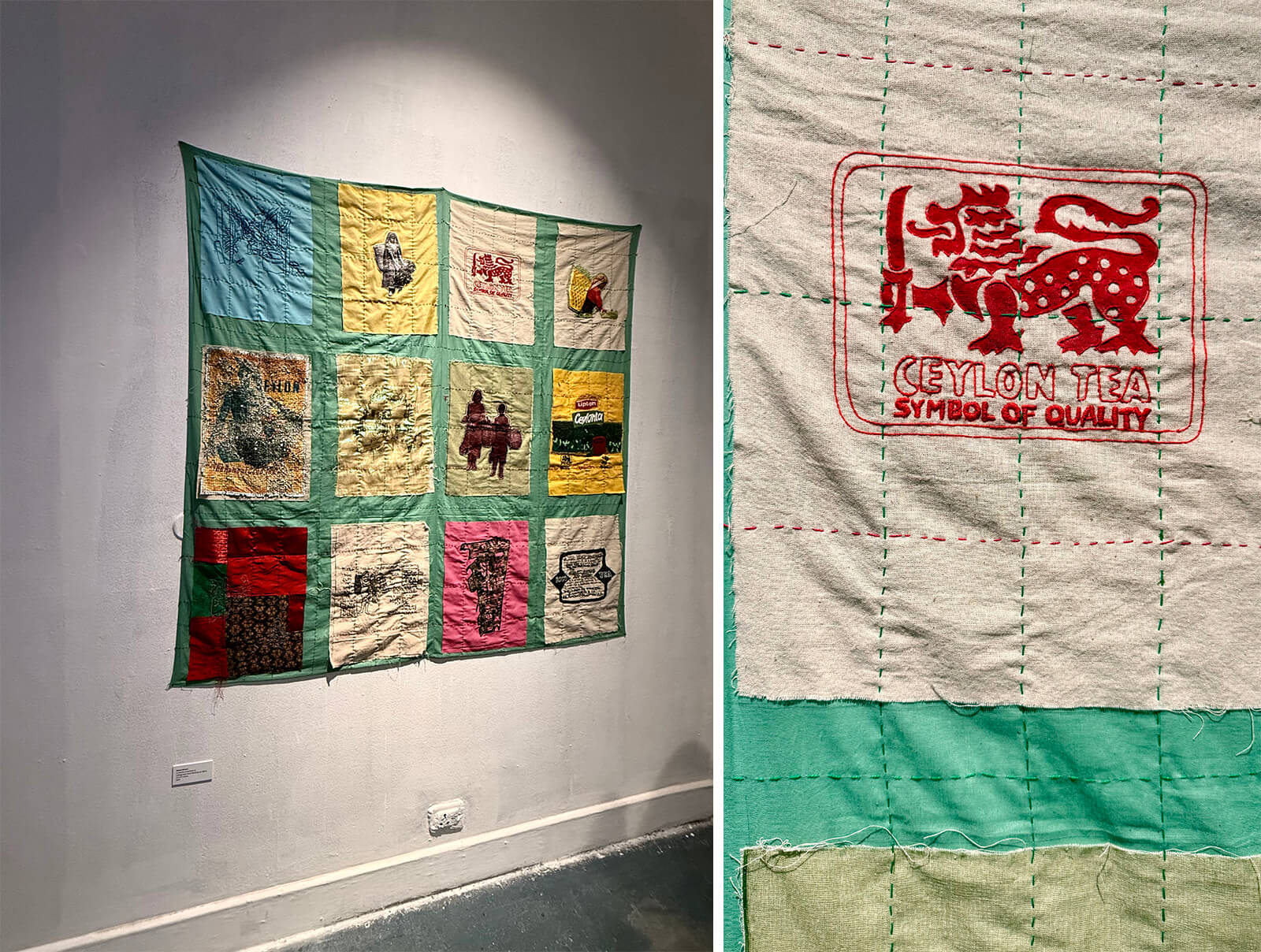
Among the many rooms that make up MOOL, one is given over entirely to language, where a wall text names Hindi, Urdu, Bangla, Tamil, Sanskrit, Sinhala, Assamese, Nepali, Punjabi and Sindhi as sharing some version of the word mool, foundation, essence, original, and then admits, in the same breath, that you are reading this in English, the very infusion that caused the loss the show is trying to recover. It is a small, deliberately unresolved contradiction. She does not smooth it over. She names it and lets it stand there, on the wall, next to the work.
‘MOOL’ is on view from August 19 – September 10, 2026, at Exhibit 320, Delhi, India.
The views and opinions expressed here are those of the author(s) and do not necessarily reflect the official position of STIR or its editors.

by Srishti Ojha Oct 21, 2026
Increasingly, artists, filmmakers and activists are turning to VR to create more personal, tangible accounts of the climate emergency and its impact on vulnerable communities.
by Mirra Lynn Oct 20, 2026
The Indian artist paints the old wadas of central Pune, capturing the traces of everyday life that cling to these structures, battered by time but unbowed.
by Anmol Ahuja Oct 15, 2026
How do heaps of souvenirs and relics with racist Aboriginal motifs and features become art? MCA Sydney’s winter showcase—the artist’s largest to date—beckons a possibility.
by Srishti Ojha Oct 14, 2026
The first Dutch publication on the Turkish artist, the eponymous book centres on Refik Anadol: Latent City, his living data sculpture of Bruges, exhibited at BRUSK gallery.

make your fridays matter with a well-read weekend
Enter your details to sign in
Don’t have an account?
Sign upOr you can sign in with
a single account for all
STIR platforms
All your bookmarks will be available across all your devices.
Stay STIRred
Already have an account?
Sign inOr you can sign up with
Verification link sent to check your inbox or spam folder to complete sign up process
Tap on things that interests you.
Select the Conversation Category you would like to watch
Please enter your details and click submit.
Enter the 6-digit code sent at


A reconsideration of Partition and memory
by Samar Jodha | Published on : Aug 26, 2026


 Sign in with Google
 Sign in with email
What do you think?