Architecture09 mins. read
Newcastle's 20th-century 'Concrete Dreams' as the 'Brasilia of the North'
by Bansari PaghdarOct 26, 2024



by Cristina MateoPublished on : Feb 05, 2026
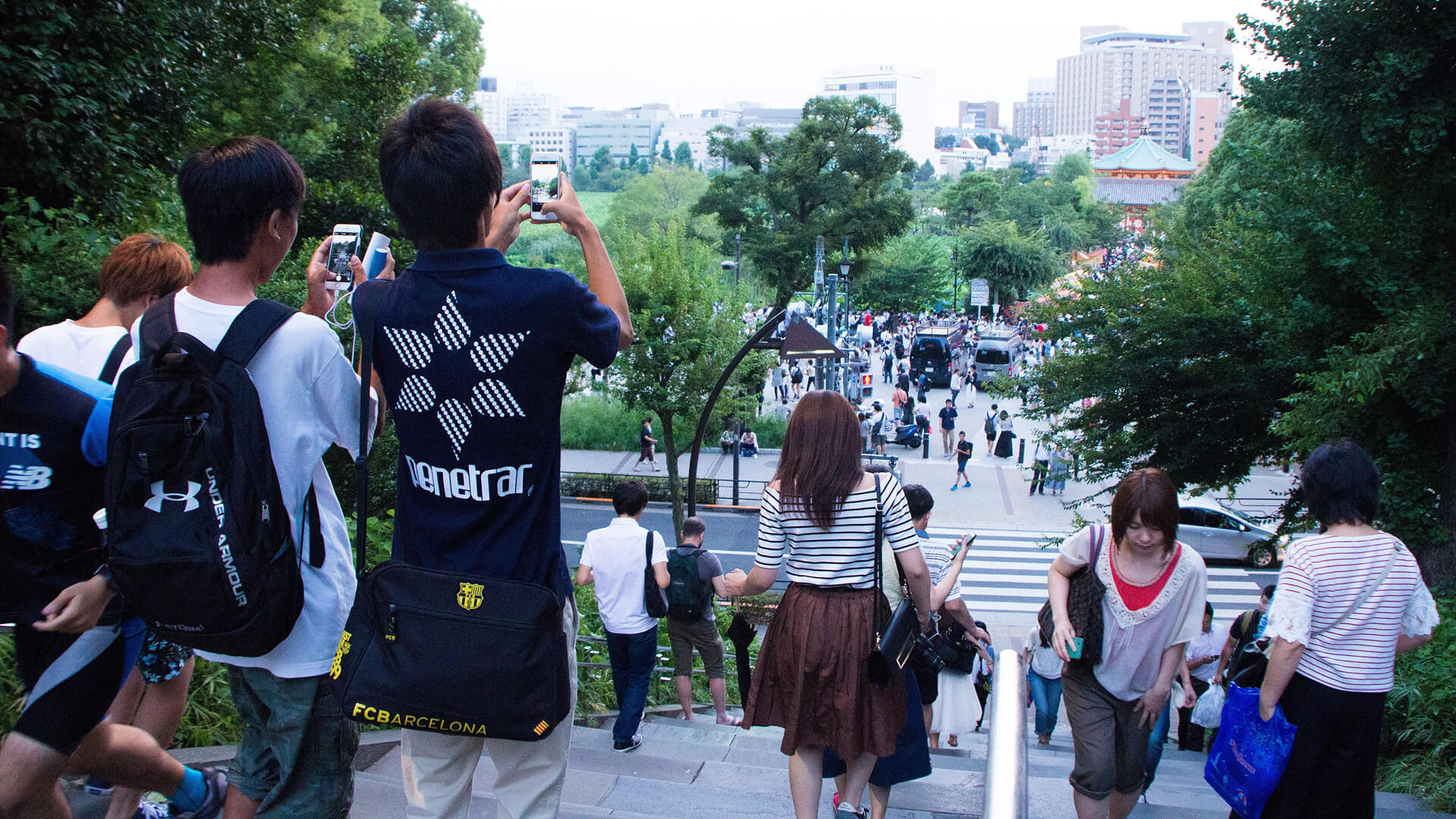
Can immersive design help cure loneliness? American urban sociologist Ray Oldenburg’s influential concept of ‘third places’ describes informal venues—bars, parks, community centres—where relationships naturally form. These are spaces beyond home (the first place) and work (the second place), where people linger, talk and build the ties that hold communities together. Oldenburg identified eight qualities that define these environments: neutral ground, inclusive ‘levelers’, conversation-centred, accessible and accommodating, sustained by regulars, low profile, playful and ‘a home away from home’.
Any medium can be experienced immersively—both physically and mentally—but to create genuine interaction, the audience must be able to react and make changes to the ‘environment’ itself.
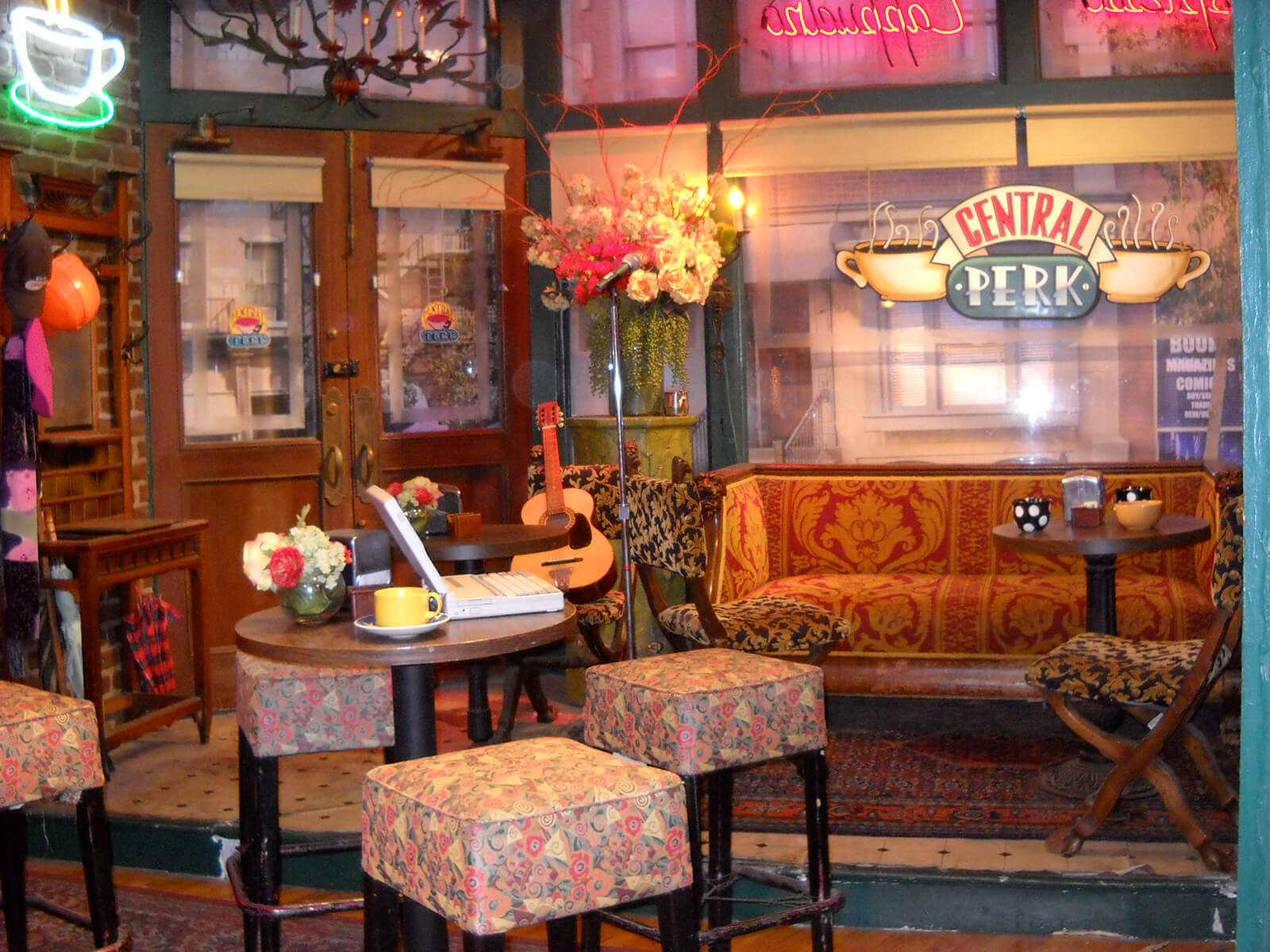
Today, however, third places are in decline in many areas. Rising rents and operating costs are making cafés, independent bookstores and cultural spaces increasingly difficult to sustain.
Furthermore, there seems to be a correlation between this decline and the increase in social isolation. Even before the COVID-19 pandemic reshaped daily life, the 2021 Census Bureau’s Time Use Survey1 showed that Americans were already spending markedly less time with friends. By 2024, the situation had worsened: 17 per cent of Americans reported having no close friends at all—up from just one per cent in 1990, the period when Oldenburg introduced the concept of third places. Meanwhile, nearly 35 per cent of Europeans say2 they experience loneliness at least occasionally. As these numbers grow, societies are urgently searching for new ways to restore participation, proximity and everyday social connection.
In parallel, immersive culture—from spatial media to augmented reality and experiential venues —has grown into a global creative force. As communities lose their social infrastructure, the question becomes urgent: Can immersive design help us gather again?
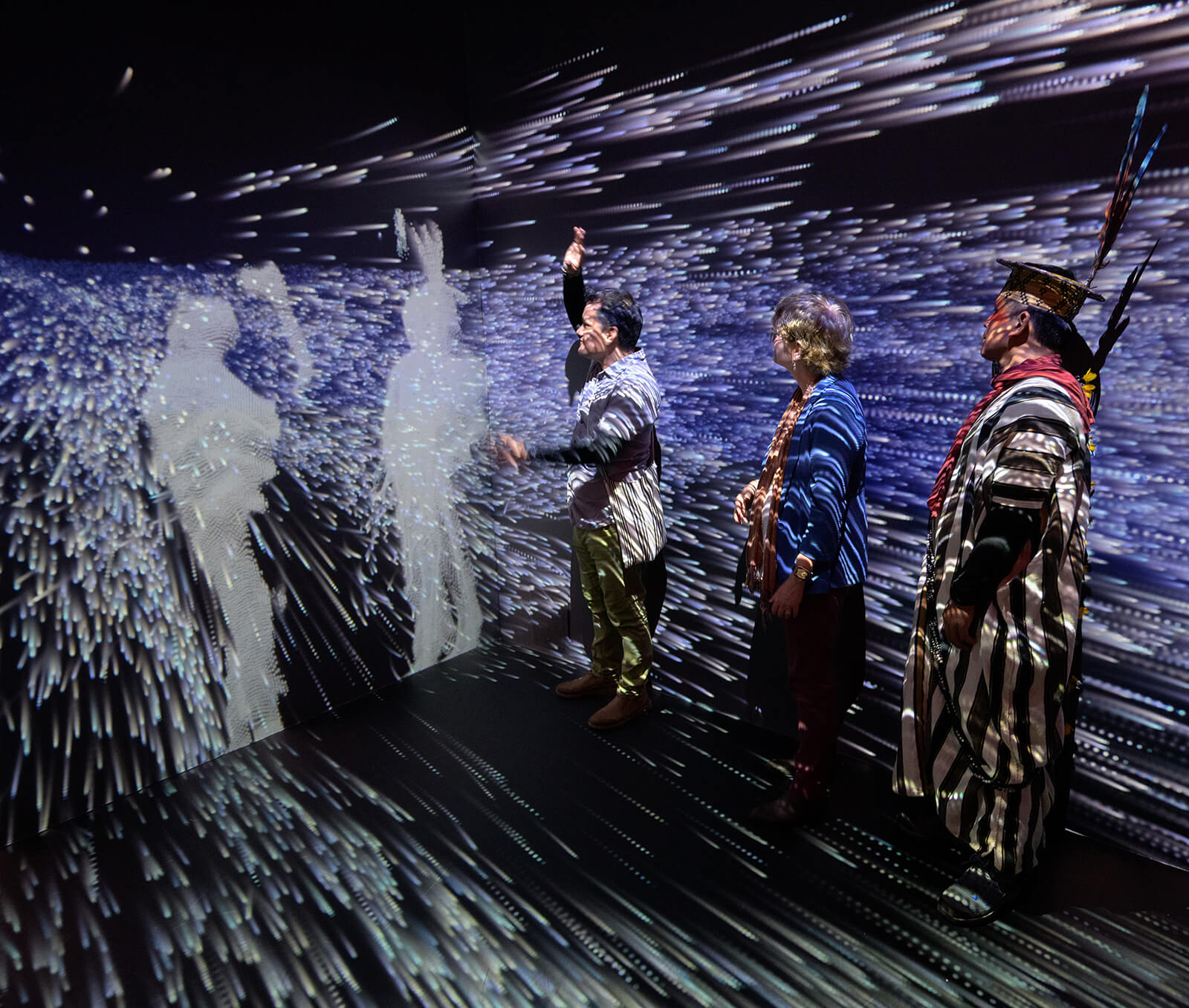
Design is key to making this happen. Any medium can be experienced immersively—both physically and mentally—but to create genuine interaction, the audience must be able to react and make changes to the ‘environment’ itself. This interaction is what differentiates experiences that simply provide entertainment from those that strengthen relationships.
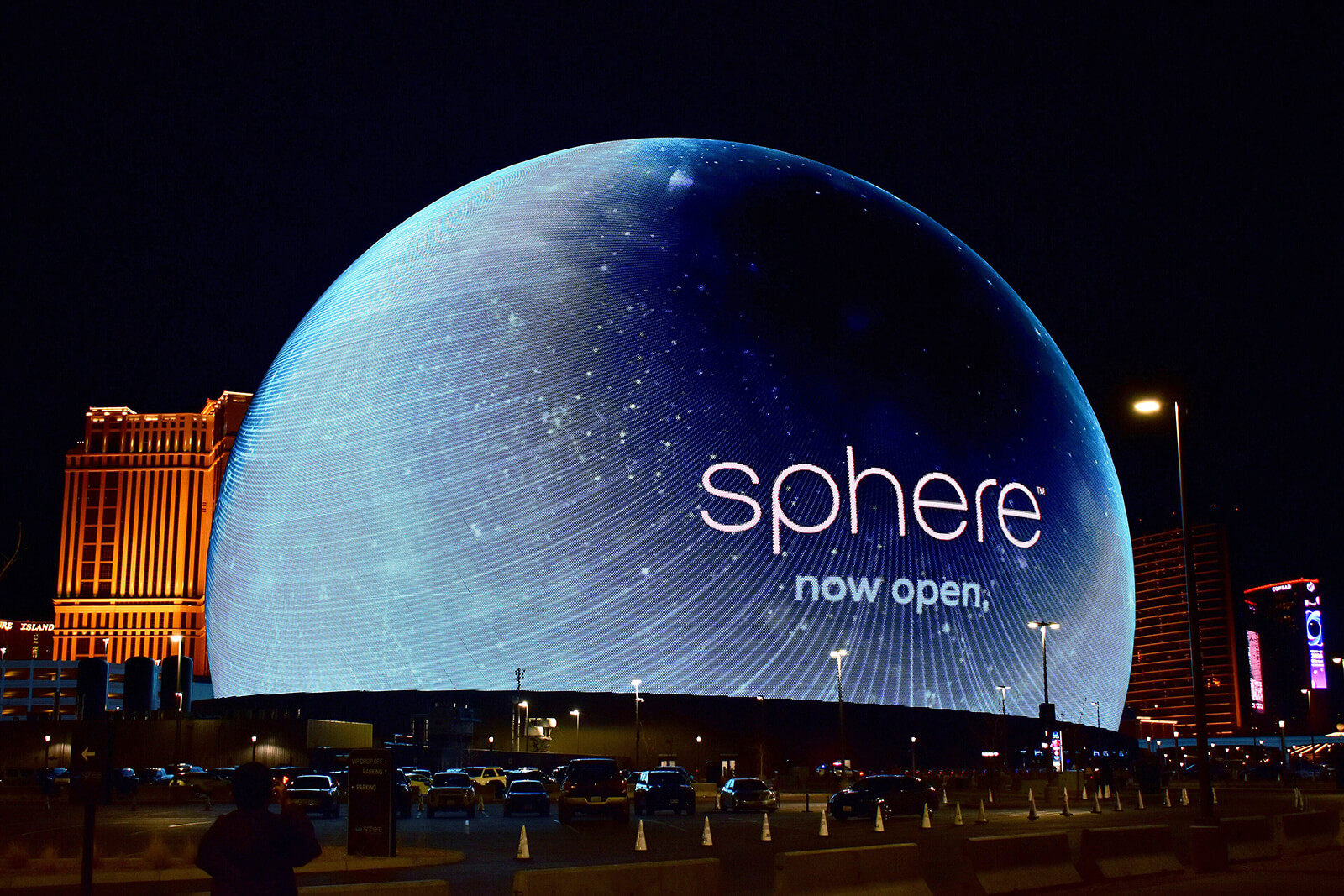
Across the world, today’s immersive experiences—whether housed in billion-dollar arenas (location-based entertainment) or delivered to headphones on a park bench (immersive everywhere)—are reshaping where and how we gather, yet many celebrated immersive environments fall short as true places for interaction.
Las Vegas’s Sphere or teamLab Borderless in Tokyo generate awe, sensory saturation and spectacle—but they do not function as inclusive social commons:
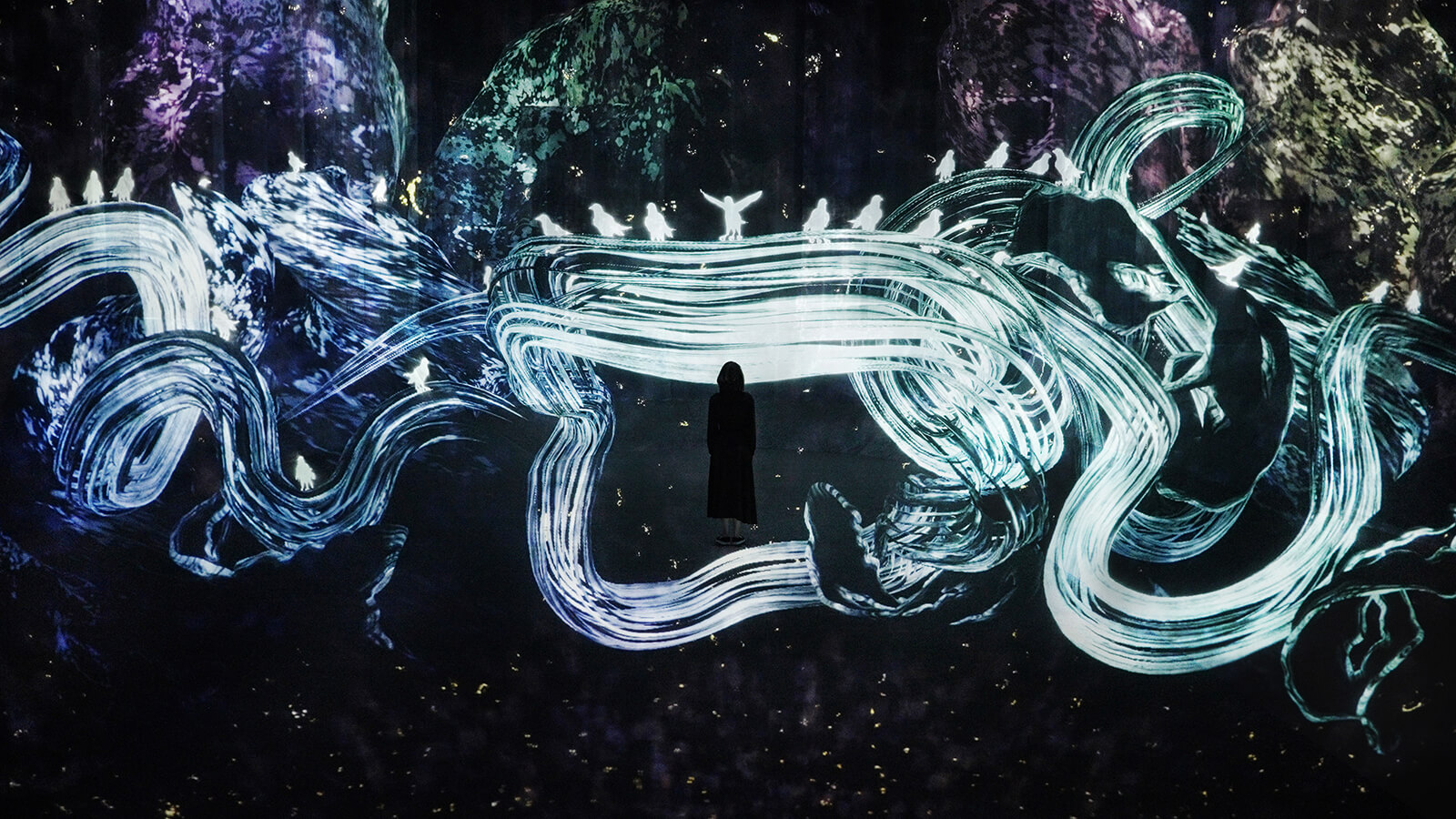
If we measure these experiences against Oldenburg’s eight qualities, we can see which forms of immersion can strengthen relationships and which simply provide entertainment or other purposes, depending on the type of industry. This, I argue, points toward a new, relational paradigm: the ‘fourth space’, to renew social bonds and counter isolation. Therefore, the fourth space is defined by its relational intent, and although some of the examples below still have characteristics of the third spaces, they also have newly added features related to one key aspect: immersion in the service of relationships; not immersion that swallows attention, but immersion that returns the possibility of being with each other.
This gap points to a design opportunity: to shift from immersive environments that captivate individuals to immersive situations that cultivate community.
I contend that fourth spaces are third places that use immersion with relational intent. They are not defined by technology but by what technology—and spatial design—make possible: environments where presence, participation and mutuality are centred.
Two added characteristics shape these spaces:
Instant, low-friction gratification: sensory richness, real-time feedback and micro-rewards that lower barriers to participation.
Consent-based personalisation: environments that adapt to people through data-as-knowledge—adjusting pace, visibility, difficulty or ambience in real time.
Together, these features support one key objective: keeping people connected with each other.
I contend that fourth spaces are third places that use immersion with relational intent.
Several recent projects show how immersive design can revive communal rhythms—each offering lessons for architects, designers and placemakers, for whom it opens a new frontier: designing immersive environments intentionally to rebuild belonging.
StoryTrails (UK)
A civic-scale immersive heritage activation
A nationwide initiative that uses AR, archival film and public libraries to activate town centres. By anchoring the experience in accessible civic spaces, it brought together families, teens and older adults in shared discovery.
Darkfield Radio
Collective ritual from home
A series of synchronised binaural audio experiences that created communal rituals at home—participants across cities listening simultaneously in the dark. Geography dissolved; connectedness remained.
Pokémon Go
AR as social glue
Research consistently shows that AR games like Pokémon Go increase users’ connection to their neighbourhoods and to people around them, transforming casual encounters into repeated social micro-interactions.
Ghosts of Solid Air (Anagram, in development)
Cocreation + civic reenchantment
Ghosts of Solid Air is an AR experience that invites participants to animate, disrupt and reimagine the statues embedded in public squares. Co-created with non-professional community producers, it transforms monuments—traditionally passive symbols—into participatory civic canvases. By turning pavements into sites of shared play, the project reveals how AR can catalyse conversation and collaboration in urban space.
The Waiting Room (Edinburgh)
Personali sed narrative + shared ritual
The Waiting Room, created by writer and director Natalia Yandyganova and developer David Gaynor, pioneers a new genre of adaptive theatre. Audience members enter a physical set but receive personalised scenes generated in real time using AI. This makes each participant the protagonist of their own unfolding narrative, while still enmeshing them in a collective emotional environment. By blending theatrical design with generative technology, The Waiting Room demonstrates how fourth spaces can be both intimate and communal—a place where people gather around stories designed uniquely for them.
To move from promise to practice, architects and designers can use relational design principles that translate Oldenburg’s traits into immersive-era counterparts:
| Oldenburg’s Trait | Fourth Space Interpretation |
| Neutral ground | Consentful personalisation + transparent data value |
| Leveller | Algorithmic fairness designed from the start |
| Conversation | Multimodal co-presence: from casual glances to deep collaboration |
| Accessibility | ‘Latency as hospitality’: welcoming interactions without manipulative loops |
| Regulars | Privacy-protecting reputation: trust without exposure |
| Low profile | Safety & repair embedded into the spatial logic |
| Playful mood | Instant delight with ethical guardrails |
| Home away from home | Continuity across devices, contexts and venues |
These principles offer a roadmap for spatial practitioners: design for connection first, immersion second.
Immersion already shapes how we gather. The real question is whether we will shape it intentionally—to help us belong.
If third places defined community life in the 20th century, fourth spaces may become the programmable social layer of the 21st.
Architects, experience designers, technologists and cultural institutions share an extraordinary opportunity:
The main difference between immersive experiences, that are not fourth spaces and those which are, does not come from their commercial provenance, or mass appeal approach, but by the socially aware environment, taking the experience to a pre-existing setting with a shared history, rather than placing it in a bespoke backbox, so the audience can react and edit that environment.
Immersion already shapes how we gather. The real question is whether we will shape it intentionally—to help us belong. As Niantic’s John Hanke, the developer of Pokémon GO, says: “Stand up, walk outside and connect with people and the world around us.” Fourth spaces can make that invitation feel achievable, meaningful and shared.
References
1.https://www.americansurveycenter.org/research/the-state-of-american-friendship-change-challenges-and-loss/
2.https://joint-research-centre.ec.europa.eu/projects-and-activities/survey-methods-and-analysis-centre/loneliness/loneliness-prevalence-eu_en
This article builds on a piece originally published on IE University’s Insights knowledge hub, offering an expanded narrative by Cristina Mateo.

by Pranjal Maheshwari Oct 23, 2026
Co-authored by Jareh Das, Chairman traces the British designer’s fixation on chairs as symbols of power and identity and as mediums of expression and community building.
by Mirra Lynn Oct 22, 2026
The curators behind Palestine Design Week 2026 reflect on its intent, considering how design holds memory, makes space for loss and imagines a future in Palestine.
by Chahna Tank Oct 22, 2026
STIR speaks with the Mumbai-based type designer about her practice, type walks and why she wants more people to have stronger opinions about Indian-script fonts.
by Jincy Iype Oct 15, 2026
STIR explores craft, material intelligence and people shaping Indian design through dialogues with Design Democracy’s co-founders and the curators of its special exhibitions.

make your fridays matter with a well-read weekend
Enter your details to sign in
Don’t have an account?
Sign upOr you can sign in with
a single account for all
STIR platforms
All your bookmarks will be available across all your devices.
Stay STIRred
Already have an account?
Sign inOr you can sign up with
Verification link sent to check your inbox or spam folder to complete sign up process
Tap on things that interests you.
Select the Conversation Category you would like to watch
Please enter your details and click submit.
Enter the 6-digit code sent at


Belonging redesigned: The rise of fourth spaces in a digital world
by Cristina Mateo | Published on : Feb 05, 2026


 Sign in with Google
 Sign in with email
What do you think?