Design10 mins. read
NGV’s Plant Life traces the past, present and possible futures of plant-based design
by Pranjal MaheshwariOct 13, 2026



by Bansari PaghdarPublished on : Apr 30, 2026
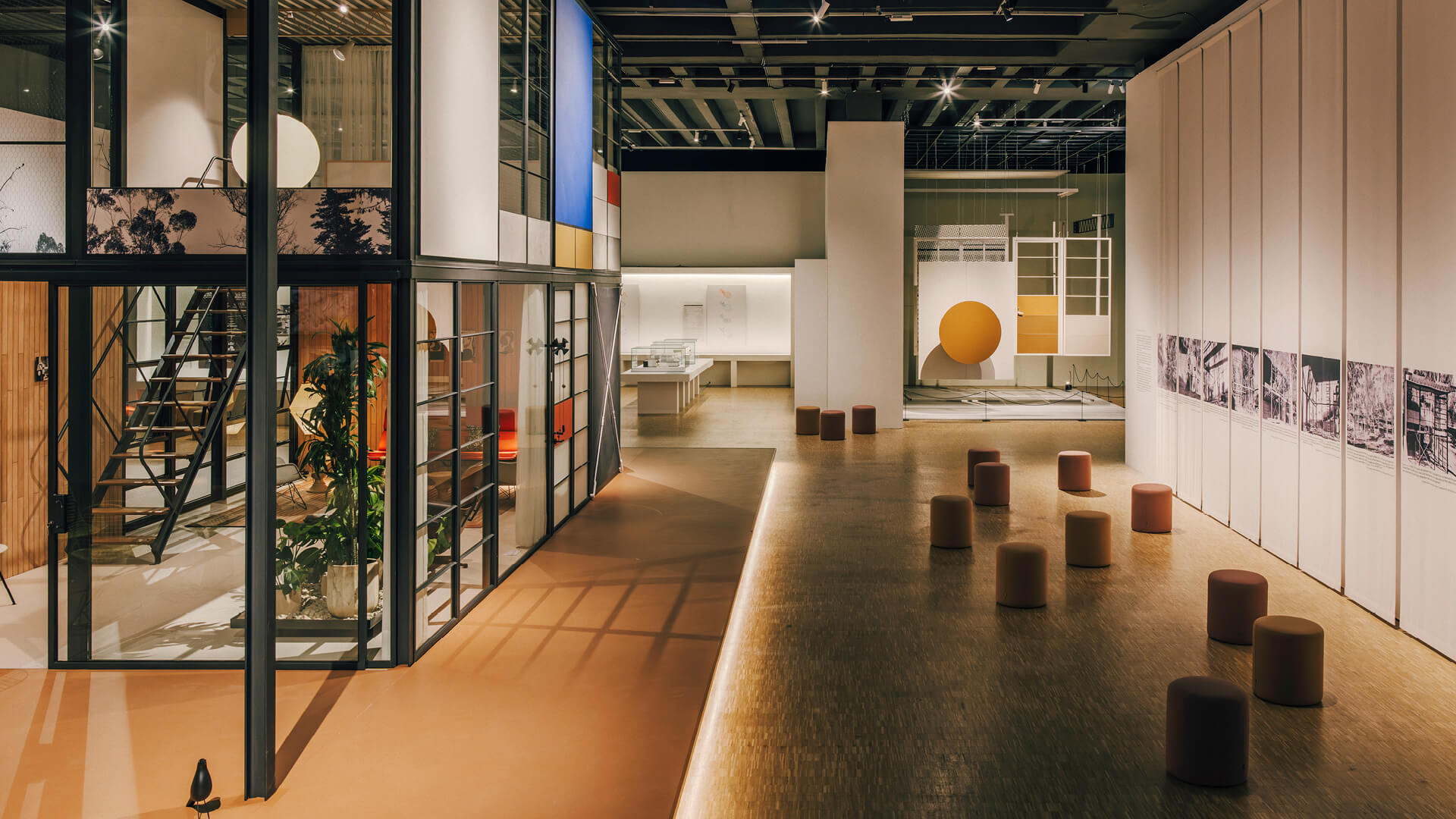
For decades, the oeuvre of Charles and Ray Eames has been associated with an image of mid-century domesticity that is adaptable, optimistic and rooted in everyday life. More popularly known for their furniture designs, their architecture has often been deemed as peripheral to those not intimate with their practice. But at Triennale Milano, parallel to the Milan Design Week 2026, the Eames Office positions Charles and Ray Eames’ residential architecture at the centre of their vision of contemporary living. On view from April 21 - May 10, 2026, The Eames Houses exhibition also marks the release of an eponymous publication by Eckart Maise, a design consultant and longtime Eames Office collaborator, dedicated to the Eames’ residential architecture, published by Phaidon. The book will feature contributions from Catherine Ince, research fellow at the Charles & Ray Eames Foundation, along with forewords by British architect Norman Foster and Eames Demetrios, director of the Eames Office.
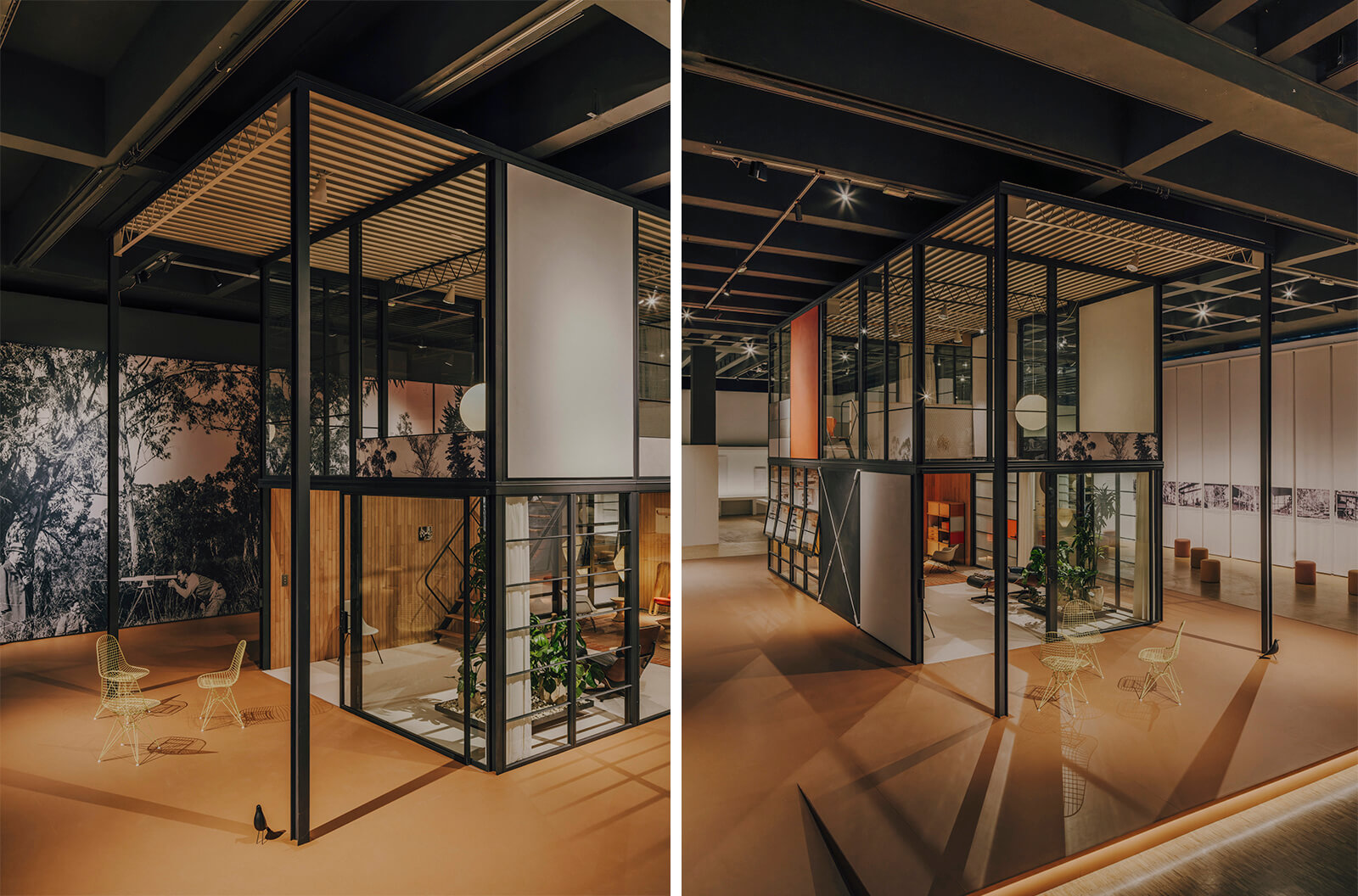
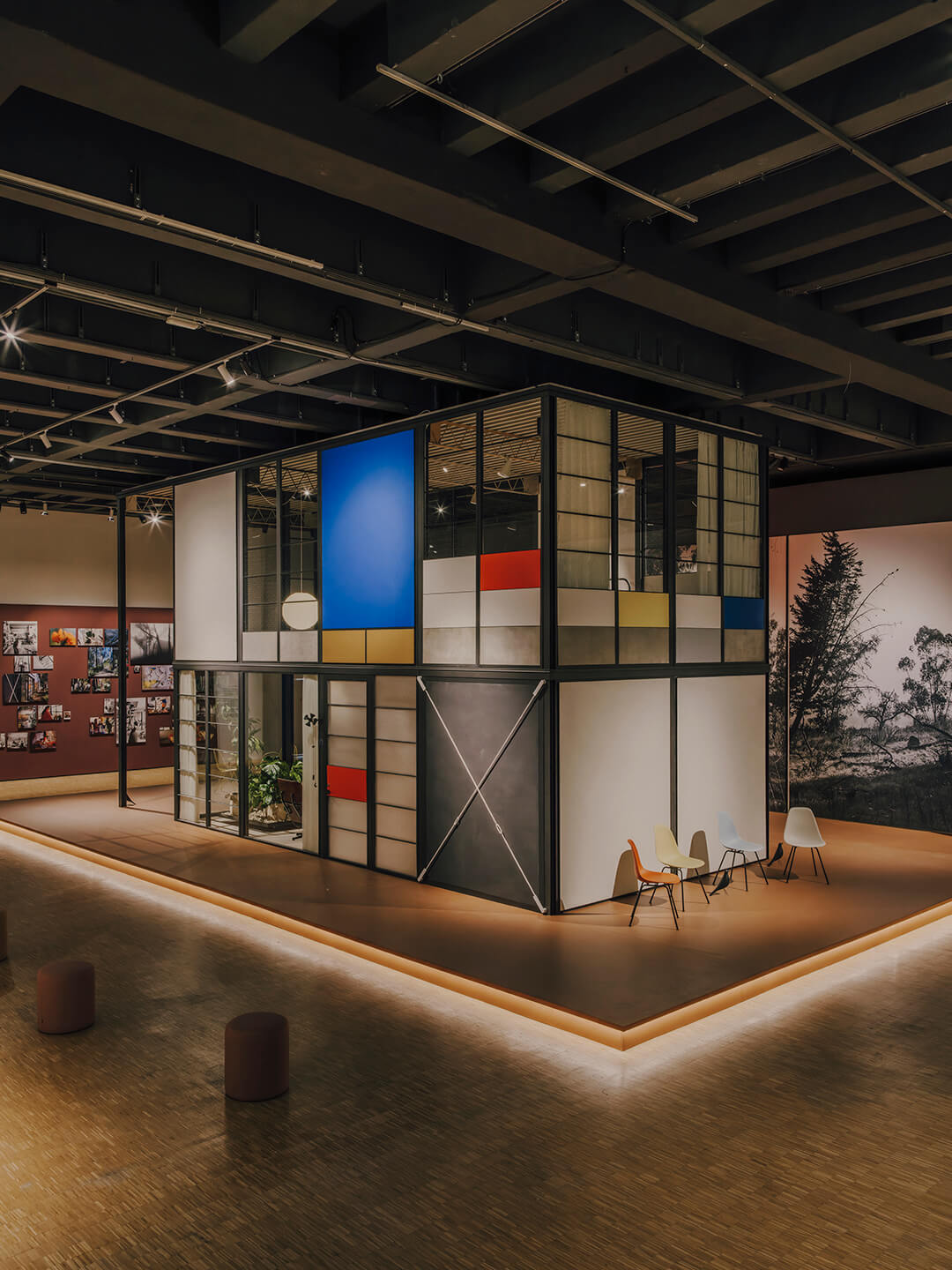
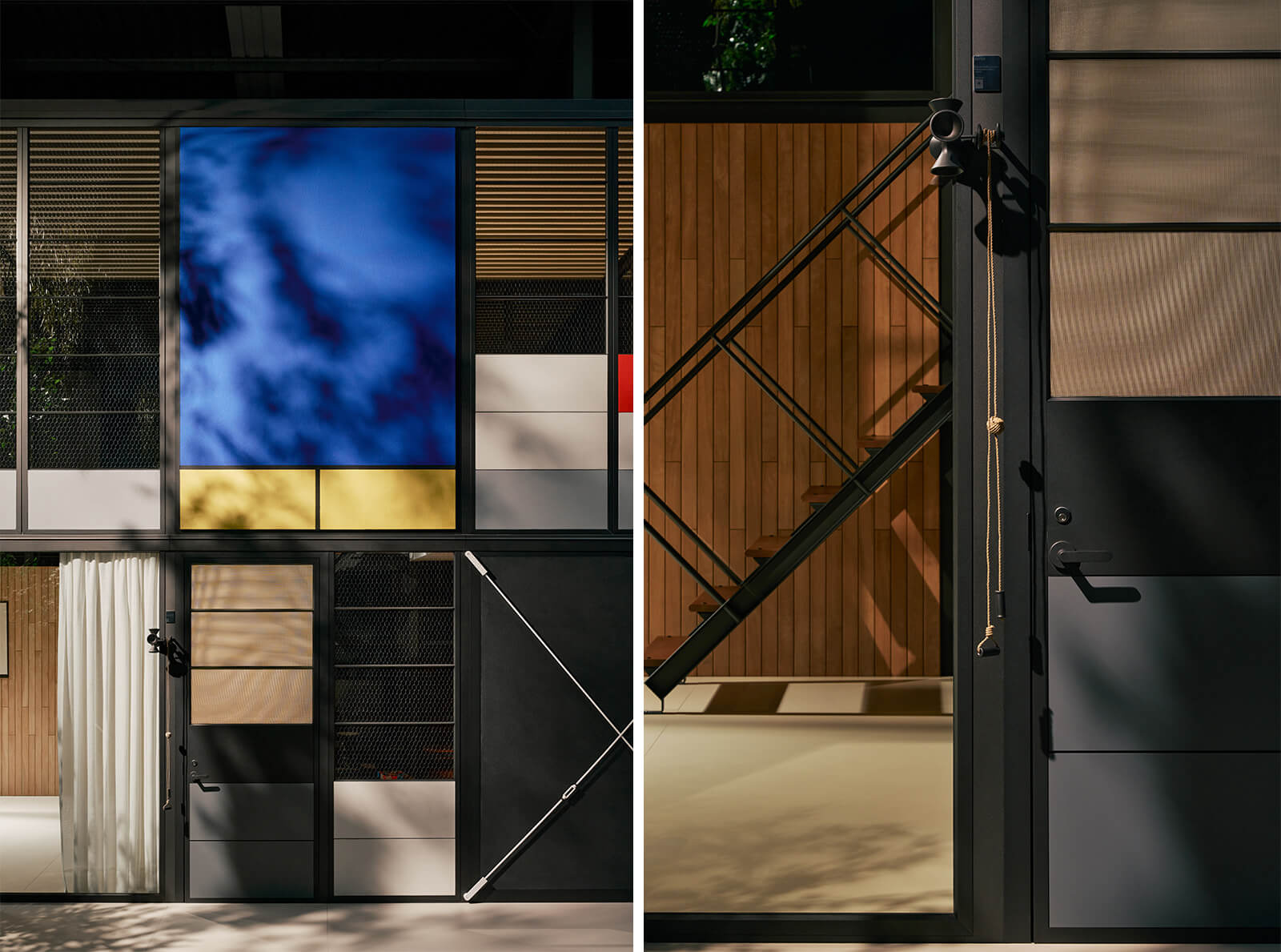
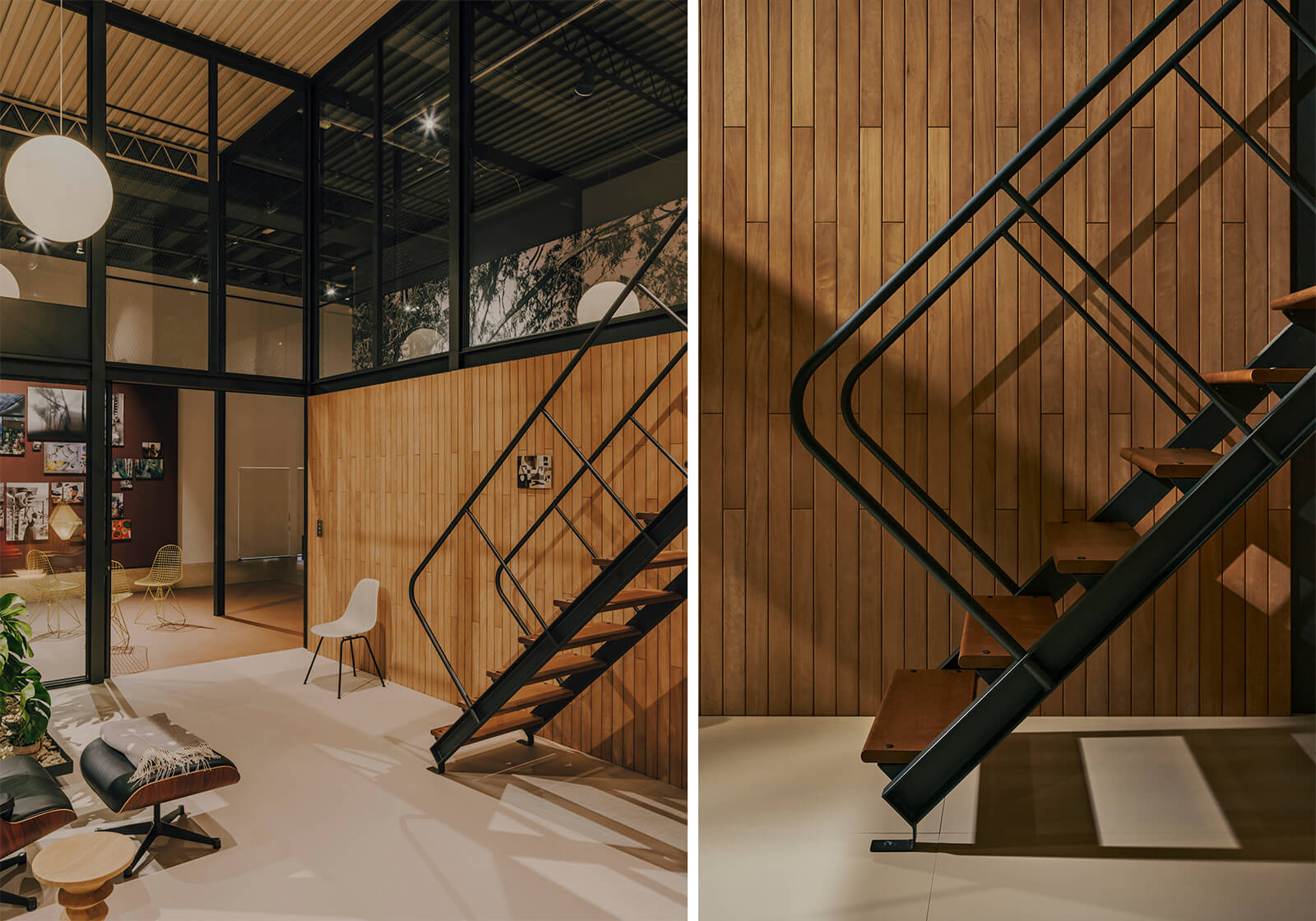
Debuting with the exhibition is the Eames Pavilion System, a new modular construction project developed in collaboration with Barcelona-based manufacturer, Kettal, best known for their outdoor systems and modular architecture solutions. Comprising a series of steel-framed house designs—such as the Entenza House (Case Study House No. 9) and two designs for Billy Wilder—along with timber-framed experimental designs such as the Shelter House and the De Pree House, the system digs into the archives of the Eames’ built and unbuilt architecture between the 1940s and 1950s, presenting prefabricated architecture as a contemporary, adaptable framework. Collectively, the architectural and spatial logic of these projects, along with some of their aesthetic qualities drawn from the Eames’ design, are condensed into a modular kit, comprising a small but optimal footprint, a rational grid and a structure that allows flexibility and adaptability within the spaces to intelligently accommodate different ways of living.
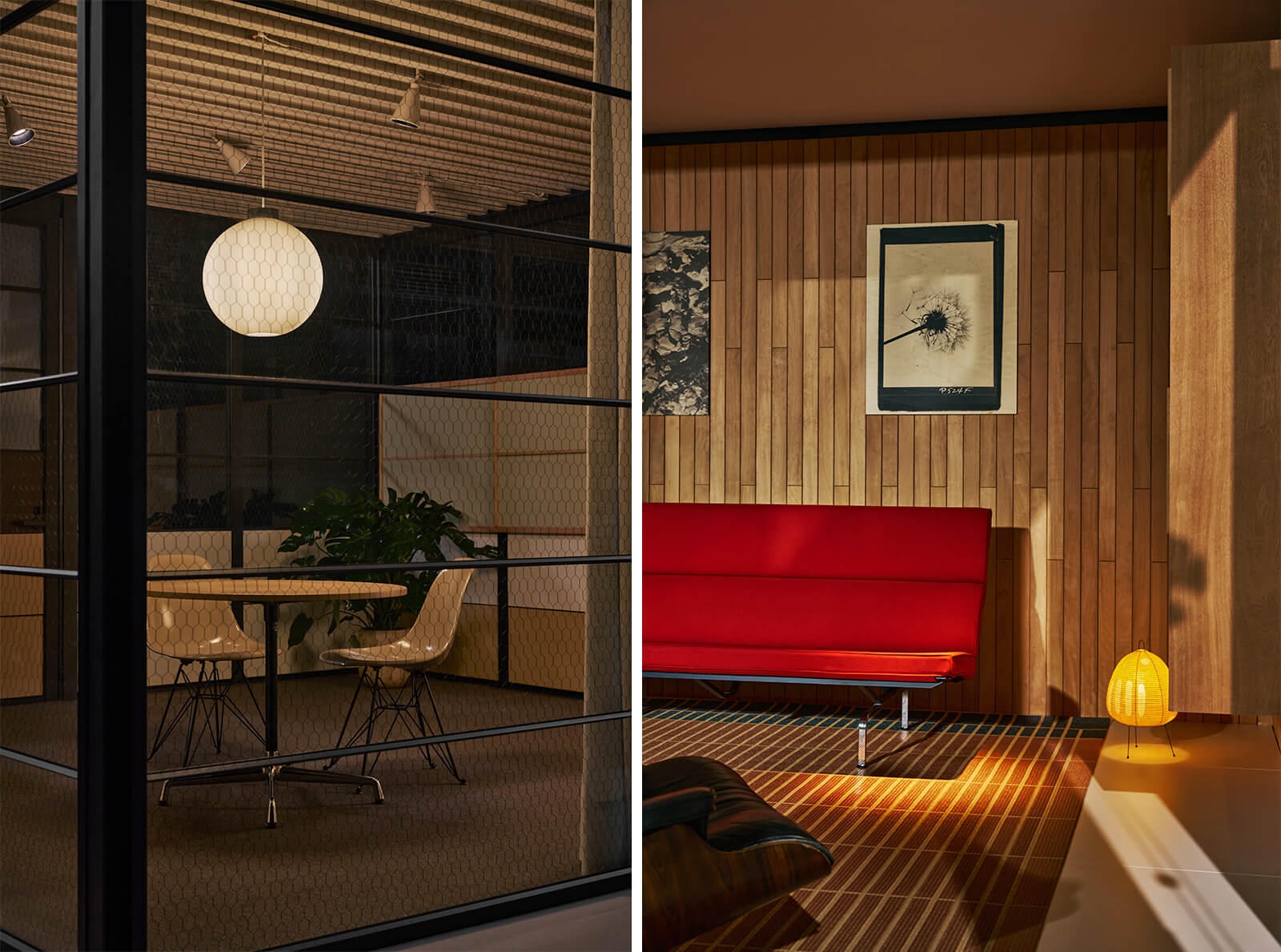
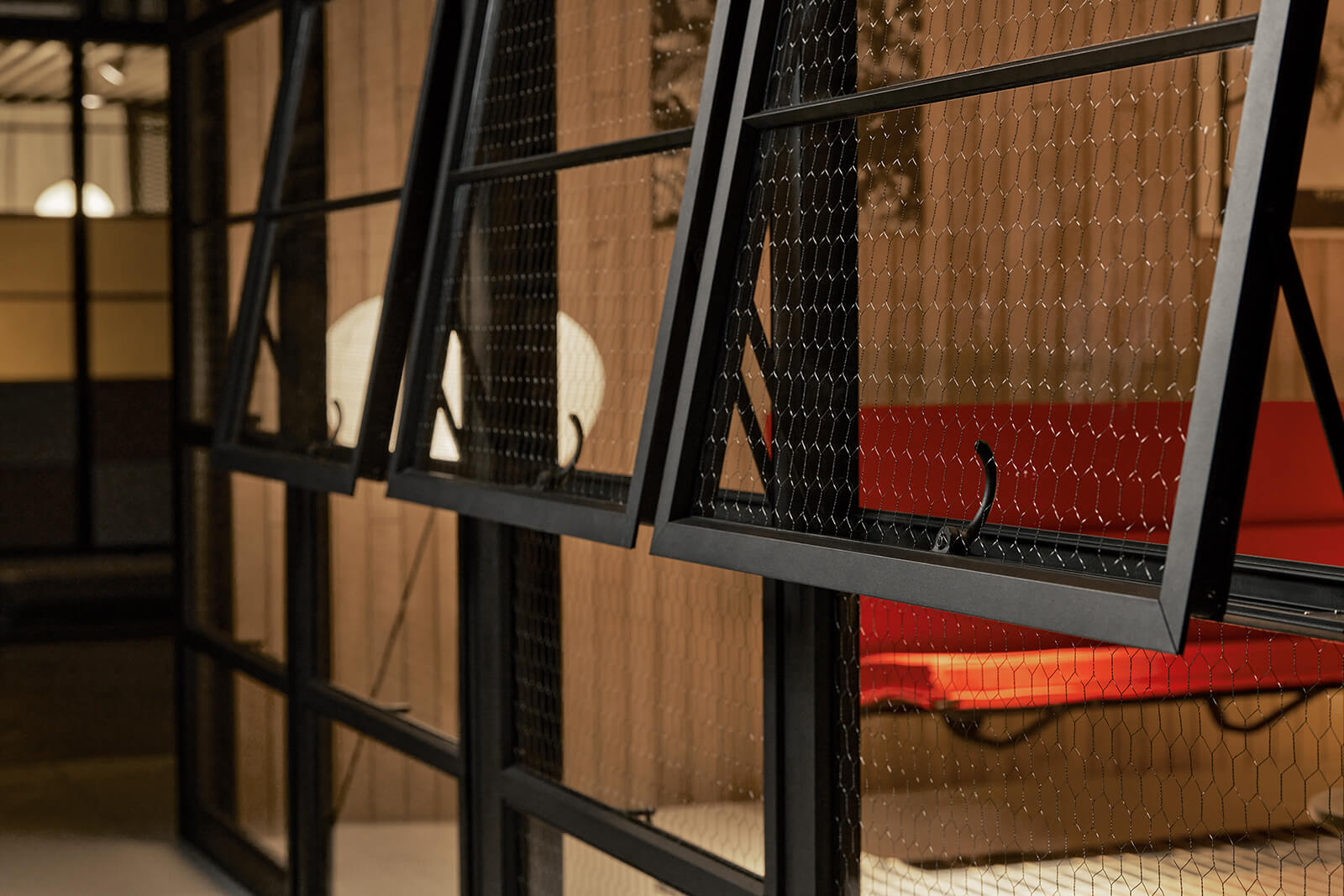
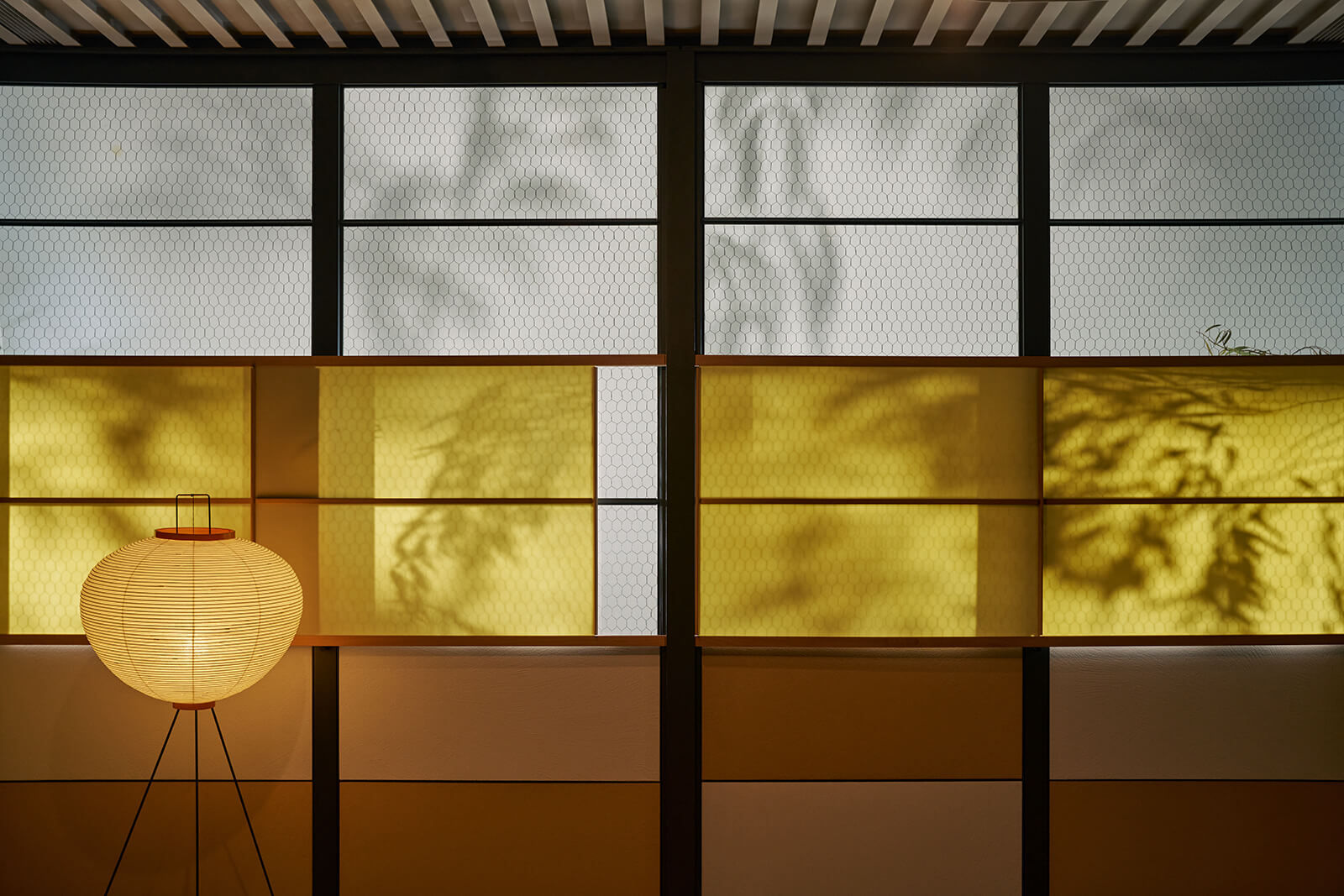
The system then does not appear to be merely structural but also social, aiming to accommodate various philosophies of living. The exhibition itself features full-scale installations that visitors can move through, allowing them to tangibly connect with the vision of Charles and Ray Eames. Among the showcases are archival drawings, films, photographs and newly commissioned models of houses designed by the Eames, including some never exhibited or published before. While the exhibition provides a glimpse into the architectural legacy of the Eames, the Pavilion System attempts to translate the decades-old legacy to look to the future.
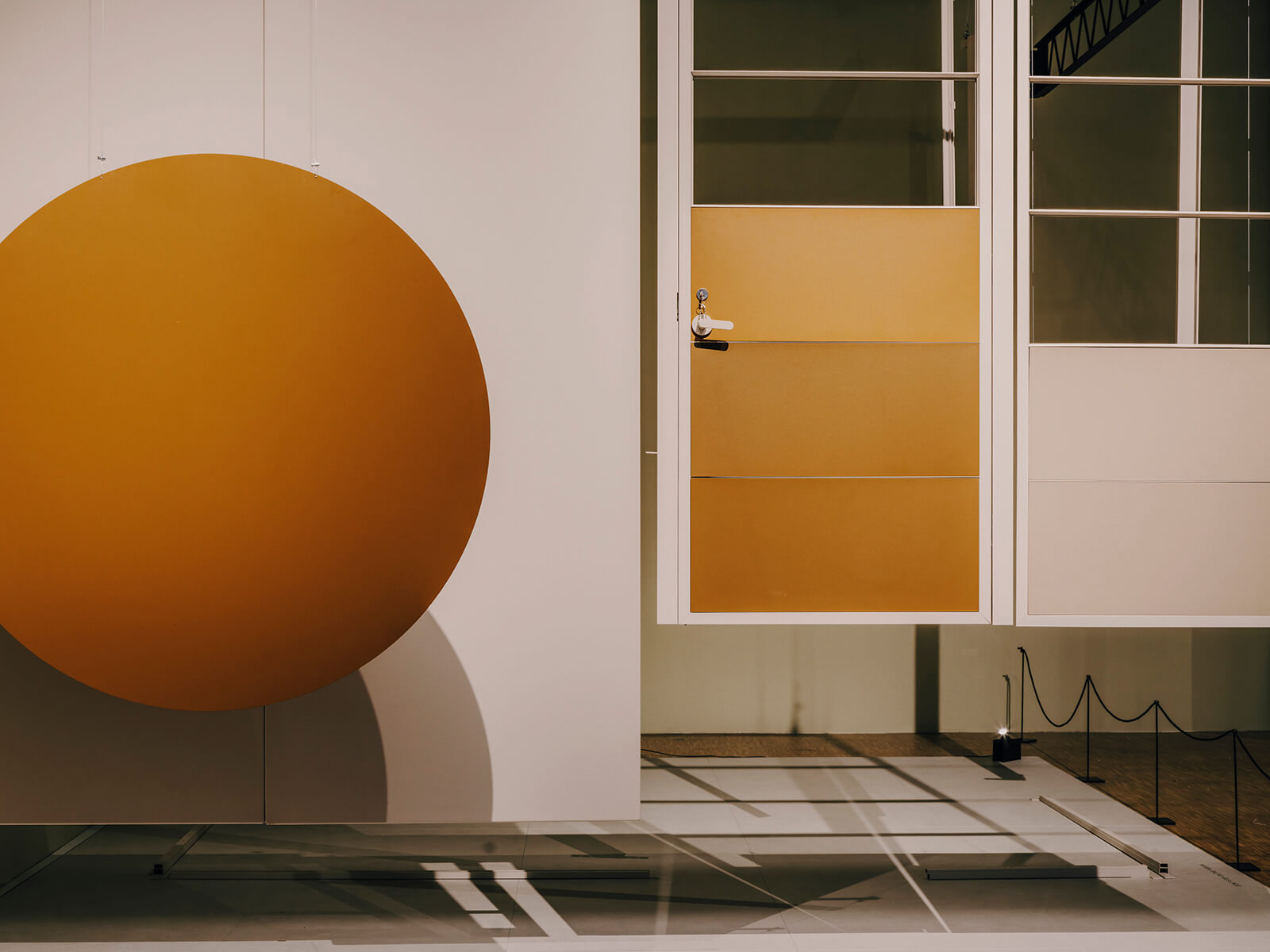
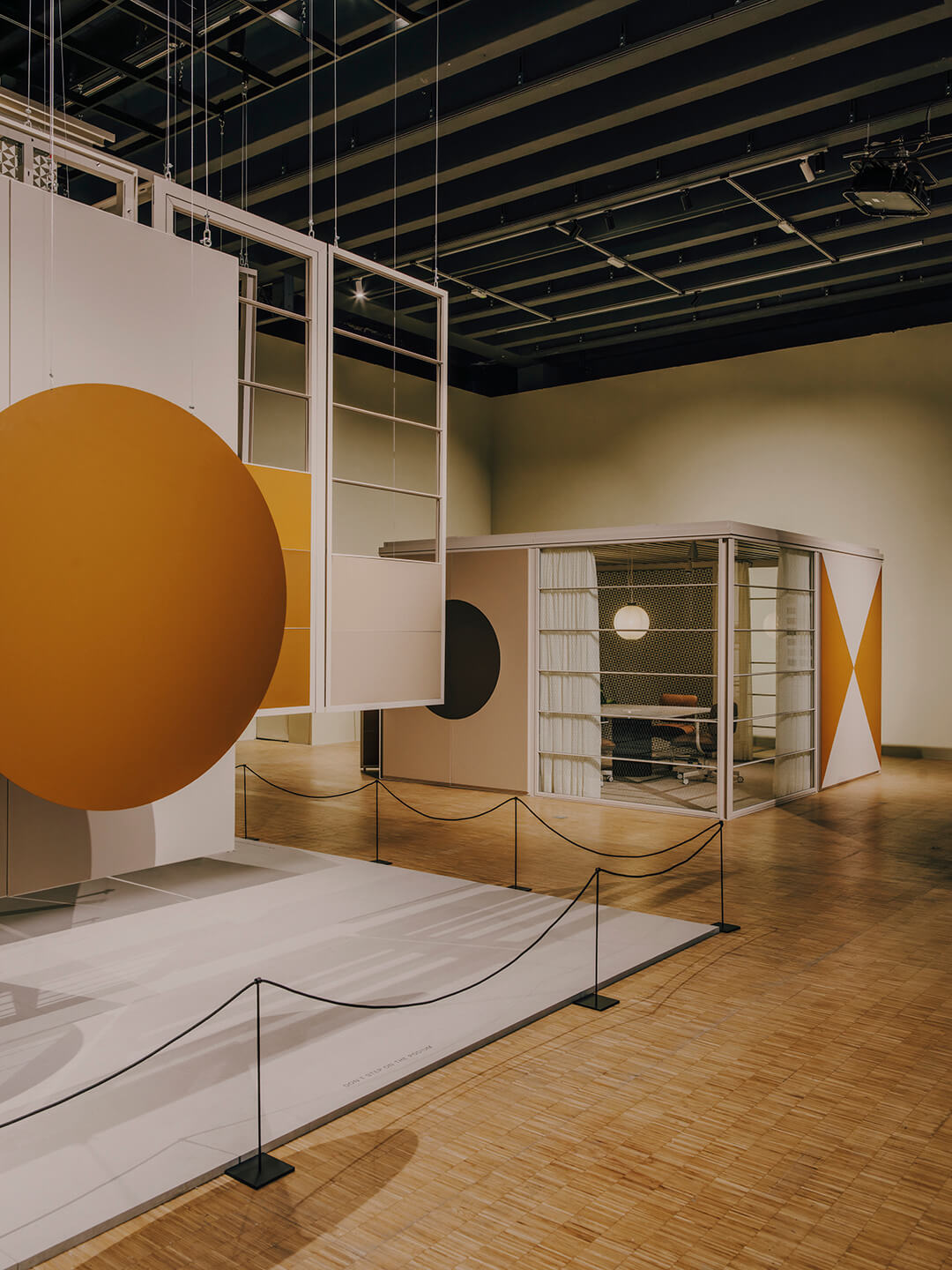
Delving into the making of the project, three years of research preceded its development under the stewardship of Maise. The approach centred on maintaining the integrity of the Eames’ work in all its forms while simultaneously expanding the boundaries and possibilities of the experimental designs. To make them suitable and relevant to modern frameworks, several design and technical adjustments were made to the original conceptual designs, all while attempting to provide an ‘authentic Eames experience of space, quality and detail.’ Extensive typological studies were carried out to adapt joints, proportions and materials to align with modern regulatory standards, while challenges pertaining to sealing, UV resistance, durability and tolerances were also addressed. The resulting pavilion system comprised repeatable structural modules made of aluminium, glass, polycarbonate and wood, along with interchangeable roof typologies, facade infills, glazing, textiles and accessories.
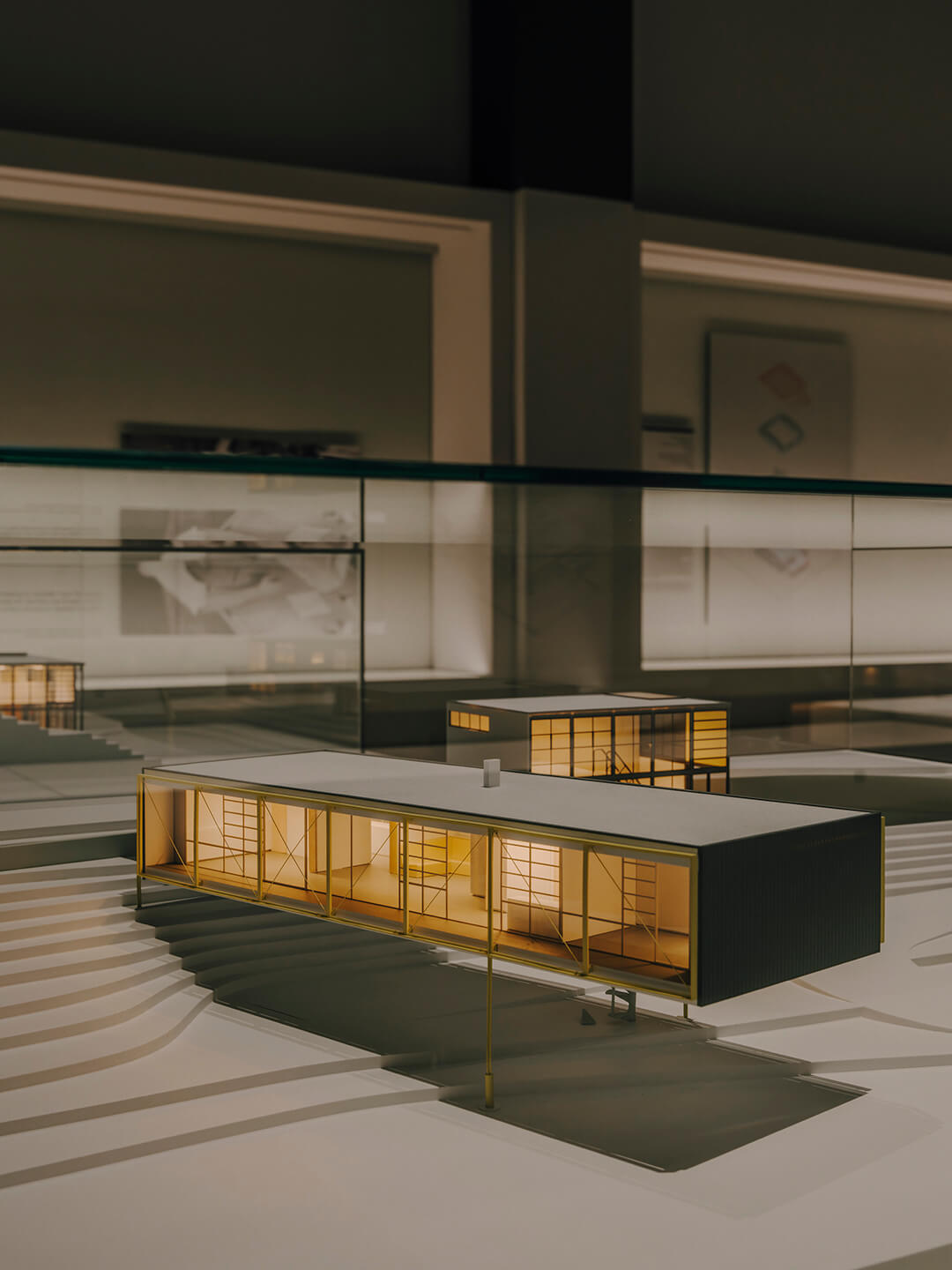
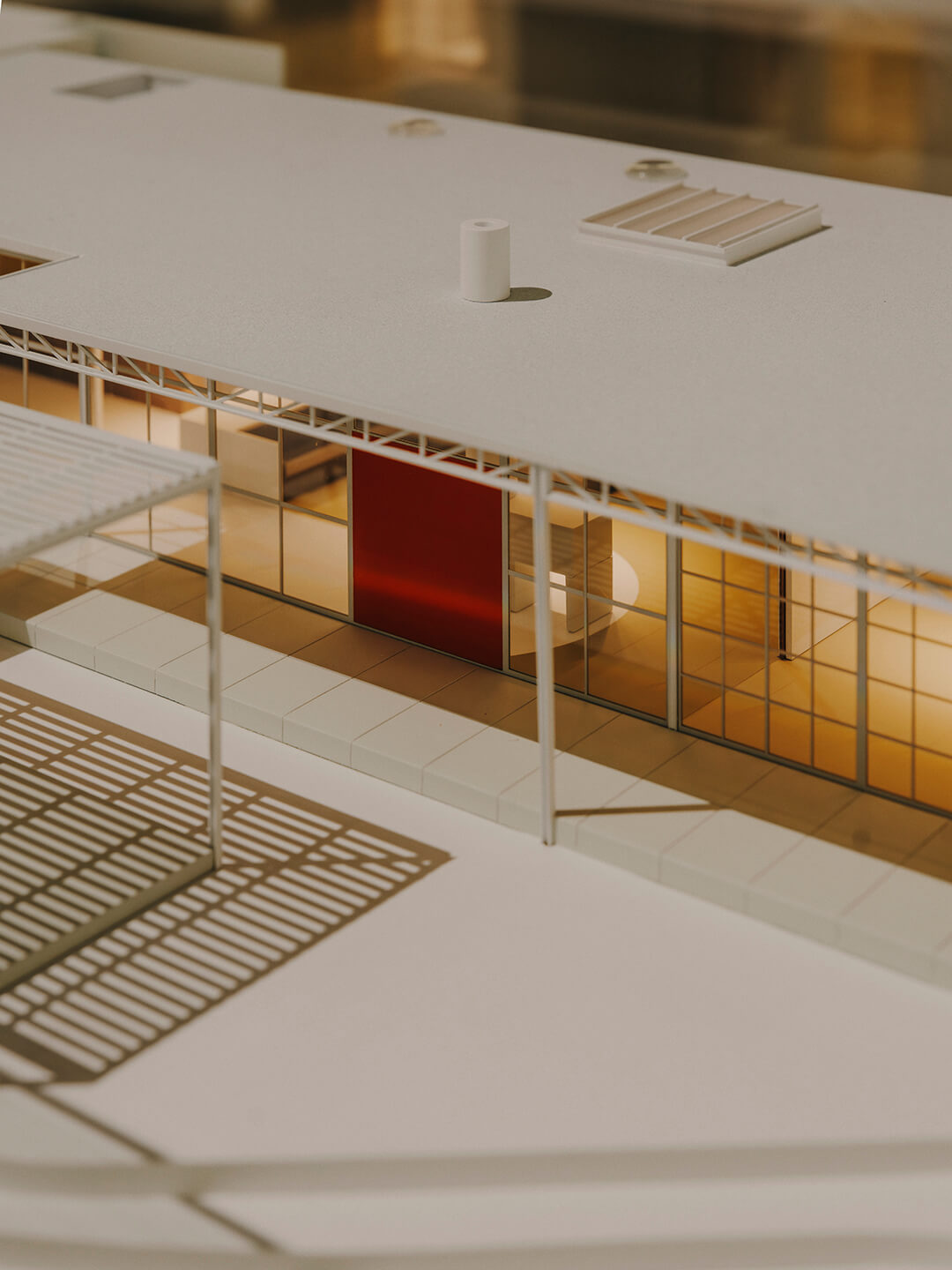
“Going from prototype to product means standardisation and industrialisation. For a system, it also means reducing the number of elements and simplifying the rules of configuration. It is through this discipline that a system becomes more usable and the possibilities actually increase,” states Antonio Navarro, creative director of Kettal, in an official release.
There is much to unpack in the statement by Navarro, including toeing the thin line between architecture and product, between style and replication, between singular production and manufacturing. A prototype embodies possibility, but its inevitable production at scale represents an inverse situation. It now must meet regulations, perform consistently, streamline its own manufacturing processes and appeal to an anonymous user and the proverbial global market. Complexity and intent end up being edited in this translation, often simplified into digestible, acceptable and somewhat predictable architectural shells. One is compelled to ask, does this truly lead to an increase in architectural possibility or operational efficiency?
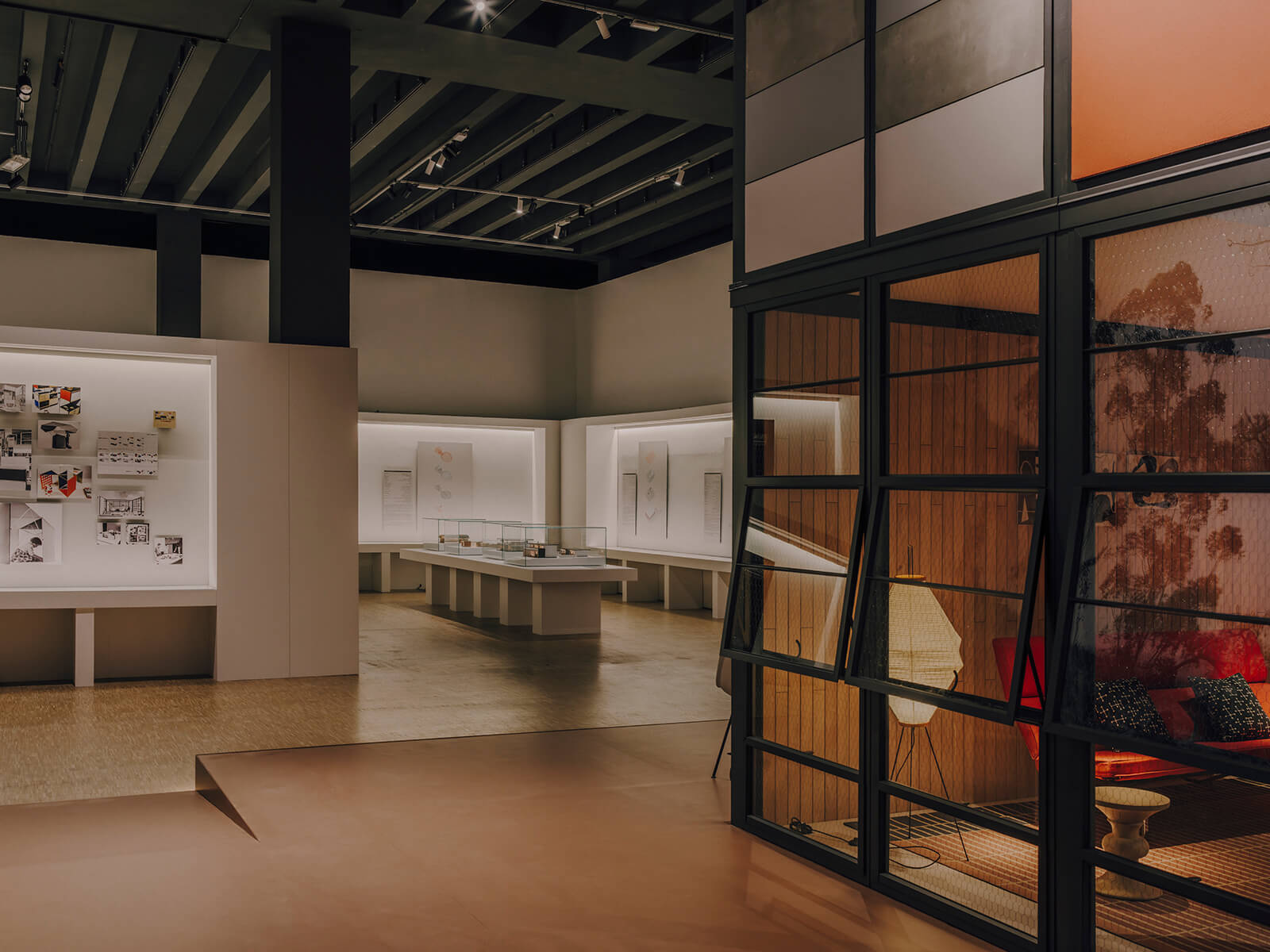
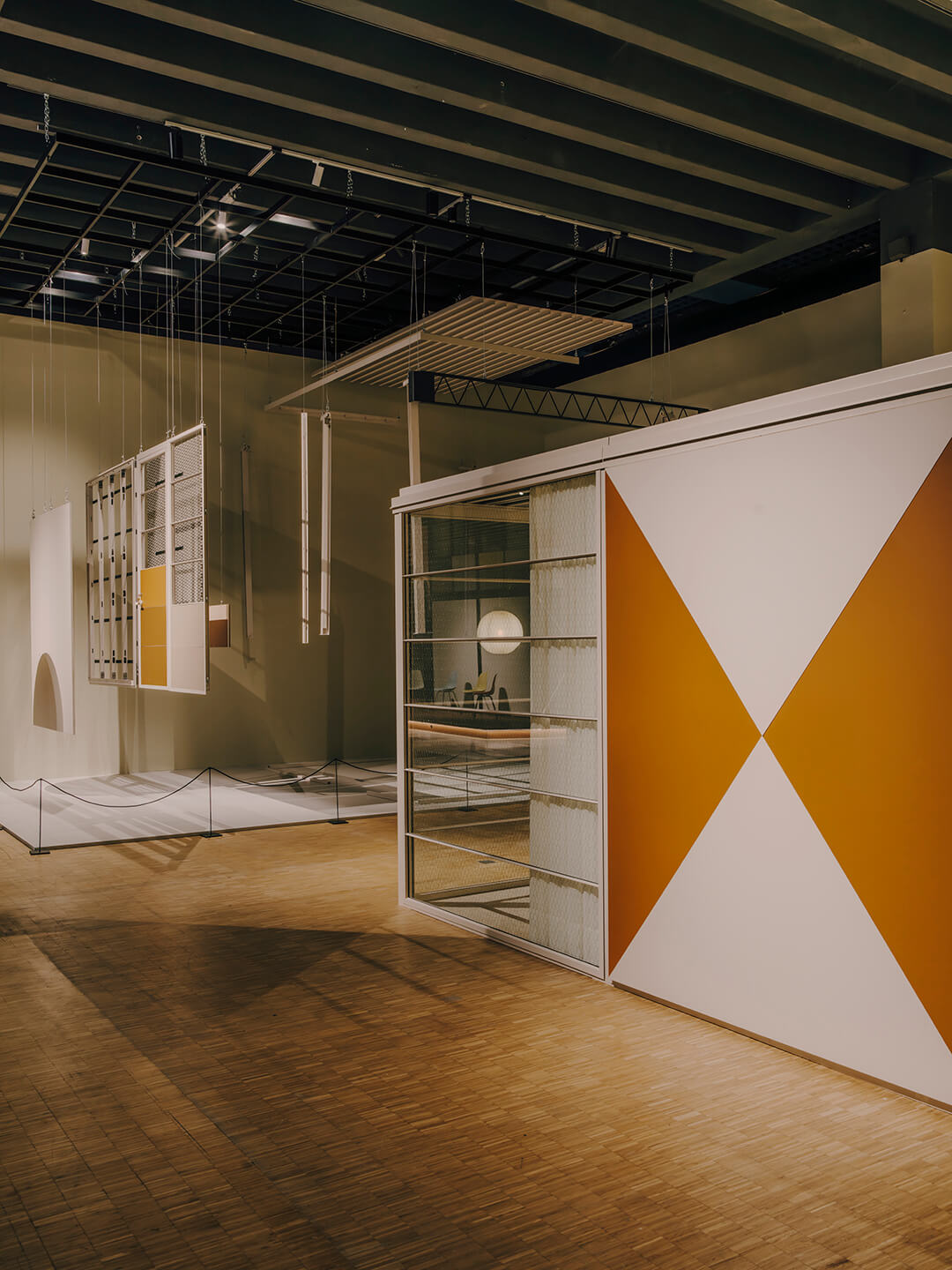
Additionally, leaving room for variations in the modular does not necessarily equate to inventing new ways of designing or inhabiting a space, considering that the system operates within a restricted technical grammar, creating an illusion of choice or 'bespoke' design while maintaining strict control over the result. On the contrary, the Eames professed bespoke architectures that further customised the prototypes, treating the home as a system rather than a fixed object, which also happens to form the conceptual core of the architecture exhibition. Their own home, the original Eames House, is a noteworthy example of such a system, where industrial processes, modular design and personable design coexist to facilitate a flexible, contemporary lifestyle.
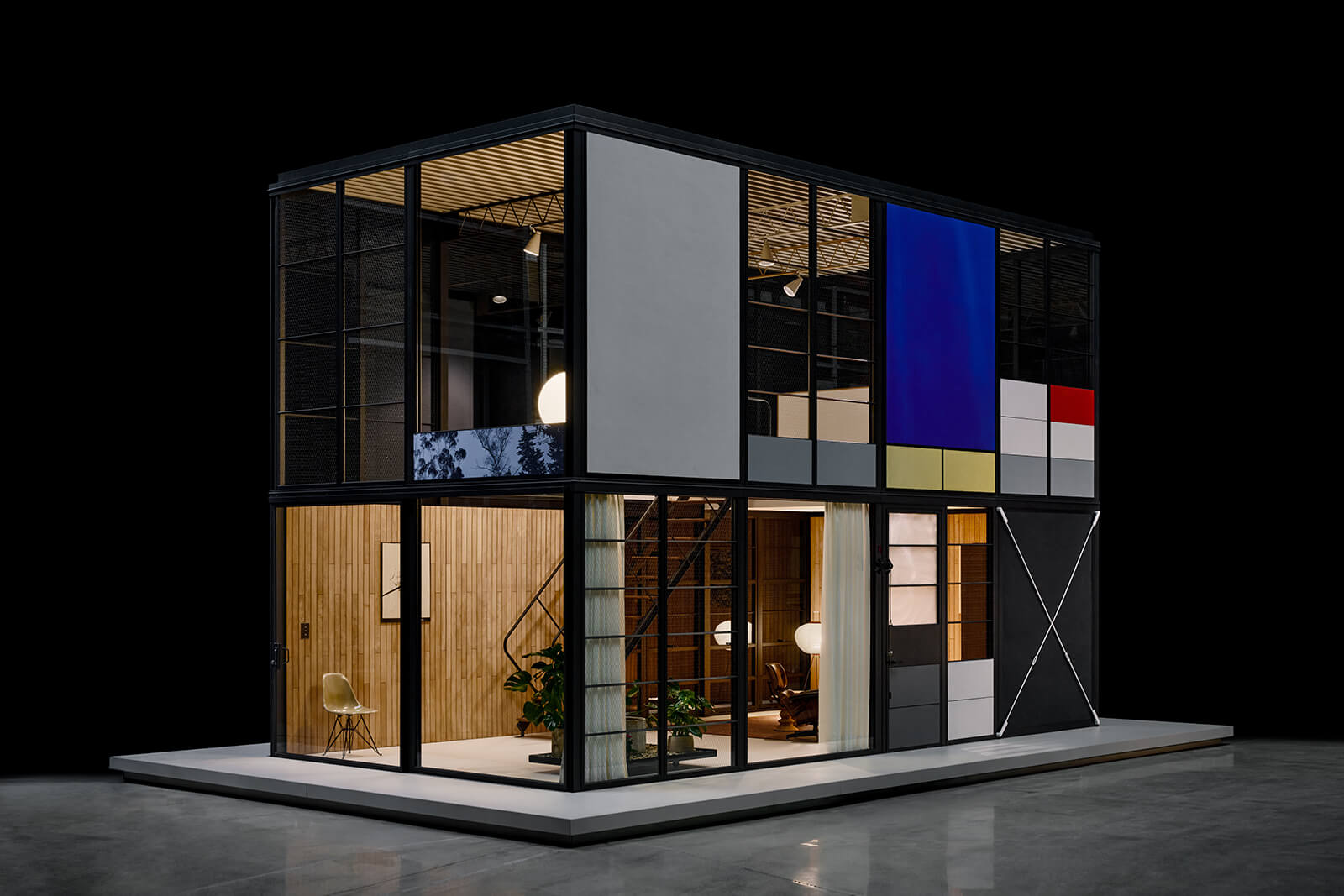
While that flexibility can be seen as a product of aimed responses to specific conditions, architecturally speaking, the system risks detaching that architecture from the very contexts being responded to. In the face of consumer convenience and choice, the inevitable desire for scalability that accompanies that choice and the eventual simplification to propagate that, the exhibition and the prototypes leave an interesting line of thought: does architecture, when revered to a degree such as the Eames’ highly acclaimed work, warrant reinvention or conservation? Is it a living system or a relic to be preserved?

by Pranjal Maheshwari Oct 19, 2026
The Mumbai-based architects integrate courtyards, mesh screens and north light trusses to create a dining space that doubles up as a community hub at SR University, Warangal.
by Mrinmayee Bhoot Oct 17, 2026
The Rotterdam-based institute centres the Indian Ocean as a network for exploring material histories and transnational links shaping coastal cultures, positing them as future models.
by Pranjal Maheshwari Oct 16, 2026
At the 2026 Stirling Prize ceremony, Mary Duggan with RUFF Architects, MAKER Architecten and Nakshabid Architects were felicitated for proffering quality housing and social equity.
by Mrinmayee Bhoot Oct 12, 2026
The new Centre for Contemporary Arts, fostering public engagement with art in Uzbekistan, is housed in a tram depot refurbished by the French studio, emulating local craftsmanship.

make your fridays matter with a well-read weekend
Enter your details to sign in
Don’t have an account?
Sign upOr you can sign in with
a single account for all
STIR platforms
All your bookmarks will be available across all your devices.
Stay STIRred
Already have an account?
Sign inOr you can sign up with
Verification link sent to check your inbox or spam folder to complete sign up process
Tap on things that interests you.
Select the Conversation Category you would like to watch
Please enter your details and click submit.
Enter the 6-digit code sent at


From prototype to pavilion: The residential architecture of Charles and Ray Eames
by Bansari Paghdar | Published on : Apr 30, 2026


 Sign in with Google
 Sign in with email
What do you think?