Design06 mins. read
UnBroken at Camden Inspire 2025 proffered salvaged stories and second lives in design
by Asmita SinghOct 04, 2025



by Bansari PaghdarPublished on : Apr 20, 2026
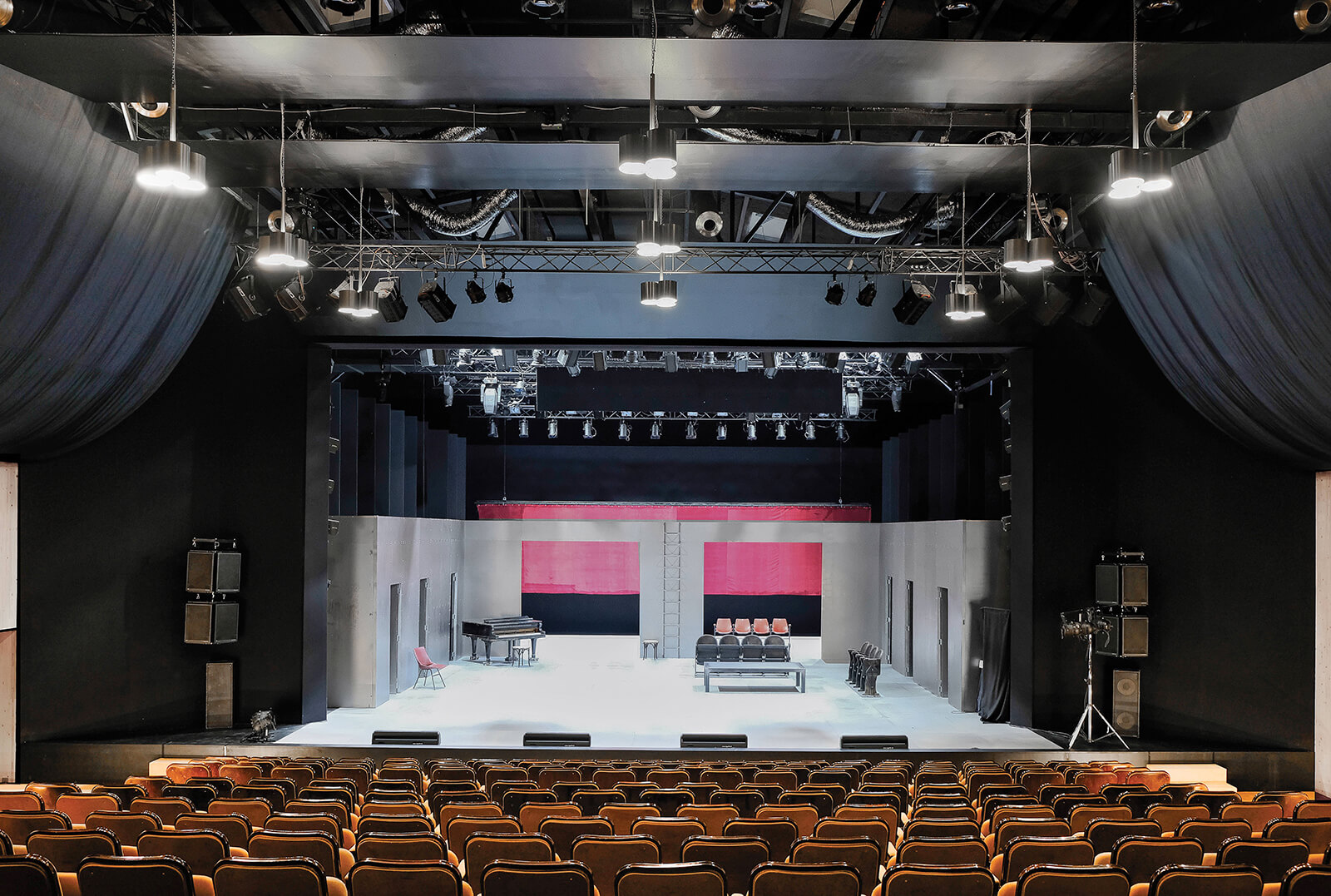
Returning for its 19th edition, the European Union Prize for Contemporary Architecture / Mies van der Rohe Awards, more commonly known as EUmies Awards, announced this year’s winners in the European Capital of Culture 2026, Oulu, Finland, on April 16, 2026. Held at the Silo, an industrial landmark designed by Finnish architect Alvar Aalto in 1931, the event was hosted by representatives of the European Commission and the Fundació Mies van der Rohe. It recognised the renovation of a 1950s convention centre, the Charleroi Palais des Expositions, in Wallonia, Belgium, as the 2026 Architecture Winner, while Temporary Spaces for Slovenian National Theatre Drama in Ljubljana, Slovenia, was acknowledged as the 2026 Emerging Architecture Winner.
The jury for the awards comprised a team of seven internationally renowned members, including Chilean architect and Pritzker laureate Smiljan Radić Clarke; Scandinavian architect and deputy CEO of White Arkitekter, Carl Bäckstrand; Maltese architect and designer Chris Briffa; Latvian architect and preservationist Zaiga Gaile; Slovenian architect and educator Tina Gregorič; Belgian architect, curator and educator Nikolaus Hirsch; and Catalan architect Rosa Rull Bertrán. The panel thoroughly evaluated all 410 nominated projects, visiting the seven finalists in person across Europe for a deeper understanding of their respective contexts, experiences and overall impact. These visits were followed by extensive discussions and deliberations to select the two most noteworthy works.
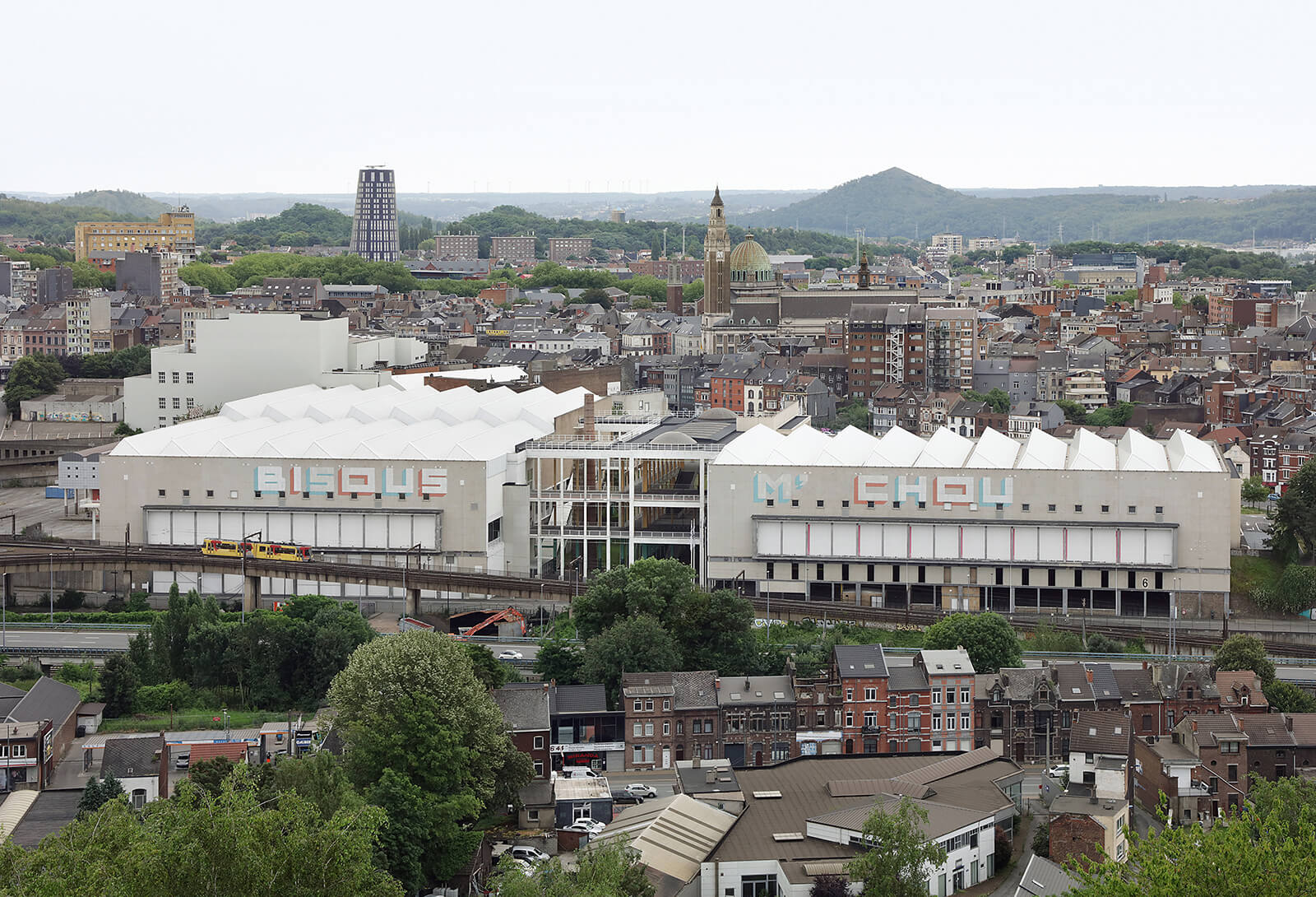
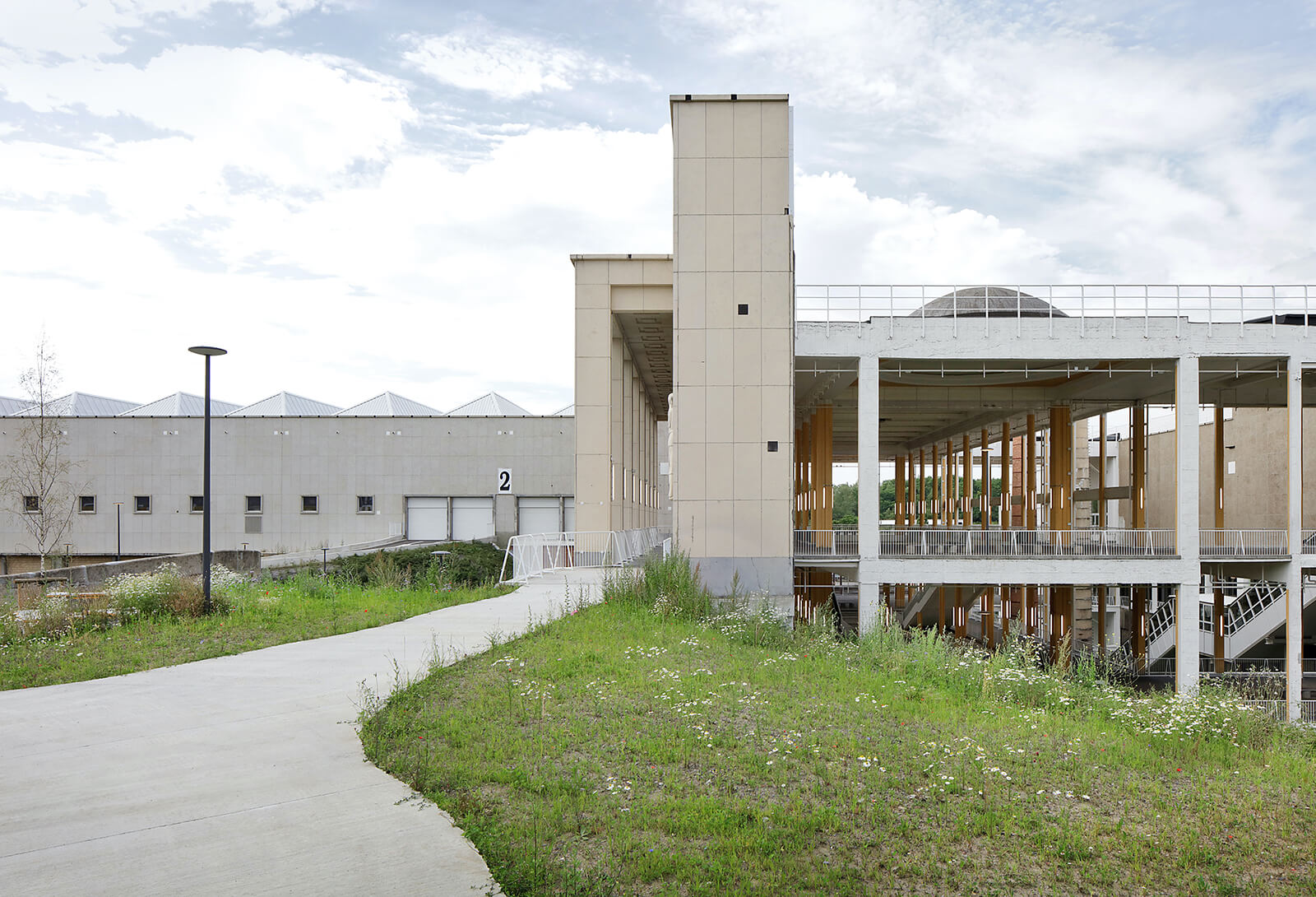
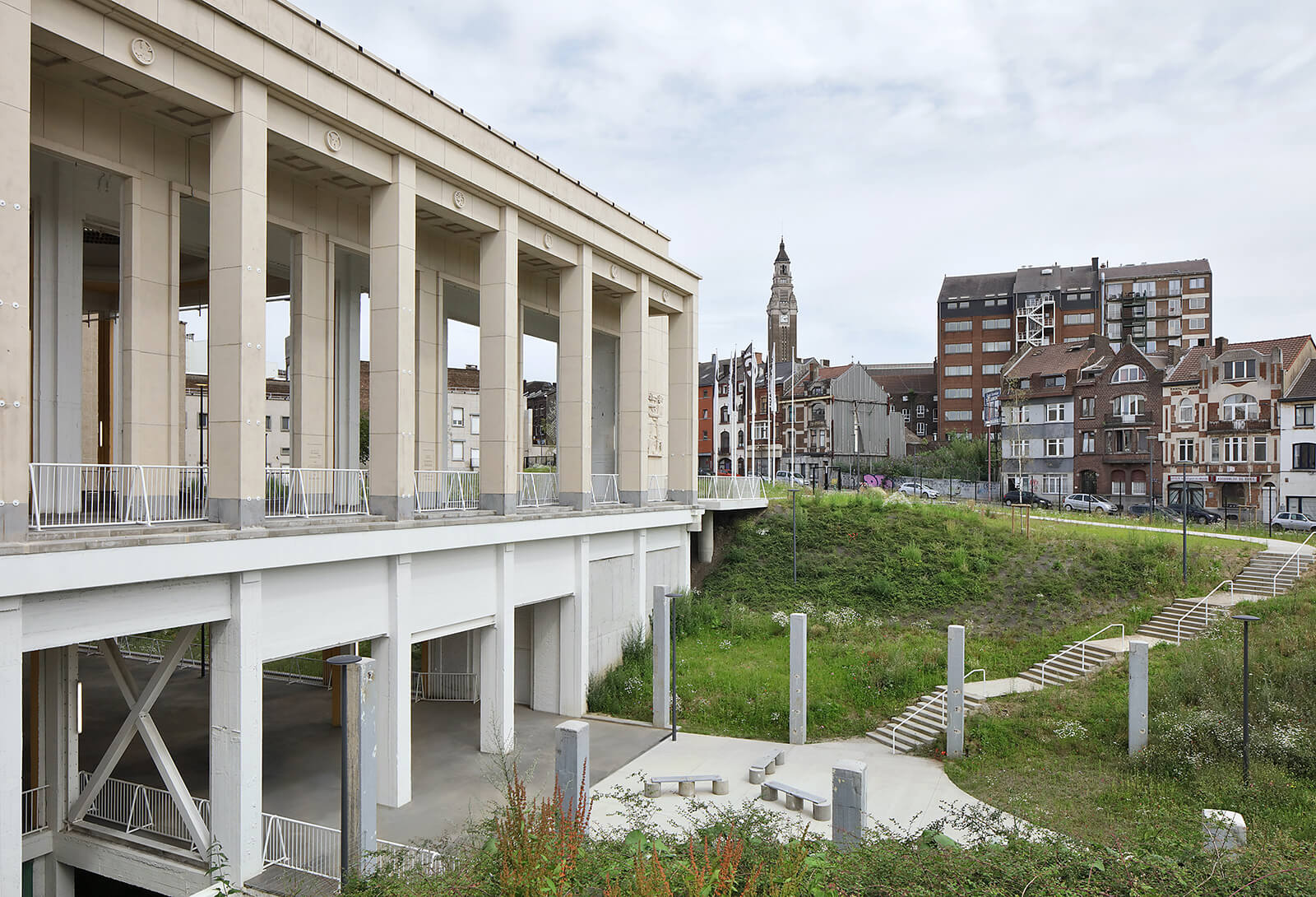
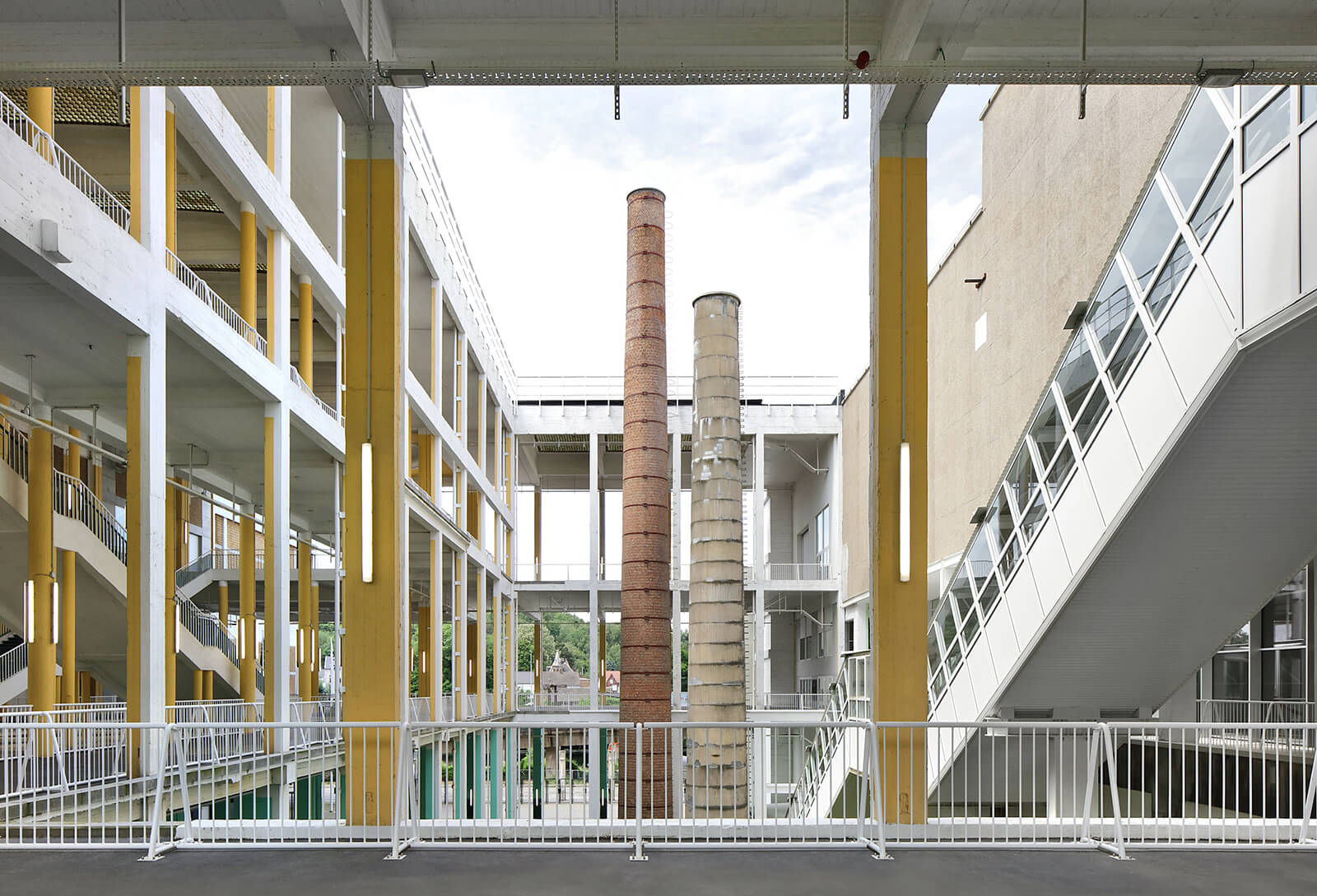
The Belgian renovation architecture, designed by Brussels-based practice AgwA and Ghent’s architecten jan de vylder inge vinck, examines the intrinsic qualities of the existing structure and reactivates its specific belongingness to its context and place while embracing underlying constraints. By keeping the skeleton of the original building exposed, the architects introduce interventions that carry the same architectural language forward. Elements such as staircases, pathways and columns extend outwards into the landscape, resulting in a porous, structurally expressive shell.
While projects of this nature demand a resourceful and innovative approach, the Belgian architects further examined the intentions behind these requirements to create innovative design solutions rather than simply accepting brief specifics. The practice navigates constraints such as a small budget and strict building regulations by treating the project as a holistic intervention comprising interdependent components that are flexible enough to spatially and functionally link and unlink, deriving interesting architectural connotations.
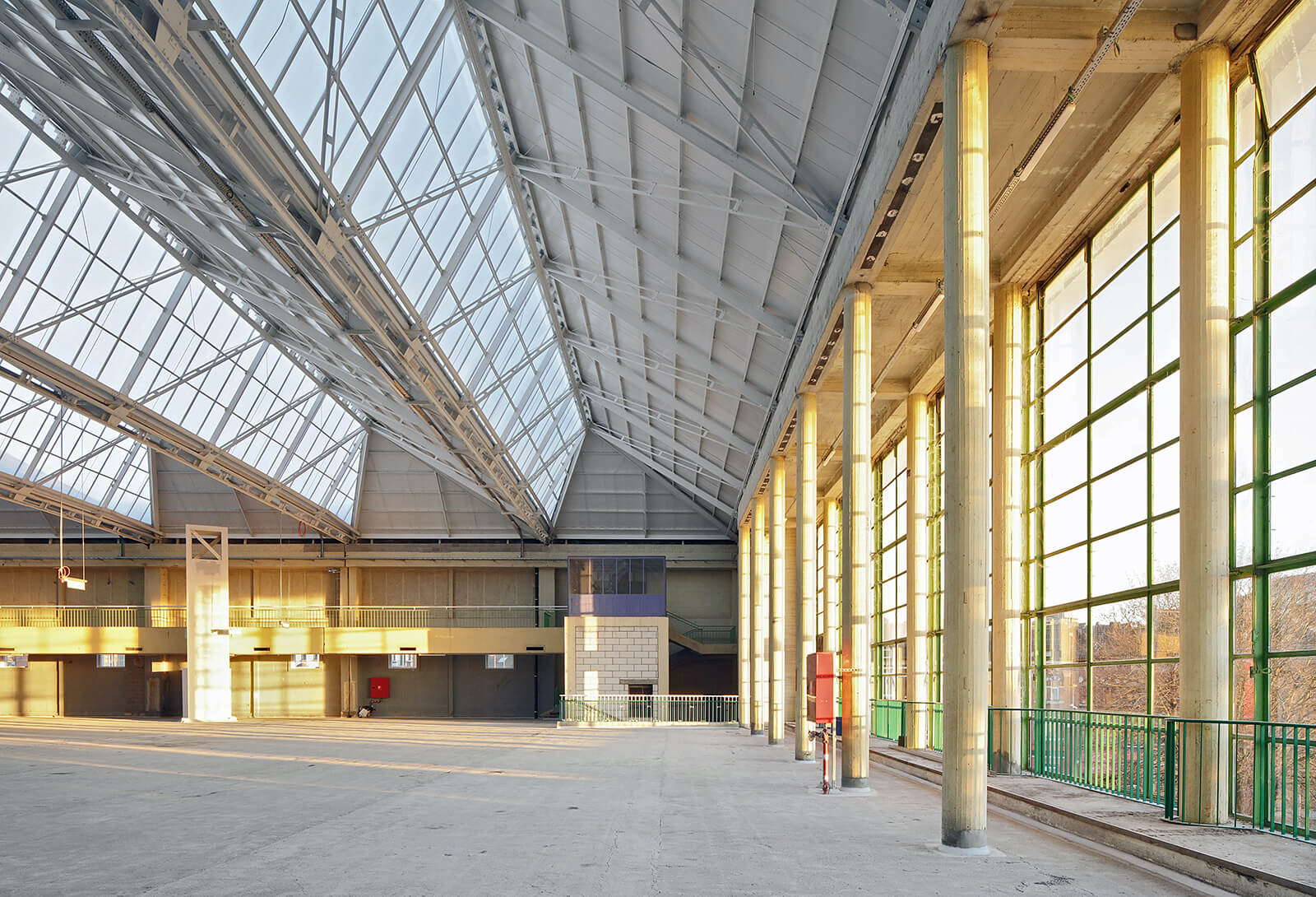
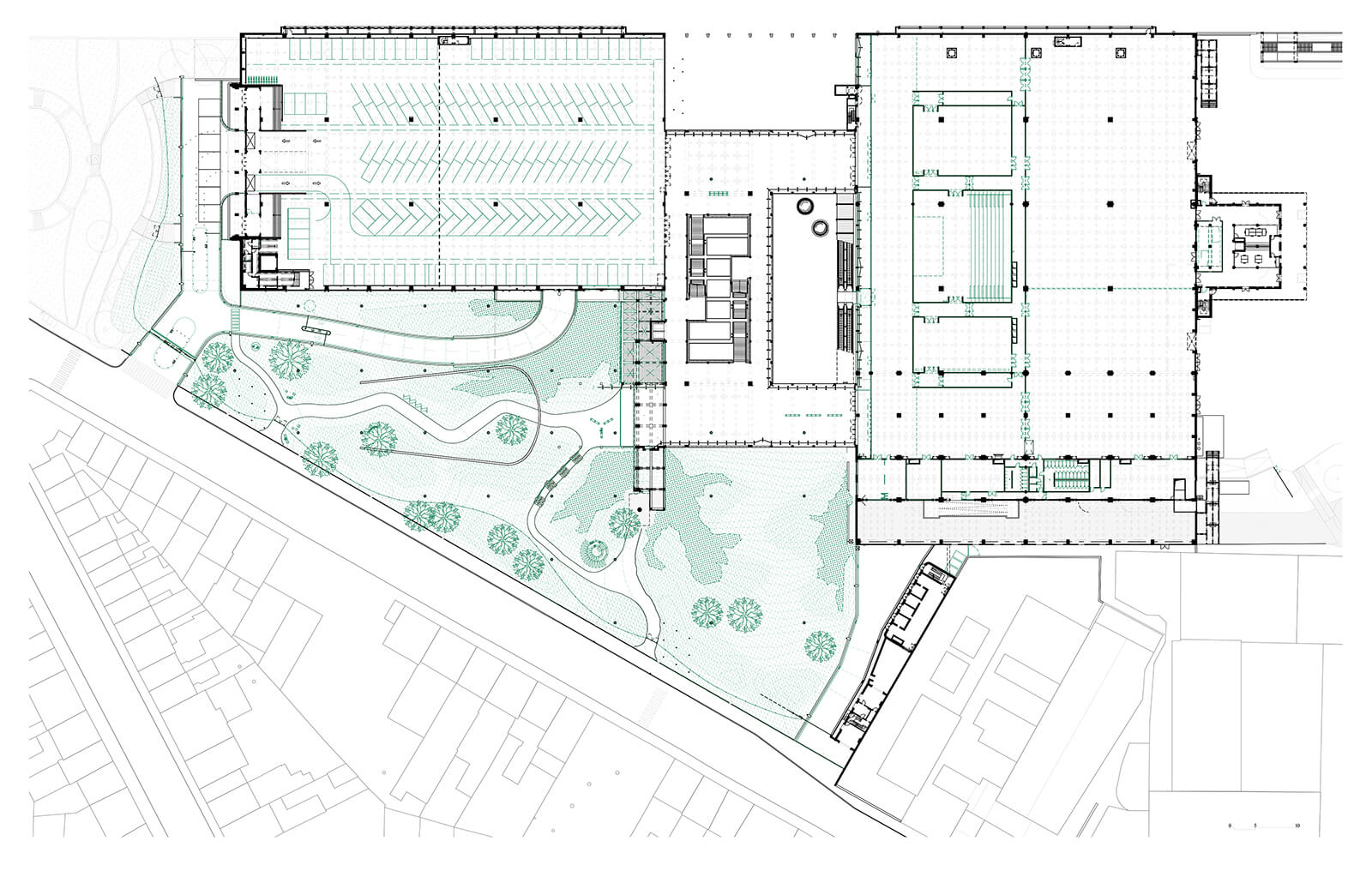
For instance, the brief entailed replacing the central foyer hall with new construction to include more public spaces. The architects instead decided to strip the exterior walls, creating shaded terraces that overlook the urban landscape, providing thermal insulation to the building envelope. The brief also mentioned adding three underground floors for parking and the renovation of four expo halls, something that would have considerably inflated the budget since it required the insulation of the entire ground floor slab. Turning to other possible options within the existing footprint, the architects chose to convert the robust southern building into a multi-storey parking.
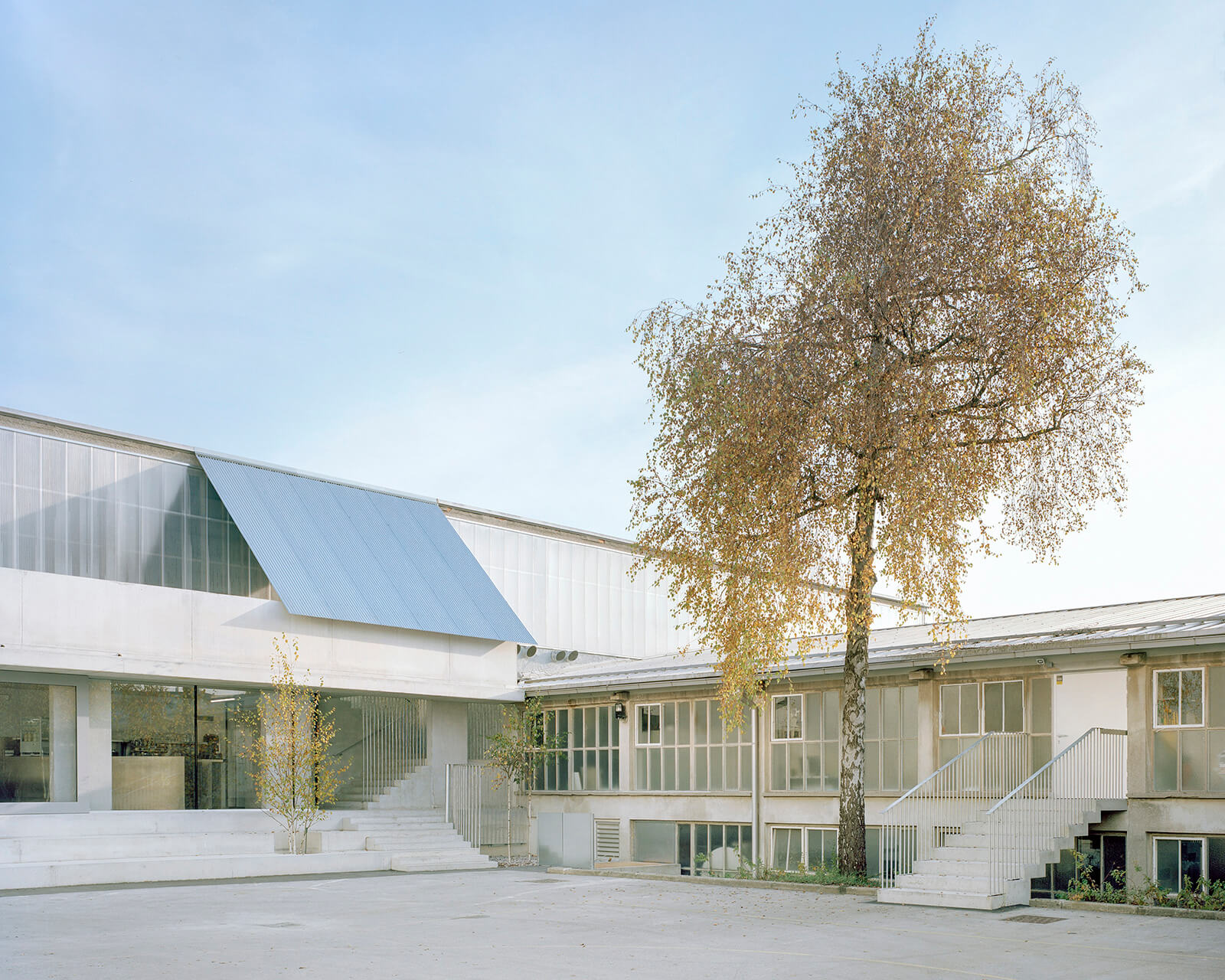
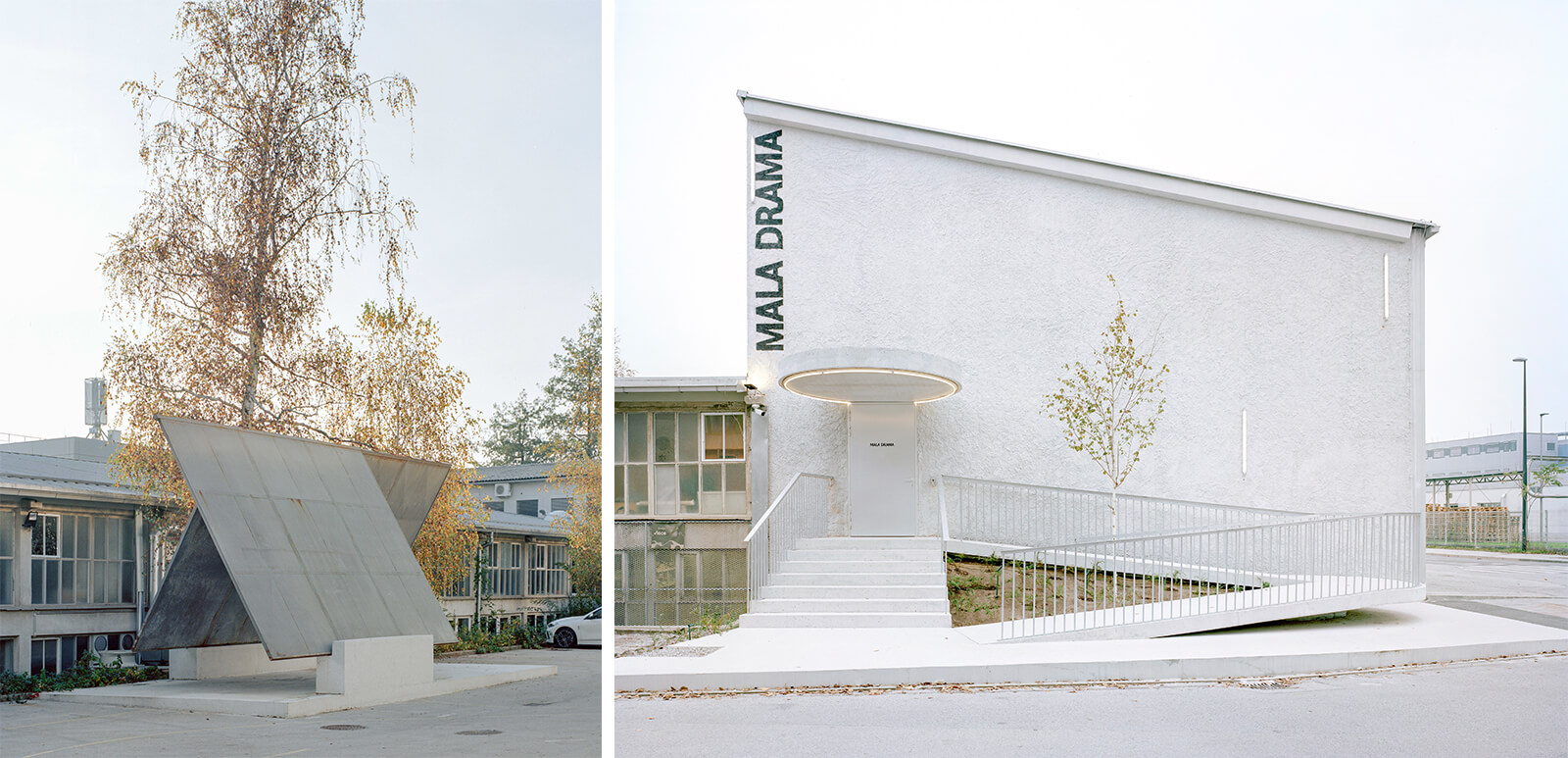
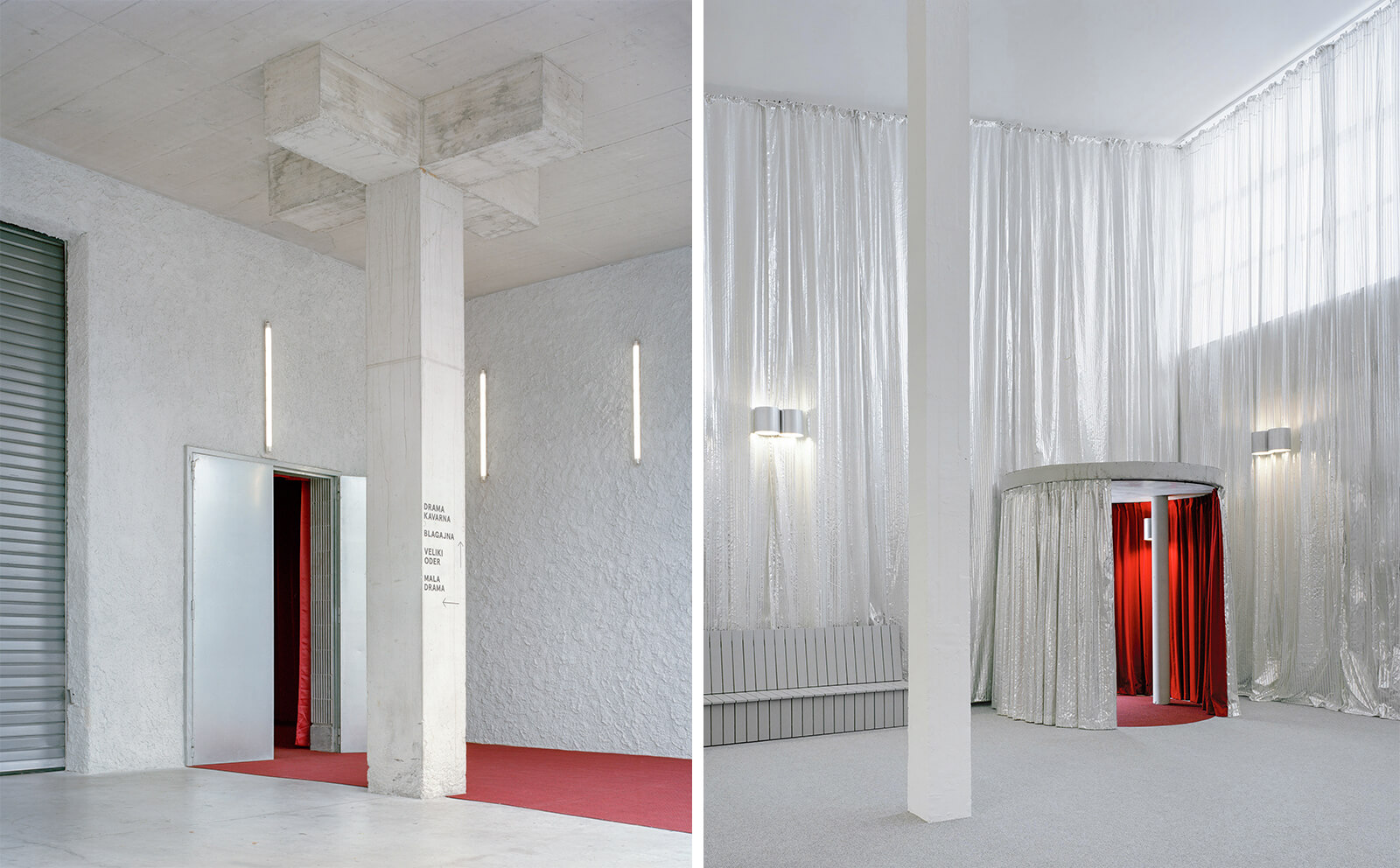
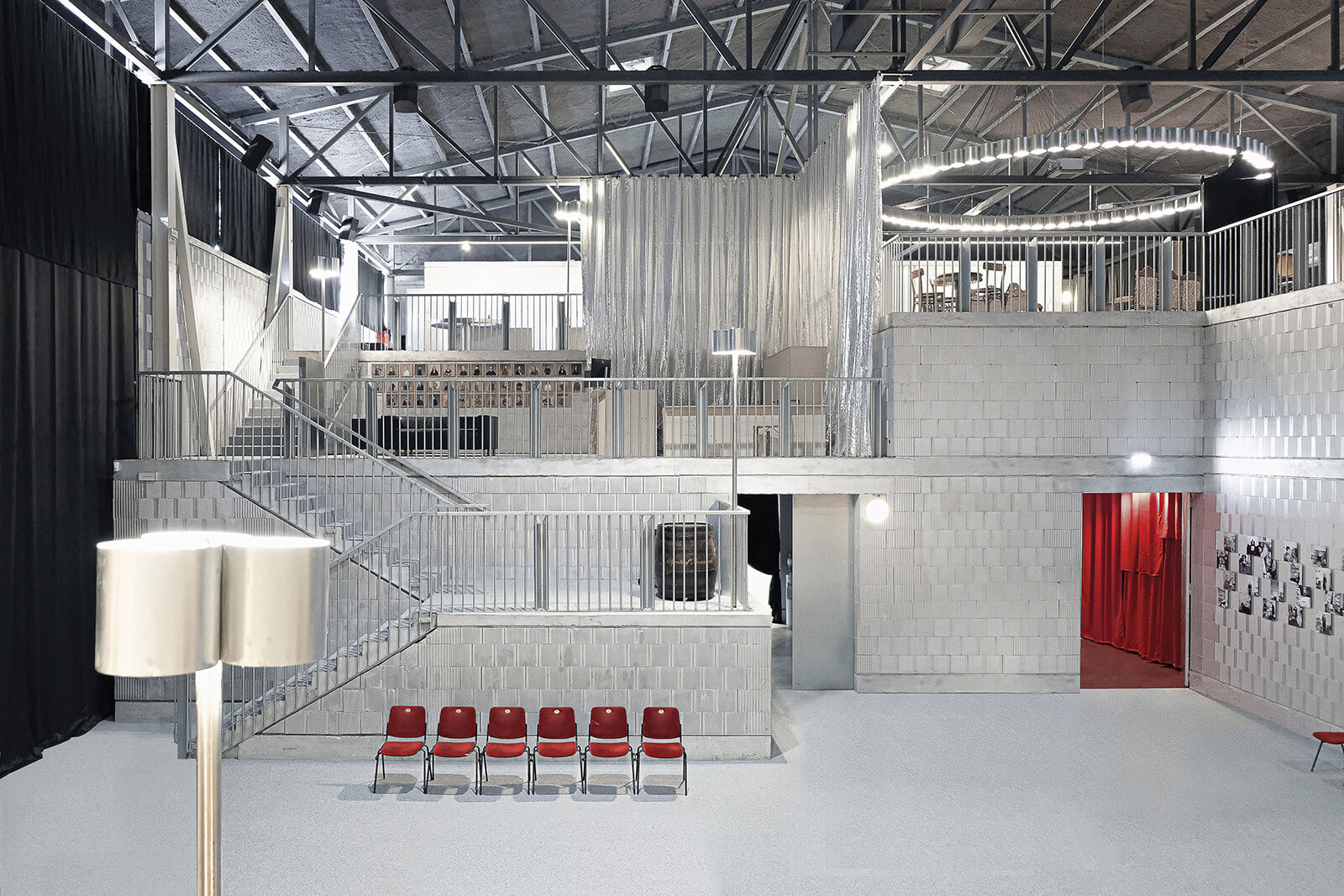
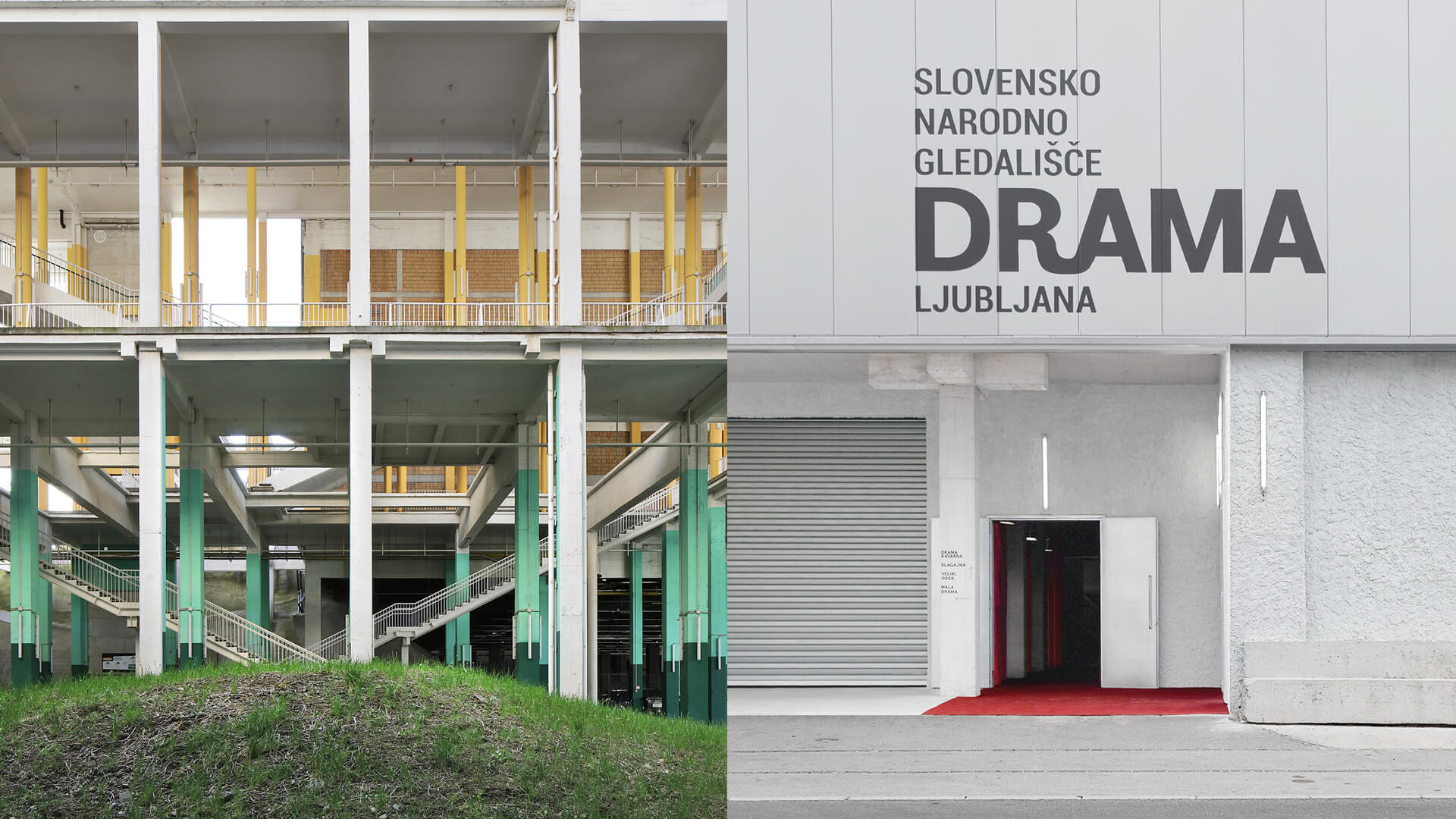
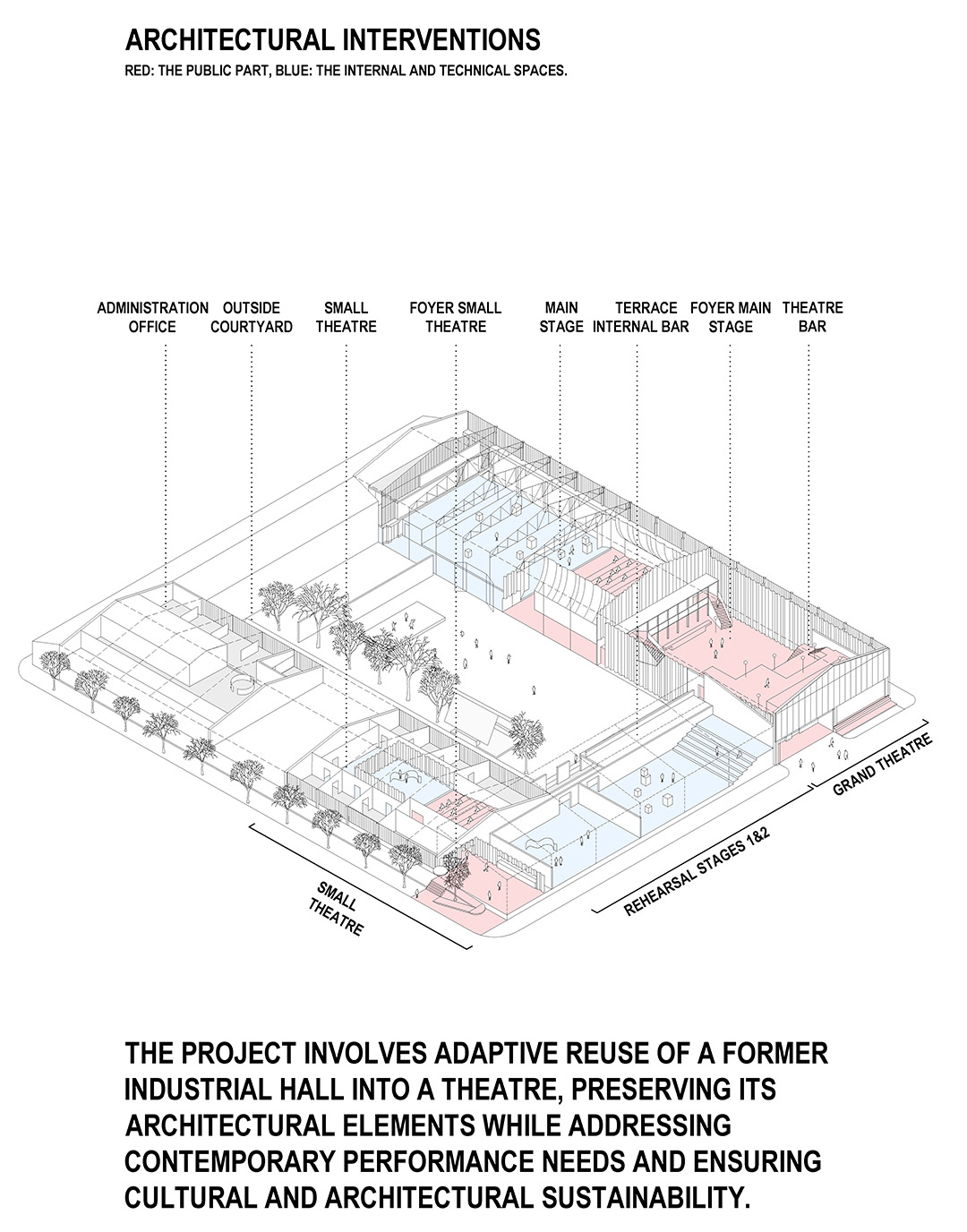
The Slovenian adaptive reuse project by Vidic Grohar Arhitekti uses a fusion of exposed surfaces and finished volumes. Bold colours and material contrasts create a dramatic interplay of spaces that, sequentially, guide the experience of visitors. The cuboidal volumes are further divided into a terraced arrangement of spaces, non-linear yet hierarchical, to bring dynamism in movement and operational clarity.
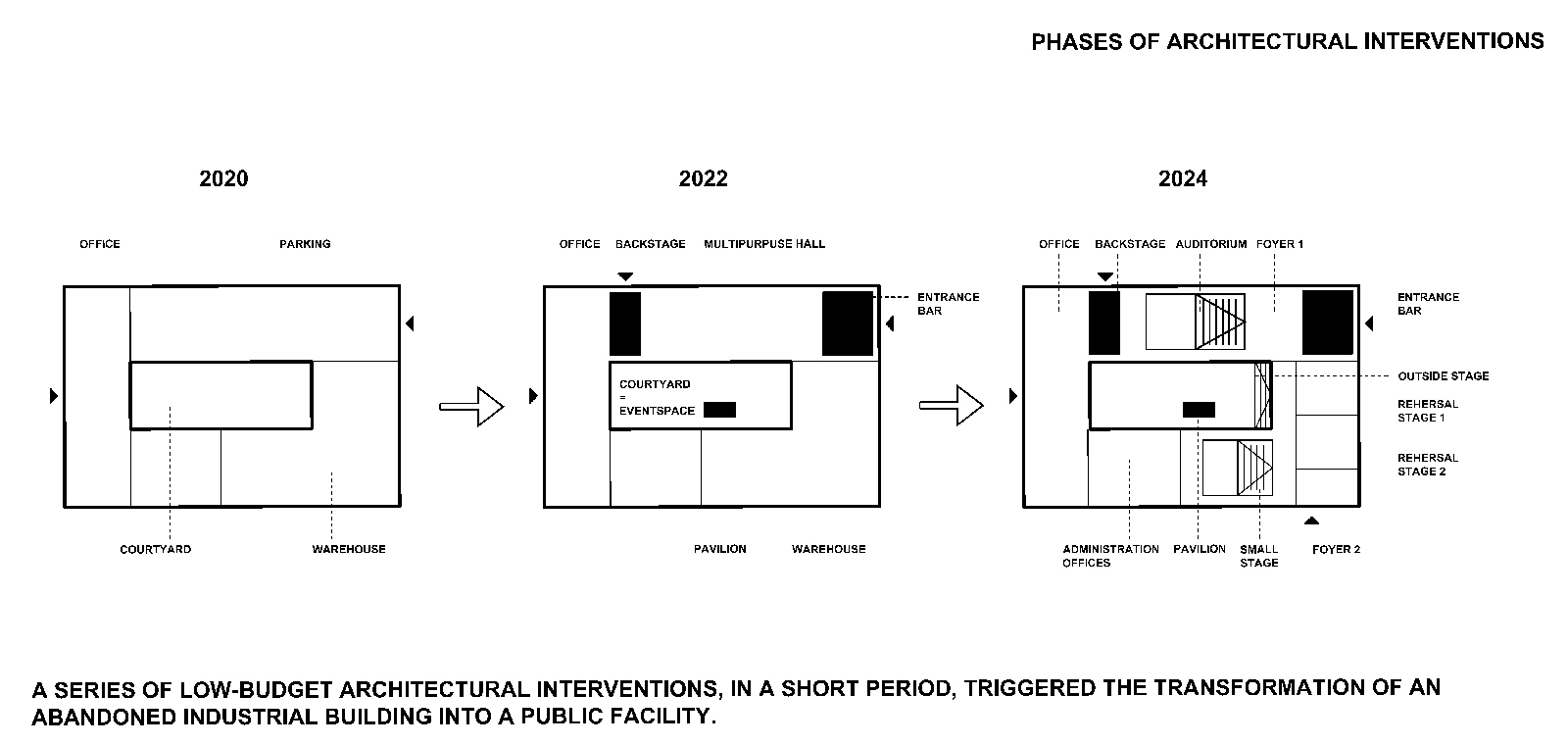
Also working with a similarly limited budget, the project had a 10-month deadline for its construction, with sustainable design being one of the primary concerns. In contrast to the Belgian project, here, the architects approached the project in parts, gradually introducing distinct functions to transform the site over time. The first opening was a small bar in 2017, followed by the insertion of sports facilities and a business program by 2020. The exhibition spaces and entertainment zones were finally introduced in 2022. Material resourcefulness was another vital factor at play in creating inclusive and flexible spaces that promoted a contemporary urbanism. Proffering a new cultural and architectural identity to an abandoned industrial complex through several budget-friendly interventions, the architects here planned precisely and executed with thoughtful restraint.
To celebrate the architecture awards, the EUmies Awards Days—comprising a talks programme, an exhibition, the awards ceremony and the Out & About programme—will be held on May 11 – 12, 2026, across two venues: the Mies van der Rohe Pavilion and Palau Victòria Eugènia in Barcelona, Spain. While the pavilion will host the awards ceremony and celebration, the exhibition will be housed within the Palau Victòria Eugènia, featuring architectural drawings, models, sketches, texts and videos of the 40 shortlisted projects and summaries of all the nominees. Following the end of its showcase in Barcelona, the architecture exhibition is set to embark on a journey across Europe.
Together, the projects strive to achieve sustainability and resourcefulness through two distinct, almost opposite creative approaches that respond to several architectural, contextual and cultural concerns.

by Pranjal Maheshwari Oct 19, 2026
The Mumbai-based architects integrate courtyards, mesh screens and north light trusses to create a dining space that doubles up as a community hub at SR University, Warangal.
by Mrinmayee Bhoot Oct 17, 2026
The Rotterdam-based institute centres the Indian Ocean as a network for exploring material histories and transnational links shaping coastal cultures, positing them as future models.
by Pranjal Maheshwari Oct 16, 2026
At the 2026 Stirling Prize ceremony, Mary Duggan with RUFF Architects, MAKER Architecten and Nakshabid Architects were felicitated for proffering quality housing and social equity.
by Mrinmayee Bhoot Oct 12, 2026
The new Centre for Contemporary Arts, fostering public engagement with art in Uzbekistan, is housed in a tram depot refurbished by the French studio, emulating local craftsmanship.

make your fridays matter with a well-read weekend
Enter your details to sign in
Don’t have an account?
Sign upOr you can sign in with
a single account for all
STIR platforms
All your bookmarks will be available across all your devices.
Stay STIRred
Already have an account?
Sign inOr you can sign up with
Verification link sent to check your inbox or spam folder to complete sign up process
Tap on things that interests you.
Select the Conversation Category you would like to watch
Please enter your details and click submit.
Enter the 6-digit code sent at


EUmies Awards 2026 winners foreground contemporary placemaking through reuse
by Bansari Paghdar | Published on : Apr 20, 2026


 Sign in with Google
 Sign in with email
What do you think?