Architecture10 mins. read
On retrospectives and canons: When does Denise Scott Brown get room at the top?
by Mrinmayee BhootMay 15, 2026



by Mrinmayee BhootPublished on : Apr 17, 2026
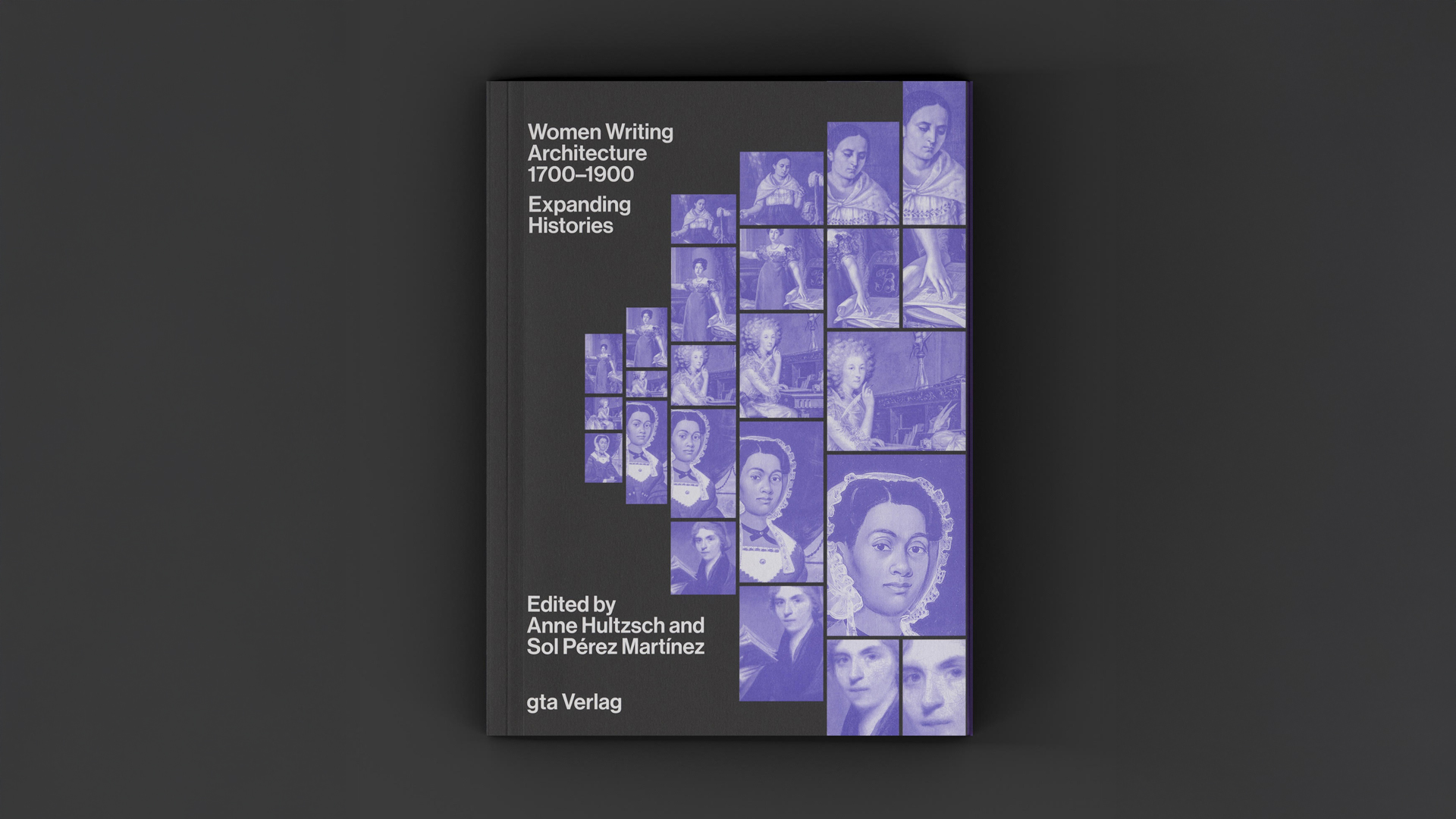
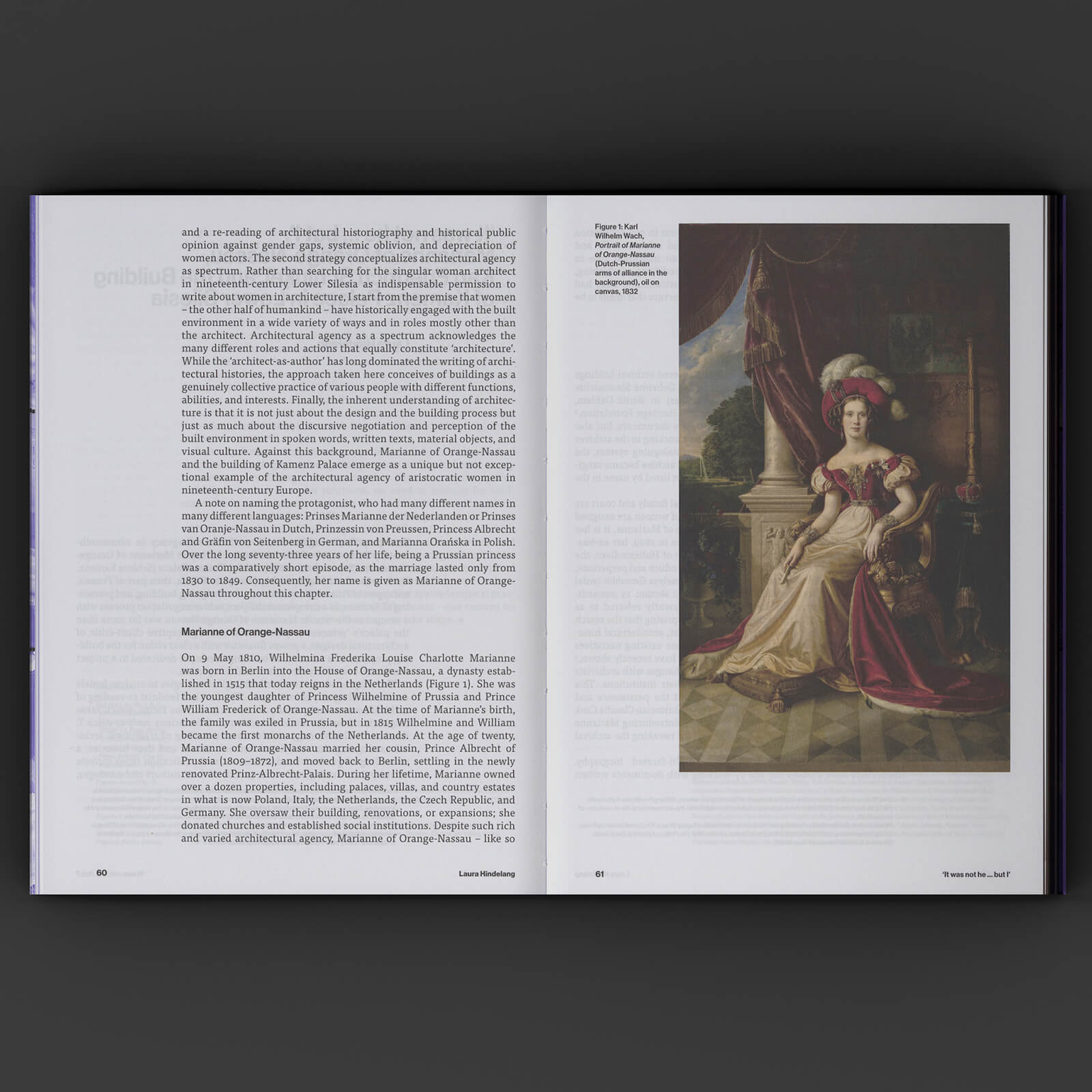
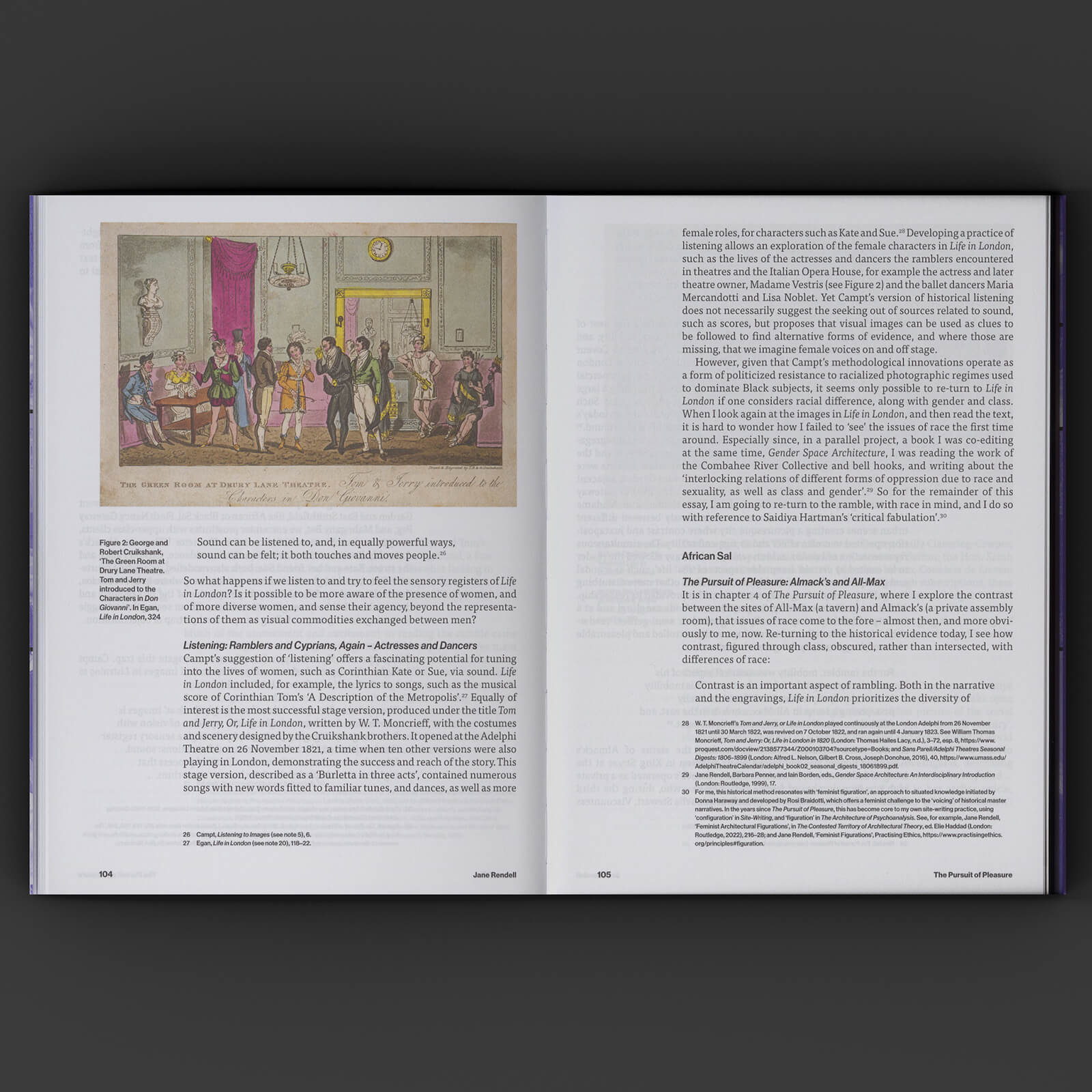
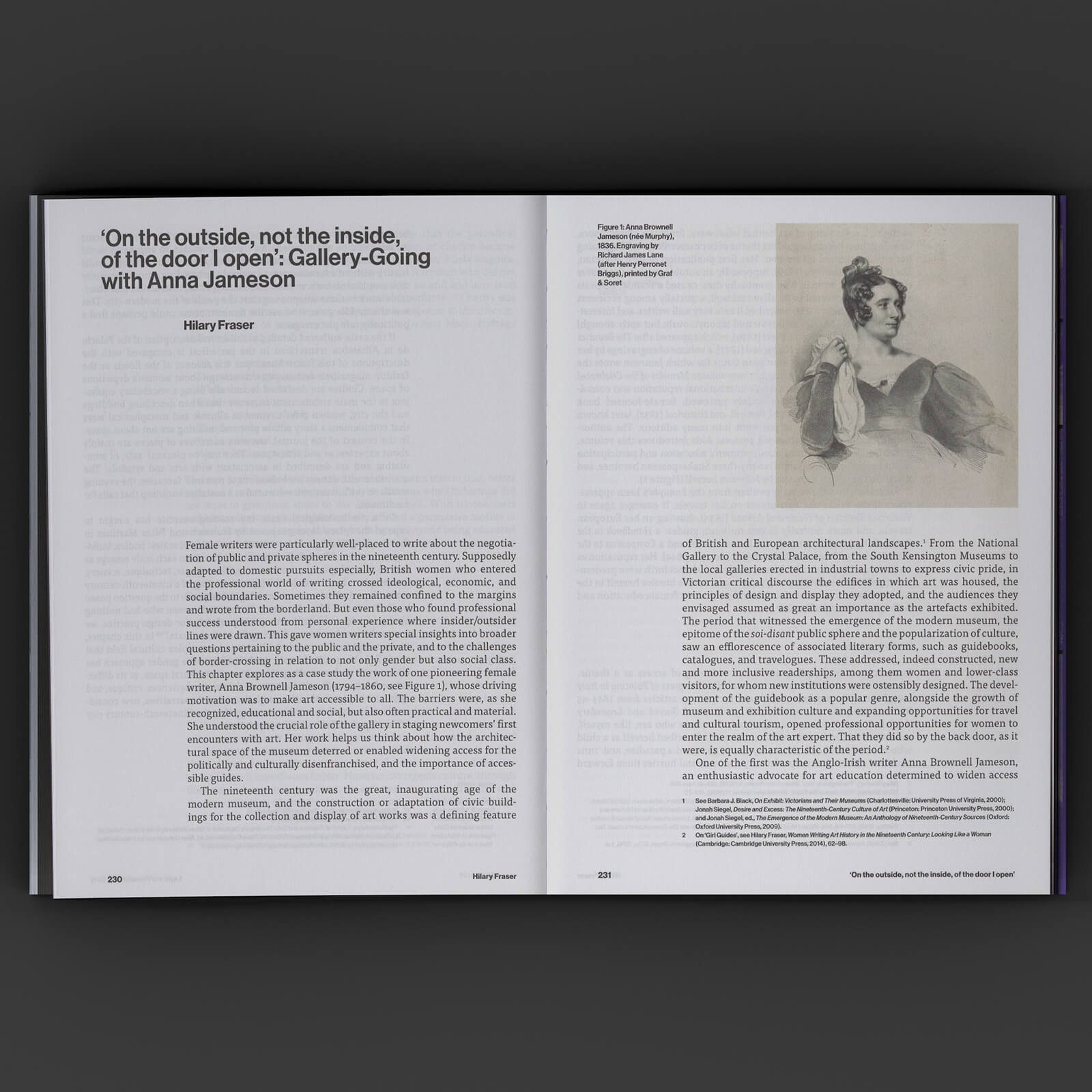
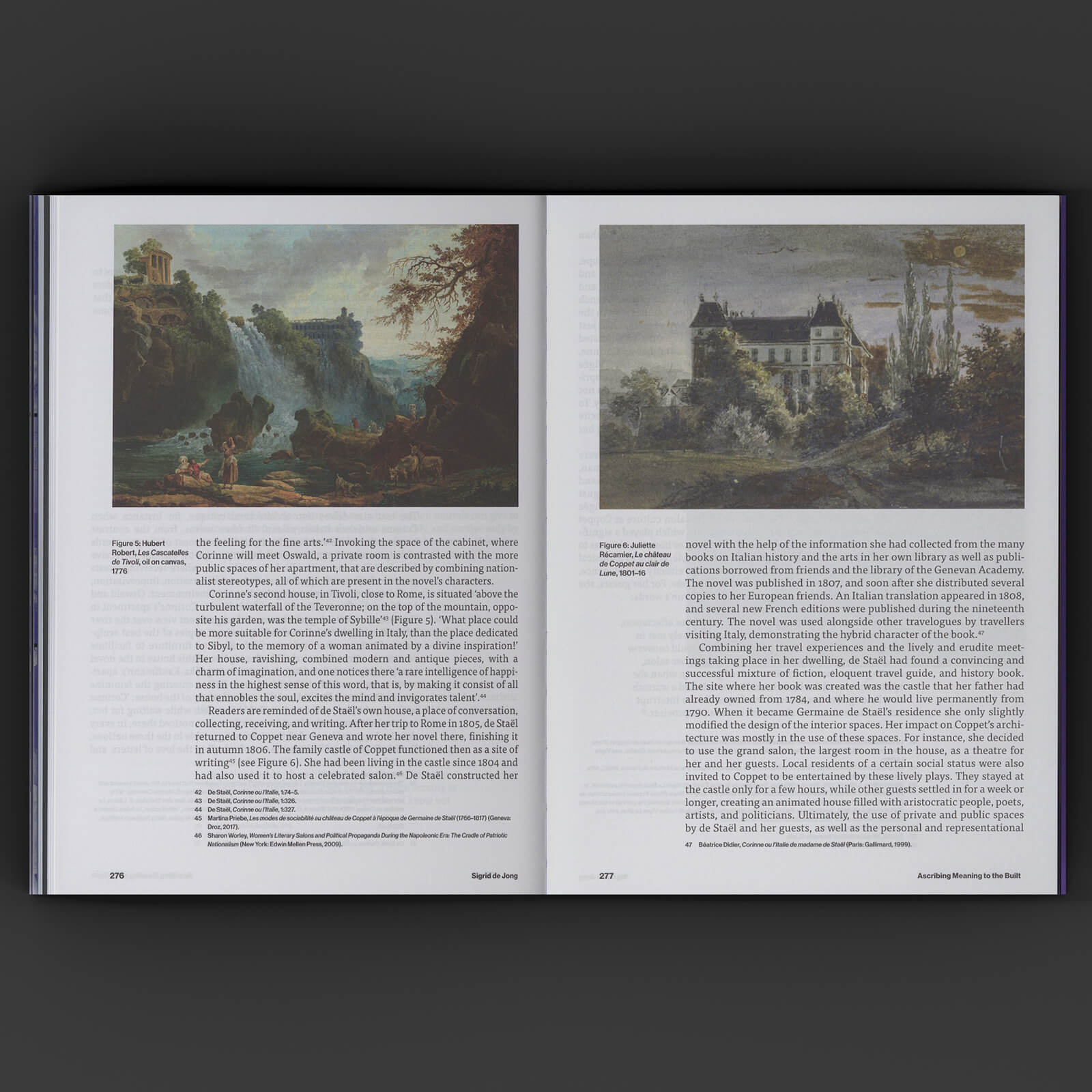
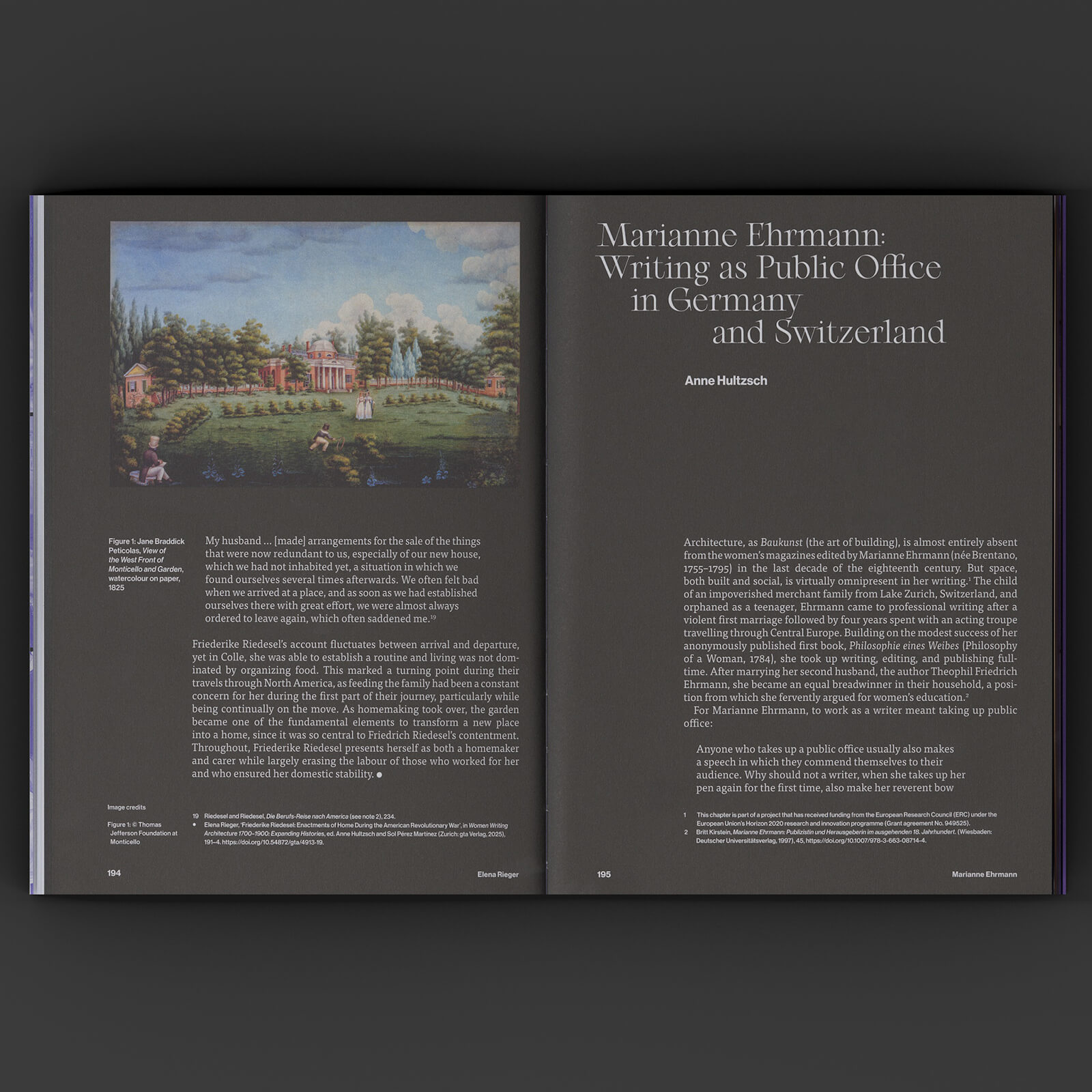
Women Writing Architecture: Female Experiences of the Built 1700 – 1900, a project initiated by architectural historian Anne Hultzsch at ETH Zurich, Switzerland, is a far-reaching attempt to rethink what we talk about when we talk about architecture. Among the growing threads of scholarship that hopes to spotlight the role women have played in processes of design, patronage and scholarship—thus establishing them as active participants in the 'project' of architecture—the objective here is twofold. Through perspective (gendered) and practice alike (writing, not building), Hultszch and her collaborators look elsewhere to determine who possesses architectural agency. The project comprised an academic symposium, the essays of which have been compiled in the book of the same name, with the open-ended subtitle Expanding Histories and an exhibition, currently on view till May 8, 2026.
The attempt with the essays collected in the open-access volume is to “pivot to words written by women about the spaces they have encountered, used and contemplated to highlight their relevance for architectural histories”, as the editors of the book (Hultzsch, along with fellow academic Sol Pérez Martínez) note in the introduction. The decision not to separate the act of writing from architecture in the project’s title is deliberate. By not thinking in terms of for, of, about and the like, they contend that the very act of writing involves production of space. For, what else is architecture?
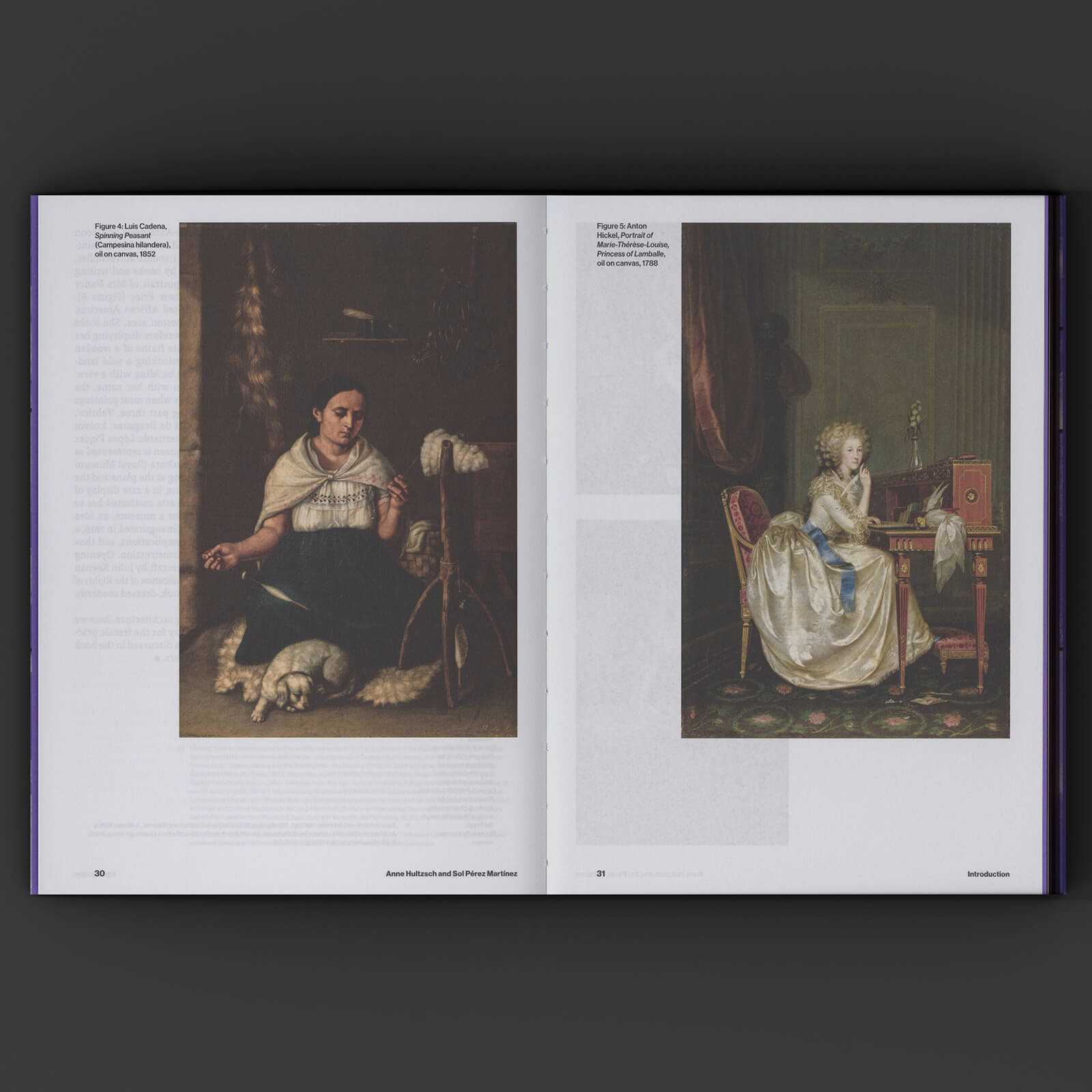
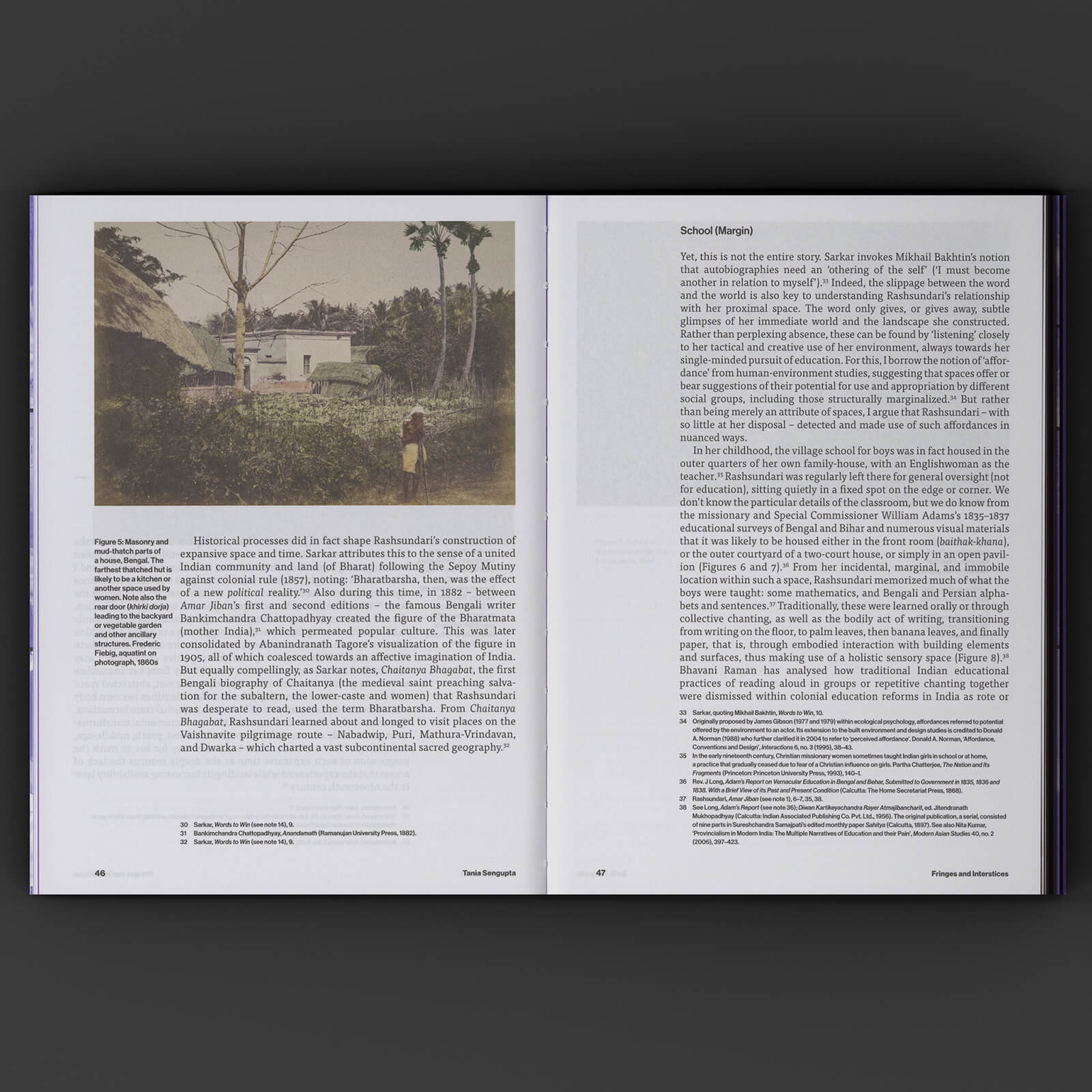
Here, wives, novelists, poets and the anonymous women of history are given some of their due by examining the writing they produced as intrinsically connected to the perception of architecture, and by connecting the work of design to larger socio-cultural histories. The hope is to dismantle the idea of architecture as its ‘unchanging’ end product, the building, a view profoundly established by the modernist movement and one that has been prevalent since Alberti’s treatise, the very ‘first’ book of architectural theory. As the editors observe in the introduction, the focus on female experiences is crucial in this respect, since very little is explicitly known about them, more so in the public realm of letters. To this end, the contributors look to documents that are not usually studied when writing architectural histories—letters, novels, travel diaries—eschewing conventional architectural writing in the manifesto or the treatise; an imposition mostly of a will and a particular way of seeing. While they deal with written material, the essays also contend with absence—the lack of women’s stories from historiography, the dearth of proper archives, the omission of names from records. Thinking with Saidiya Hartman’s method of ‘critical fabulation’, and rewriting accounts of history both ‘with and against the archive’, they imagine otherwise. In this, what Women Writing Architecture points to is the simple fact that more work remains.
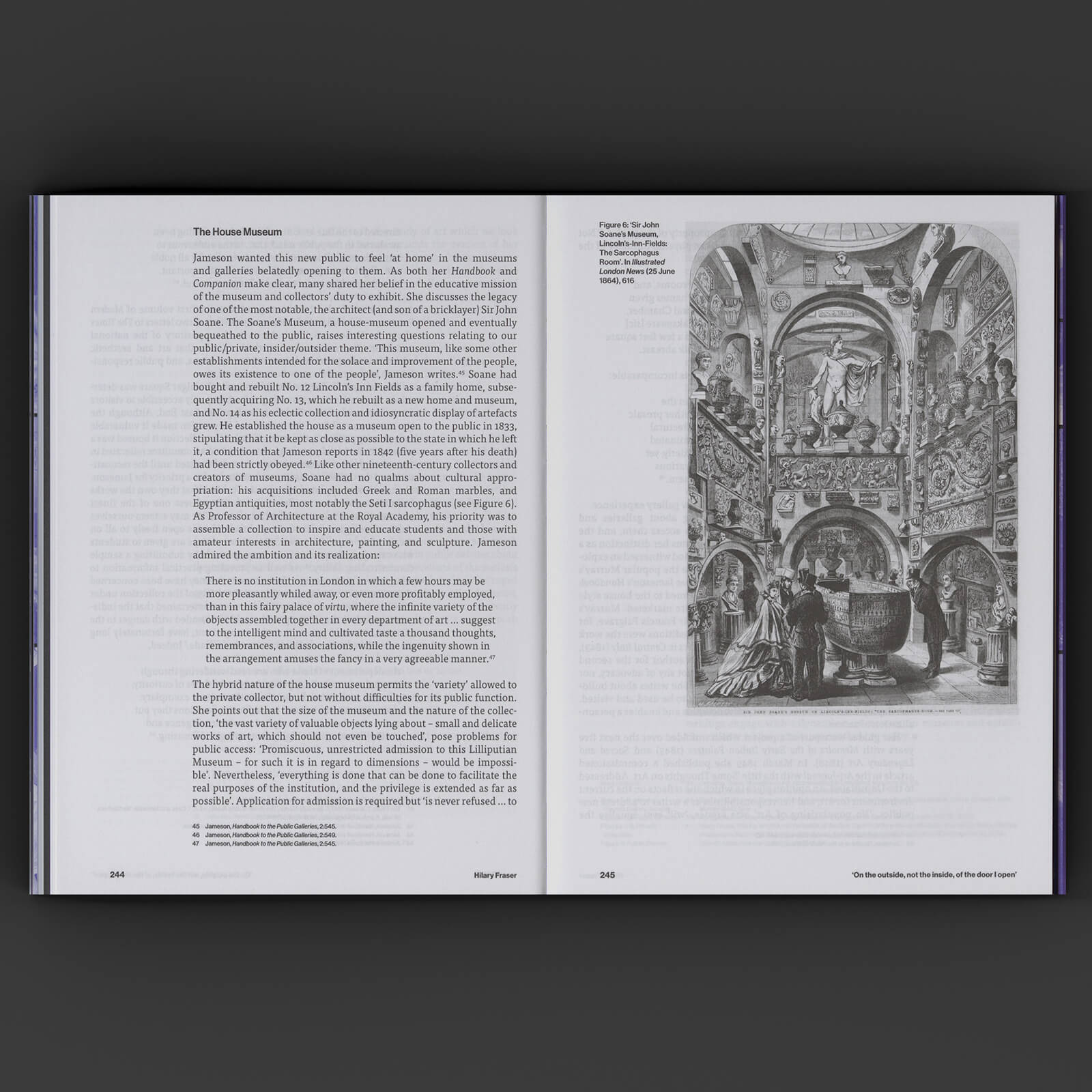
While scholarship has focused on reinstating the role women played directly in architectural history, the contention for the volume is that women have always been a part of the built environment (a distinction that feels almost too trivial to put down); have always spoken about how their bodies are mediated by the infrastructures (literal and otherwise) they inhabit and in turn have affected those very networks. If we can proclaim the personal as political, the very act of writing for some of the women considered in the volume is certainly an act of claiming space in the public imagination at a time when this was explicitly denied to them.
Hultzsch and Pérez Martínez’s observations in the book suggest that the practice of writing itself, that fertile space where subjectivity is delineated, is crucial not only as an act of preservation, but as a means of processing one’s place. I think of Lila, the volatile ‘brilliant friend’ from the Neapolitan Quartet by Elena Ferrante, whose diaries were immortalised by her friend Lenu as a way of preserving Lila; contrary to Lila’s wish for disappearing absolutely. Lenu’s reconstruction of her friend and, by extension, the urban landscape of Naples, is what interests me in conjunction with Hultzsch and Pérez Martínez’s project, especially in how Ferrante manages to blur the distinction between the person speaking (in this case, writing) and the person being spoken for. It is, as Lenu points out, Lila’s story that she is setting down, but Lenu who will be remembered for writing it. That tension between anonymity and the permission to be recognised (and on what terms) is what I find particularly interesting while reading the essays in the book.
I grapple, also, with the idea of an ‘I’ in this review. Who is the ‘I’ who writes, and who do they write for? This ‘I’, I contend, is a particular place. It situates one within certain sociopolitical circumstances, within a particular context, and it affects how we view the world. In his afterword, Adrian Forty ‘reads the reader’ of the texts presented in the volume, framing who the audience for these confabulations is. In sync with Forty, who ponders on the role of the reader in thinking through a text, I think with Virginia Woolf’s question, ‘How Should One Read a Book’; asking what a particular reader, no matter the multitudinous ways they might re-turn to books, can gain from reading them. For instance, what can we gain from reading a book about women’s writing practices from almost three centuries ago? In her essay, Woolf alludes to a novel as a building, built out of the bricks of chapters. We traverse both; both are sites of experience. And in the poem Sunstone, Octavio Paz writes, “When I am another, my acts are more mine when they are the acts of others, in order to be I must be another, leave myself, search for myself in the others, the others that don’t exist if I don’t exist, the others that give me total existence, I am not, there is no I, we are always us.” Writing then, and reading, are sites for multiplicities.
Coming to the structure of the volume itself—which the editors note is just as vital to the reading as the texts—the essays are grouped in three sections, each employing metaphors of weaving. Often relegated to the feminine, the craft of weaving is commonly thought of as a metaphor for storytelling and an allegory for life. As a feminist writer (if such a distinction could firmly be made), Ursula K. Le Guin notes, the vitality of fabric lies in it being something which holds, which is inclusive and generative. This was especially as opposed to the destructive force of man’s claim to history, the spear. Drawing on this, the contributors allude to practices of storytelling in the volume. The essays in the first section, ‘Weaving’, are explorations of method—what texts we can look to and how we can ‘listen to images’. Tracing names, processes and thoughts, the contributors firmly place women within a public sphere where they were often thought of as commodities.
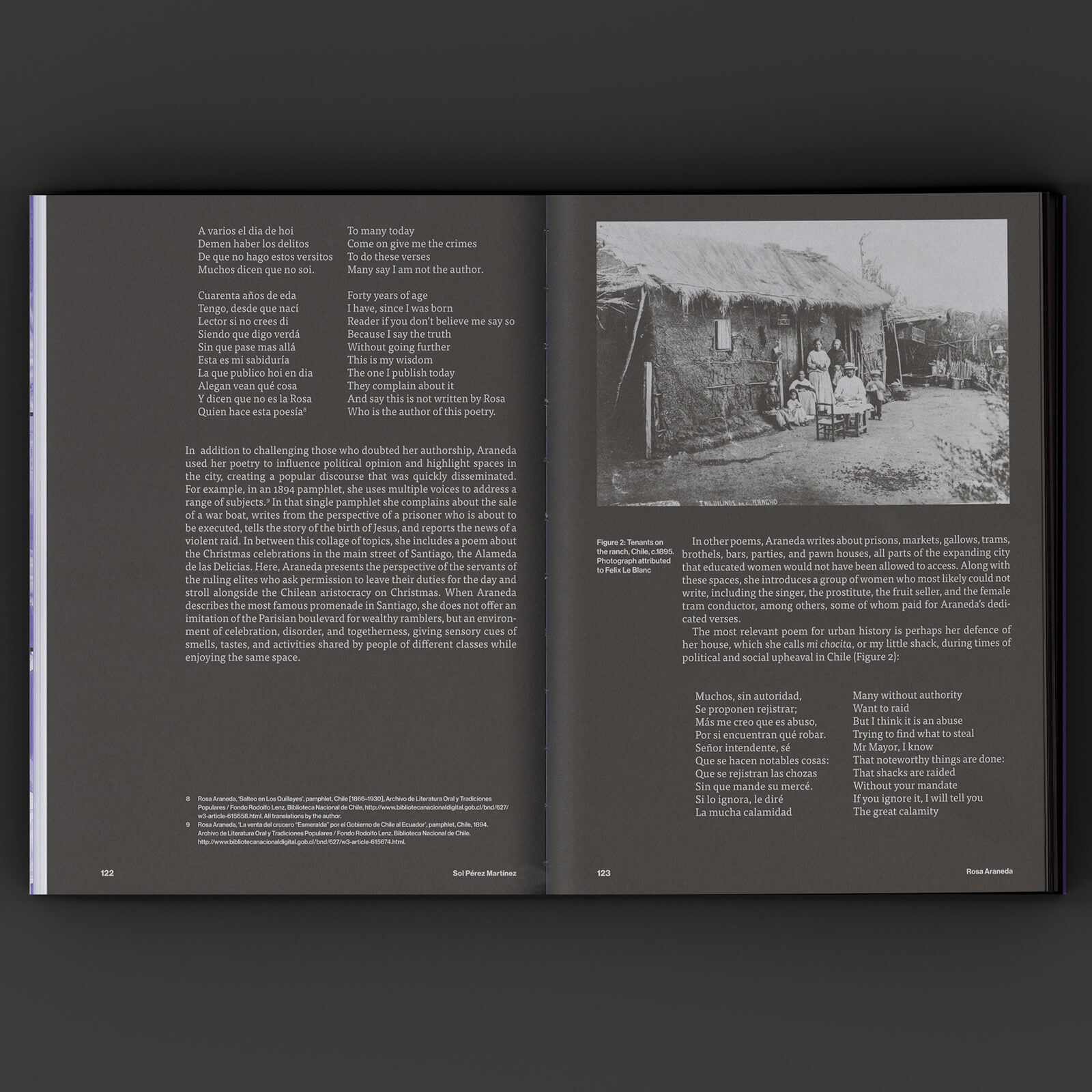
In the second section, these slippages are a core focus—the ‘Threads’ we weave with referring to particular histories of women that the contributors think with. These readings also suggest alternative architectures that have so far not been deemed worthy of writing about. For instance, and these are only a few, Barbara Penner’s contribution, Fanny Fern: Beauty and Skeletons in Gotham, spotlights the writings of one Miss Fanny Fern, the nom de plume of Sara Payson Willis, which focus on downtrodden characters, usually female, and appeal for collective action based on sympathy. Upending the ‘heroic’ narrative often remembered of Bibi Khanoum, the pioneering figure in the feminist movement in Iran, Niloofar Rasooli asks us to also consider those women whose names we don’t know, who indubitably helped Khanoum refine her thoughts, in solidarity with her for the cause. We also read about Rosa Arenada’s poetry and how, through it, she pointed to structural inequalities in Chile, and the wet nurses of Brazilian plantation houses, understood as part of the fabric of the household, yet treated as separate because of their race. The last section, ‘Fabrics’, brings these observations together in a considered manner, as its naming suggests. It asks what the power of expanding histories to unorthodox participants entails.
Hultszch and Pérez Martínez note that the focus on writing and lived experience is a means to move away from the empirical notion of sight as the primary source of knowledge. Hélène Cixous most famously called for an explicitly feminist language in The Laugh of the Medusa (1975), an Écriture Féminine that is characterised by disruption, by gaps and silences. In doing away with patriarchal control over language, it focuses on the fluidity of bodily experiences. While the essays allude to this shift implicitly, it becomes a point that sticks out like a sore thumb. The editors acknowledge this in their introduction: since the volume is concerned with writing and rethinking what the writing of architecture is, many of the accounts considered are those by women of privilege and women from the Global North, where practices of writing were more prevalent in that time period. Many of the focused histories in the second section, too, are skewed towards the 19th century, when we first actively perceive the separation of the public and private spheres, and when the practice of writing and reading, especially, became available to a wider polity. If anything, as Hultzsch and Pérez Martínez hope, the focus on writing that goes beyond previously considered treatises ought to open the field of architectural historiography to other voices, to oral histories, to traditions of the Global South and community practices where craft is privileged over writing. That is the hope.
The central question for the volume, how we can transform knowledge into the ‘truth’ of history and vitally, how writing in this case can approximate that truth, becomes crucial when we reconsider the act of reading. To read is to put yourself in the shoes of the writer, to attempt to answer, as Audre Lorde asks: What are the words you do not have yet? These are, in some capacity, theirs—Clorinda Matto de Turner, Dolores Veintimilla, Phillis Wheatley, Anne Pépin, Shan Shili, Nigâr Hanım and the countless others the book suggests exist—and so too, ours. It is the gaps that we keep returning to, as the editors point out. To situate women in the project of History, we must work through what has so far been unknowable. And not only by patriarchal constrictions. That we must rely on our imagination—Hartman’s technique is dependent on fabulation after all—is the burden we must bear. The ability to imagine, then, becomes a responsibility. We are, after all, the stories we tell, and who said they must have happened to be true?

by Pranjal Maheshwari Oct 19, 2026
The Mumbai-based architects integrate courtyards, mesh screens and north light trusses to create a dining space that doubles up as a community hub at SR University, Warangal.
by Mrinmayee Bhoot Oct 17, 2026
The Rotterdam-based institute centres the Indian Ocean as a network for exploring material histories and transnational links shaping coastal cultures, positing them as future models.
by Pranjal Maheshwari Oct 16, 2026
At the 2026 Stirling Prize ceremony, Mary Duggan with RUFF Architects, MAKER Architecten and Nakshabid Architects were felicitated for proffering quality housing and social equity.
by Mrinmayee Bhoot Oct 12, 2026
The new Centre for Contemporary Arts, fostering public engagement with art in Uzbekistan, is housed in a tram depot refurbished by the French studio, emulating local craftsmanship.

make your fridays matter with a well-read weekend
Enter your details to sign in
Don’t have an account?
Sign upOr you can sign in with
a single account for all
STIR platforms
All your bookmarks will be available across all your devices.
Stay STIRred
Already have an account?
Sign inOr you can sign up with
Verification link sent to check your inbox or spam folder to complete sign up process
Tap on things that interests you.
Select the Conversation Category you would like to watch
Please enter your details and click submit.
Enter the 6-digit code sent at


Women Writing Architecture situates writing and reading as architectures in between
by Mrinmayee Bhoot | Published on : Apr 17, 2026


 Sign in with Google
 Sign in with email
What do you think?