Architecture09 mins. read
London Festival of Architecture 2026 probes belonging amidst multitudes
by Pranjal MaheshwariJun 09, 2026



by Lucy PickfordPublished on : Apr 24, 2026
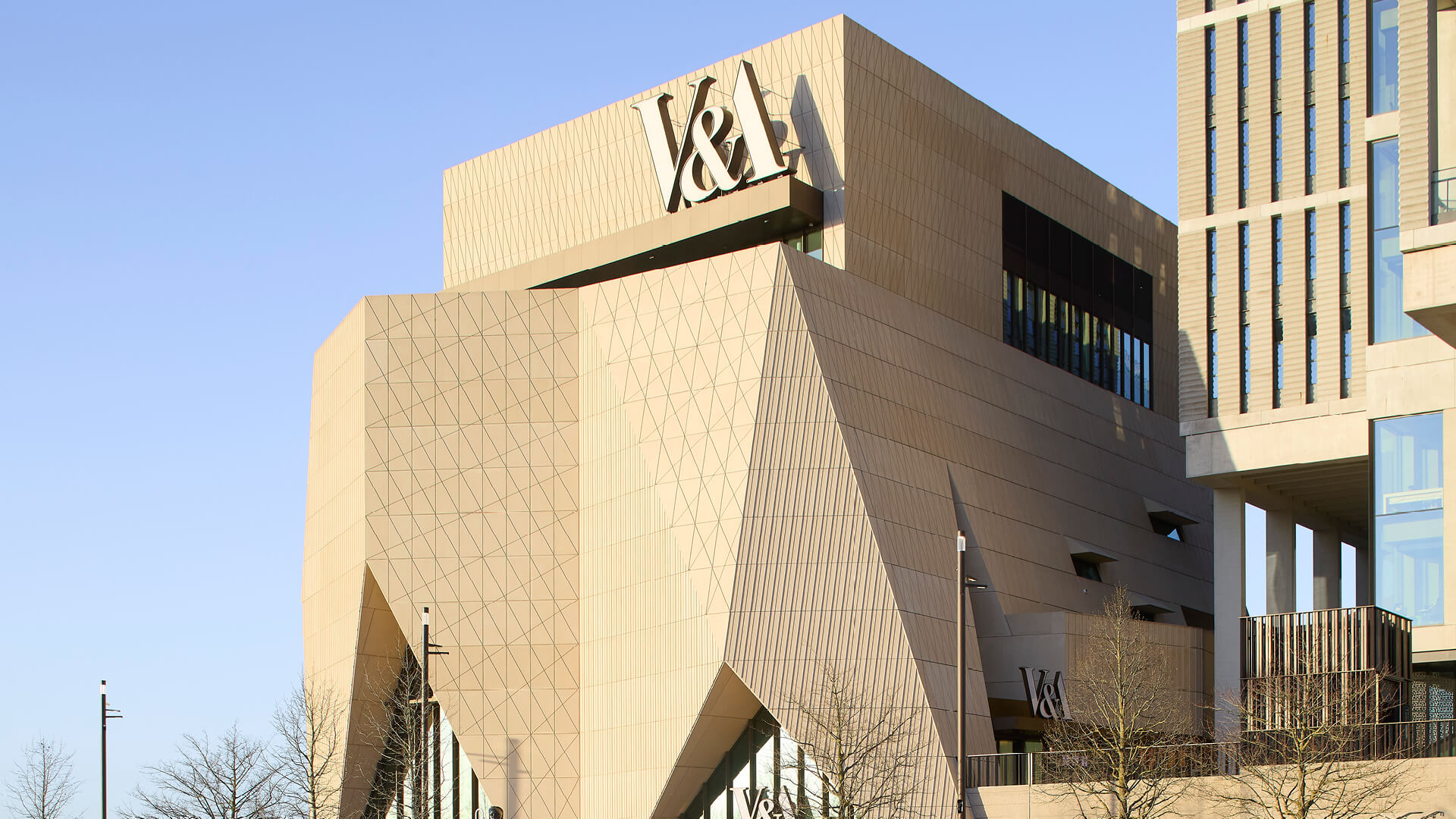
Last weekend, the V&A opened its second new museum in the past two years. Following the successful opening of a dynamic working museum store, the V&A East Storehouse in 2025, the V&A East is a fitting complement to the growing collection of V&A museums. The Storehouse opened up the V&A’s vast collections, giving the public a chance to dive into its depths. The V&A East takes us even deeper, showcasing the histories of craft and making within a more traditional museum framework in comparison to the archival nature of the Storehouse.
The story of this site goes back over 20 years, to the 2005 announcement of the UK hosting the Olympics and the Paralympics. Since then, the site in Stratford has been under constant, catalytic change. The Olympic Park was in place by 2012, and soon after, the legacy plan began to take shape. The East Bank development is the latest step in this process.
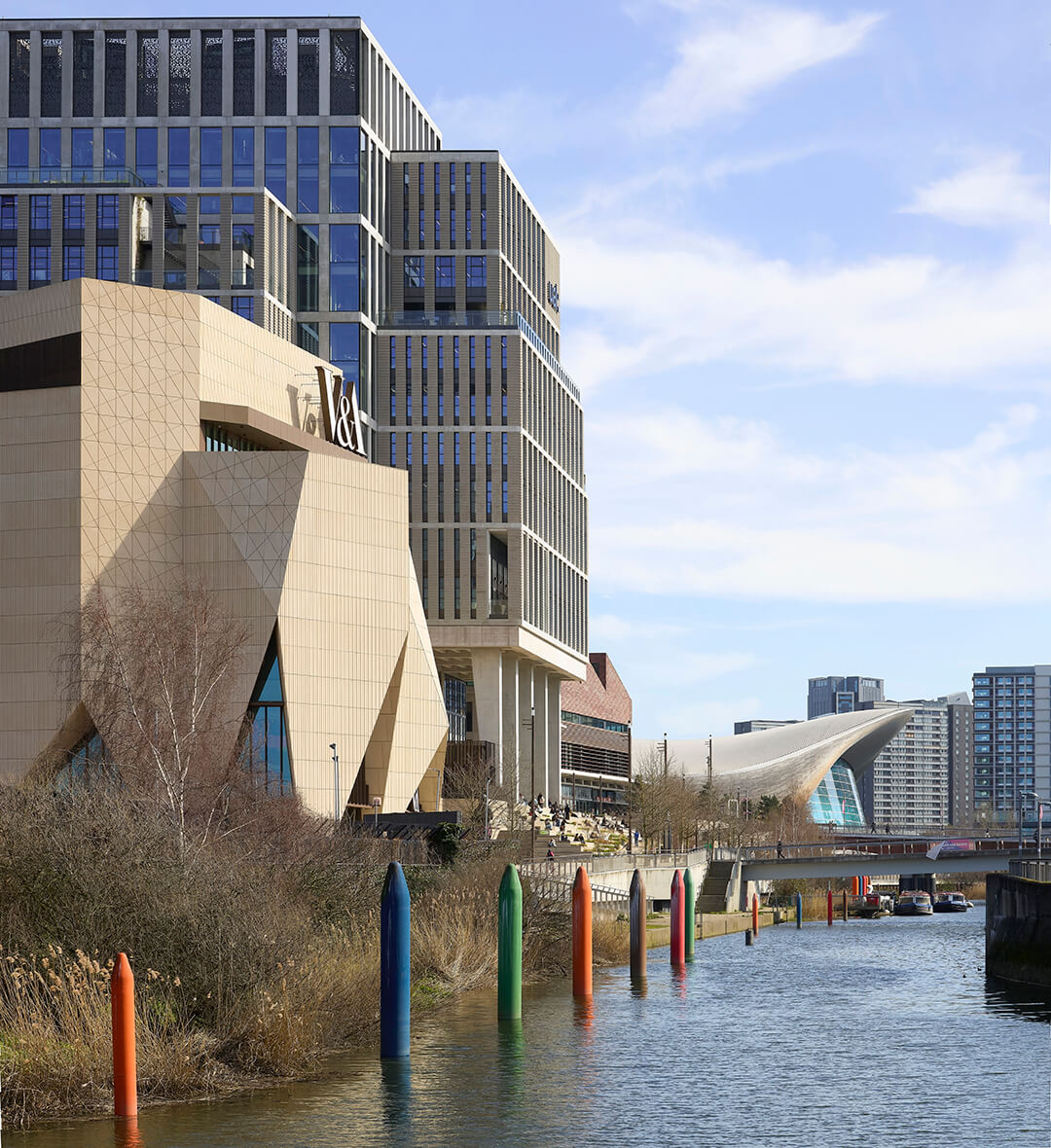
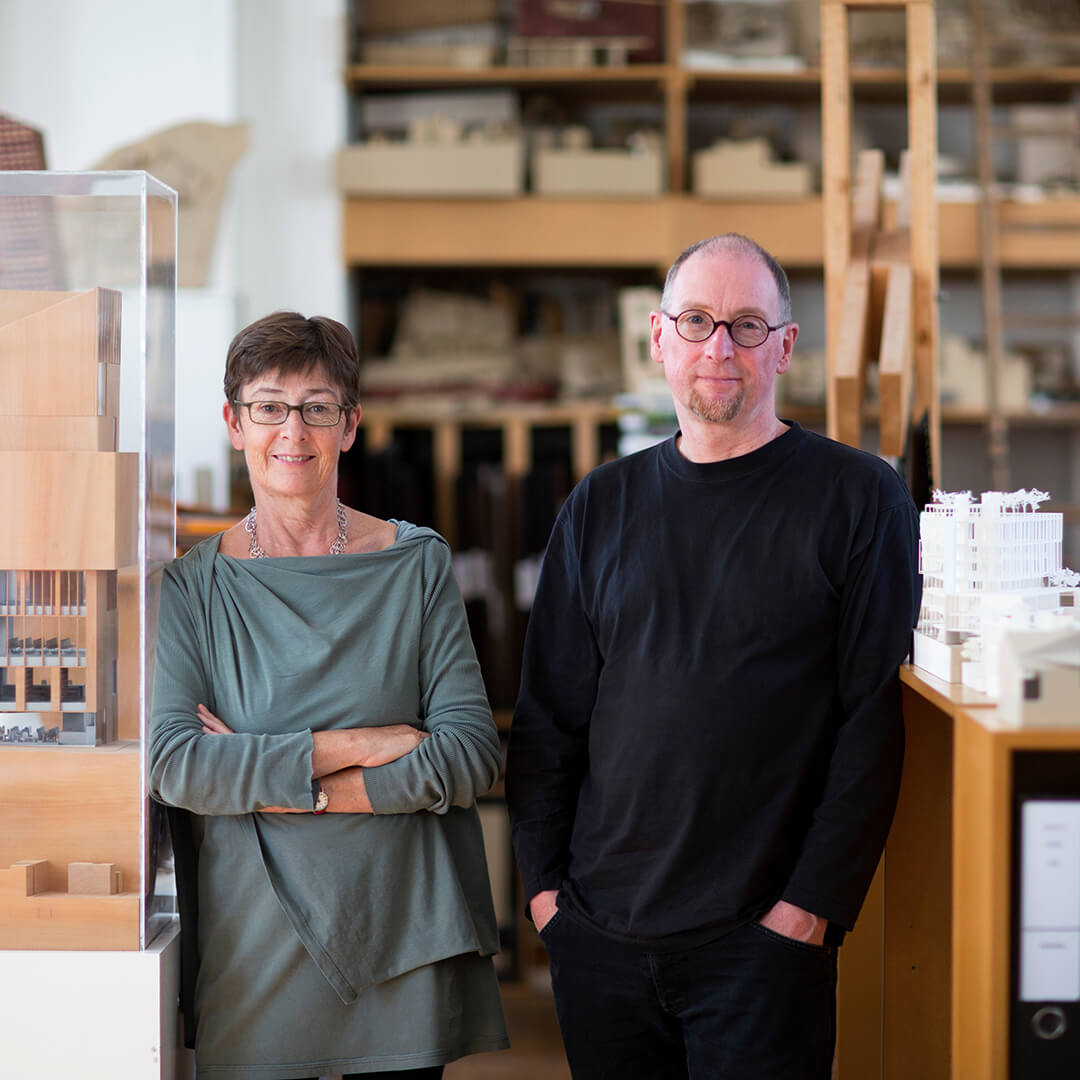
It has been 11 years since the conception of the building, when Sheila O’Donnell and John Tuomey responded to a design competition for the site in 2015. As they stood in front of a striking Eileen Gray rug on opening night, it felt like a full-circle moment. Toumey exclaimed on the beauty of it, as the Irish architects stood overlooking an icon of Irish design, with O’Donnell adding, “I love it, those connections to the objects, they just speak to everybody in different ways, and I want to take the connection to the environment.” The Dublin-based architects have been able to inculcate this sentiment—of an unmistakable connection between the object and the architecture—in the long-gestating building, now finally open to the public.
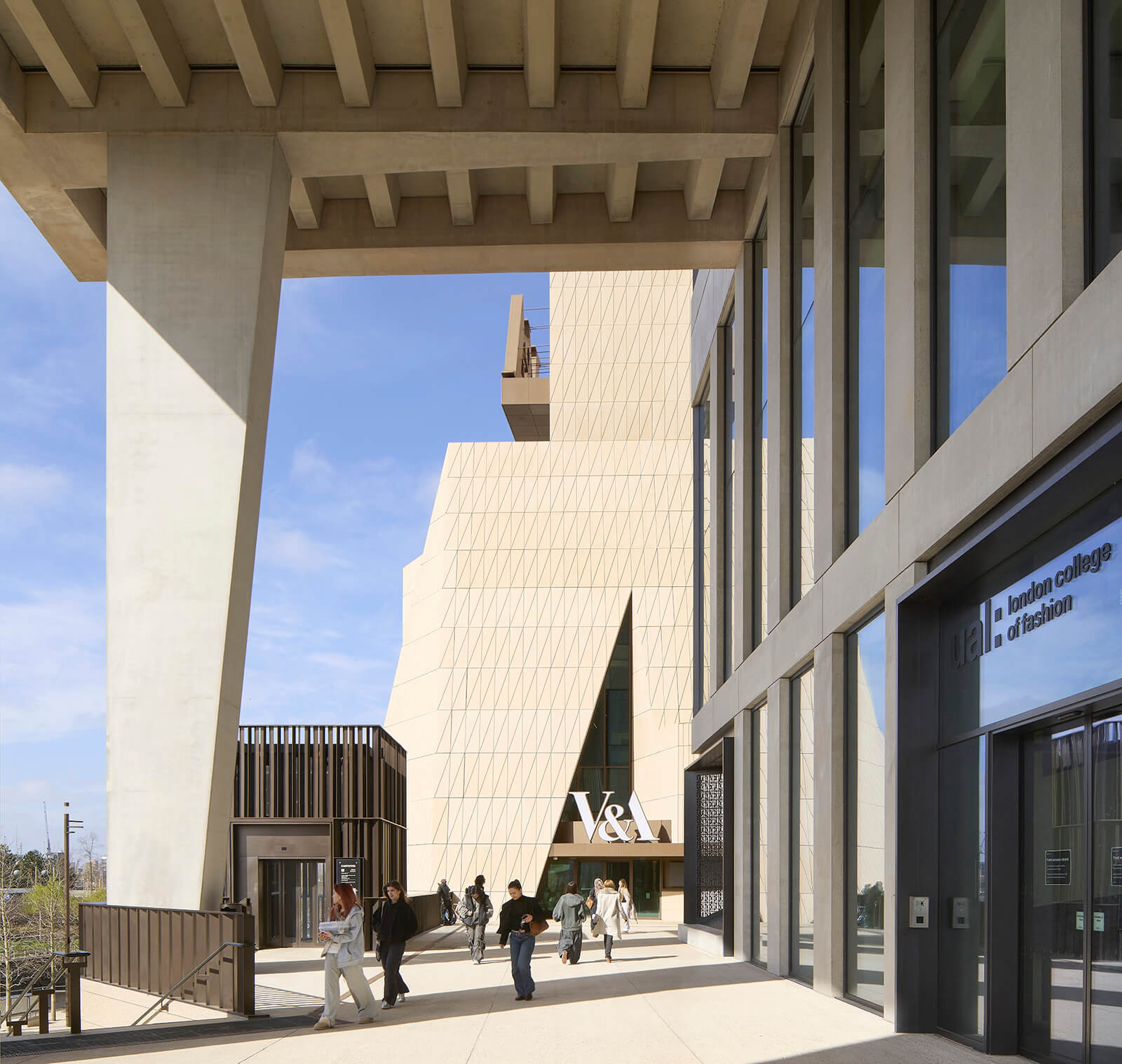
There are high expectations for architecture in contemporary culture, and it could be argued, rightly so. As the impact of good design becomes more widely recognised, it’s not surprising that quality is a core requirement for a design museum in both its curatorial approach and in the design and construction. But the brief, foremost, asked for a place that was welcoming, distinctive and open to all: something easier said than done.
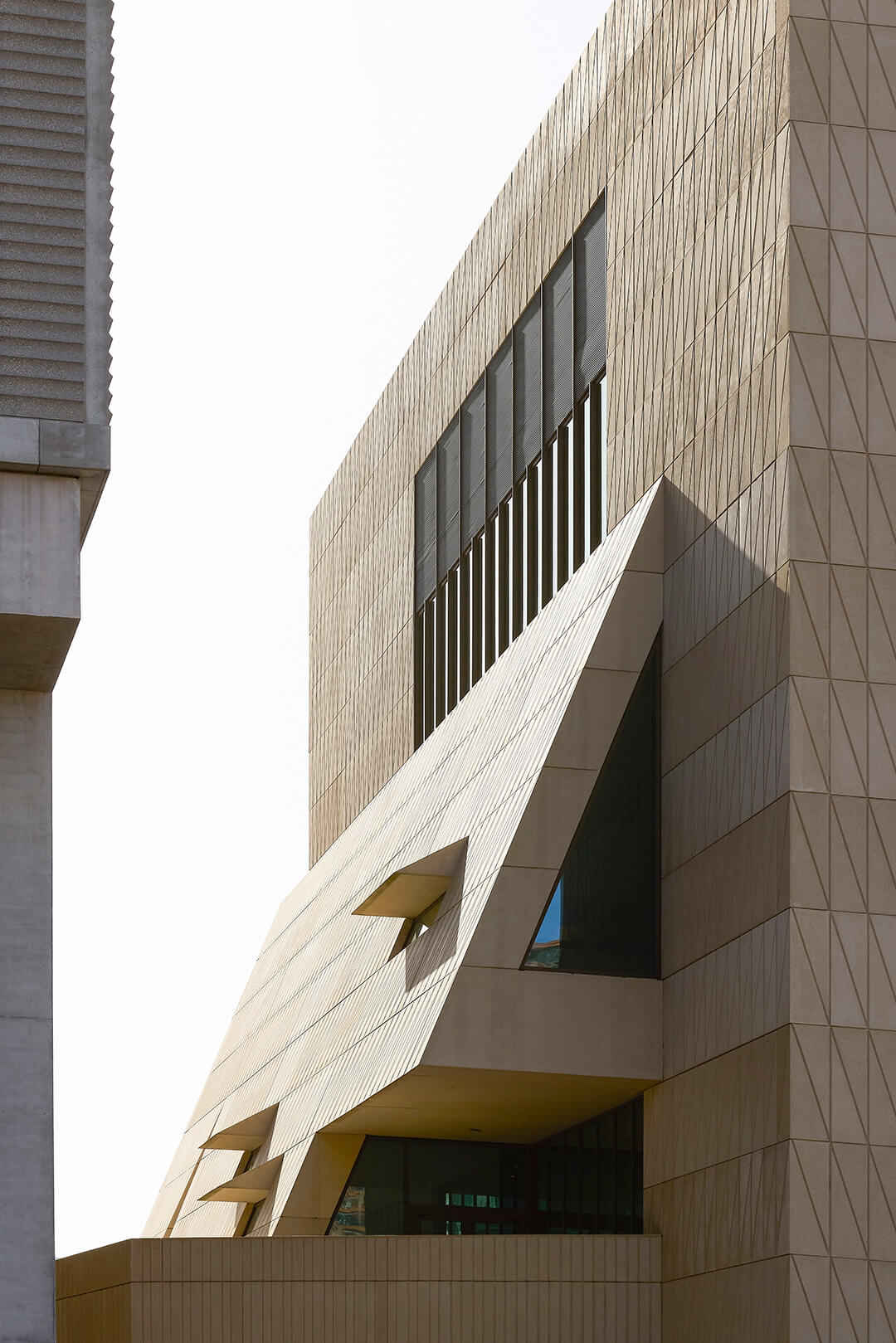
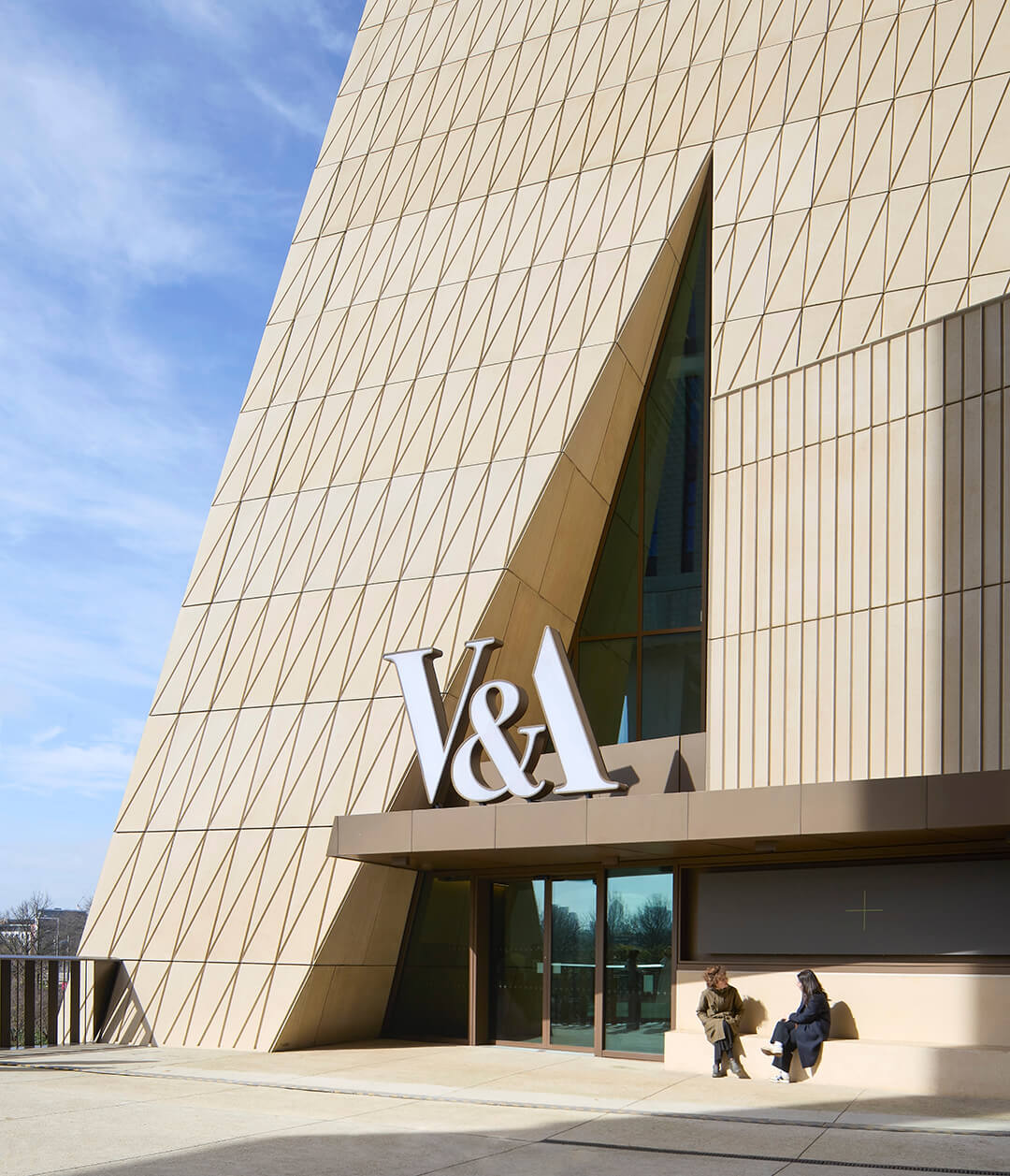
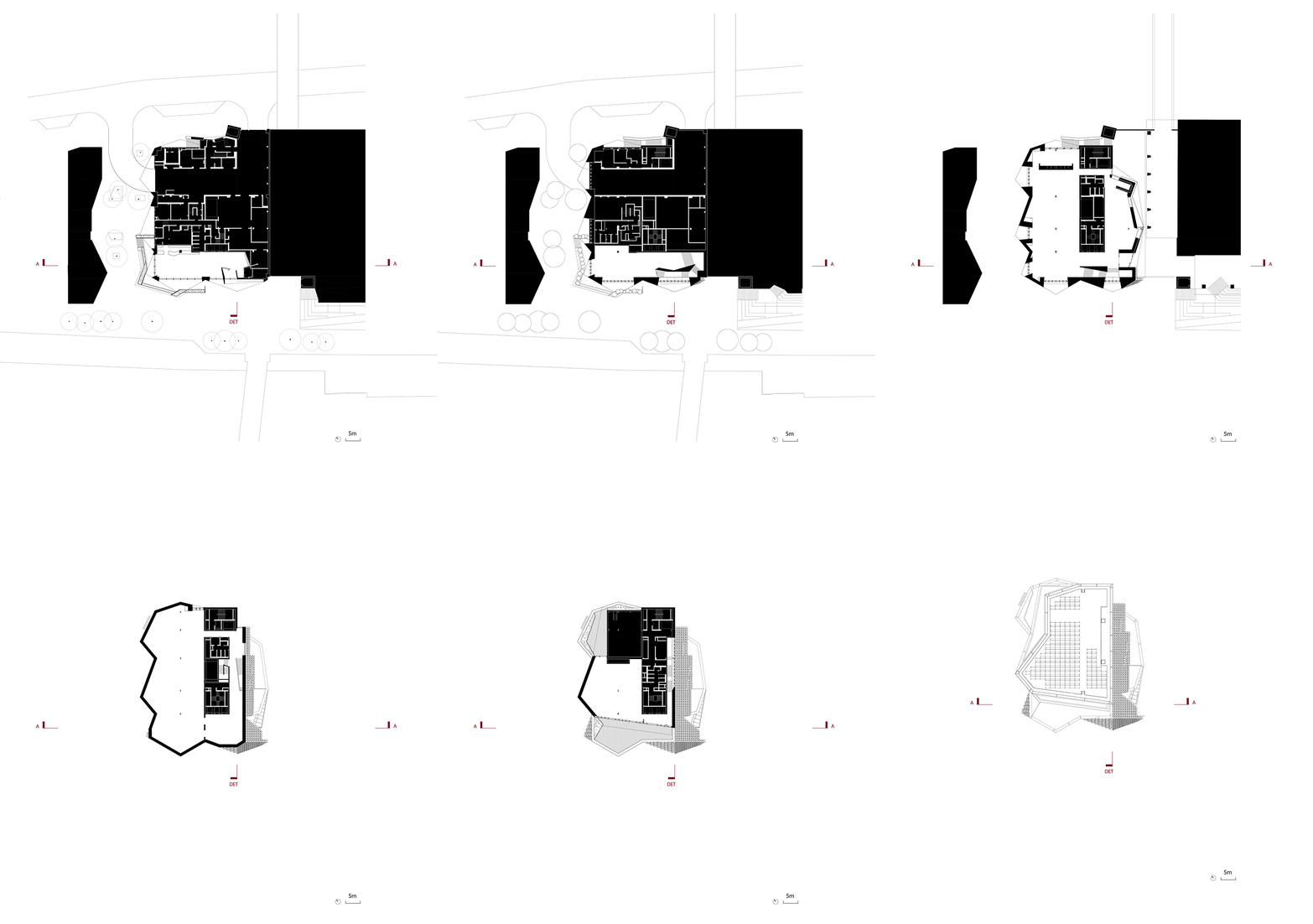
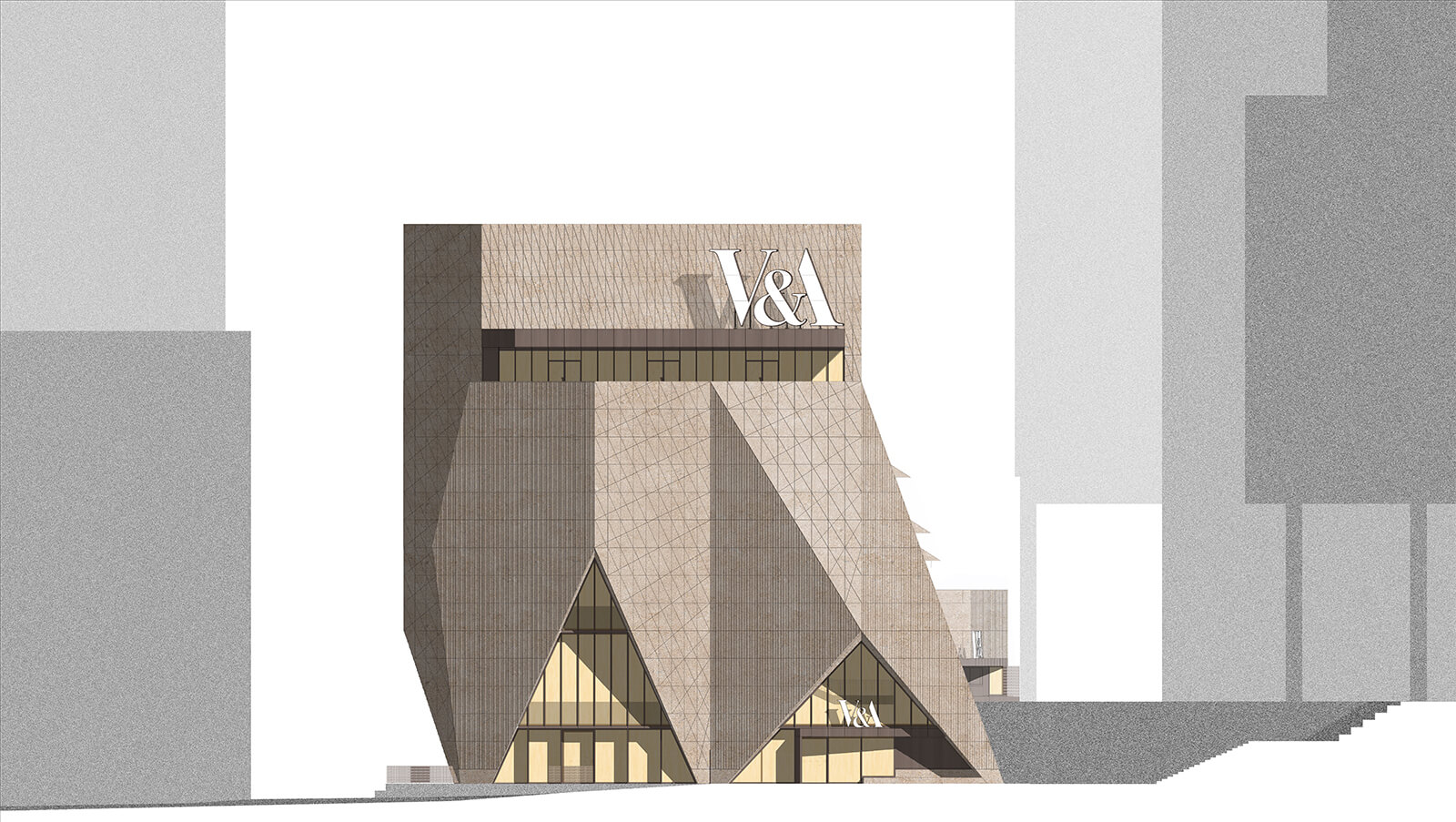
Distinctiveness has very much been checked off the list with this sandy angular crust made up of 479 sand-coloured precast concrete panels, all sat on a carefully engineered steel frame. If the proof of the pudding is in the eating, then the crust on this building is delicious, but good architecture needs much more than a tasty exterior.
On a site such as the Olympic Park, one that has been changing dramatically over the past 20 years, it would have been remiss not to consider what this building means for community and belonging. The narrative of development across London, particularly over the last decade, has been one of displacement, gentrification and a loss of community in an ever-growing city. It’s unreasonable to think one building can mitigate the history of the site, but it has bold aspirations, architecturally and curatorially.
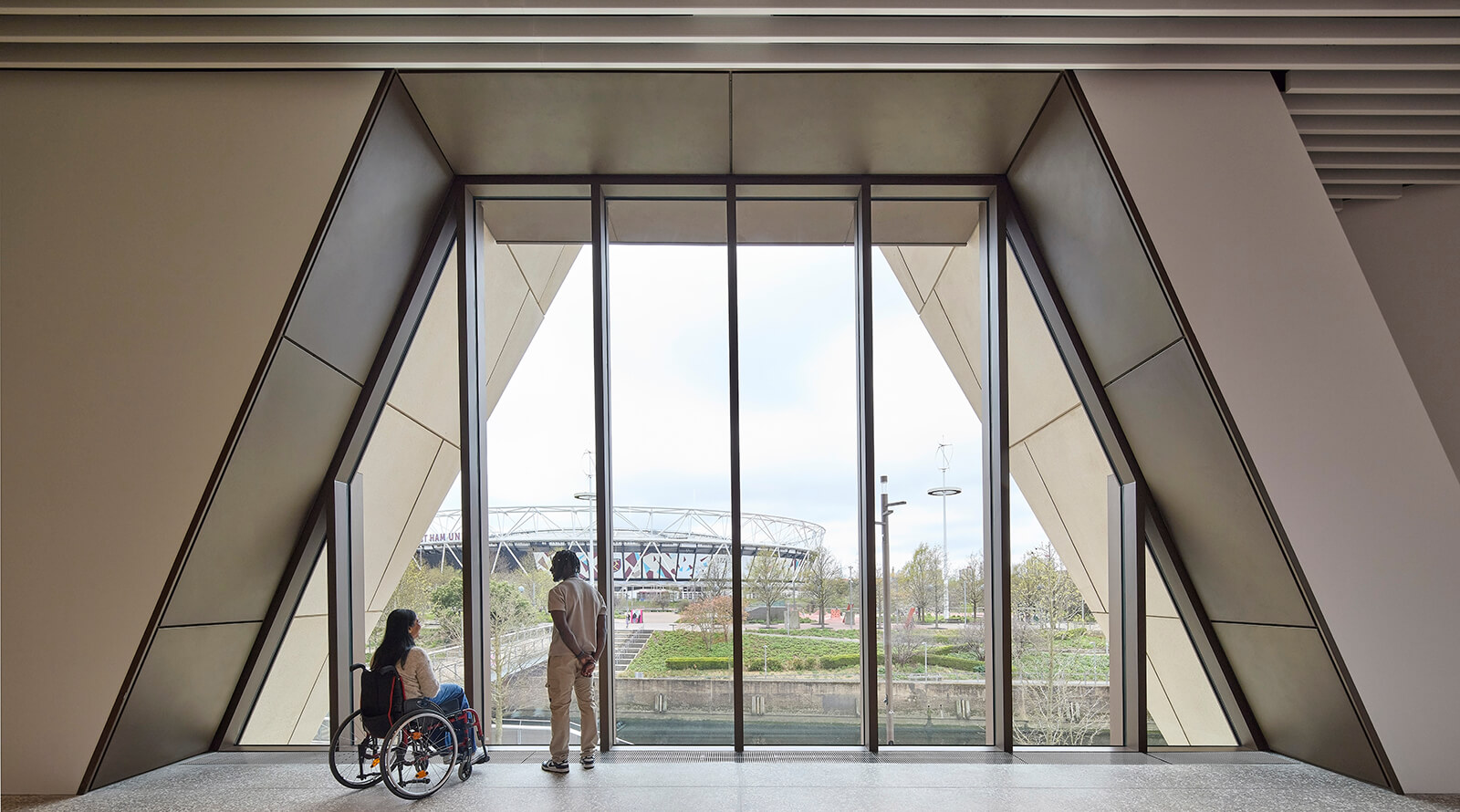
The East Bank is just a small section of a much larger site, and the V&A East is a heartening geometric addition in this grand scheme. O’Donnell + Tuomey had an advantage in some ways, starting with their involvement in the masterplan for the site alongside Allies and Morrison, their work on the new Sadlers Wells building just two doors down and their involvement in the new residential development which will sit on the currently empty site next to this new museum. That they’ve been able to create a cohesive narrative on a site this dynamic, still very much in its awkward teenage years after the Olympics, is a feat accomplished.
Their work on cultural projects throughout the practice’s history has set them in good standing for such a feat. “From the very first project, we were thinking – how do you make people feel okay? Feel at home? How do you make people want to just walk through? And maybe not even notice the building, but feel okay about coming here. The detailing is there, but it’s so in the background, and it’s all about trying to make the place feel livable and lived in,” says O’Donnell in conversation with STIR on the building's opening.
Consultation and co-design play important roles in new developments, and for the V&A East, that meant speaking with over 30,000 people over the 10-year project. It's evident that the architect duo went above and beyond in ensuring the building belonged and could truly become a part of the communities it intended to serve. Conversely, consultation can often bring to mind the many parodies in comedy over the years – the Parks and Recreation episode where those in charge sit on the stage at a town hall meeting, and the loudest, most opinionated members of the public are the only ones listened to. It can be reduced to PowerPoint, indecipherable plans and many Post-it notes. One could argue that the numbers don’t lie, but in some cases, they can and they do; statistics are often used to fit a narrative. The V&A East project team took a markedly different approach, inviting community stakeholdership from the get-go.
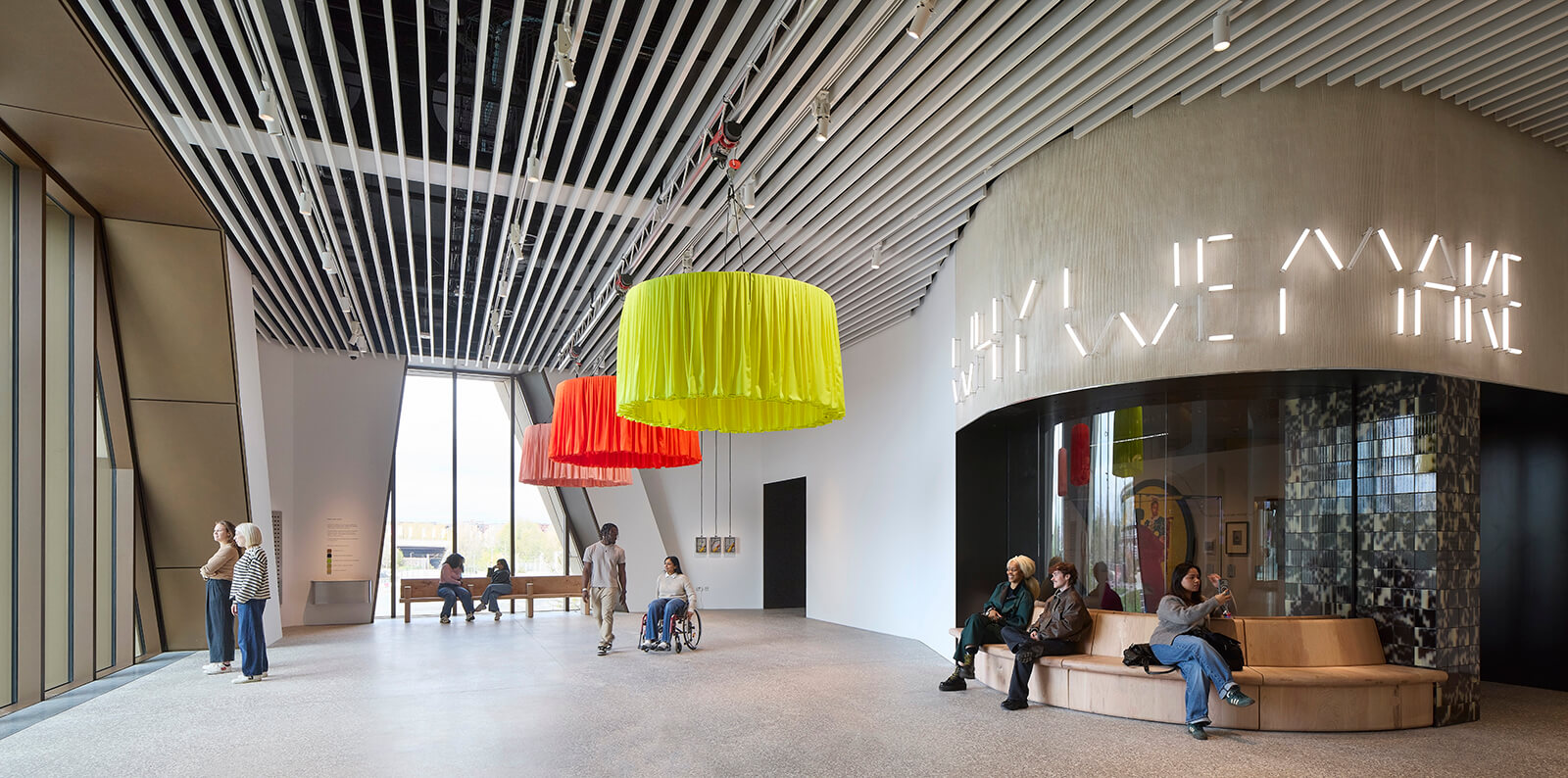
The length of the project was, in many ways, a gift, allowing the architects to ‘design’ the building twice, to meet with a number of people to understand exactly what was stopping people from using free public spaces and how a place could truly be ‘emotionally connected with the community’. “We met with youth groups, we met with men’s groups, we took a tour around where we took the plans out and showed them to people on the street in Stratford. We’ve had public exhibitions and one of our directors has spent a lot of time talking about the design, answering questions about the design and taking note of people's responses to the projects,” says Toumey.
“Architects should be able to converse with everybody using the same language. Cut the jargon and say what you mean,” says Toumey, and the building both reflects and observes that language, while naturally being the centre of conversation.
With the starkly contrasting developments of Here East and the glass facades of faceless residential developments nearby, such a striking angular building could have been imposing, but it sits comfortably on-site. The details the building proudly showcases as well as conceals—in its envelope, in its interiors, even the plaza and elsewhere—are there for the beholder to appreciate, but the use of language, both spoken and visual, plays an important role here.
O’Donnell talks of the contingent space, saying, “I think the materials choice is part of making it feel like it flows from the external world into the internal world. Expressive detailing is suppressed into the continuity of the experience.”
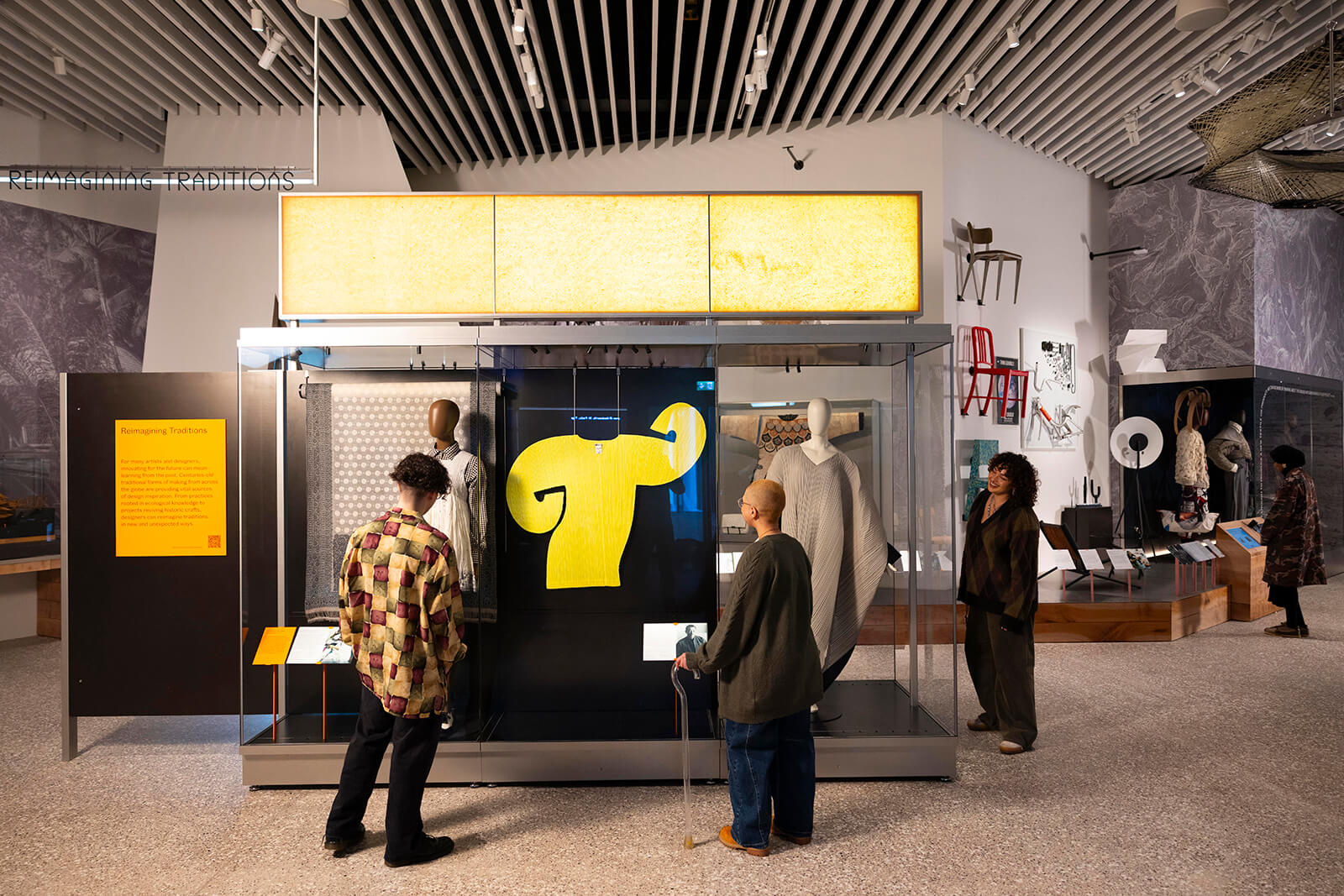
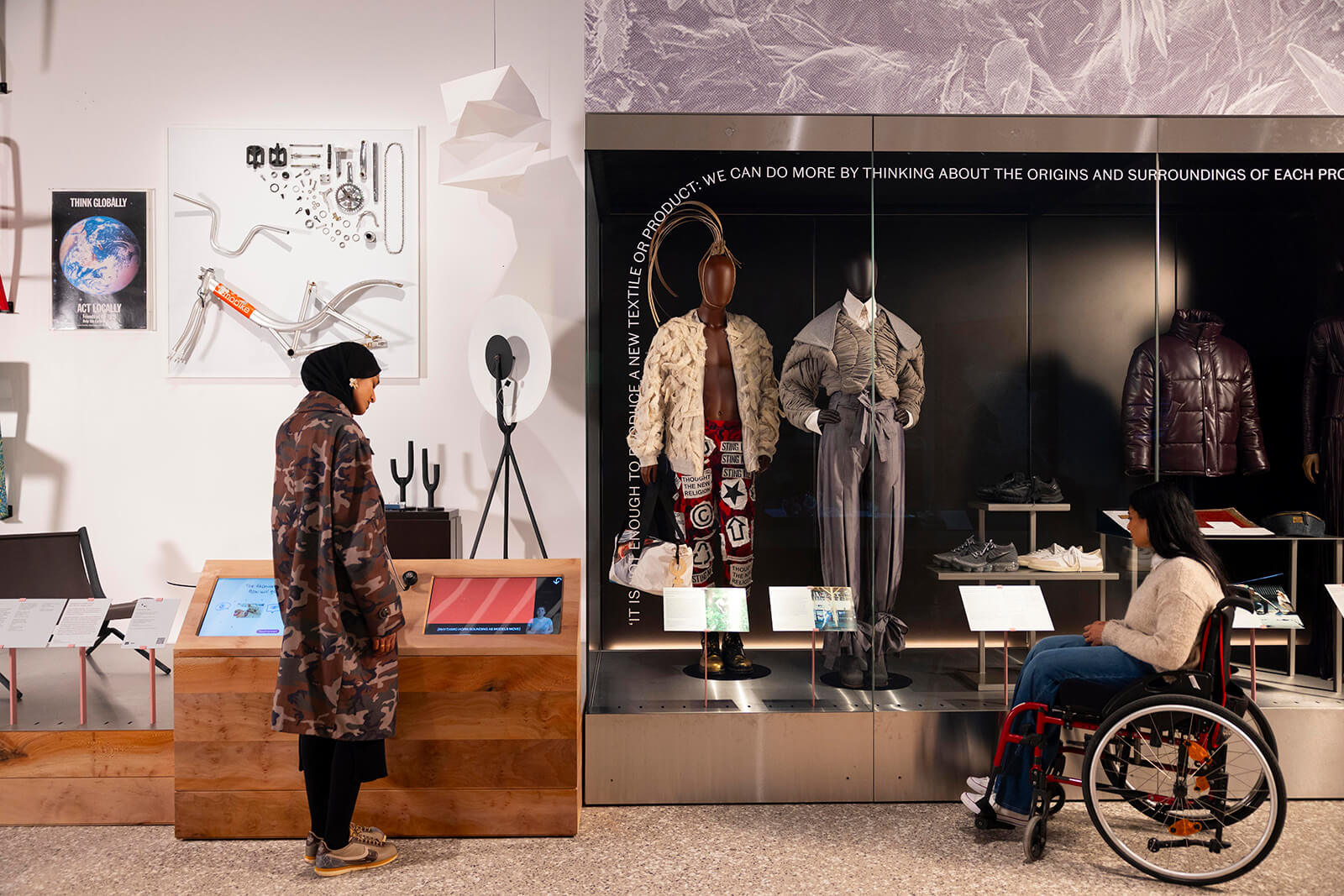
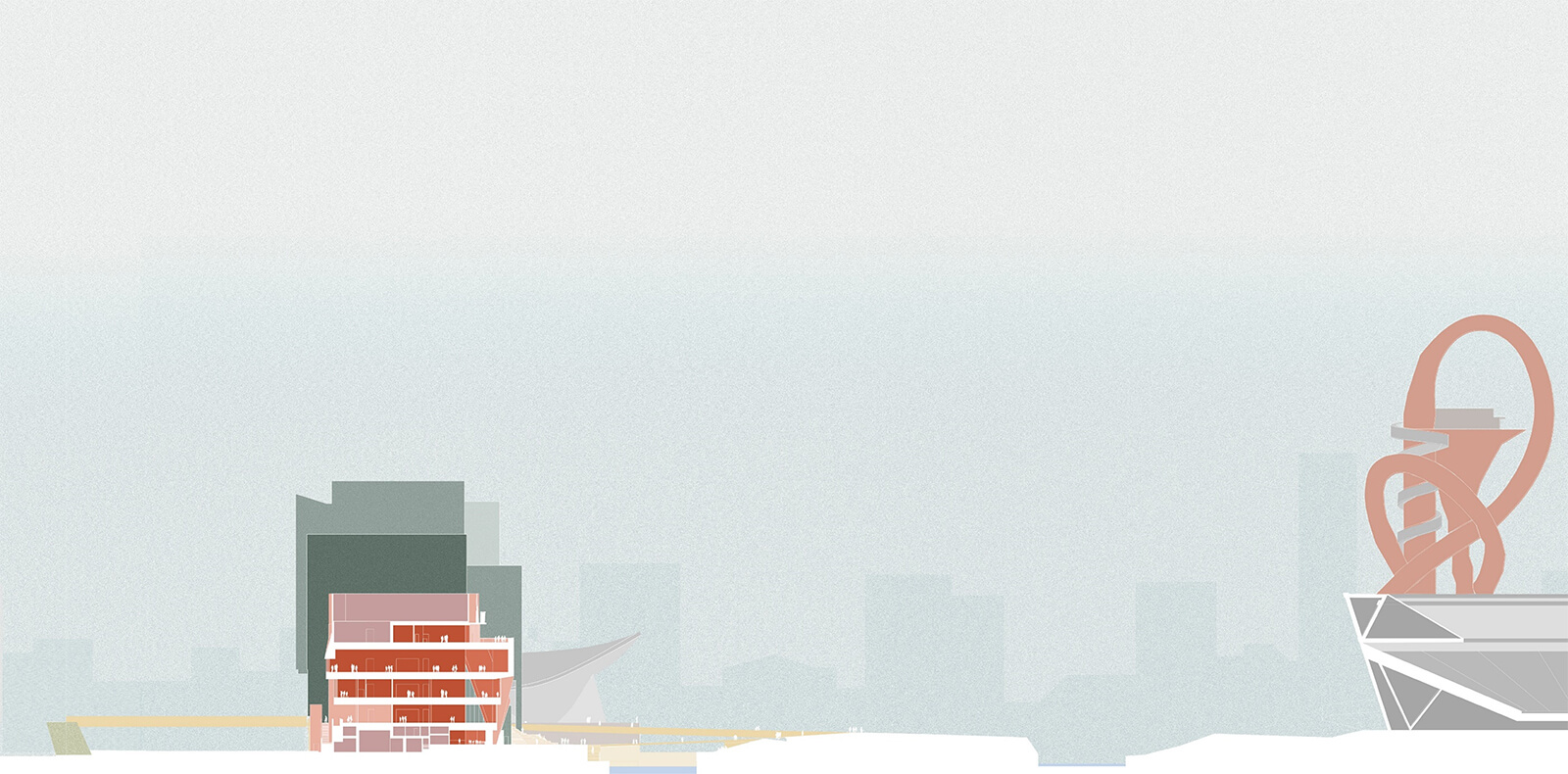
Inside, there are five public levels that fluidly work together, containing two permanent galleries, a 900 sq m temporary exhibition gallery, a top-floor project and events space, learning facilities and a café. The craftsmanship throughout and the subtlety of the details are a testament to the quality and the thoughtfulness of the design, creating a building that reads as a usable space for a range of people. Even when they hit bumps along the way, Jen McLachlan, Project Director at V&A East, stated that “trustees and the leadership were just really clear that we were only doing this once and quality is paramount”.
From the terrazzo concrete floors offering material continuity from the outside in, through to the visual simplicity and effectiveness of the use of shadow gaps throughout the building, there are numerous elements used to create a continuous visual language that invites people in. The shadow gap acts as “exactly the edge between those two conditions”, says Toumey in reference to the thick shell of the building and the flexible spaces within.
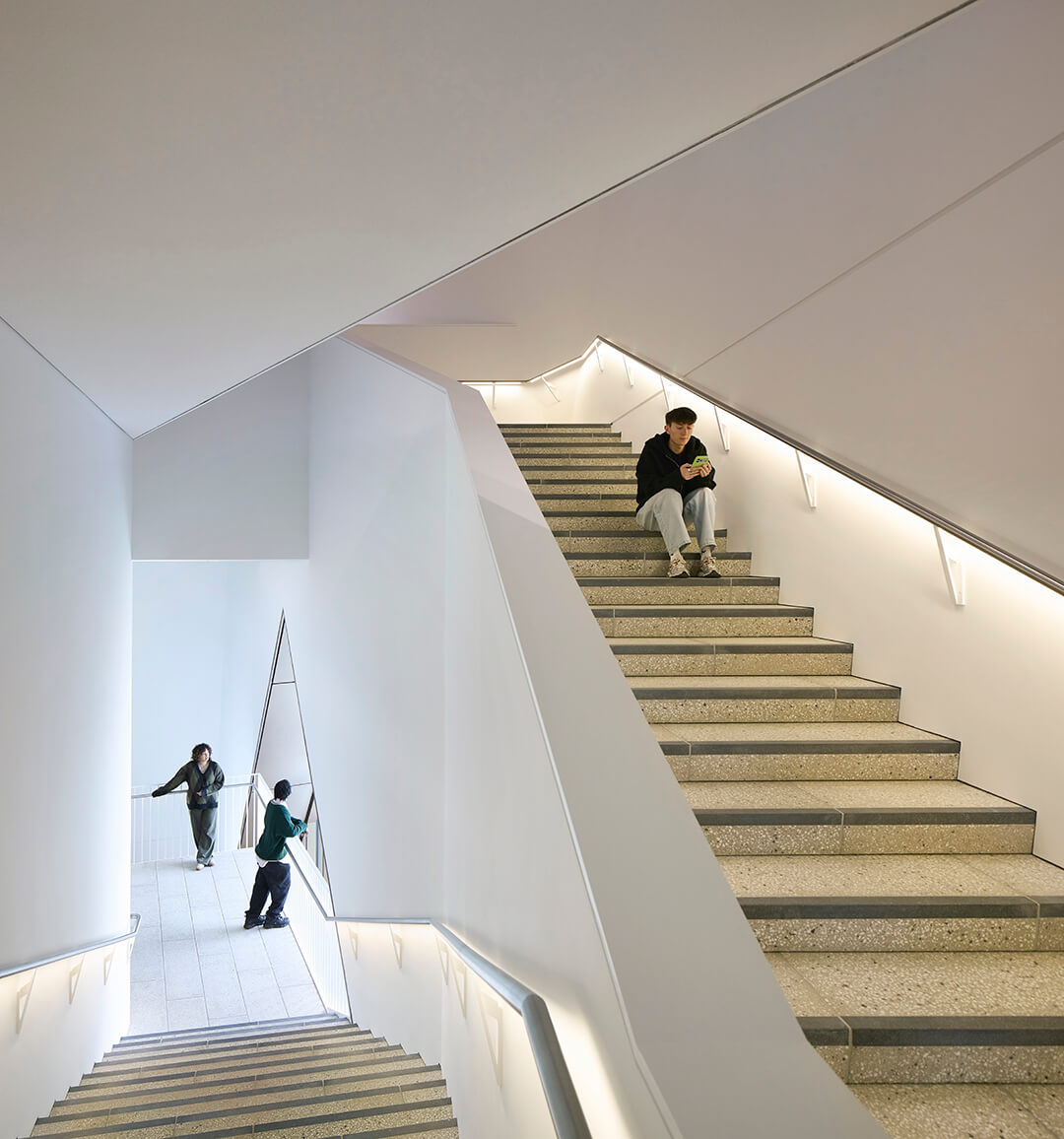
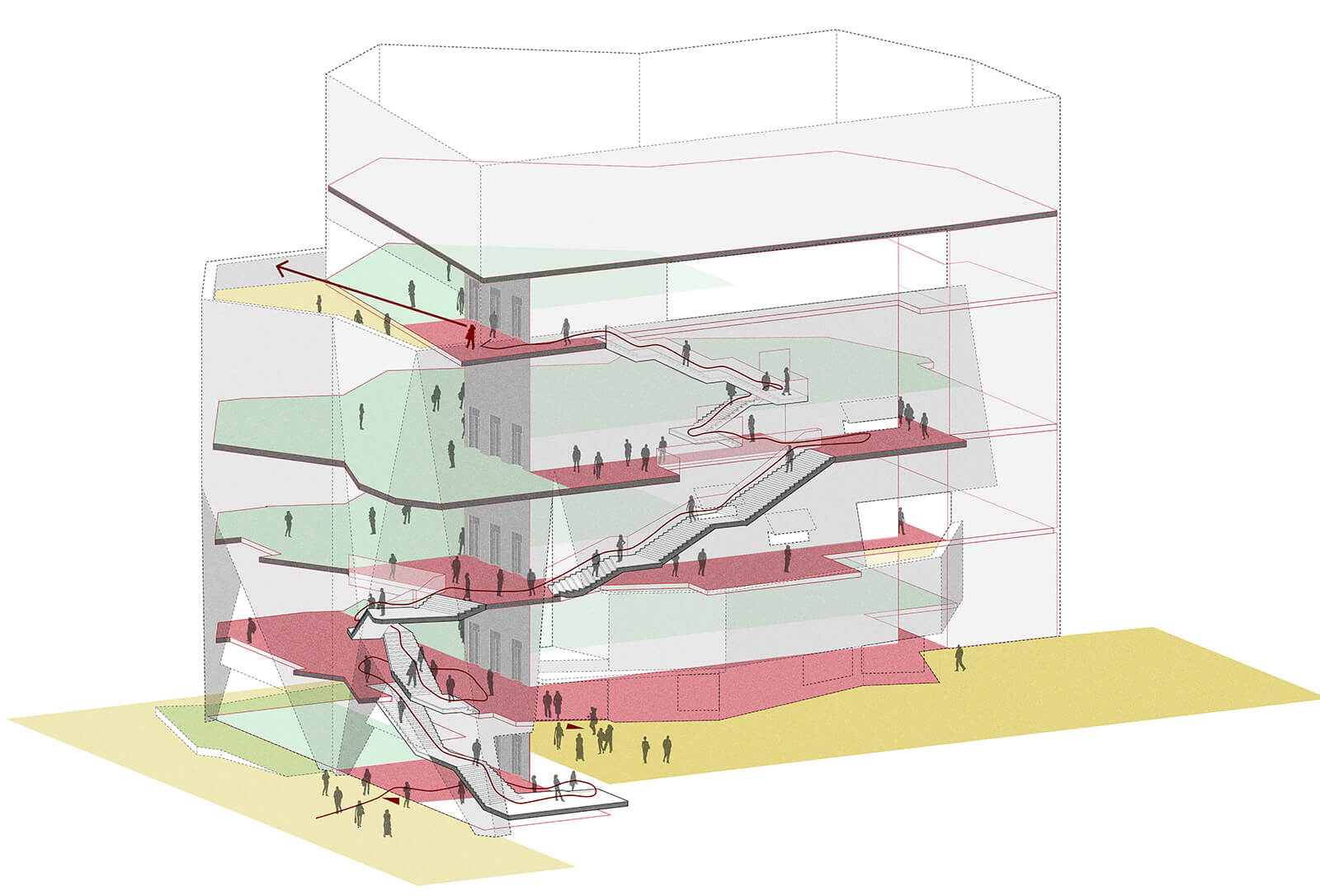
On a larger scale and in its spatial planning, these design choices go further: there are no bag checks or large desks to contend with when you enter from either entrance, and this continues through to the top of the building. As you move up through the levels, the stairs seem to move rhythmically with the visitor’s traversal too as they narrow and open up, beckoning curiosity; the soft lighting throughout complements this experience.
Then, there are what should be considered necessities for any public museum: the signage is clear, the spaces open and there are plenty of quality, comfortable seats. The windows throughout the circulation routes not only bring light in, but also offer moments to stop. For something so new, there is a completeness to the space; it feels established already.
Toumey described the building as ‘a tree for others to come nest in’, reiterating the community aspect in its design as well as its function and conception. Part of the success of this long-ongoing project is then down to the V&A East Youth Collective. A programme that has been in operation for over five years, members of the collective have been consulted on the project at all levels. It operates as more than just a mentoring and access programme; participants have been involved in everything from co-curation to sitting on the selection panels for the gallery fit-out tenders.
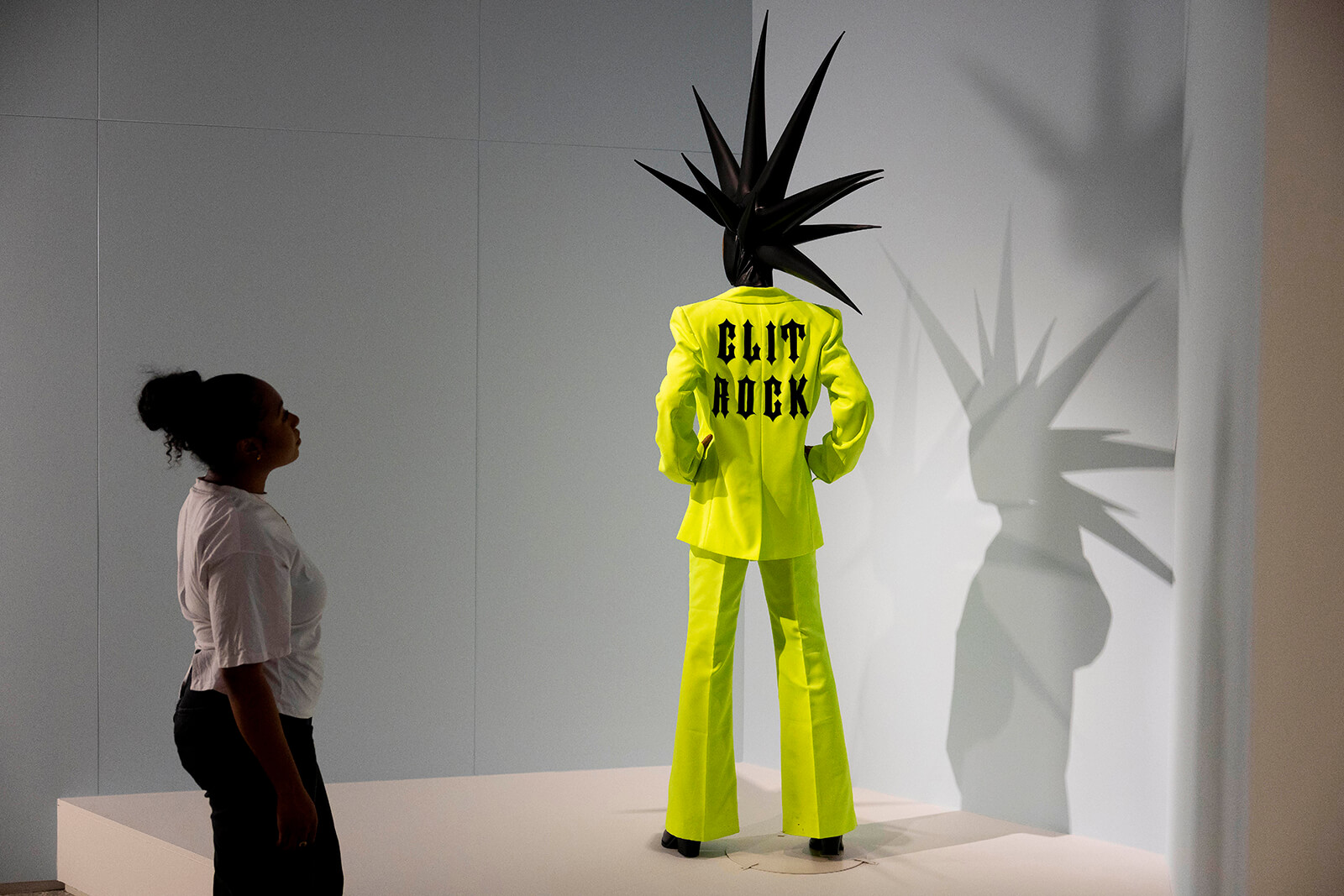
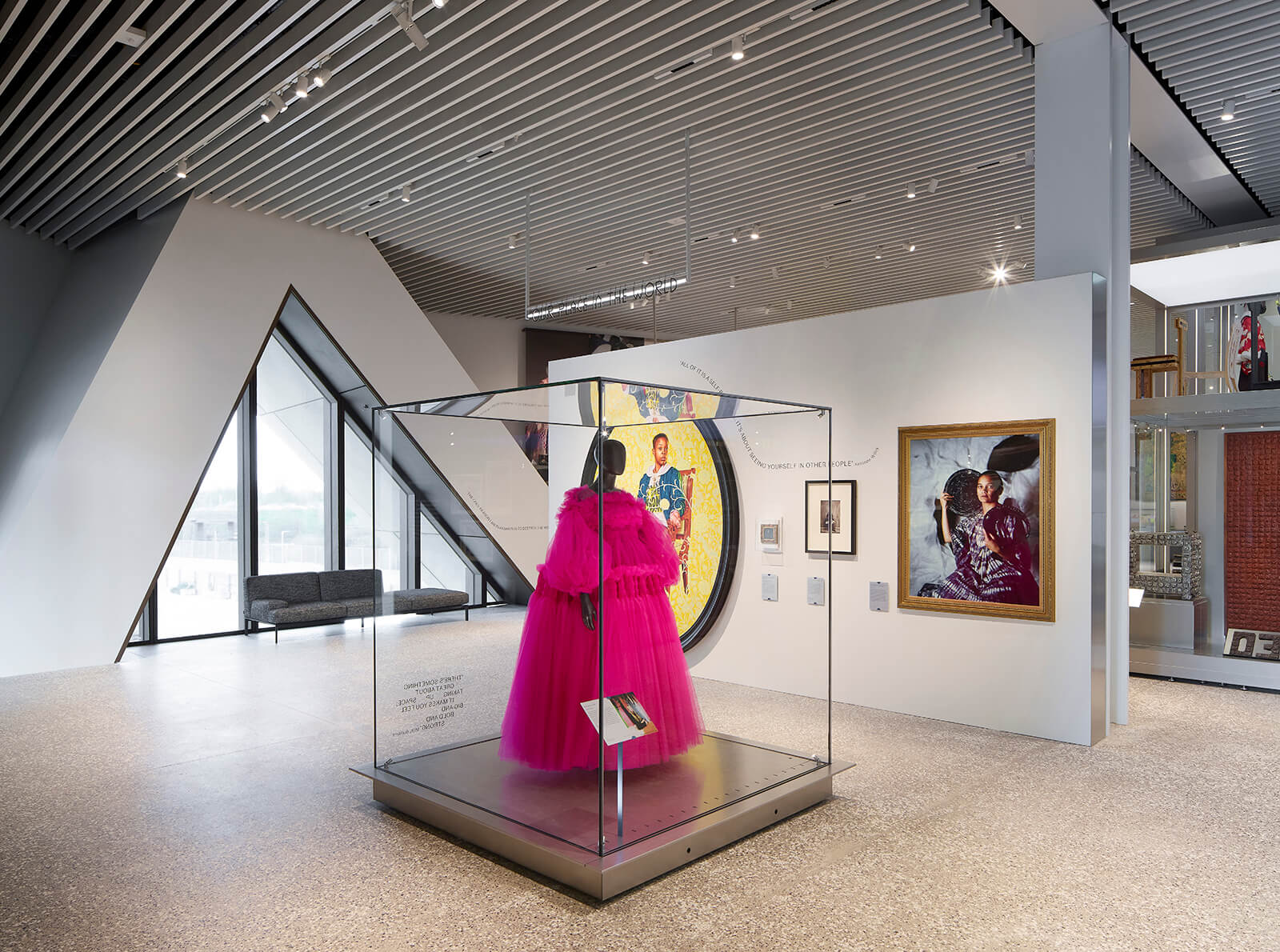
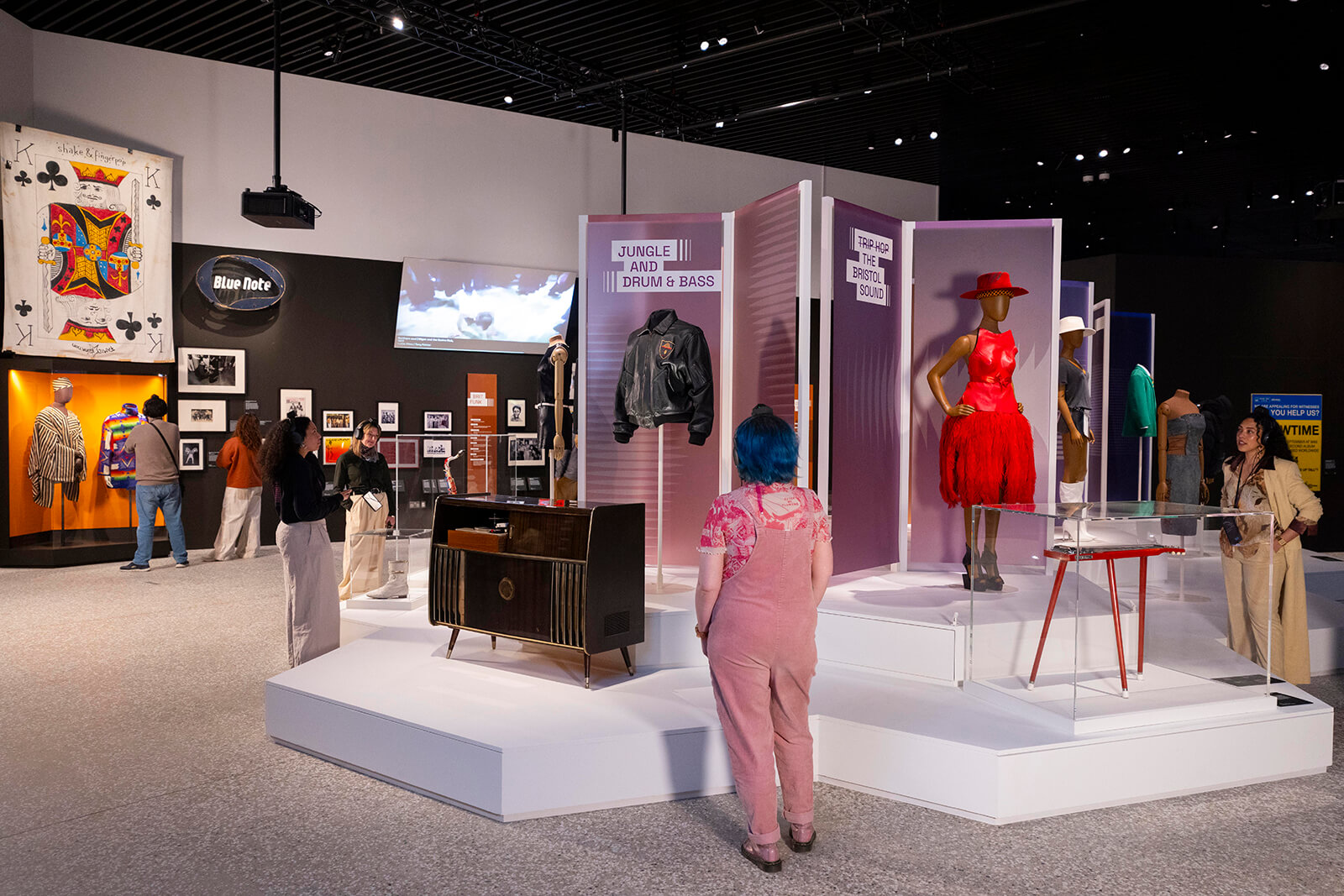
The breadth of curators, creatives, designers and makers, many from East London, enliven the museum galleries with their work and contributions. The free to visit, permanent Why We Make galleries, designed by JA Projects in collaboration with A Practice for Everyday Life, Larry Achiampong and the V&A East Youth Collective present a feast for the eyes with an array of items from the V&A collections. These are interestingly brought together in a refreshing approach blending items across times, countries and cultures with a fit-out to match.
‘X selects’ displays within the galleries deepen the ties of the building to its location. East London-based creatives, photographer Tom Hunter and artist and designer Sahra Hersi, are the first to take part in these rotating displays. Hersi’s work is particularly sensitive and engaging, with an exploration of how public space can hold a sense of home being central to her practice. Several new works have also been commissioned for both V&A East and the Storehouse, tying the new buildings together in their decidedly bold approaches.
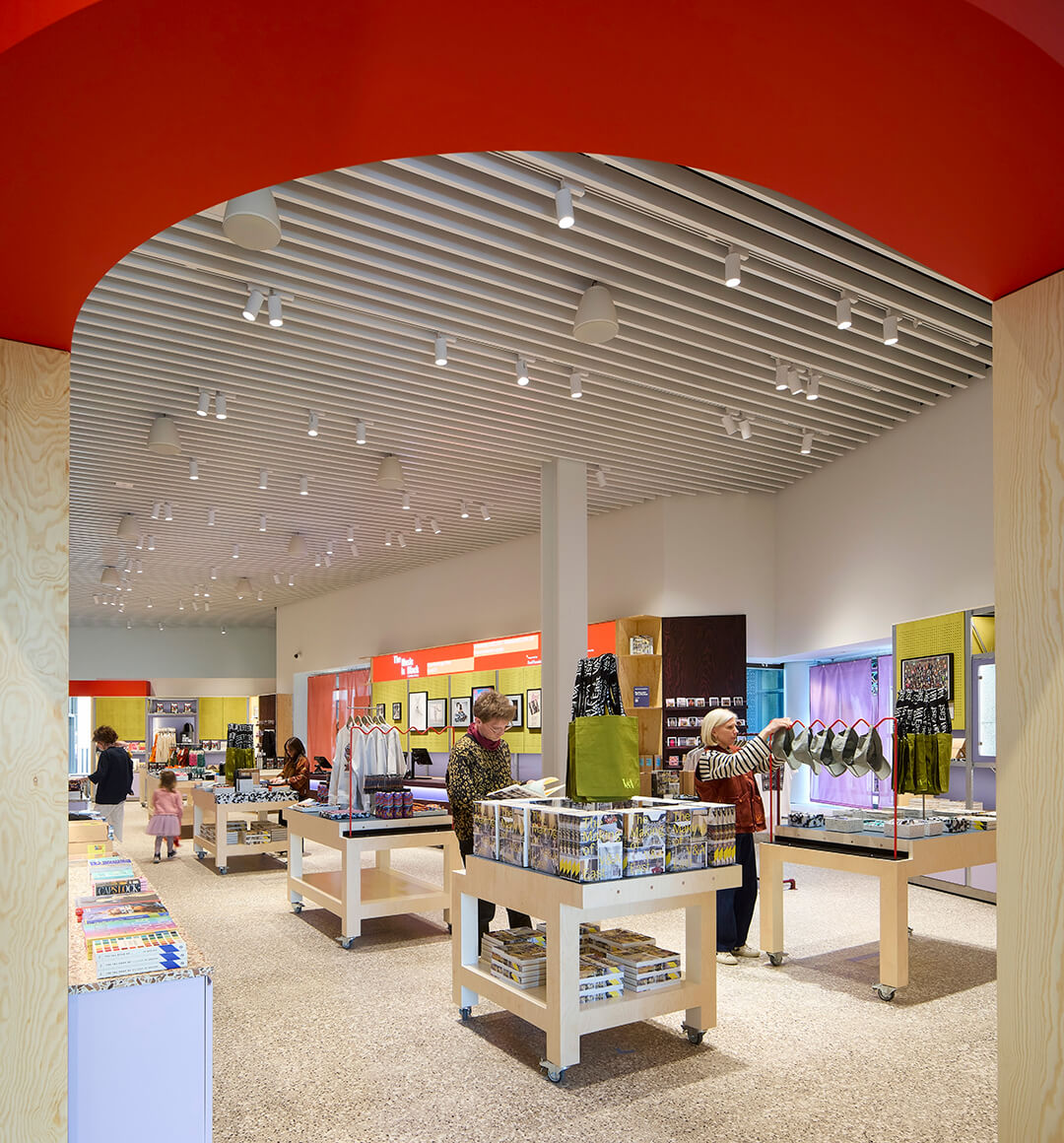
Studio Mutt were similarly aligned on the brief in creating retail spaces that carried the same consideration for materiality and craftsmanship as O’Donnell + Toumey, and producing units that appear both robust and refined. The flexibility of these spaces and the units allows for the building to once again be taken over by the community, and for the shop to additionally function as a space to ‘hold events, meet and dwell’.
The Thomas J Price sculpture sitting proudly out front of the building is a beacon of belonging as opposed to inclusion, the two following a razor-thin distinction. Many people have wondered how the building was designed around the sculpture, but it wasn’t; it came later. McLachlan coheres, “She doesn’t feel like she’s making a statement and in lots of other places she would…That’s a sense of belonging.”
As the building opens to the public and settles into the site, belonging—not induced, but experienced effortlessly—seems to be the continual narrative throughout. And that so often comes back to the question of language: architectural, curatorial, visual and spoken, both around the building itself and in the objects inside. Toumey summarises it aptly: “If you can come out of the cinema and talk about the film you’ve seen, or go to a play and tell your mother about the play, you should be able to discuss architecture with anyone.”
It is a place that builds on the V&A East Storehouse’s inimitable footprint to truly democratise the institution’s collections and to incorporate that democracy in the experience of the building. Intangible? Maybe. Unachievable? Perhaps not.
by Pranjal Maheshwari Oct 19, 2026
The Mumbai-based architects integrate courtyards, mesh screens and north light trusses to create a dining space that doubles up as a community hub at SR University, Warangal.
by Mrinmayee Bhoot Oct 17, 2026
The Rotterdam-based institute centres the Indian Ocean as a network for exploring material histories and transnational links shaping coastal cultures, positing them as future models.
by Pranjal Maheshwari Oct 16, 2026
At the 2026 Stirling Prize ceremony, Mary Duggan with RUFF Architects, MAKER Architecten and Nakshabid Architects were felicitated for proffering quality housing and social equity.
by Mrinmayee Bhoot Oct 12, 2026
The new Centre for Contemporary Arts, fostering public engagement with art in Uzbekistan, is housed in a tram depot refurbished by the French studio, emulating local craftsmanship.

make your fridays matter with a well-read weekend
Enter your details to sign in
Don’t have an account?
Sign upOr you can sign in with
a single account for all
STIR platforms
All your bookmarks will be available across all your devices.
Stay STIRred
Already have an account?
Sign inOr you can sign up with
Verification link sent to check your inbox or spam folder to complete sign up process
Tap on things that interests you.
Select the Conversation Category you would like to watch
Please enter your details and click submit.
Enter the 6-digit code sent at


V&A East: Angular and eyecatching, a lesson in detail at London’s newest museum
by Lucy Pickford | Published on : Apr 24, 2026


 Sign in with Google
 Sign in with email
What do you think?