Design08 mins. read
5VIE centres perception through the Qualia of Things at Milan Design Week 2026
by Bansari PaghdarApr 07, 2026



by Bansari PaghdarPublished on : Apr 24, 2026
In 1937, Uzbek writer Hamid Olimjan (1909-1944) composed, When the apricot tree blossoms, a poem that celebrates spring, hope and resilience. In it, he speaks of flowers on branches, morning winds and fragrance of the blossoms as signs of the season. Inspired by the poem’s title and essence, the design exhibition, When Apricots Blossom, depicts design and craft as tools for landscape regeneration in the face of ecological crises. Commissioned by Gayane Umerova, chairperson of the Uzbekistan Art and Culture Development Foundation (ACDF), the exhibition is on view at the 18th-century Palazzo Citterio in Milan’s from April 20 - 26, 2026, presented as part of the ongoing Milan Design Week 2026.
The pavilion’s curation and design, led by Thailand-born architect and WHY Architecture-founder Kulapat Yantrasast, focuses on the three central pillars of northwestern Uzbekistan’s Karakalpak culture—textile, food and shelter. The spatial narrative positions craft as a system of knowledge, echoing memory, identity and generational adaptations. “I really love cross-cultural collaborations. Culture is more than identity, it reflects who we are. The sense of empathy and sharing is why we chose common grounds, shelter, food and clothing, because anyone from any culture can relate to it,” Yantrasast tells STIR in an exclusive interview.
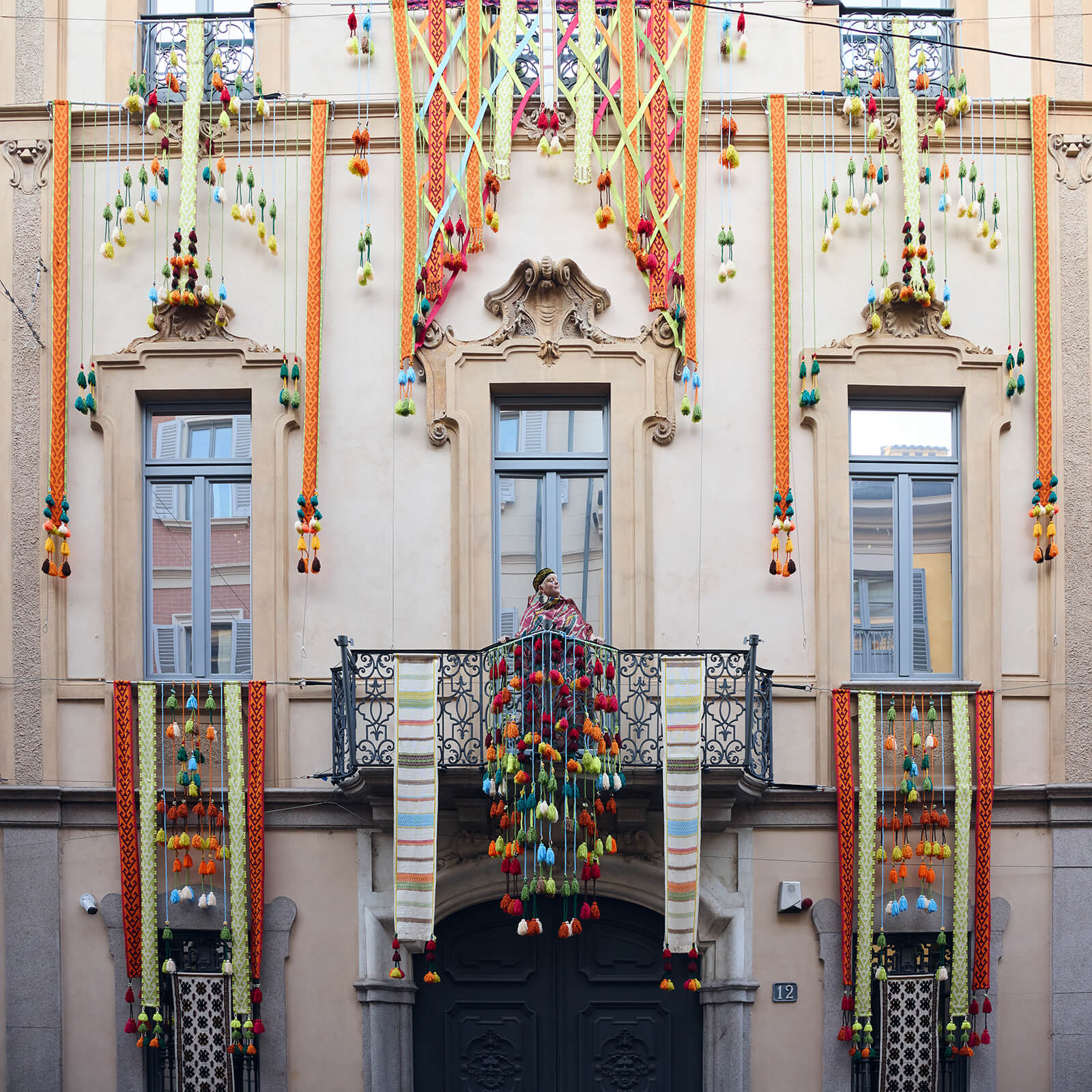
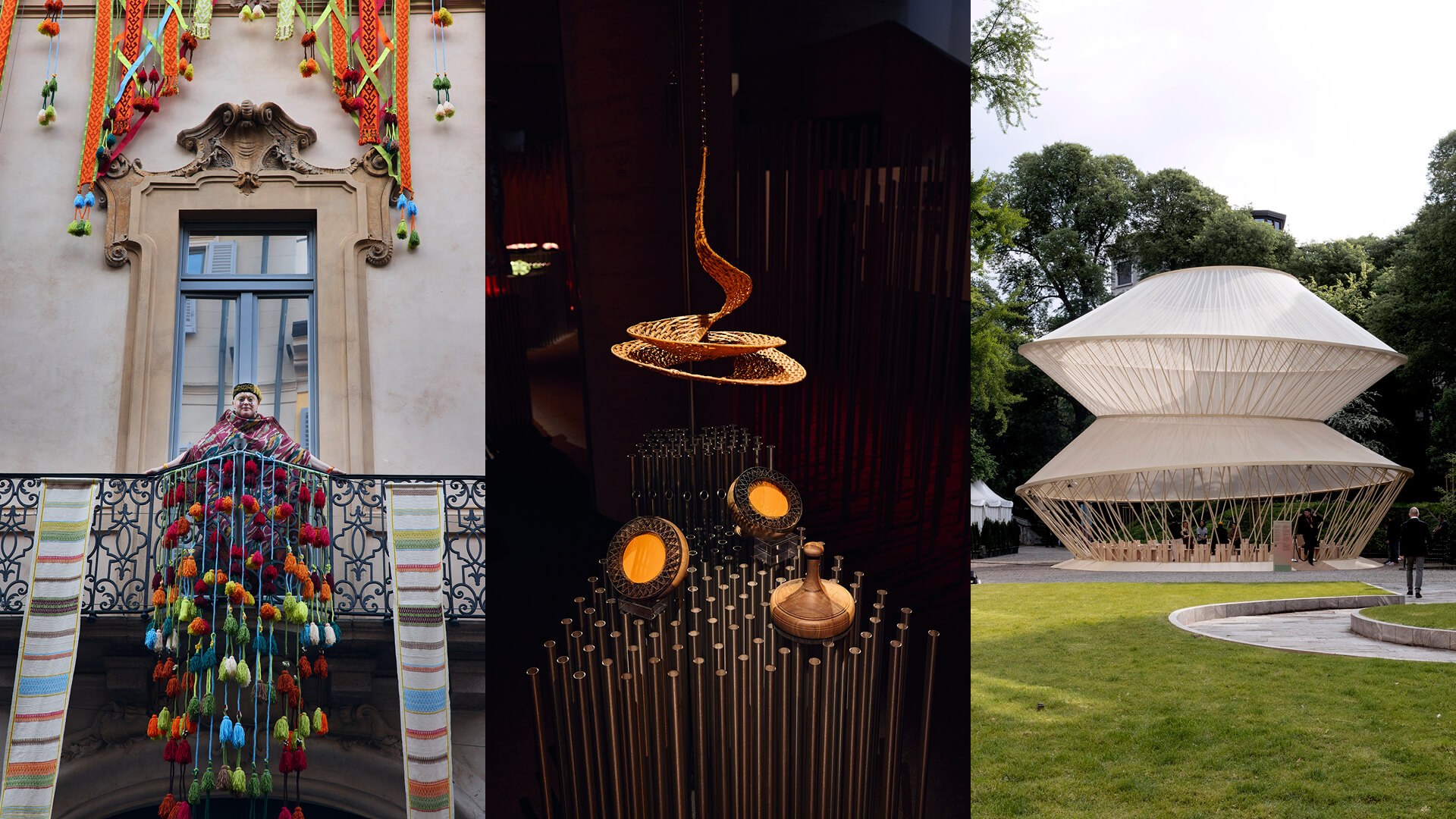
The takeover of the palazzo entails several installations and displays, beginning with multidisciplinary designer Bethan Laura Wood’s cascading tassels at the entrance, stitched with woven ribbons and textiles. Bringing the Inside Out, created with Karakalpak and Uzbek craftsmen, draws from the ornamentation of yurts, traditionally decorated with tassels. Something about their movement, according to Wood, hints at the flows of water and architecture, and the yurt-inspired elements move across these design languages to create an entrance that connects the past with the present. When the visitors arrive at the courtyard, a kurpacha—a traditional padded mattress that is used as seating across Central Asia—invites them to take a pause and allow themselves to be present in the moment. As the visitors rest on the kurpachas, crafted in Margilan in eastern Uzbekistan, they are served apricot sherbet, a traditional Uzbek drink.
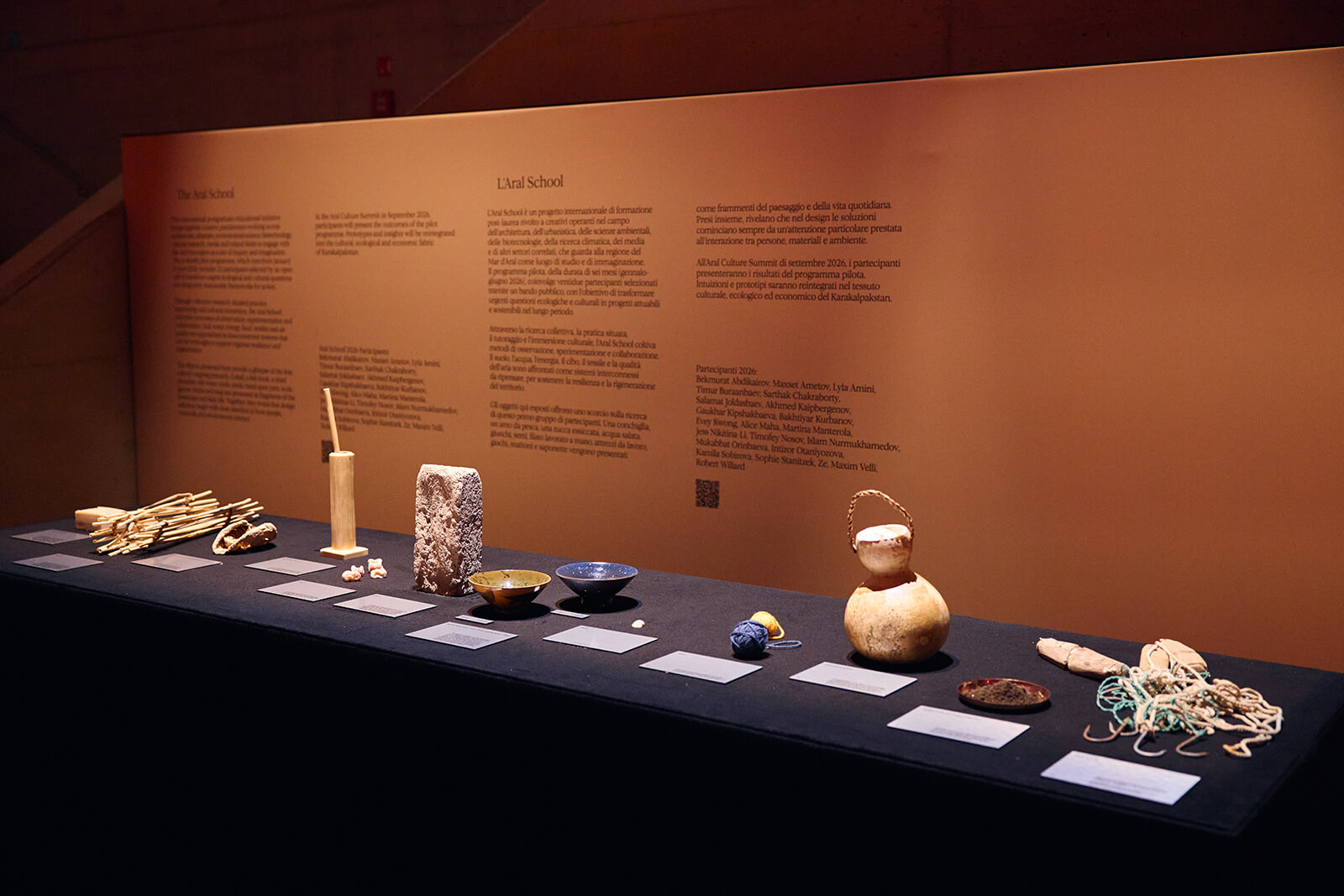
After familiarising themselves with glimpses of Uzbek culture within the historical built environment in Italy, visitors arrive at a gallery where ACDF’s long term initiatives in the Aral Sea region are displayed. Ecological education programme Aral School—based in Karakalpakstan’s capital Nukus—and educational and experimental platform Aral Culture Summit bring their research and artefacts to this display.
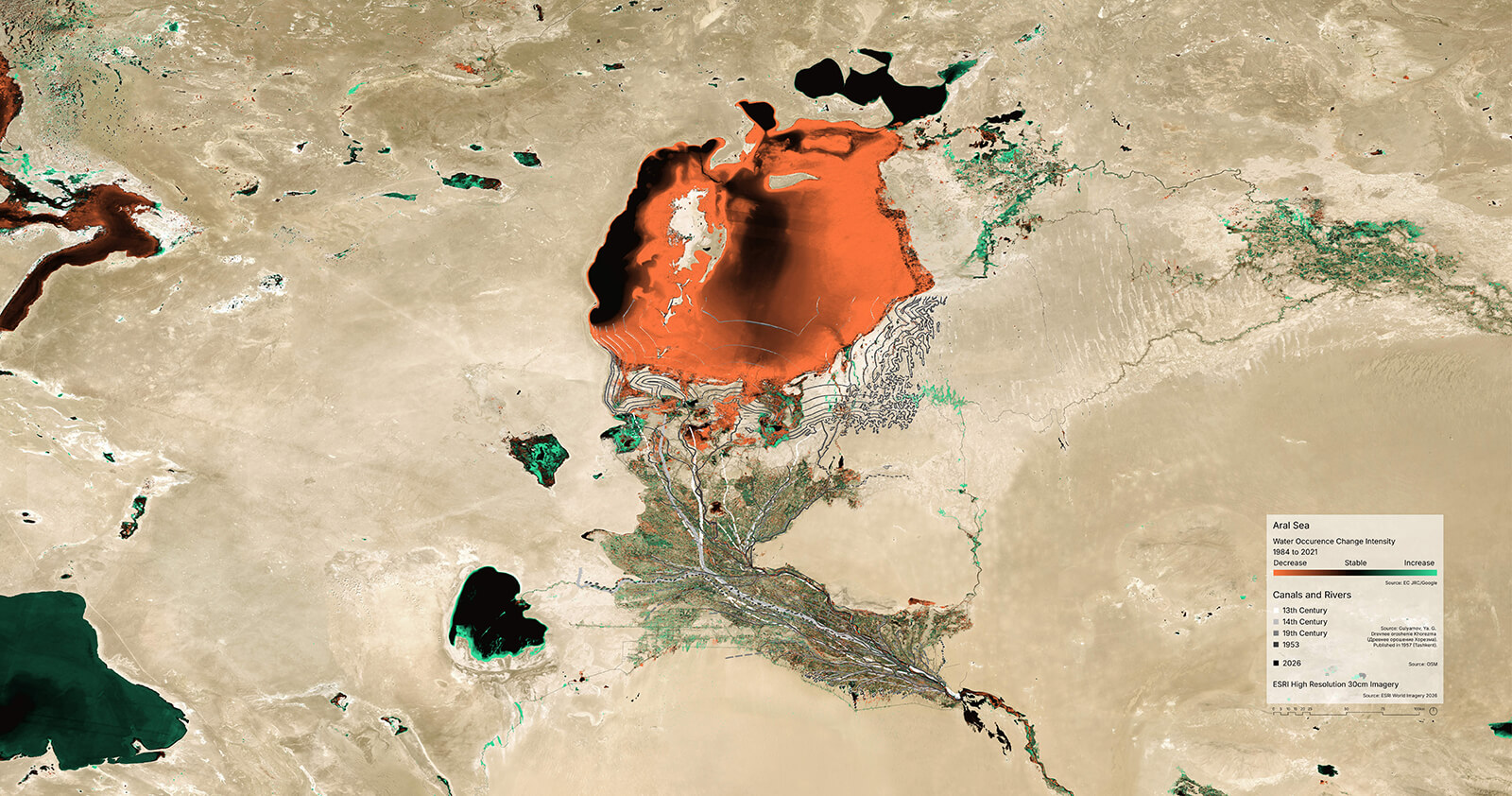
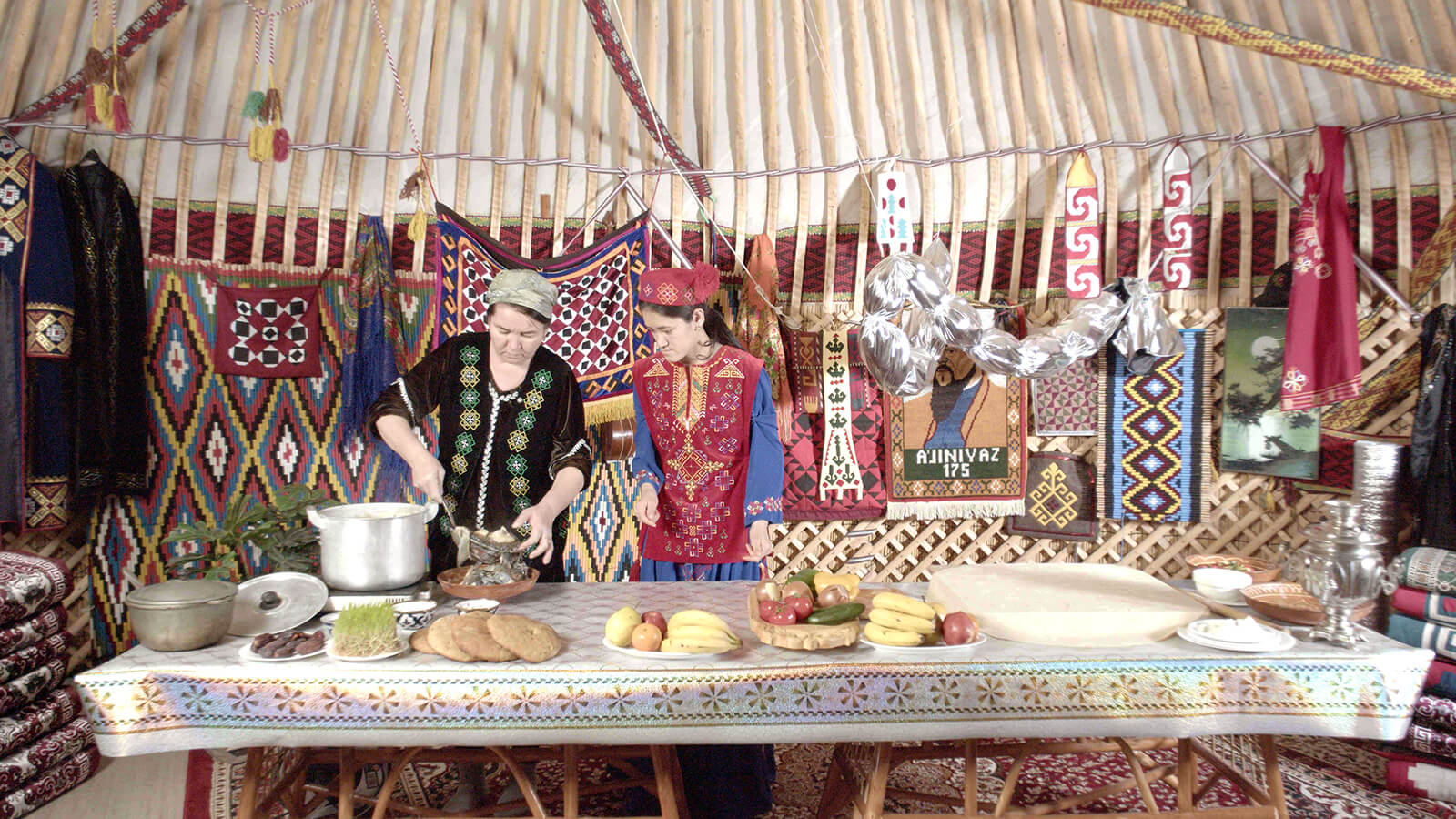
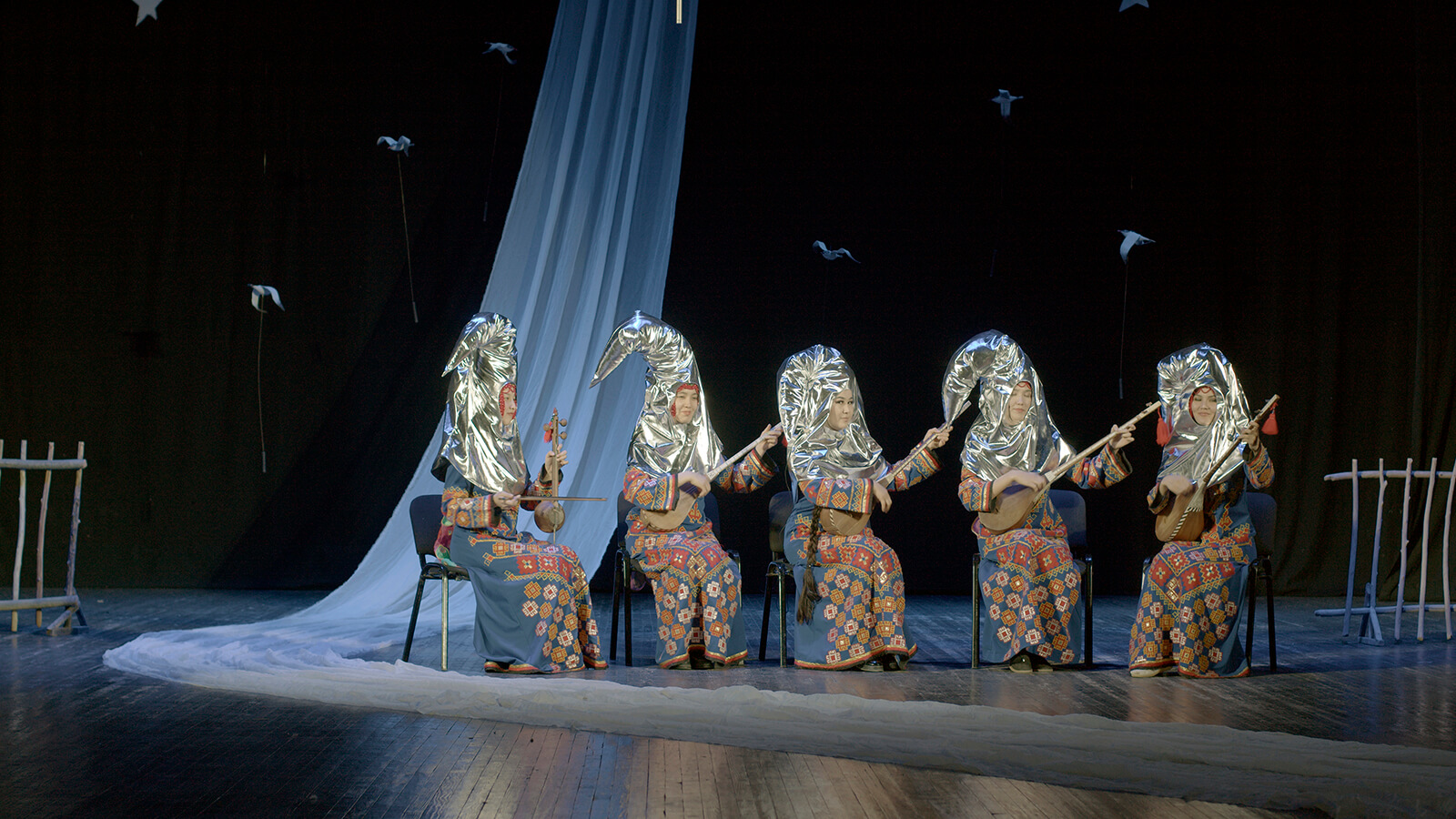
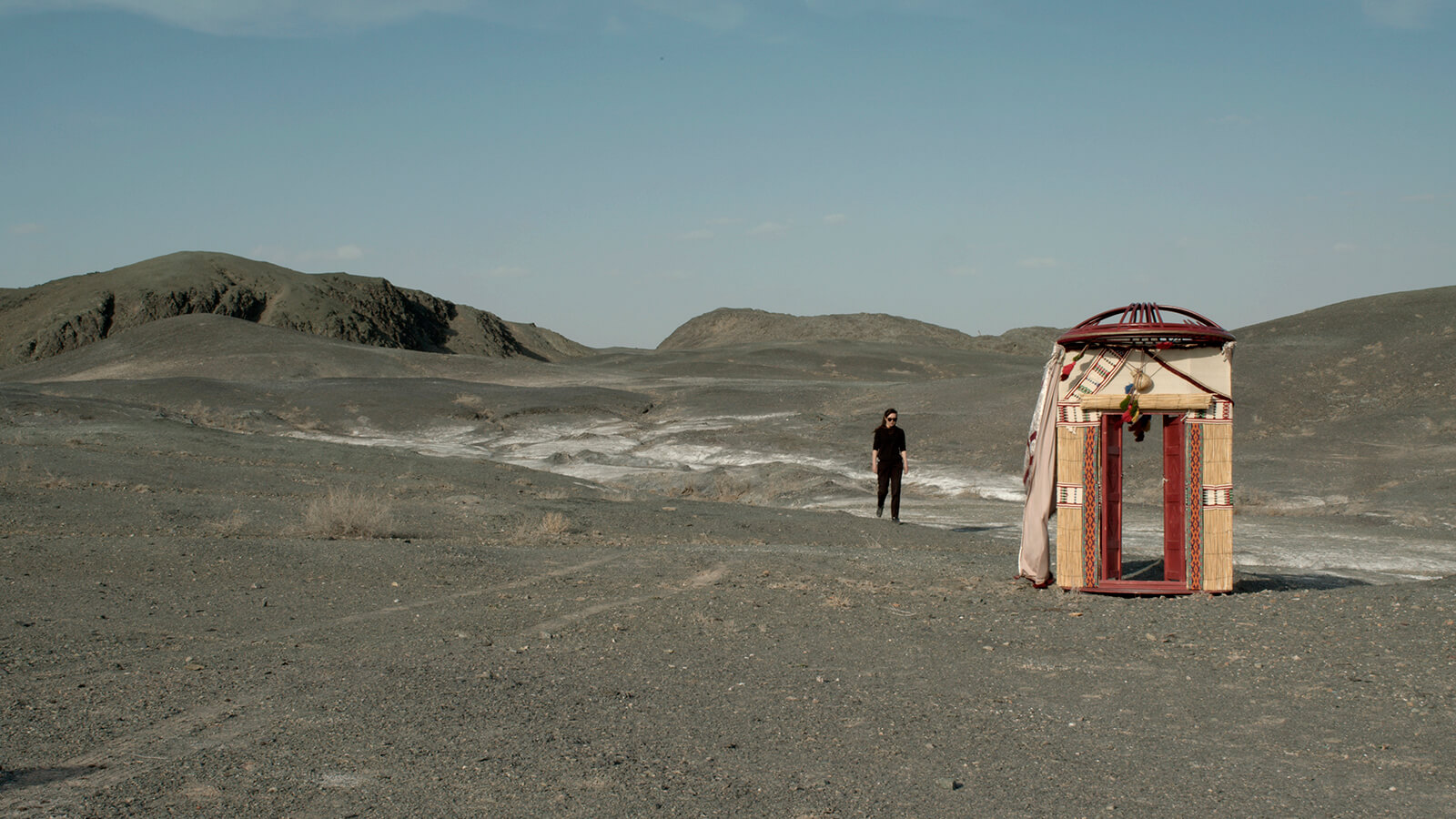
Part of the main exhibition is Where the Water Ends, a film by filmmaker Manuel Correa and architect Marina Otero Verzier. In the face of the rapid disappearance of the Aral Sea, the film follows the last generation of Karakalpakstan inhabitants to remember life with the sea. The film takes visitors through their rituals and traditions that were preserved and passed on to later generations through poetry, music and recipes. By staging collective decision-making processes and performances, memories of its local culture as well as the sea itself are invoked, recorded and propagated. Through displays such as a cooking demonstration by Karakalpak YouTuber Bayrangul, a Nukus Philharmonic concert and a poetry recital together become gestures addressed to the past, attempting to move and inspire upcoming generations to preserve all that is carried on and nurtured by the Aral Sea.
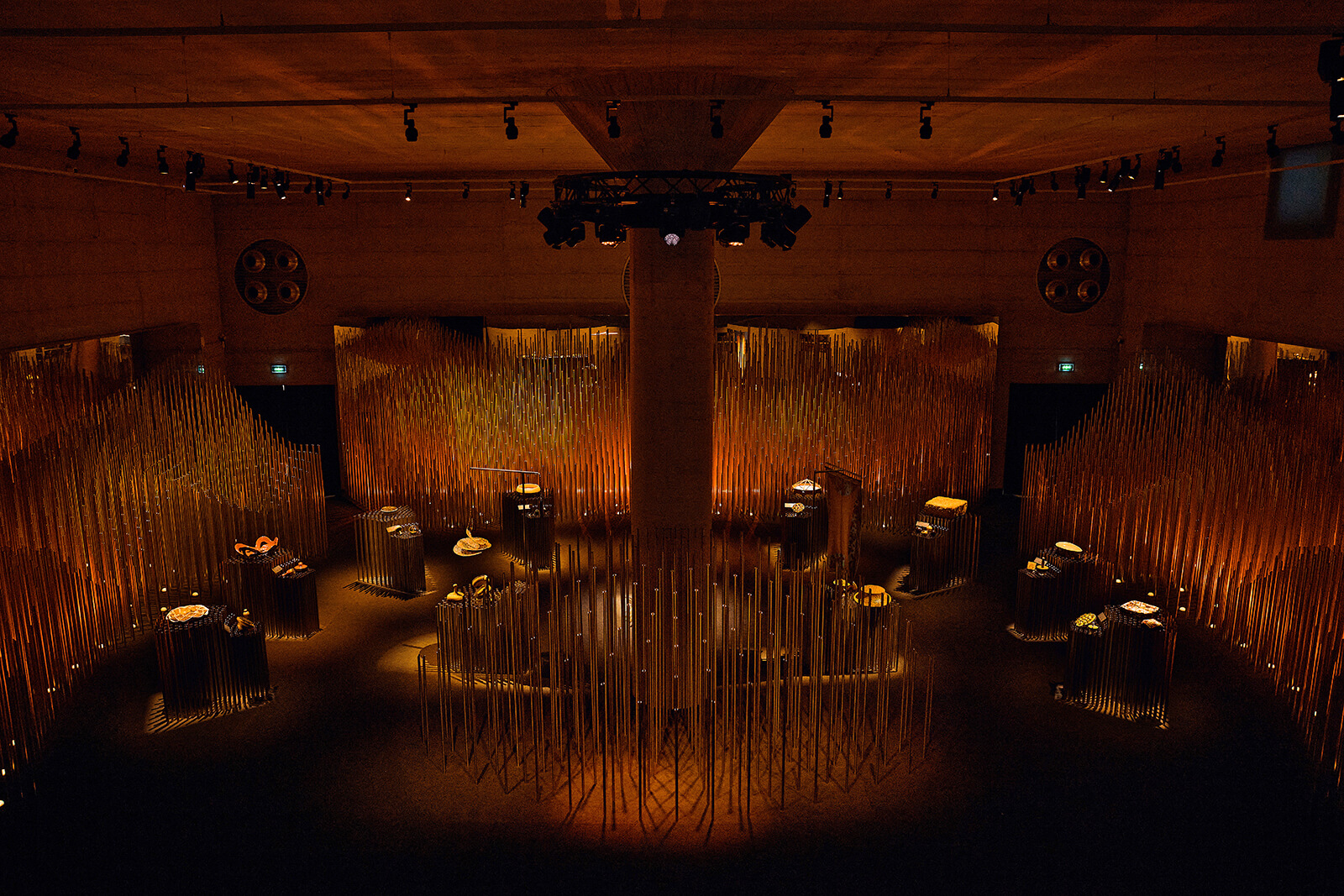
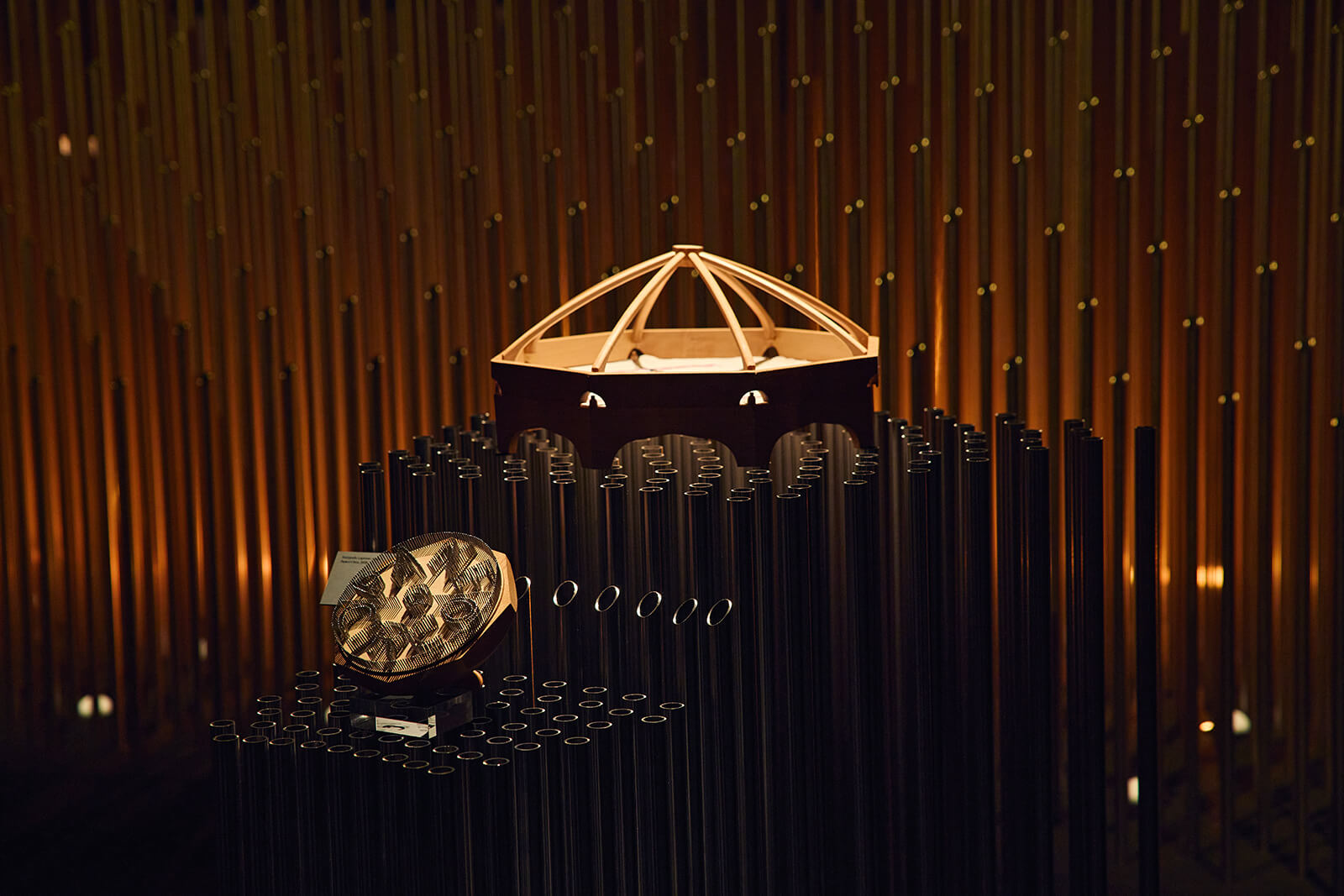
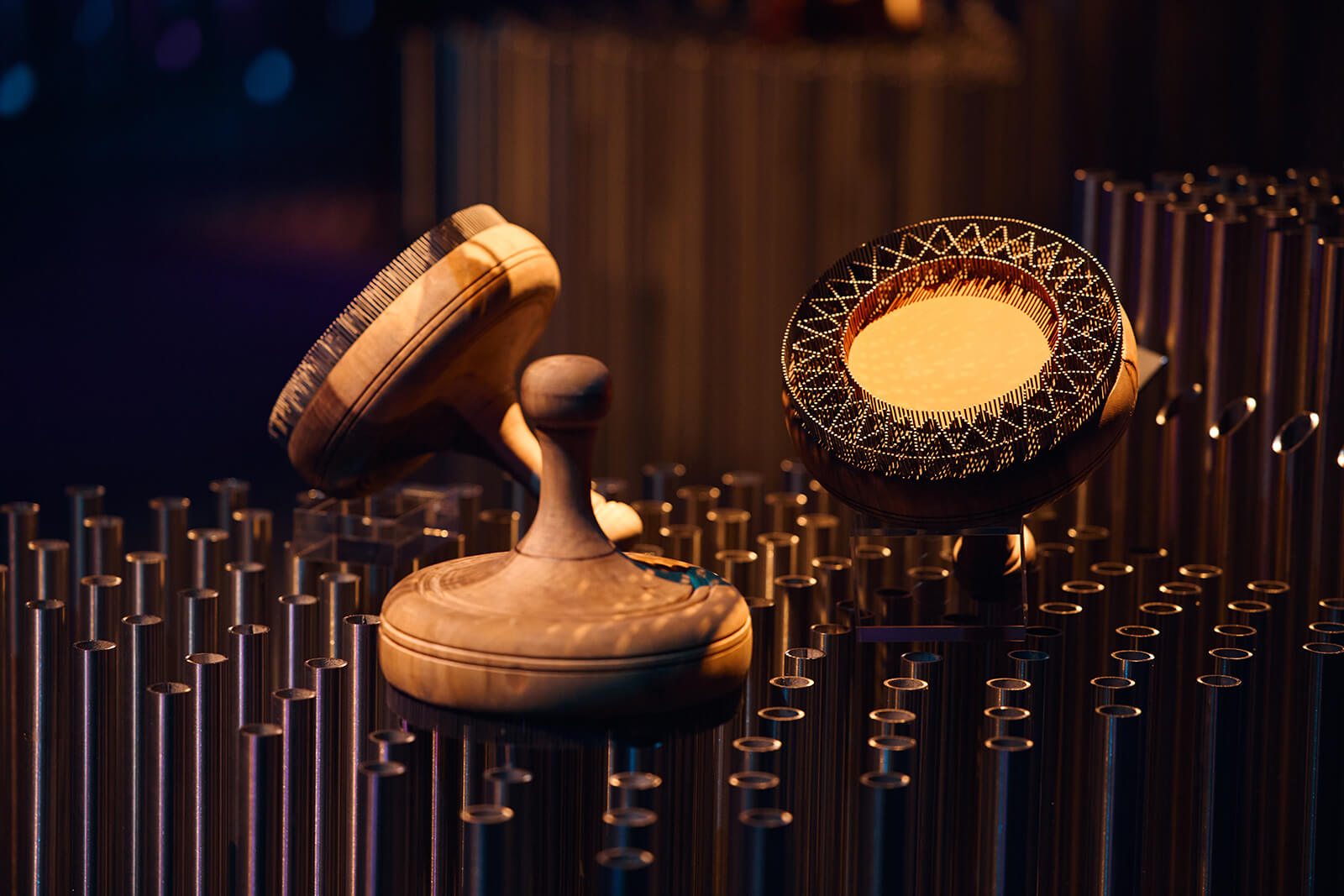
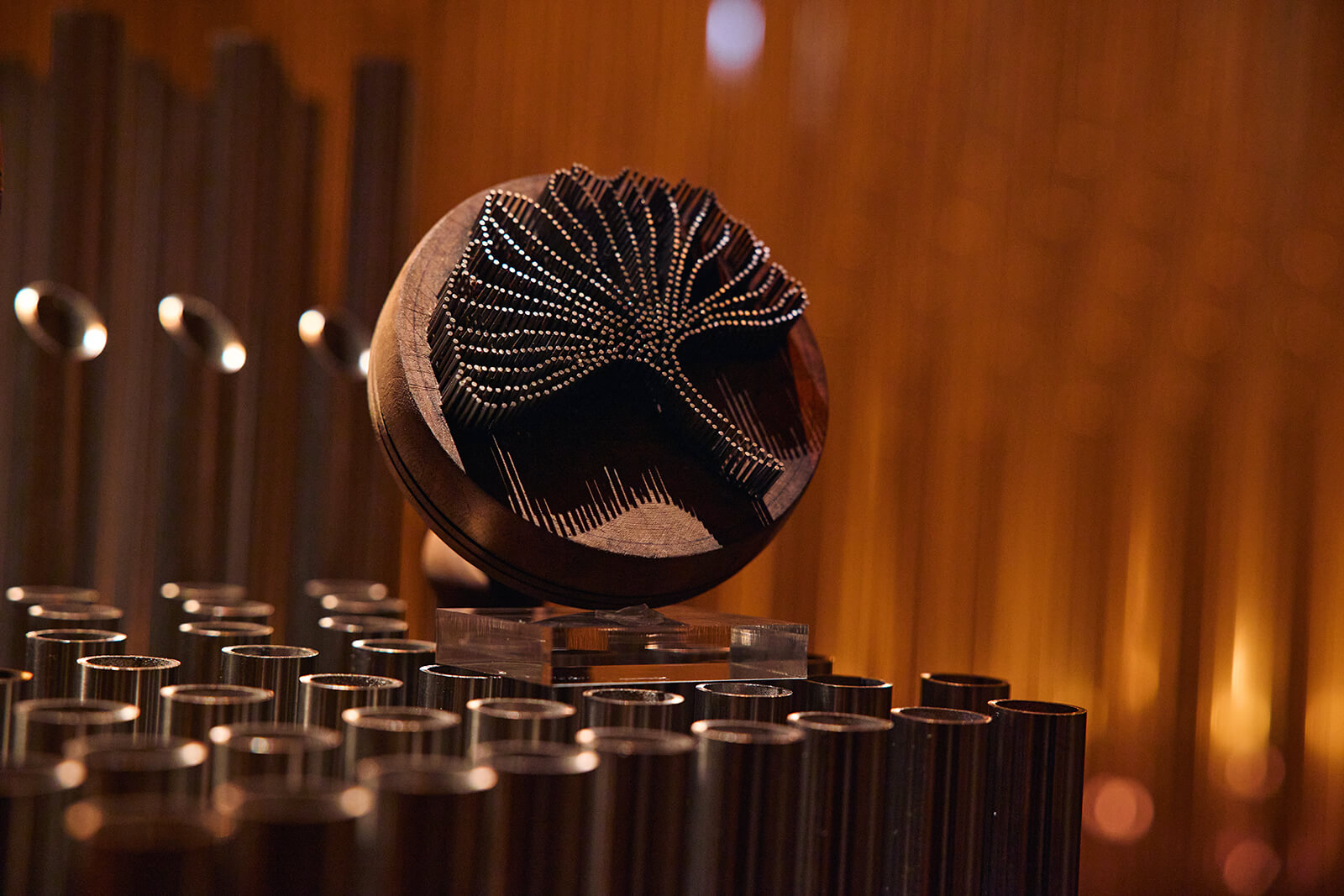
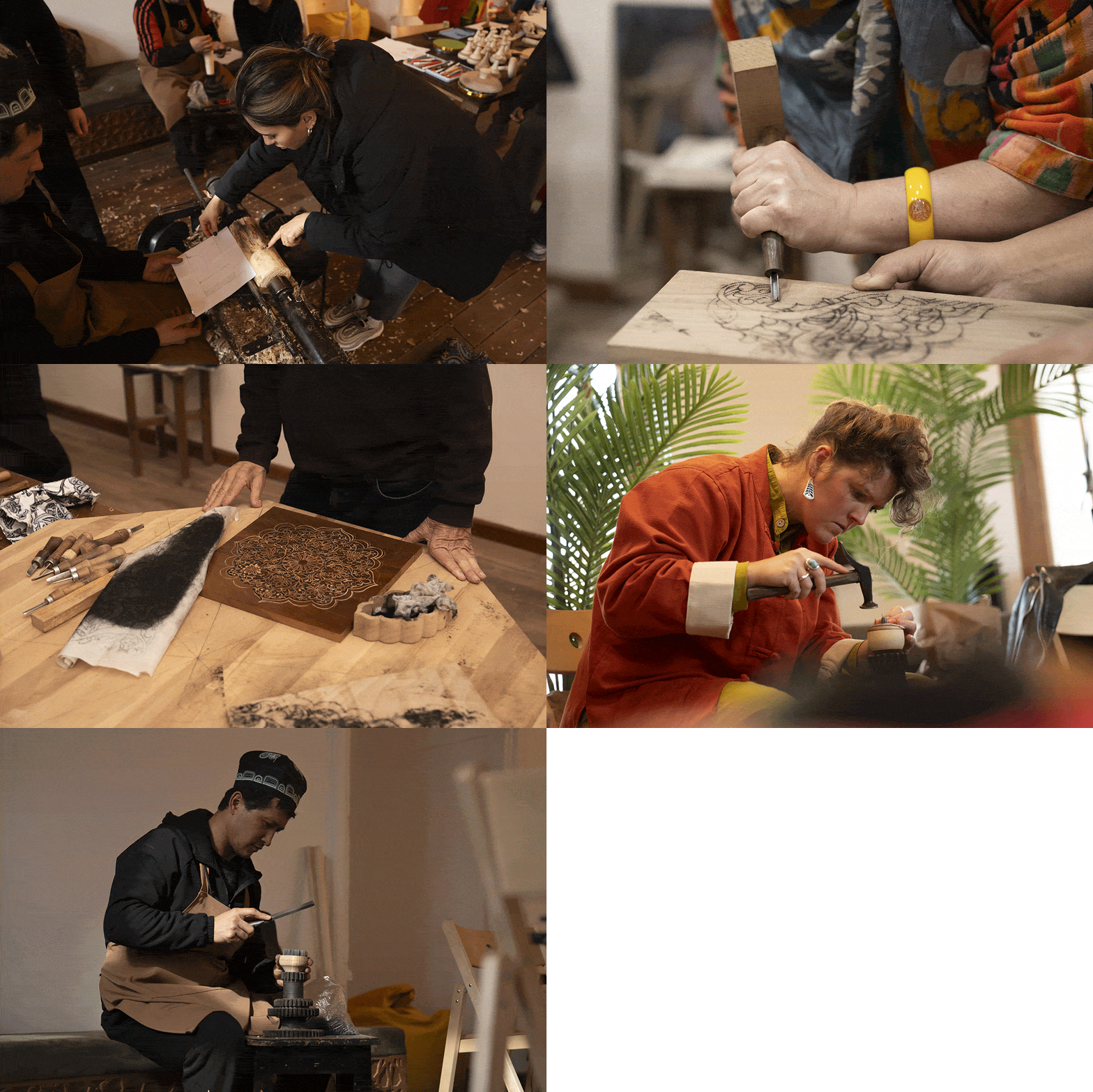
The hand-held stamp, called chekich in Uzbek and tikesh in Karakalpal, is one of the most stand-out features of breadmaking in the region, used for printing patterns on the dough before baking. These motifs are often unique to certain households and bakeries, linking an act as simple as breadmaking to regional and personal identity. Yantrasast tells STIR how food is a universal language and an intersection where everyone comes together and why he chose to focus on it for the exhibition. “I really wanted to focus on the essential crafts and food is an important part of that. When I went to see so many markets in the cities in Uzbekistan, there was so much joy and love around food. Bakers were singing, dancing…there was a sense of community. We felt there would be something very convenient for the artists to react to and bring the sense of not just food but food culture associated with basket and stamp making,” he recalls.
A group of 12 international designers—including Nigeria-based artist and designer Nifemi Marcus-Bello and Hong Kong-born, Finland-based artist and designer Didi Ng Wing Yin—were invited to work with the stamp artisans, producing their versions of stamps and trays. Materials such as wood, silk, felt, ceramics and reed were used to shape their distinct interpretations of the object, resulting in a collision of cultures to elevate an everyday cultural device. The designs, involving hand-twisted yarns and suzani embroidery to glass vessels and geometric motifs, are set to return to Uzbekistan eventually to be presented at the inaugural international edition of Tashkent Design Week, taking place between June 1- 17, 2026.
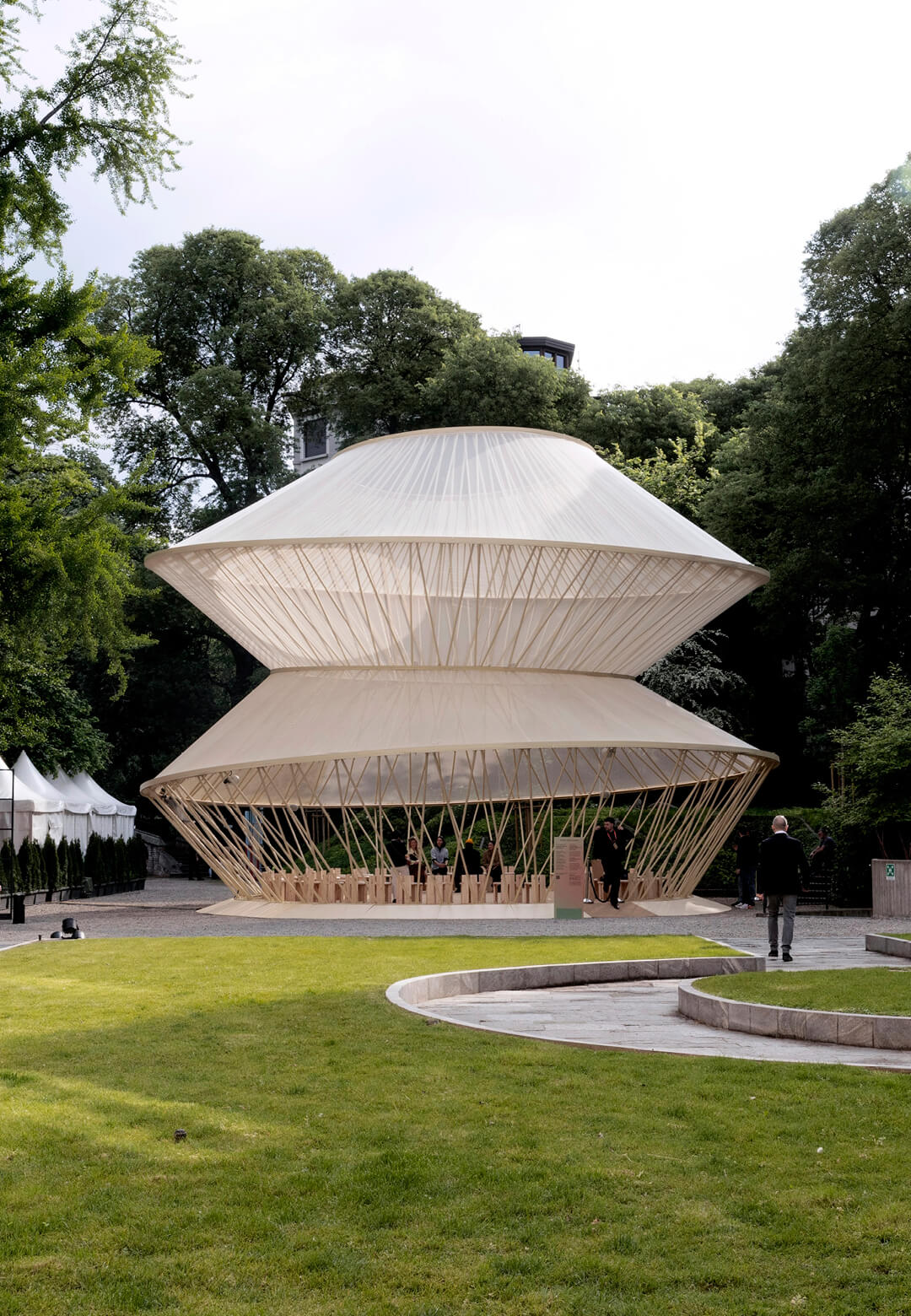
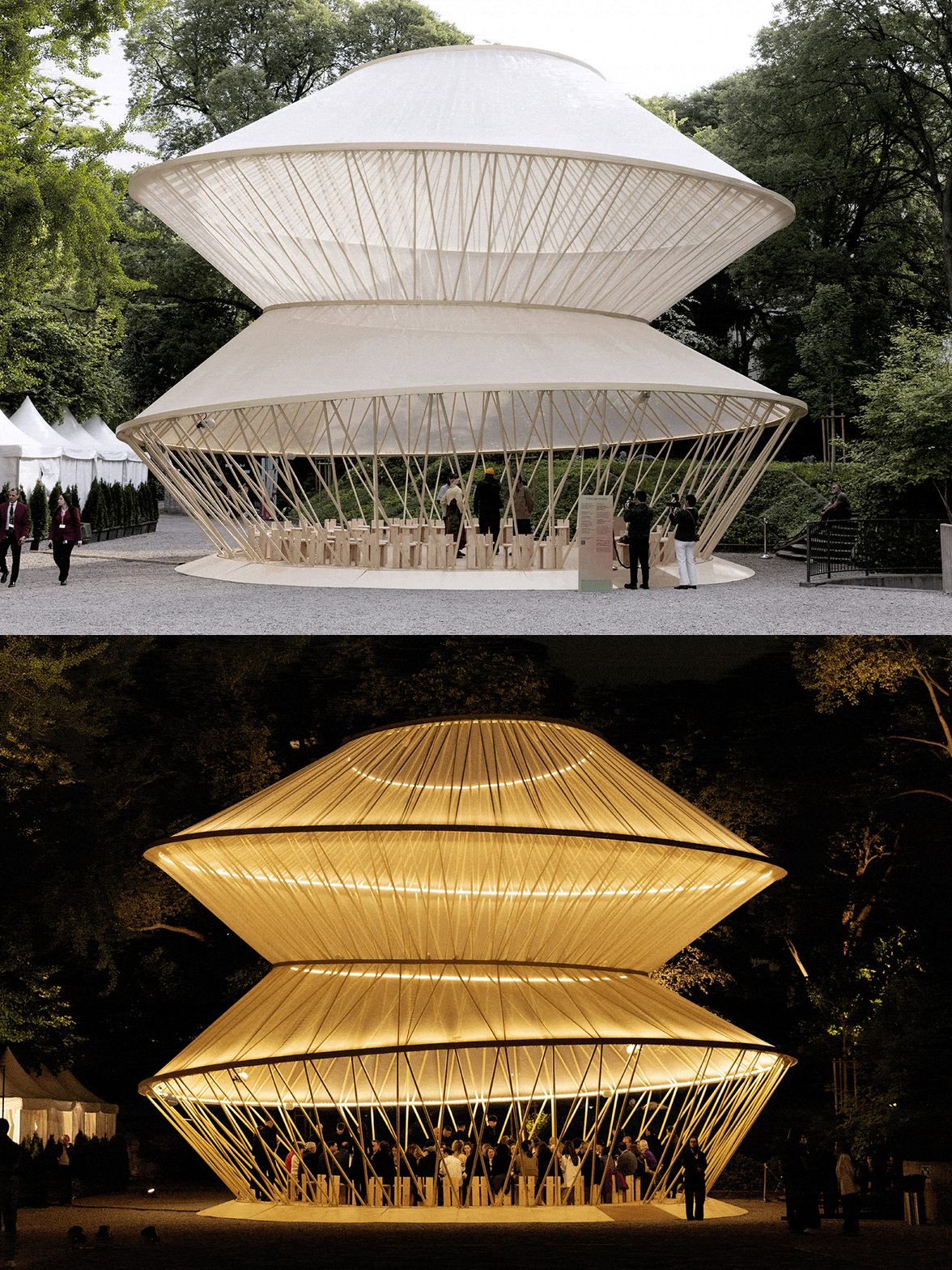
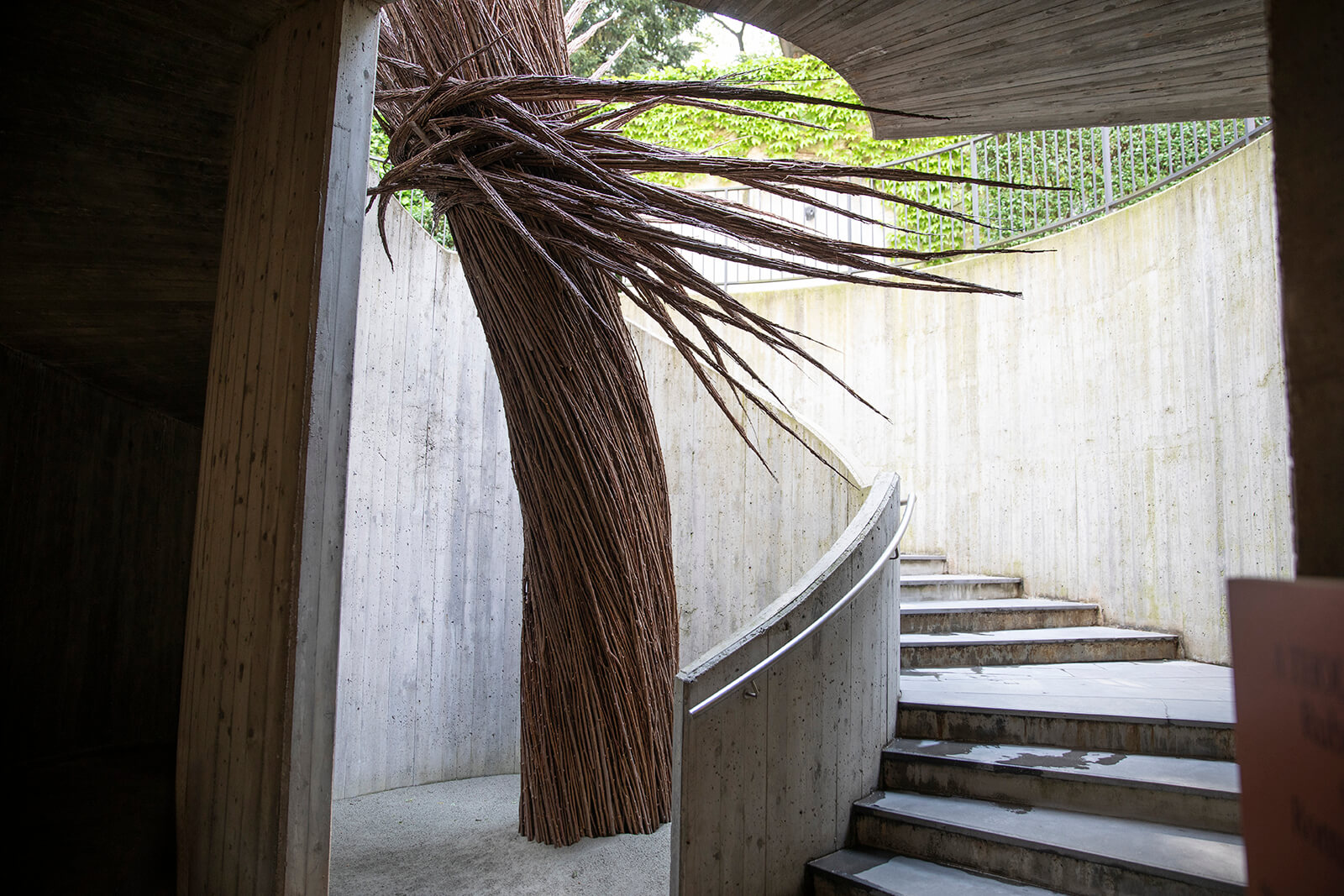
Following the main exhibition spaces, the visitors arrive at A Thousand Voices, an installation made from branches collected during the pruning season of apricot trees. Put together by Tashkent-based artists Ruben Saakyan and Roman Shtengauer, the sculpture speaks of creativity rooted in maintenance, exhibiting a sense of sparseness that comes as an aftermath of loss. The journey ends at the Garden Pavilion, designed by WHY Architecture, featuring gently bent forms translated from the yurt-making traditions of the Uzbek nomads. Yantrasast’s reinterpretation is a contemporary design with 500 steel elements assembled in a 15 m wide lattice framework, encased in translucent fibre gauze. “We wanted to create a place to welcome everyone, giving the same sense of hospitality I experienced in Uzbekistan. The idea of the yurt—nomadic housing—was interesting as a concept so I proposed the idea of a deconstructed yurt that is mobile and foldable. Instead of going vertical, we slant it a little bit to make it stronger,” adds the architect. The pavilion’s public programme ultimately distills the ideas and possibilities presented across the whole exhibition, offering breadstamp-making and tassel-making workshops, along with a week-long discourse on culture, material and place.
Going beyond preserving a regional culture and memory, When Apricots Blossom aspires to catalyse its transformation for continued relevance, especially with the looming threat of complete disappearance of the Aral Sea and its neighbouring regions. While the participation of international designers expands the cultural understanding beyond the geographical boundaries, the insistence on local collaborations and contemporary interpretations hint towards an emerging cultural infrastructure in Uzbekistan. The exhibition, while bringing the nation’s craftsmanship and artisanship into the global spotlight, also becomes a vital step in ACDF’s mission to foster a cultural economy that ultimately offers valuable opportunities to emerging artisans and unites several communities and generations.

by Pranjal Maheshwari Oct 23, 2026
Co-authored by Jareh Das, Chairman traces the British designer’s fixation on chairs as symbols of power and identity and as mediums of expression and community building.
by Chahna Tank Oct 22, 2026
STIR speaks with the Mumbai-based type designer about her practice, type walks and why she wants more people to have stronger opinions about Indian-script fonts.
by Mirra Lynn Oct 22, 2026
The curators behind Palestine Design Week 2026 reflect on its intent, considering how design holds memory, makes space for loss and imagines a future in Palestine.
by Jincy Iype Oct 15, 2026
STIR explores craft, material intelligence and people shaping Indian design through dialogues with Design Democracy’s co-founders and the curators of its special exhibitions.

make your fridays matter with a well-read weekend
Enter your details to sign in
Don’t have an account?
Sign upOr you can sign in with
a single account for all
STIR platforms
All your bookmarks will be available across all your devices.
Stay STIRred
Already have an account?
Sign inOr you can sign up with
Verification link sent to check your inbox or spam folder to complete sign up process
Tap on things that interests you.
Select the Conversation Category you would like to watch
Please enter your details and click submit.
Enter the 6-digit code sent at


Kulapat Yantrasast's When Apricots Blossom explores Uzbek yurt at MDW 2026
by Bansari Paghdar | Published on : Apr 24, 2026


 Sign in with Google
 Sign in with email
What do you think?